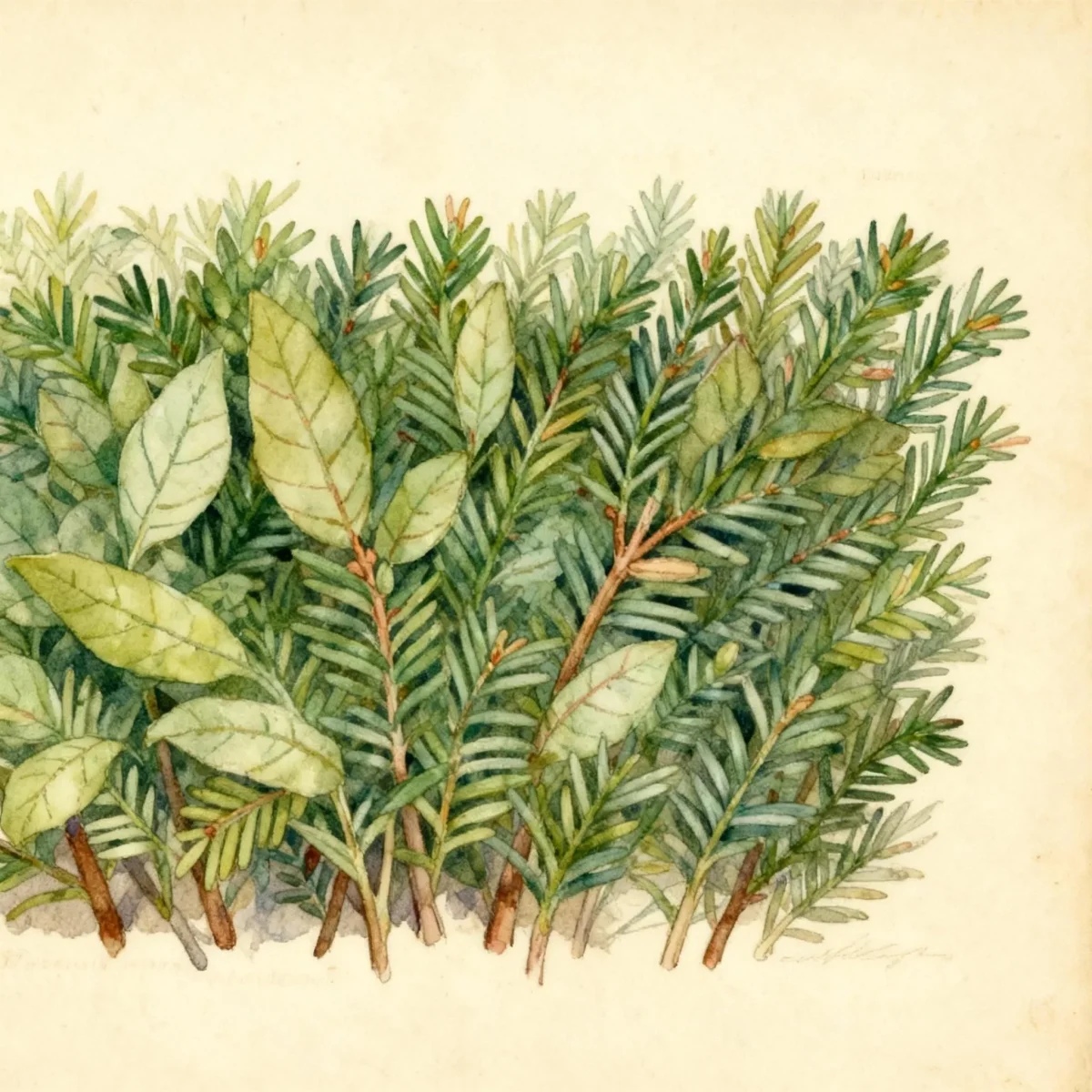
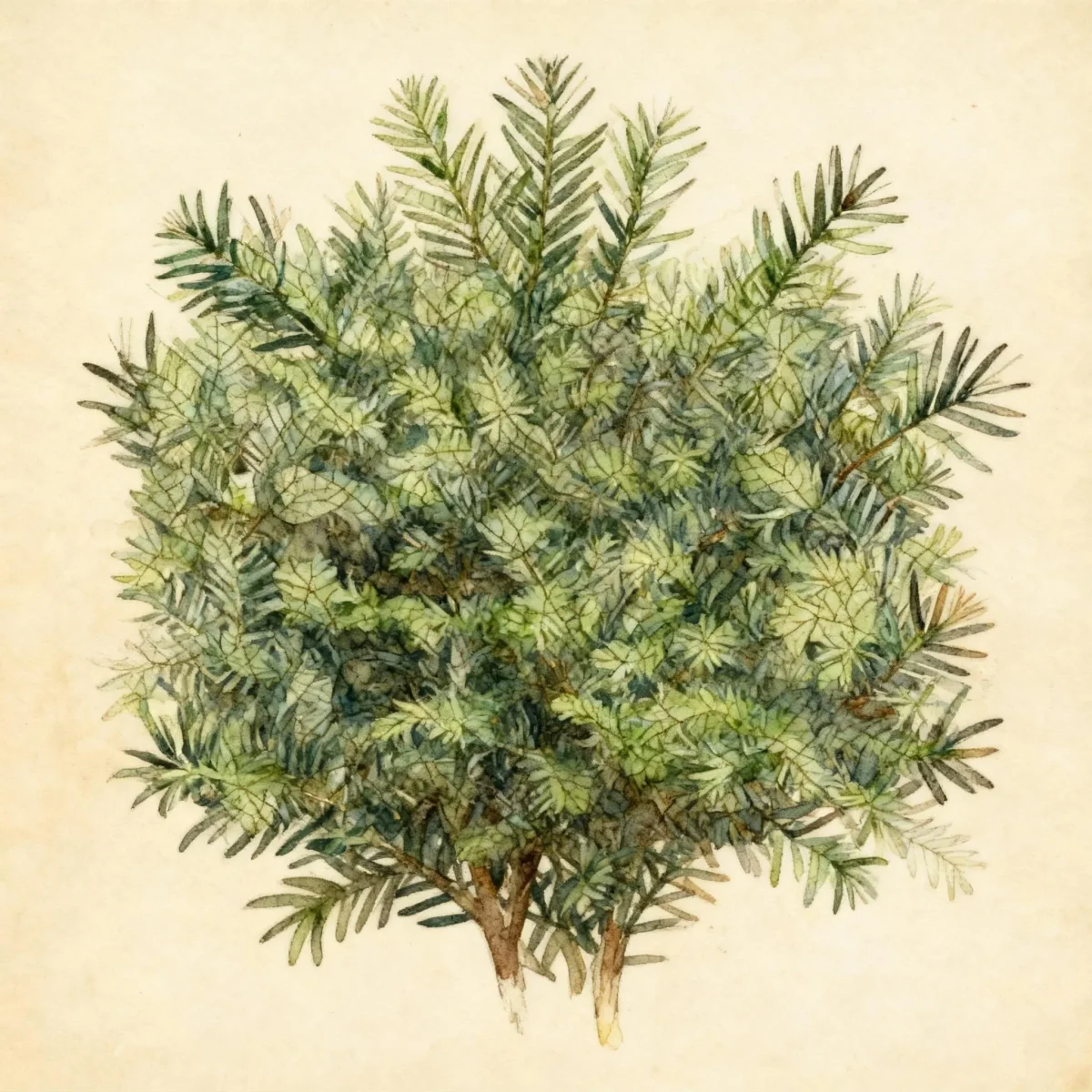
Yew (Taxus × media)
The versatile Yew (Taxus × media) offers year-round deep green foliage, low maintenance, and excellent shade tolerance for Zones 4-7.
Scroll down to discover growing tips, care requirements, companion plants, and more
Complete Plant Information
Overview
The Yew, specifically the hybrid Taxus × media, represents a cornerstone shrub in temperate landscaping. These evergreens are prized for successfully blending the ornamental beauty of English Yew with the superior winter hardiness of the Japanese Yew, resulting in an exceptionally reliable specimen. Gardeners value this hybrid for its dense, year-round evergreen foliage, which provides essential structure and color across all seasons.
Taxus × media thrives across a wide range of light conditions; while it performs well in full sun, it is especially esteemed for its ability to flourish beneath dense canopy where few other evergreens succeed. Requiring only medium water and low maintenance, this plant proves practical for large landscape applications, from formal hedges to naturalized groupings. The resulting habit is visually dense, perfect for creating privacy screens or formal foundation plantings around structures.
Different cultivars allow for flexibility, ranging from low, spreading forms to upright specimens reaching 20 feet. The dark green, needle-like leaves remain attractive throughout the year, offering consistent visual appeal. For a dependable, adaptable, and classically beautiful evergreen, the Yew (Taxus × media) selection offers unmatched versatility in diverse garden settings.
Fast Facts
- Plant Family: Taxaceae
- Plant Type: Needled evergreen
- Native Range: Garden origin
- Hardiness Zones: USDA Zones 4-7
- Size at Maturity:
- Height: 2-20 ft
- Spread: 2-12 ft
- Bloom Time: Non-flowering
- Bloom Description: Non-flowering
- Sun Exposure: Full sun to part shade
- Water Needs: Medium
- Maintenance Level: Low
How to Grow
Planting the Yew (Taxus × media) is best executed in spring or early fall, allowing the roots time to establish before temperature extremes. Ensure the planting site offers excellent soil drainage; this plant will not tolerate wet, soggy conditions, which must be rigorously avoided as they invite root rot. While it adapts well to average soils, cultivating the site with sandy loam soil, if possible, encourages optimal moisture retention without becoming waterlogged.
Once established, watering requirements are moderate, requiring supplemental water during extended dry spells, particularly for younger plants or those situated in full sun. Maintenance is inherently low, though this evergreen responds exceptionally well to pruning and shearing. The ideal time for heavy shaping or corrective pruning is in early spring before the flush of tender new growth appears, maintaining density and desired form.
Protecting Taxus × media from harsh, desiccating winter winds is highly recommended, as these exposures can lead to undesirable winter burn on the foliage. Due to its tolerance for urban settings, this Yew is forgiving regarding pollution, making it a reliable choice for street-facing areas, provided drainage remains impeccable.
Landscape Uses
The inherent adaptability of the Yew (Taxus × media) makes it a favorite for formal structure in landscape design. Its ability to be sheared precisely into geometric shapes or allowed to assume a more natural, spreading mound makes it invaluable for foundations, where tight, clipped hedging is desired, or as a substantial screen where height is needed.
When massed or grouped, these evergreens create deep, rich backdrops that emphasize the colors and textures of surrounding deciduous plants or flowering perennials. While the foliage itself is highly ornamental, designing companions that appreciate similar sun/shade profiles and medium moisture levels is key to success. Consider pairing this robust evergreen with plants that offer seasonal contrast, such as spring-blooming bulbs planted in the foreground.
For hedges and screens, cultivars known for dense, upright habits are favored, offering reliable year-round visual barriers. Their deep coloring provides an exceptional contrast for brighter greens, yellows, or variegated foliage planted nearby, anchoring the entire design scheme.
Standout Features
Fruit Qualities
- Showy
Noteworthy Characteristics
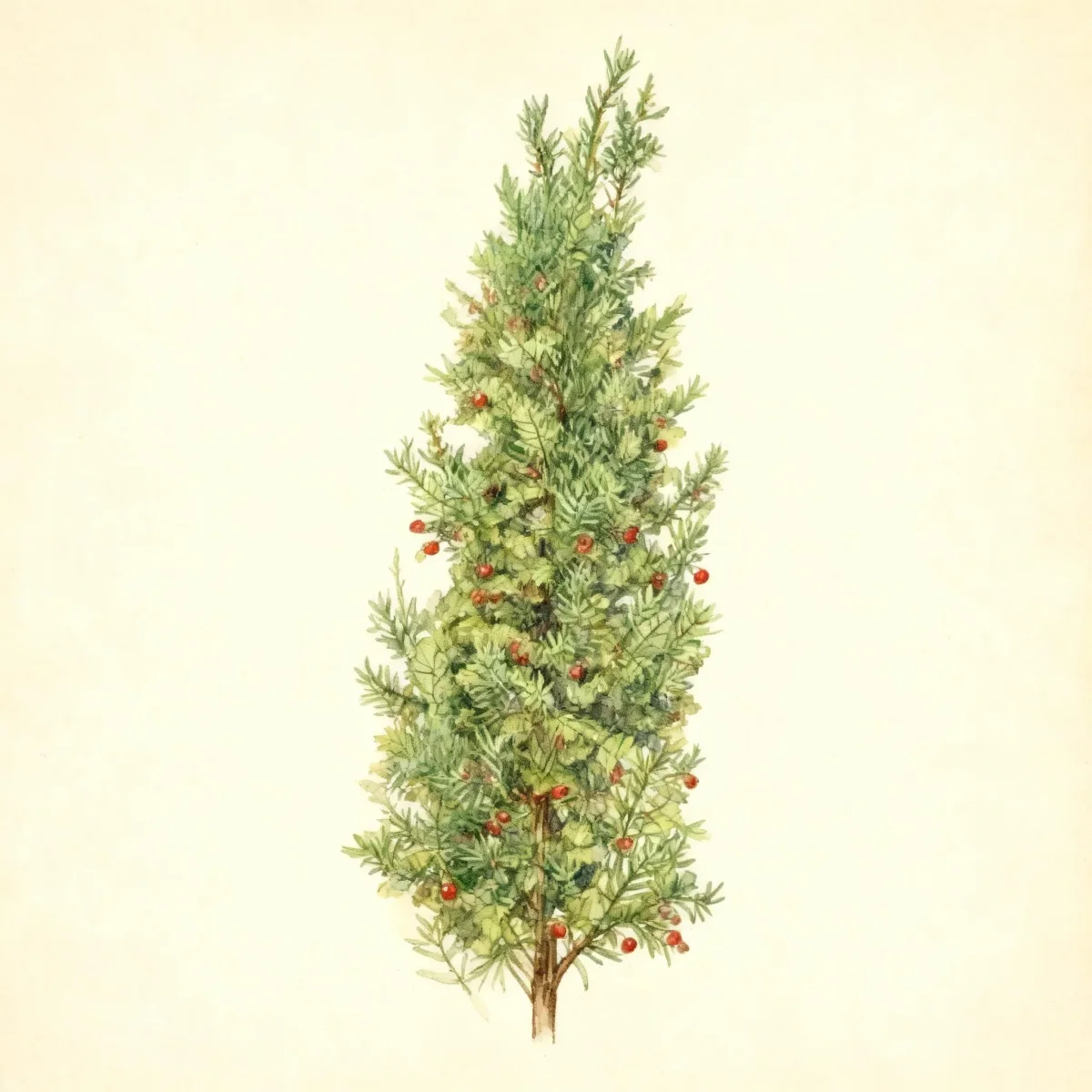
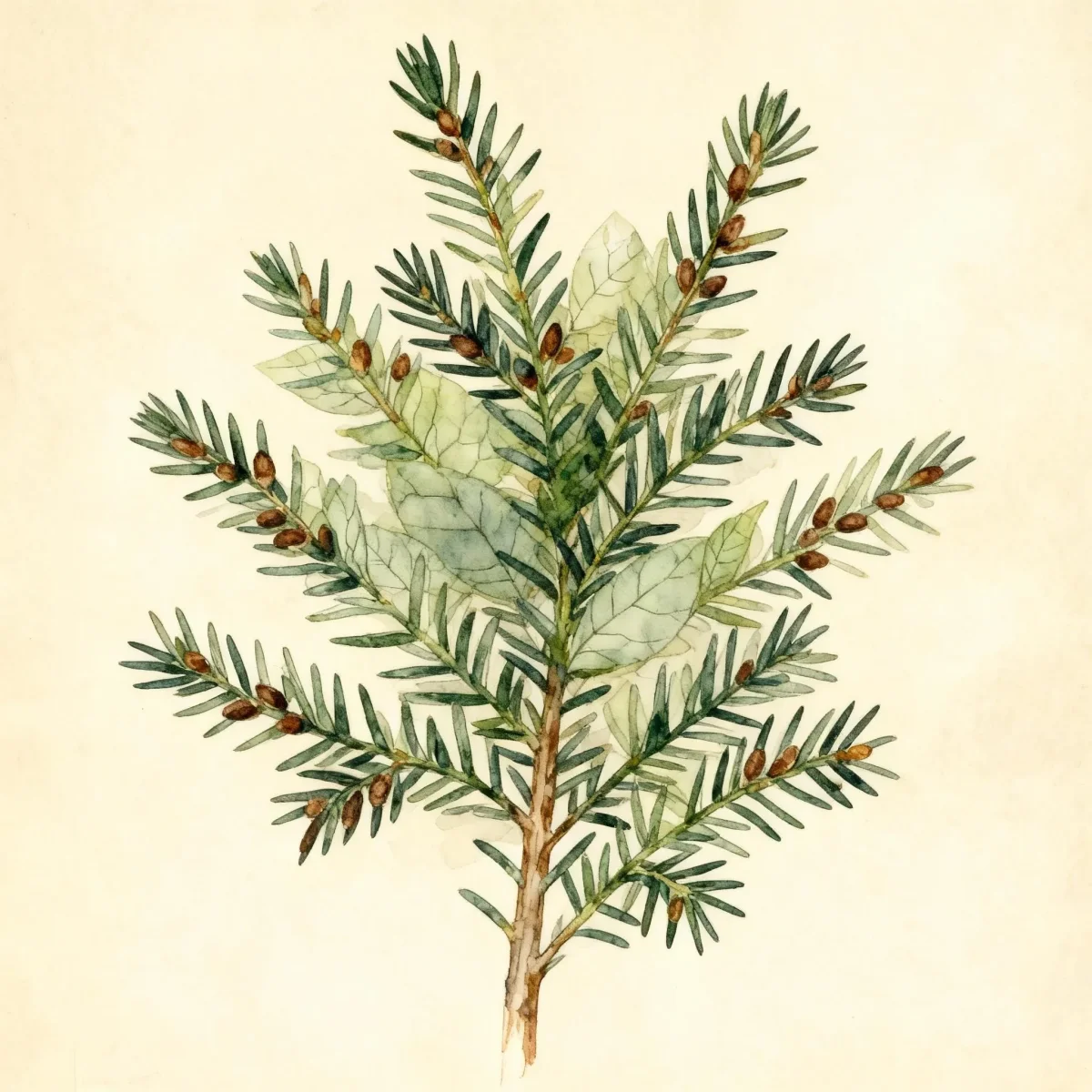
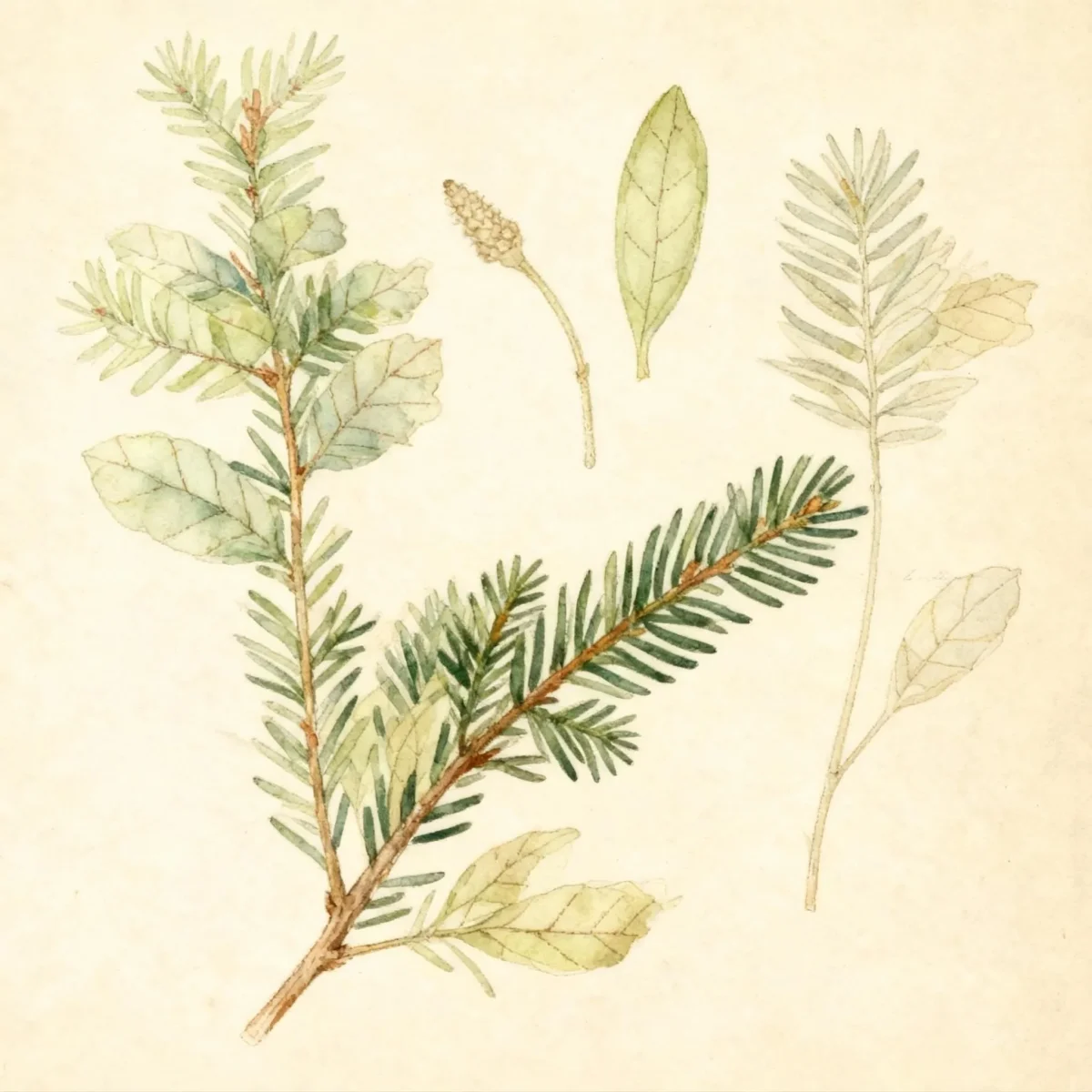
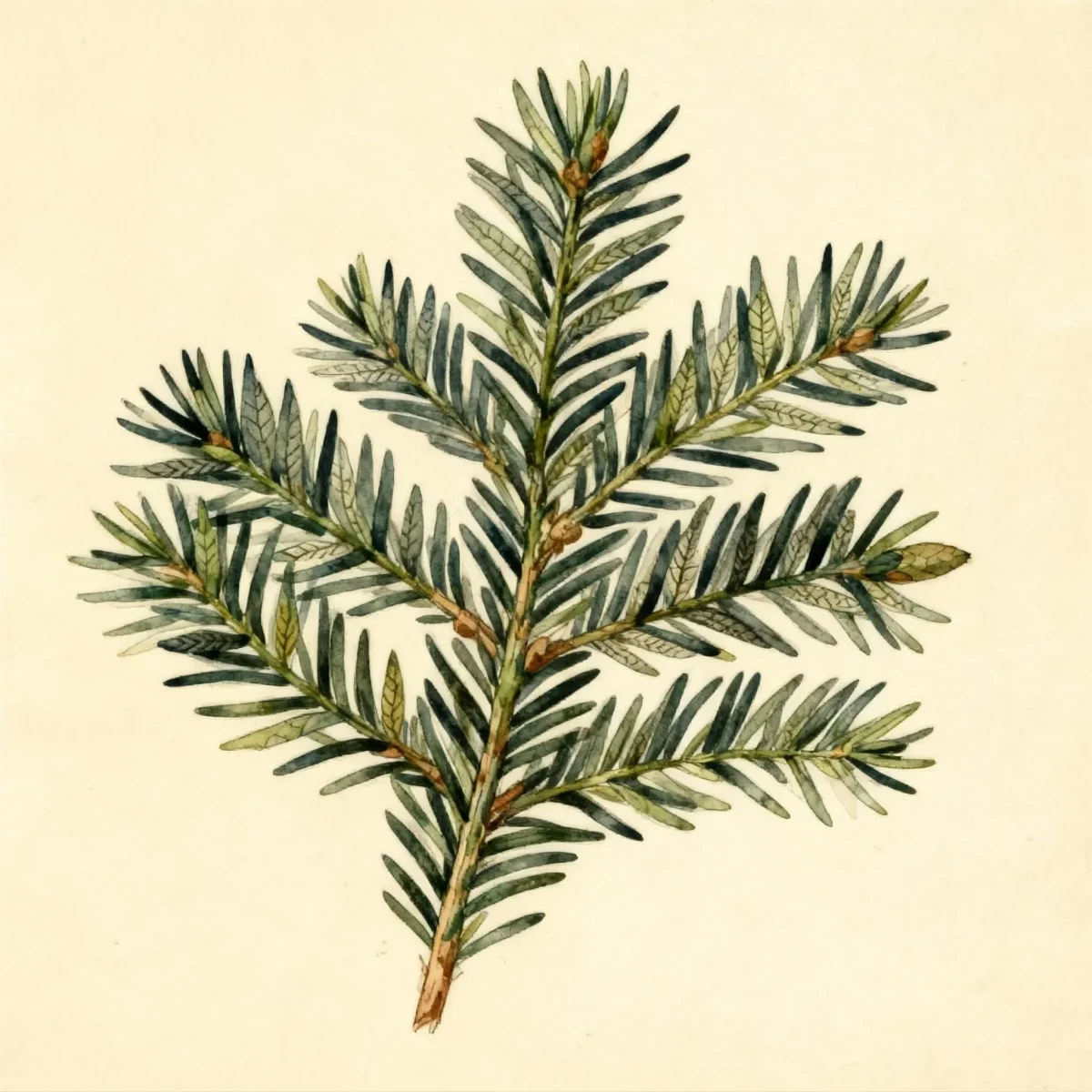
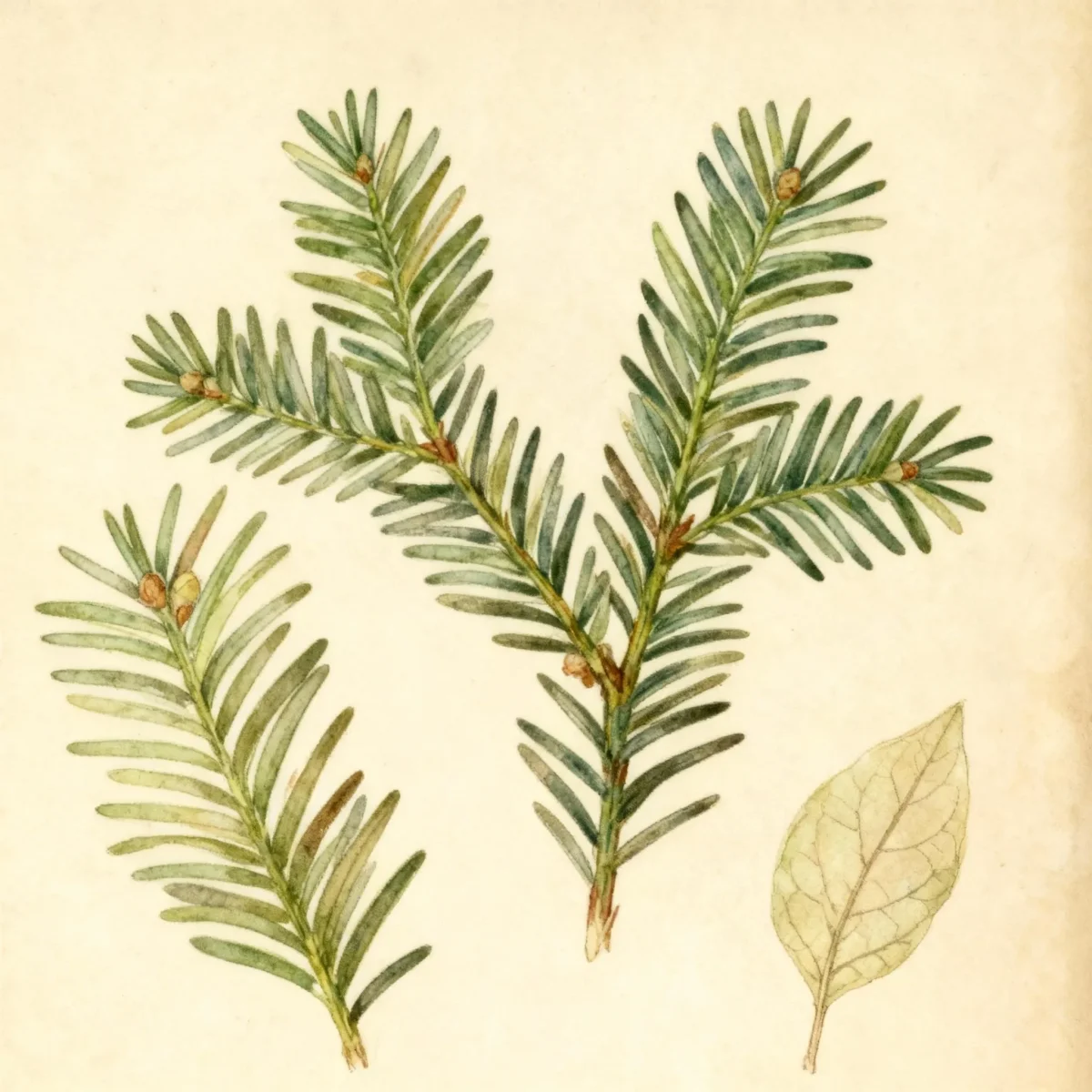
Taxus × media is a hybrid designation for a large number of shrubby, often wide-spreading crosses of English yew (Taxus baccata) and Japanese yew (Taxus cuspidata). These hybrids combine ornamental excellence with enhanced winter hardiness, generally resembling T. cuspidata but varying widely in size based on the specific cultivar. The foliage consists of needle-like, olive to dark green leaves retained year-round, and female plants produce distinctive berry-like cones surrounded by a soft, red, fleshy aril.
Tolerances
- Rabbit
- Drought
- Heavy Shade
Potential Problems
The Yew is generally robust but can suffer from specific environmental issues. Susceptibility to winter burn is common, especially when planted in highly exposed sites where cold, drying winds prevail; site selection is crucial for prevention. Occasionally, fungal issues like twig blight or needle blight may be observed, often requiring attentive sanitation practices. Poorly-drained soils are the primary accelerator for root rot, a severe threat to the health of Taxus × media.
Management often focuses on cultural control. If blight appears, prune out affected branches promptly and ensure good air circulation. Addressing drainage issues before planting is the best defense against rot. For insect pests such as weevils, scale, or mealybugs, preventative horticultural oil treatments or targeted horticultural soaps can manage populations before they cause severe damage to the evergreen needles.
Frequently Asked Questions
What hardiness zones is Yew (Taxus × media) suitable for?
The Yew (Taxus × media) is well-suited for a wide range of climates, thriving in USDA Hardiness Zones 4 through 7.
How large does Yew (Taxus × media) grow?
Depending on the specific cultivar, the mature height of this hybrid Yew can range anywhere from 2 feet up to 20 feet tall, with spreads between 2 and 12 feet wide.
What sun exposure does Yew (Taxus × media) need?
This versatile evergreen performs best when placed in locations receiving full sun to part shade, though it is particularly valued for its excellent tolerance of heavy shade conditions.
When does Yew (Taxus × media) bloom?
Taxus × media is classified as non-flowering; it produces no noticeable flowers, though female plants yield small, fleshy, red, berry-like seed structures called arils.
Conclusion
The Yew (Taxus × media) offers gardeners an unparalleled combination of deep, year-round evergreen color, robust hardiness, and adaptability to shade—qualities that cement its status as a landscape mainstay. For decades, this hybrid has proven its worth in providing structure and texture, irrespective of challenging site conditions. Before planting, confirm your local hardiness zone aligns with USDA Zones 4-7 and ensure your soil provides the essential well-drained conditions this magnificent Yew cultivar demands.
Companion Planting
When selecting companions for your Taxus × media, focus on plants that share its preference for well-drained soil and medium moisture while offering textural or seasonal contrast. Shade gardens benefit greatly from pairing the dark green needles of the Yew with plants offering bright chartreuse foliage, such as certain varieties of Hosta or Hakone grass (Hakonechloa macra).
In sunny locations where the Yew is used as a formal boundary, consider utilizing flowering deciduous shrubs that appreciate similar pH ranges but provide seasonal bursts of color. Serviceberry (Amelanchier) or smaller flowering dogwoods can provide excellent height variance behind a low hedge of Taxus × media, offering shade relief in summer and engaging structure in winter.
For foundation plantings, avoid species requiring consistently moist or swampy ground. Successful pairings often include low-growing evergreens like dwarf Mondo Grass at the base, or spring bulbs like Daffodils planted to emerge before the Yew’s spring growth hardens off, providing early visual interest.
Design Ideas for Screening and Hedging
The primary strength of the Taxus × media in landscape architecture lies in its superb ability to form impenetrable screens or traditional, formal hedges. Because this plant accepts shearing so readily, architects utilize it to define property lines or conceal utility areas with crisp, geometric precision. The density of the foliage ensures privacy throughout the year, unlike deciduous alternatives.
For achieving a formal, clipped hedge, select a cultivar known for tighter growth habits and ensure consistent pruning in early spring to maintain sharp lines and encourage dense outer growth impenetrable to small animals. Remember that the mature spread (up to 12 ft) must be factored in to avoid future overcrowding between parallel hedges.
If a softer, informal screen is desired, allowing the various hybrid forms of Yew to mature more naturally creates a softer texture that blends into woodland edges. Grouping them in odd numbers provides depth and masks the individual differences between cultivars if hard trimming is avoided.