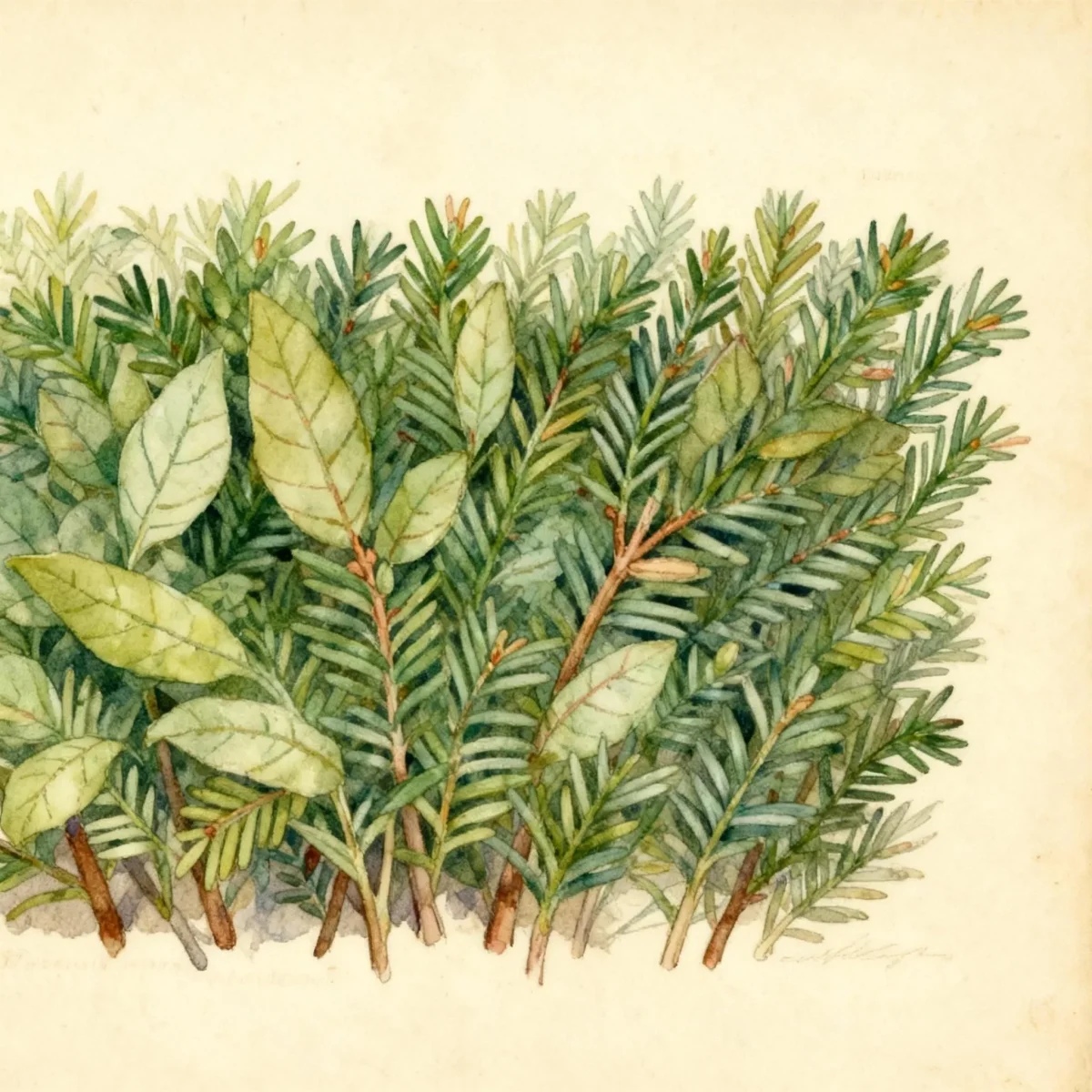
Yew (Taxus × media 'Densiformis')
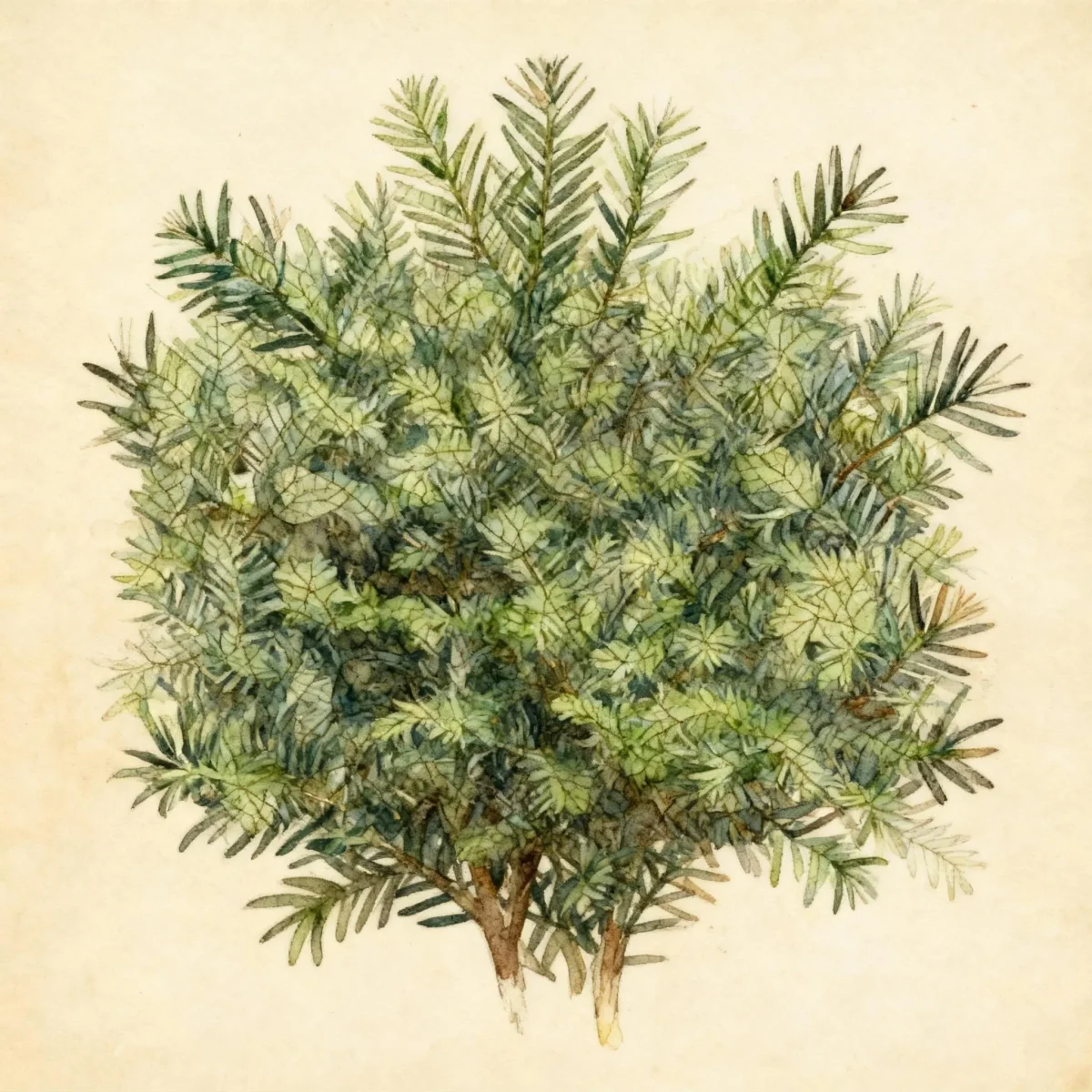
The Taxus × media 'Densiformis' Yew is a dense, semi-dwarf needled evergreen prized for year-round structure and low maintenance needs.
Scroll down to discover growing tips, care requirements, companion plants, and more
Complete Plant Information
Overview
The Taxus × media ‘Densiformis’, commonly known as the Yew, is a standout needled evergreen prized for its dense, spreading habit and reliable year-round color. As a hybrid between English and Japanese Yews, this cultivar combines ornamental appeal with superior winter hardiness across many temperate climates. Gardeners rely on Taxus × media ‘Densiformis’ for creating low maintenance foundation plantings and structured green elements.
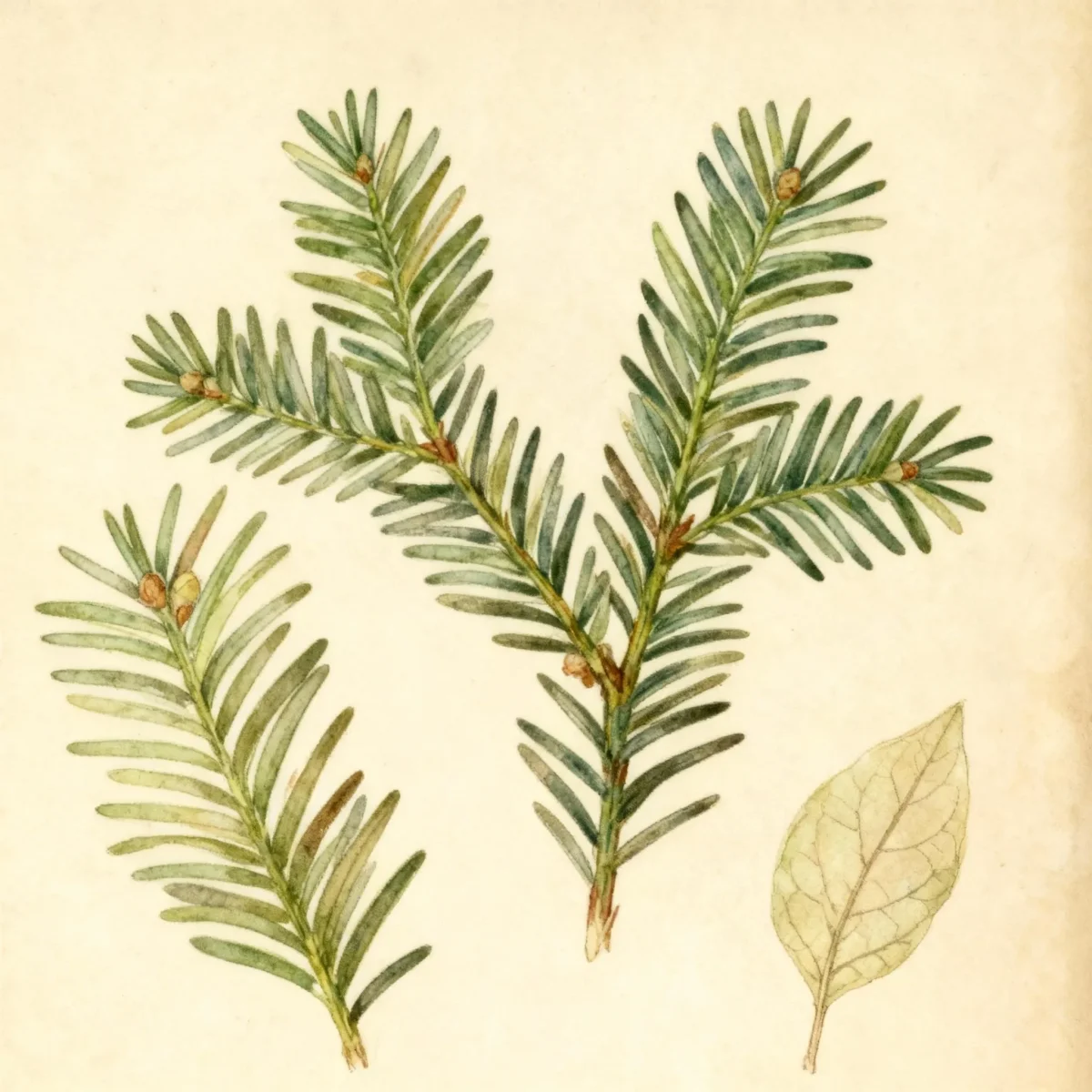
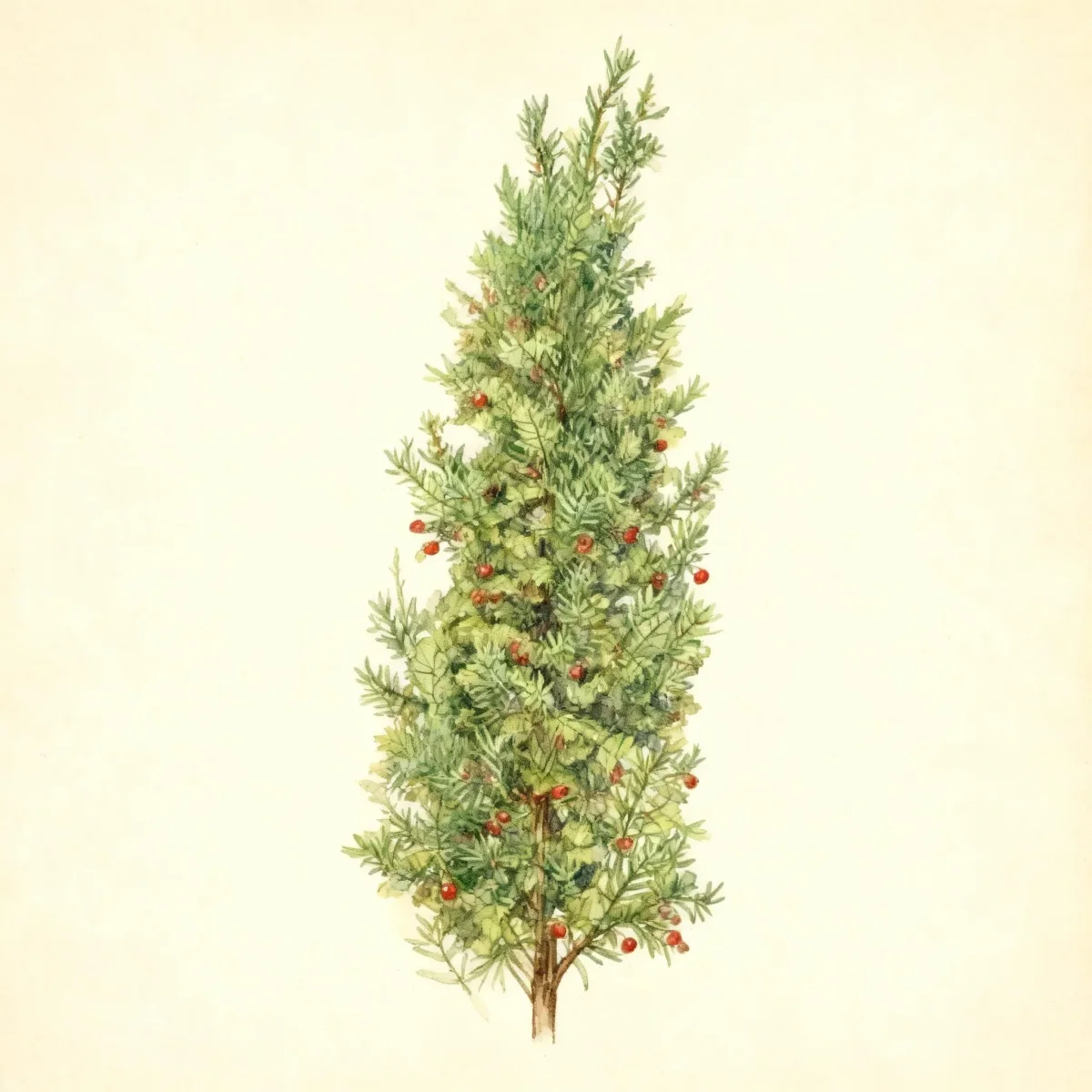
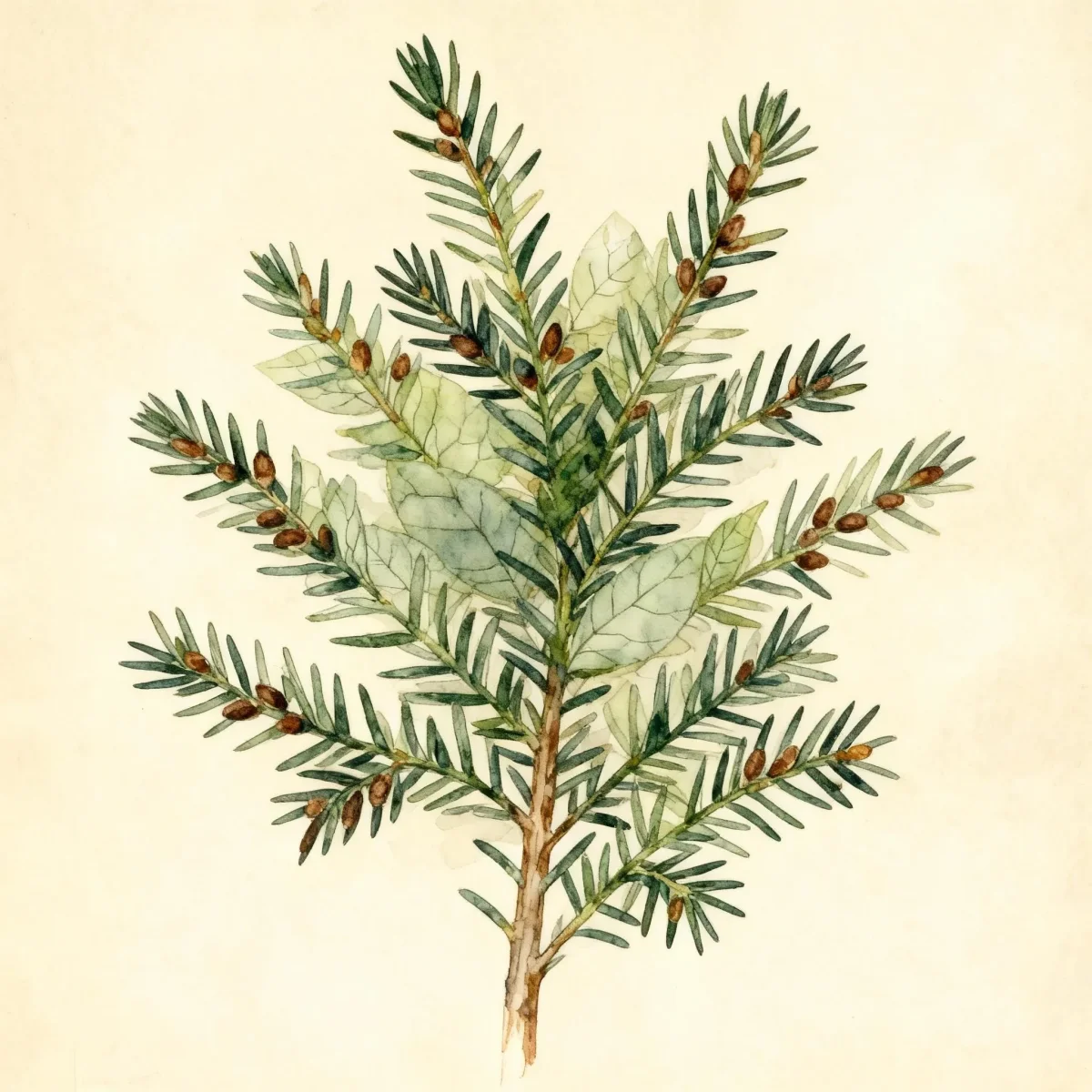
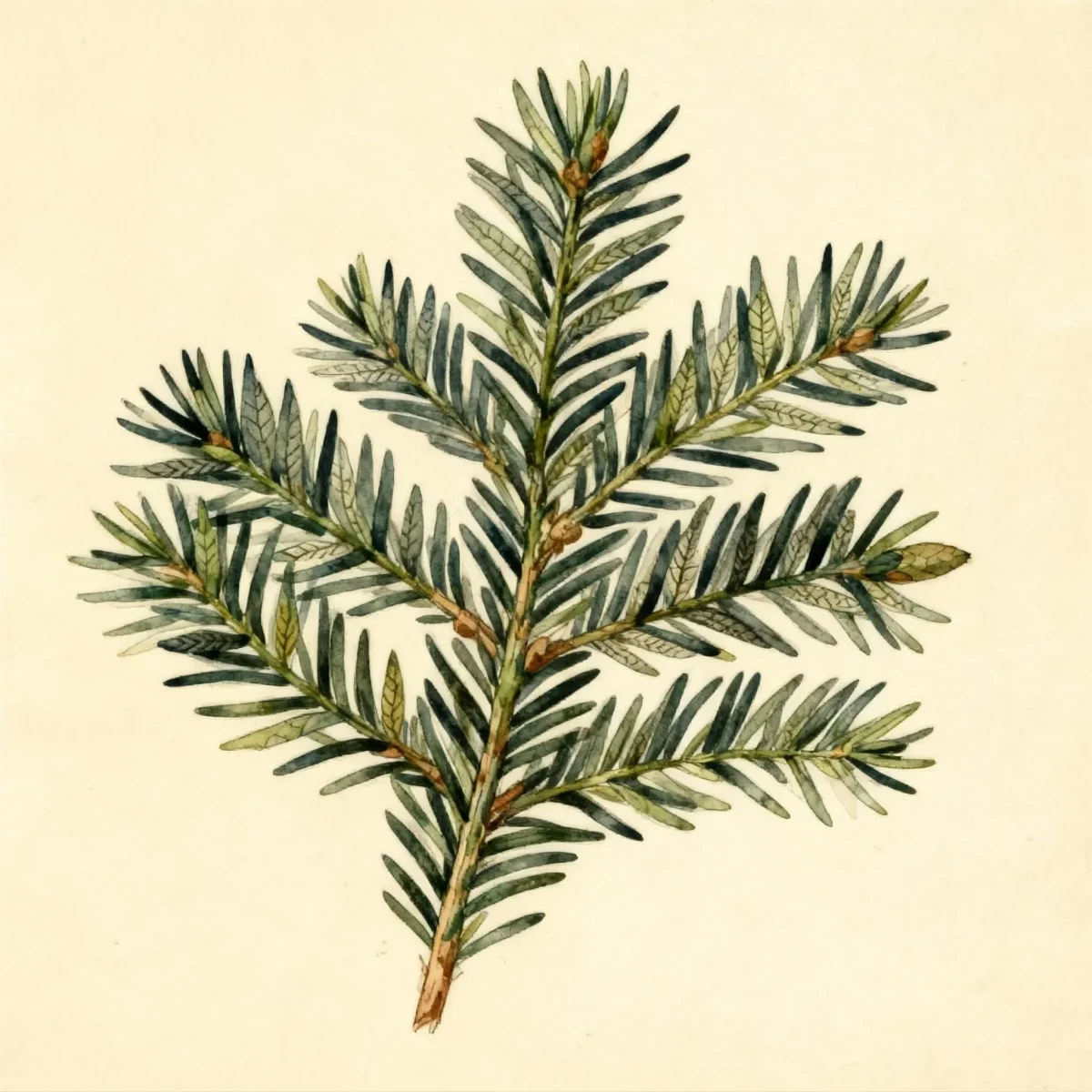
This semi-dwarf selection typically mounds, reaching 3 to 4 feet tall while spreading wider, up to 6 feet. It features attractive, dark green needles that maintain their color throughout the winter, making it a vital component in landscapes needing consistent texture. The overall low maintenance requirements mean that once established, care is minimal, solidifying the Yew’s reputation as a dependable landscape workhorse.
Functionally, the adaptability of the Yew is a major benefit; it handles everything from full sun to heavy shade and shows good drought tolerance once acclimated. The attractive, showy fruit structures (arils) on female plants offer seasonal interest, though caution must always be exercised as all parts of the Yew plant are toxic if ingested. Utilizing Taxus × media ‘Densiformis’ ensures robust evergreen color regardless of the season’s harshness.
Fast Facts
- Plant Family: Taxaceae
- Plant Type: Needled evergreen
- Hardiness Zones: USDA Zones 4-7
- Size at Maturity:
- Height: 3-4 ft
- Spread: 4-6 ft
- Bloom Time: Non-flowering
- Bloom Description: Non-flowering
- Sun Exposure: Full sun to part shade
- Water Needs: Medium
- Maintenance Level: Low
How to Grow
Planting the Taxus × media ‘Densiformis’ Yew is best achieved in spring or fall when temperatures are moderate. Select a spot with good soil drainage, as this cultivar has zero tolerance for wet footing, which can quickly lead to root rot. While it performs well in average soils, ensuring the soil is well-drained is the most critical cultural factor for long-term success.
Water needs are medium, requiring consistent moisture, generally applying water deeply when the top inch of soil begins to dry out. Avoid overhead watering in the heat of the day to minimize needle scorch. This Yew thrives in locations protected from harsh winter winds to prevent winter burn on the foliage.
Maintenance for this low-care shrub is typically minimal. Taxus × media ‘Densiformis’ accepts pruning and shearing exceptionally well. The best time for significant shaping or shearing is early spring, just before the new growth flush begins. Avoid heavy pruning late in the growing season.
Landscape Uses
The naturally dense and spreading habit of the Taxus × media ‘Densiformis’ makes it an excellent choice for structured gardening designs. It is frequently used as a foundation plant right against buildings, where its low profile will not obscure architecture over time. Furthermore, this Yew excels when employed as a small, formal hedge bordering walkways or defining garden rooms.
Because it tolerates heavy shade, the Yew serves as a vital component in woodland or shady border plantings where many other evergreens struggle. Consider placing it near shade-loving perennials or broadleaf evergreens like Rhododendron to create layered texture contrast. Its reliability also makes it a good specimen plant where a low, spreading accent is desired against lighter-colored hardscaping.
Standout Features
Fruit Qualities
- Showy
Noteworthy Characteristics
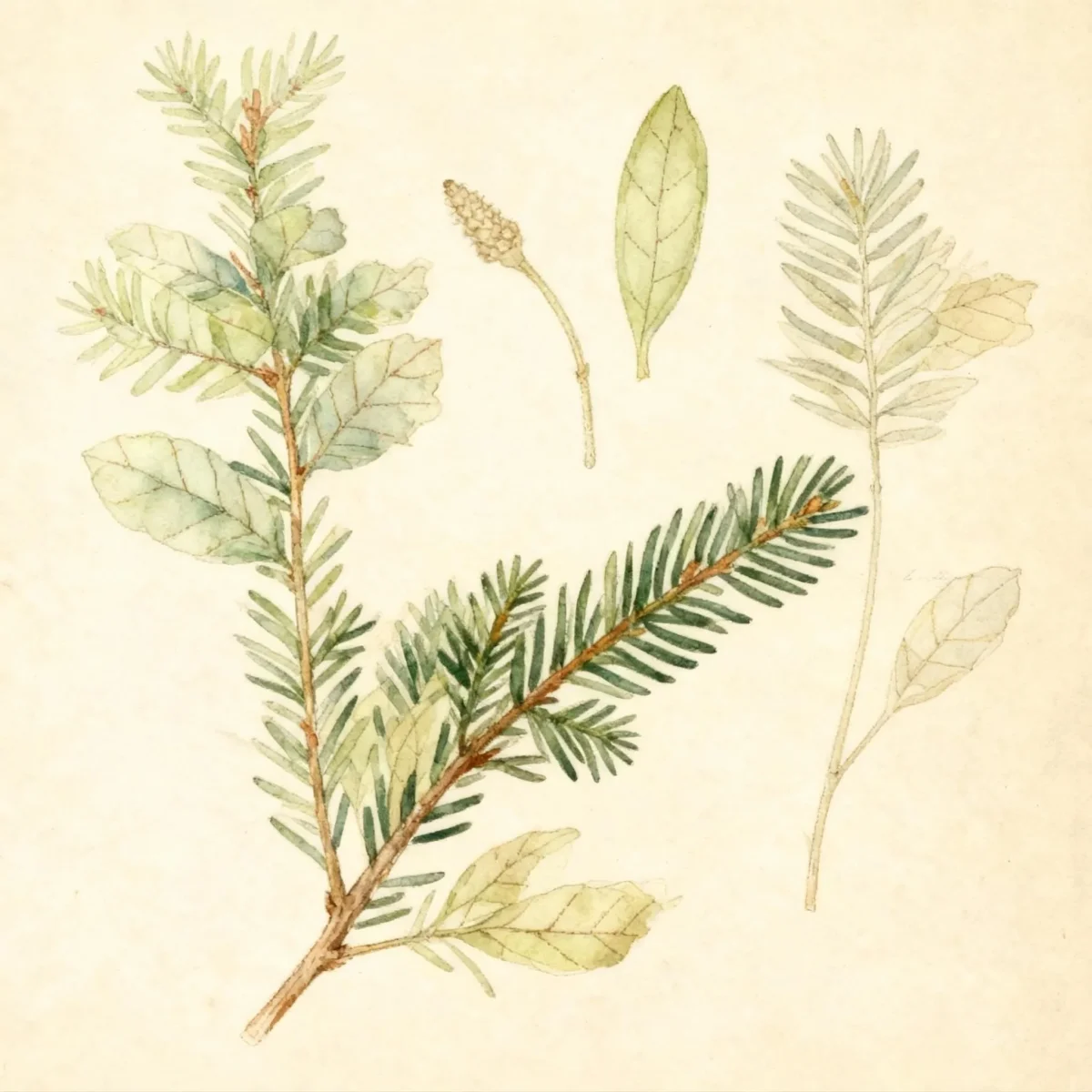
Taxus × media is a hybrid designation for a large number of shrubby, often wide-spreading crosses of English yew (Taxus baccata) and Japanese yew (Taxus cuspidata). These hybrids are noted for combining the ornamental excellence of English yew with the winter hardiness of Japanese yew. ‘Densiformis’ is specifically recognized as a semi-dwarf, dense, spreading cultivar maturing to a mounding shape between 3–4 feet tall and 5–7 feet wide. The foliage consists of two-ranked, pointed, needle-like leaves that are attractive dark green year-round.
Tolerances
- Rabbit
- Drought
- Heavy Shade
Potential Problems
The primary concern for Taxus × media ‘Densiformis’ often relates to environmental stresses rather than persistent pests. Susceptibility to winter burn is notable, especially when the Yew is situated in exposed sites where it faces drying winter winds and intense sun reflection. Twig blight and needle blight can occasionally surface, often exacerbated by poor air circulation or overly wet conditions persisting too long. Always ensure excellent drainage, as root rot is a significant threat if the soil remains waterlogged, and address pests like weevils, mealybugs, and scale immediately if they appear patchy or yellowing occurs.
Frequently Asked Questions
What hardiness zones is Yew suitable for?
The Taxus × media ‘Densiformis’ Yew is hardy and reliably grown in USDA Zones 4 through 7.
How large does Yew grow?
This cultivar generally matures to a height of 3 to 4 feet, but it spreads significantly wider, often reaching 4 to 6 feet across.
What sun exposure does Yew need?
This versatile Yew performs well across a broad range, thriving in full sun areas while also tolerating heavy shade conditions.
When does Yew bloom?
Taxus × media ‘Densiformis’ is non-flowering; it produces attractive, colorful, berry-like cones (arils) in season instead of traditional flowers.
Conclusion
The Taxus × media ‘Densiformis’ is an invaluable, low-maintenance evergreen, offering dense structure and reliable dark green color throughout the year, especially in partially shaded spots. Its spreading habit makes this Yew ideal for formal hedging or foundation coverage. Before planting, verify your local USDA hardiness zone falls between 4 and 7 and confirm soil drainage is excellent to ensure the longevity of your Taxus × media ‘Densiformis’.
Design Ideas
The dense, naturally spreading habit of the Taxus × media ‘Densiformis’ makes it an excellent choice for low, formal edging that requires minimal clipping. Unlike upright cultivars, ‘Densiformis’ maintains a rounded silhouette, perfect for softening hard corners or creating separation between lawn areas and tall shrubs. It works beautifully under the canopy of taller deciduous or coniferous trees where light levels are reliably dappled.
When designing shaded borders, pair this needled evergreen with plants that offer seasonal color contrast, such as Hosta varieties with chartreuse or variegated leaves. The dark green needles of the Yew provide a perfect, solid backdrop that makes lighter foliage and brighter spring bulbs truly pop. Ensure adequate space is given at planting, respecting its 6-foot potential spread to minimize overcrowding and improve air circulation.
Companion Planting
Because the Yew tolerates heavy shade and prefers medium moisture, excellent companions include Japanese Forest Grass (Hakonechloa macra) for flowing texture, or Astilbe, which offers bright, plume-like flowers against the Yew’s dark structure. For year-round greenery association, consider planting it near broadleaf evergreens like Boxwood (Buxus) or low-growing Rhododendrons, provided the soil pH and drainage conditions are compatible across the plantings.