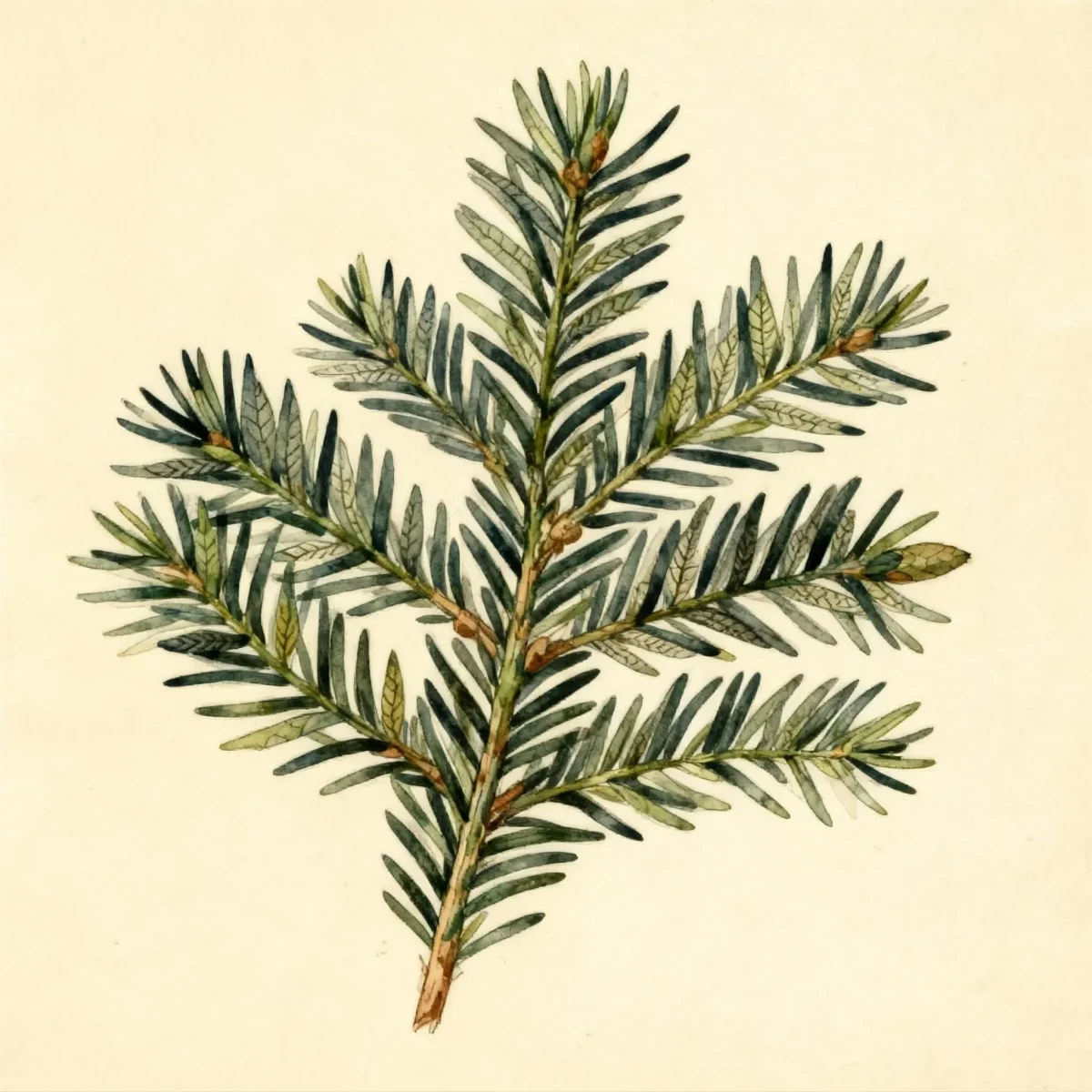
Yew (Taxus × media 'Everlow')
Taxus × media 'Everlow' is a low-spreading Yew known for its evergreen structure, superior hardiness, and low maintenance needs.
Scroll down to discover growing tips, care requirements, companion plants, and more
Complete Plant Information
Overview
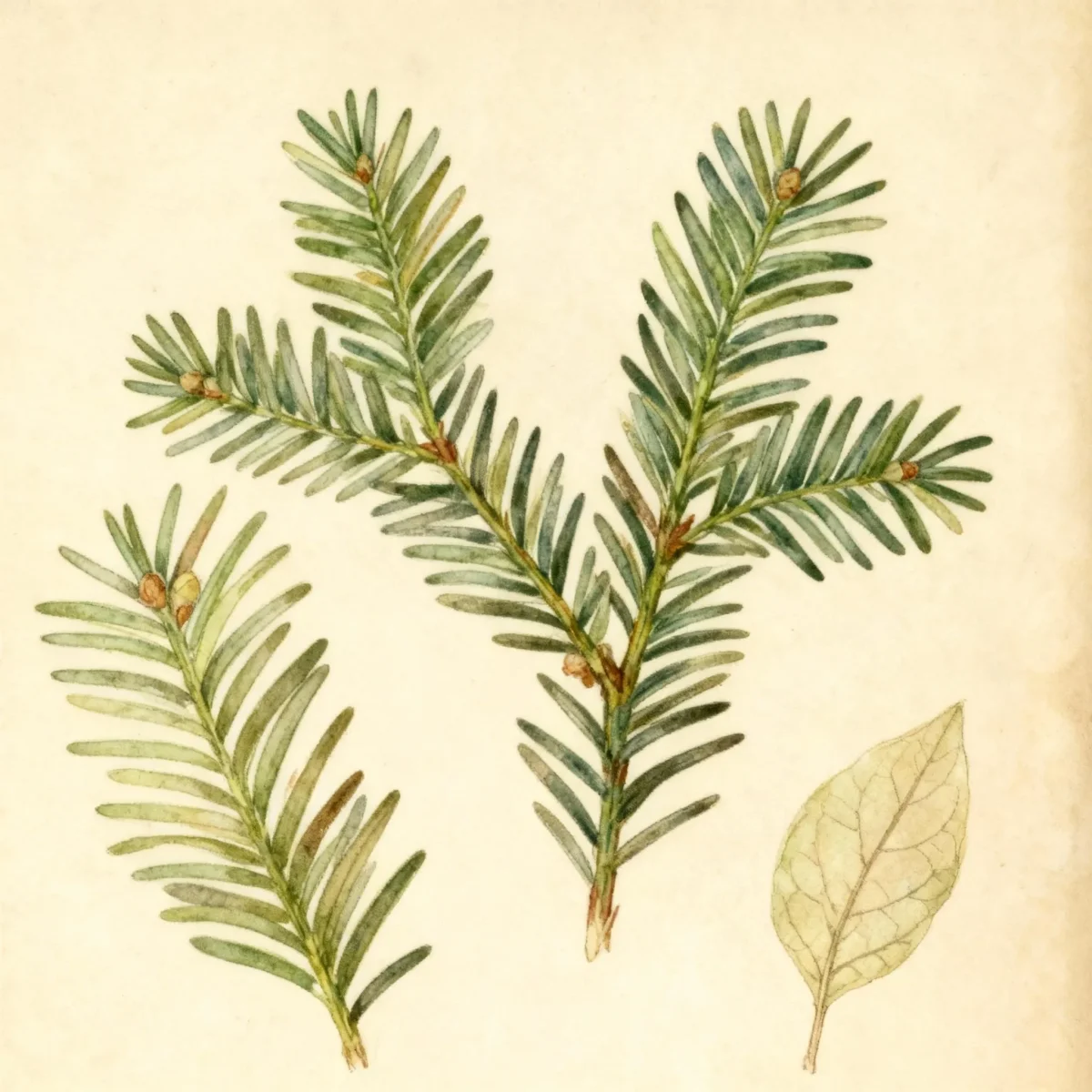
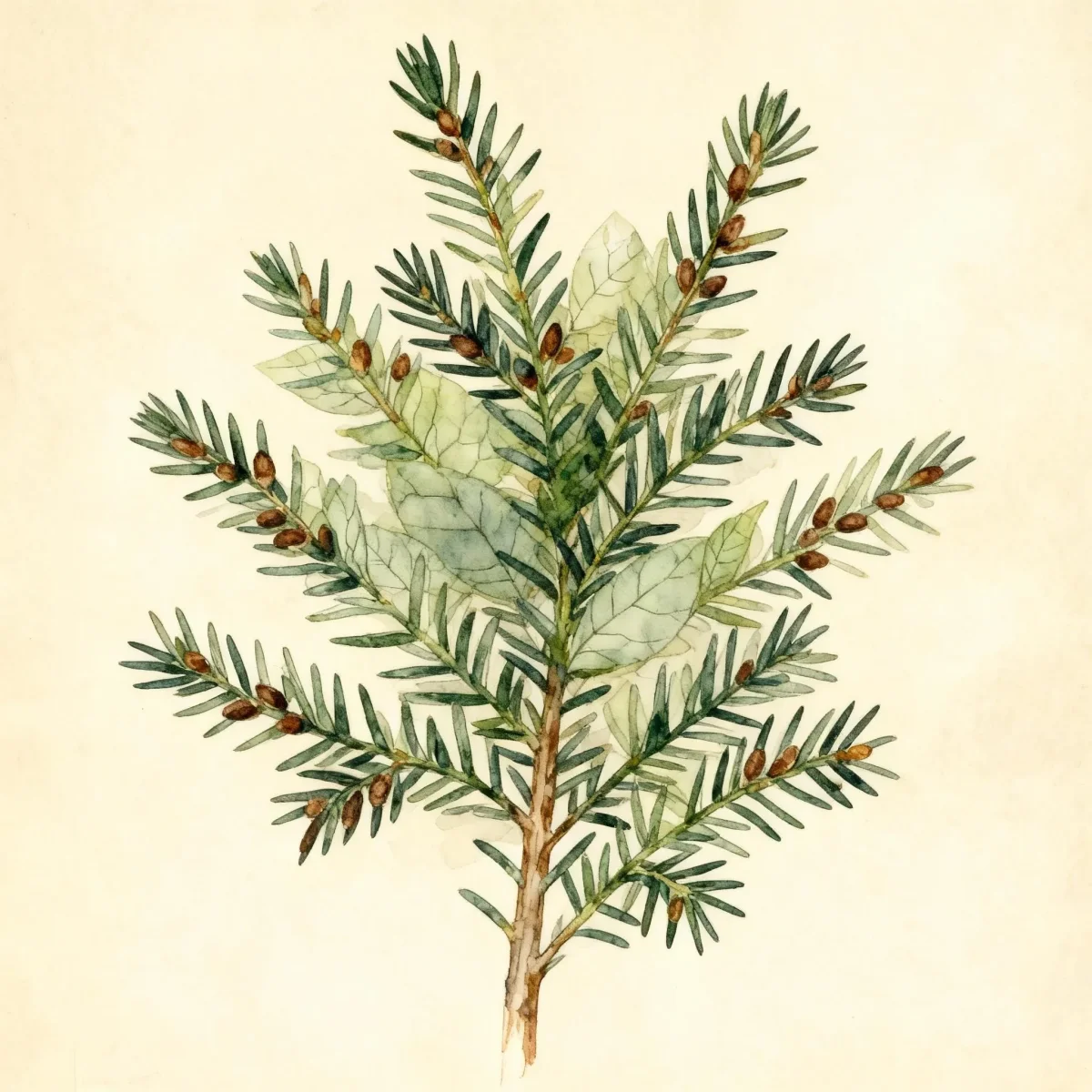
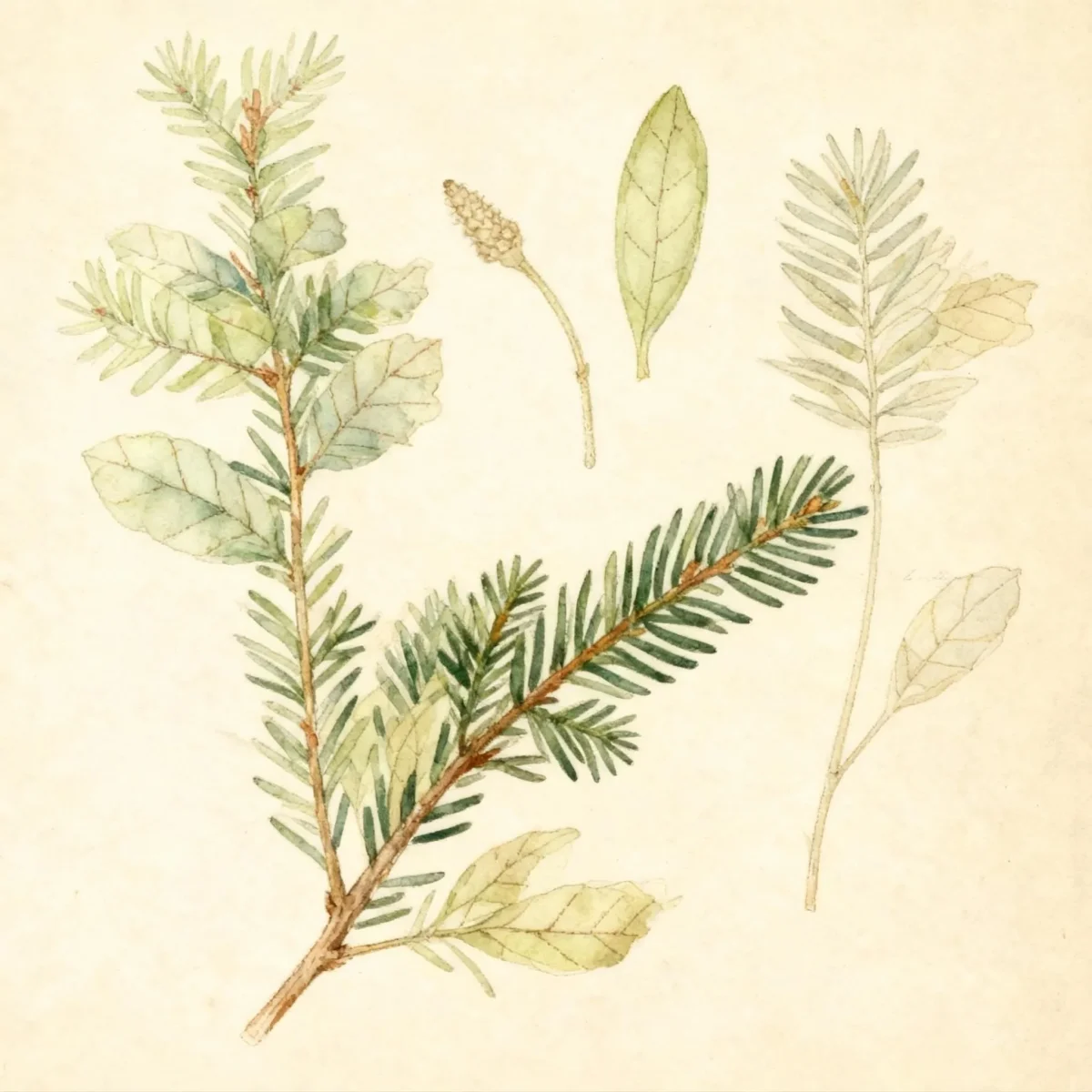
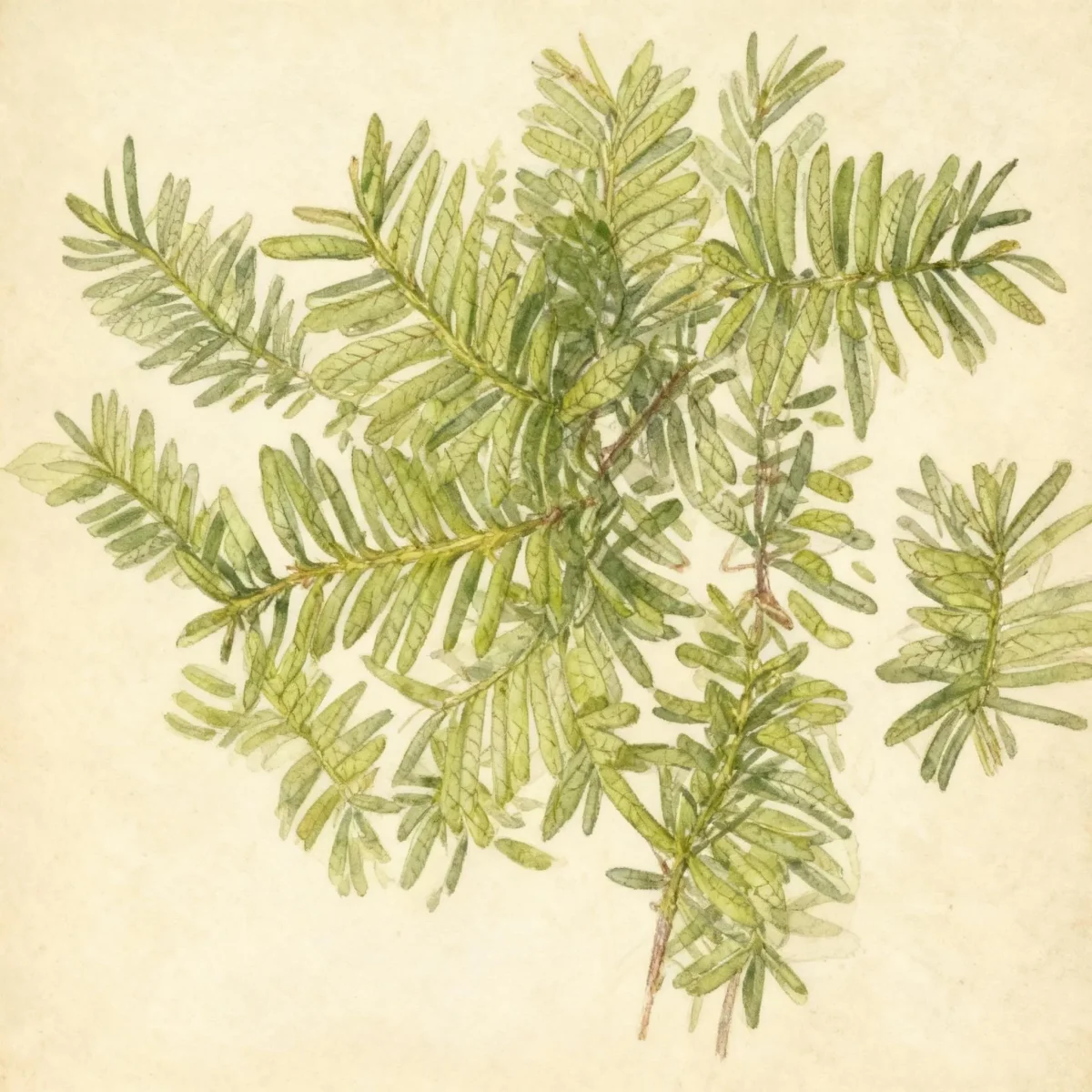
The Taxus × media ‘Everlow’, commonly known as Yew, is a highly valued needled evergreen prized for its dense, spreading habit and year-round aesthetic appeal. This hybrid cross combines the ornamental qualities of English Yew with the superior winter hardiness of the Japanese Yew, making it robust across diverse climates. As a dwarf spreading cultivar, the Taxus × media ‘Everlow’ is an excellent choice for foundation plantings or groundcover where a low, formal blanket of deep green foliage is desired. Its low maintenance needs and excellent tolerance for shade and urban environments ensure its popularity among landscape designers and home gardeners alike.
Fast Facts
- Plant Family: Taxaceae
- Plant Type: Needled evergreen
- Hardiness Zones: USDA Zones 4-7
- Size at Maturity:
- Height: 1-1.5 ft
- Spread: 4-5 ft
- Bloom Time: Non-flowering
- Bloom Description: Non-flowering
- Sun Exposure: Full sun to part shade
- Water Needs: Medium
- Maintenance Level: Low
How to Grow
Plant the Yew in the early spring or fall in a location that receives full sun to part shade. Optimal growth occurs in average, well-drained soils, preferably moist, sandy loams. Crucially, this plant cannot tolerate wet soil conditions, so ensure excellent drainage before planting to prevent root rot issues common to Yews.
Once established, watering should be maintained at a medium level, ensuring the soil stays consistently moist but never waterlogged. While low maintenance, pruning and shearing Taxus × media ‘Everlow’ are best executed in early spring just before new growth emerges. This timing allows the shrub to recover quickly while maintaining its dense, low profile.
Due to its susceptibility to winter burn, locate this evergreen where it is protected from harsh, drying winter winds. Although tolerant of urban stress, providing some shelter significantly enhances its appearance throughout colder months.
Landscape Uses
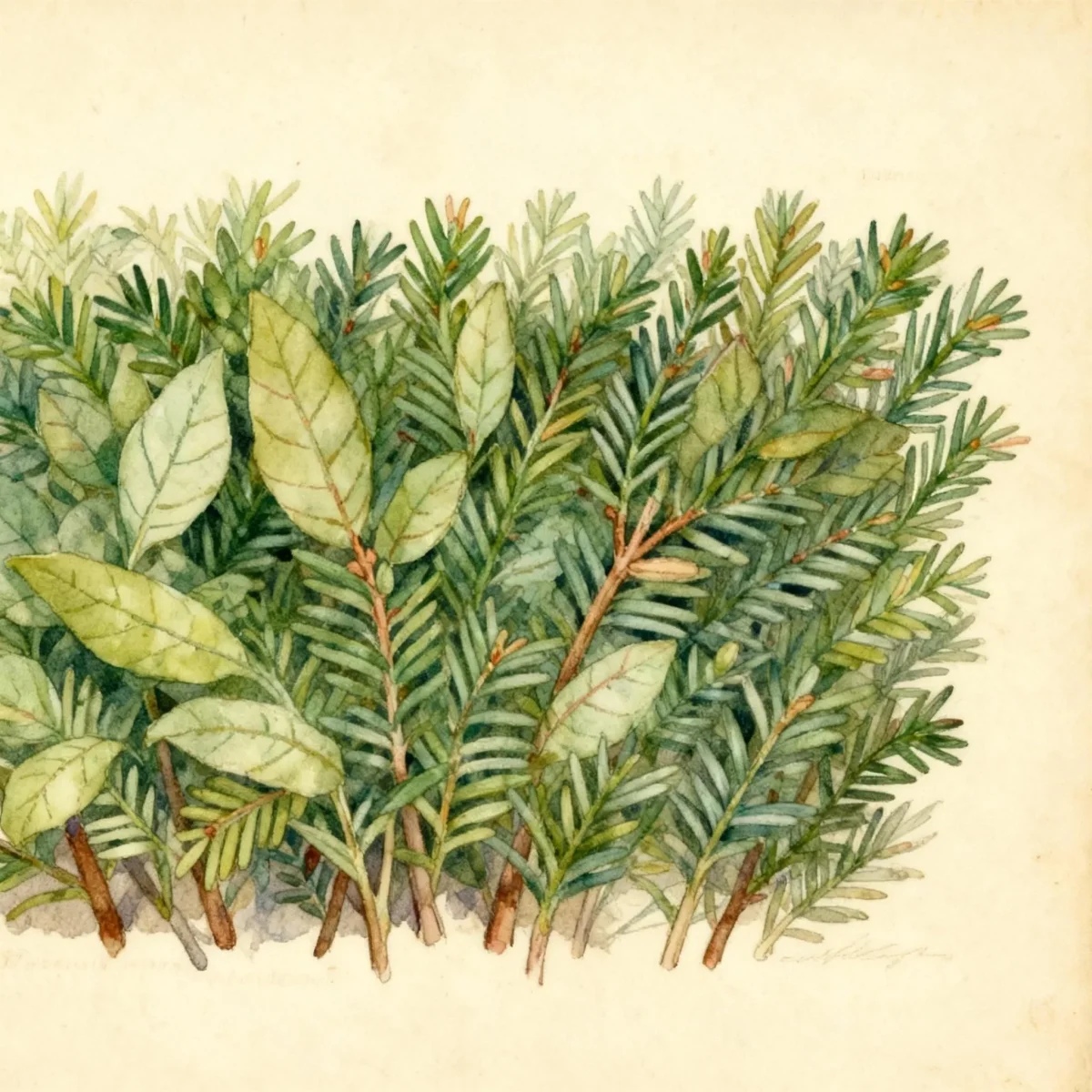
The dwarf stature of the Taxus × media ‘Everlow’ makes it incredibly versatile in designed spaces. It functions perfectly as a low, formal hedge, providing excellent all-season structure beneath windows or along walkways where taller shrubs would obstruct views. Because of its spreading character, it is frequently utilized as an all-over groundcover, suppressing weeds while maintaining color.
For rock gardens or perennial borders, the Yew provides a dependable, deep-green anchor. Pair it with plants that require similar drainage and moisture levels, such as low-growing ornamental grasses or plants that offer seasonal color contrast, like spring-blooming bulbs or compact deciduous shrubs. Its formal, neat appearance ensures it acts as a calming, consistent counterpoint in complex layered plantings.
Standout Features
Fruit Qualities
- Showy
Noteworthy Characteristics
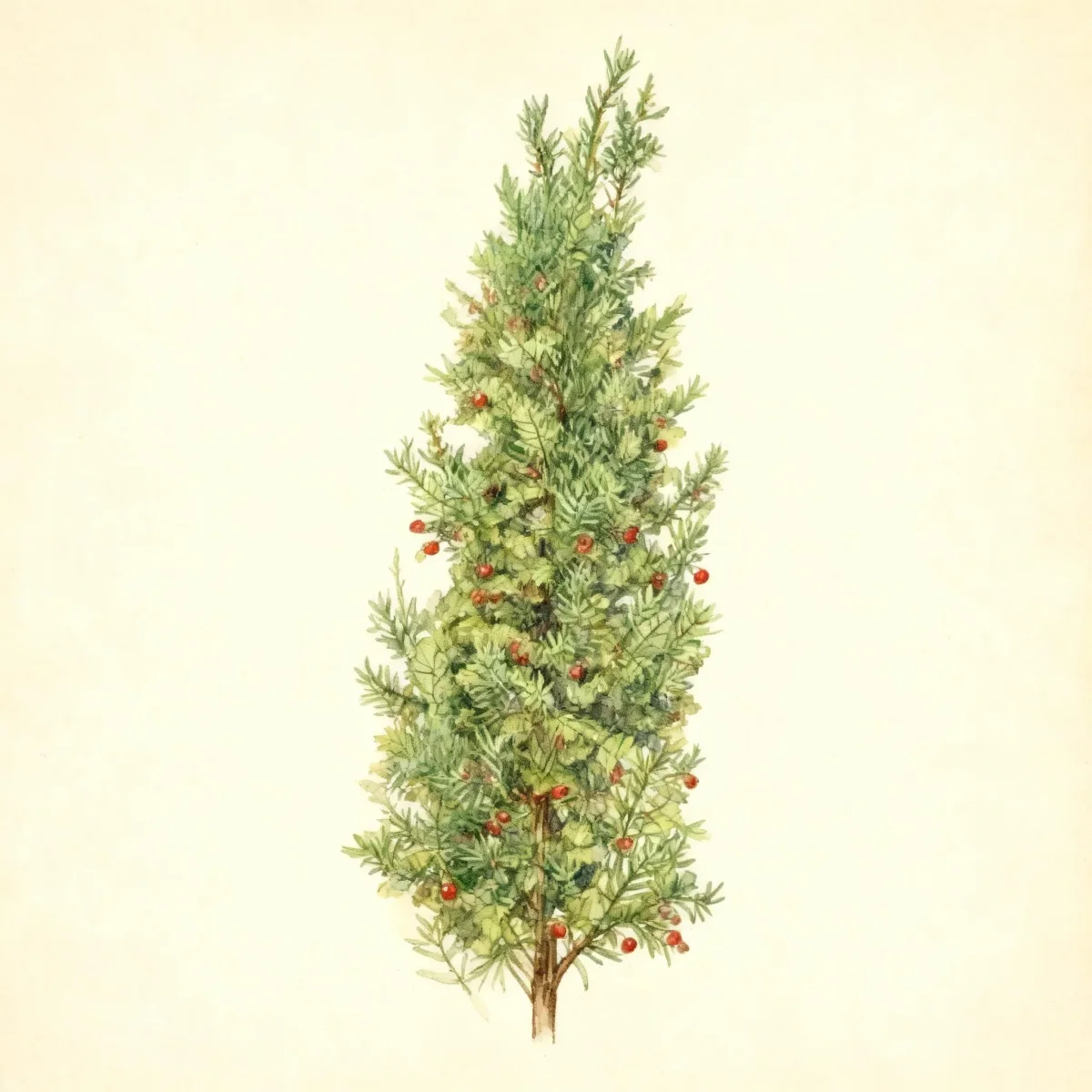
Taxus × media is a hybrid designation for a large number of shrubby, often wide-spreading crosses of English yew (Taxus baccata) and Japanese yew (Taxus cuspidata). These hybrids are noted for combining the ornamental excellence of English yew with the winter hardiness of Japanese yew. The ‘Everlow’ cultivar is specifically recognized as a dwarf, low-growing, spreading variety, typically reaching only 1.5 feet high but spreading widely up to 5 feet. Female plants produce attractive berry-like cones surrounded by a red, fleshy structure called an aril, which provides seasonal color interest.
Tolerances
- Rabbit
- Drought
- Heavy Shade
Potential Problems
The primary concern for Taxus × media ‘Everlow’ involves moisture management; root rot is a serious threat in saturated or poorly-drained soils. While this specific Yew cultivar is noted for relatively good resistance, twig blight and needle blight remain occasional fungal issues, often exacerbated by poor air circulation or overhead watering. Additionally, scale, mealybugs, and weevils can appear, requiring inspection, particularly during warmer growth periods. Ensure pruning cuts are clean and avoid overhead irrigation late in the day to minimize moisture retention on foliage.
Frequently Asked Questions
What hardiness zones is Yew suitable for?
The Taxus × media ‘Everlow’ is reliably suitable for USDA Hardiness Zones 4 through 7.
How large does Taxus × media ‘Everlow’ grow?
This dwarf spreading Yew typically reaches a mature height between 1 and 1.5 feet, spreading out to cover 4 to 5 feet in width.
What sun exposure does Yew need?
The Yew performs best when given full sun to part shade conditions, making it adaptable to varying light levels in the landscape.
When does Taxus × media ‘Everlow’ bloom?
This plant is non-flowering; Yews are gymnosperms that produce cones rather than true flowers.
Conclusion
The Taxus × media ‘Everlow’ Yew offers an unparalleled combination of tough constitution, spreading structure, and year-round greenery, classifying it as a superb low-maintenance choice. Gardeners seeking dependable evergreen coverage, especially in partial shade, should closely consider this robust cultivar. Before planting, confirm that your site offers the essential well-drained soil structure required for long-term success with your new Yew.
Companion Planting
When designing near your Taxus × media ‘Everlow’, consider plants that thrive in similar shade and moisture regimes but offer textural or seasonal contrast. Hostas are classic companions, providing broad, light-green or variegated leaves that contrast nicely with the fine needles of the Yew. Astilbes or low-growing Hellebores (Lenten Rose) are excellent choices as they bloom in spring or late winter, adding color before the Yew is fully active for the season.
Design Ideas
The specific low, wide shape of Taxus × media ‘Everlow’ makes it invaluable for softening hardscape edges or covering slopes where regular mowing is difficult. Use several specimens massed together to create a dense, evergreen carpet effect, replacing traditional lawn areas in deep shade. It works beautifully along the front edge of foundation plantings, where its short stature ensures views inward to windows remain unobstructed while providing a neat visual base.