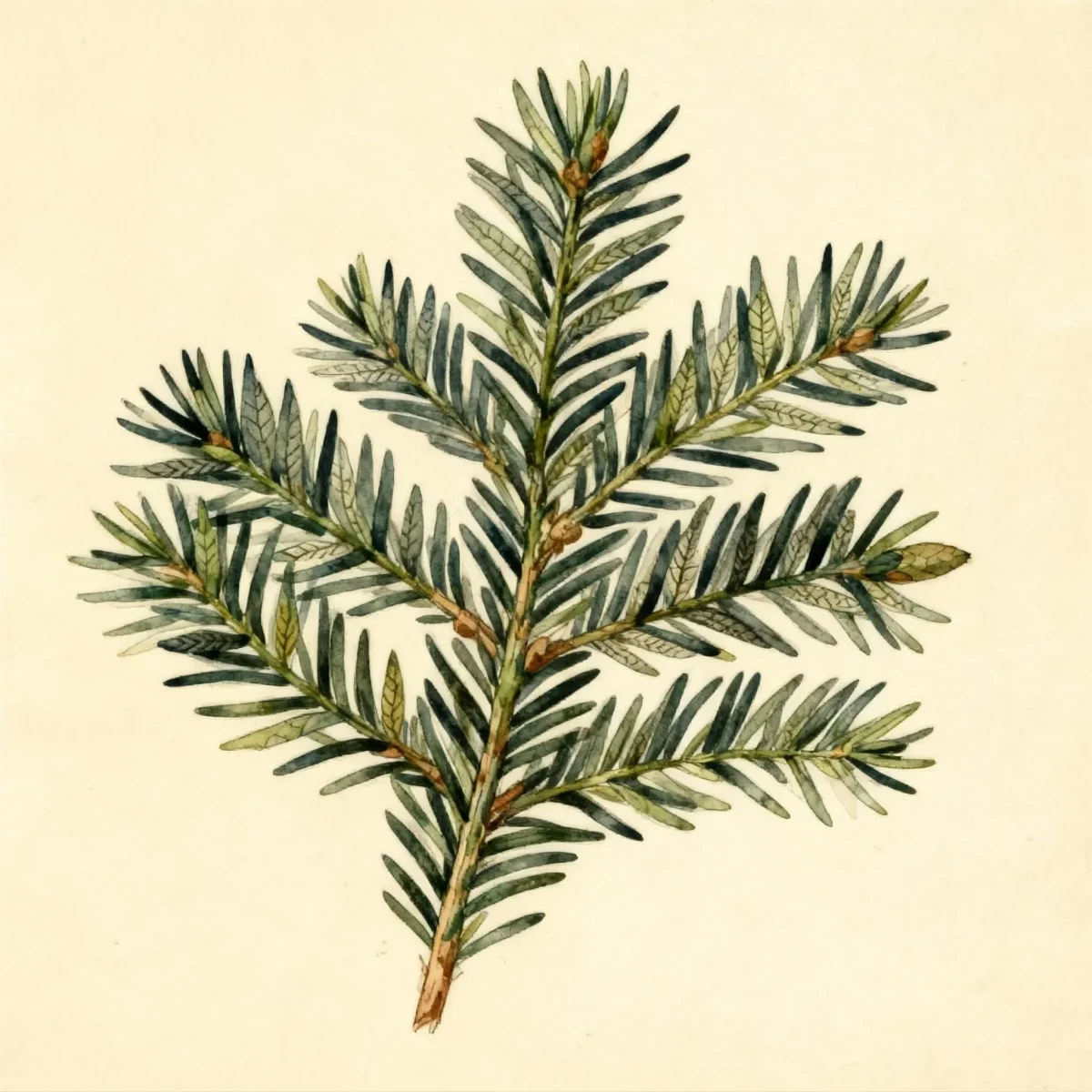
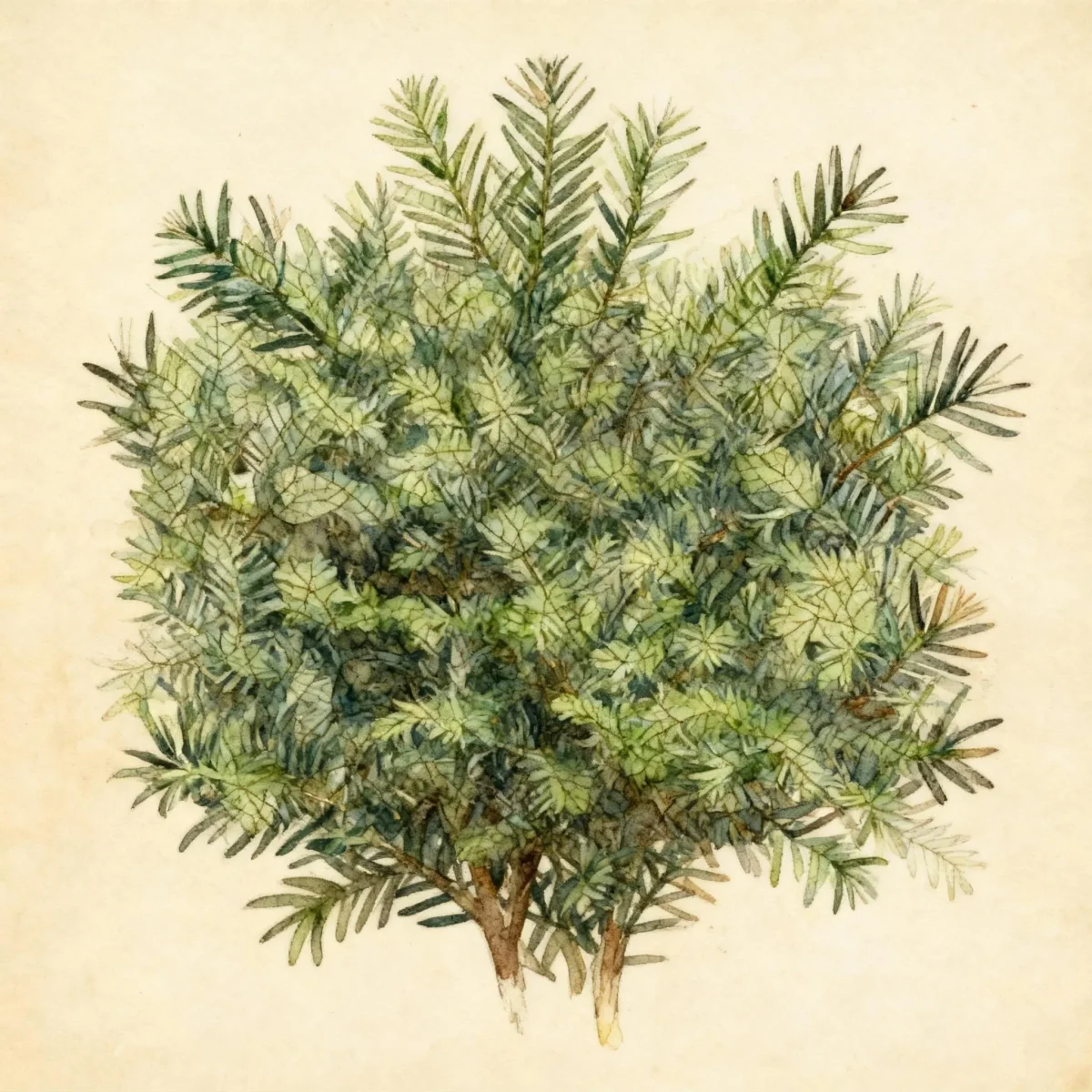
Yew (Taxus × media 'Hicksii')
Taxus × media 'Hicksii' Yew is a hardy, low-maintenance needled evergreen perfect for screens and hedges.
Scroll down to discover growing tips, care requirements, companion plants, and more
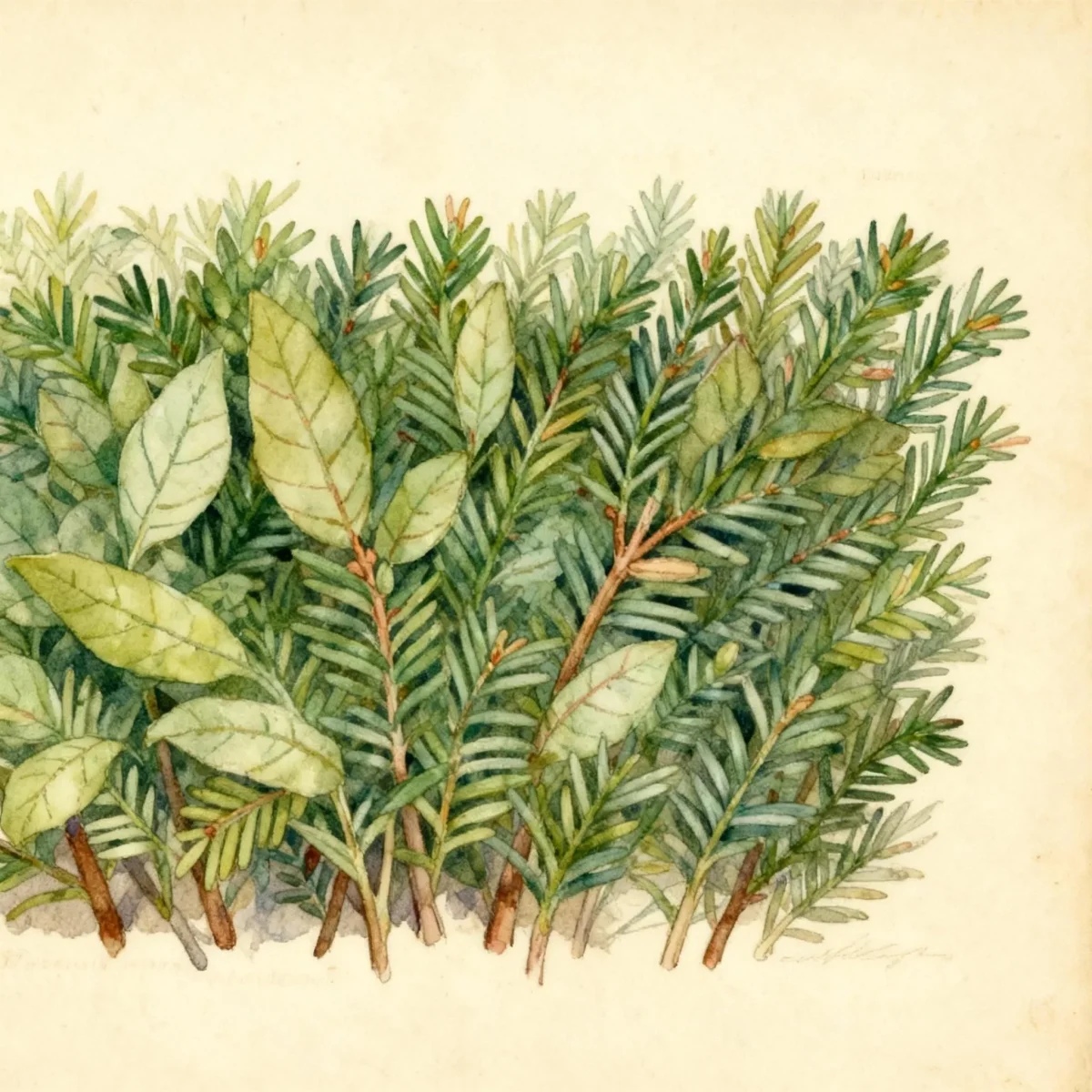
Complete Plant Information
Overview
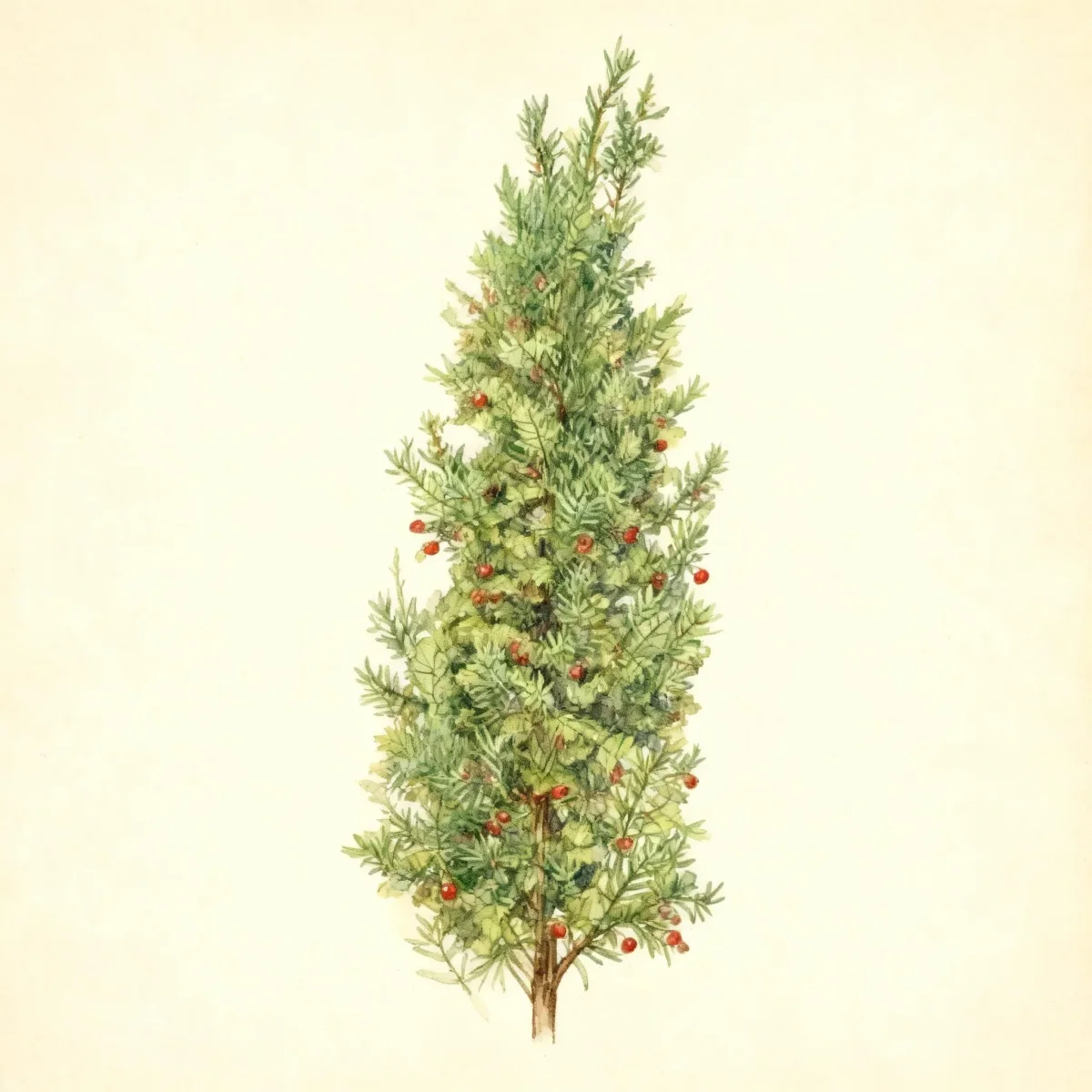
The Taxus × media ‘Hicksii’, commonly known as Yew, is a celebrated hybrid evergreen prized for its dense, columnar form and year-round deep green foliage. This cultivar combines the ornamental beauty of English Yew with the superior winter hardiness derived from Japanese Yew, making it reliable across many temperate gardens. Gardeners select Taxus × media ‘Hicksii’ specifically for its exceptional ability to serve as formal structure, hedges, or screens where vertical accent is desired.
This needled evergreen is remarkably adaptable, thriving in a wide range of light conditions from full sun to heavy shade, provided its soil requirements are met. While it possesses low maintenance needs once established, proper initial siting and drainage are crucial for long-term success. The robust nature of the Yew ensures that it remains an attractive focal point throughout the year, rarely demanding significant horticultural attention.
Functionally, the inherent density of Taxus × media ‘Hicksii’ makes it an excellent choice for defining property lines or creating living walls. Although it does not offer traditional flowers, the female plants produce interesting berry-like cones, adding subtle seasonal interest to this otherwise structurally focused landscape staple.
Fast Facts
- Plant Family: Taxaceae
- Plant Type: Needled evergreen
- Hardiness Zones: USDA Zones 4-7
- Size at Maturity:
- Height: 12-20 ft
- Spread: 8-12 ft
- Bloom Time: Non-flowering
- Bloom Description: Non-flowering
- Sun Exposure: Full sun to part shade
- Water Needs: Medium
- Maintenance Level: Low
How to Grow
Planting Taxus × media ‘Hicksii’ is best accomplished in spring or fall, allowing the roots time to establish before seasonal extremes. Select a site providing average, well-drained soil; excellent drainage is essential, as these Yews have absolutely no tolerance for wet or soggy conditions, which leads swiftly to root rot. While they prefer moist, sandy loams, they are highly tolerant of urban environments and can be sited in full sun or part shade, though they excel in shady conditions.
Watering should be consistent but moderate, meeting the medium water needs, especially during the first few growing seasons. Avoid overhead watering if possible, ensuring moisture reaches the root zone without saturating the area. Fertilizing is rarely required if planted in decent soil, but light feeding in early spring can support new growth.
Pruning and shearing are acceptable for this cultivar, enhancing its columnar habit for use as a hedge or screen. The best time to perform shaping is in early spring, just before the new growth begins to emerge. Protect Taxus × media ‘Hicksii’ from harsh winter winds, as exposure can increase the risk of winter burn on the foliage.
Landscape Uses
The recommended uses for this specific Yew cultivar highlight its structural capabilities, making it ideal as a specimen, screen, hedge, or foundation plant. Its narrowly columnar habit allows it to provide vertical elegance where wider shrubs might crowd pathways or structures. Use several Taxus × media ‘Hicksii’ planted in a straight line to create a formal, imposing evergreen hedge that softens hard architectural lines beautifully.
As a specimen plant, its stately growth attracts attention without being overwhelming, serving as a dark green anchor in mixed borders. For screening purposes, plant them slightly closer than standard spacing to encourage dense coverage quickly, using their height of up to 20 feet to block undesirable views. They pair well with deciduous shrubs or plants that offer contrasting seasonal color, such as flowering dogwoods or Japanese maples, enhancing the year-round appeal of the Yew.
Standout Features
Fruit Qualities
- Showy
Noteworthy Characteristics
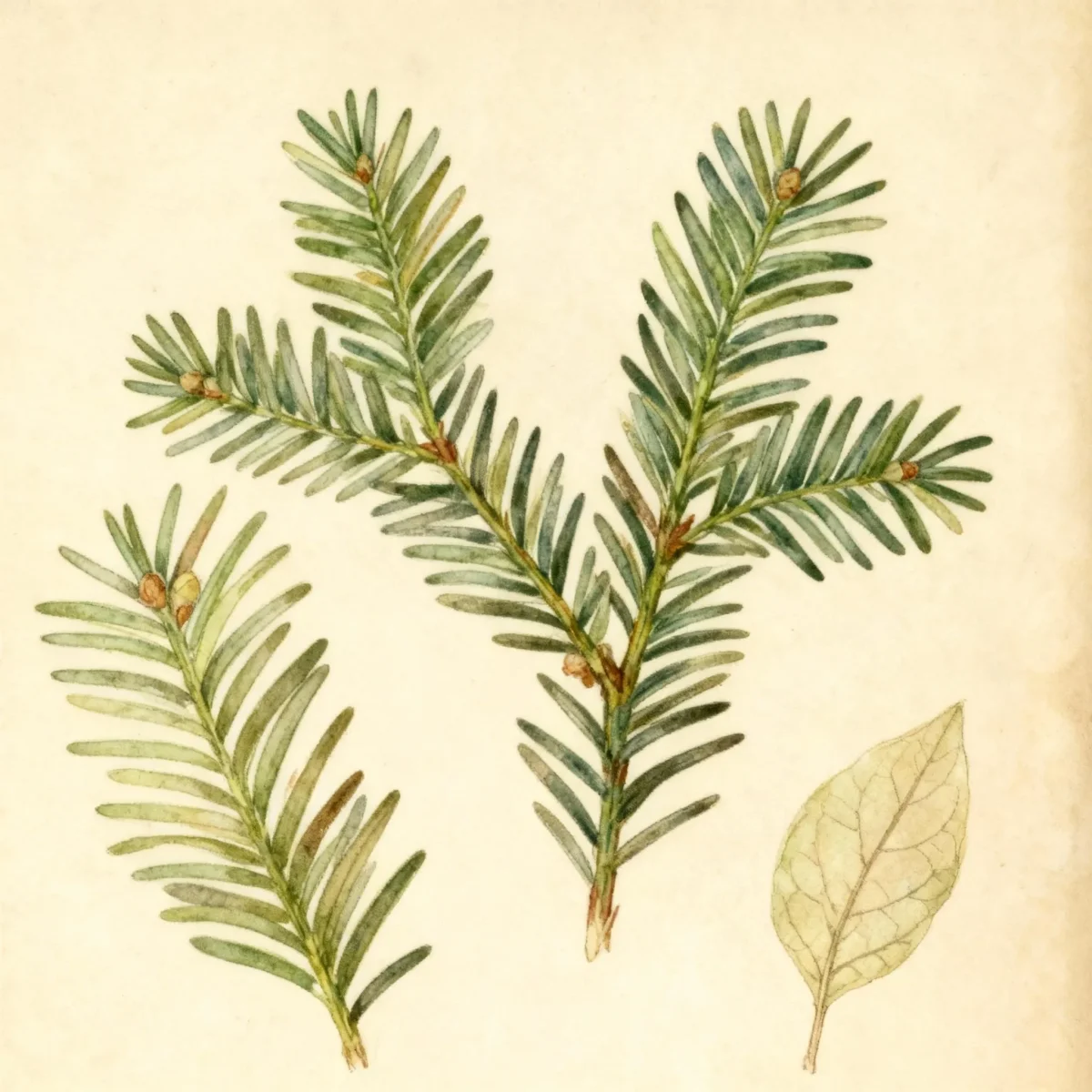
Taxus × media is a hybrid designation for a large number of shrubby, often wide-spreading crosses of English yew (Taxus baccata) and Japanese yew (Taxus cuspidata). These hybrids are noted for combining the ornamental excellence of English yew with the winter hardiness of Japanese yew. ‘Hicksii’ is a dense, narrowly columnar cultivar with ascending branching, typically maturing between 12 to 20 feet tall, though often seen shorter, and offers attractive olive to dark green leaves year-round before female plants produce fleshy, red arillate cones.
Tolerances
- Rabbit
- Drought
- Heavy Shade
Potential Problems
Taxus × media ‘Hicksii’ is generally hardy, but gardeners must be vigilant against environmental stresses and pests. Susceptibility to winter burn is a major concern, particularly when plants are sited in exposed or windy locations where branches cannot retain adequate moisture during cold, dry spells. Biotic issues include occasional twig blight and needle blight, which should be managed by pruning out affected material promptly.
Poor drainage is the most significant cultural threat, practically guaranteeing root rot, so ensuring superb soil aeration is critical for the survival of your Yew. In warmer climates or high-humidity areas, common pests like weevils, scale insects, and mealybugs may require targeted treatment to maintain optimal health and density of the foliage.
Frequently Asked Questions
What hardiness zones is Yew suitable for?
The beautiful Taxus × media ‘Hicksii’ is suitable for USDA Zones 4 through 7.
How large does Taxus × media ‘Hicksii’ grow?
This cultivar typically matures to a height between 12 and 20 feet, with a spread ranging from 8 to 12 feet wide.
What sun exposure does Yew need?
This evergreen performs well across a broad spectrum, needing anywhere from full sun to partial shade for best results.
When does Yew bloom?
Taxus × media ‘Hicksii’ is non-flowering, meaning it does not produce traditional garden blooms.
Conclusion
The Taxus × media ‘Hicksii’ Yew offers unparalleled structural permanence and adaptability, serving admirably as a low-maintenance evergreen screen or specimen. Its hybrid vigor ensures hardiness combined with excellent year-round aesthetics, solidifying its reputation in foundational landscaping. Before planting, verify that your site offers the necessary well-drained soil and plan your pruning for early spring to maintain its desired columnar shape.
Companion Planting
When selecting companions for your Taxus × media ‘Hicksii’, focus on plants that appreciate similar light levels and require excellent drainage. Contrast their deep green, year-round texture with deciduous shrubs that offer bright spring flowers or brilliant fall color, such as Japanese Maples (Acer palmatum) or flowering Dogwoods (Cornus florida). For low borders along the base of a mature Yew hedge where the sun may be dappled, consider shade-tolerant perennials like Hosta varieties with chartreuse or variegated leaves.
Seasonal Care Calendar
Success with Taxus × media ‘Hicksii’ involves preemptive seasonal care. In early spring, before leaf-out, this is the ideal time for any necessary shaping or shearing, and it’s a good opportunity to check for winter damage that needs removal. During the summer months, monitor water needs closely, ensuring consistent medium moisture without waterlogging, especially during dry spells. Fall is the best time to apply a thick layer of mulch around the base to help insulate the shallow root system against impending winter cold and reduce moisture loss before dormancy sets in.