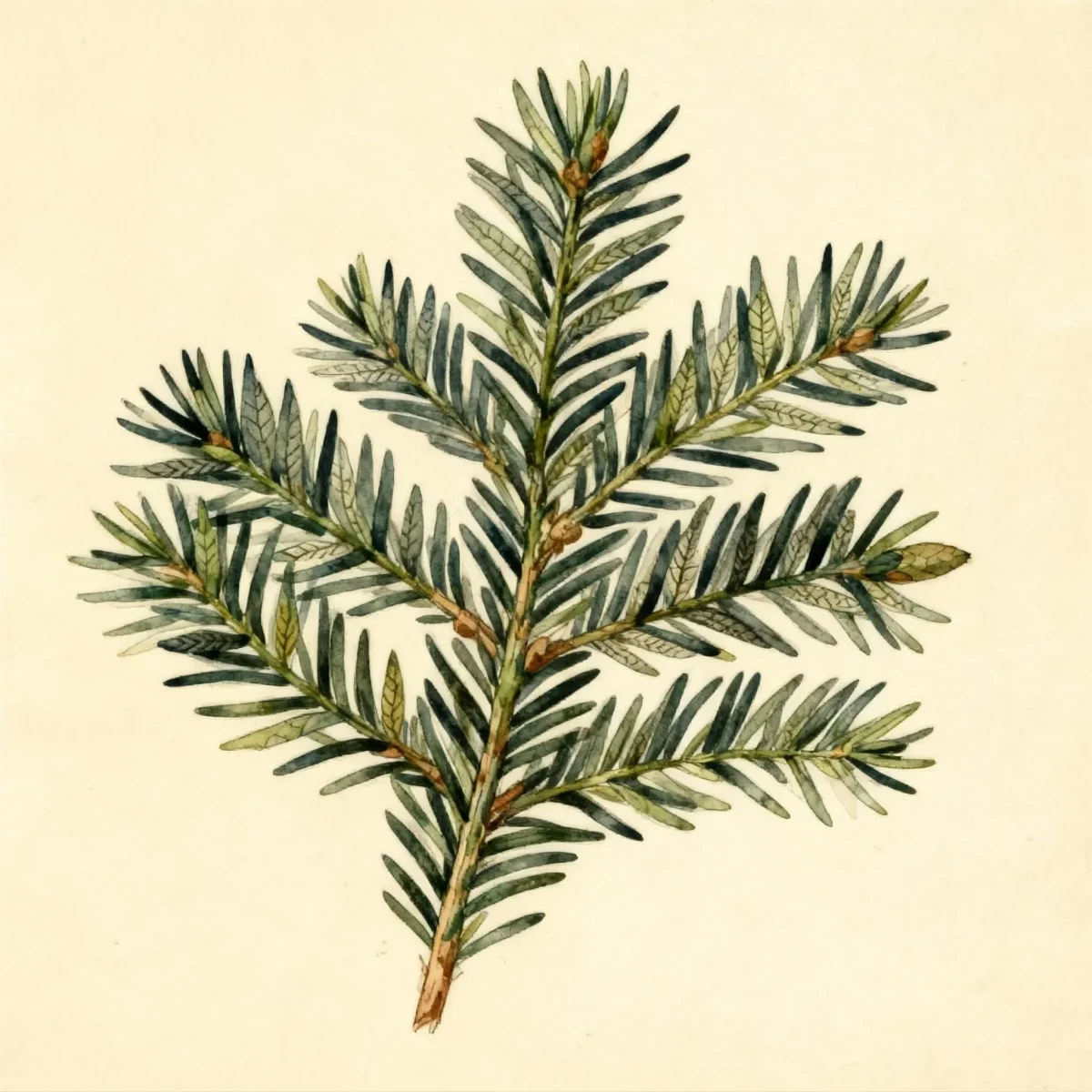
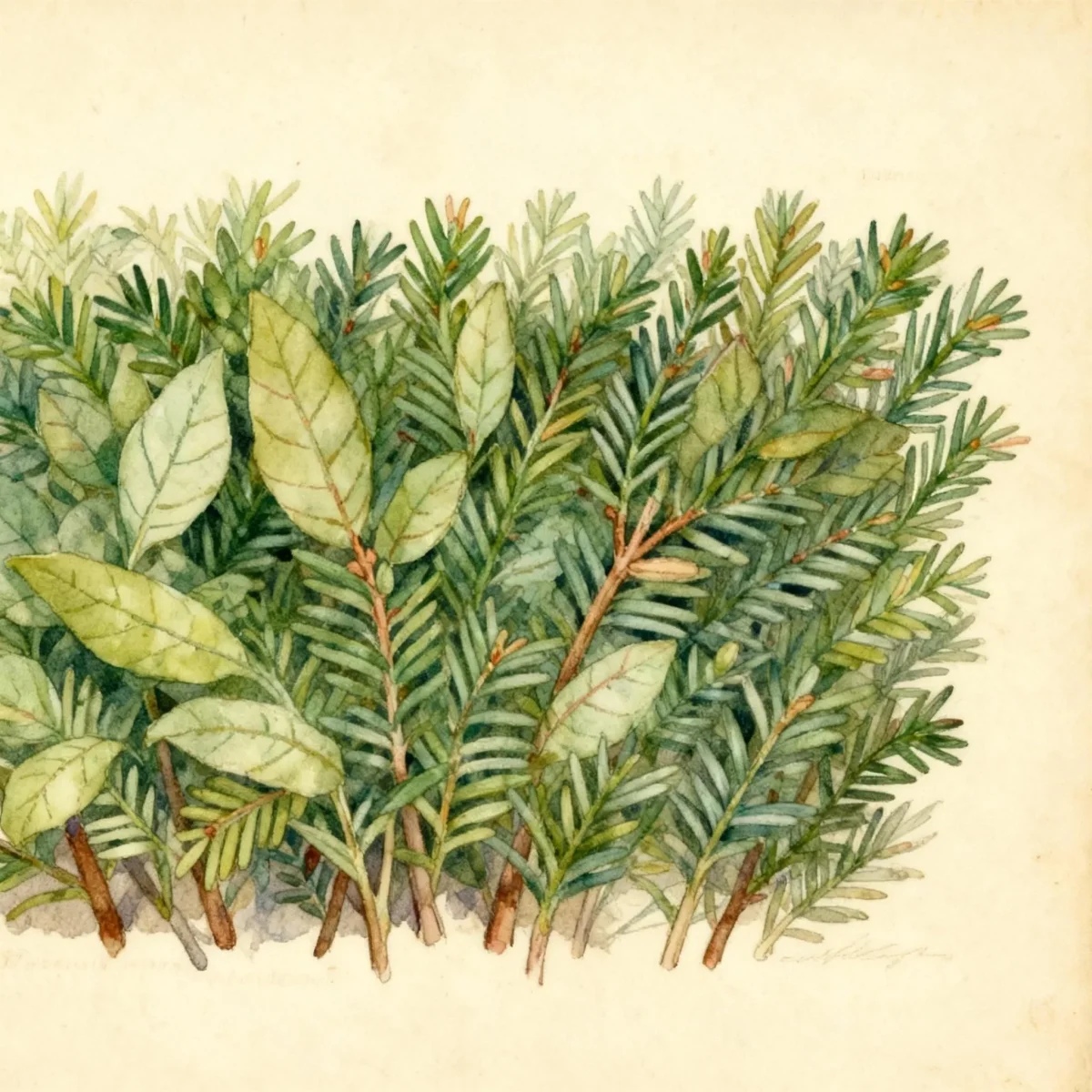
Yew (Taxus × media 'Nigra')
Taxus × media 'Nigra' Yew is a low-maintenance, slow-growing evergreen ideal for hedges and foundation plantings in Zones 4-7.
Scroll down to discover growing tips, care requirements, companion plants, and more
Complete Plant Information
Overview
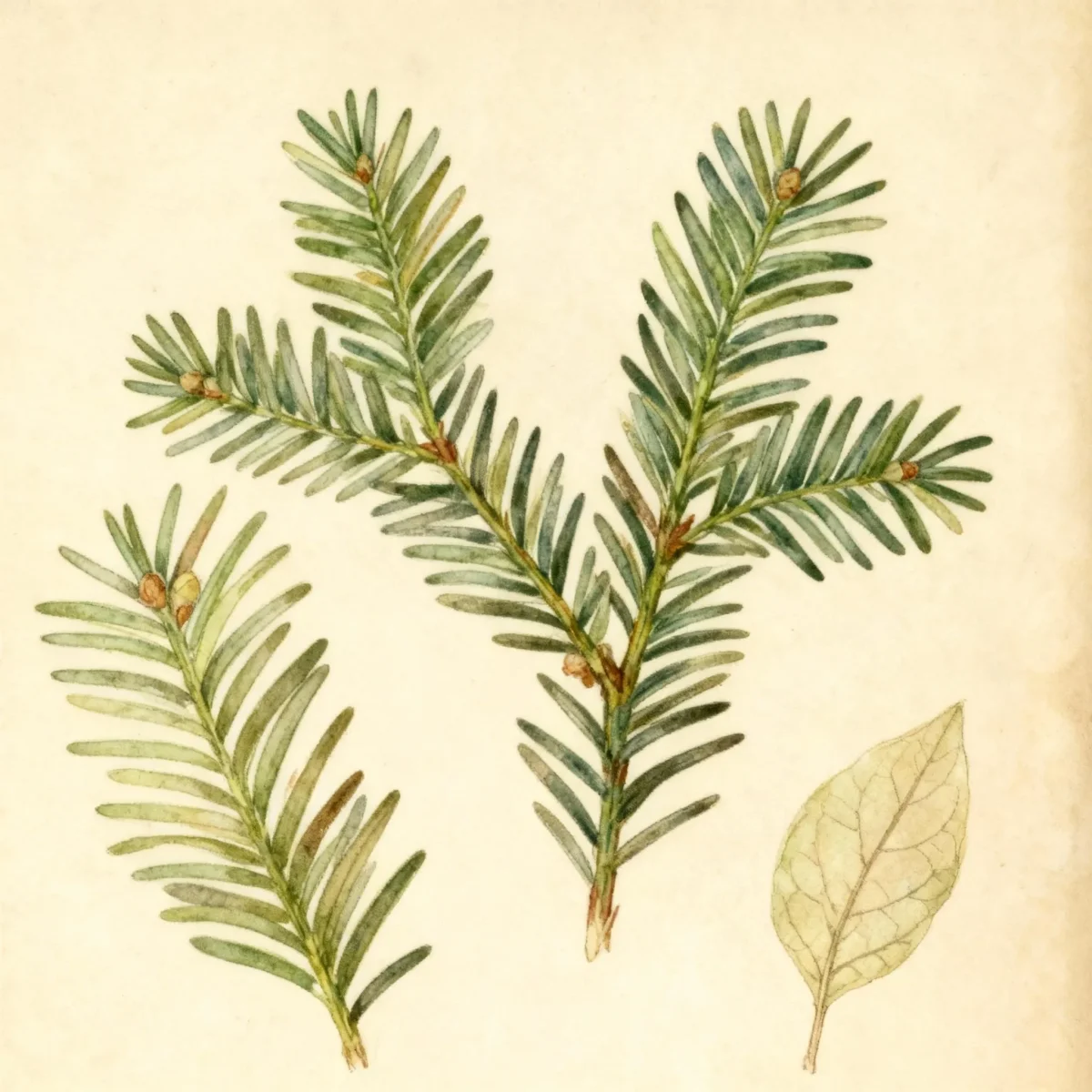
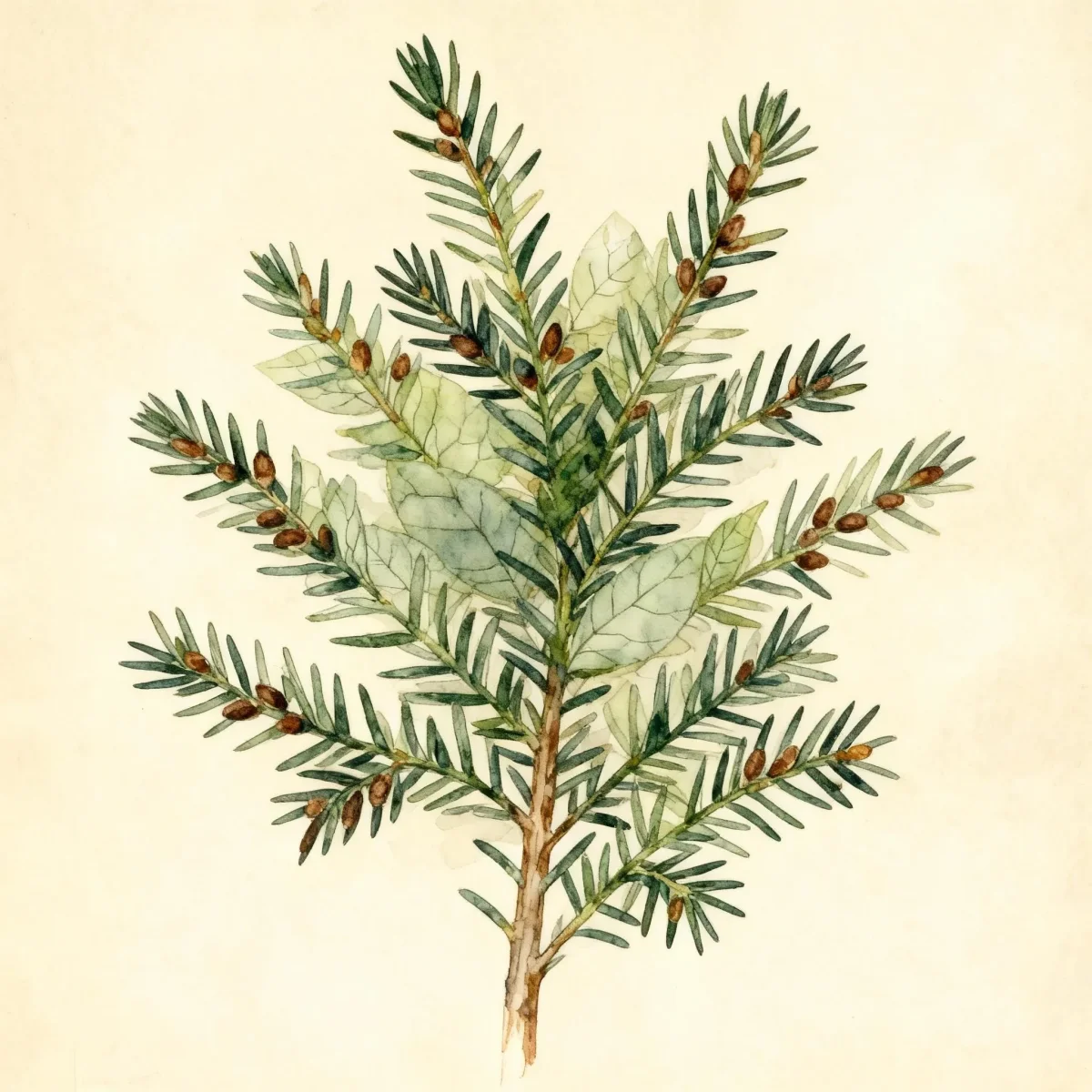
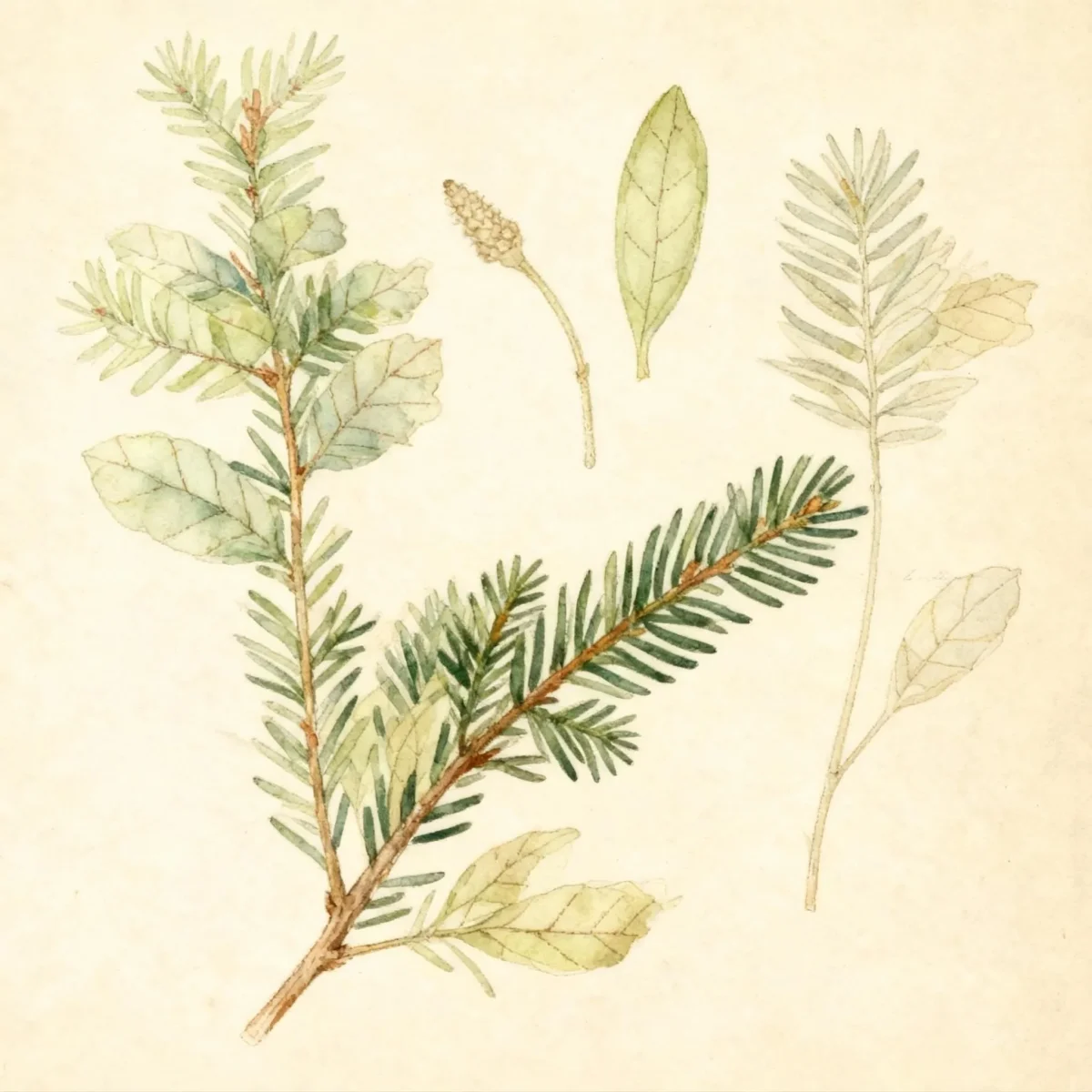
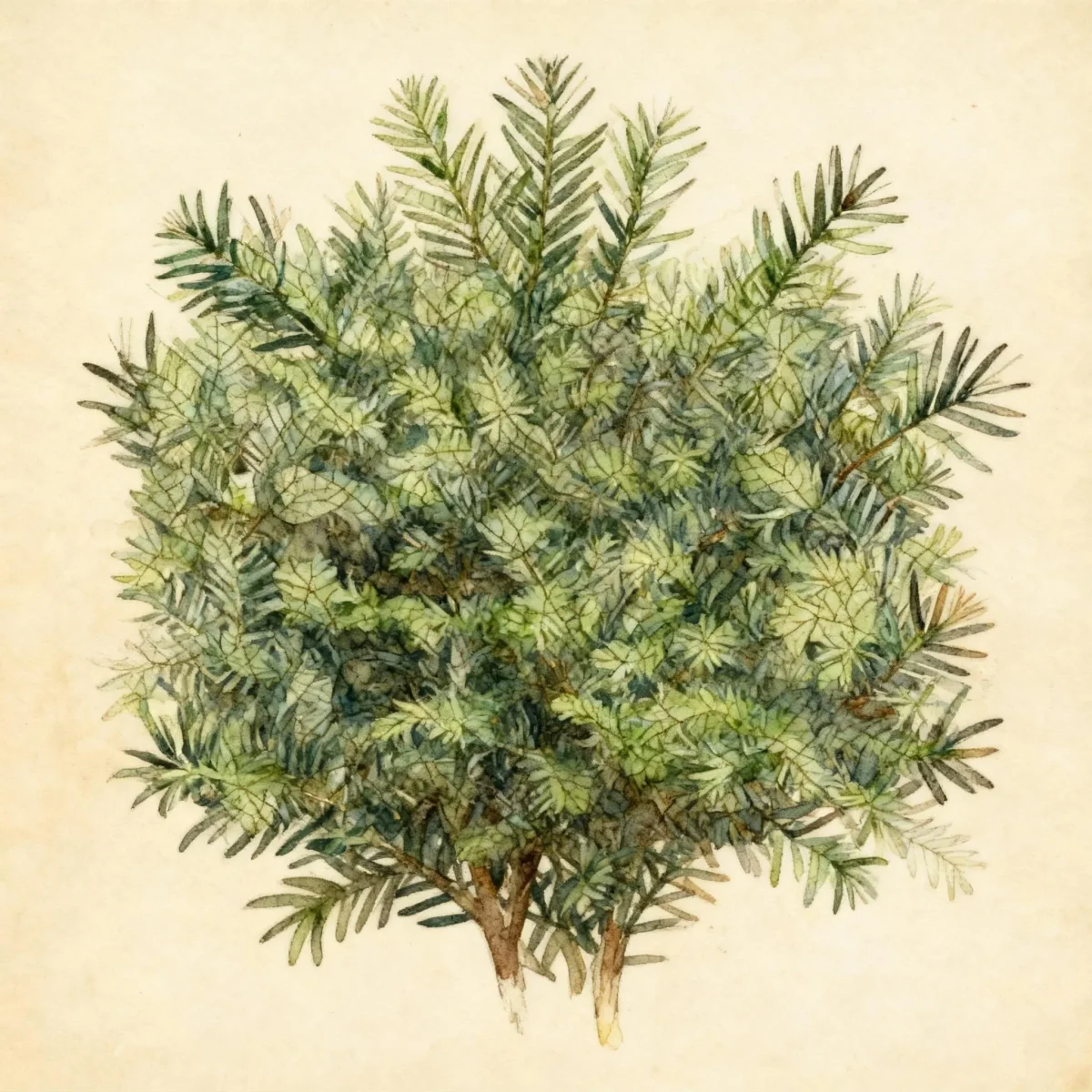
The Taxus × media ‘Nigra’, often simply called Yew, is a highly valued slow-growing, compact hybrid evergreen prized for its dark green foliage and excellent form. This cultivar successfully merges the ornamental beauty of English Yew with the superior winter hardiness provided by its Japanese Yew parentage. It provides year-round visual interest, functioning perfectly as a structural element in formal or informal garden designs.
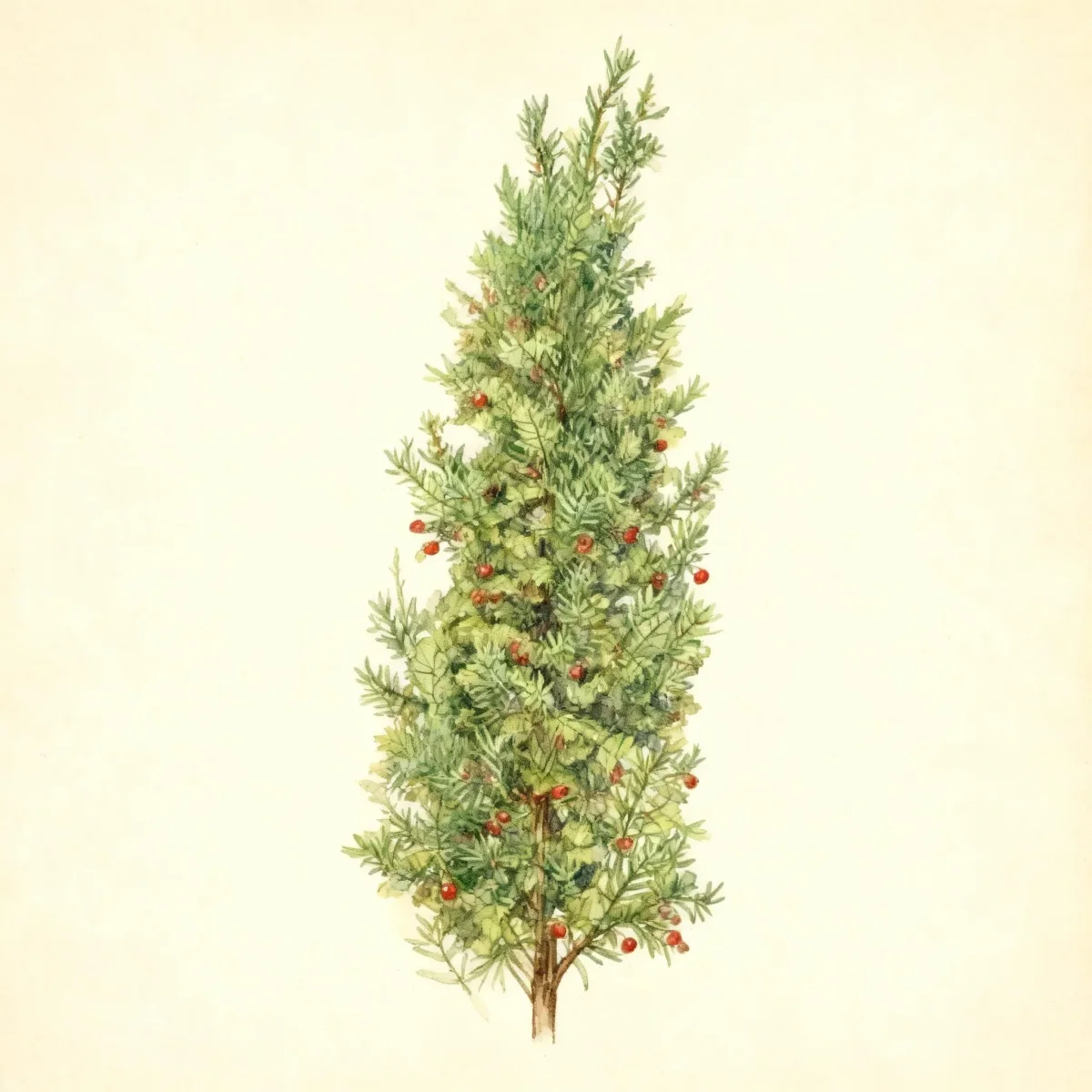
This robust needled evergreen generally matures into a modestly sized shrub, typically reaching 6 to 8 feet tall and wide, making it manageable for defined spaces. The culture of Taxus × media ‘Nigra’ is generally easygoing, provided its basic drainage needs are met, resulting in a very low-maintenance specimen suitable for many landscape applications.
Functionally, the Yew is highly adaptable, tolerating heavy shade where few other evergreens thrive while also managing full sun exposure. Its dense structure and tolerance for shearing make the Taxus × media ‘Nigra’ a classic choice for creating defined lines, privacy screens, or structured foundation plantings in varying light conditions.
Fast Facts
- Plant Family: Taxaceae
- Plant Type: Needled evergreen
- Hardiness Zones: USDA Zones 4-7
- Size at Maturity:
- Height: 6-8 ft
- Spread: 6-8 ft
- Bloom Time: Non-flowering
- Bloom Description: Non-flowering
- Sun Exposure: Full sun to part shade
- Water Needs: Medium
- Maintenance Level: Low
How to Grow
Planting the Taxus × media ‘Nigra’ Yew should be done when conditions are cool, ideally in the spring or fall, giving the roots time to establish before temperature extremes. This evergreen thrives best in average, well-drained soils, preferring moist but never soggy conditions; good drainage is absolutely essential, as plants have no tolerance for standing water or waterlogged roots. While it accepts heavy shade, providing full sun to part shade generally results in the densest growth.
Ongoing care is straightforward due to its low maintenance requirements. Water established plants moderately, allowing the topsoil to dry slightly between waterings. Fertilization is rarely necessary unless the soil is extremely poor. The most important cultural task is pruning; Taxus × media ‘Nigra’ shears exceptionally well and should be shaped in early spring just before the new growth begins.
Protecting your Yew from harsh elements is a key step in seasonal care. The plant can be susceptible to winter burn if sited in areas exposed to cold winter winds, so choose protected locations when possible. In spring, inspect branches for any signs of winter damage before any significant pruning takes place.
Landscape Uses
The compact habit of Taxus × media ‘Nigra’ makes it an outstanding choice for defining garden architecture. Being frequently used as a specimen, it provides excellent year-round structure in perennial or shrub borders where seasonal plants might offer less consistency. Its natural inclination toward a dense, bushy shape makes it the quintessential plant for creating a small, formal hedge, providing excellent screening or boundary markers.
The adaptability of this Yew, handling both sun and heavy shade, allows for versatile placement near structures or under larger canopy trees. Consider using the Taxus × media ‘Nigra’ as a foundation planting snug against building walls, where its deep green color contrasts beautifully with lighter siding materials throughout the winter months. It pairs well with deciduous shrubs that provide seasonal color, or evergreens with contrasting textures, like certain upright cedars or broadleaf rhododendrons.
Standout Features
Fruit Qualities
- Showy
Noteworthy Characteristics
Taxus × media is a hybrid designation for a large number of shrubby, often wide-spreading crosses of English yew (Taxus baccata) and Japanese yew (Taxus cuspidata). These hybrids are noted for combining the ornamental excellence of English yew with the winter hardiness of Japanese yew. ‘Nigra’ maintains this valuable background while maturing into a slow-growing, compact cultivar roughly 4-8’ tall, spreading slightly wider.
Tolerances
- Rabbit
- Drought
- Heavy Shade
Potential Problems
The greatest aesthetic risk for this Yew occurs during winter. Taxus × media ‘Nigra’ is susceptible to winter burn, which appears as dead, brown needles, particularly in exposed sites where desiccating winter winds hit the foliage. To prevent this, site the plant where it receives some wind protection or provide temporary burlap screens along windy corridors until the plant is mature.
In terms of disease and pests, needle blight and twig blight are occasional concerns that suggest poor air circulation or stress. Root rot is a serious threat, strictly caused by poor drainage; avoid heavy clay soils lacking amendment to prevent this fatal condition. Common insect pests include scale, mealybugs, and weevils in certain regions, which should be managed through regular inspection and appropriate horticultural oils or insecticides as needed.
Frequently Asked Questions
What hardiness zones is Yew suitable for?
The Taxus × media ‘Nigra’ Yew is suitable for USDA Hardiness Zones 4 through 7.
How large does Taxus × media ‘Nigra’ grow?
This compact cultivar typically matures to a height between 6 and 8 feet tall, with a similar spread of 6 to 8 feet.
What sun exposure does Yew need?
Taxus × media ‘Nigra’ performs well in a range of light, thriving from full sun exposure through to deep, heavy shade conditions.
When does Yew bloom?
This plant is non-flowering; it does not produce noticeable flowers and is valued instead for its persistent evergreen foliage and attractive red, berry-like cones on female plants.
Conclusion
The enduring appeal of the Taxus × media ‘Nigra’ lies in its reliable, deep green coverage combined with slow growth, making it an ideal structural backbone for low-maintenance landscapes. This versatile Yew accepts pruning beautifully, allowing gardeners to shape it precisely for hedges or specimen placement. Before planting, confirm your garden site falls within USDA Zones 4-7 and, most critically, ensure the soil provides excellent drainage to guarantee long-term success.
Companion Planting
Selecting companions for Taxus × media ‘Nigra’ often revolves around contrasting color and texture, emphasizing the dense, dark needles of the Yew. Consider planting it alongside deciduous shrubs that offer vibrant fall color, such as Japanese Maples (Acer palmatum cultivars) or plants with bright bark, like Dogwoods (Cornus species), which provide important winter interest when the Yew is dormant in appearance. Because this Yew tolerates heavy shade, it combines well with shade-loving perennials like Hosta varieties that offer varied leaf textures, or Astilbe for delicate summer plumes.
Design Ideas for Foundation Plantings
When using the Taxus × media ‘Nigra’ as a foundation plant, utilize its uniform, compact nature to create a neat, continuous line beneath windows. Since the plant matures at 6-8 feet, ensure there is adequate separation from the home siding to allow for air circulation and prevent moisture retention against the structure. For a more traditional look, use them spaced evenly along the foundation and underplant with low-growing groundcovers, such as English Ivy or creeping Jenny, to soften the planting bed edge and suppress weeds.