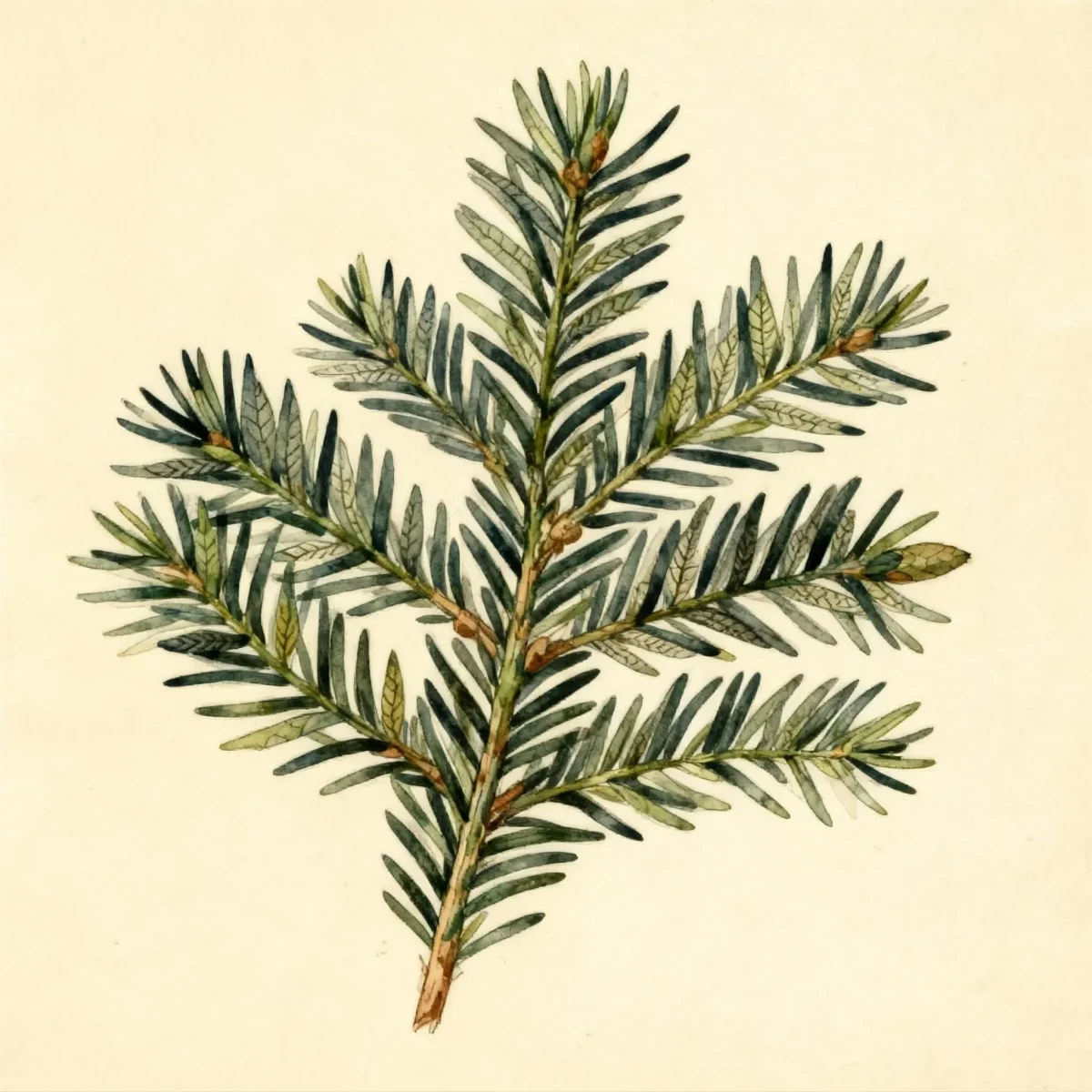
Yew (Taxus × media 'Smokestack')
Taxus × media 'Smokestack' Yew is a slow-growing, narrow evergreen perfect for small spaces needing year-round evergreen structure.
Scroll down to discover growing tips, care requirements, companion plants, and more
Complete Plant Information
Overview
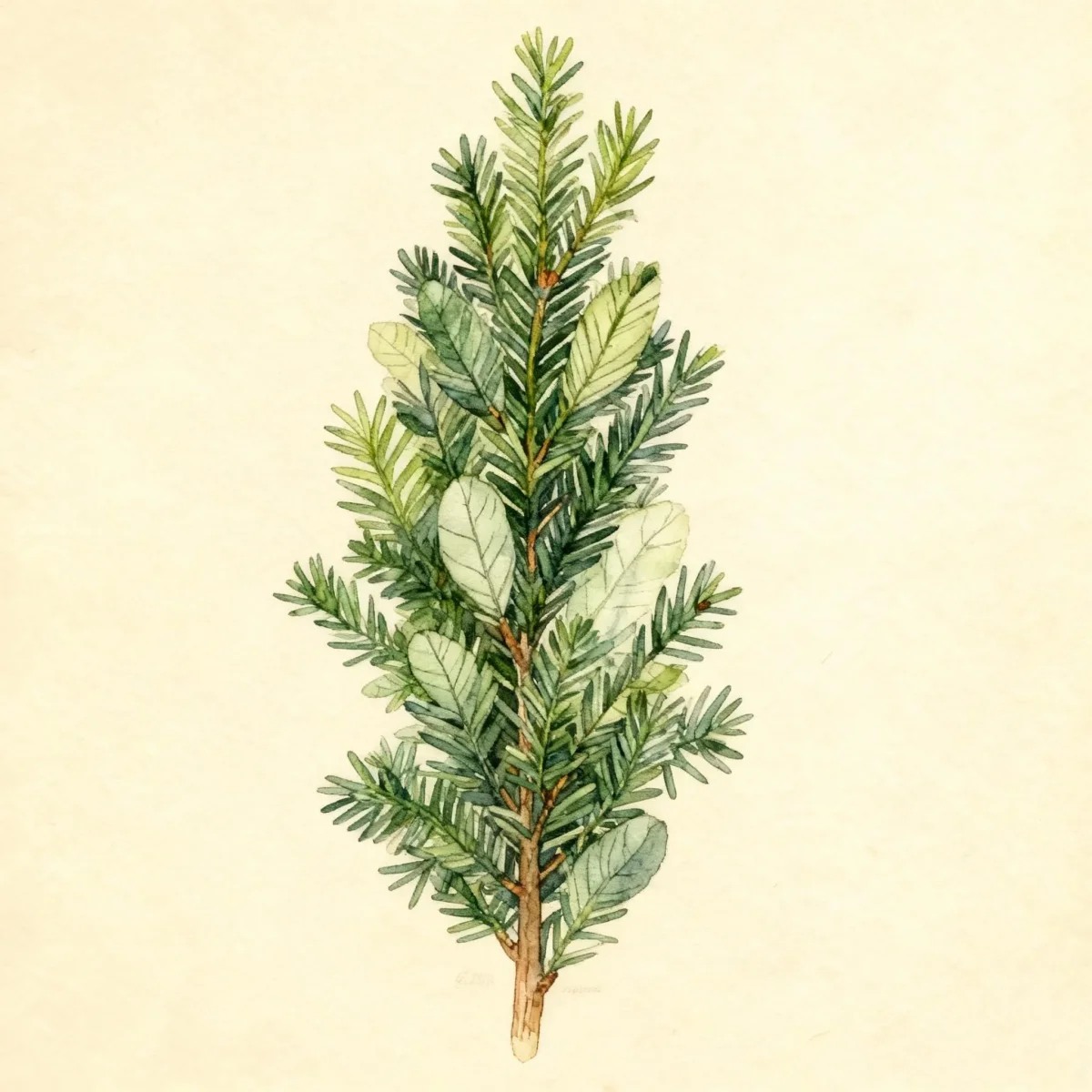
The Taxus × media ‘Smokestack’ Yew is a superb columnar needled evergreen valued for its tight, vertical habit, providing strong architectural interest in tight landscape situations. As a hybrid Yew, it benefits from the ornamental beauty of Taxus baccata and the enhanced winter hardiness of Taxus cuspidata. This cultivar offers dense, dark green foliage that remains attractive throughout the entire year, making it an essential structural element for formal or contemporary designs.
This slow-growing specimen is remarkably adaptable, thriving in conditions ranging from full sun to substantial shade, though site selection near prevailing winter winds should be avoided to minimize potential burn. Its upright, narrowly columnar shape allows the Taxus × media ‘Smokestack’ Yew to serve as a perfect accent plant where space is limited, maturing slowly into a stately fixture.
Gardeners appreciate this specific Yew cultivar due to its low maintenance commitment once established and its excellent tolerance for regular pruning, ensuring the strict columnar form can be maintained with minimal effort. Consider incorporating this narrow Taxus × media ‘Smokestack’ into your plan for reliable, year-round color and vertical definition.
Fast Facts
- Plant Family: Taxaceae
- Plant Type: Needled evergreen
- Hardiness Zones: USDA Zones 4-7
- Size at Maturity:
- Height: 6-12 ft
- Spread: 2-4 ft
- Bloom Time: Non-flowering
- Bloom Description: Non-flowering
- Sun Exposure: Full sun to part shade
- Water Needs: Medium
- Maintenance Level: Low
How to Grow
Planting container-grown Yews is best accomplished in the spring or fall when temperatures are moderate, allowing the root systems to establish without the stress of extreme summer heat or deep winter freezes. Taxus × media ‘Smokestack’ demands excellent soil drainage; this is non-negotiable, as the plant has absolutely no tolerance for wet, soggy conditions, which quickly leads to root rot. While it prefers moist, sandy loams, planting in average, well-drained soil in a location protected from harsh winter winds will yield the best results.
Once planted, maintain a medium watering schedule, ensuring the soil is consistently moist but never waterlogged. Water deeply when the top inch or two of soil begins to dry out, especially during warm, dry spells. Fertilizing is rarely required if the soil is fertile, but a balanced, slow-release evergreen fertilizer in early spring can promote healthy growth.
This Yew responds exceptionally well to shaping and shearing. Pruning should be done judiciously in early spring, just before new growth begins, to maintain the desired upright, columnar structure. Because Taxus × media ‘Smokestack’ is slow-growing, excessive pruning should be avoided. It handles urban conditions well but requires sharp drainage in all settings.
Landscape Uses
The defining characteristic of the ‘Smokestack’ Yew is its very narrow profile, making it an indispensable tool for constrained areas. It functions perfectly as a specimen or accent plant where a strong vertical line is needed to break up horizontal elements in the landscape design. Use them formally to flank entryways or line narrow pathways where wider shrubs would obstruct movement or views.
Due to its dense evergreen nature, this Yew serves as an excellent, refined foundation plant that offers structure through all four seasons, contrasting beautifully against deciduous shrubs or stone features. When planting, situate it among lower-growing perennials or groundcovers that share similar sun and moisture requirements, such as Hostas if sited for shade, or creeping Sedums if placed in full sun. The verticality of Taxus × media ‘Smokestack’ creates effective visual anchors within mixed evergreen borders.
Standout Features
Noteworthy Characteristics
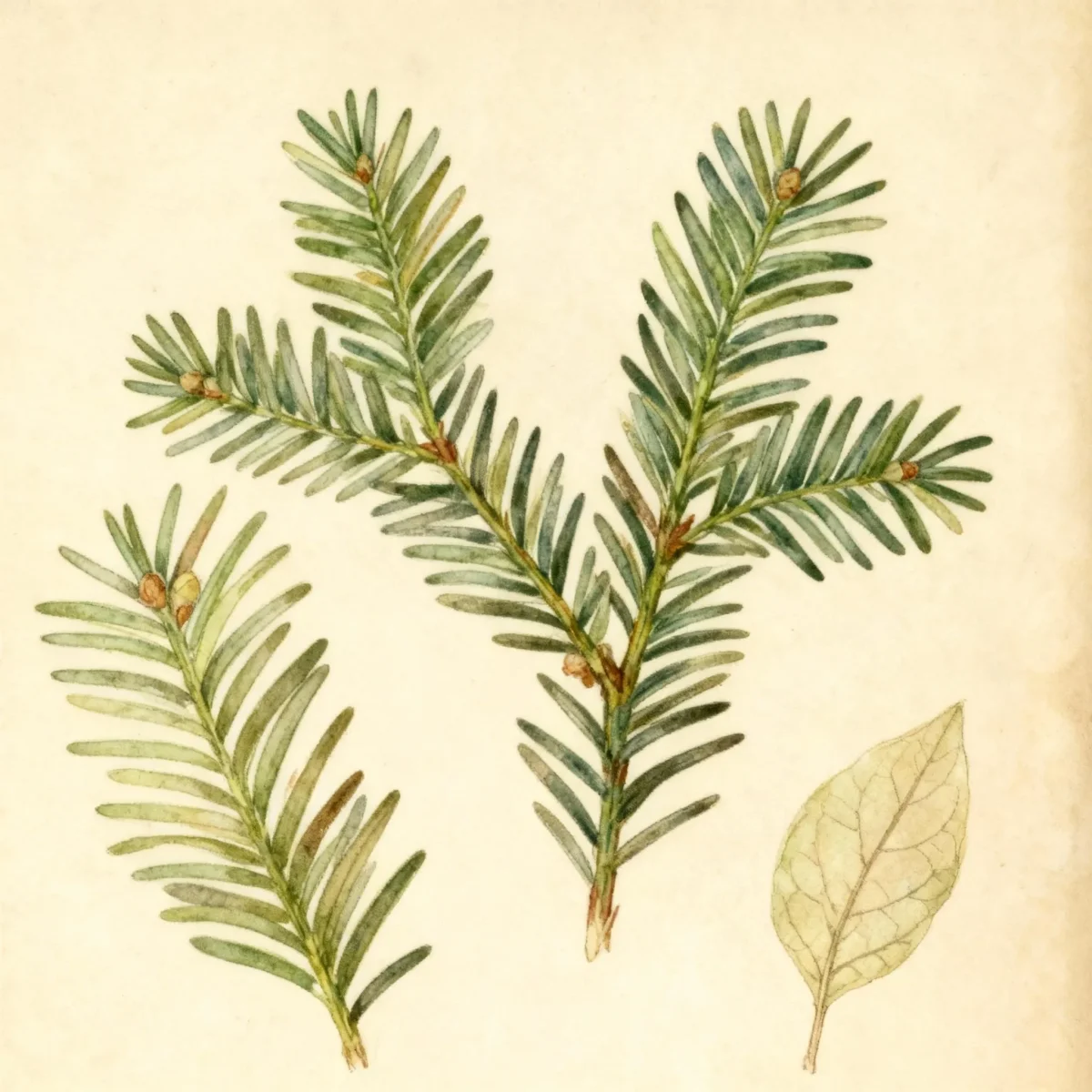
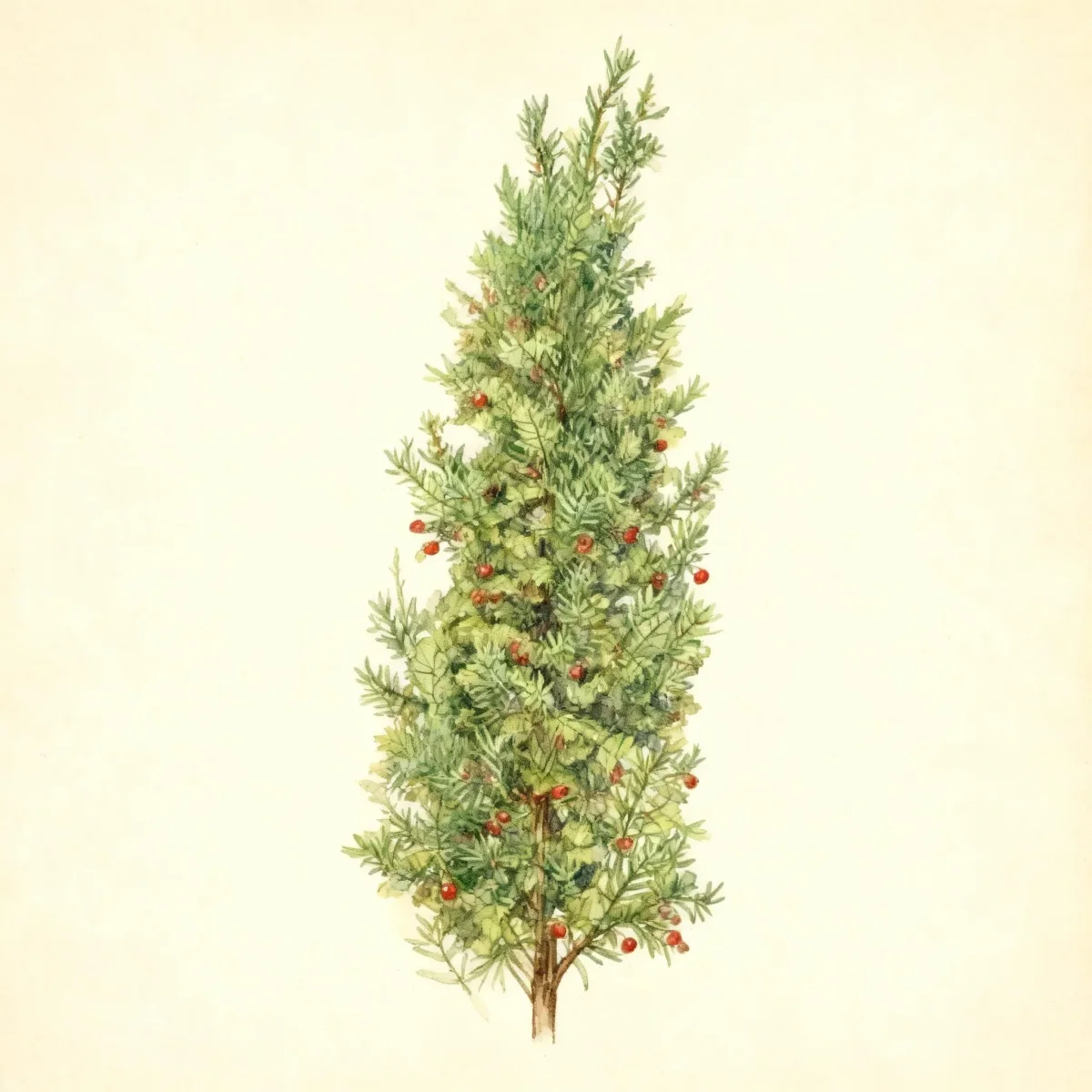
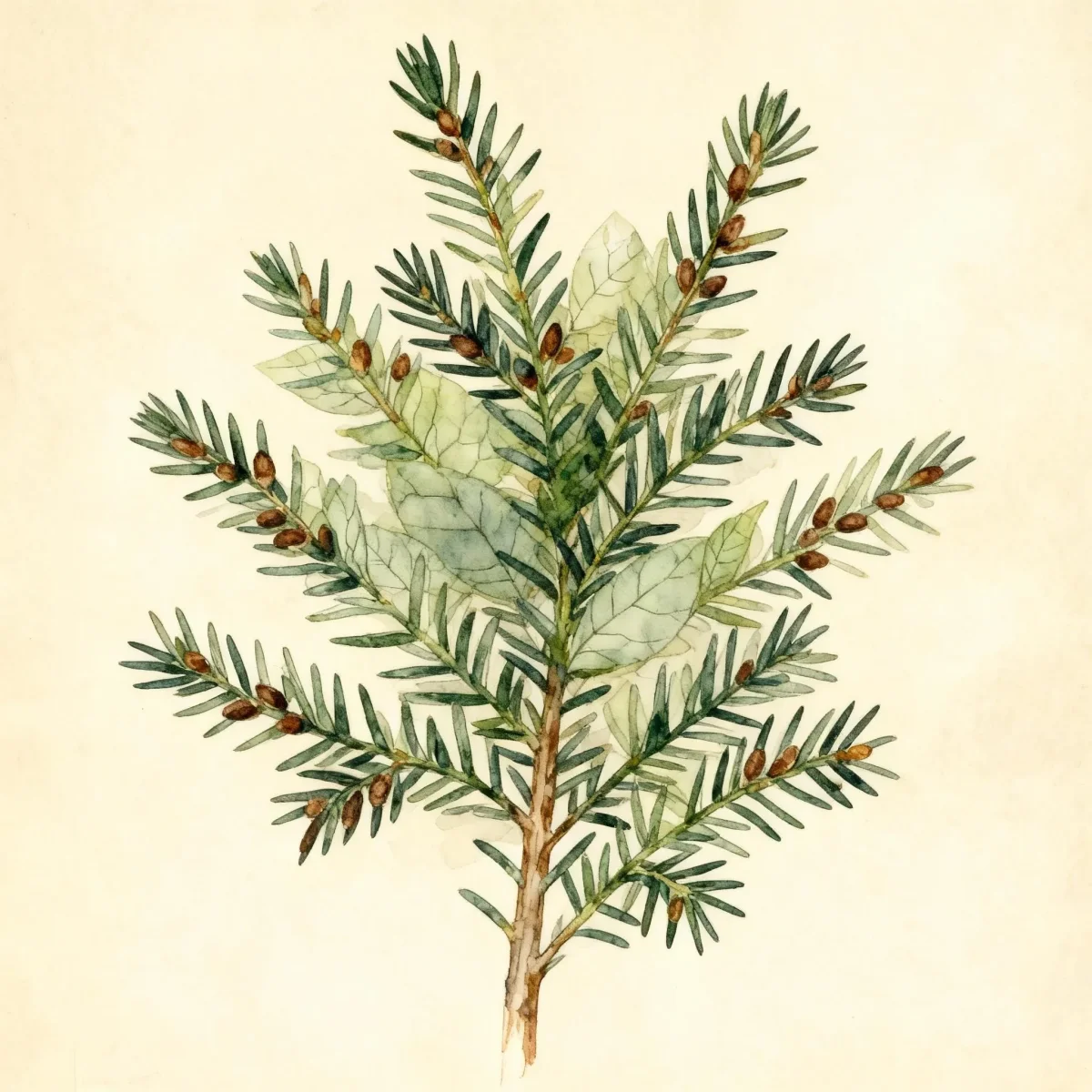
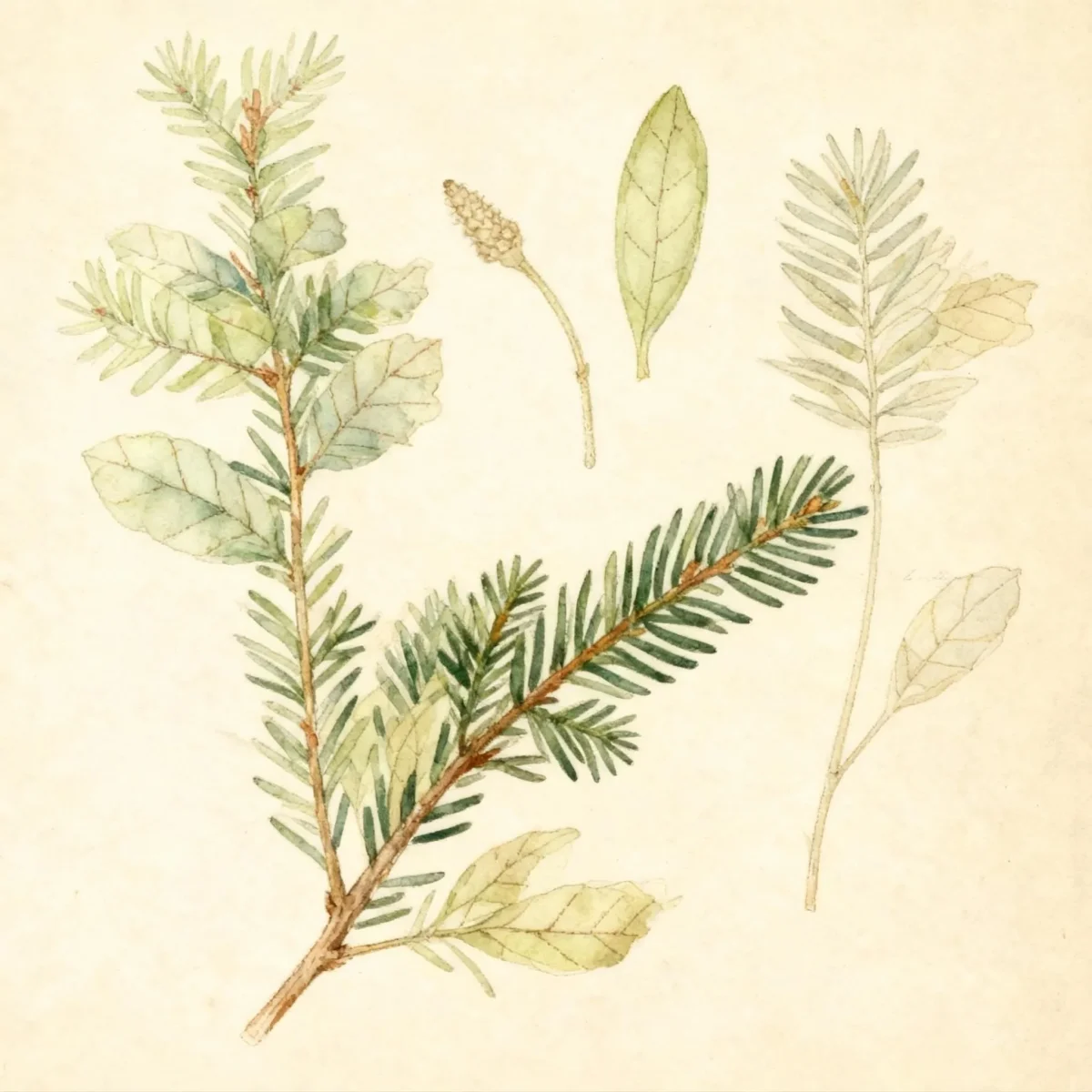
Taxus × media is a hybrid designation for a large number of shrubby, often wide-spreading crosses of English yew (Taxus baccata) and Japanese yew (Taxus cuspidata). These hybrids are noted for combining the ornamental excellence of English yew with the winter hardiness of Japanese yew. Although primarily resembling T. Cuspitata in appearance, the various hybrid cultivars can vary considerably in size and character. Height ranges from 2-20’ tall depending on the cultivar. Two ranked, pointed, oblong to needle-like, olive to dark green leaves are attractive year round. Bark is scaly brown. Plants are dioecious (separate male and female plants). Female plants produce berry-like cones made up of a single seed surrounded by a red, fleshy structure called an aril. The aril is formed by two fused, modified scale leaves.Genus name is an old Latin name for yews.Specific epithet means intermediate. ‘Smokestack’ is a slow-growing, upright, narrowly columnar cultivar with ascending branches. Shape resembles that of a smokestack, maturing to 6-12’ tall with a spread of only 2-4’ wide. ‘Smokestack’ is an all male clone.
Tolerances
- Rabbit
- Drought
- Heavy Shade
Potential Problems
This Yew cultivar can suffer from winter burn, especially if planted in highly exposed sites where persistent, cold winter winds desiccate the foliage. To prevent this, site your Taxus × media ‘Smokestack’ in a protected location or consider wrapping it semi-loosely with burlap during the harshest months. Fungal issues like twig blight and needle blight are occasional problems; these are often exacerbated by poor air circulation or overhead watering, so ensure proper spacing and overhead watering is avoided.
For soil-borne issues, root rot is the primary concern, directly resulting from inadequate soil drainage. If scale insects or weevils are present in your area, monitor new growth closely, treating infestations promptly with horticultural oil or appropriate systemic treatments to protect the health of your Yew.
Frequently Asked Questions
What hardiness zones is Yew suitable for?
The Taxus × media ‘Smokestack’ Yew is reliably hardy in USDA Zones 4 through 7, offering excellent cold tolerance for its size.
How large does Taxus × media ‘Smokestack’ grow?
This cultivar is valued for its narrow habit, typically reaching 6 to 12 feet tall but remaining quite narrow, only spreading 2 to 4 feet wide at maturity.
When does Yew bloom?
This evergreen is classified as non-flowering; it does not produce traditional flowers, though the female plants produce small, fleshy, red arils around their seeds.
Conclusion
The Taxus × media ‘Smokestack’ Yew provides unmatched vertical screening and year-round structure for landscapes constrained by space. Its low maintenance needs and adaptability to various light levels make this specific columnar Yew a workhorse in formal and contemporary garden designs. Before planting, rigorously confirm that your site offers the essential well-drained soil required for long-term success.
Companion Planting
Selecting appropriate neighbors ensures that the cultural demands—medium water, average soil, and tolerance for shade—of the Taxus × media ‘Smokestack’ are met across the entire planting bed. Because this Yew provides strong vertical texture, pair it with contrasting, soft, or mounding forms. Consider planting low-growing, spreading groundcovers like Pachysandra or Vinca minor beneath the canopy to suppress weeds and enhance the formal look, provided drainage remains excellent.
For mid-layer companions in partial shade, Japanese Forest Grass (Hakonechloa macra) or various low-growing Heuchera cultivars offer beautiful foliage contrast against the dark green needles of the Yew without competing aggressively for root space. Avoid companions that demand consistently wet soil, as this contradicts the primary requirement for this specific Yew cultivar.
Design Ideas for Narrow Spaces
The columnar nature of ‘Smokestack’ lends itself perfectly to classical architectural accents. Use pairs of Taxus × media ‘Smokestack’ to frame pergolas, garden gates, or basement window wells, providing instant formality and symmetry. Because the spread is so minimal (2–4 feet), these trees can be planted relatively close to structures or each other, making them ideal for narrow side yards where a wide hedge would create obstruction issues.
In modern, minimalist gardens, utilize several ‘Smokestack’ Yews in a staggered row rather than a continuous hedge. This repetition of the strong vertical element creates rhythm and repetition without the visual bulk of a traditional screen. Being sun-to-shade tolerant, consider using them as “living columns” where the light shifts throughout the day, maintaining visual interest where other structural evergreens might struggle in denser shade.