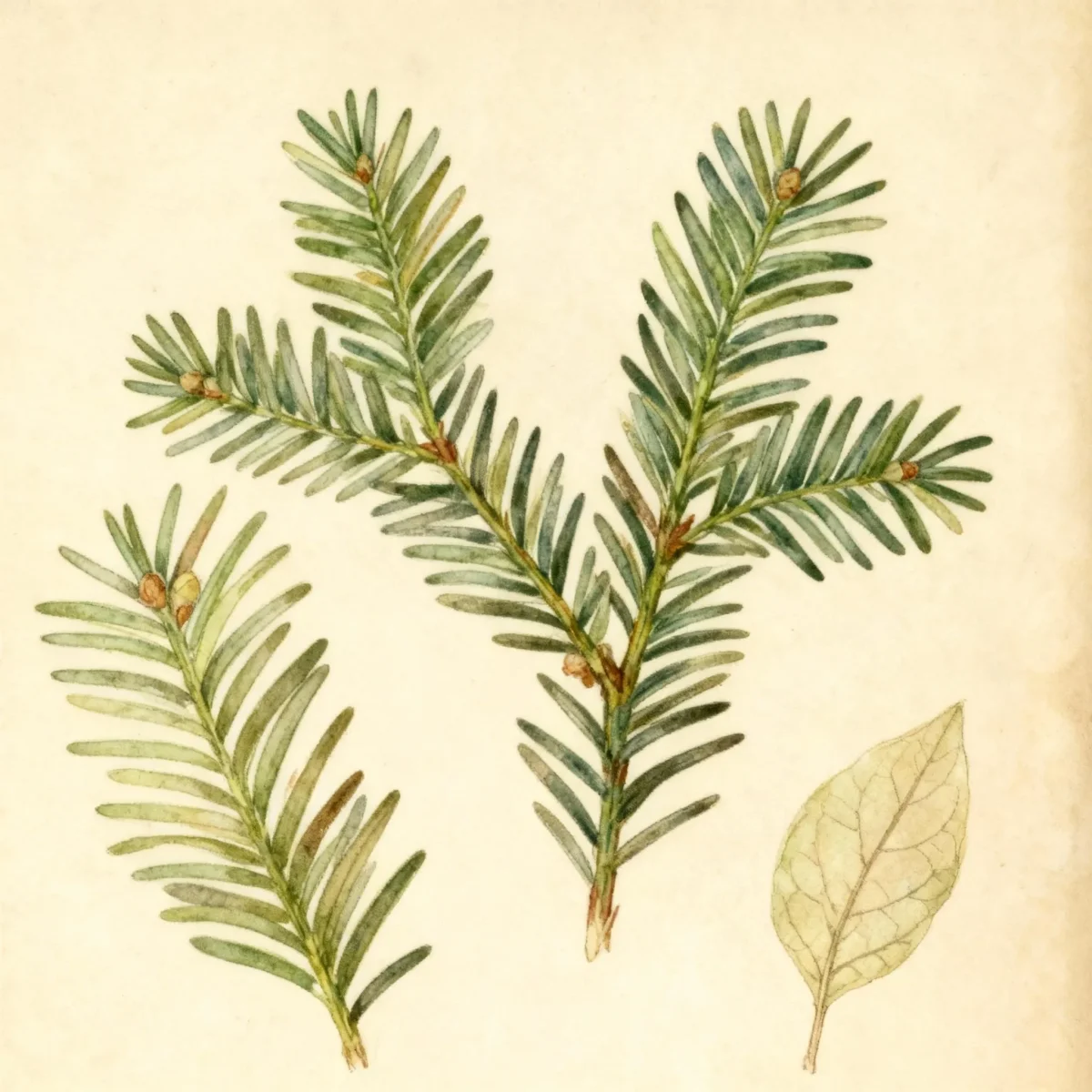
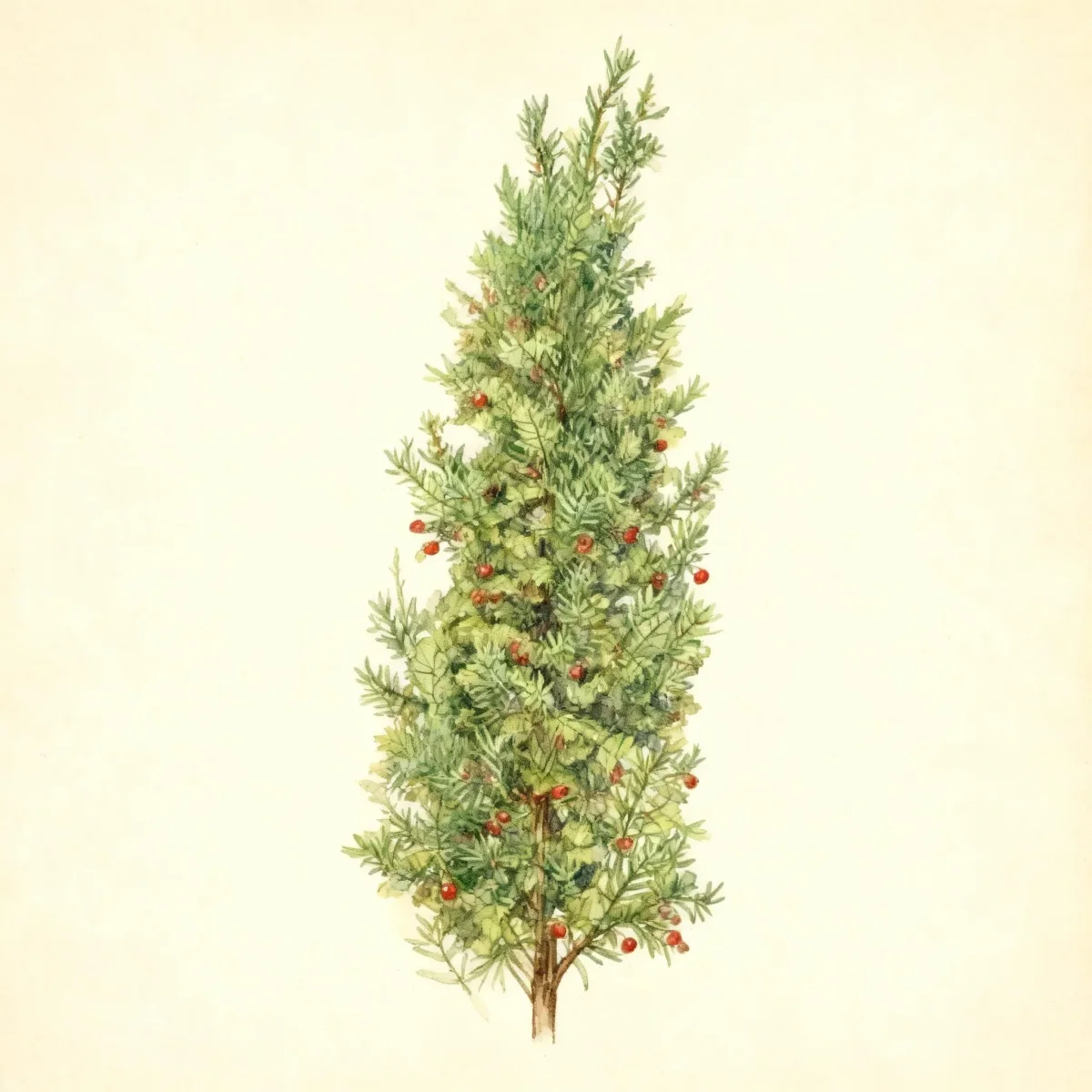
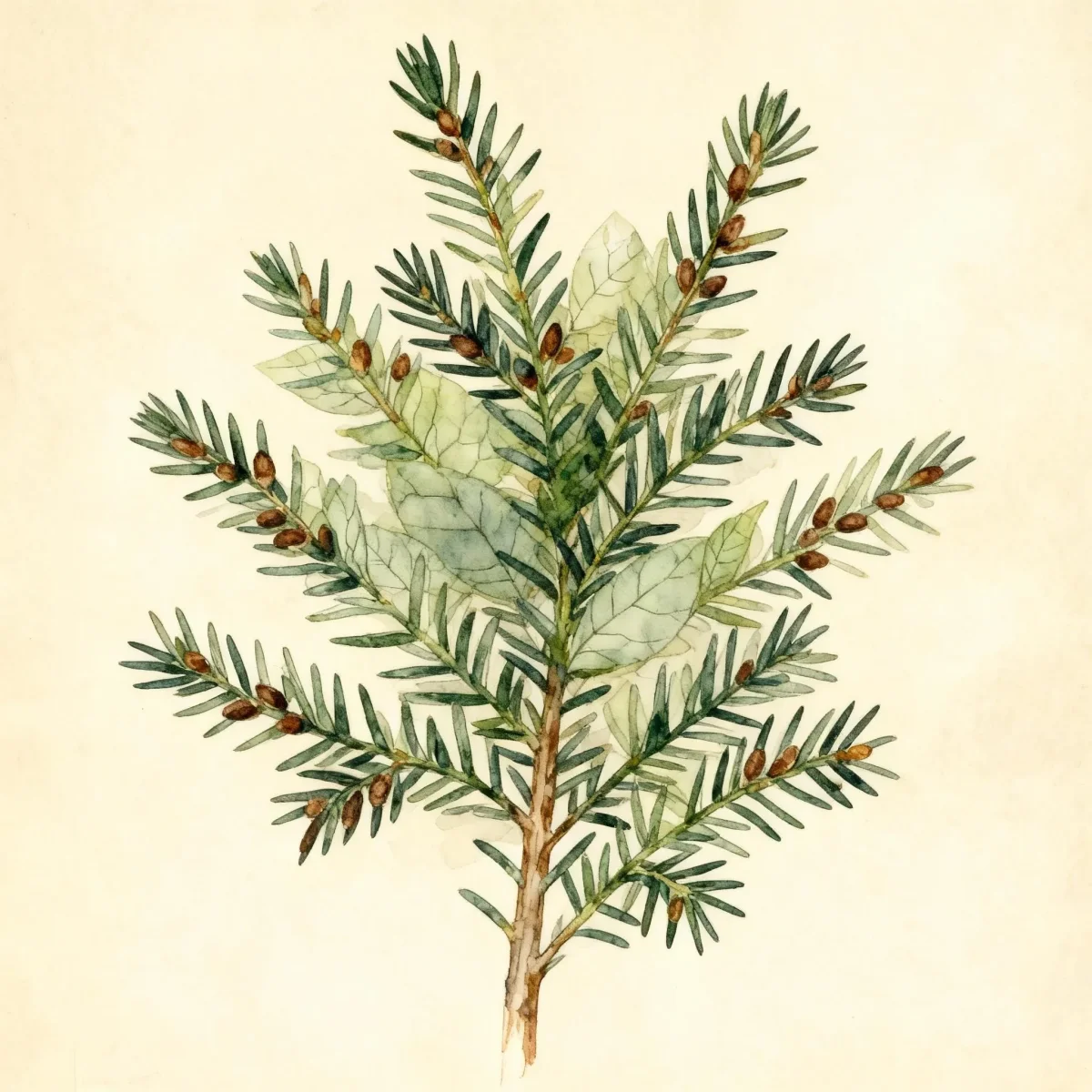
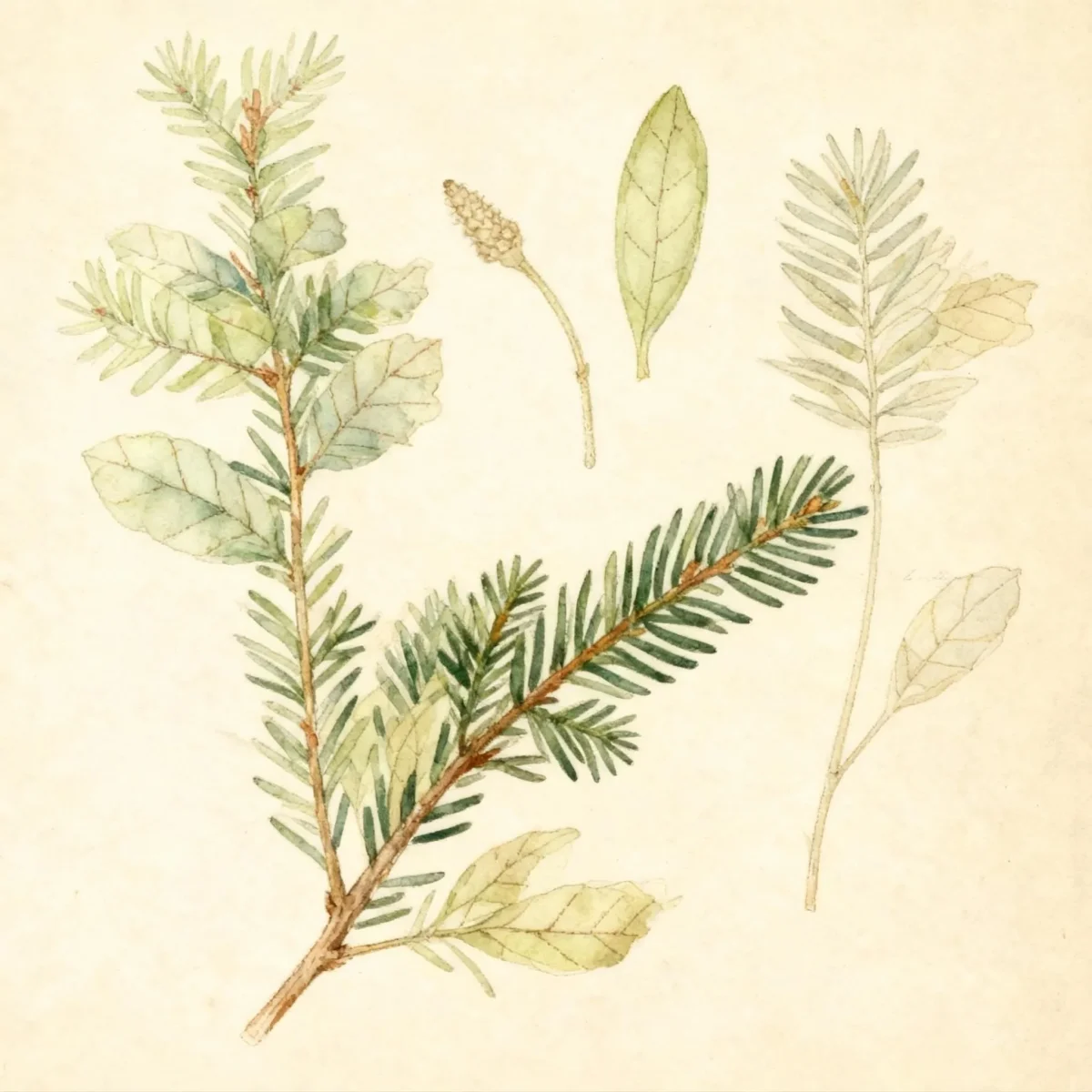
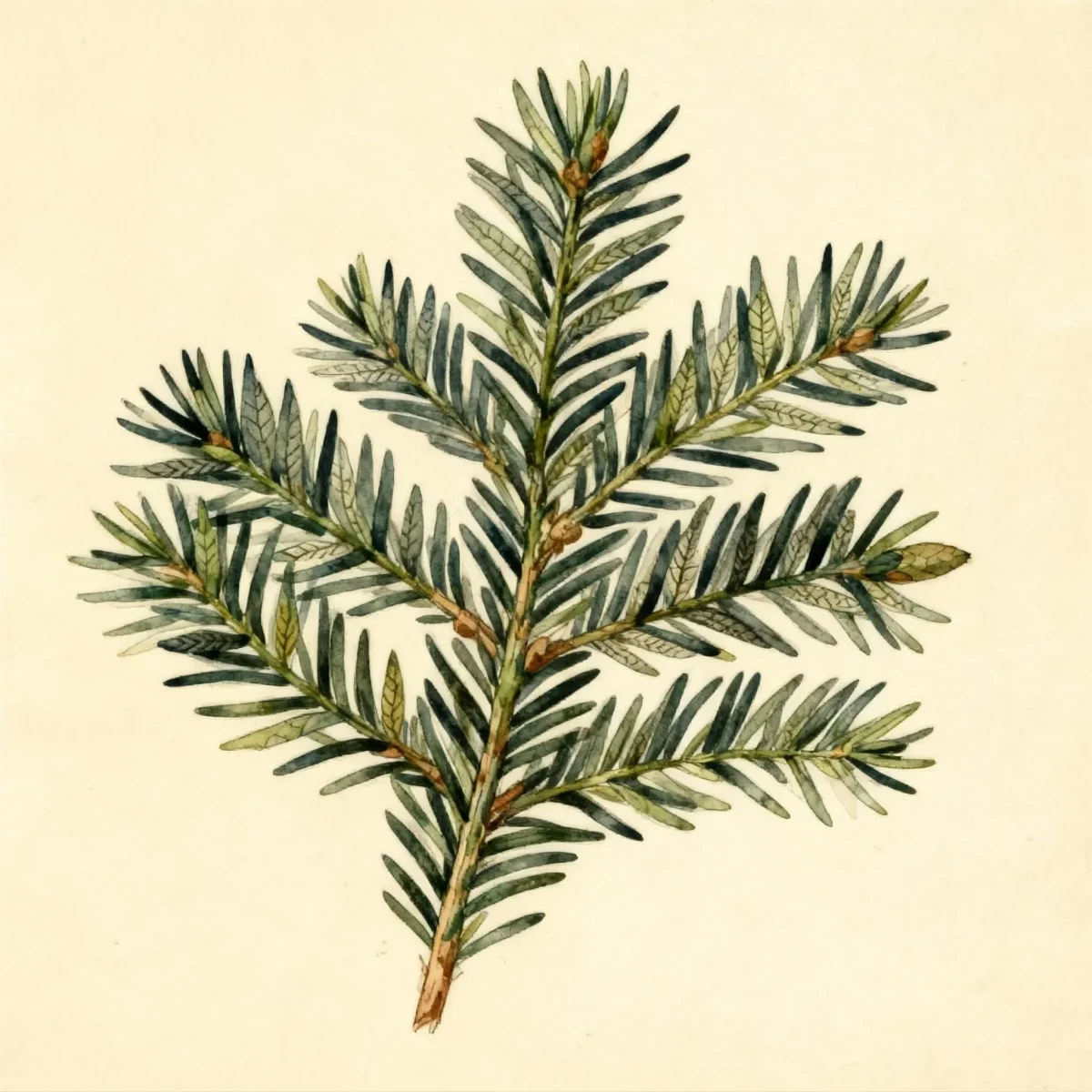
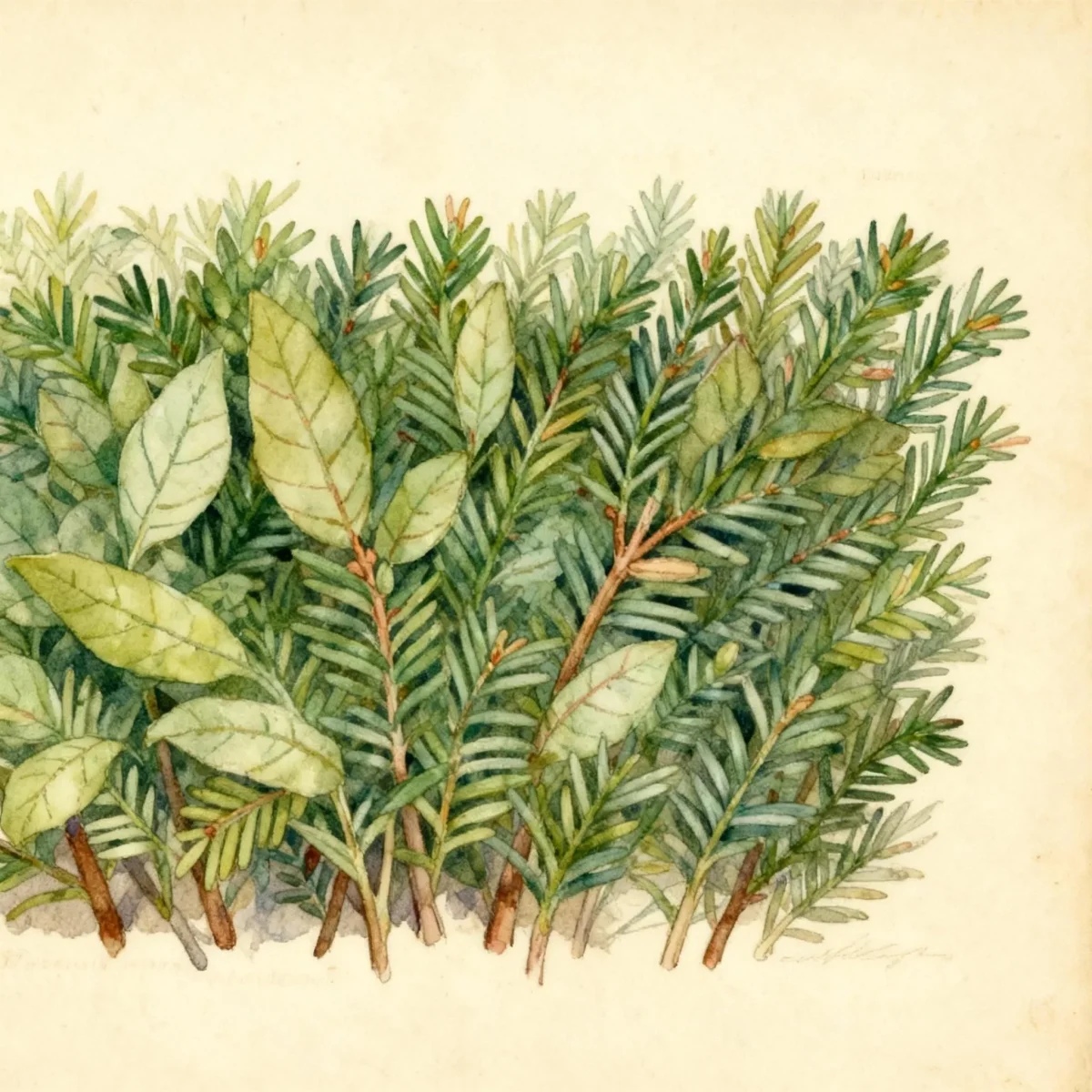
Yew (Taxus × media 'Wardii')
The low-growing, wide-spreading Taxus × media 'Wardii' Yew offers year-round dark green needles and low maintenance needs.
Scroll down to discover growing tips, care requirements, companion plants, and more
Complete Plant Information
Overview
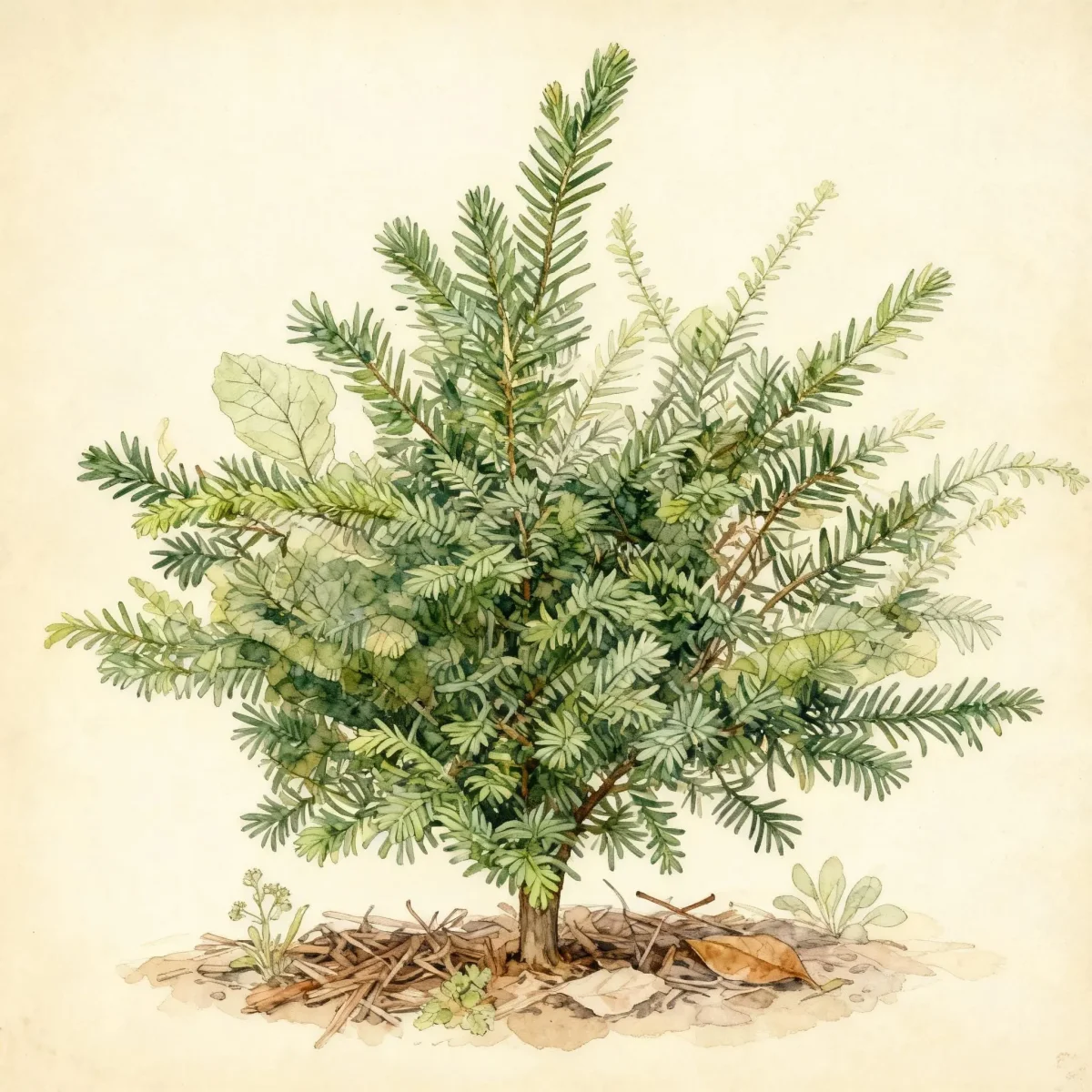
Taxus × media ‘Wardii’, commonly known as Yew, is a highly valued needled evergreen treasured for its dense, year-round foliage and adaptability across various light conditions. As a hybrid, it blends the ornamental beauty of its parents with improved winter hardiness, making it a reliable structure plant in temperate landscapes. Gardeners appreciate the slow-growing, wide-spreading habit of this specific cultivar.
The ‘Wardii’ cultivar typically maintains a low, flattened top, rarely exceeding six feet in height but often spreading significantly wider, making it excellent for ground cover or low hedging. Its dark green, needle-like leaves provide consistent visual interest when many other shrubs are dormant. This robust evergreen requires minimal attention once established, provided the essential drainage needs are met.
Functionally, the Yew is prized for its excellent tolerance to pruning, allowing gardeners to shape it precisely for foundation plantings or low borders. The ornamental value is further enhanced by the striking red, fleshy arils that sometimes surround its seeds on female plants. Ultimately, the Taxus × media ‘Wardii’ offers enduring structure and color with decidedly low maintenance requirements.
Fast Facts
- Plant Family: Taxaceae
- Plant Type: Needled evergreen
- Hardiness Zones: USDA Zones 4-7
- Size at Maturity:
- Height: 3-6 ft
- Spread: 8-20 ft
- Bloom Time: Non-flowering
- Bloom Description: Non-Flowering
- Sun Exposure: Full sun to part shade
- Water Needs: Medium
- Maintenance Level: Low
How to Grow
Planting Taxus × media ‘Wardii’ is best achieved in spring or early fall, allowing the roots time to settle before extreme heat or cold arrives. Choose a location that offers full sun to part shade; while it tolerates deep shade well, performance is often best with some filtered light. The absolute key to success is soil preparation: this Yew demands well-drained soil, ideally moist, sandy loams. Avoid any spot where water pools, as this foliage evergreen has no tolerance for wet feet.
Once established, watering should be consistent, targeting medium moisture levels. While young plants need regular watering to establish deep roots, mature specimens demonstrate good drought tolerance. Fertilizing is rarely required for established plants; focus instead on maintaining soil health and monitoring for common issues.
Pruning and shearing of this Yew are readily accepted methods for height and shape control. The best time to perform significant shaping to maintain its structure is early spring, just before the new growth flush begins. Because cold winter winds can cause cosmetic damage, site your Taxus × media ‘Wardii’ where it is somewhat protected from harsh winter air movement to maintain the best year-round appearance.
Landscape Uses
The low, spreading nature of the Taxus × media ‘Wardii’ makes it incredibly versatile in landscape design. Due to its dense habit and tolerance for shearing, it excels when formal borders or low hedges are required near walkways or property lines. It works effectively as an architectural element providing structure near foundations where taller plants might obscure windows.
Beyond its role in formal settings, this Yew is perfectly suited for mass plantings on embankments or slopes, helping to stabilize soil while creating a uniform blanket of dark green texture. Pair the fine texture of the Yew with coarse-leaved evergreens or deciduous shrubs for contrast. Because the plant handles heavy shade, it can also serve as an excellent mid-layer evergreen beneath taller trees.
Standout Features
Fruit Qualities
- Showy
Noteworthy Characteristics
Taxus × media is a hybrid designation for a large number of shrubby, often wide-spreading crosses of English yew (Taxus baccata) and Japanese yew (Taxus cuspidata). These hybrids are noted for combining the ornamental excellence of English yew with the winter hardiness of Japanese yew. The specific cultivar, ‘Wardii’, is recognized as a low-growing, wide-spreading variety featuring a flattened top and attractive dark green needles present year-round. It establishes slowly, usually reaching 4 feet high by 8 feet wide in the initial decade, eventually maturing toward 6 feet tall by 20 feet wide.
Tolerances
- Rabbit
- Drought
- Heavy Shade
Potential Problems
This Yew generally maintains a low maintenance profile, but certain environmental stresses can cause issues. Susceptibility to winter burn is a primary concern, especially when the plant is sited in exposed areas where drying winter winds batter the needles. Monitor for signs of twig blight and needle blight, which are occasional fungal issues that may necessitate focused sanitation or fungicide application if severe.
Poor drainage remains the most critical cultural threat, leading directly to root rot, which can quickly compromise the health of your Taxus × media ‘Wardii’. Ensure soil is very well-draining at planting time and avoid standing water. In some regions, common pests like weevils, mealybugs, and scale may require spot treatment if populations become problematic.
Frequently Asked Questions
What hardiness zones is Yew suitable for?
The Taxus × media ‘Wardii’ Yew is suitable for USDA Hardiness Zones 4 through 7.
How large does Taxus × media ‘Wardii’ grow?
This cultivar typically matures between 3 to 6 feet tall, but it develops a significantly wider spread, ranging from 8 to 20 feet wide.
What sun exposure does Yew need?
This evergreen thrives in sites receiving full sun to part shade, offering excellent performance even in heavy shade conditions.
When does Yew bloom?
This plant is non-flowering, though female plants produce distinctive, showy, berry-like cones surrounded by red arils.
Conclusion
The Taxus × media ‘Wardii’ Yew is an indispensable element for evergreen structure, offering dense, year-round color and a beneficial spreading habit ideal for ground cover or low screening. Its low maintenance requirement and excellent shade tolerance make this specific Yew a dependable choice for challenging landscape areas. Before purchasing, confirm that your site offers the excellent drainage that the Taxus × media ‘Wardii’ absolutely requires for long-term success.
Companion Planting
When designing alongside the dark green foliage of the Yew, consider using plants that offer textural or color contrast during the growing season. Hostas, especially those with chartreuse or variegated leaves, thrive in the partial shade preferred by many Taxus × media ‘Wardii’ specimens, enhancing shady border designs. For year-round contrast, pair the Yew with evergreen shrubs that have gold or soft blue needles, such as certain cultivars of False Cypress or Juniper that share similar drainage requirements. Avoid planting moisture-loving perennials directly beneath this Yew, ensuring root competition doesn’t alter the critical dry-to-medium moisture balance the Yew prefers.
Common Mistakes
The most frequent error when planting this Yew relates directly to water management: planting in compacted or heavy clay soils that retain water is disastrous. Since this plant tolerates drought but not wet conditions, improving drainage through the addition of high-quality compost or sand prior to planting is crucial. Another common oversight is improper pruning timing; while the Yew accepts shearing well, major cuts must be made in early spring, as pruning in late summer or fall can leave tender new growth vulnerable to damaging winter burn. Addressing these two points—drainage and timing—will ensure a long, healthy life for your Taxus × media ‘Wardii’.