Meadow rue (Thalictrum minus 'Adiantifolium')
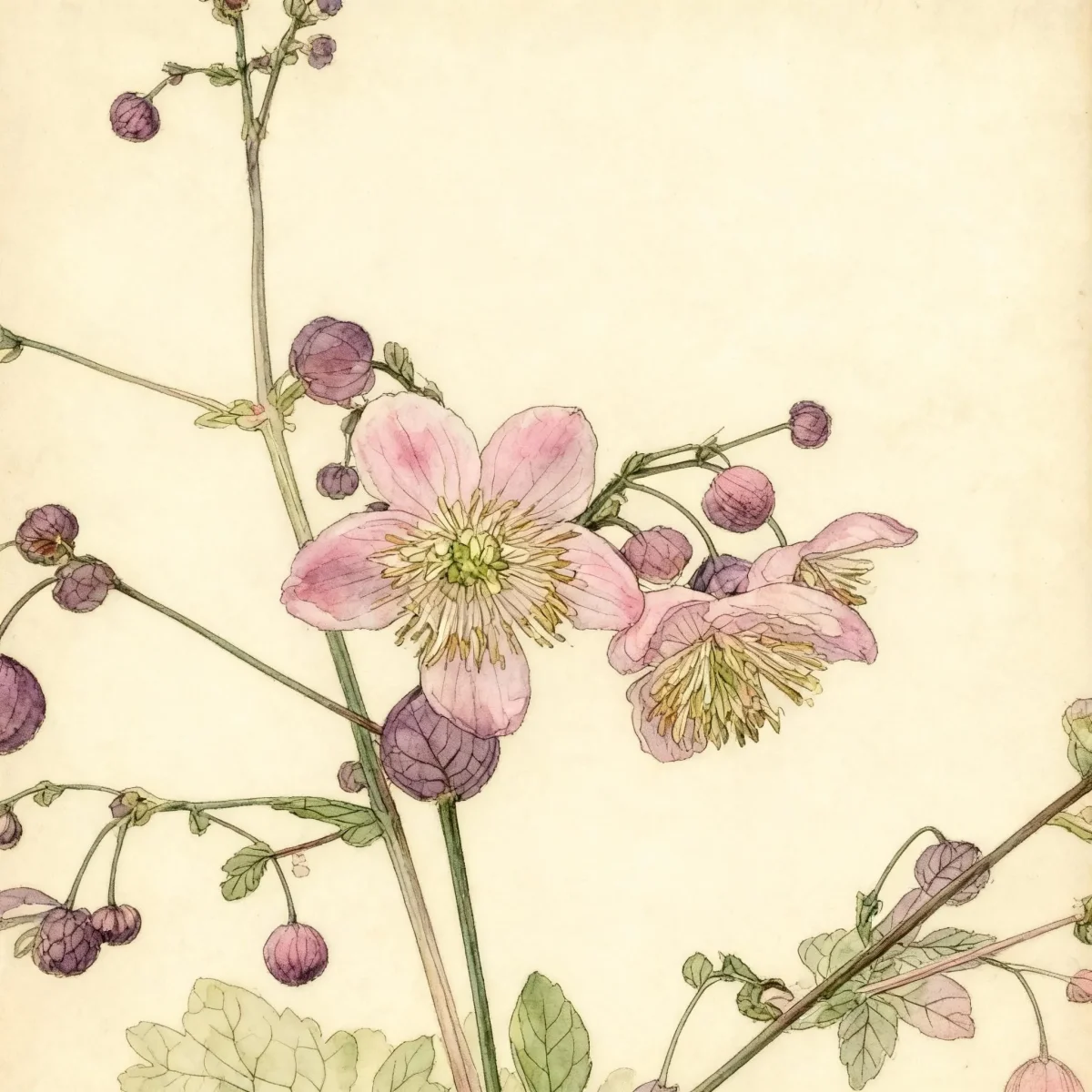
Thalictrum minus 'Adiantifolium' (Meadow rue) offers fine-textured, lacy foliage with airy, creamy yellow blooms. A low-maintenance perennial for partial shade.
Scroll down to discover growing tips, care requirements, companion plants, and more
Complete Plant Information
Overview
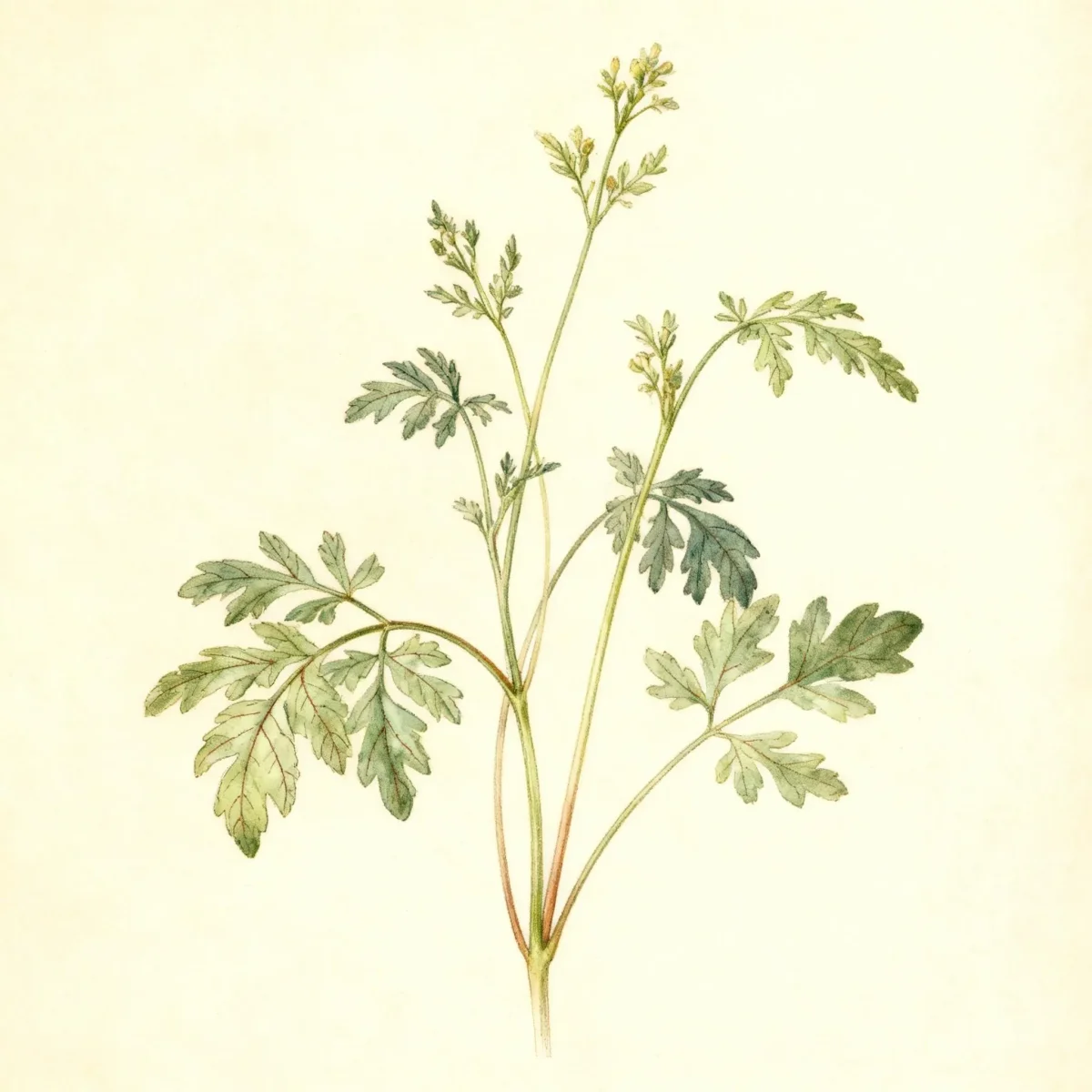
Thalictrum minus ‘Adiantifolium’, commonly known as Meadow rue, is prized by gardeners for its exceptionally delicate, lacy foliage that offers a bright, airy texture unmatched by many other perennials. This cultivar’s leaves superficially resemble maidenhair fern, a characteristic referenced in its specific epithet, ‘Adiantifolium’. It provides crucial fine texture contrast when planted alongside plants with bolder leaves in the perennial border.
As a clump-forming herbaceous perennial, this Meadow rue variety typically reaches heights between one and three feet and spreads similarly, making it an excellent mid-border plant. While its tiny, greenish-yellow flowers appear in late spring, the primary aesthetic appeal is the foliage, which remains attractive throughout the season provided consistent moisture is supplied. Gardeners utilize this plant for its relatively low maintenance needs and its architectural contribution to shaded or partially sunny garden spaces.
The appeal of Thalictrum minus ‘Adiantifolium’ lies in its ability to bring lightness and movement to the garden design. It thrives in average soils but notably performs best when moisture is maintained, especially when situated in brighter light conditions. This resistance to serious pest issues further cements its value as a reliable, handsome addition to woodland or cottage-style plantings.
Fast Facts
- Plant Family: Ranunculaceae
- Plant Type: Herbaceous perennial
- Hardiness Zones: USDA Zones 3-7
- Size at Maturity:
- Height: 1-3 ft
- Spread: 1-3 ft
- Bloom Time: May to July
- Bloom Description: Creamy yellow
- Sun Exposure: Full sun to part shade
- Water Needs: Medium
- Maintenance Level: Low
How to Grow
Planting Thalictrum minus ‘Adiantifolium’ is best accomplished in spring or fall, ensuring the root zone establishes before extreme temperatures hit. While this Meadow rue can handle full sun, it prefers the protection of part shade or dappled sunlight. Cultivation is easiest in average, medium soils that are well-drained; however, it truly excels in humus-rich, moist conditions layered beneath trees or shrubs.
Watering is a key component of success, particularly for this cultivar. It requires medium water, and if grown in full sun locations, regular, consistent moisture is non-negotiable to maintain foliage quality. As a rhizomatous plant, it will spread slowly over time, so give it space to develop its colonies naturally.
Maintenance for this perennial is generally low. Pruning is typically unnecessary outside of removing old stems in early spring before new growth begins. Avoid fertilizing heavily; rich soil is preferred, but excess nitrogen may lead to floppier stems. Be aware that Thalictrum minus ‘Adiantifolium’ is intolerant of the intense heat and high humidity common in the deep South, so site selection based on climate is crucial.
Landscape Uses
The delicate structure of Thalictrum minus ‘Adiantifolium’ makes it a foundational element in sophisticated perennial borders, where its fine texture plays beautifully against coarser, broader-leaved neighbors. Consider using this Meadow rue in cottage gardens to soften hard edges or integrate it into open woodland settings where filtered light mimics its preferred environment.
Its manageable size (1-3 feet tall) also allows for use in rock gardens if moisture retention can be managed, providing an unexpected touch of elegance among hardscaping elements. For a naturalized effect, plant in drifts through meadows or at the edges of woodland paths, allowing its airy blooms to float above surrounding grasses or groundcovers.
Standout Features
Flower Qualities
- Showy
Noteworthy Characteristics
This meadow rue cultivar is a clump-forming perennial which variably grows 1-3’ tall and is grown primarily for its attractive foliage. Features lacy, fine-textured, medium green, compound leaves (superficially resembling columbine or maidenhair fern) which remain attractive through the growing season as long as soils are kept moist. Cultivar name is in reference to the maidenhair fern genus (Adiantum). Tiny, greenish-yellow flowers (color comes from the yellow stamens) appear in terminal, branched sprays (panicles) above the foliage in late spring. Individual flowers are not particularly striking, but the mass effect of the bloom can be somewhat attractive. Sometimes listed as T. Minus var. Adiantifolium.
Tolerances
- Deer
Potential Problems
Gardeners will appreciate that this plant typically suffers from no serious insect or disease problems under appropriate growing conditions. Avoiding water stress is the primary management technique, as dry soil will quickly degrade the quality of the attractive foliage. Ensure soil drainage is adequate, as sitting in overly saturated, cold, wet soil can lead to root issues common to the Ranunculaceae family.
Frequently Asked Questions
What hardiness zones is Meadow rue suitable for?
Thalictrum minus ‘Adiantifolium’ is reliably cold-hardy, thriving in USDA Hardiness Zones 3 through 7.
How large does Thalictrum minus ‘Adiantifolium’ grow?
This variety generally achieves a height between 1 and 3 feet, with a corresponding spread of 1 to 3 feet.
What sun exposure does Thalictrum minus ‘Adiantifolium’ need?
It performs best in areas receiving full sun to part shade, though it benefits from afternoon shade in the hottest climates.
When does Meadow rue bloom?
This plant produces its creamy yellow blooms, primarily noted for the yellow stamens, from May through July.
Conclusion
The exceptional textural contrast provided by the fine, fern-like leaves ensures that Thalictrum minus ‘Adiantifolium’ remains a sophisticated choice for intermediate border plantings or woodland fringes. Offering low maintenance and resistance to most pests, this Meadow rue is a dependable performer when its moisture needs are met. Before planting, always confirm your local climate falls within USDA Zones 3-7 to ensure the long-term success of your Thalictrum minus ‘Adiantifolium’.
Companion Planting
When selecting companions for Thalictrum minus ‘Adiantifolium’, focus on plants that appreciate similar soil moisture and light conditions while offering contrasting textures. Hostas with large, solid leaves provide an excellent backdrop to the airy foliage of this Meadow rue. Ferns that prefer moist, rich soils also pair naturally, creating a coherent woodland tapestry.
Consider grouping this plant with mid-to-late summer bloomers like Astilbe or Japanese Anemones. These companions will take over the floral display once the Thalictrum’s blooms have faded, ensuring continuous visual interest in your partially shaded perennial beds. Avoid plants that demand dry or lean soil, as this will stress the moisture-loving roots of your Meadow rue.
Propagation Tips
As a rhizomatous perennial, the most straightforward method for increasing your stock of Thalictrum minus ‘Adiantifolium’ is division. This should ideally be done in early spring just as the new shoots begin to emerge, or in early fall. Carefully lift the clump using a sharp spade, separating the crown into smaller sections that each contain a healthy proportion of roots and nascent stems.
Ensure each divided piece is replanted immediately into prepared, humus-rich soil at the same depth it was previously growing. Keep the newly divided plants well-watered throughout their first season to encourage strong root reestablishment. While seeds can be collected from the inconspicuous summer flowers, this cultivar is most reliably multiplied via these simple vegetative divisions.