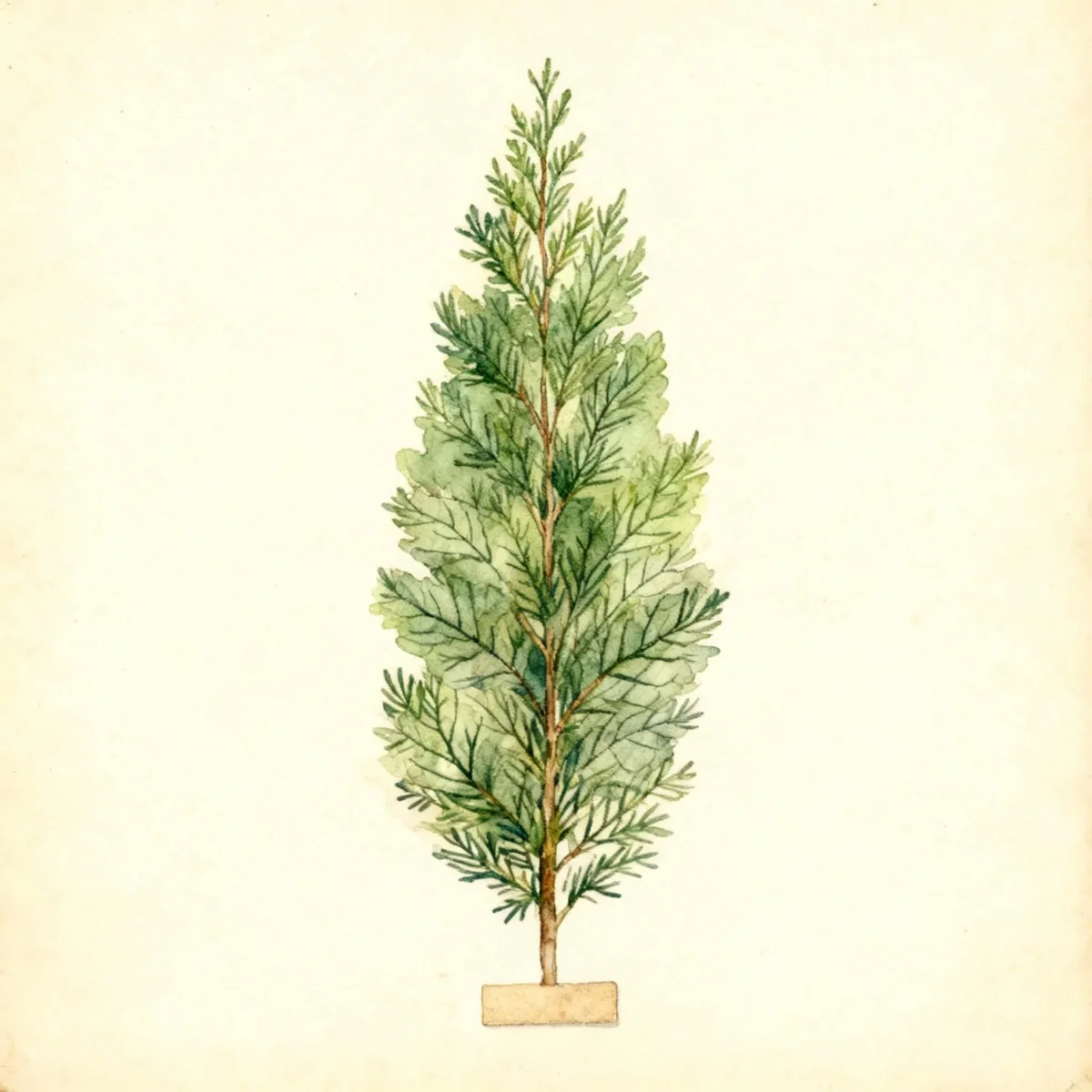
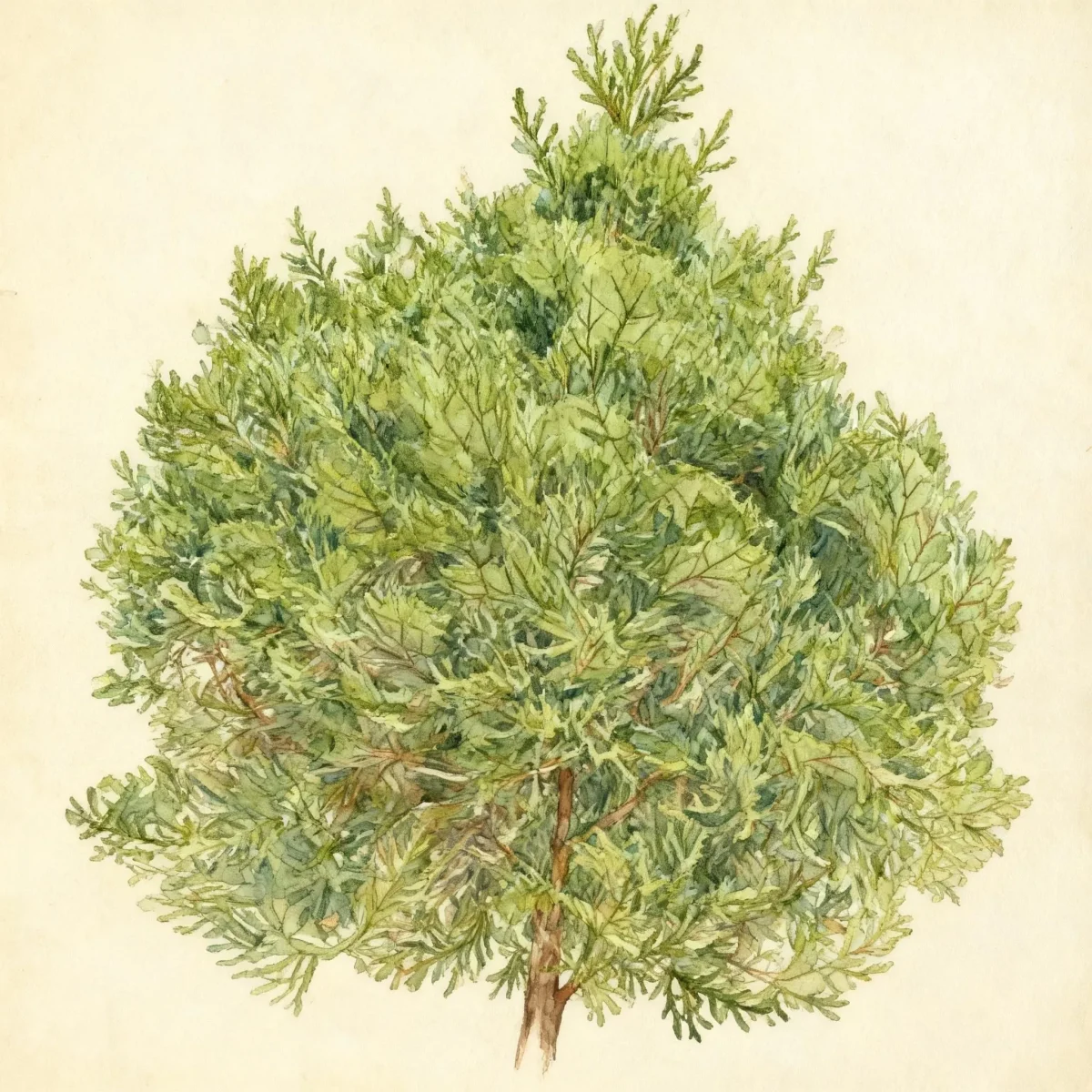
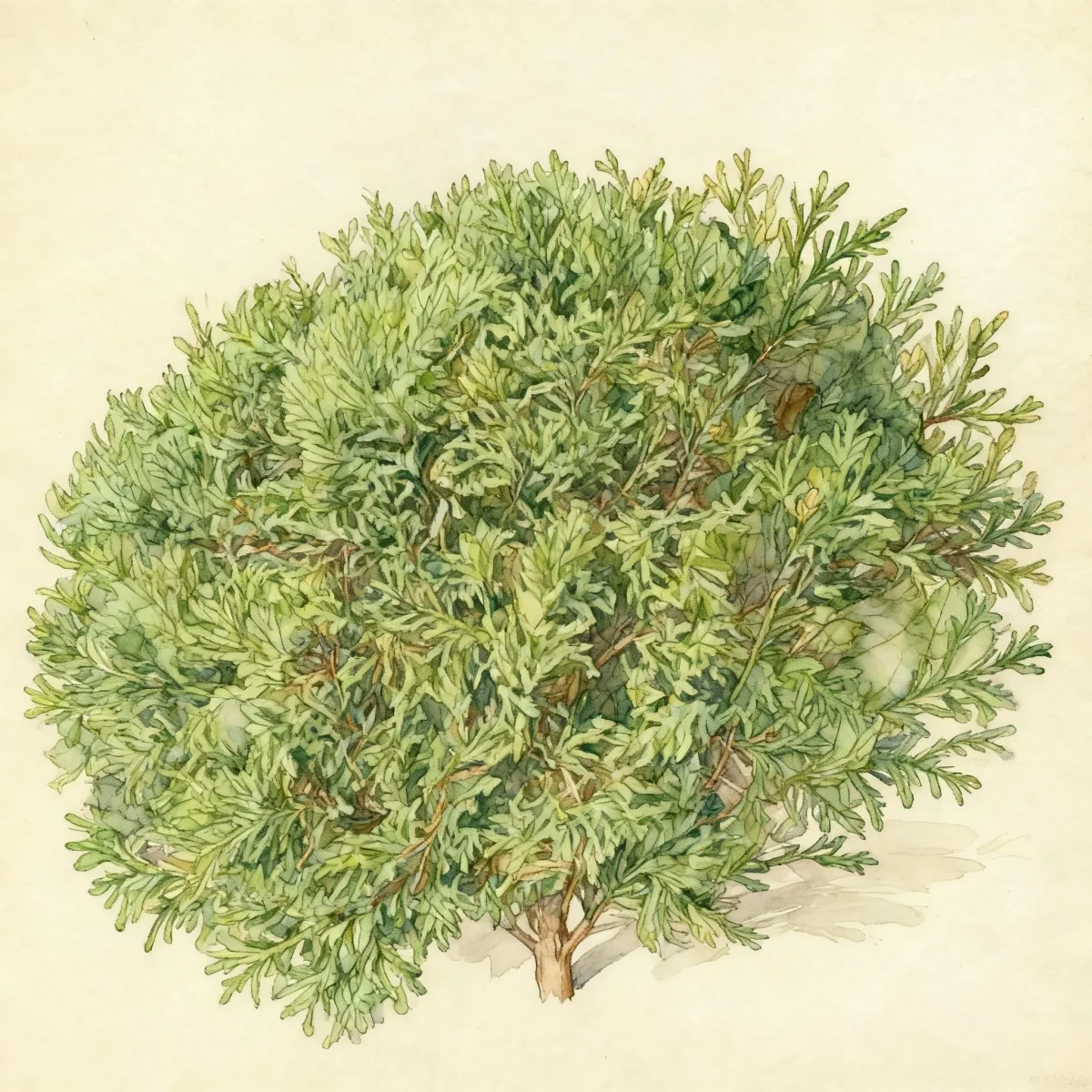
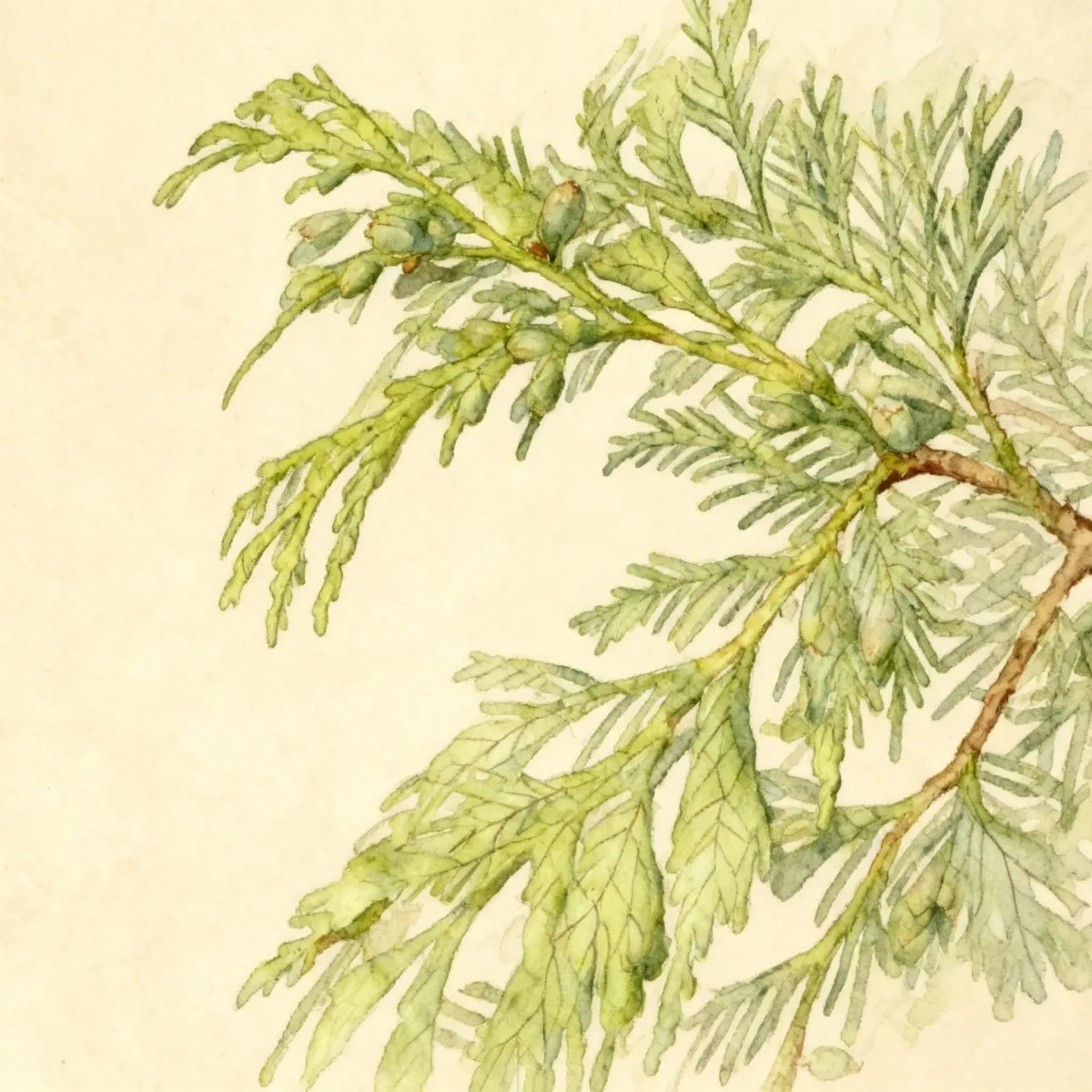
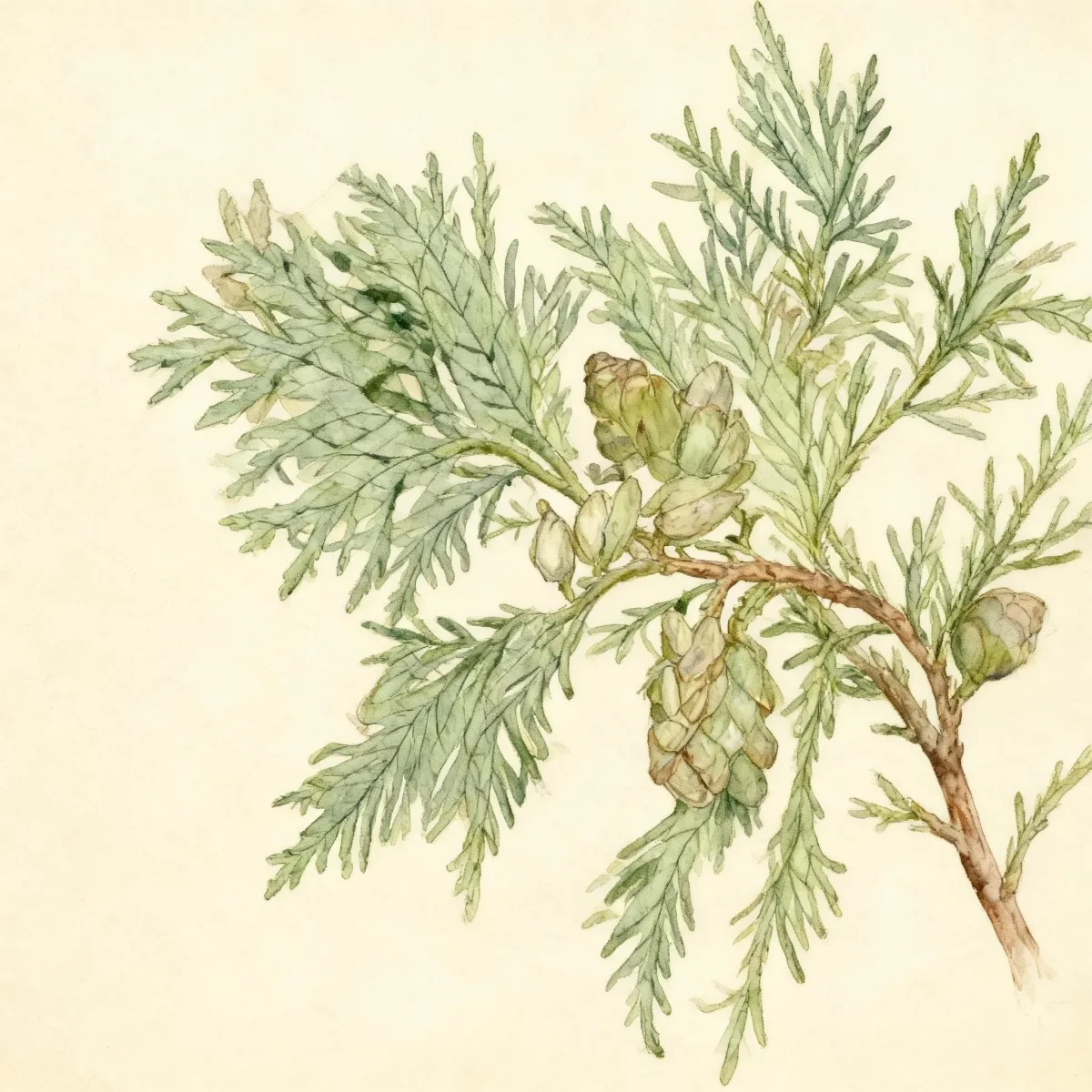
American arborvitae (Thuja occidentalis 'Dark Green')
The Thuja occidentalis 'Dark Green', or American arborvitae, is a dense, pyramidal evergreen perfect for screens and accents, valuing full sun.
Scroll down to discover growing tips, care requirements, companion plants, and more
Complete Plant Information
Overview
Thuja occidentalis ‘Dark Green’, commonly known as American arborvitae, is a highly valued evergreen that maintains a dense, narrowly pyramidal form, making it excellent for structured landscapes. Gardeners appreciate this cultivar for its reliable, deep green foliage that provides year-round screening and visual appeal. While native selections can grow quite tall, the ‘Dark Green’ cultivar offers a more manageable size range in cultivation suitable for accent planting or formal hedges.
This needled evergreen thrives in average, moist, well-drained soils, provided it receives adequate sunlight. Its low maintenance requirement contributes significantly to its popularity among homeowners looking for reliable year-round greenery without intensive inputs. The inherent hardiness of the American arborvitae ensures excellent performance across a wide range of colder climates.
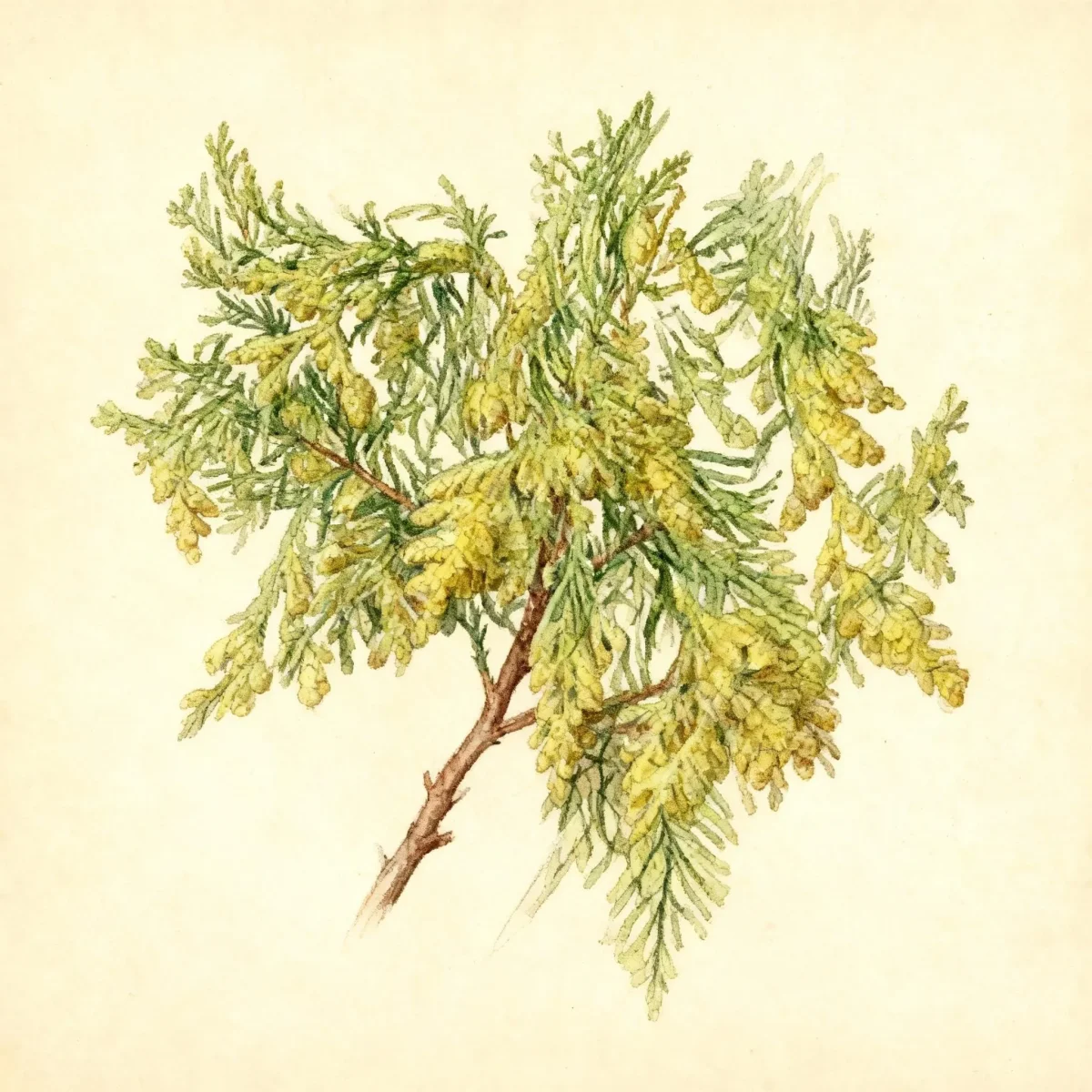
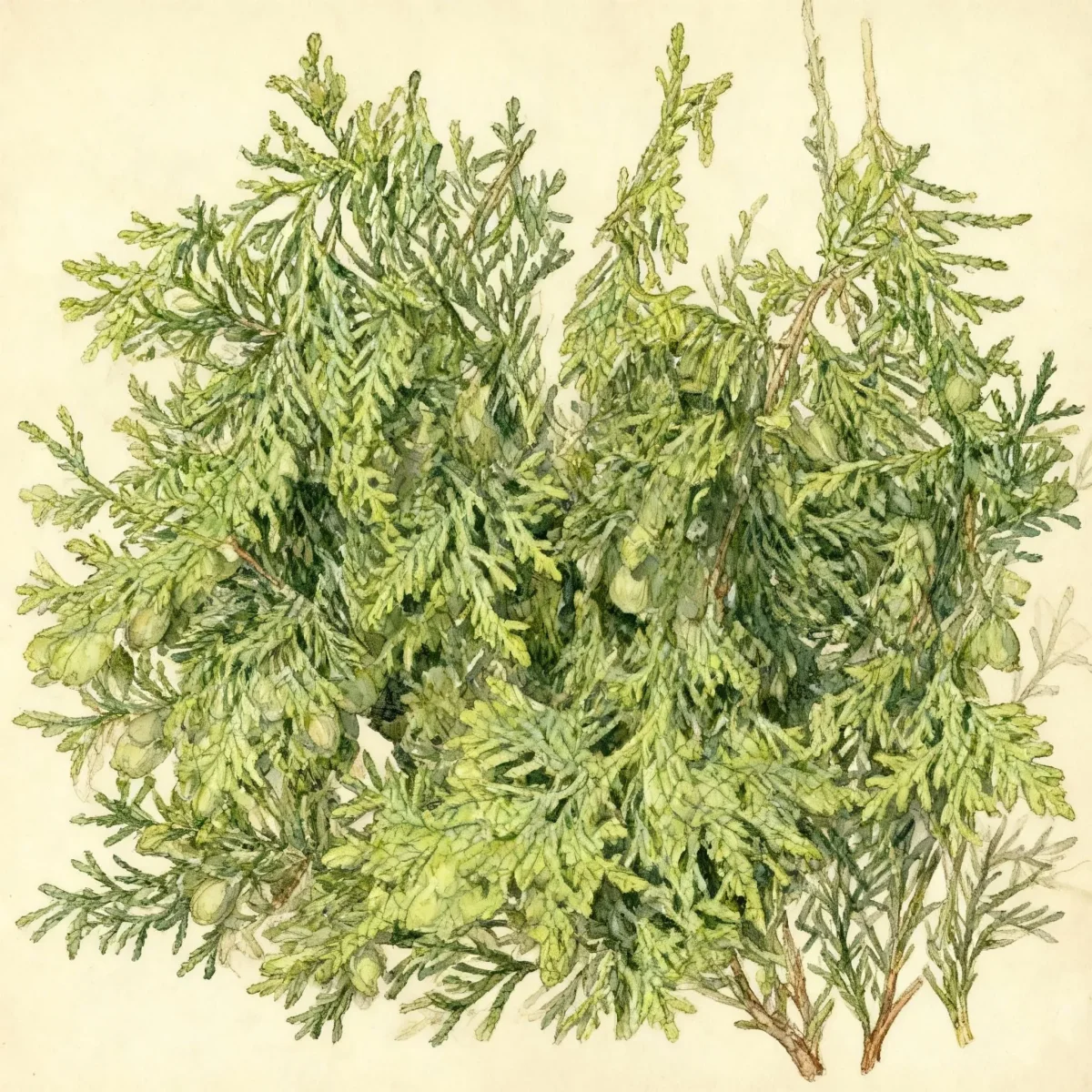
The striking, dark green foliage appears in flattened sprays and is aromatic, offering sensory interest throughout the growing season. Selecting Thuja occidentalis ‘Dark Green’ ensures a sturdy, upright specimen that establishes well when properly sited, offering superior performance compared to less dense cultivars.
Fast Facts
- Plant Family: Cupressaceae
- Plant Type: Needled evergreen
- Hardiness Zones: USDA Zones 3-7
- Size at Maturity:
- Height: 20-30 ft
- Spread: 10-15 ft
- Bloom Time: Non-flowering
- Bloom Description: Non-flowering
- Sun Exposure: Full sun to part shade
- Water Needs: Medium
- Maintenance Level: Low
How to Grow
Planting your Thuja occidentalis ‘Dark Green’ is best performed in spring or fall when temperatures are moderate, allowing the roots to establish before heat or deep freezes stress the plant. Ensure the planting site offers full sun to light afternoon shade; avoidance of full shade is crucial, as density will suffer significantly. The American arborvitae performs best in moist, neutral to alkaline, well-drained loams, though it displays a somewhat wide tolerance for soil types, including clay.
Watering requirements are medium, meaning consistent moisture is preferred, especially during the first few seasons after planting. This tree is intolerant of dry conditions, so be diligent about deep watering during establishment and dry spells. Avoid excessive fertilization; generally, an average soil condition is sufficient for low-maintenance growth.
Pruning, if necessary, should be light, mainly focusing on removing dead or damaged wood. Avoid heavy shearing into old wood, as green growth response can be slow. Always avoid exposed, windy sites, as these can exacerbate winter burn on the foliage and increase the risk of ice and snow damage to branches.
Landscape Uses
The primary strength of Thuja occidentalis ‘Dark Green’ lies in its upright, dense habit, making it an exceptional landscape specimen or accent against lighter-colored structures. It provides strong vertical interest that anchors garden designs throughout the winter months. Consider using several trees in succession to create an effective privacy screen, as their growth pattern naturally blocks views effectively.
For formal designs, planting in symmetrical pairs flanking an entryway works beautifully, enhancing architectural lines. When using the American arborvitae as a screen, ensure adequate spacing (matching the mature spread of 10-15 feet) to allow good air circulation, which helps prevent fungal issues. They pair well with contrasting textures, such as broadleaf evergreens or deciduous shrubs with bright winter bark.
Standout Features
Noteworthy Characteristics
Thuja occidentalis, commonly known as American arborvitae, Eastern arborvitae, Eastern white cedar or Northern white cedar, is a dense, conical to narrow-pyramidal (sometimes maturing to broad-pyramidal), often single-trunked, evergreen tree that is native to eastern and central Canada south to northern Illinois, Ohio and New York with scattered populations further south in the Appalachians to North Carolina. Mature trees may reach 40-60’ tall in the wild over time, but in cultivation typically grow much smaller to 20-30’ tall. The ‘Dark Green’ cultivar features this characteristic dark green foliage specific for dense coverage.
Tolerances
- Clay Soil
- Black Walnut
- Air Pollution
Potential Problems
Several minor issues can affect the overall appearance of your Thuja occidentalis ‘Dark Green’, although it is generally considered hardy. Leaf blight may cause some foliage to spot and drop, often exacerbated by wet conditions or poor air movement within dense plantings—ensure proper spacing to mitigate this. Cankers can sometimes develop, requiring pruning out infected branches to maintain plant health.
Pest monitoring should include looking for leaf miners, which damage leaf tips, and occasional infestations of bagworms, mealybugs, scales, and spider mites. If you notice yellow-brown discoloration, especially on the exposed side of the plant, it is likely winter burn, which results from foliage drying out when frozen ground prevents root water uptake. In areas prone to heavy snow or ice, be aware that the upright structure is susceptible to branch breakage.
Frequently Asked Questions
What hardiness zones is American arborvitae suitable for?
The Thuja occidentalis ‘Dark Green’ is hardy across USDA Zones 3 through 7, offering excellent cold tolerance for northern gardeners.
How large does American arborvitae grow?
This specific cultivar generally reaches a height between 20 and 30 feet, with a spread of 10 to 15 feet at maturity.
What sun exposure does American arborvitae need?
The ideal requirement is full sun to part shade; ensure it receives sufficient light for the best density and color retention.
When does American arborvitae bloom?
The American arborvitae is non-flowering, as is typical for most conifers in the Cupressaceae family.
Conclusion
The Thuja occidentalis ‘Dark Green’ offers gardeners a reliable, low-maintenance solution for vertical structure and excellent year-round screening due to its dense, dark green habit. Its strong tolerance for various soil conditions, including clay, makes the American arborvitae a versatile choice for many sites. Before planting, confirm your location falls within USDA Zones 3-7 and prepare the soil to be moist and well-drained for optimal establishment.
Companion Planting
Selecting appropriate neighbors can enhance the health and visual appeal of your Thuja occidentalis ‘Dark Green’. Since this evergreen prefers consistent moisture and sun, pair it with other woodland edge plants that share these preferences, such as Hydrangea varieties that tolerate partial shade or certain types of shade-tolerant grasses. Avoid planting extremely thirsty companions directly at the base, as root competition for moisture can stress the Arborvitae during dry spells. Consider contrasting textures; broadleaf deciduous shrubs or plants with fine, airy foliage offer a beautiful textural counterpoint to the stiff, scale-like leaves of the evergreen.
Design Ideas for Screening
Utilizing the pyramidal shape of Thuja occidentalis ‘Dark Green’ for screening requires thoughtful placement regarding mature size. For an informal screen, stagger the planting depth slightly, setting some trees slightly forward of others to create a more naturalistic, layered effect rather than a rigid wall. If a formal hedge is desired, maintain the 10-foot spread minimum spacing to allow light and air penetration, preventing lower branches from dying off due to interior density. In smaller yards, specimen planting near a corner or entrance provides excellent architectural punctuation without consuming excessive horizontal space compared to broader conifers.