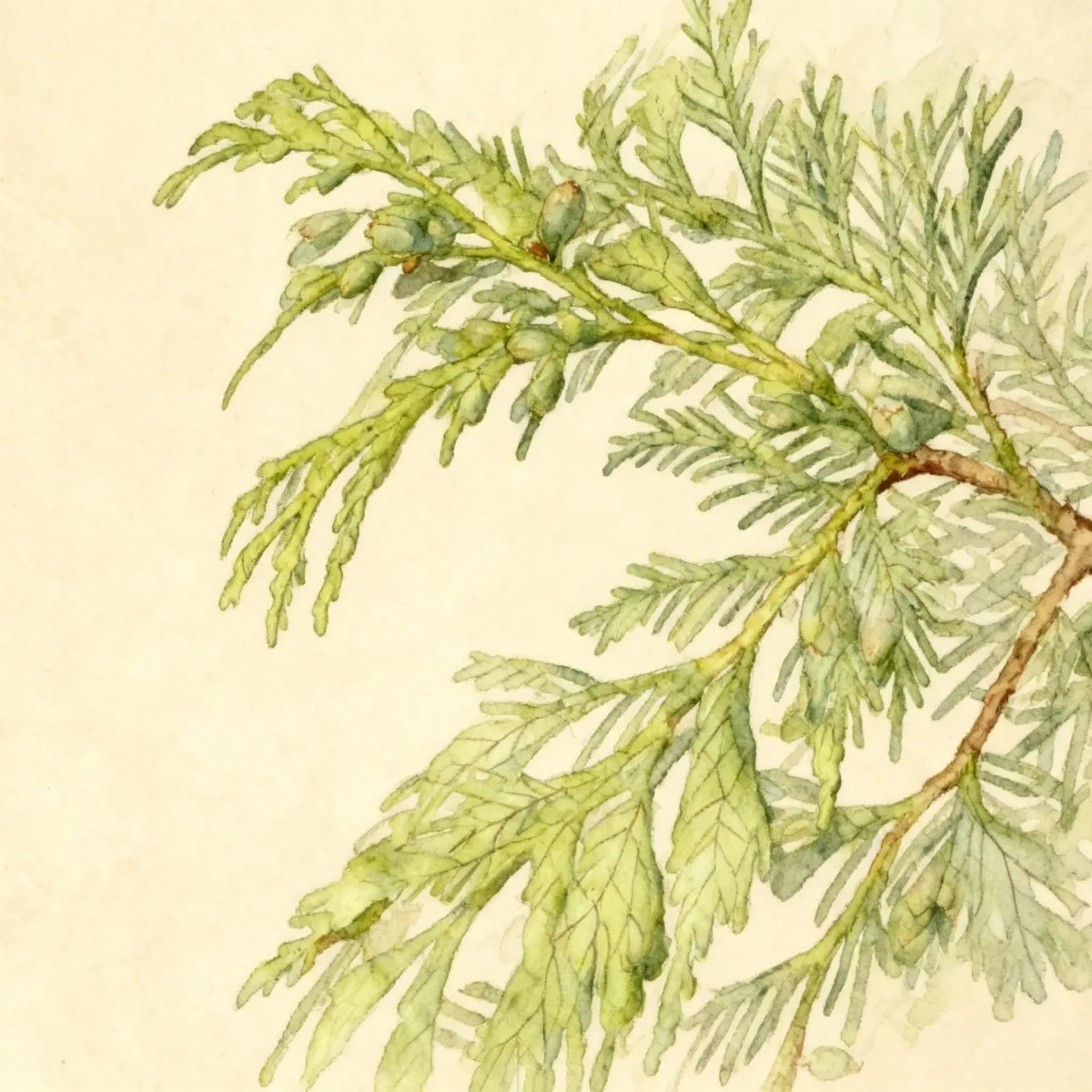
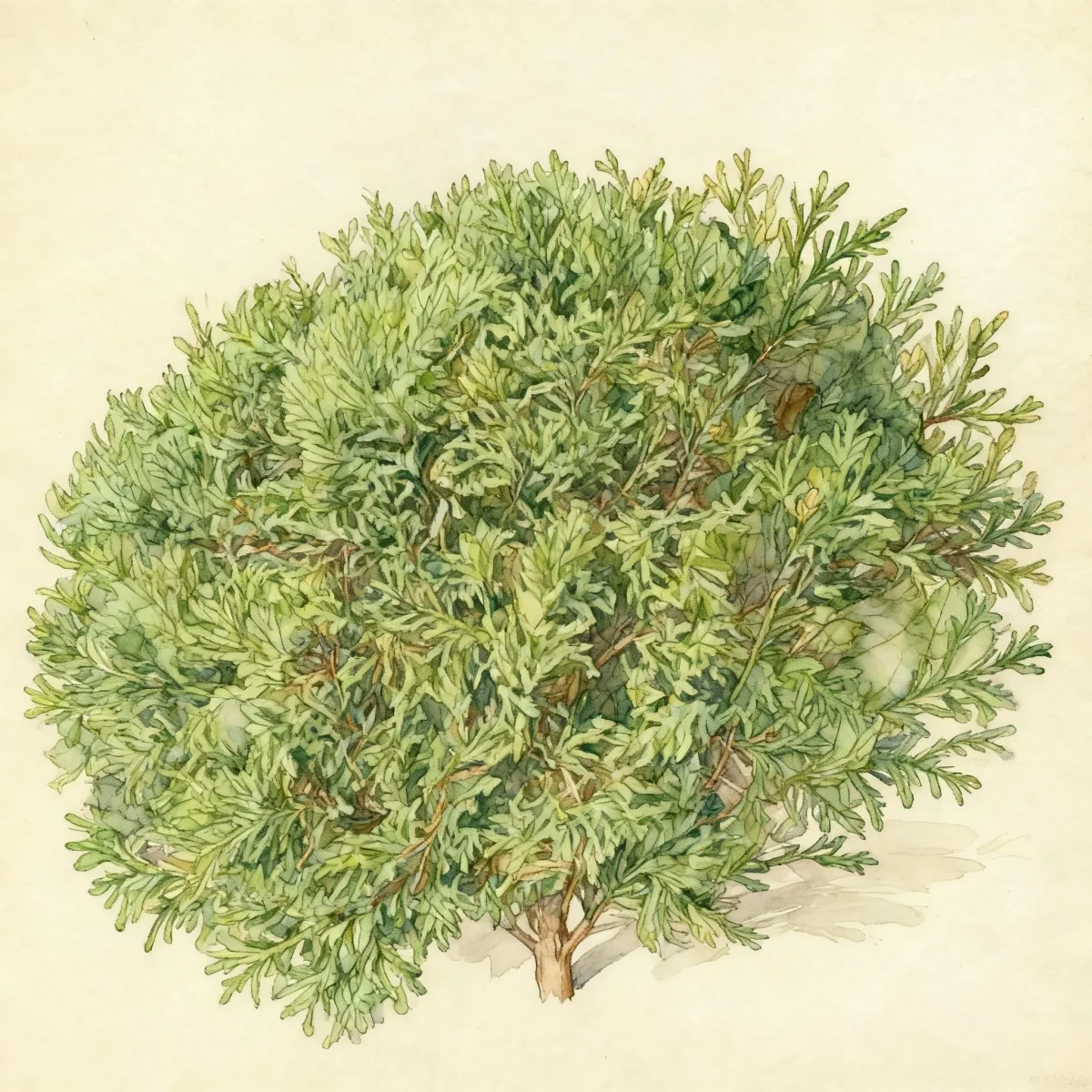
American arborvitae (Thuja occidentalis 'Dark Green')
'Dark Green' American arborvitae makes a tall evergreen screen in cold climates. Learn its mature spacing, establishment care, and common screening mistakes.
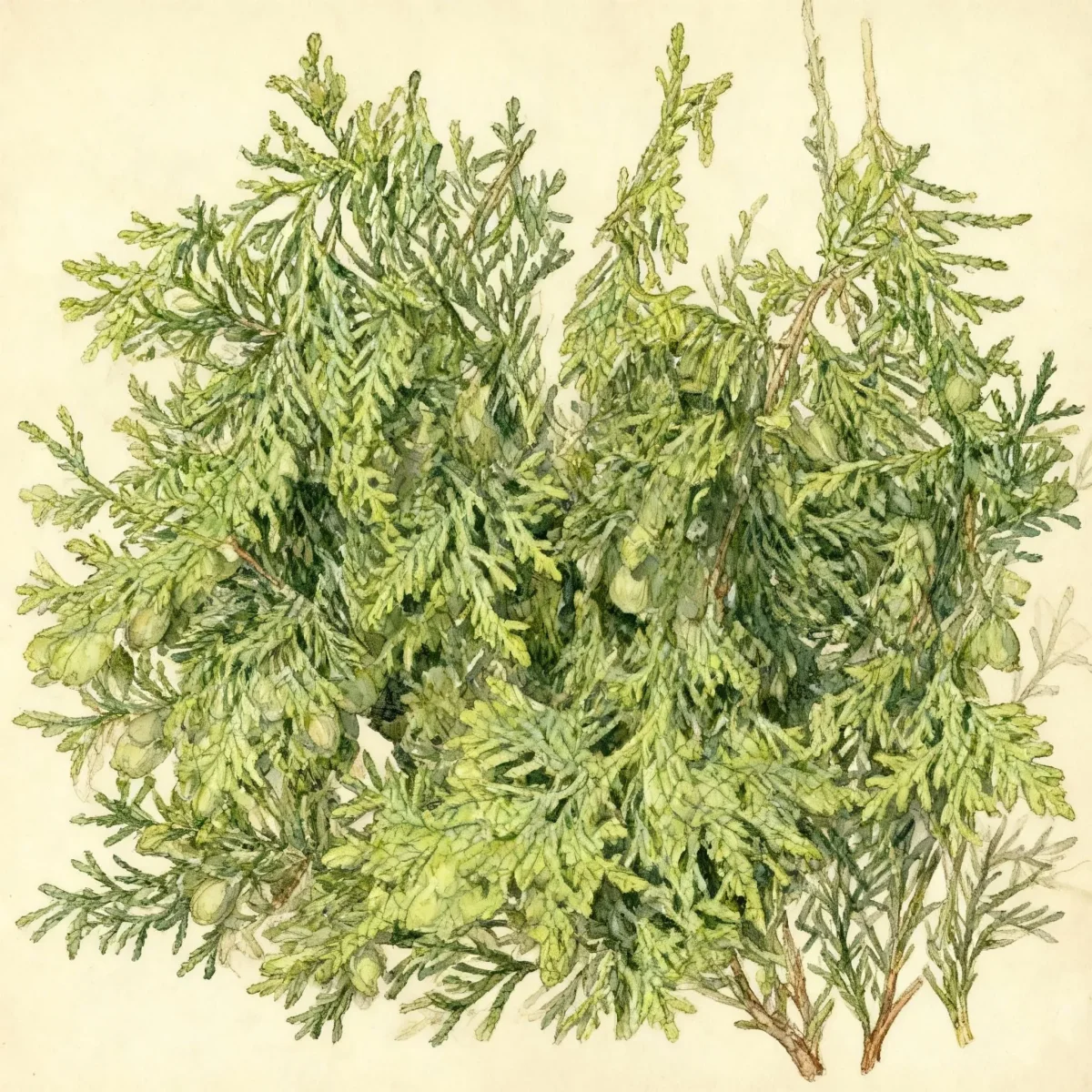
Complete Plant Information
Interactive Detour
Keep exploring with a quick garden quiz
American arborvitae is easier to remember when you mix reading with a quick challenge. Try a related quiz, then jump back into the care guide.
Can You Identify These Common Garden Plants? Test Your Plant Knowledge
Think you know your roses from your peonies? Test your plant identification skills with our comprehensive garden plant quiz featuring 10 challenging questions.
Start quiz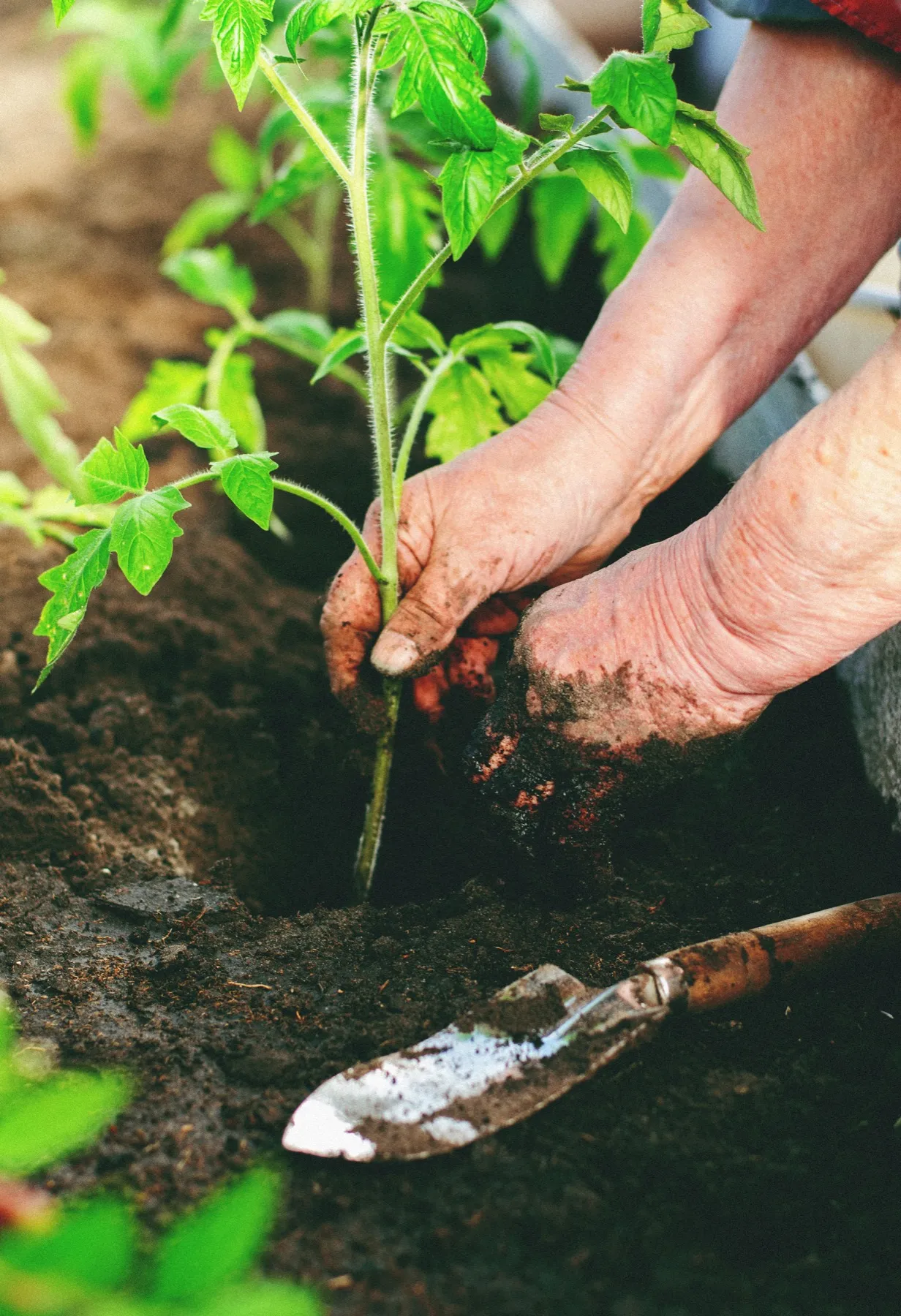
USDA Garden Zone Map Quiz
Use this USDA garden zone map quiz to check whether you can read hardiness zones and choose plants with more confidence.
Start quizBrowse the full quizzes section
Explore plant identification, zone strategy, and seasonal gardening challenges.
View all quizzesField Guide Continues
Ready for care notes, companion picks, and planting tips?
The map is just the start. The full guide below covers growth habits, seasonal performance, and landscape uses.
A Screen Tree, Not a Slim Green Fence Post
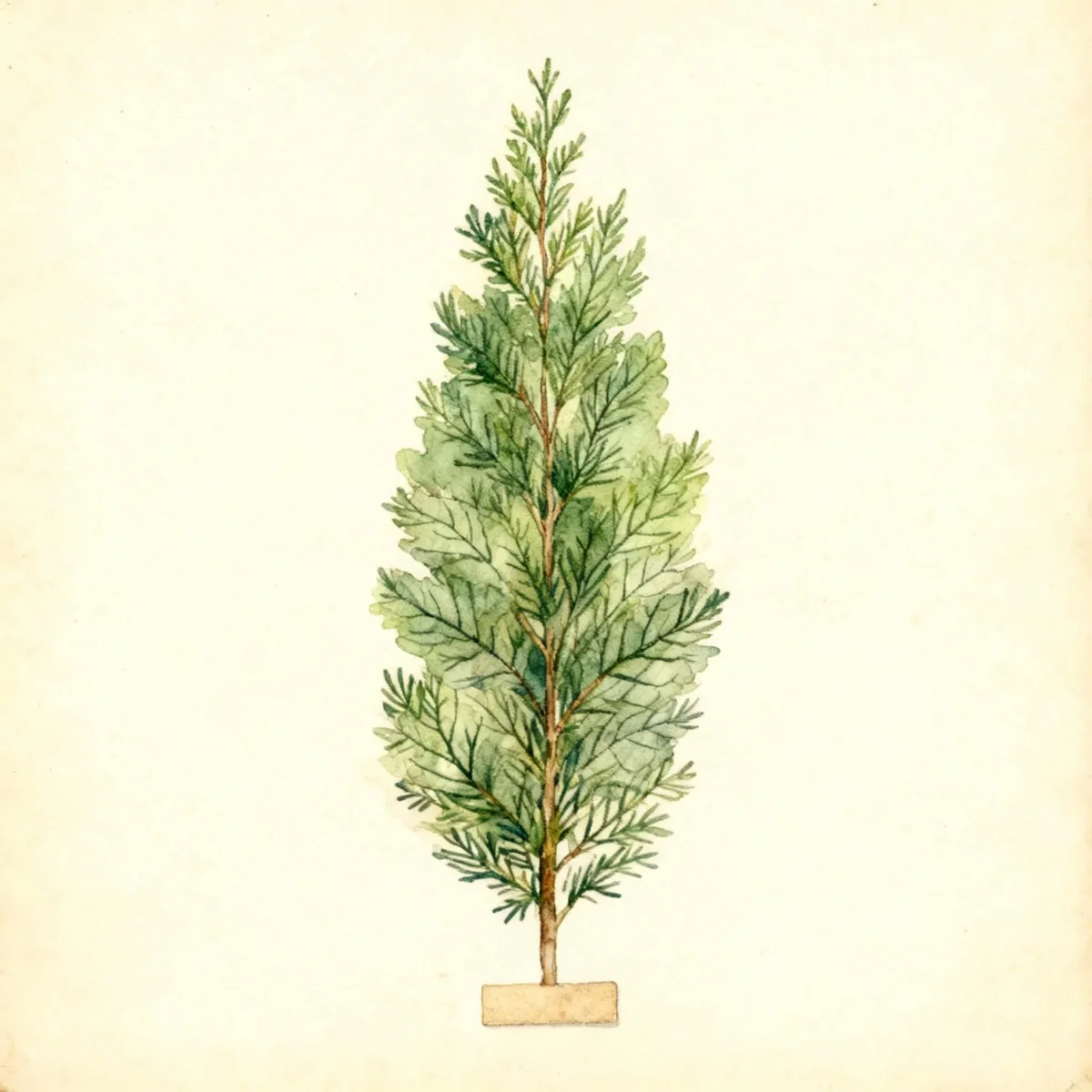
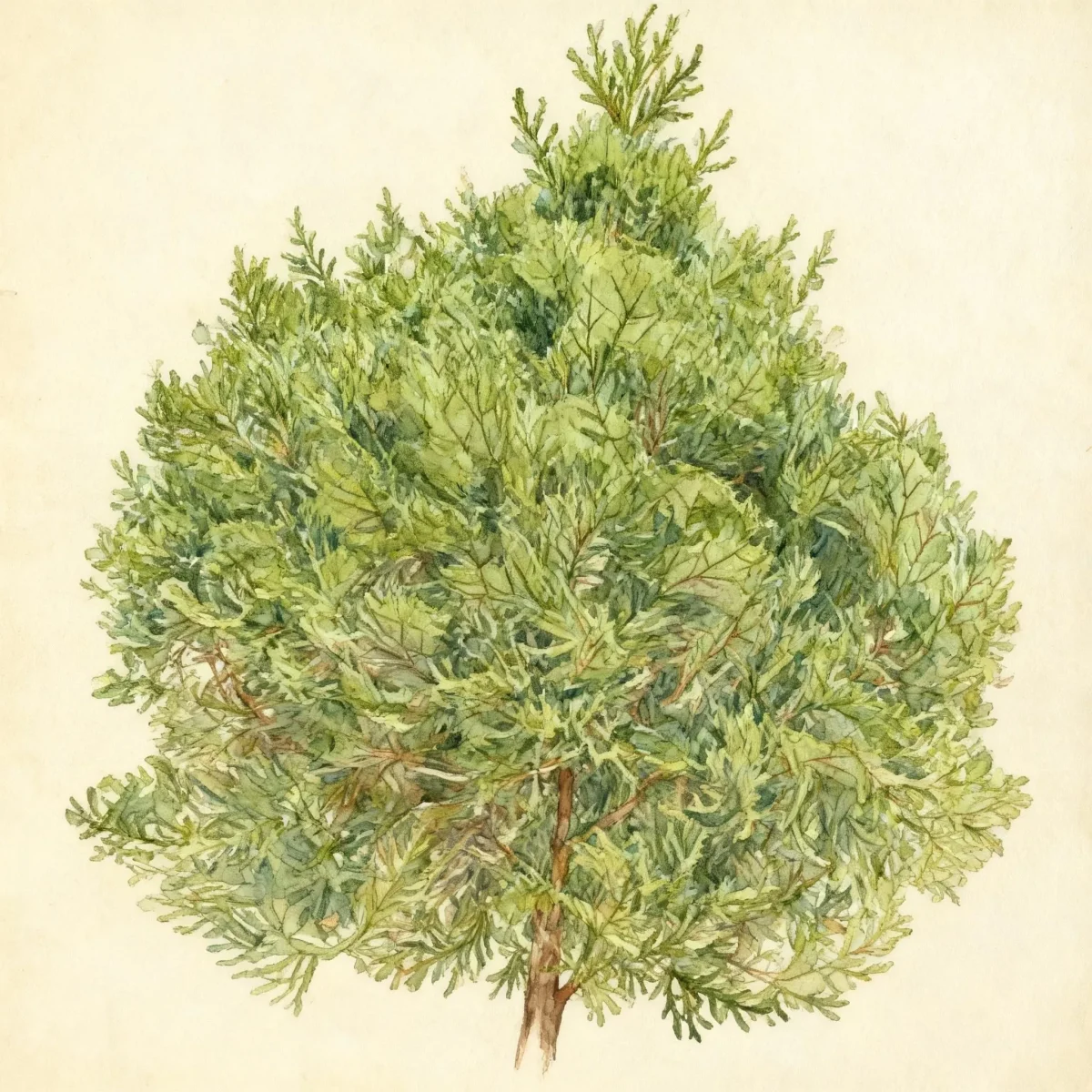
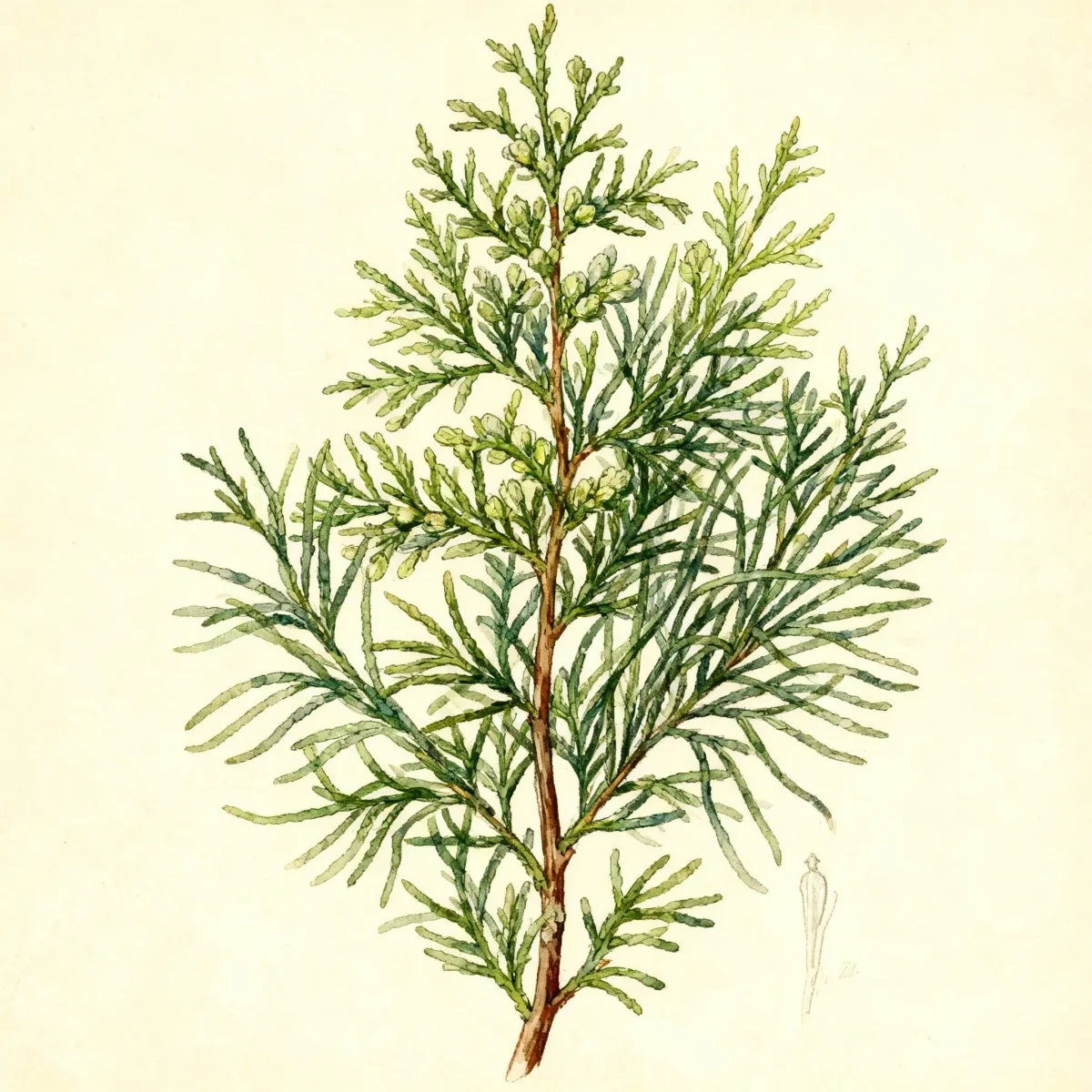
‘Dark Green’ American arborvitae (Thuja occidentalis ‘Dark Green’) grows into a dense, pyramidal evergreen about 20 to 30 feet tall and 10 to 15 feet wide. Its deep-green sprays provide privacy through winter, but the mature width is the detail that should drive your plan. A row squeezed two or three feet apart may close quickly, then crowd, shade its own lower branches, and become difficult to repair.
Use this cultivar where you want a substantial screen and have room to maintain it from both sides. It is too large for many foundation beds and can block windows, walks, or sight lines if planted according to its nursery size. For a narrower upright accent, compare ‘Holmstrup’ American arborvitae. For a low rounded form rather than a screen, ‘Golden Globe’ arborvitae serves a different job.
Plan the Row Before Digging
Mark the future center of each plant, then measure its expected spread toward the property line, pavement, and buildings. For an informal screen, stagger plants slightly instead of forcing them into a clipped wall. Exact spacing depends on how quickly you want the view closed and how much long-term overlap you accept, but every plant needs light and airflow around its lower foliage.
‘Dark Green’ is listed for USDA Zones 3–7. Confirm your location on the interactive zone map, then evaluate winter wind and soil moisture. Full sun produces the densest growth. Part shade is acceptable, but deep shade creates a thinner plant. Moist, well-drained soil is ideal; established arborvitae dislikes prolonged drought as well as waterlogged roots.
Plant in spring or early fall. Keep the root flare level with the surrounding ground and remove material that constricts the root ball. Water the full root zone slowly after planting. Through the first two growing seasons, check the soil rather than relying on a fixed calendar: water deeply when it begins to dry several inches down. A two- to three-inch mulch layer reduces moisture swings, but mulch piled against the trunk invites trouble.
Keeping the Screen Dense
Little pruning is needed when plants have enough space. Remove broken or dead branches and lightly shorten green tips if shaping is necessary. Avoid cutting far back into bare, old wood, which may not fill in. Never top the plants to solve a placement problem; repeated heavy pruning turns an unsuitable site into permanent maintenance.
Water before the ground freezes if autumn has been dry. Winter sun and wind can pull moisture from evergreen foliage while frozen roots cannot replace it, causing browning on exposed sides. Good establishment, autumn moisture, and a site protected from harsh wind do more than late cosmetic fixes.
Snow and ice can pull leaders apart. Brush off loose snow gently when practical, but do not beat frozen branches. If a stem splits or the main leader breaks, assess the structure before making large cuts.
Problems Worth Watching
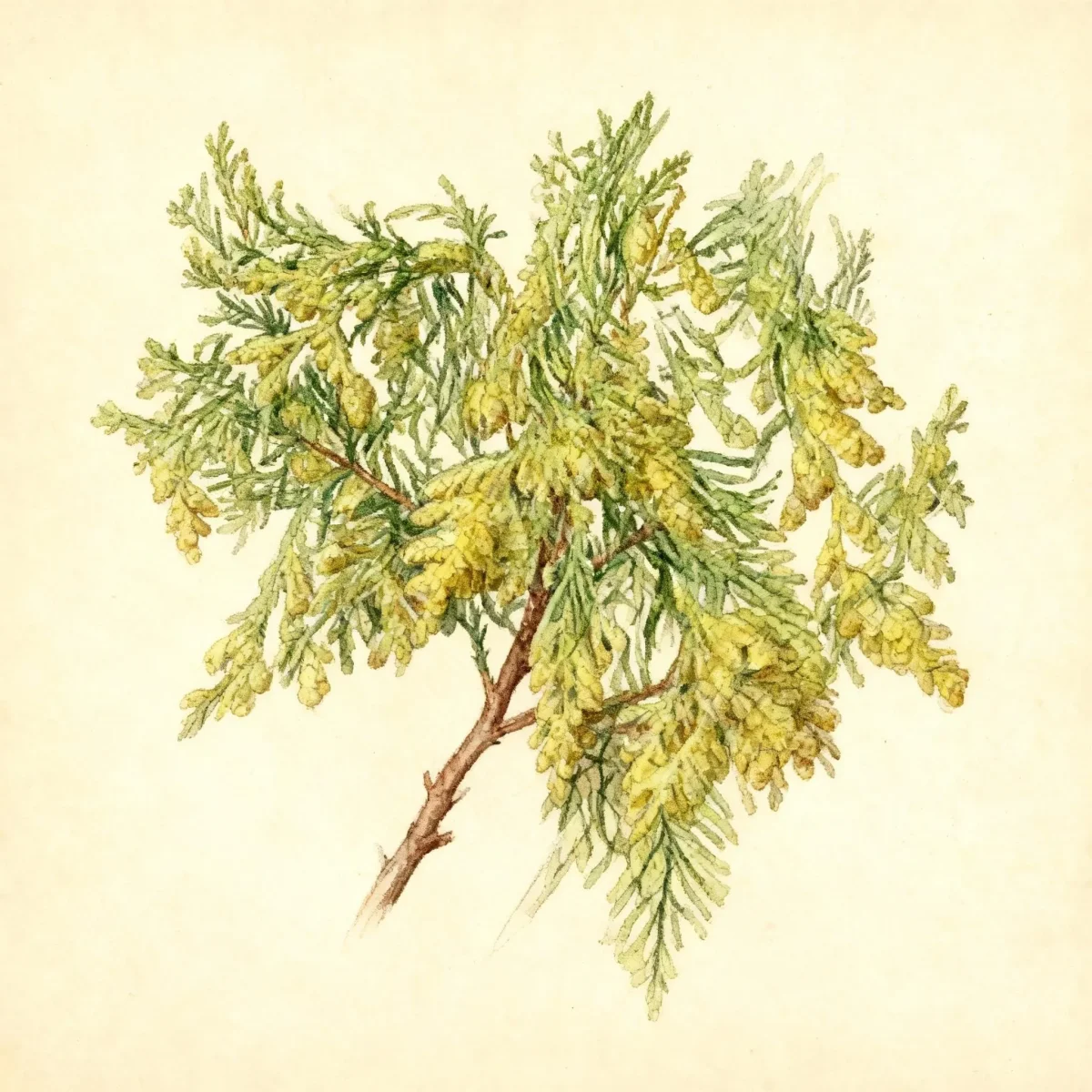
Bagworms can look like small brown cones hanging from the foliage; removing limited numbers early prevents a larger infestation. Mites, scale, leaf miners, blights, and cankers may also appear. Diagnose the cause before treating because drought stress, winter burn, root problems, and insects can all produce brown foliage.
Deer commonly browse arborvitae in many regions, especially during winter. If local pressure is high, a long row may become an expensive feeding station. Protect young plants or choose a less-palatable screen rather than assuming damage will stop at browsing height.
Browse the plant collection to compare evergreen screens with other mature widths, light needs, and climate ranges.