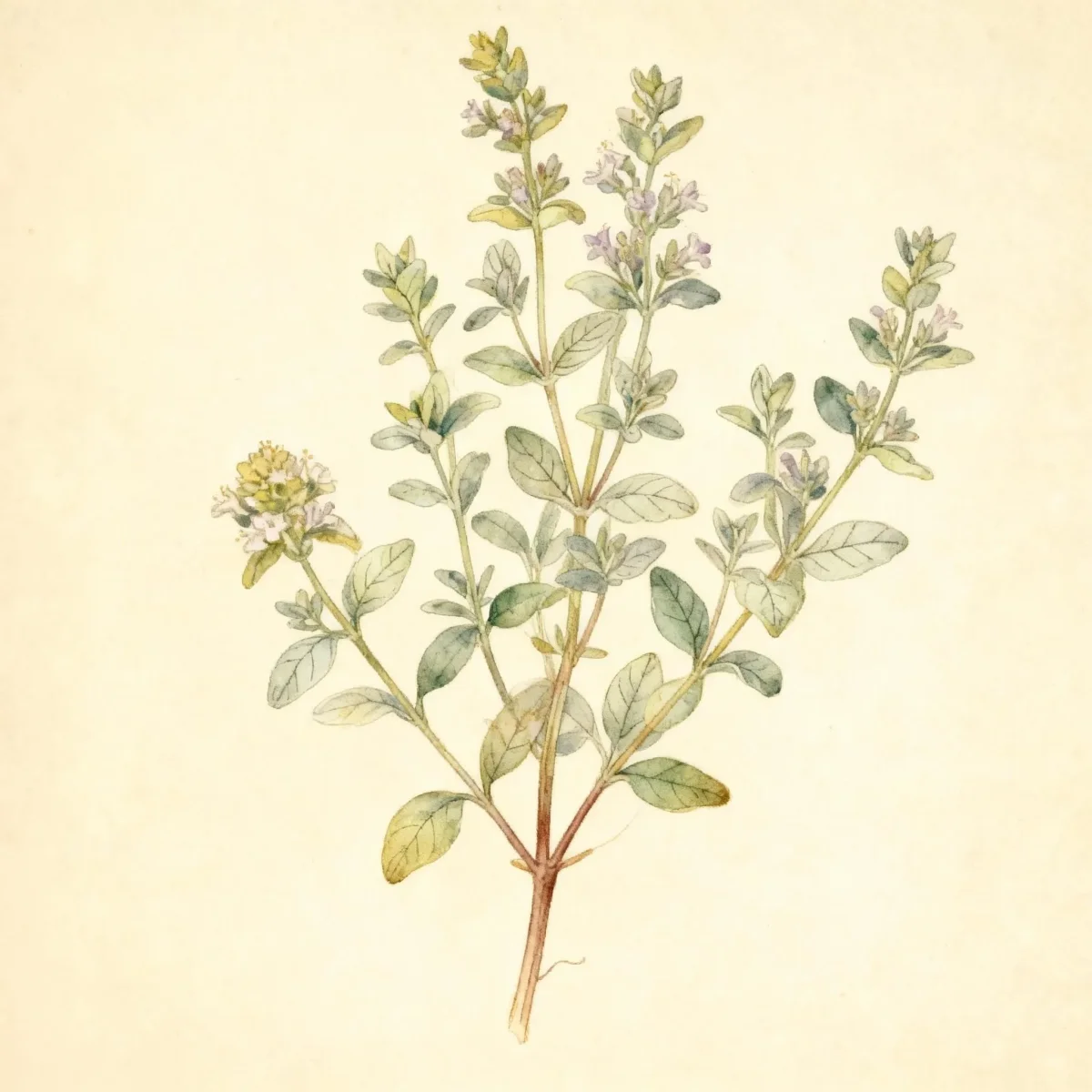
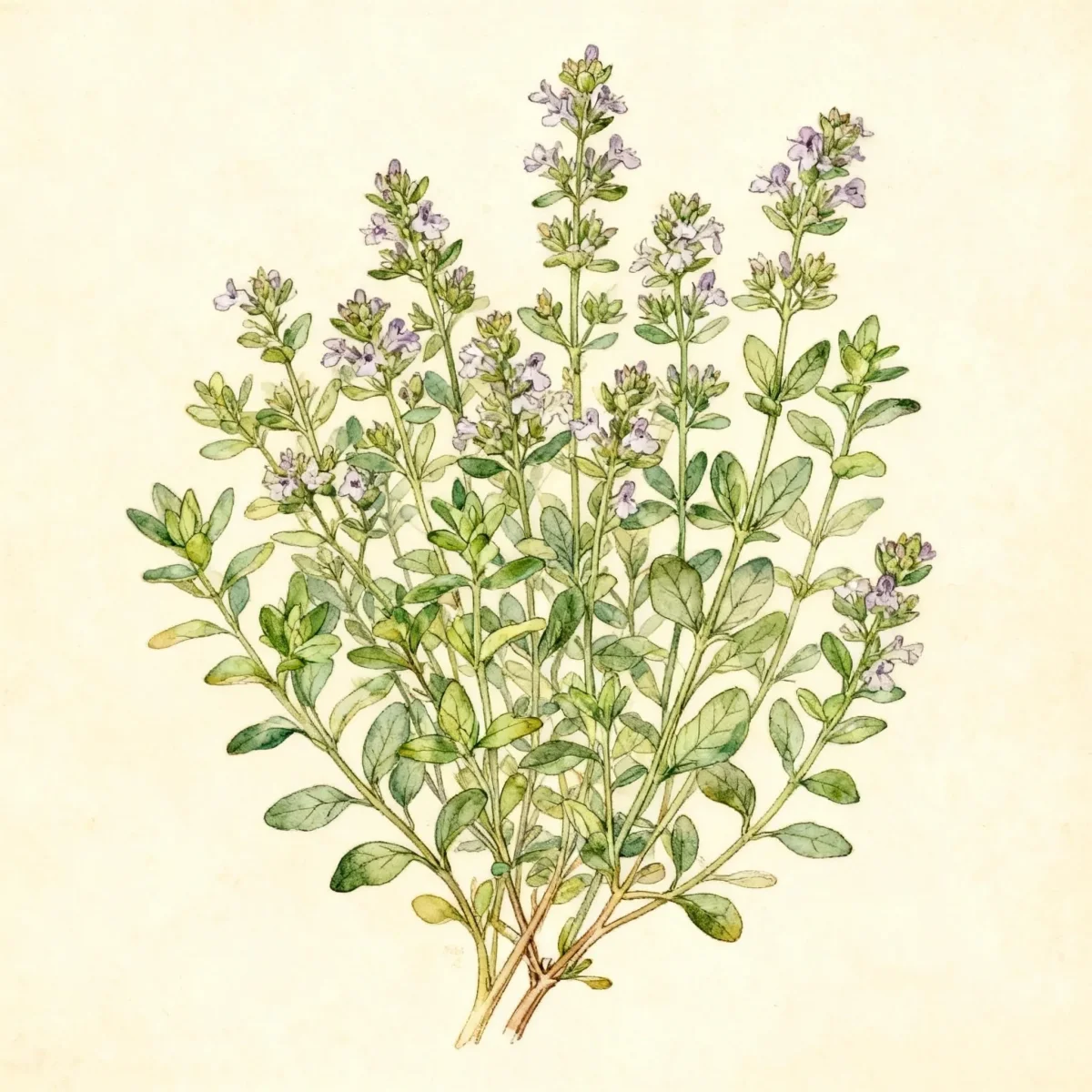
Woolly thyme (Thymus pseudolanuginosus)
Woolly thyme (Thymus pseudolanuginosus) is a unique, creeping perennial ground cover prized for its dense, hairy stems and low profile. Hardy in Zones 5-8.
Scroll down to discover growing tips, care requirements, companion plants, and more
Complete Plant Information
Overview
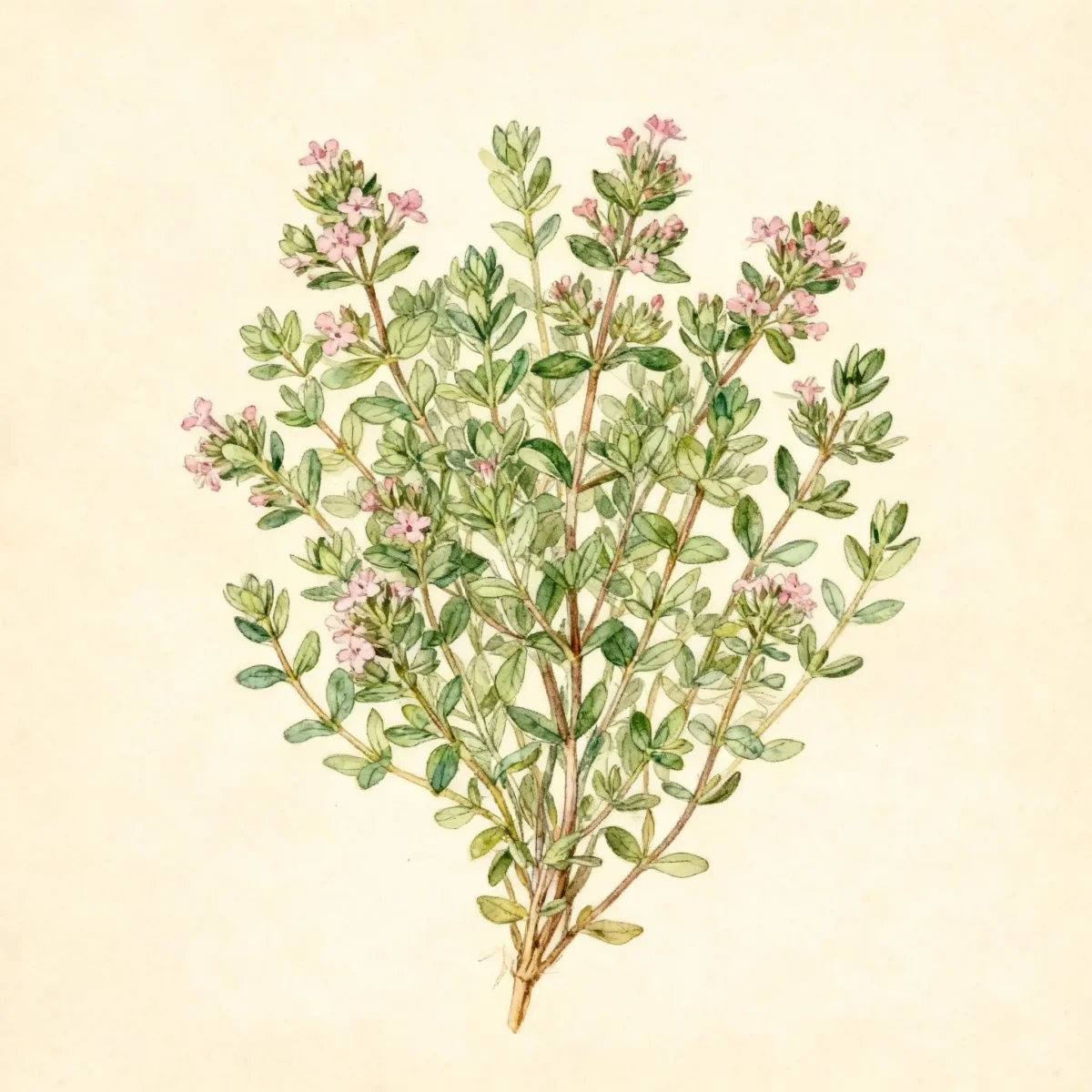
Thymus pseudolanuginosus, commonly known as Woolly thyme, distinguishes itself in the garden landscape primarily through its exceptionally hairy stems, giving it a distinct, soft texture unlike many culinary thymes. This low-growing, creeping perennial forms a dense, flat mat perfect for slowly spreading across sunny areas. Gardeners appreciate Woolly thyme for its resilience in dry conditions and its ability to soften the edges of hardscaping.
Native to Europe, this species provides excellent textural contrast in rock gardens and between pavers where it establishes a very low profile, rarely exceeding half an inch in height. Although the leaves possess little fragrance and are unsuitable for cooking, the plant offers visual interest with tiny, pale pink flowers that bloom sparsely in mid-summer. Proper soil drainage is the key to success when cultivating Thymus pseudolanuginosus.
For gardeners seeking a tough, drought-tolerant ground cover that thrives in poor soil while maintaining a neat, spreading habit, Woolly thyme is an excellent choice. It requires minimal care once established, making it a perfect low-maintenance option for sunny, well-drained exposures throughout USDA Zones 5 through 8.
Fast Facts
- Plant Family: Lamiaceae
- Plant Type: Herbaceous perennial
- Native Range: Europe
- Hardiness Zones: USDA Zones 5-8
- Size at Maturity:
- Height: 0.25-0.25 ft
- Spread: 0.25-1 ft
- Bloom Time: June to July
- Bloom Description: Pale pink
- Sun Exposure: Full sun
- Water Needs: Dry to medium
- Maintenance Level: Low
How to Grow
Plant Thymus pseudolanuginosus in the spring or fall in a location that receives full sun exposure. This perennial demands well-drained soil; average, dry to medium conditions are ideal, but it thrives particularly well in loose, sandy, or rocky soils that drain rapidly. This plant actively dislikes moist or wet soil conditions, which can quickly lead to root rot, its primary cultural weakness.
Maintenance for Woolly thyme is generally low. Water sparingly, allowing the soil to dry out completely between waterings, especially once the plant is established, as it tolerates drought well. Fertilization is rarely necessary; in fact, too much fertility can encourage leggier growth rather than the desired dense mat.
To maintain a tidy appearance and prevent unsightly woody stem growth, lightly shear the stems after the bloom period has ended. Gardeners in Zone 5 may wish to provide some winter protection, such as a layer of mulch applied after the ground freezes, as it may not be fully reliably hardy in the coldest parts of its range. Avoid walking on the stems regularly, as this can damage the delicate structure of the mat.
Landscape Uses
Woolly thyme excels in situations where a tough, virtually flat ground cover is needed to suppress weeds and soften hard edges. It is perfectly suited as a filler between stepping stones, where the occasional foot traffic will not severely harm it, or allowed to sprawl gently over small rocks or ledges within a rock garden setting. Its dense, creeping nature makes it excellent for stabilizing small slopes or covering bare patches in an herb garden.
Consider using Thymus pseudolanuginosus as a low border along walkways, providing year-round texture due to its evergreen nature. It pairs beautifully with other drought-tolerant, sun-loving plants that do not require rich soil. Excellent companions include Sedum, various creeping Phlox, or low-growing ornamental grasses that share similar dry cultural needs.
Because it stays so low, this thyme should be placed in the foreground of borders or allowed to spill over retaining walls where its unique, fuzzy texture can be easily appreciated up close. Its low spread of up to 1 foot wide ensures it won’t overwhelm neighboring, slightly taller perennials too quickly.
Standout Features
Flower Qualities
- Showy
Noteworthy Characteristics
Thymus pseudolanuginosus, commonly called woolly thyme, is a creeping, woody based perennial which is used as a ground cover. Hairy stems give rise to the common name, as this is the woolliest of the thymes, forming a flat mat often no more than 1/2” tall but spreading up to 12” wide. Tiny, tubular, pale pink flowers appear sporadically in the leaf axils during the summer and are attractive to bees.
Tolerances
- Deer
- Drought
- Dry Soil
- Shallow-Rocky Soil
- Air Pollution
Potential Problems
Thymus pseudolanuginosus is generally robust, exhibiting no serious insect or disease problems under normal growing conditions. The most significant threat to this plant is root rot. This fungal issue is almost always a direct result of overly moist or poorly-drained soils, especially during winter months. Prevention involves ensuring the planting site meets the requirement for excellent drainage; amend heavy clay soils significantly with grit or sand before planting. If root rot is suspected, cease watering immediately and consider carefully lifting and replanting the affected sections into gritier soil.
Frequently Asked Questions
What hardiness zones is Woolly thyme suitable for?
Woolly thyme (Thymus pseudolanuginosus) is typically hardy in USDA Zones 5 through 8. Gardeners in Zone 5 should ensure it has a sheltered spot for the best winter survival.
How large does Woolly thyme grow?
This plant creates a very flat mat, generally growing only about 0.25 feet (or half an inch) tall, but it can spread outward to cover an area between 0.25 and 1 foot wide.
When does Woolly thyme bloom?
Thymus pseudolanuginosus generally blooms during the peak summer months, specifically from June to July, offering tiny, pale pink flowers.
What sun exposure does Woolly thyme need?
This low-growing perennial requires full sun to thrive and develop its characteristic dense mat habit.
Companion Planting
When integrating Woolly thyme into your garden design, focus on companions that thrive in similar lean, dry, and fully sunny conditions. Pairing it with contrasting textures helps define its fuzzy appeal. Consider using upright, structural plants like Lavender or Rosemary, which enjoy sun but tolerate dryness, serving as vertical accents against the low sprawl of Thymus pseudolanuginosus.
Avoid planting water-hungry perennials near Woolly thyme, as excess moisture leaching from neighbors will negatively impact its health. Instead, opt for other drought-tolerant rock garden stalwarts such as low-growing Sedums (stonecrop) or creeping Phlox varieties. These plants share the same cultural requirements, ensuring all residents of the area receive appropriate drainage.
This practice of selecting companions based on soil and water needs is crucial for maintaining the health of all low-growing ground covers. By grouping plants with similar needs, you simplify watering regimens and prevent accidental over-saturation of the sensitive root zone of your Woolly thyme.
Seasonal Care Calendar
Spring Care: As temperatures warm, inspect the mattes of Thymus pseudolanuginosus for any winter damage. Lightly shear back any dead or matted areas to encourage fresh, healthy growth from the base. Apply a very light dressing of grit or sharp sand if the soil appears compacted or overly rich.
Summer Care: Focus on monitoring moisture; water only during extended dry spells. After the main flush of pale pink flowers fades in late July, give the plant a very light trim to shape it and promote denser growth for the cooler months. Bees will visit the sparse blooms during this time, so observe pollination activity carefully.
Autumn Preparation: Water moderately leading into early fall. If you are in Zone 5, apply a light layer of mulch (shredded bark or pine needles) only after the soil has frozen solid to discourage freeze-thaw cycles that can heave the shallow roots of Thymus pseudolanuginosus.
Conclusion
Woolly thyme offers exceptional value as a textural, low-maintenance ground cover, distinguished by its hairy stems and tolerance for difficult, dry soils. The unique aesthetic of Thymus pseudolanuginosus makes it indispensable for rock gardens and paver joints where high-traffic or lean conditions prevail. Before planting, confirm your soil drains perfectly; if so, incorporate Woolly thyme into your sunny borders this season for year-round texture.