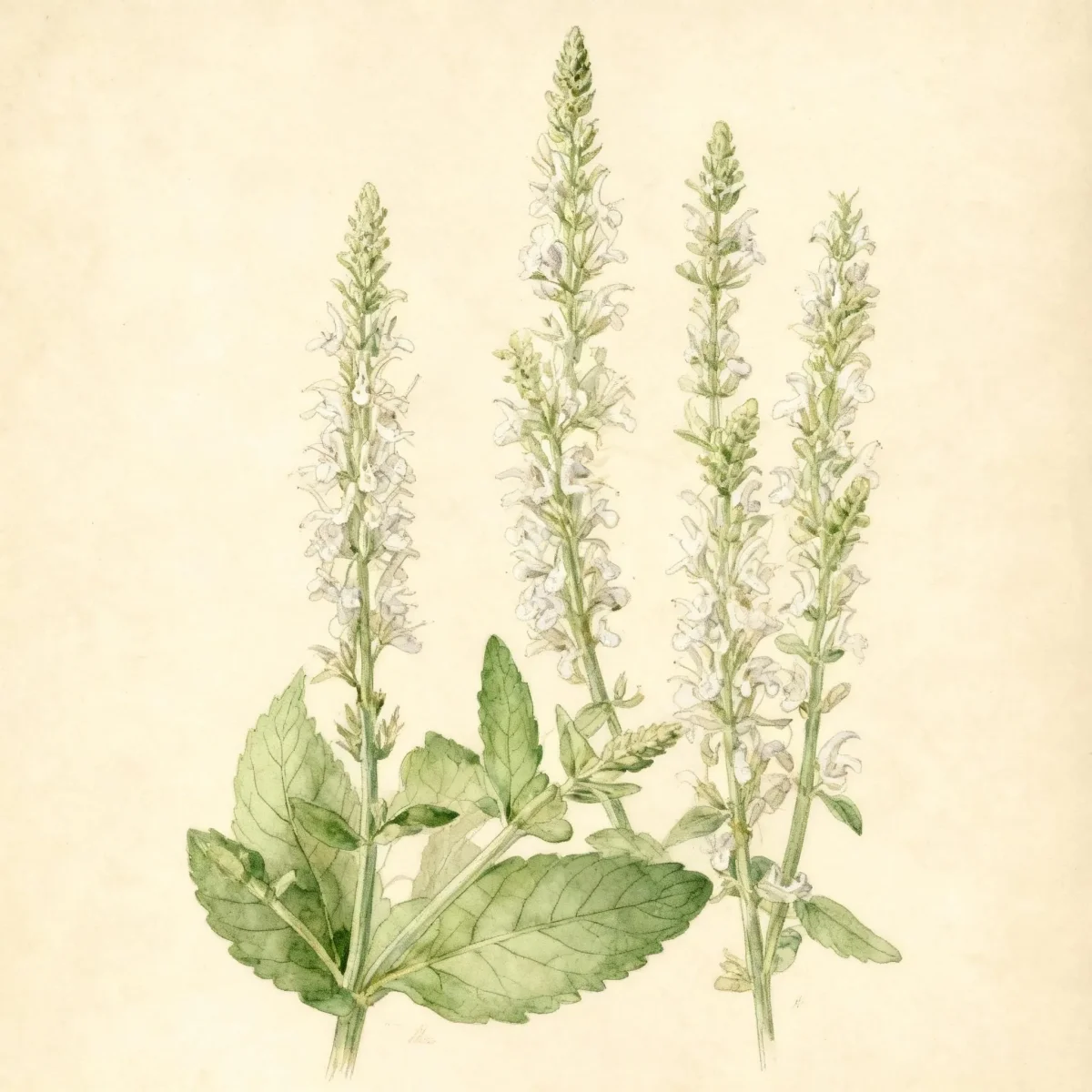
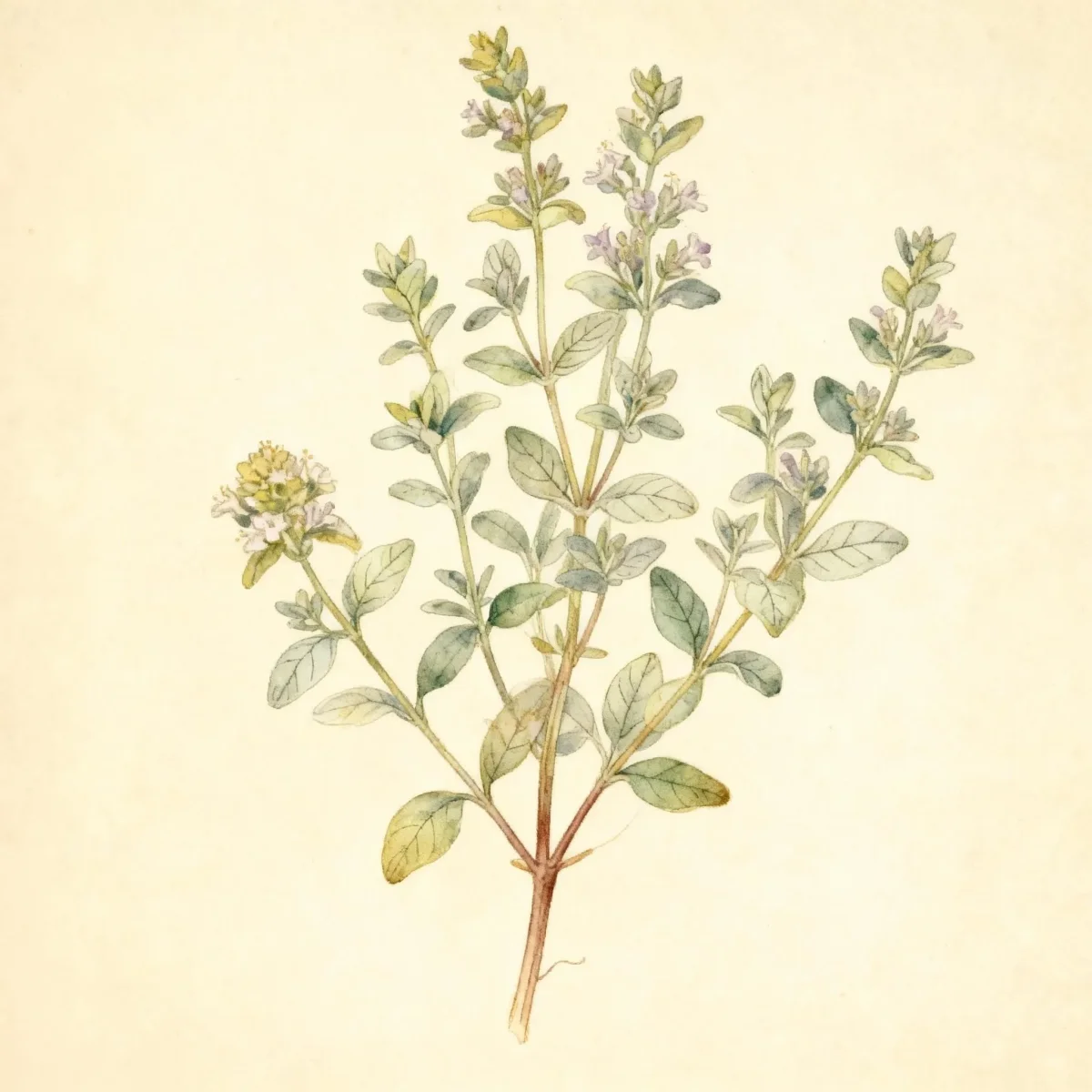
Wild thyme (Thymus serpyllum 'Pink Chintz')
Thymus serpyllum 'Pink Chintz', or Wild thyme, is a low-growing perennial ground cover with salmon-pink flowers. It thrives in full sun and dry soils.
Scroll down to discover growing tips, care requirements, companion plants, and more
Complete Plant Information
Overview
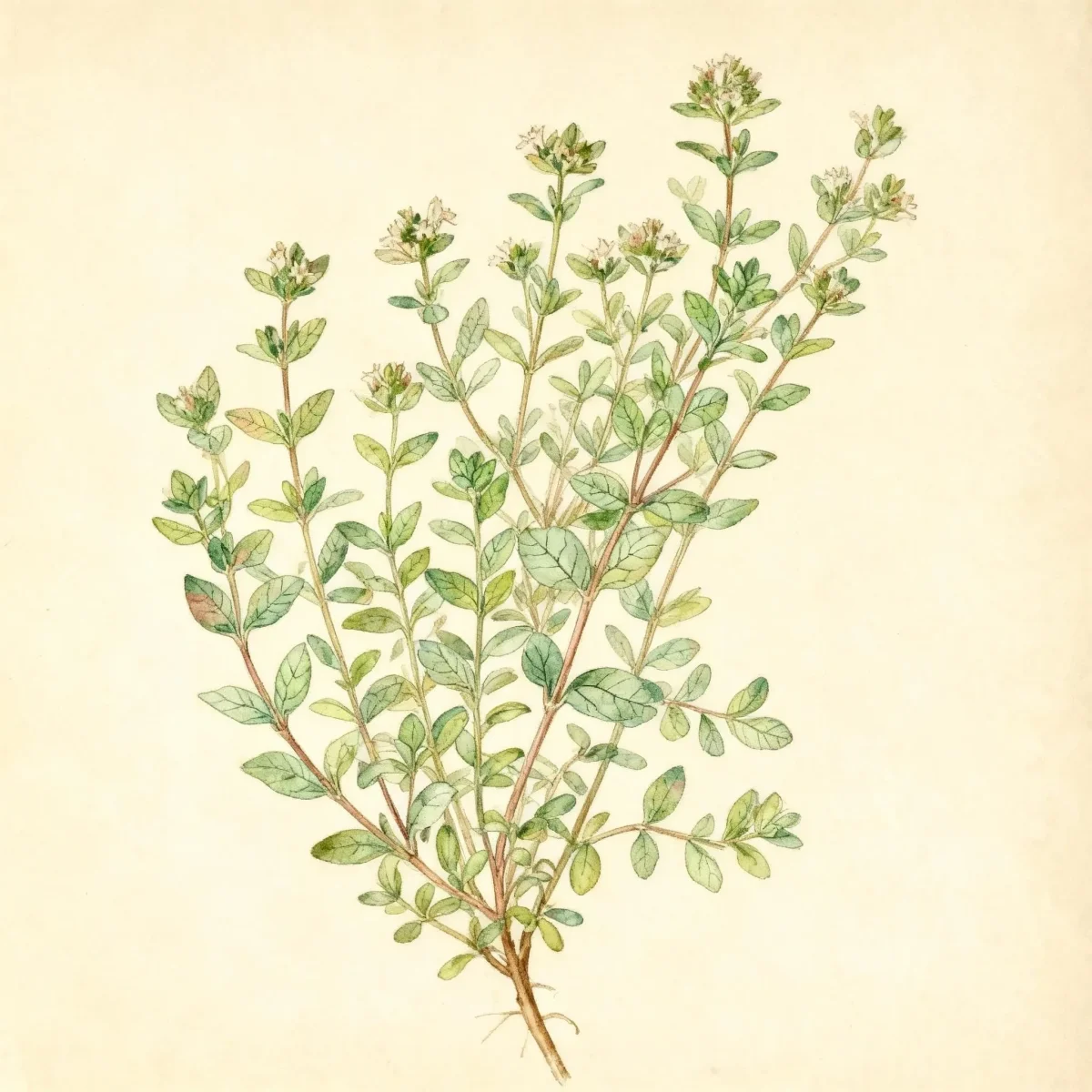
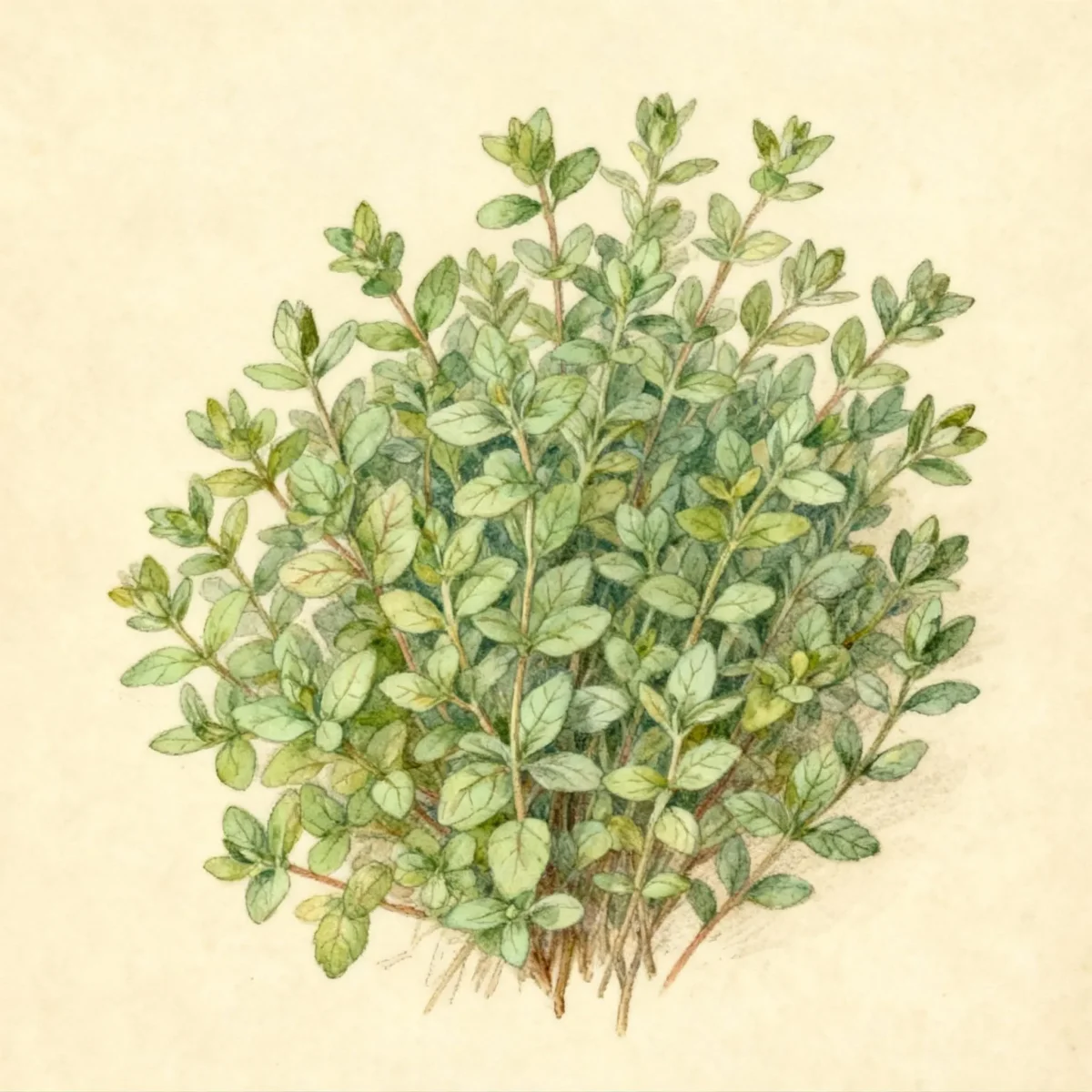
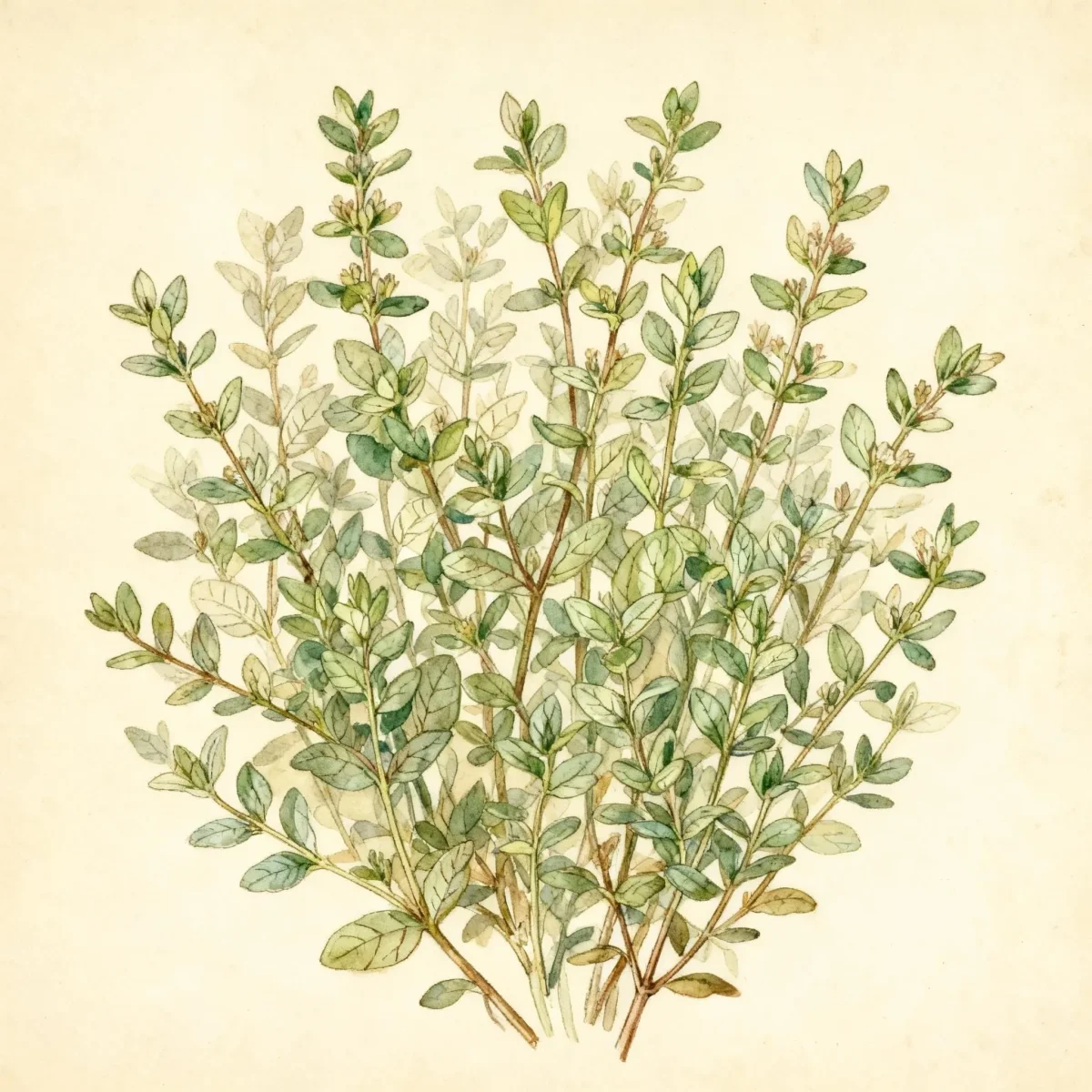
Thymus serpyllum ‘Pink Chintz’, commonly known as Wild thyme, is highly valued in the landscape for its dense, mat-forming habit, making it an exceptional, low-maintenance ground cover. As an herbaceous perennial, this cultivar of Wild thyme creates a beautiful, flat tapestry of slightly woolly, dark olive-green leaves. It offers a lovely succession of salmon-pink flowers throughout early summer, attracting beneficial pollinators to sunny garden spaces.
This prostrate, creeping perennial prefers sharp drainage and thrives where other plants may struggle, such as hot, dry locations. Its aromatic foliage provides texture and low-level interest even outside the bloom season, cementing its status as a tough, yet attractive, garden staple. Planting Thymus serpyllum ‘Pink Chintz’ ensures years of dense ground coverage with minimal long-term effort required from the gardener.
Fast Facts
- Plant Family: Lamiaceae
- Plant Type: Herbaceous perennial
- Hardiness Zones: USDA Zones 5-8
- Size at Maturity:
- Height: 0.25 ft
- Spread: 0.25-1 ft
- Bloom Time: June to July
- Bloom Description: Salmon pink
- Sun Exposure: Full sun
- Water Needs: Dry to medium
- Maintenance Level: Low
How to Grow
Planting Wild thyme is best done in spring or early fall after the danger of hard frost has passed, ensuring it receives full sun exposure. The success of Thymus serpyllum ‘Pink Chintz’ hinges on sharp drainage; aim for average soils, but intentionally amend the area with sand or grit to ensure the soil is loose and rocky, mimicking its native, nutrient-poor conditions. Avoid heavy, moisture-retaining clay, as this is the quickest route to root rot.
Watering should be infrequent once established, as this ground cover tolerates drought extremely well; only water during prolonged dry spells or if the medium feels completely dry several inches down. Fertilization is generally discouraged, as rich soils promote weak top growth over the desirable dense mat. Since this cultivar is evergreen in milder climates, cut back any overly woody stems in early spring to encourage fresh growth and maintain a compact appearance.
For long-term health, divide clumps that begin to look woody or sparse, a necessary task for older plants. While the species can be seeded, propagation for Thymus serpyllum ‘Pink Chintz’ is most reliably achieved through root division or taking cuttings from the desirable creeping stems.
Landscape Uses
This creeping thyme variety excels where a durable, spreading, and diminutive plant is required. Thymus serpyllum ‘Pink Chintz’ is perfectly suited for use as a small area ground cover, effectively suppressing weeds while remaining low enough not to obscure border views. Its trailing nature allows it to sprawl elegantly over small retaining rocks, cascade gently over the edges of rock garden ledges, or fill crevices in flagstone paths.
Use this tough perennial as an attractive edging along sunny patios or pathways where foot traffic is light enough not to crush the delicate stems. It is also an excellent candidate for bank stabilization in dry, sunny slopes or as a visually interesting, drought-tolerant lawn substitute.
Standout Features
Flower Qualities
- Showy
Noteworthy Characteristics
Thymus serpyllum, commonly called wild thyme, creeping thyme or mother-of-thyme, is a hairy, prostrate, creeping, woody-based perennial which is primarily grown as an ornamental ground cover. Its prostrate stems form a flat foliage mat clad with tiny, glossy blue-green leaves, which will spread by rooting stems. Dense clusters of tiny, salmon-pink, two-lipped flowers appear during the summer months on short, erect stems, proving highly attractive to bees.
Tolerances
- Deer
- Drought
- Dry Soil
- Shallow-Rocky Soil
- Air Pollution
Potential Problems
Thymus serpyllum ‘Pink Chintz’ is generally robust concerning pests and diseases, though gardeners must pay close attention to soil moisture management. The primary concern is root rot, which occurs rapidly in heavy, poorly-drained soils, particularly during winter dormancy periods. Ensure excellent drainage to mitigate this fatal issue.
In environments characterized by intense heat and prolonged summer dryness, watch for occasional infestations of spider mites, which thrive in these conditions. Treatment usually involves a strong blast of water or an application of insecticidal soap if populations become problematic.
Frequently Asked Questions
What hardiness zones is Wild thyme suitable for?
Thymus serpyllum ‘Pink Chintz’ thrives across a wide range, generally suitable for USDA Zones 5 through 8.
How large does Thymus serpyllum ‘Pink Chintz’ grow?
This ground cover maintains a very low profile, reaching maximum heights of only about 0.25 feet, but it can spread outward to cover an area between 0.25 and 1 foot wide.
What sun exposure does Wild thyme need?
For the best performance, dense coverage, and abundant salmon-pink blooms, Thymus serpyllum ‘Pink Chintz’ requires full sun throughout the day.
When does Wild thyme bloom?
This perennial variety typically shows off its flower display from the beginning of June extending through July.
Conclusion
The low-maintenance requirements and drought tolerance of Wild thyme make Thymus serpyllum ‘Pink Chintz’ an invaluable choice for sunny, dry sites where carpet-like coverage is desired. Its tough constitution, combined with attractive salmon-pink summer color, adds texture and life to otherwise challenging garden spots. Before planting this excellent creeping thyme, confirm your soil drains quickly and plan for installation during the appropriate planting season for best establishment.
Propagation Tips
Because Thymus serpyllum ‘Pink Chintz’ is a specific cultivar, propagation via seed is unreliable for maintaining the desired traits. Gardeners should focus on asexual reproduction methods like division or cuttings to ensure genetic consistency. Divisions are best taken in spring when new growth is observed; gently lift established clumps and separate rooted divisions, replanting them immediately in prepared, well-draining soil.
Taking cuttings is another effective method for increasing stock along paths or rockery areas. Snip semi-hardwood stems in mid-summer, removing the lower leaves, and place them in a gritty propagation mix in a protected, sunny area. Rooting occurs readily, providing many new, genetically identical plants of this spreading ground cover.
Wildlife Benefits
The dense, terminal spikes of tiny flowers produced by this Wild thyme are highly appealing to native pollinators. The small, tubular structure of the blooms makes them perfect landing pads for bees, butterflies, and beneficial hoverflies. Planting large swathes of the Thymus serpyllum ‘Pink Chintz’ not only covers ground but also provides a critical, nectar-rich food source during the early summer months.
While deer typically avoid thyme due to its strong essential oils, the flowers specifically attract beneficial insects that aid overall garden productivity. Ensure the area receives full sun to maximize flowering potential, thereby maximizing the benefits this wonderful little herb provides to the local ecosystem.