Thyme (Thymus vulgaris 'Argenteus')
Thymus vulgaris 'Argenteus', a silver-leaved Thyme, offers lemon scent, low maintenance, and excellent drought tolerance for sunny borders.
Scroll down to discover growing tips, care requirements, companion plants, and more
Complete Plant Information
Overview
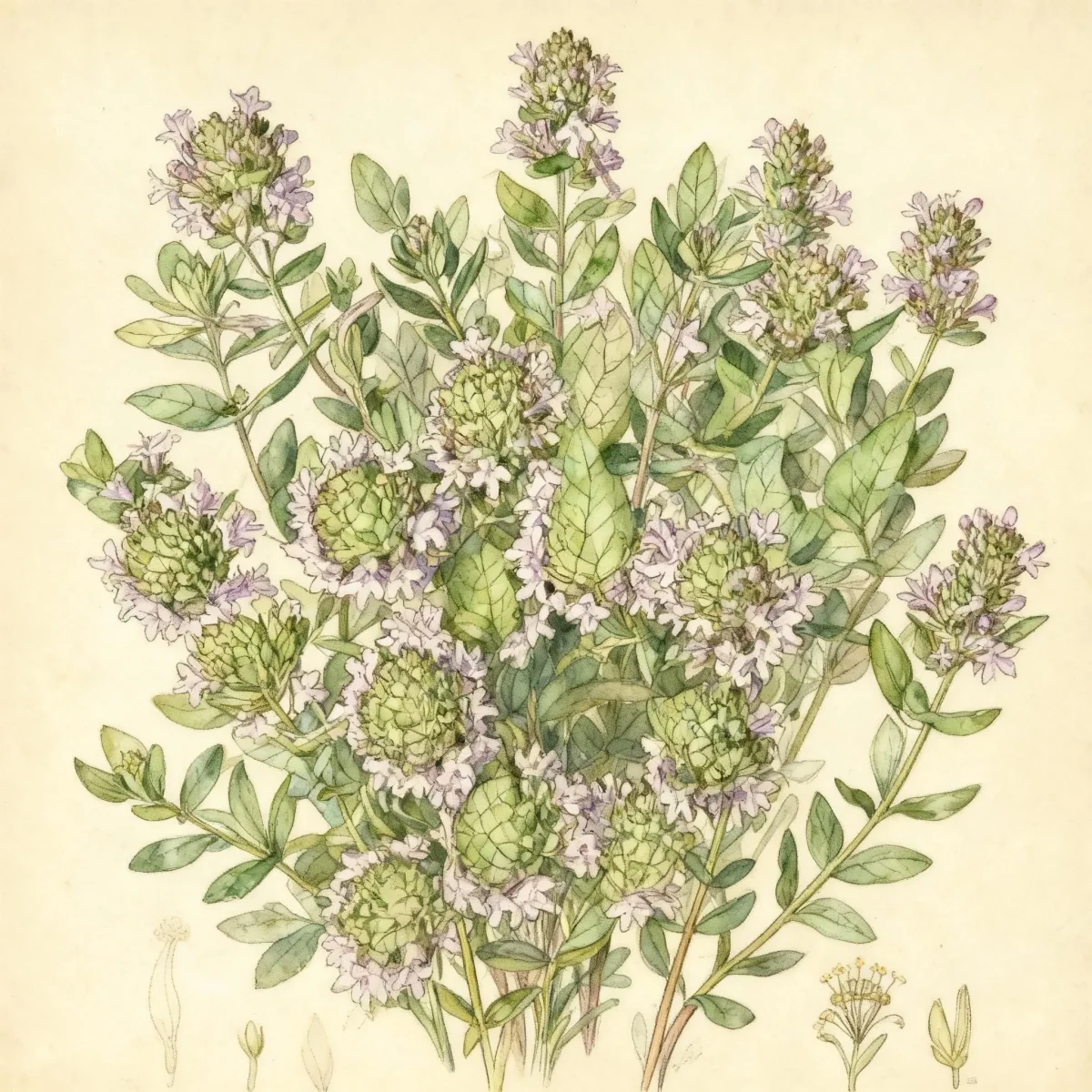
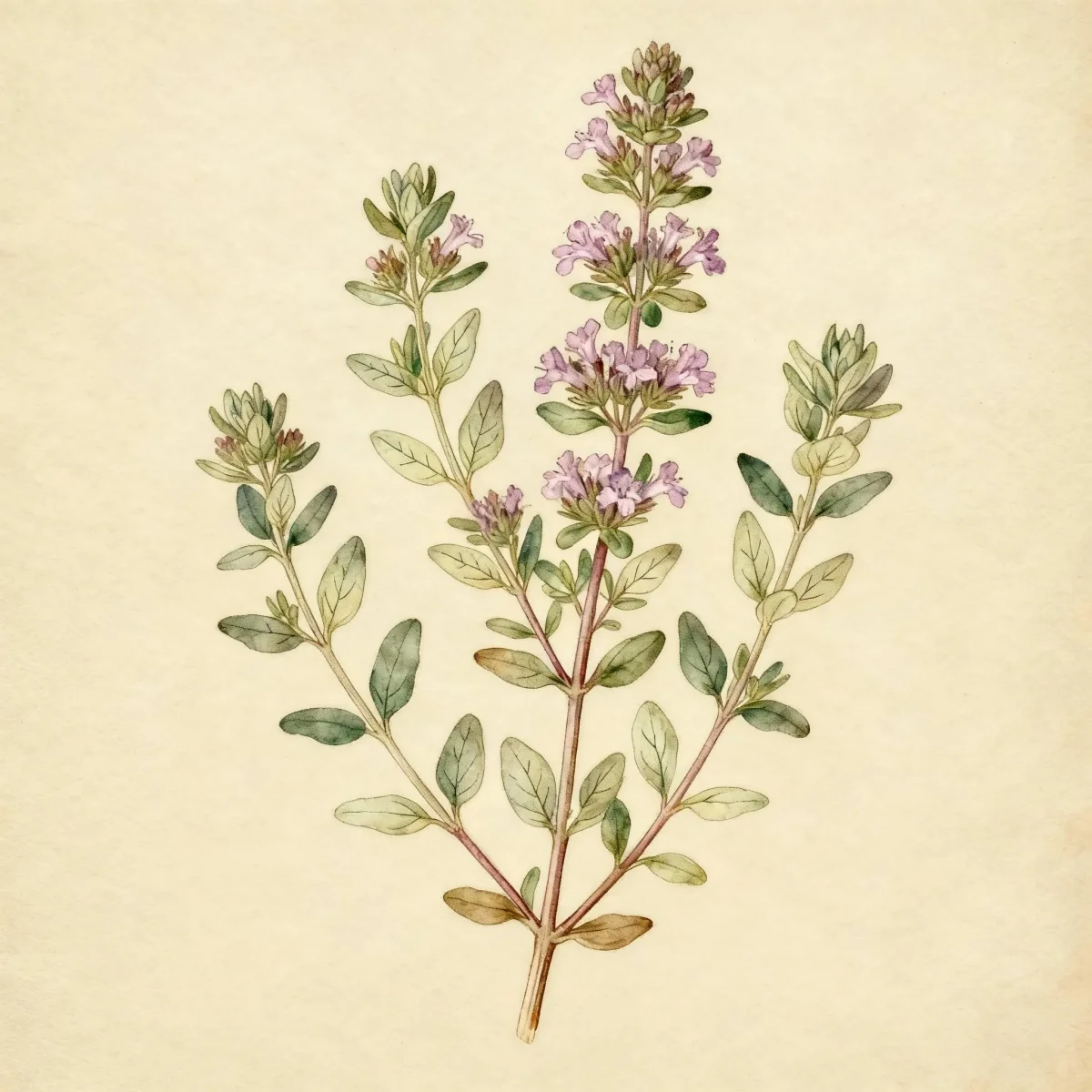
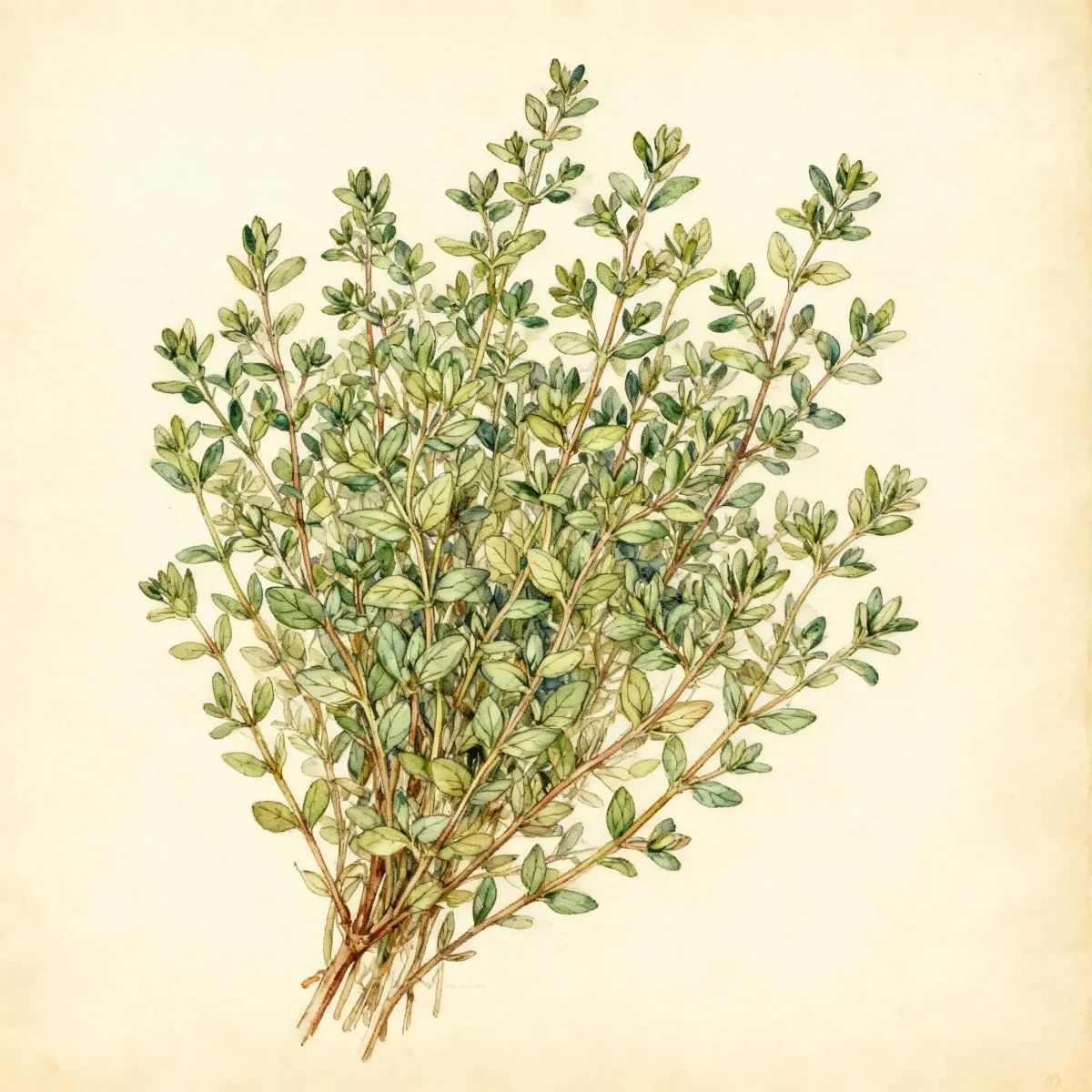
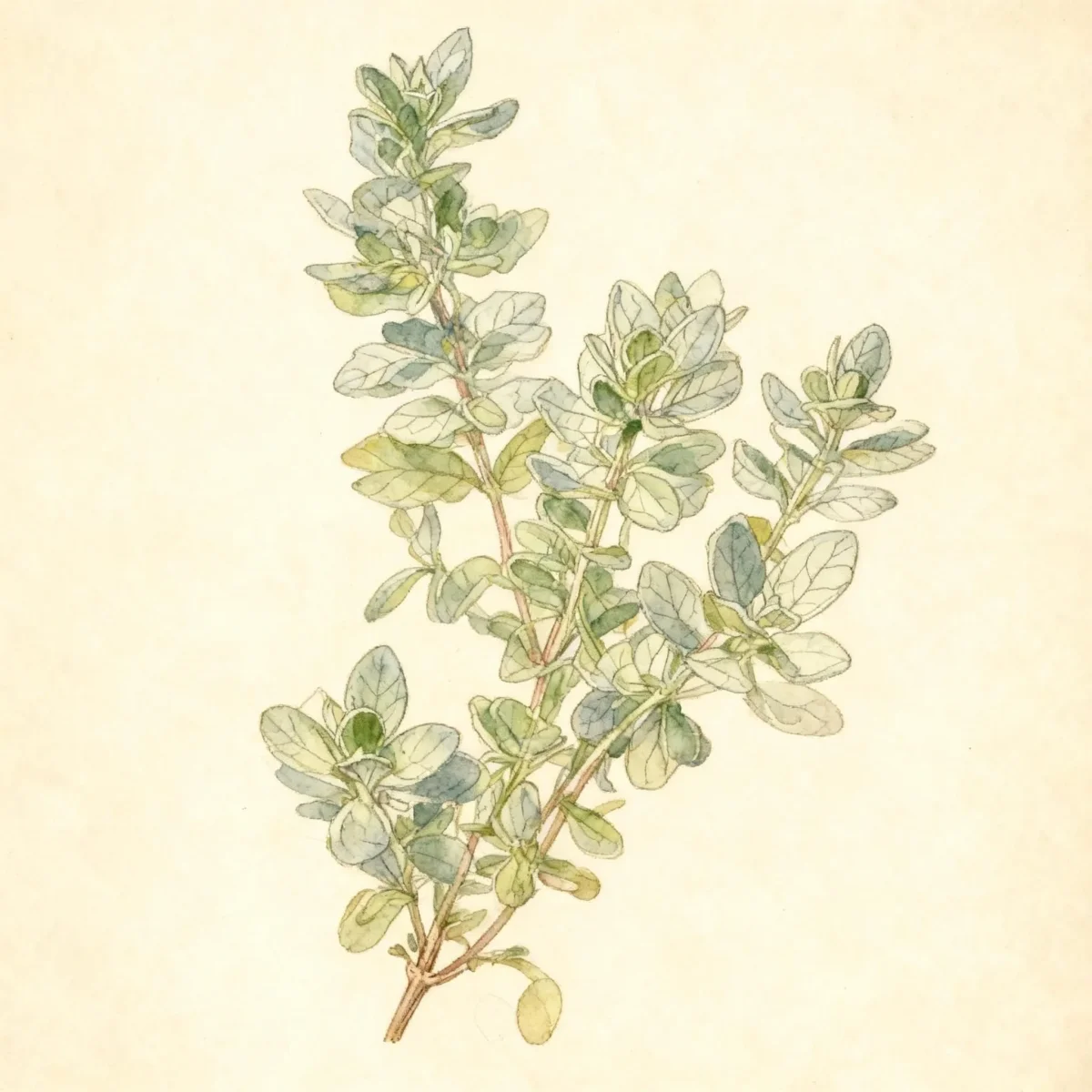
Thymus vulgaris ‘Argenteus’, commonly known as Thyme, is cherished by gardeners for its aromatic foliage and compact, attractive mounding habit. This specific cultivar stands out due to its silvery-green leaves, which carry a distinct lemon scent, providing year-round visual interest, especially in sunny rock gardens. As an herbaceous perennial, this variety of Thyme offers low maintenance and excels in dry conditions where many other herbs struggle.
This durable culinary herb is primarily recognized for its pungent leaves, essential in numerous cooking applications, reaching peak flavor just before its summer bloom time. Beyond the kitchen, the small stature and excellent drought tolerance of Thymus vulgaris ‘Argenteus’ make it a fantastic textural element for edging pathways or softening hardscaping elements. Expect delicate lilac flowers in early summer, which are highly attractive to local bee populations.
Fast Facts
- Plant Family: Lamiaceae
- Plant Type: Herbaceous perennial
- Hardiness Zones: USDA Zones 5-8
- Size at Maturity:
- Height: 0.5-1 ft
- Spread: 0.5-1 ft
- Bloom Time: June to July
- Bloom Description: Lilac
- Sun Exposure: Full sun
- Water Needs: Dry to medium
- Maintenance Level: Low
How to Grow
Plant Thymus vulgaris ‘Argenteus’ during the spring or fall after the danger of hard frost has passed. Success relies heavily on drainage; ensure the planting location offers full sun and loose, sandy, or rocky soil. This Thyme dislikes wet conditions, which can lead to root rot, so avoid areas where water tends to pool.
Maintenance for this perennial Thyme is generally low. Water sparingly once established, as it possesses excellent drought tolerance. Fertilization is rarely required; too rich a soil can diminish the concentration of the aromatic oils in the leaves. Prune lightly after flowering or harvest to maintain a tidy, non-woody shape and encourage fresh, flavorful growth throughout the season.
Because plants of Thyme can become overly woody and lose vigor after several years, gardeners should plan to replace older specimens periodically to ensure continuous robust growth. Harvest the highly aromatic leaves throughout the summer, remembering their fragrance peaks just before the lilac flowers appear. In mild winters, Thymus vulgaris ‘Argenteus’ typically remains evergreen.
Landscape Uses
The ornamental value of Thymus vulgaris ‘Argenteus’ extends far beyond its use as a simple herb. Due to its compact, spreading habit (0.5 to 1 foot tall and wide), silver foliage, and tolerance for dry, shallow soil, it is perfectly suited for front border planting or rock gardens. Use it to cascade over retaining walls or line sunny pathways where its low profile won’t obscure shorter perennials.
This Thyme also performs beautifully when integrated into vegetable or dedicated herb gardens. Consider pairing it with other Mediterranean herbs like Rosemary or Lavender, which share similar sun and drainage requirements. For an edible display indoors, Thymus vulgaris ‘Argenteus’ can be successfully grown in pots placed in a bright, sunny kitchen window, providing fresh seasoning year-round.
Standout Features
Flower Qualities
- Showy
Noteworthy Characteristics
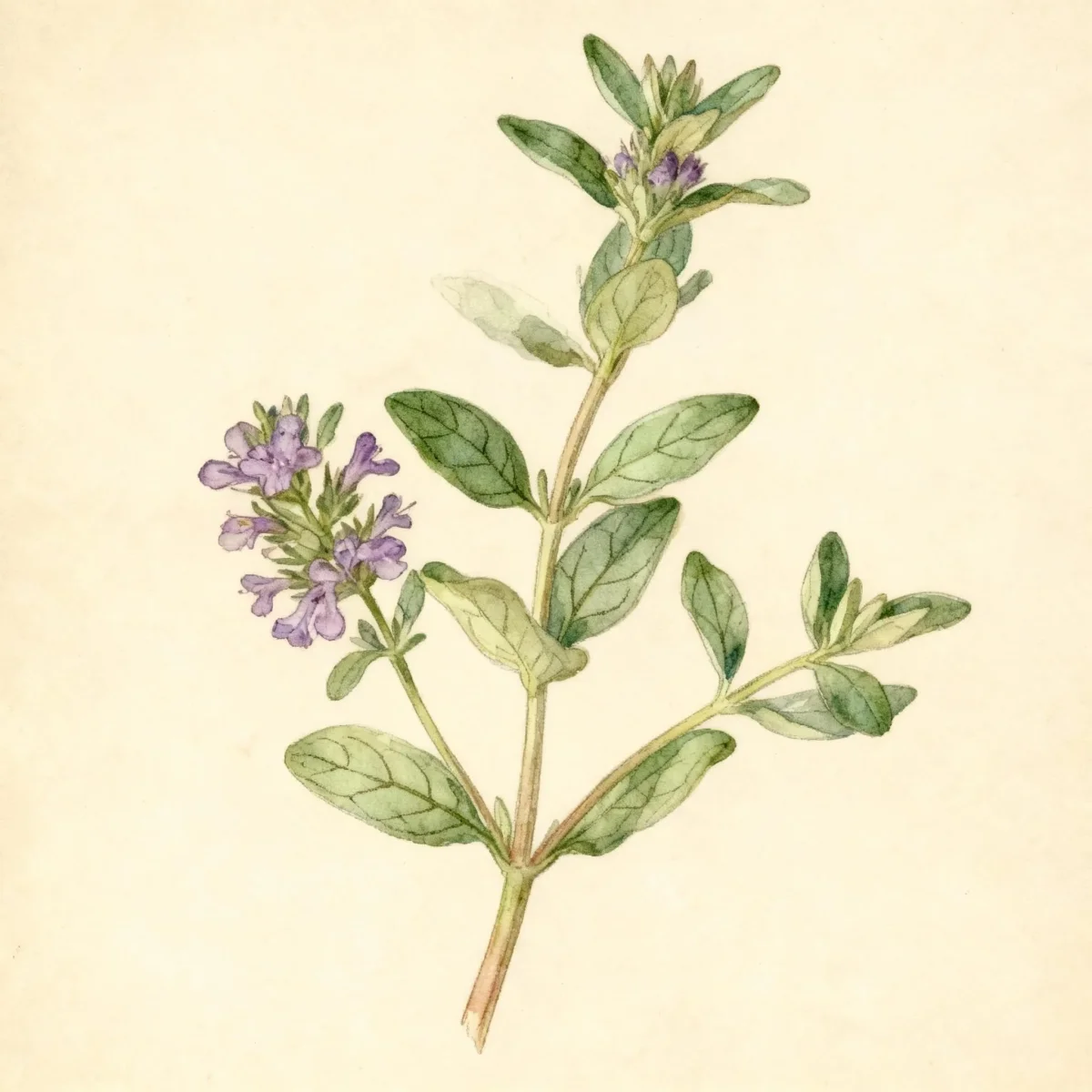
The specific cultivar, ‘Argenteus,’ is distinguished by its aromatic foliage variegated green and silver, a nod to the Latin word argentus for silver. This woody-based perennial forms a tidy mound, lending texture to mixed plantings while providing highly regarded culinary leaves. Whorls of tiny, tubular lilac flowers appear in late spring, attracting beneficial bees to the garden space.
Tolerances
- Deer
- Drought
- Dry Soil
- Shallow-Rocky Soil
- Air Pollution
Potential Problems
Generally, Thymus vulgaris ‘Argenteus’ faces no serious pest or disease issues when sited correctly. The primary concern revolves around moisture management; root rot susceptibility increases significantly if the soil retains too much water. To prevent this, always amend heavy soils with grit or sand to ensure fast drainage. Avoid overhead watering late in the day.
Frequently Asked Questions
What hardiness zones is Thyme suitable for?
Thymus vulgaris ‘Argenteus’ is reliably hardy in USDA Zones 5 through 8, making it a versatile choice for many temperate gardens.
How large does Thyme grow?
This variety typically matures to a height between 0.5 and 1 foot tall, with a similar spread of 0.5 to 1 foot wide.
What sun exposure does Thymus vulgaris ‘Argenteus’ need?
This plant requires a location that receives full sun to thrive best, which also helps keep its foliage dry and healthy.
When does Thyme bloom?
This Thyme variety produces whorls of tiny, lilac flowers, usually appearing between June and July, drawing in pollinator activity.
Conclusion
Thymus vulgaris ‘Argenteus’ excels as a low-maintenance, visually appealing, and highly functional culinary herb. Its silver-variegated foliage and remarkable drought tolerance ensure enduring garden appeal, making this Thyme a staple for sunny, dry locations. Before planting, confirm your garden offers excellent drainage and consistently maximum sunlight exposure to reap the best benefits from your Thymus vulgaris ‘Argenteus’.
Companion Planting
Because this Thyme variety insists on dry, well-drained soil and full sun, it pairs naturally with other drought-tolerant herbs and Mediterranean natives. Consider grouping it with Lavender (Lavandula), Greek Oregano (Origanum vulgare), or low-growing Sedums. These companions share similar cultural needs, allowing you to create a low-water, vibrant textural tapestry in sunny border pockets or rockeries. Avoid planting near moisture-loving species, as the Thyme will suffer if its roots remain damp.
Wildlife Benefits
The small, tubular lilac flowers produced by Thymus vulgaris ‘Argenteus’ during June and July are an excellent resource for local pollinators. Bees, in particular, are strongly attracted to the nectar source presented by these late spring/early summer blooms. By incorporating this perennial Thyme close to vegetable gardens or patio seating areas, gardeners can gently encourage beneficial insect activity while harvesting fresh herbs minutes from the back door.