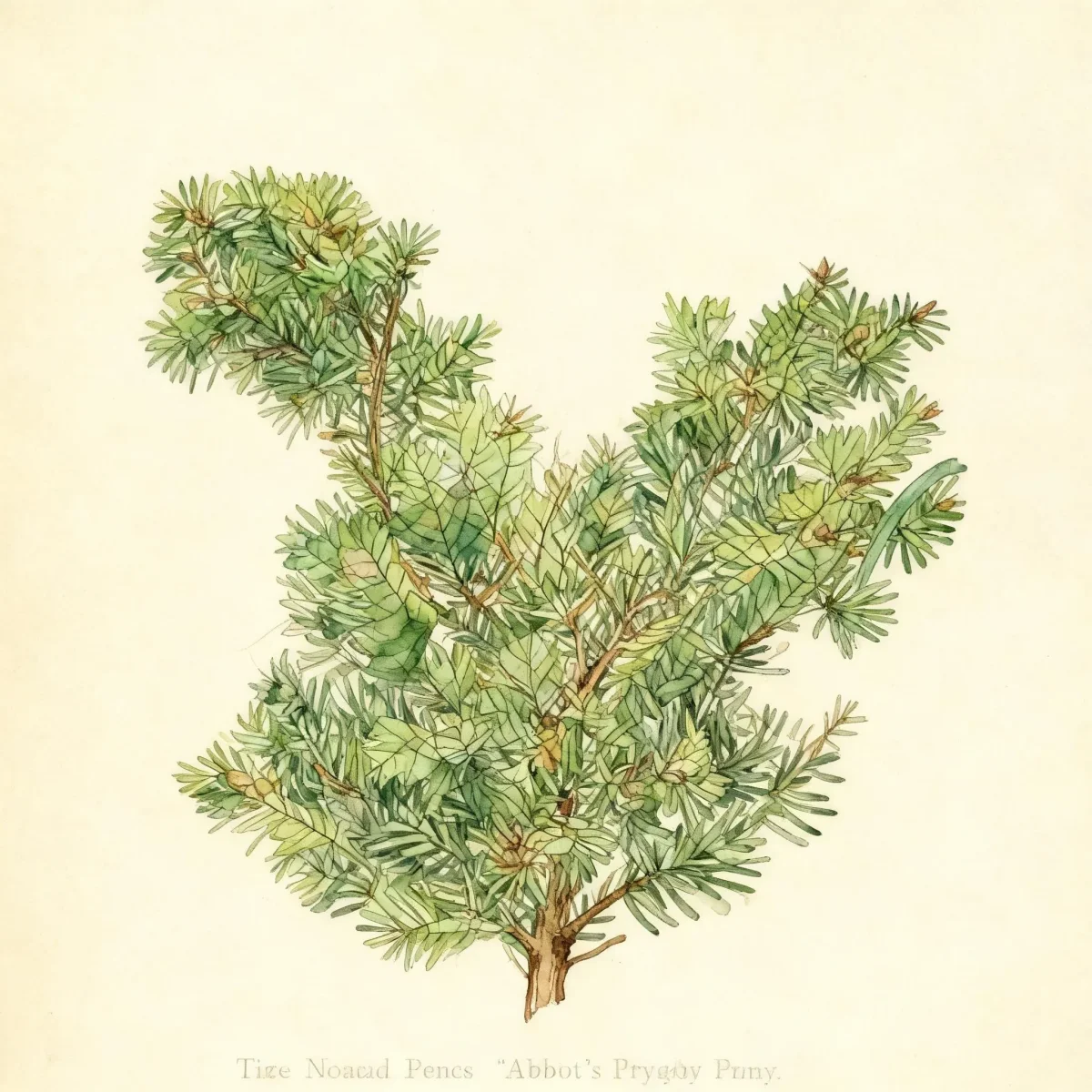
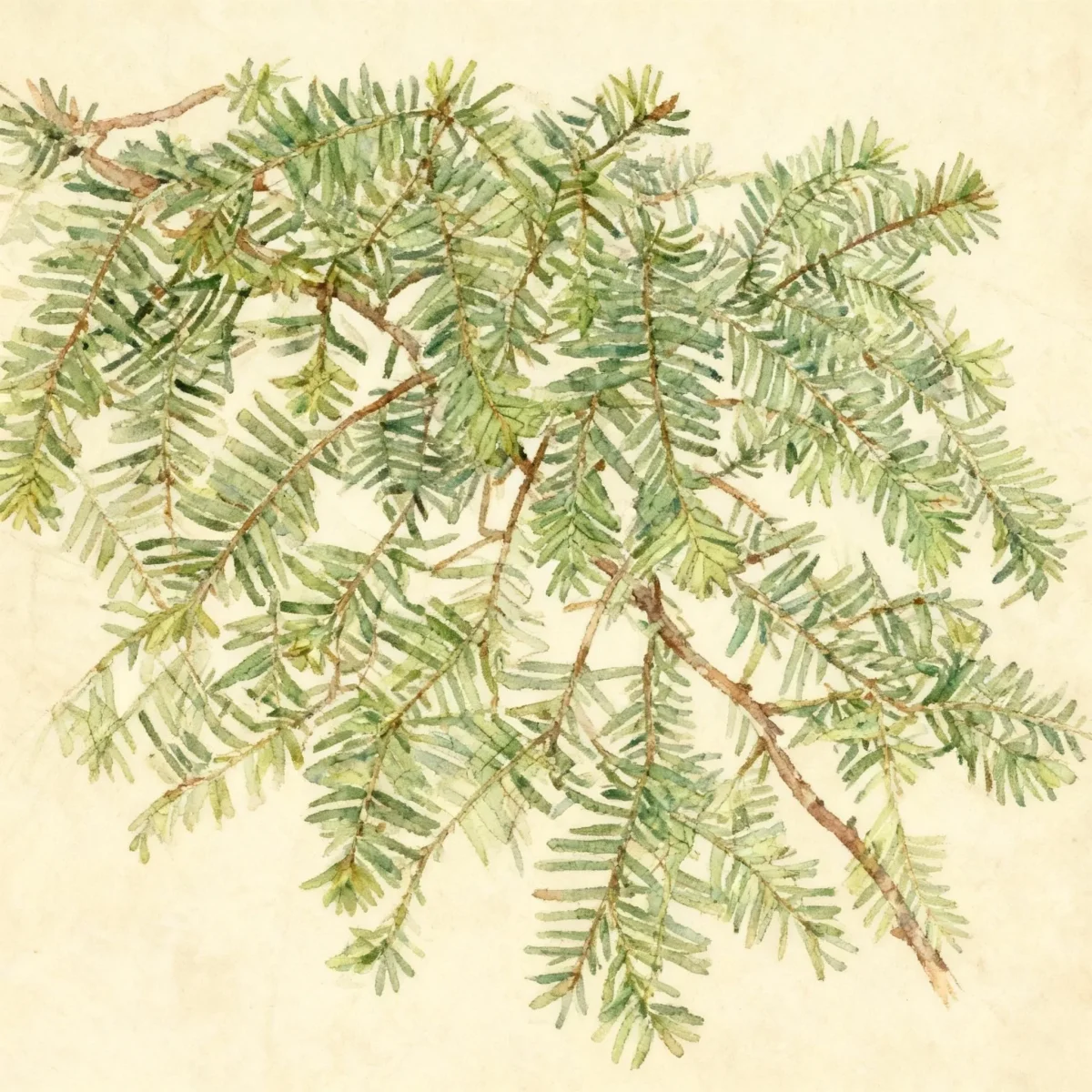
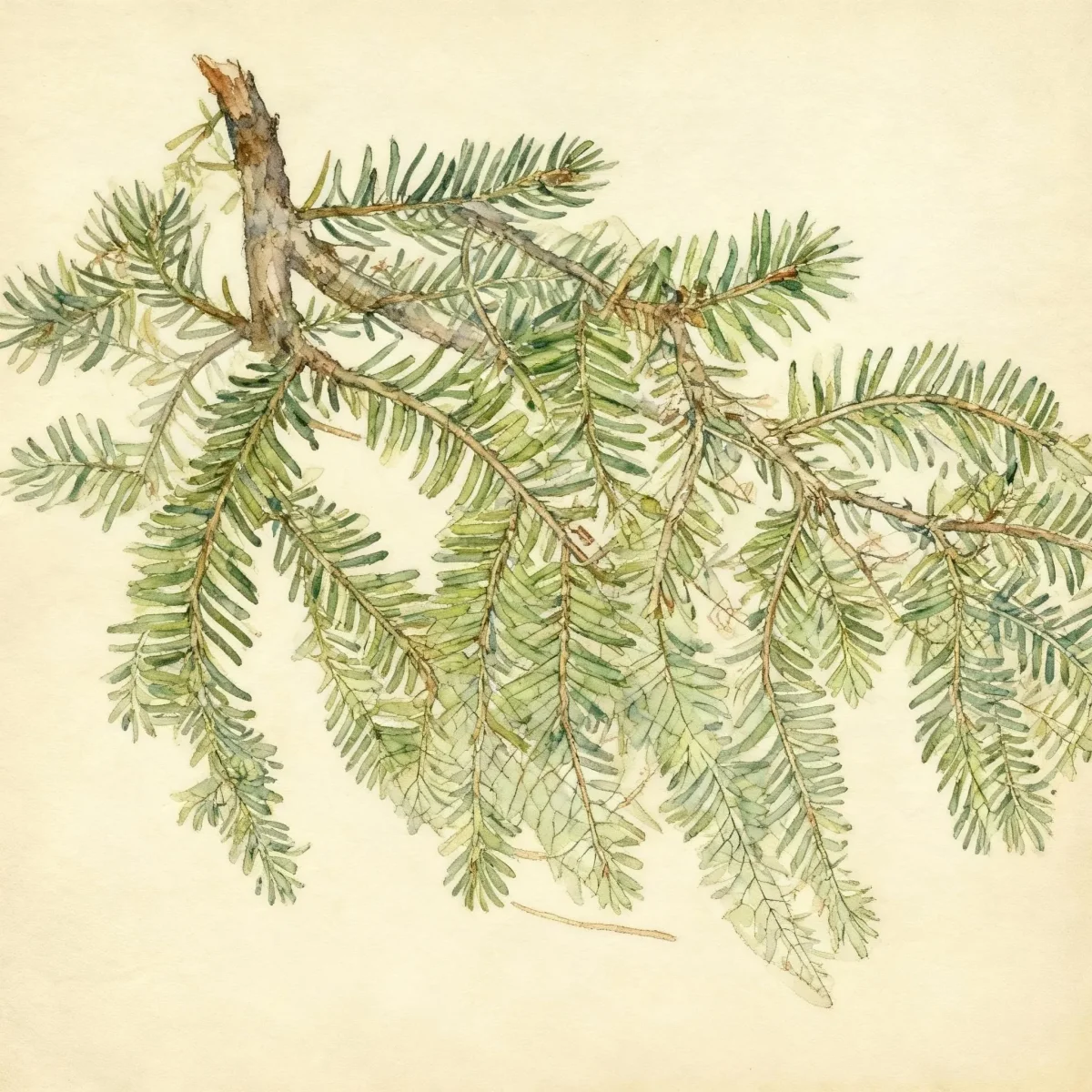
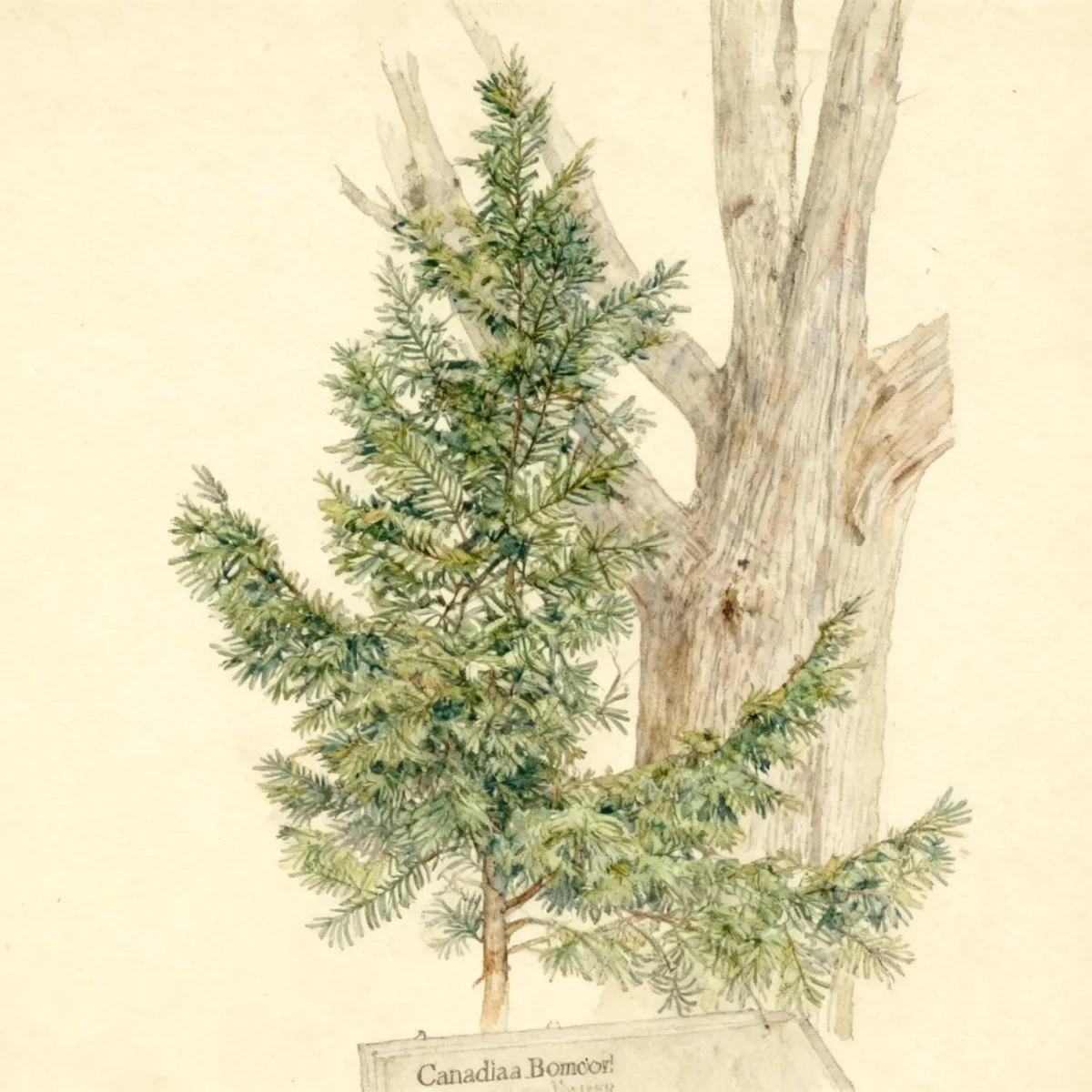
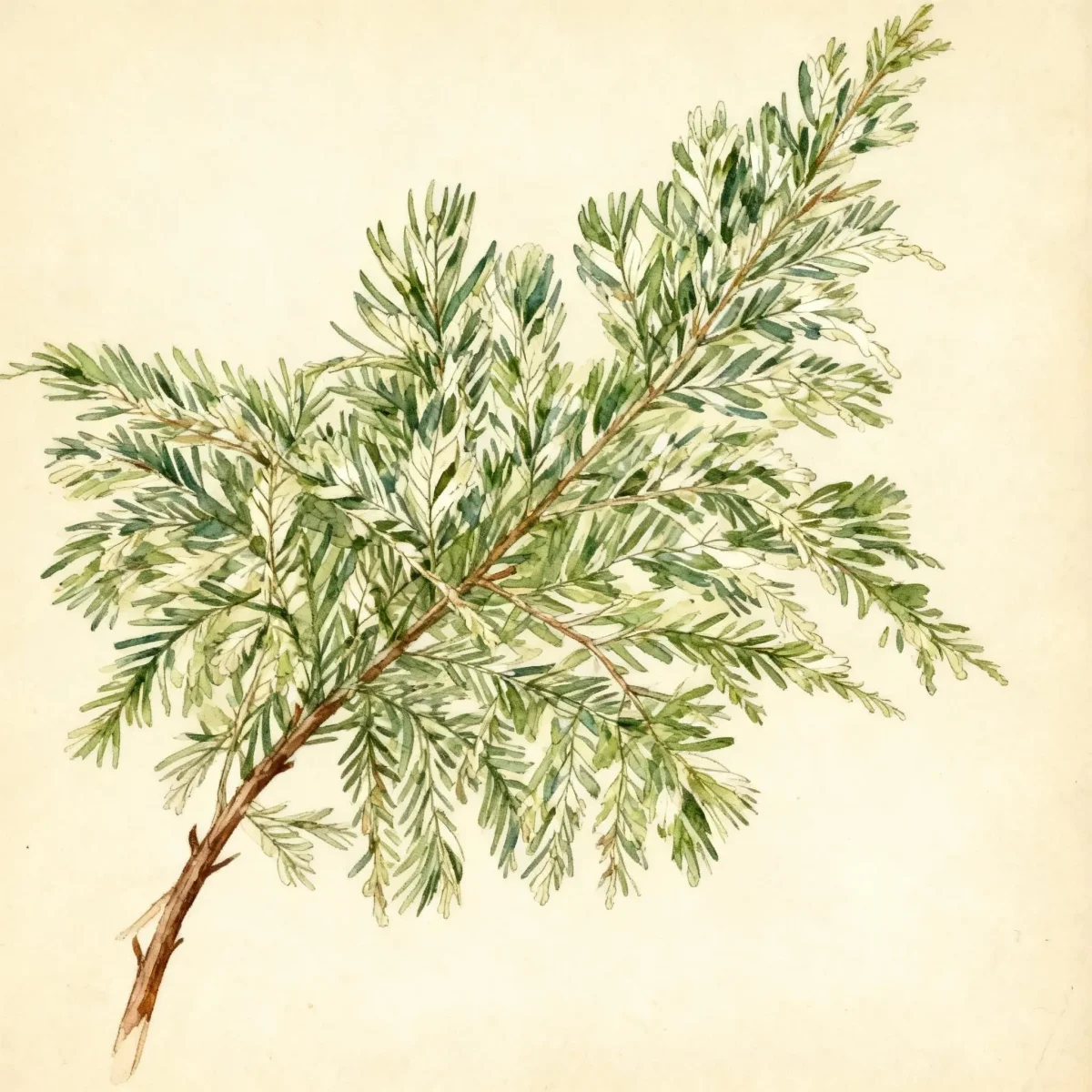
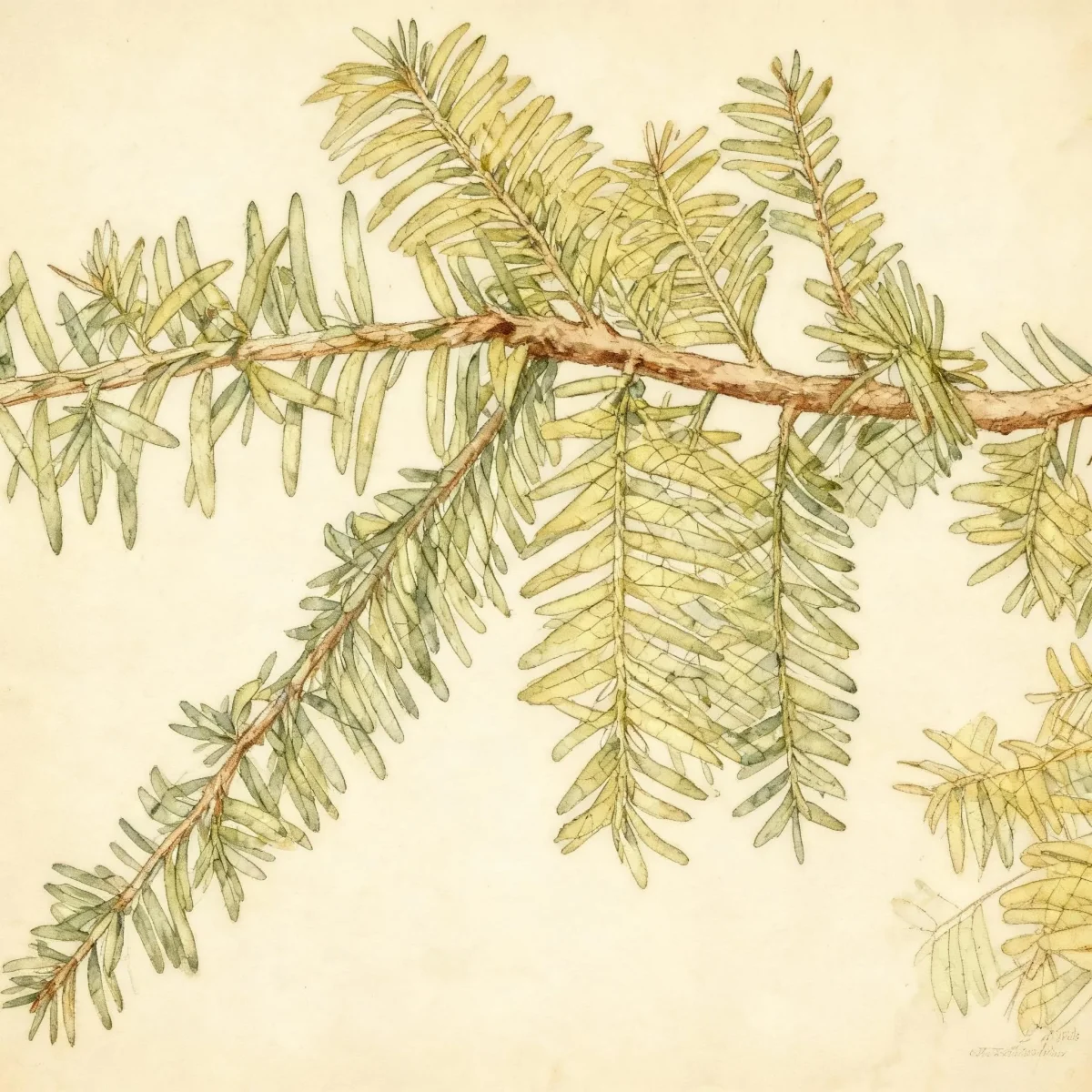
Canadian hemlock (Tsuga canadensis 'Albospica')
Tsuga canadensis 'Albospica' is a variegated evergreen conifer offering lacy foliage and low maintenance, ideal for shady garden spots.
Scroll down to discover growing tips, care requirements, companion plants, and more
Complete Plant Information
Overview
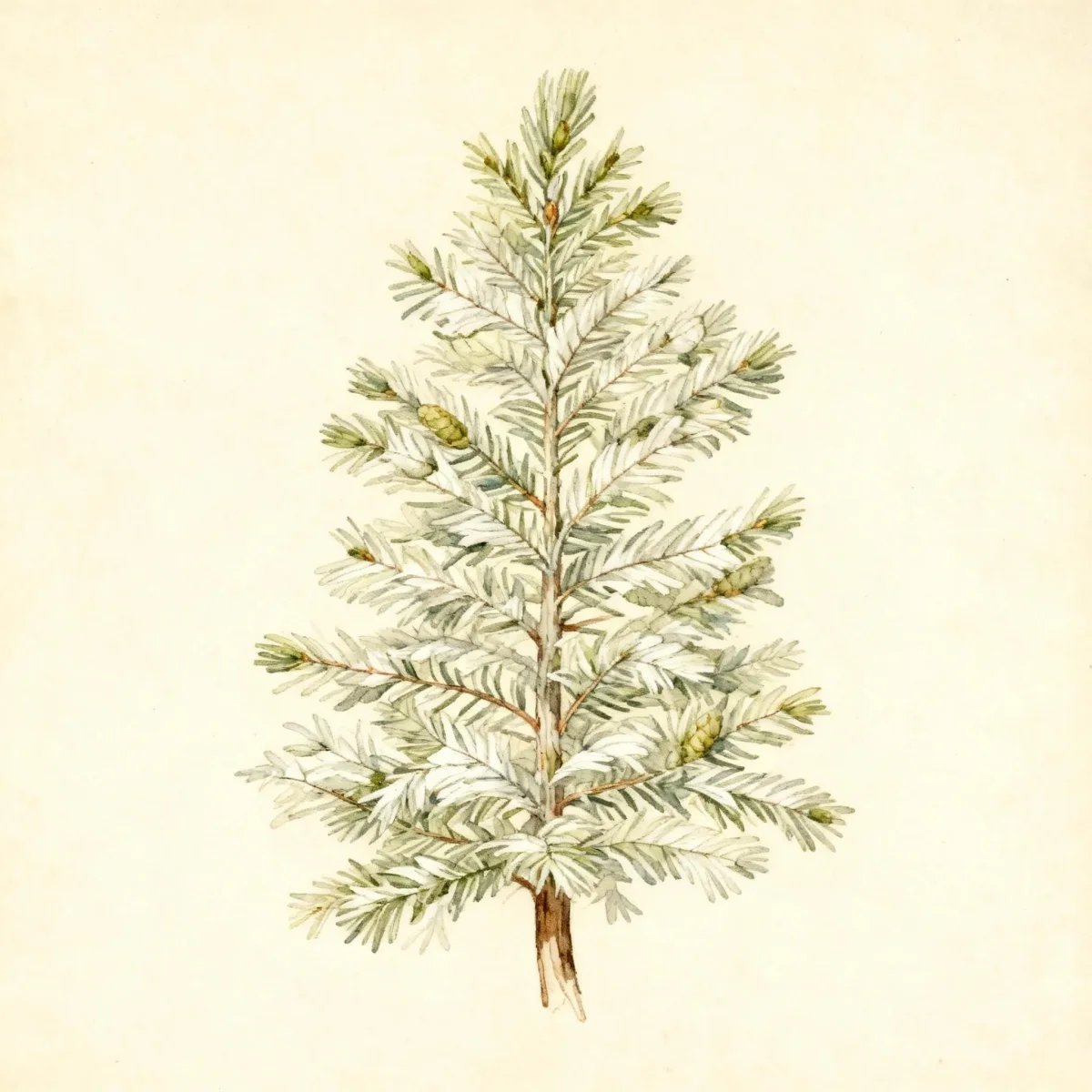
The variegated needles of Tsuga canadensis ‘Albospica’ make it a striking choice for areas where standard evergreens fall flat. This cultivar of the Canadian hemlock is cherished for its dense, conical form and the beautiful contrast provided by dark green needles tipped with white variegation. It introduces year-round texture and brightness to shaded landscapes.
As a low-maintenance needled evergreen, Tsuga canadensis ‘Albospica’ provides graceful, lacy foliage in both shrub and small tree forms. It is highly valued in woodland gardens and foundation plantings where protection from harsh elements can be assured.
Gardeners appreciate the adaptable nature of this specimen plant, though its success hinges on providing consistent moisture and avoiding intense afternoon sun, especially in warmer regions. The unique coloration ensures that the Canadian hemlock remains a focal point throughout the seasons.
Fast Facts
- Plant Family: Pinaceae
- Plant Type: Needled evergreen
- Hardiness Zones: USDA Zones 4-7
- Size at Maturity:
- Height: 8-25 ft
- Spread: 5-15 ft
- Bloom Time: Non-flowering
- Bloom Description: Non-flowering
- Sun Exposure: Part shade to full shade
- Water Needs: Medium
- Maintenance Level: Low
How to Grow
Planting Tsuga canadensis ‘Albospica’ is best achieved in spring or fall, ensuring the roots have time to establish before facing temperature extremes. Locate this Canadian hemlock where it receives average, medium moisture soil that is well-drained. Siting is critical; position it in dappled light or partial shade, specifically seeking locations protected from desiccating winter winds and intense, hot afternoon sun.
Ongoing care centers on adequate watering, as this evergreen dislikes drought, particularly during its establishment phase. Water regularly during dry spells to maintain that essential medium moisture level. This cultivar generally requires low maintenance, benefiting most from a thick layer of winter mulch applied around the root zone as protection.
While it tolerates full sun in cooler northern climates (Zone 4), gardeners south of Zone 6 must be vigilant against sun scald, which can severely damage the attractive foliage when temperatures soar above 95 degrees F. Minimal pruning should be required, focusing only on removing any dead or damaged branches.
Landscape Uses
The distinctive, variegated foliage of Tsuga canadensis ‘Albospica’ makes it an excellent choice for adding light and interest to deeply shaded garden areas. It functions splendidly as a specimen accent where its conical shape can be admired year-round against a backdrop of darker, solid green shrubs.
Due to its manageable size, growing 8 to 25 feet tall, this Canadian hemlock fits well into mixed evergreen borders or as a dramatic vertical element in foundation plantings near the home. Its lacy texture contrasts beautifully with broad-leaved hostas or textured ferns that share similar shade requirements.
Consider using this cultivar where you need year-round structure but desire a lighter visual presence than solid dark green conifers offer. Its tolerance for heavy shade ensures it performs reliably in less-than-ideal light conditions where many other conifers struggle.
Standout Features
Noteworthy Characteristics
The parent species, Canadian hemlock, is native to moist, cool woodland areas across eastern North America, known for its graceful form and small needles. Tsuga canadensis ‘Albospica’ maintains this lacy foliage but introduces variegation, featuring dark green needles tipped with attractive white highlights. This conical cultivar fits perfectly as a small tree or large shrub, offering visual relief in cool, shaded garden environments.
Tolerances
- Deer
- Heavy Shade
- Black Walnut
Potential Problems
A healthy plant in the right environment faces few threats, but specific issues can arise for Tsuga canadensis ‘Albospica’. Cultural stress, such as prolonged drought or excessive heat/sun exposure, is the most frequent source of decline, leading to foliage scorch.
The most serious biological threat to hemlocks is the Hemlock Woolly Adelgid (HWA), a minute, invasive, sap-sucking insect capable of killing mature trees rapidly. Since HWA is spreading, monitoring your plant is vital; look for white, cottony masses near the base of needles.
If HWA is detected, prompt treatment using systemic pesticides containing imidacloprid or dinotefuran is necessary, though control remains challenging. Additionally, watch for common conifer issues like needle blight, canker, bagworms, and spider mites, often addressed by ensuring proper cultural conditions.
Frequently Asked Questions
What hardiness zones is Canadian hemlock suitable for?
The Tsuga canadensis ‘Albospica’ is hardy and thrives in USDA Zones 4 through 7.
How large does Canadian hemlock grow?
This cultivar typically matures to a height between 8 and 25 feet, spreading between 5 and 15 feet wide, depending on whether it is maintained as a shrub or allowed to develop into a tree form.
What sun exposure does Tsuga canadensis ‘Albospica’ need?
It performs best when grown in part shade to full shade conditions, needing high protection from hot afternoon sun, especially in southern zones.
When does Canadian hemlock bloom?
Like all hemlocks, Tsuga canadensis ‘Albospica’ is a non-flowering needled evergreen.
Conclusion
The silvery highlights on deep green needles ensure that Tsuga canadensis ‘Albospica’ provides exceptional year-round contrast and texture to the shaded garden. This low-maintenance Canadian hemlock cultivar rewards gardeners who respect its need for consistent moisture and protection from intense heat. Before planting, confirm your location falls within USDA Zones 4-7 and plan an ideal, sheltered spot for this beautiful specimen.
Companion Planting
Selecting appropriate companions for Tsuga canadensis ‘Albospica’ focuses heavily on shade tolerance and similar mesic (moisture-loving) soil requirements. Underplanting with acid-loving, low-growing perennials helps achieve a lush woodland tapestry. Consider planting it near ferns like Japanese Painted Fern (Athyrium) for feathery contrast, or use Hosta varieties with blue or chartreuse foliage to brighten the area beneath the canopy.
For structural companions, rhododendrons and azaleas thrive in the same acidic, well-drained soil and partial shade that the Canadian hemlock prefers. When grouping plants, ensure adequate space is left for the mature spread of your Tsuga canadensis ‘Albospica’ so that air circulation remains good, which is crucial for preventing fungal issues.
Seasonal Care Calendar
Spring is the ideal time to apply a fresh layer of mulch to conserve moisture throughout the summer and to check established plants for signs of HWA infestation. In summer, focus diligently on deep watering, soaking the root zone thoroughly whenever the top few inches of soil begin to dry out, especially if drought conditions persist.
Fall preparation involves ensuring the plant has access to water going into dormancy; a thorough soaking just before the ground freezes helps prevent winter desiccation. While this conifer is resilient, protect young specimens by shielding them from prevailing winter winds that can strip moisture from the needles.