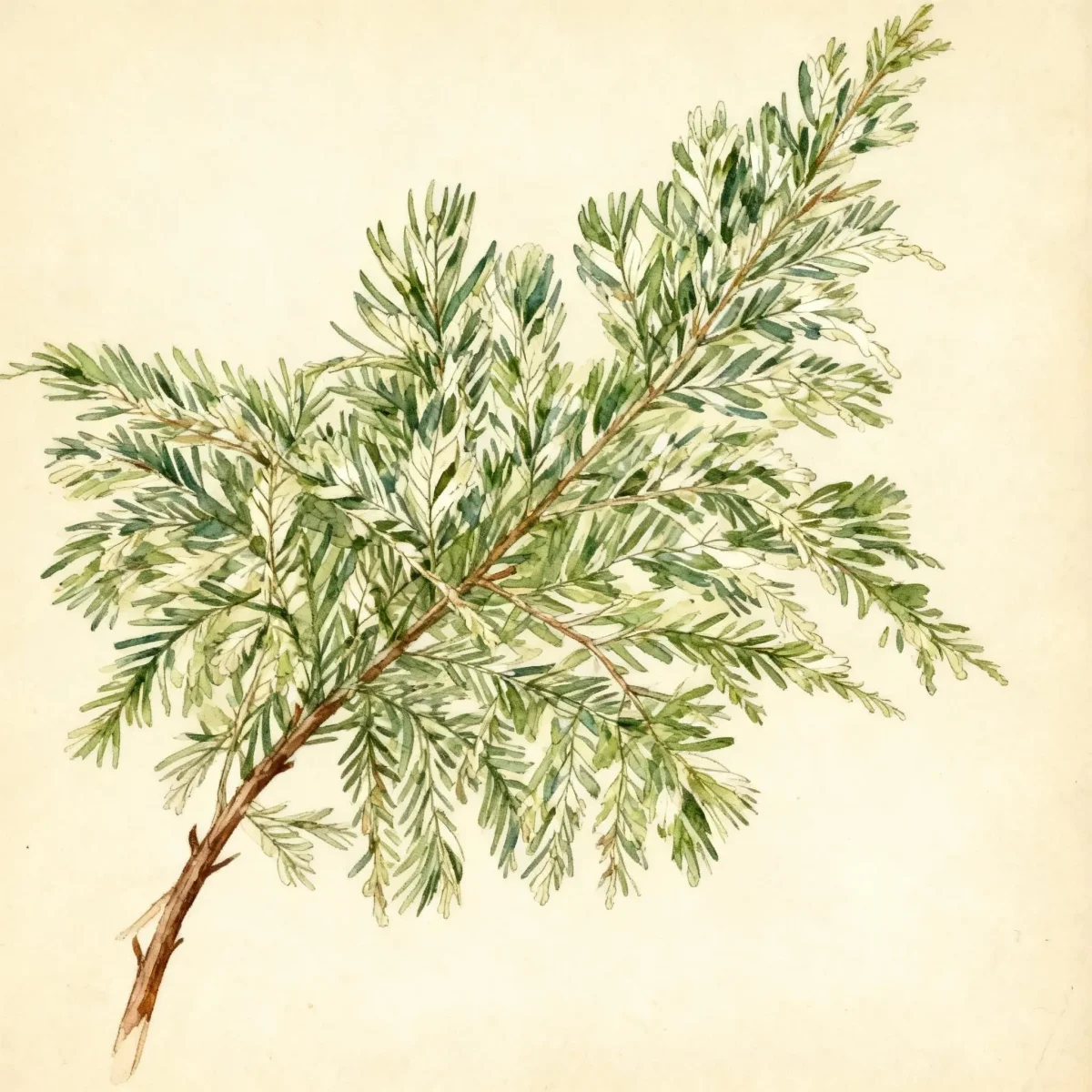
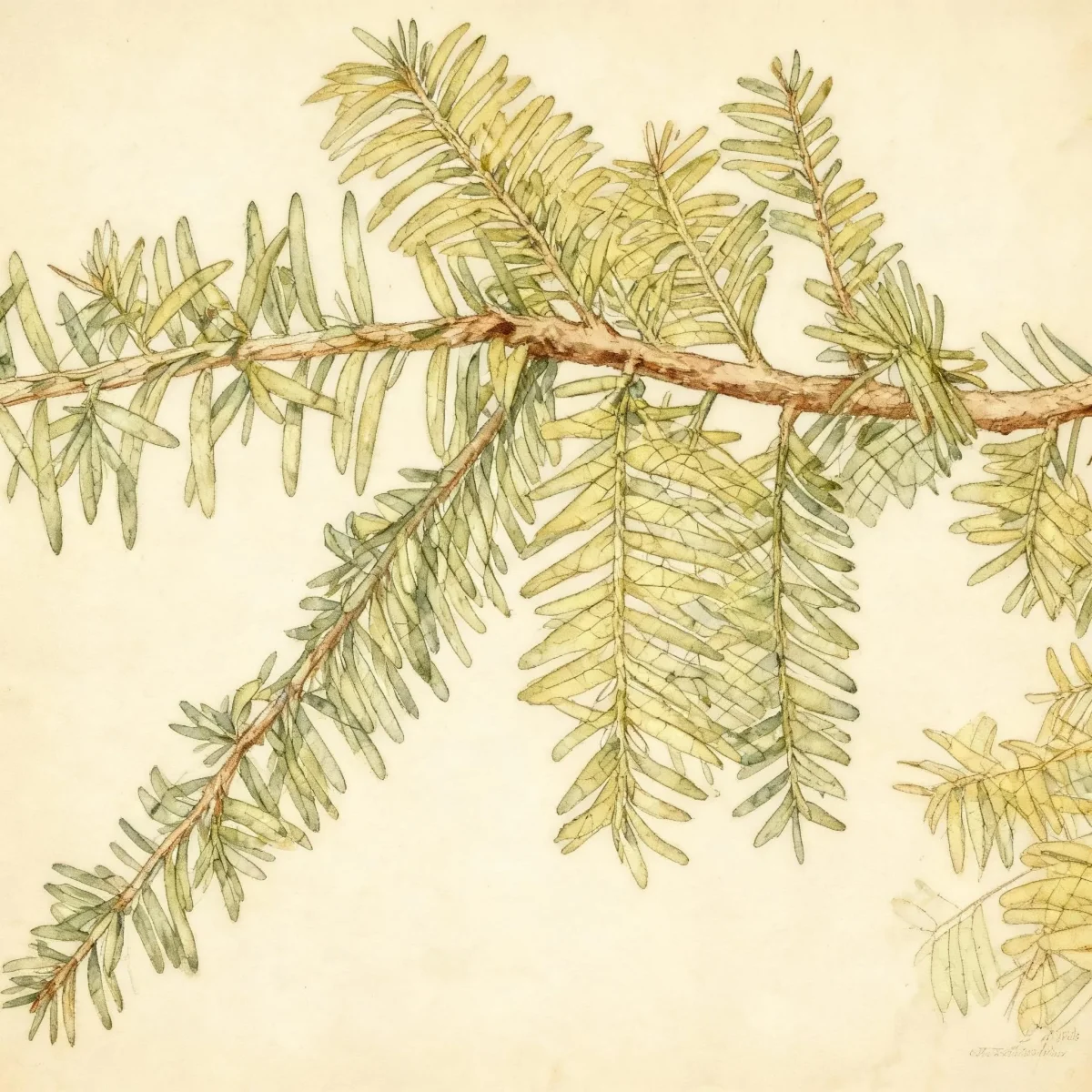
Canadian hemlock (Tsuga canadensis 'Bennett')
Tsuga canadensis 'Bennett' is a compact, low-maintenance evergreen, perfect for shady spots. This Canadian hemlock cultivar thrives in Zones 3-7.
Scroll down to discover growing tips, care requirements, companion plants, and more
Complete Plant Information
Overview
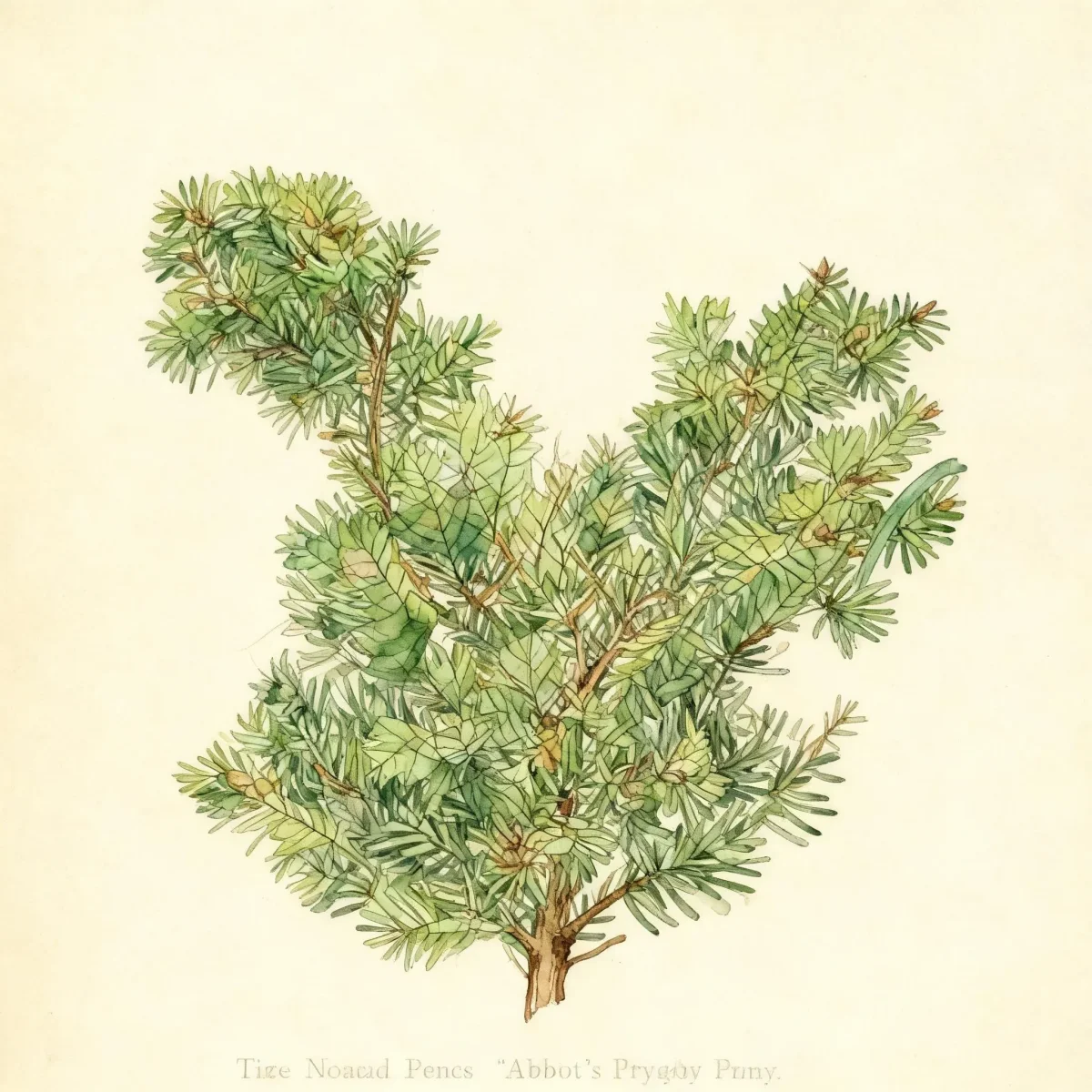
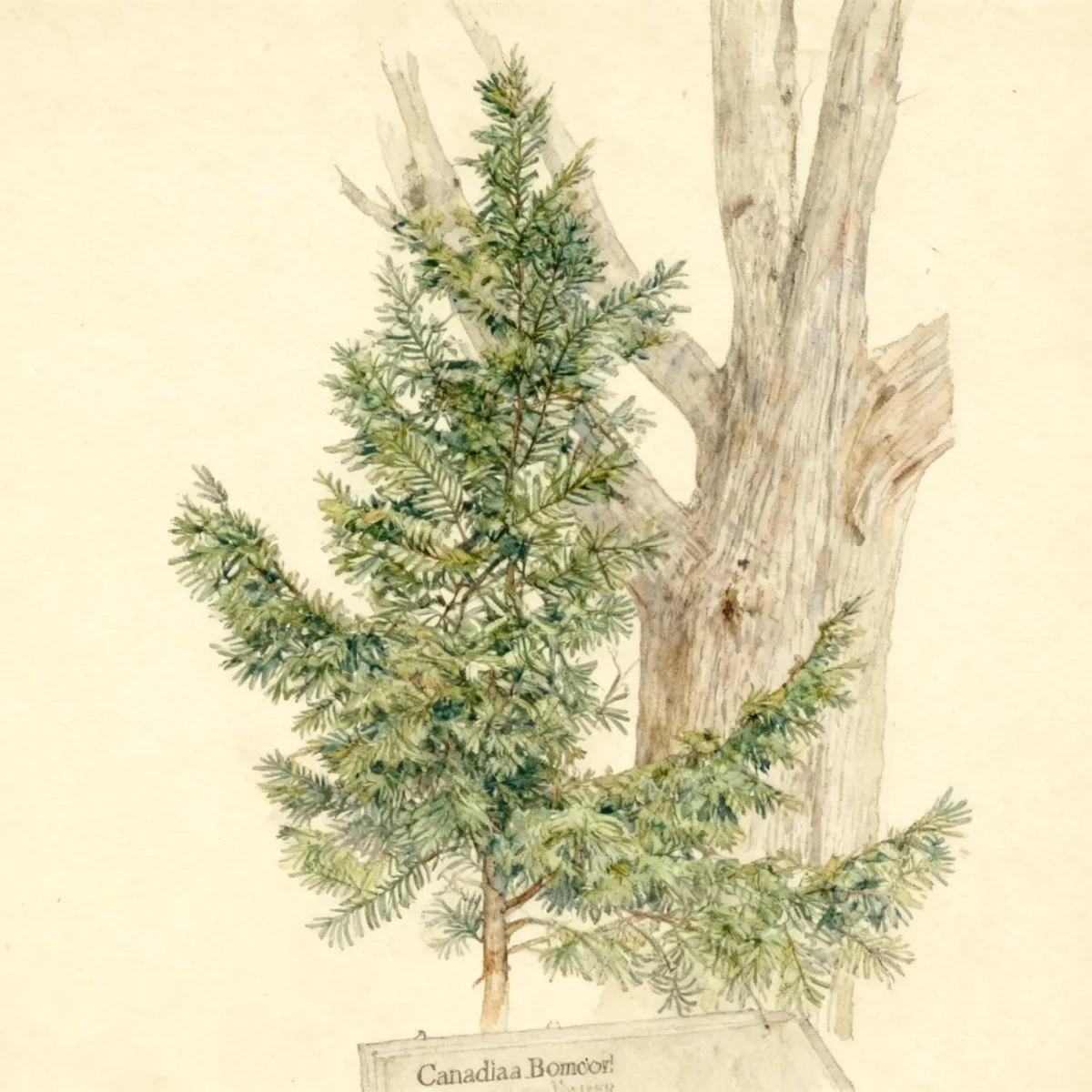
The Canadian hemlock cultivar ‘Bennett’, officially Tsuga canadensis ‘Bennett’, provides exceptional texture and evergreen structure ideal for intimate garden spaces. Unlike its towering wild counterparts, this variety maintains a compact, gracefully spreading mound reaching only about 3 to 5 feet tall, making it highly versatile for foundation plantings or rock gardens. Gardeners rely on this cultivar for its dense, lacy foliage that offers year-round interest with minimal intervention.
This specific Canadian hemlock is valued for its ability to thrive where other evergreens struggle—specifically in shady environments. Offering a slower growth rate of just 3 to 6 inches per year, Tsuga canadensis ‘Bennett’ gives homeowners reliable, manageable scale. Its evergreen nature ensures protection and visual mass during the stark winter months.
With low maintenance requirements and high tolerance for shade, this cultivar is an excellent choice for defining borders or serving as a beautiful specimen plant. Ensure adequate moisture, and you will be rewarded with the delicate, soft texture of this enduring Canadian hemlock.
Fast Facts
- Plant Family: Pinaceae
- Plant Type: Needled evergreen
- Hardiness Zones: USDA Zones 3-7
- Size at Maturity:
- Height: 3-5 ft
- Spread: 4-6 ft
- Bloom Time: Non-flowering
- Bloom Description: Non-flowering
- Sun Exposure: Part shade to full shade
- Water Needs: Medium
- Maintenance Level: Low
How to Grow
Planting Tsuga canadensis ‘Bennett’ is best achieved in spring or fall when temperatures are moderate. Select a location that offers protection from intense afternoon sun, particularly in warmer zones. This conifer thrives in average, medium moisture, well-drained soils. When placing the small Tsuga canadensis ‘Bennett’, remember its mature spread of 4 to 6 feet.
Care centers around consistent moisture management. While established plants are highly valued for their shade tolerance, they should never be allowed to suffer prolonged drought, which can prove fatal. Water regularly, especially during dry spells, ensuring the soil remains consistently moist but never waterlogged. It appreciates a protective layer of thick winter mulch to moderate soil temperatures.
This cultivar generally requires very little pruning. If necessary, light shaping should occur in late winter or early spring before new growth begins. While the species tolerates full sun in cool northern regions, avoid planting the Canadian hemlock where it will receive intense heat above 95°F in the South, as this can lead to foliage scorch.
Landscape Uses
The compact nature of Tsuga canadensis ‘Bennett’ makes it a superb foundation evergreen, softening harsh architectural lines without overwhelming the structure. Its graceful spreading mound is ideally suited for specimen planting where its fine texture can be appreciated up close, contrasting nicely with bolder-leaved perennials or shrubs.
These hemlocks function exceptionally well in shrub borders, providing necessary vertical interest and deep green color throughout the year. Furthermore, given their established tolerance to deep shade, they are invaluable for brightening woodland gardens or planting beneath mature deciduous trees where light is scarce.
Consider incorporating this cultivar near seating areas where its soft texture and relatively small size allow for intimate garden design. Because it develops slowly, Tsuga canadensis ‘Bennett’ is a long-term investment in shaded landscapes, offering reliable structure with minimal pruning demand.
Standout Features
Noteworthy Characteristics
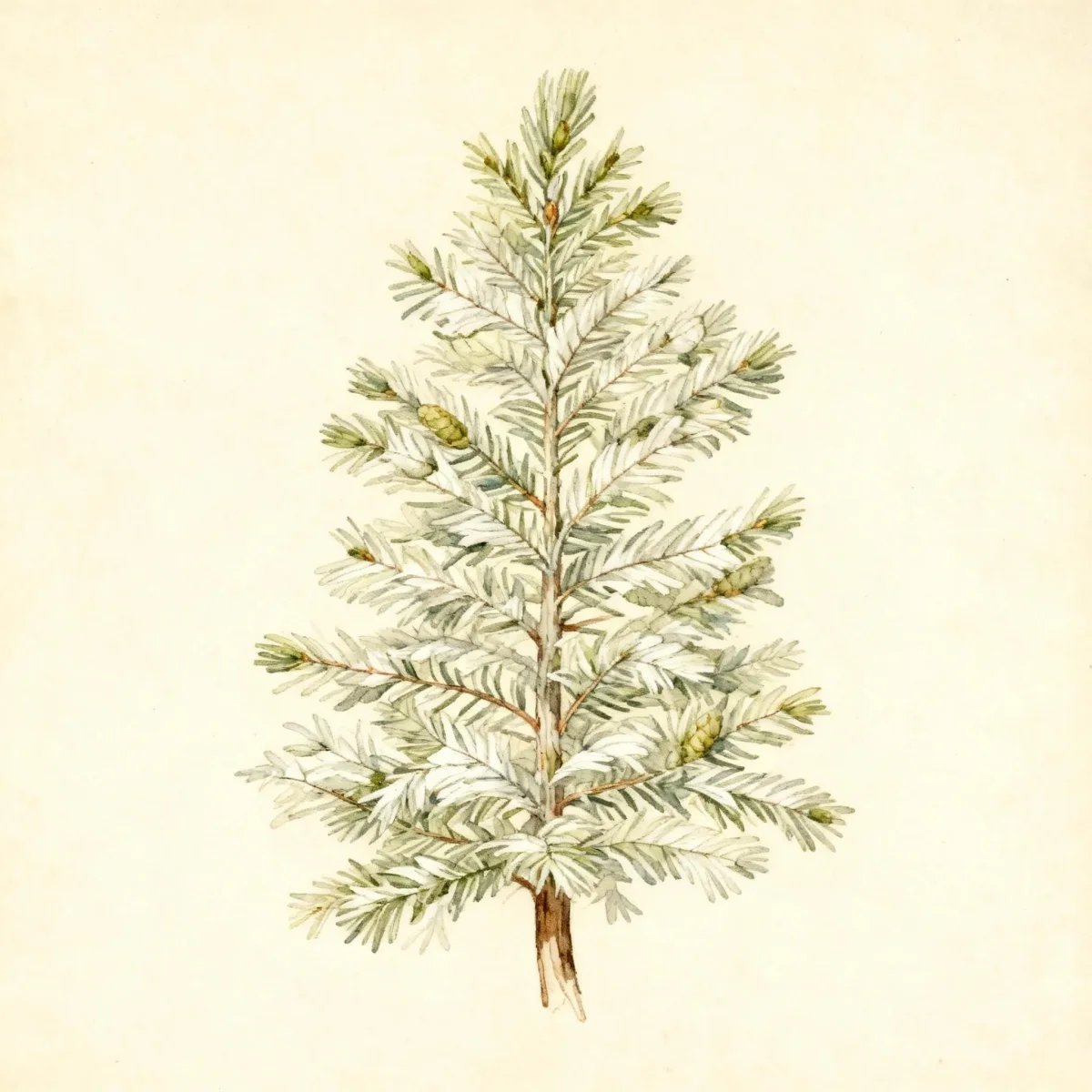
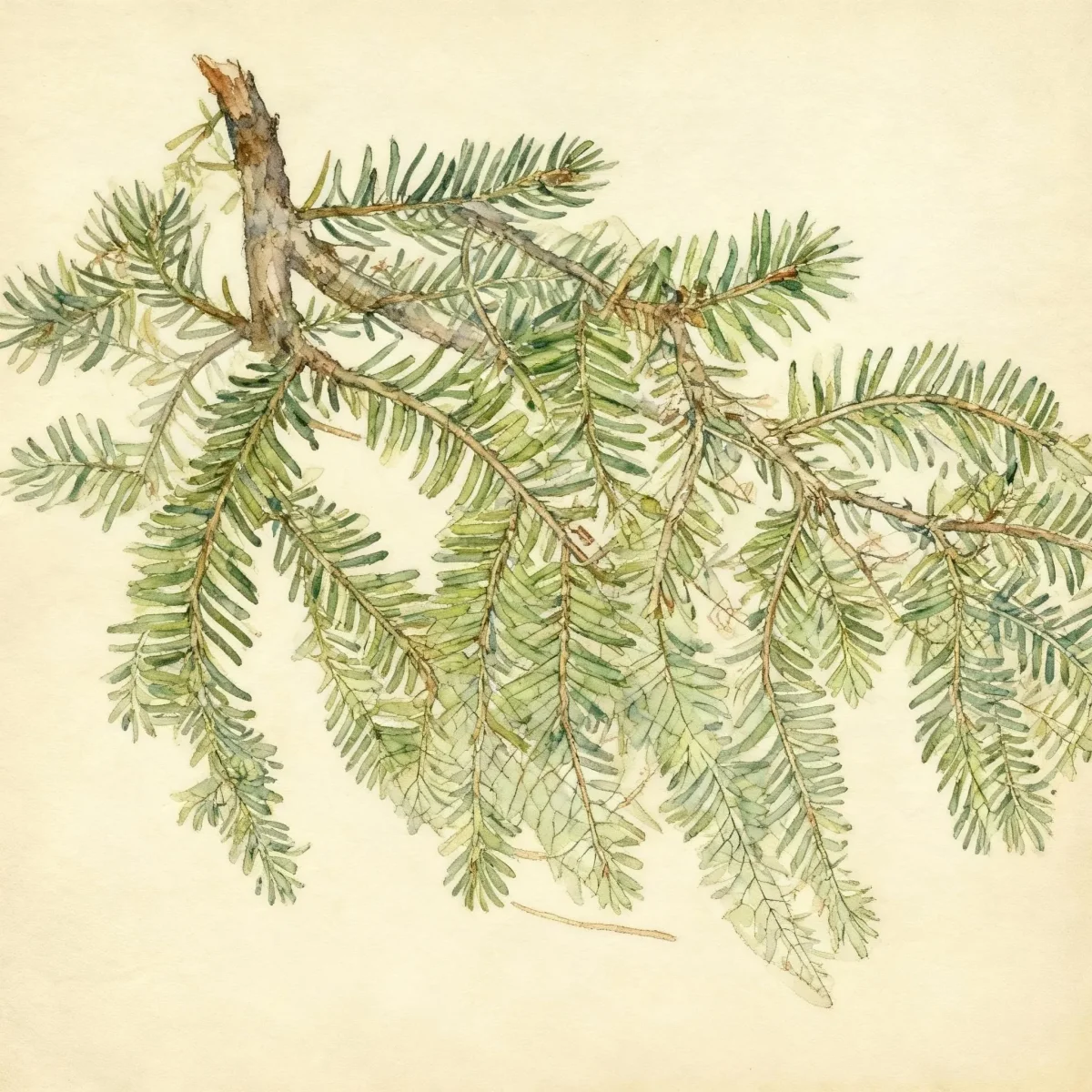
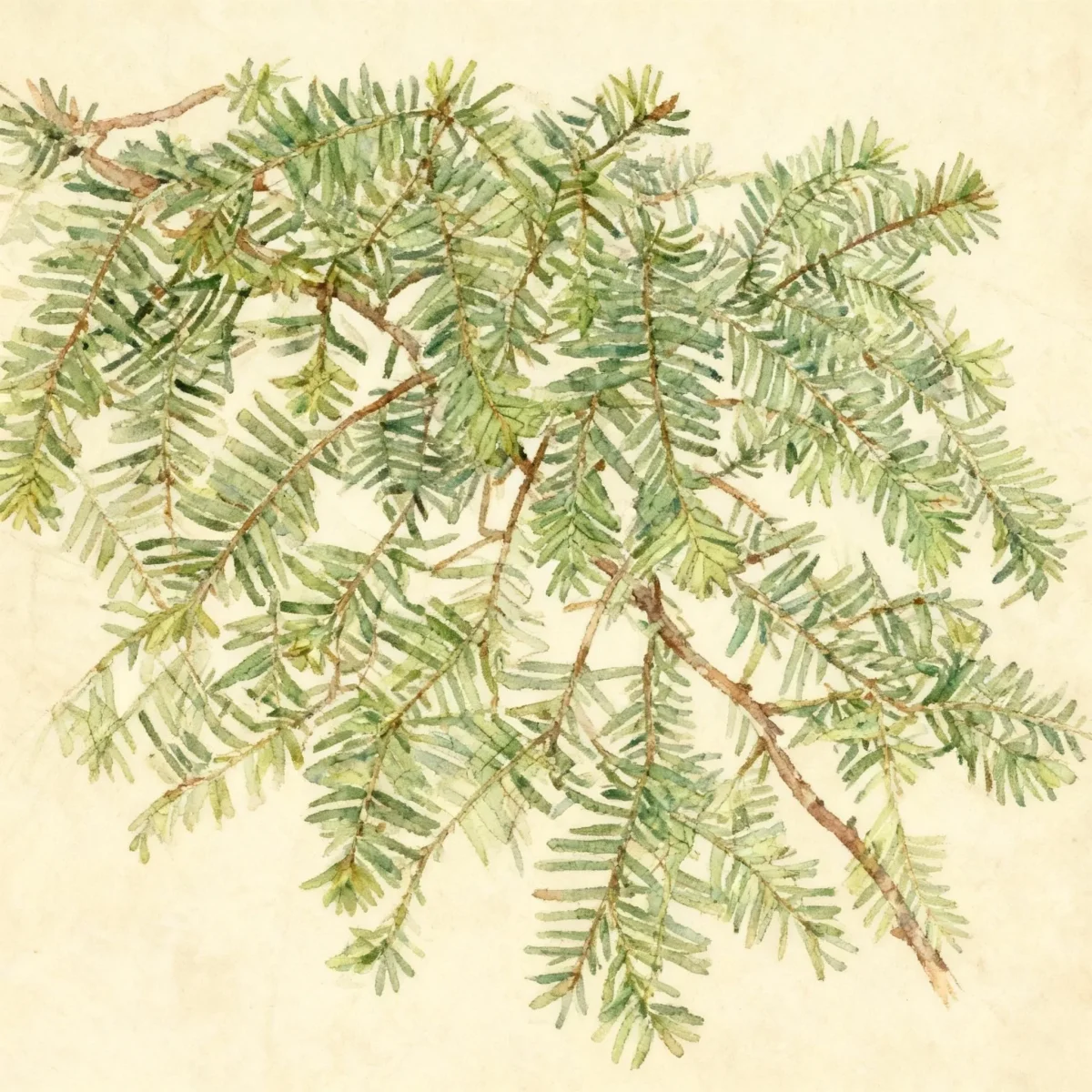
The species Tsuga canadensis is famous for its graceful form defined by flat sprays of lacy, short dark green needles featuring two white bands underneath. While wild types grow massive, the ‘Bennett’ cultivar is compact, typically reaching only 3-5 feet high and forming a gracefully spreading mound. Its small, pendant brown cones add subtle winter interest to this attractive slow-growing conifer.
Tolerances
- Deer
- Heavy Shade
- Black Walnut
Potential Problems
While Tsuga canadensis ‘Bennett’ is generally resilient when sited correctly, vigilance is required against pests and environmental stress. The primary concern currently facing all Eastern hemlocks is the Hemlock Woolly Adelgid (HWA), a devastating sap-sucking insect that can quickly kill mature trees. Regular inspection of twigs, especially where needles meet the branch, is crucial for early detection.
Foliage may suffer scorch if exposed to prolonged, intense heat, especially south of Zone 6. To prevent drought-related fatalities, especially in young plants, ensure deep, regular watering during dry periods. Healthy plants in the proper environment have few disease issues, but be aware of potential needle blights or cankers.
If HWA is detected, treatment often requires systemic pesticides containing active ingredients like imidacloprid or dinotefuran applied strategically. For cultural issues, improve drainage and provide winter mulch to buffer soil temperatures and retain essential moisture for your Canadian hemlock.
Frequently Asked Questions
What hardiness zones is Canadian hemlock suitable for?
Tsuga canadensis ‘Bennett’ is adaptable across USDA Zones 3 through 7.
How large does Tsuga canadensis ‘Bennett’ grow?
This cultivar typically reaches a height between 3 and 5 feet, with a spread ranging from 4 to 6 feet.
What sun exposure does Canadian hemlock need?
This evergreen performs best in part shade to full shade conditions, disliking intense, hot afternoon sun.
When does Tsuga canadensis ‘Bennett’ bloom?
This plant is a conifer and is non-flowering.
Conclusion
The Tsuga canadensis ‘Bennett’ provides essential, fine-textured evergreen structure perfect for shaded borders, specimen placement, or foundation use in smaller properties. Its low maintenance and attractive, slow-growing habit make this Canadian hemlock a gardener favorite. Before planting, confirm your site receives adequate moisture and is situated within USDA Zones 3 to 7 to ensure long-term success.
Companion Planting
When selecting companions for Tsuga canadensis ‘Bennett’, focus on plants that share its preference for partial to deep shade and consistently moist, well-drained soils. Excellent partners include various Hosta cultivars, offering broad leaf contrast to the hemlock’s delicate needles. Ferns, such as Japanese Painted Fern (Athyrium niponicum) or Autumn Fern (Dryopteris erythrosora), complement the lacy texture beautifully while thriving in similar low-light settings.
Consider using broadleaf evergreens like Japanese Andromeda (Pieris japonica) if you have slightly more space, as they share a woodland aesthetic. For seasonal color beneath the canopy provided by taller trees above your Canadian hemlock, use shade-tolerant perennials like Astilbe or Bleeding Heart (Dicentra spectabilis). Ensuring all companions have medium water needs aligns perfectly with the requirements of Tsuga canadensis ‘Bennett’.
Design Ideas for Compact Evergreens
Utilizing compact evergreens like Tsuga canadensis ‘Bennett’ is crucial for maintaining formality in small spaces or ensuring clean lines in foundation planting. Due to its naturally spreading mound habit, it works exceptionally well cascading slightly over retaining walls or the edges of stone pathways, creating a soft transition zone. Use groupings of three or five for a drifting effect in a woodland border, providing continuity year-round.
This cultivar is also highly effective when used in mixed evergreen screens, particularly when paired with broader needled evergreens or upright forms of spreading juniper where texture contrast is desired. Because its growth is slow and controlled (3-6 inches annually), it rarely outgrows its designated spot quickly, reducing the need for constant shearing. The elegant form of this Canadian hemlock lends itself well to Asian-inspired garden designs that emphasize subtlety and texture.