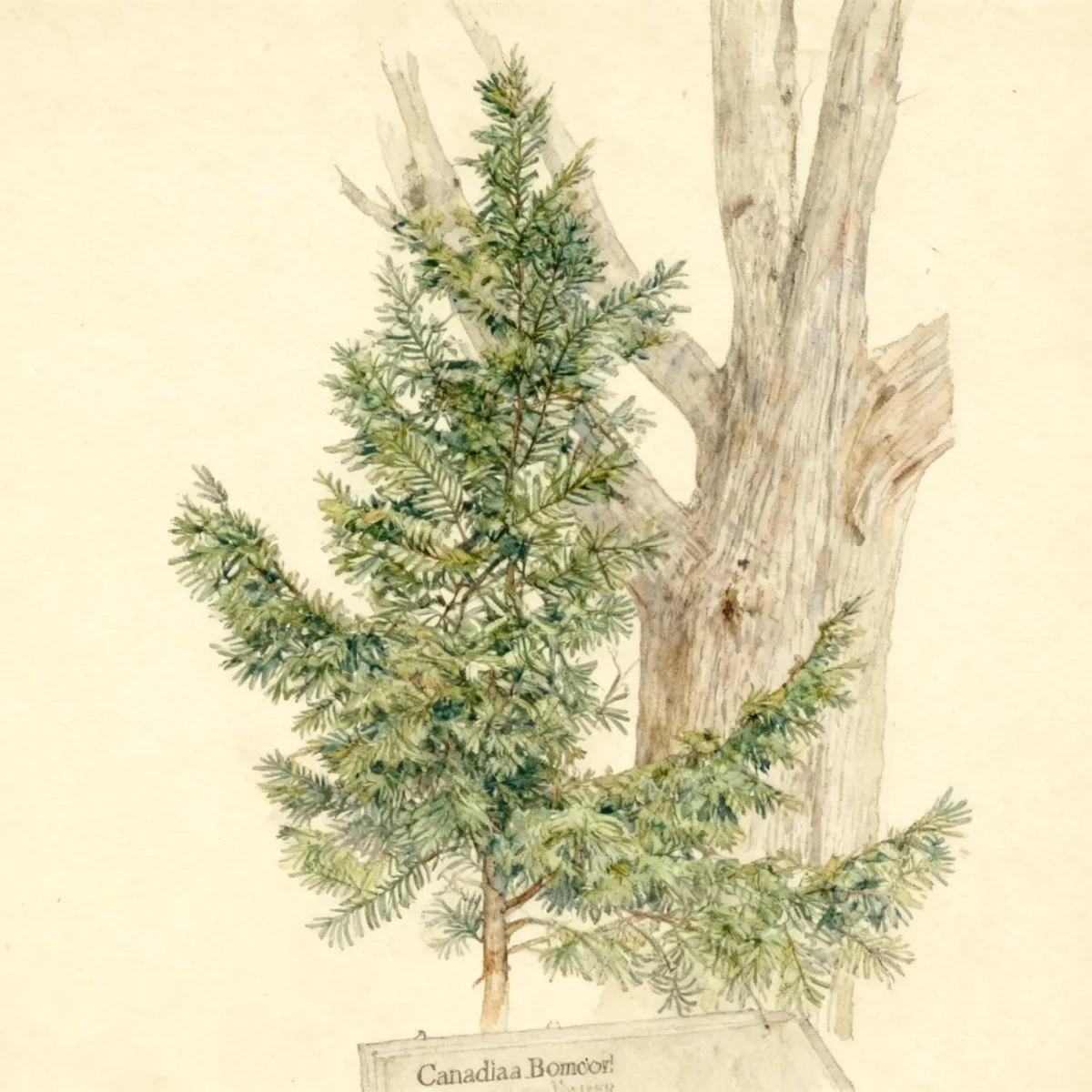
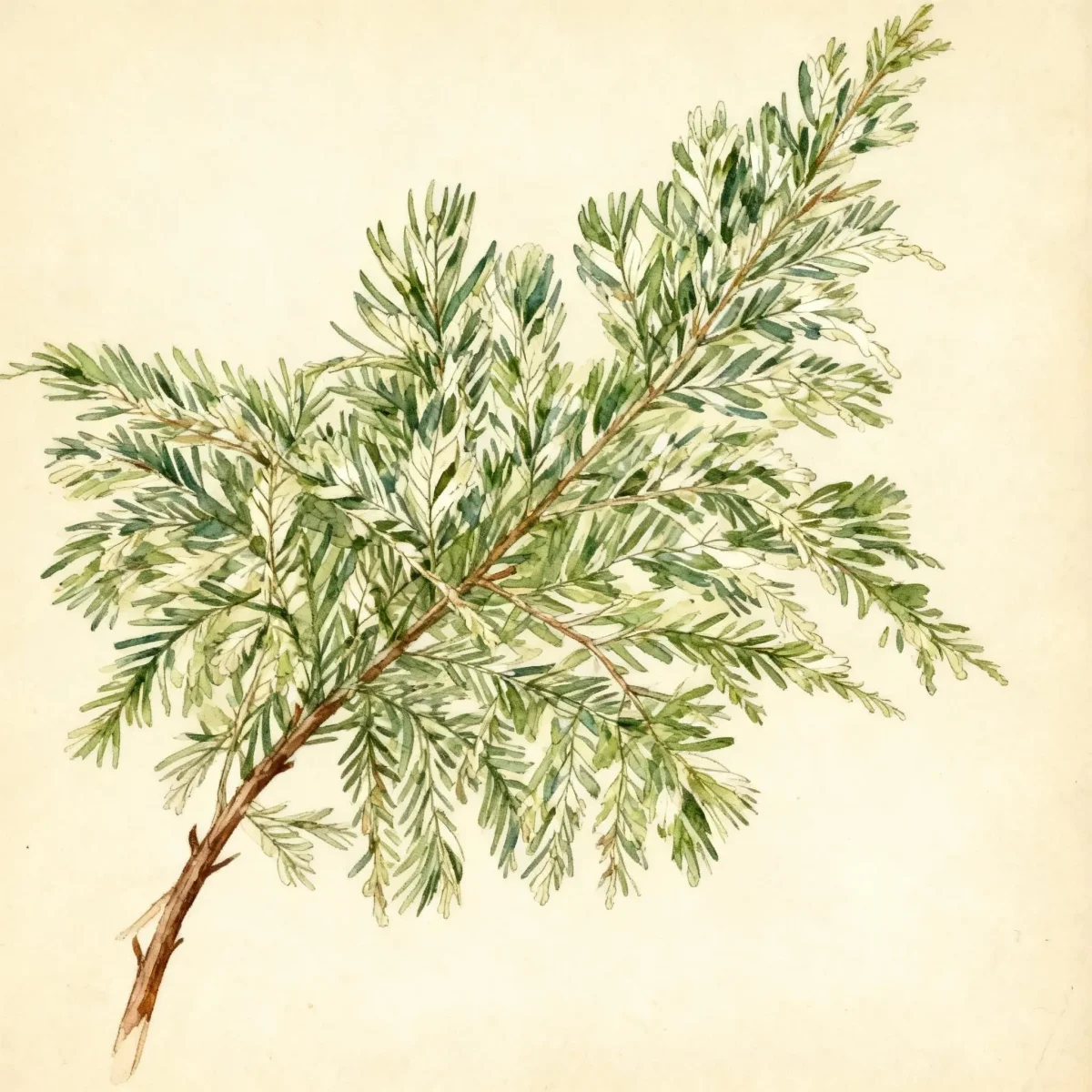
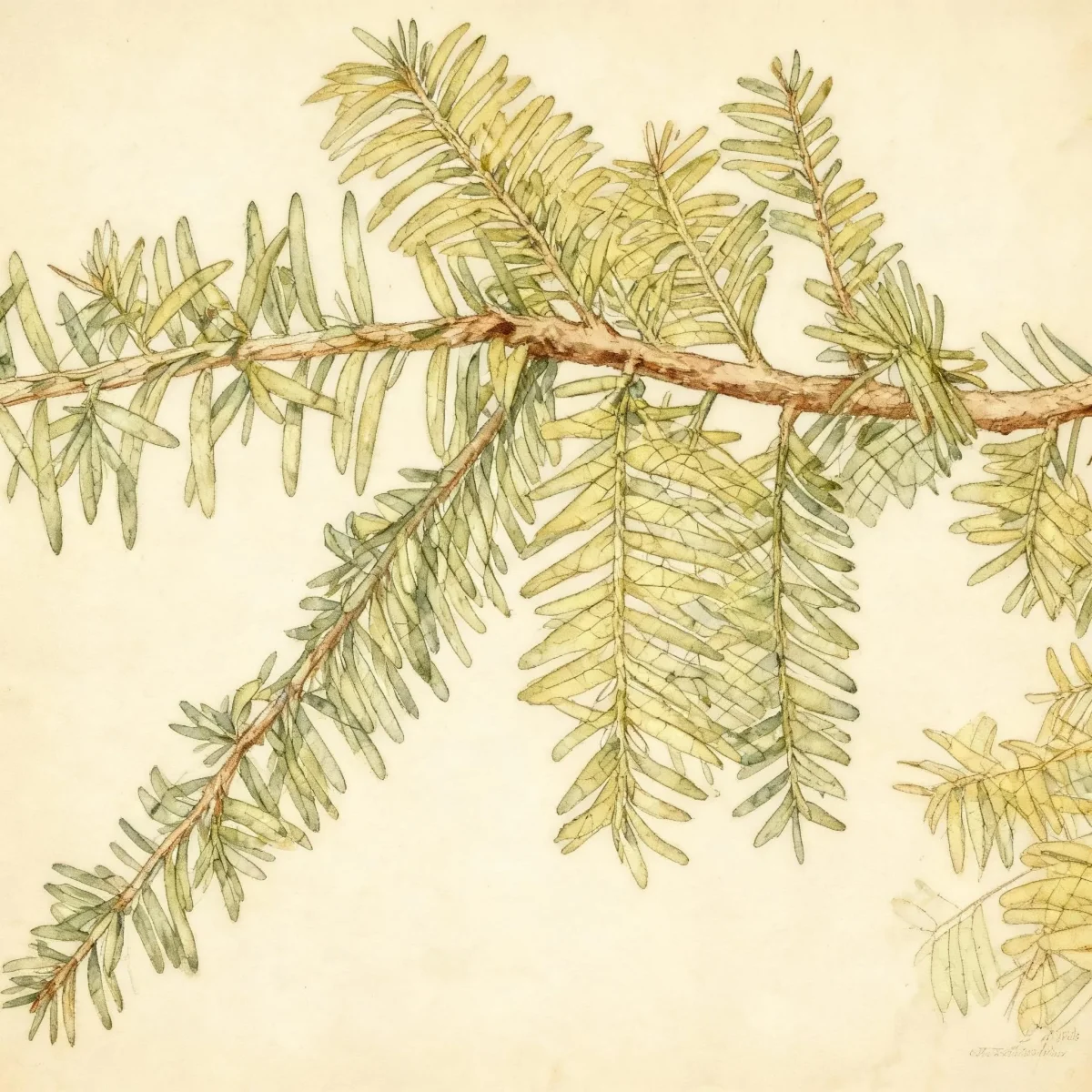
Canadian hemlock (Tsuga canadensis 'Cole's Prostrate')
Discover Tsuga canadensis 'Cole's Prostrate', a dwarf, prostrate Canadian hemlock perfect for ground cover in deep shade. Low maintenance and deer resistant.
Scroll down to discover growing tips, care requirements, companion plants, and more
Complete Plant Information
Overview
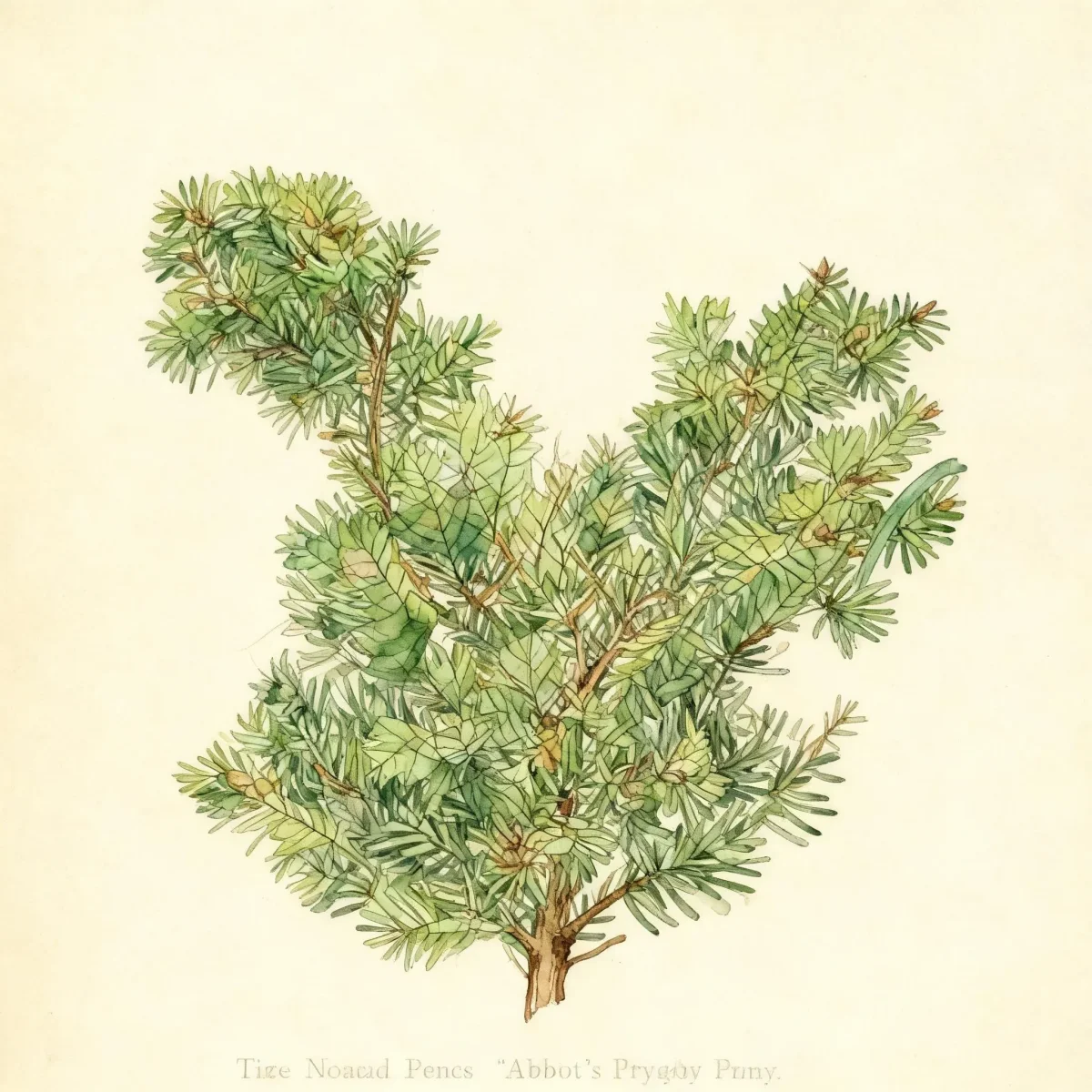
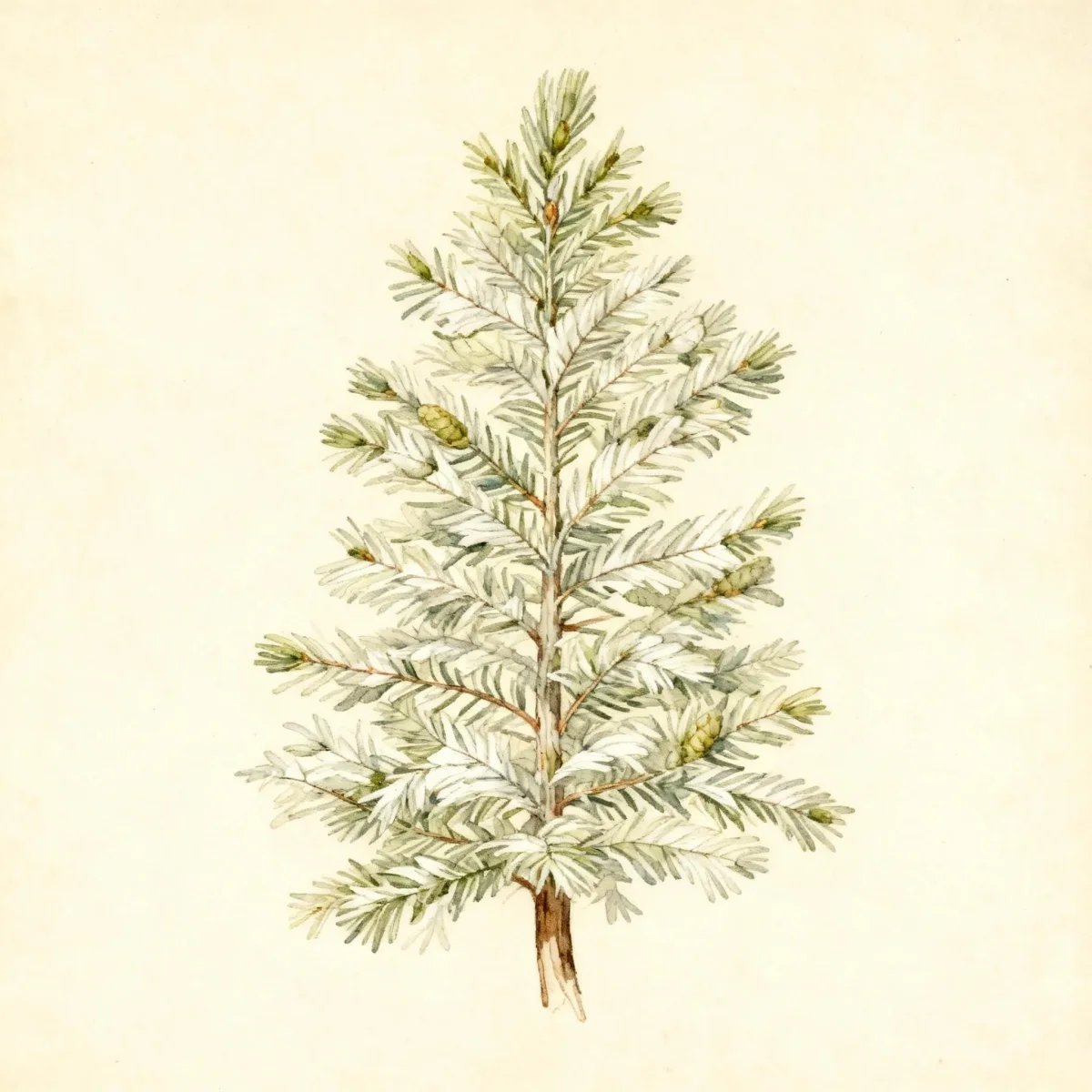
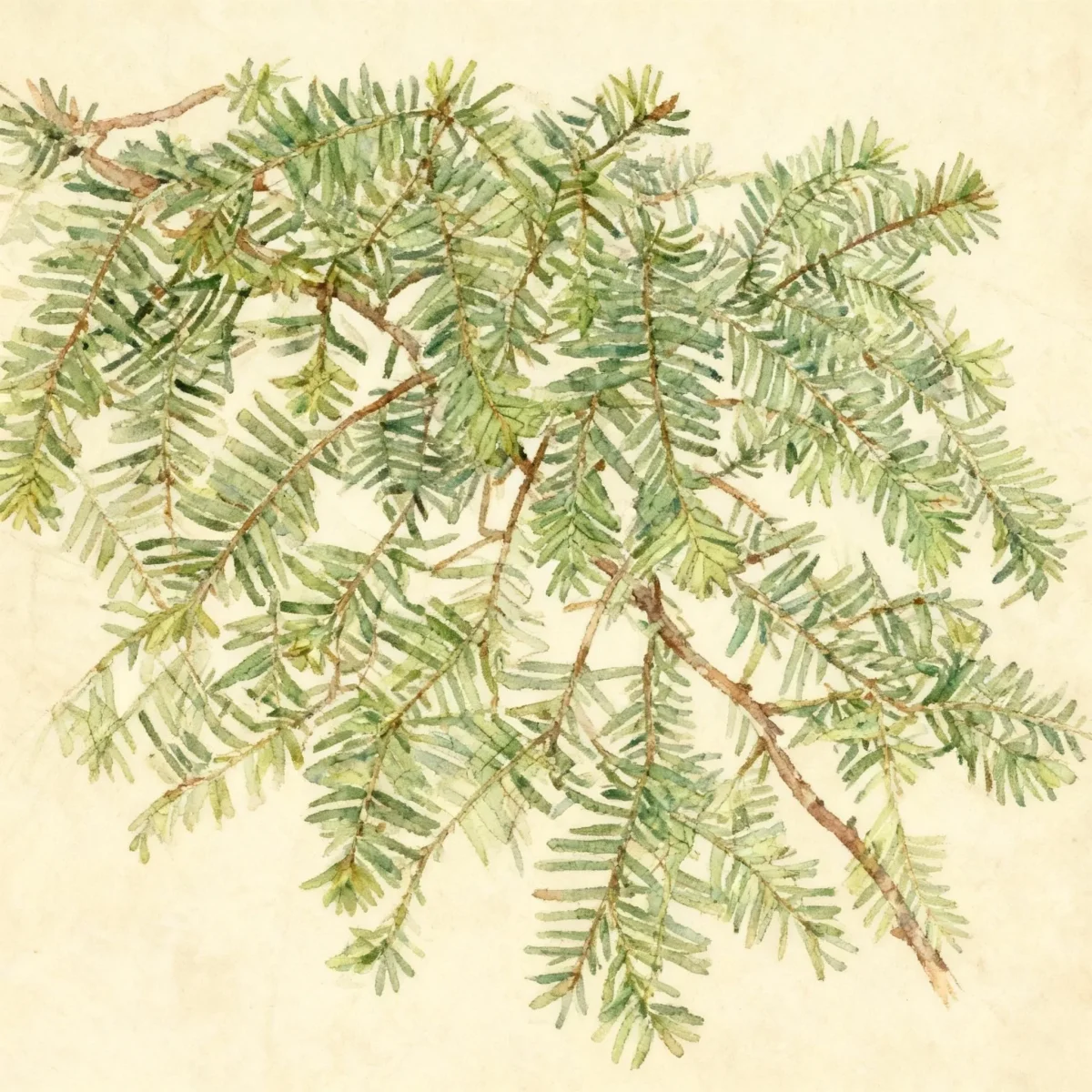
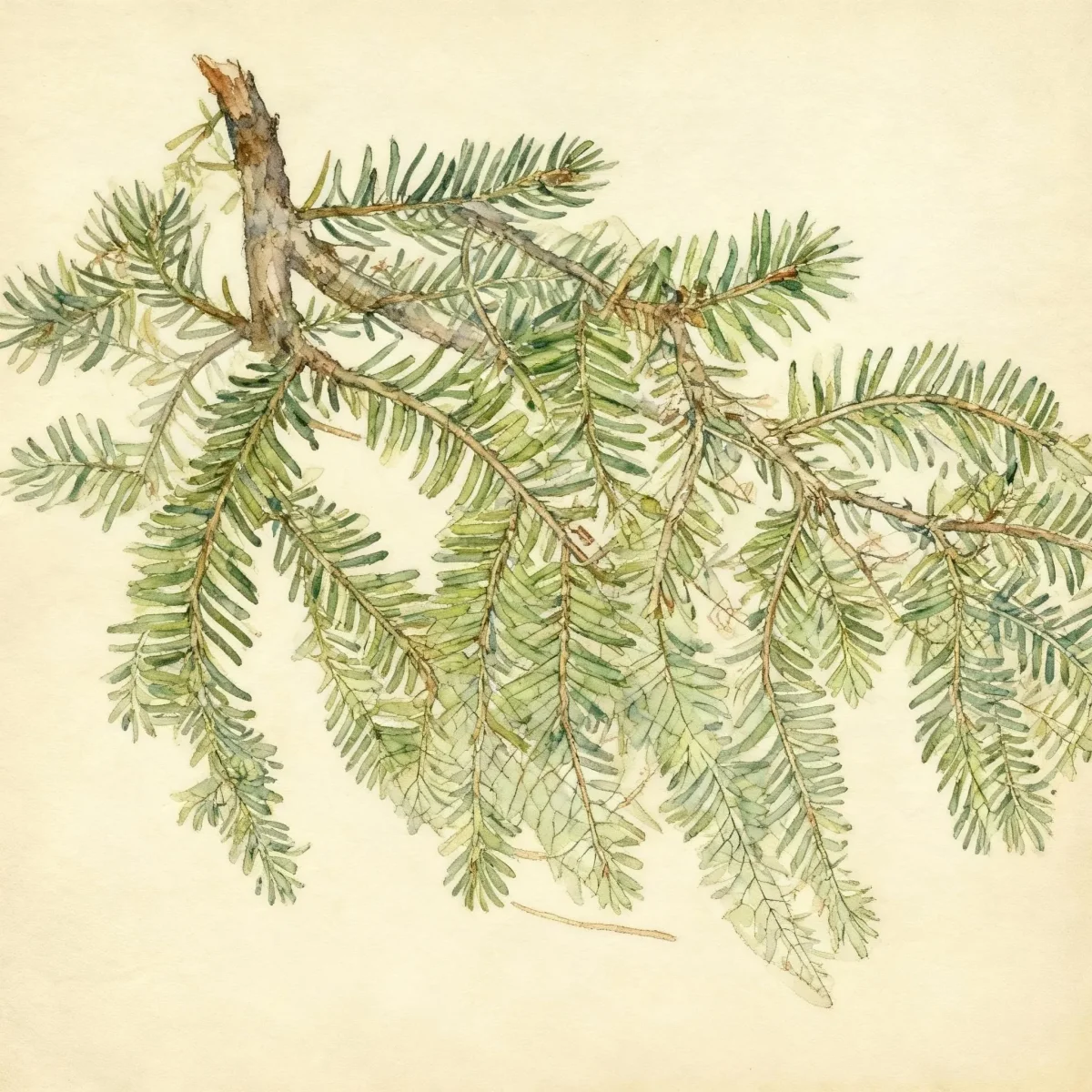
Tsuga canadensis ‘Cole’s Prostrate’ is a remarkable, low-growing cultivar of the Eastern or Canadian hemlock, cherished for its dense, spreading habit ideal for ground cover applications. Unlike its towering woodland relatives, this selection spreads flat across the ground, offering year-round textural interest with its dark green, lacy foliage atop contrasting silver-white branch bark. As a slow-growing, dwarf prostrate form, it provides excellent coverage, creeping over slopes and rocks slowly establishing as a living mulch.
This needled evergreen brings the graceful appearance of the venerable Canadian hemlock to smaller gardens or shaded foundation plantings where conventional conifers would overwhelm the space. Tsuga canadensis ‘Cole’s Prostrate’ thrives in shaded environments, demonstrating excellent performance where many other evergreens struggle due to insufficient light. Its low stature, typically reaching only 1 foot high but spreading 2-4 feet wide, makes it a functional and aesthetically pleasing choice for shaded borders.
Gardening success with Tsuga canadensis ‘Cole’s Prostrate’ relies on providing consistent moisture and protection from the harshest elements. While it carries the prestige of the Eastern hemlock, this cultivar offers a unique mat-forming texture perfect for stabilizing banks or softening hardscape edges, all while requiring surprisingly little intervention once established.
Fast Facts
- Plant Family: Pinaceae
- Plant Type: Needled evergreen
- Hardiness Zones: USDA Zones 3-7
- Size at Maturity:
- Height: 0.5-1 ft
- Spread: 2-4 ft
- Bloom Time: Non-flowering
- Bloom Description: Non-flowering
- Sun Exposure: Part shade to full shade
- Water Needs: Medium
- Maintenance Level: Low
How to Grow
Planting Tsuga canadensis ‘Cole’s Prostrate’ is best executed in spring or early fall, ensuring the root ball establishes before temperature extremes. Locate this gem where it receives part shade; while it can tolerate full shade, morning sun is appreciated if the climate is cool. It demands average, medium moisture, well-drained soils, as it is intolerant of drought and dislikes wet, soggy conditions.
Consistent care revolves around hydration, especially during their initial years and throughout every prolonged dry spell. Water regularly until the spreading ground cover is fully established. Although it is low maintenance, appreciate that the Canadian hemlock dislikes the intense heat and humidity common south of USDA Zone 6, which can lead to foliage scorch.
For optimal winter protection, especially in colder zones, apply a thick layer of mulch annually. Pruning is generally not required due to its slow, ground-hugging nature, though any dead or damaged branches should be clipped out as needed. Generally, this plant appreciates sheltered sites away from strong, drying winds.
Landscape Uses
The primary strength of Tsuga canadensis ‘Cole’s Prostrate’ lies in its utility as an evergreen ground cover for problematic, shadowed sections of the garden. Its weeping mats beautifully edge down slopes, effectively controlling erosion where grass struggles to establish. Use this variety to soften the harsh lines of retaining walls or creep over large rocks in shaded rock gardens.
This low-growing Canadian hemlock pairs exceptionally well with woodland-style plantings. Consider placing it under taller, established trees or alongside shade-loving perennials like Hosta or Ferns that appreciate similar moisture levels and filtered light. The textural contrast between the fine needles of the hemlock and broader leaves of companion plants creates year-round visual interest.
For foundation plantings, Tsuga canadensis ‘Cole’s Prostrate’ offers a neat, evergreen skirt that requires minimal trimming. Furthermore, its compact size makes it an interesting specimen for outdoor bonsai enthusiasts seeking hardy evergreen material from the Pinaceae family.
Standout Features
Noteworthy Characteristics
The parental species, Tsuga canadensis, is famed for being a dense, pyramidal conifer featuring lacy evergreen sprays of foliage, but the specific cultivar ‘Cole’s Prostrate’ is a slow-growing, dwarf prostrate form typically used as a ground cover that spreads flat across the ground. Over time, this habit can sometimes expose bare branches in the center, contrasting vividly with its dark green needles. This plant offers year-round structure perfect for softening landscape edges or cascading over retaining walls.
Tolerances
- Deer
- Heavy Shade
- Black Walnut
Potential Problems
A healthy Tsuga canadensis ‘Cole’s Prostrate’ generally faces few issues if sited correctly. Watch for standard conifer diseases like needle blight, canker, and various rusts. Common insect pests include borers, bagworms, sawfly, and spider mites, requiring vigilance, particularly in stressed plants.
The most significant threat to Eastern hemlocks across the region is the Hemlock Woolly Adelgid (HWA). This tiny, sap-sucking insect can be devastating to native populations, so inspect new plantings carefully for the telltale white, cottony masses, especially on the undersides of branches near the twig bases.
Management involves prompt action; if HWA is found, consult local extension services for appropriate systemic pesticide treatments containing active ingredients like imidacloprid or dinotefuran. Additionally, avoid prolonged drought, as this stress significantly weakens the plant and increases its susceptibility to pests and sun scald damage during hot weather.
Frequently Asked Questions
What hardiness zones is Canadian hemlock suitable for?
Tsuga canadensis ‘Cole’s Prostrate’ is reliably hardy across USDA Zones 3 through 7, lending adaptability across much of North America.
How large does Tsuga canadensis ‘Cole’s Prostrate’ grow?
This dwarf variety maintains a very low profile, typically reaching only 0.5 to 1 foot in height while spreading significantly wider, usually between 2 and 4 feet in spread after several years.
What sun exposure does the Canadian hemlock need?
This cultivar prefers part shade to full shade, thriving best when shielded from intense, hot afternoon sun, though it can manage some light in cooler northern climates.
When does Tsuga canadensis ‘Cole’s Prostrate’ bloom?
This plant is a needled evergreen and is non-flowering, producing small, inconspicuous cones instead of showy blooms.
Conclusion
Tsuga canadensis ‘Cole’s Prostrate’ provides vital, low-maintenance evergreen coverage perfect for shaded expanses where standard ground covers wither. The unique spreading habit and graceful foliage of this Canadian hemlock make it an indispensable texture provider in woodland or foundation plantings. Assess your site’s light and moisture levels, and introduce this slow-growing conifer early in the season to maximize establishment before winter sets in.
Companion Planting
Selecting appropriate neighbors is crucial for maintaining the health and aesthetic appeal of Tsuga canadensis ‘Cole’s Prostrate’. Since this hemlock thrives in consistent moisture and shade, focus on other woodland understory plants. Hostas, especially those with blue or variegated foliage, provide excellent large-leaf contrast to the fine texture of the hemlock needles.
Ferns are ideal companions, particularly Dryopteris (Wood Ferns) or Athyrium (Japanese Painted Ferns), as they share the requirement for well-drained, humus-rich soil and filtered light. Avoid placing it near thirsty, shallow-rooted plants that might compete aggressively for medium water resources during dry periods.
Seasonal Care Calendar
Spring is the ideal time for a light application of balanced fertilizer if growth seems sluggish, although low maintenance is expected. Begin monitoring for signs of stress, particularly dried foliage, indicating insufficient water supply during the transition out of winter dormancy.
Summer care centers entirely on providing even moisture; check soil conditions weekly during heat waves and water deeply if the top few inches become dry. Remember that Tsuga canadensis ‘Cole’s Prostrate’ resents exposure to temperatures consistently above 95°F, especially when combined with sun and drought.
In autumn, clean up any debris that collects on the spreading mats, ensuring good air circulation around the foliage, which helps mitigate fungal issues. Before the ground freezes, apply a generous layer of mulch (2-3 inches deep) around the base to insulate the shallow root system against harsh winter freeze-thaw cycles.