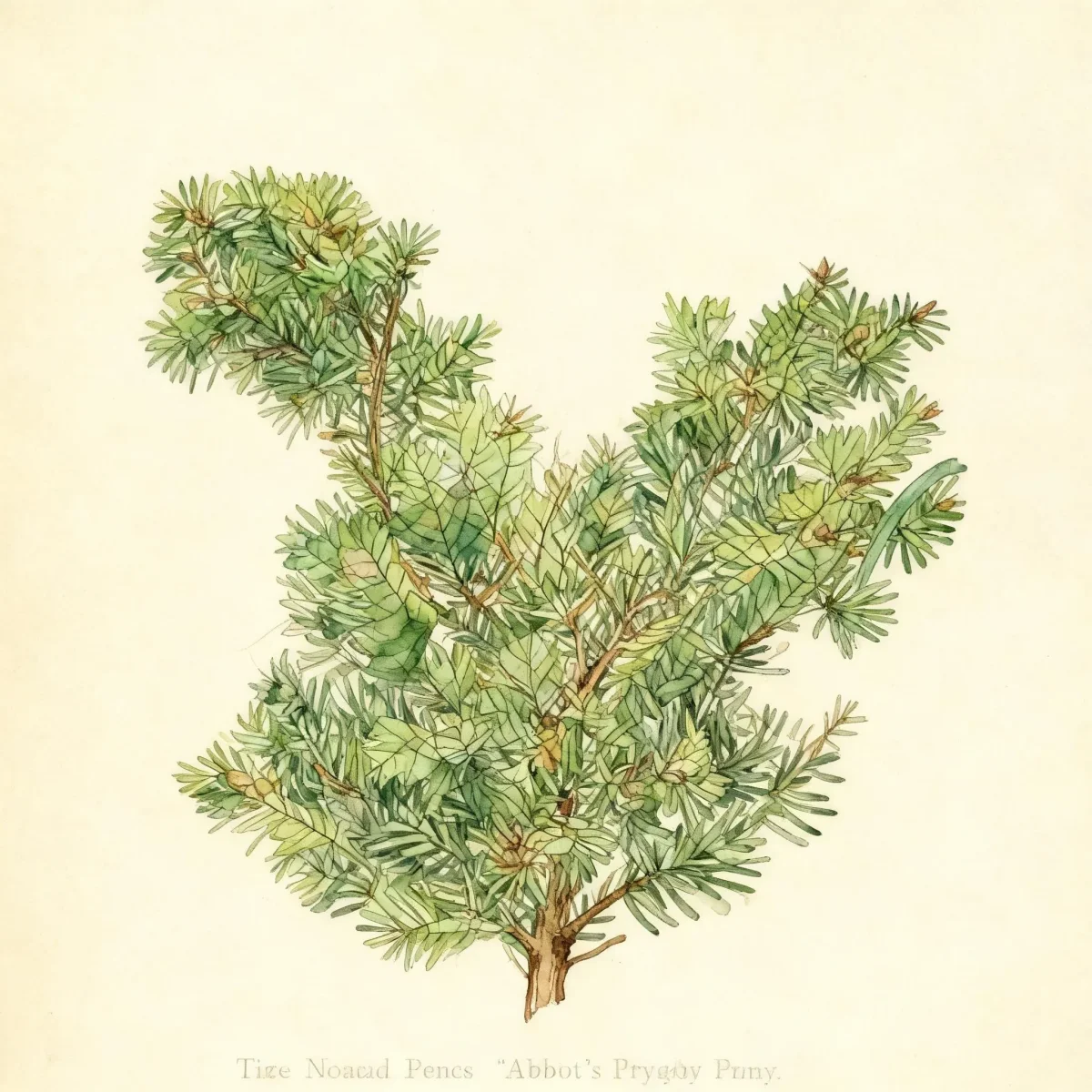
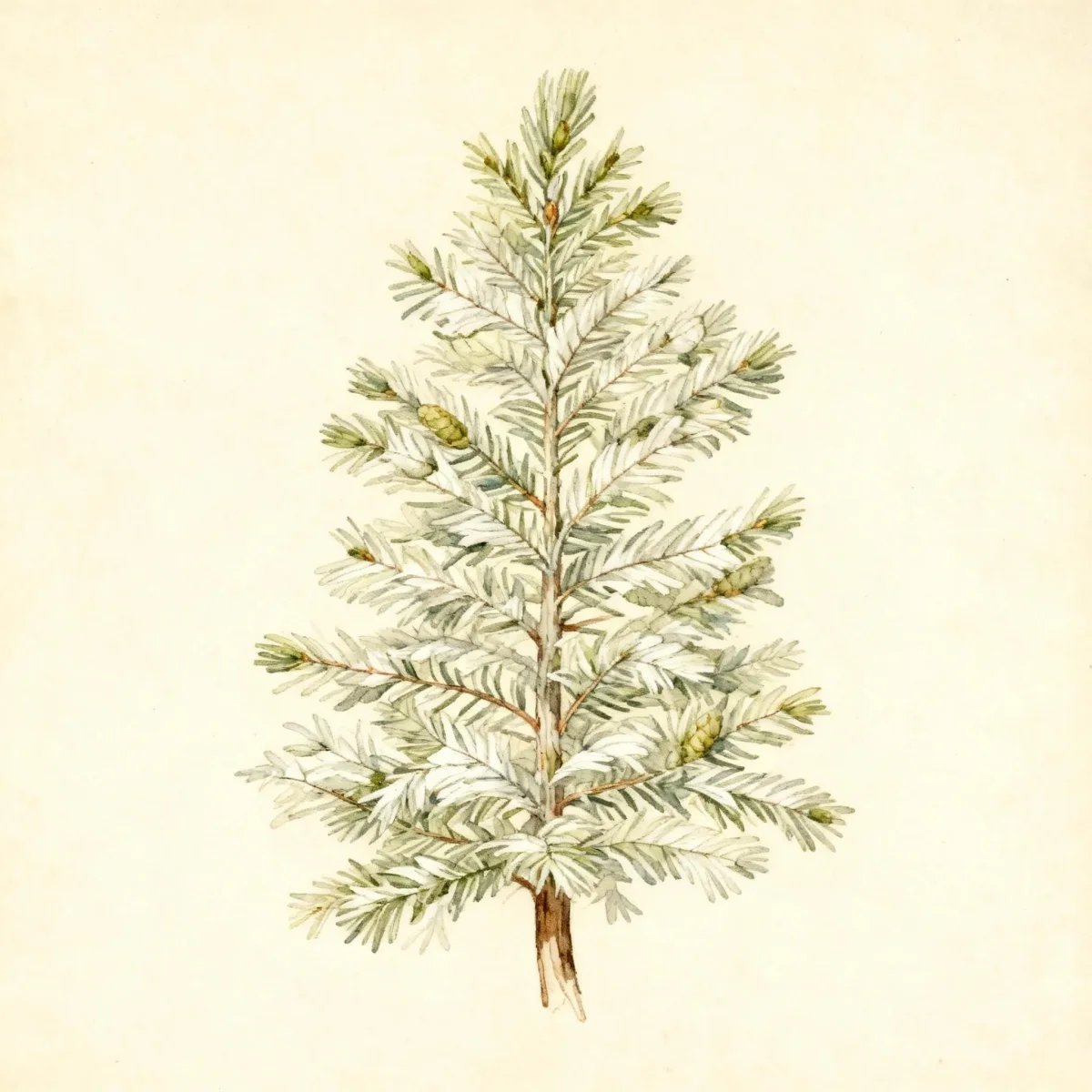
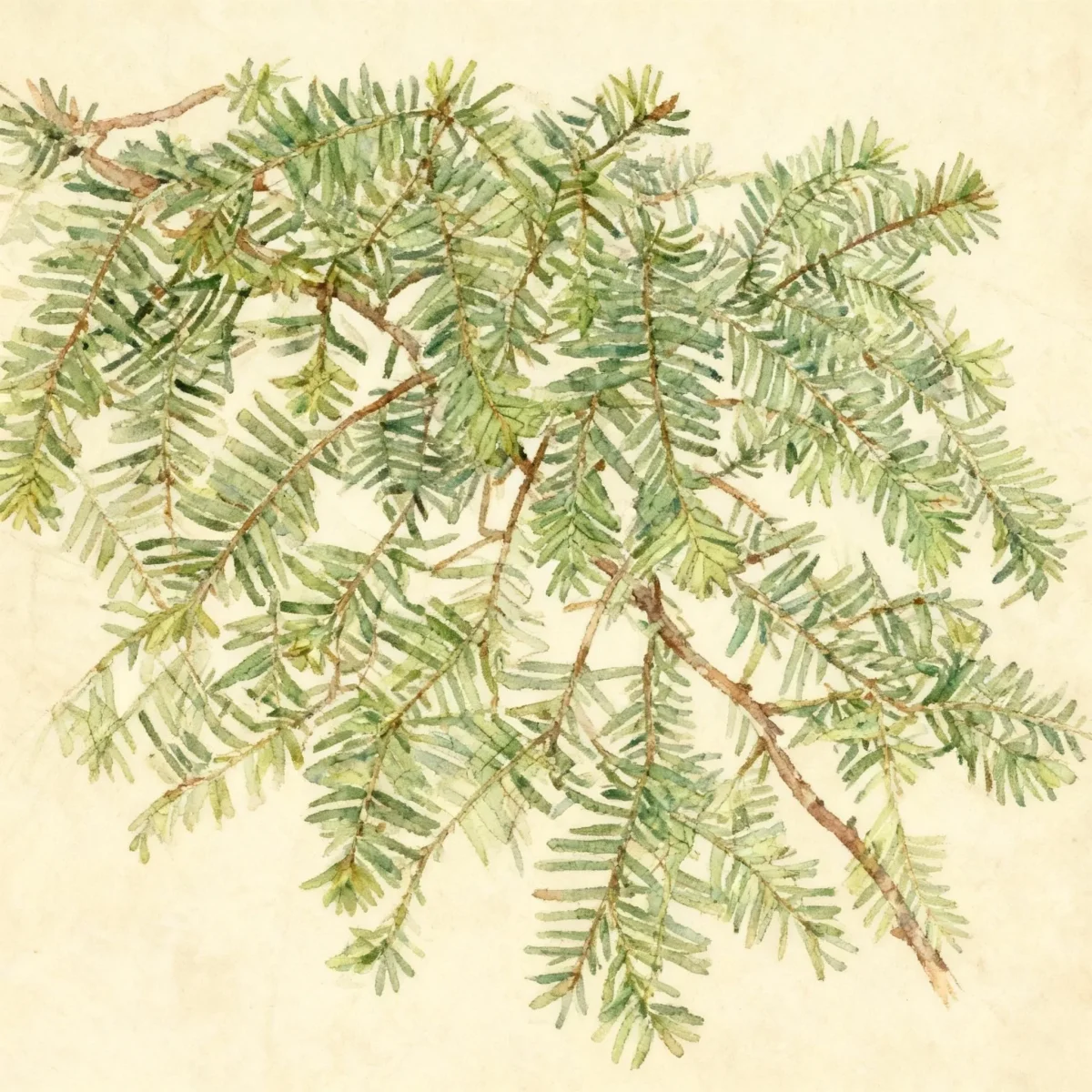
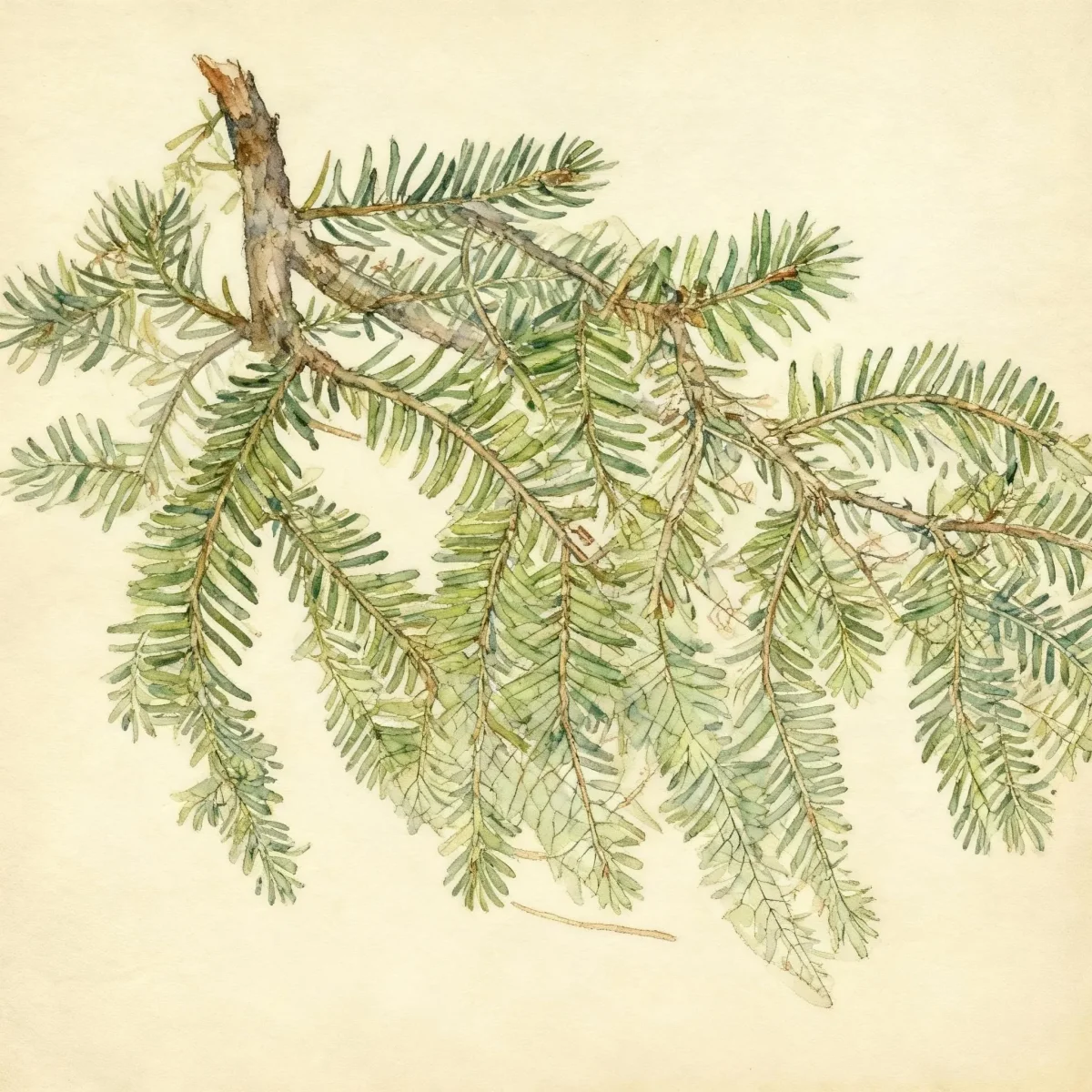
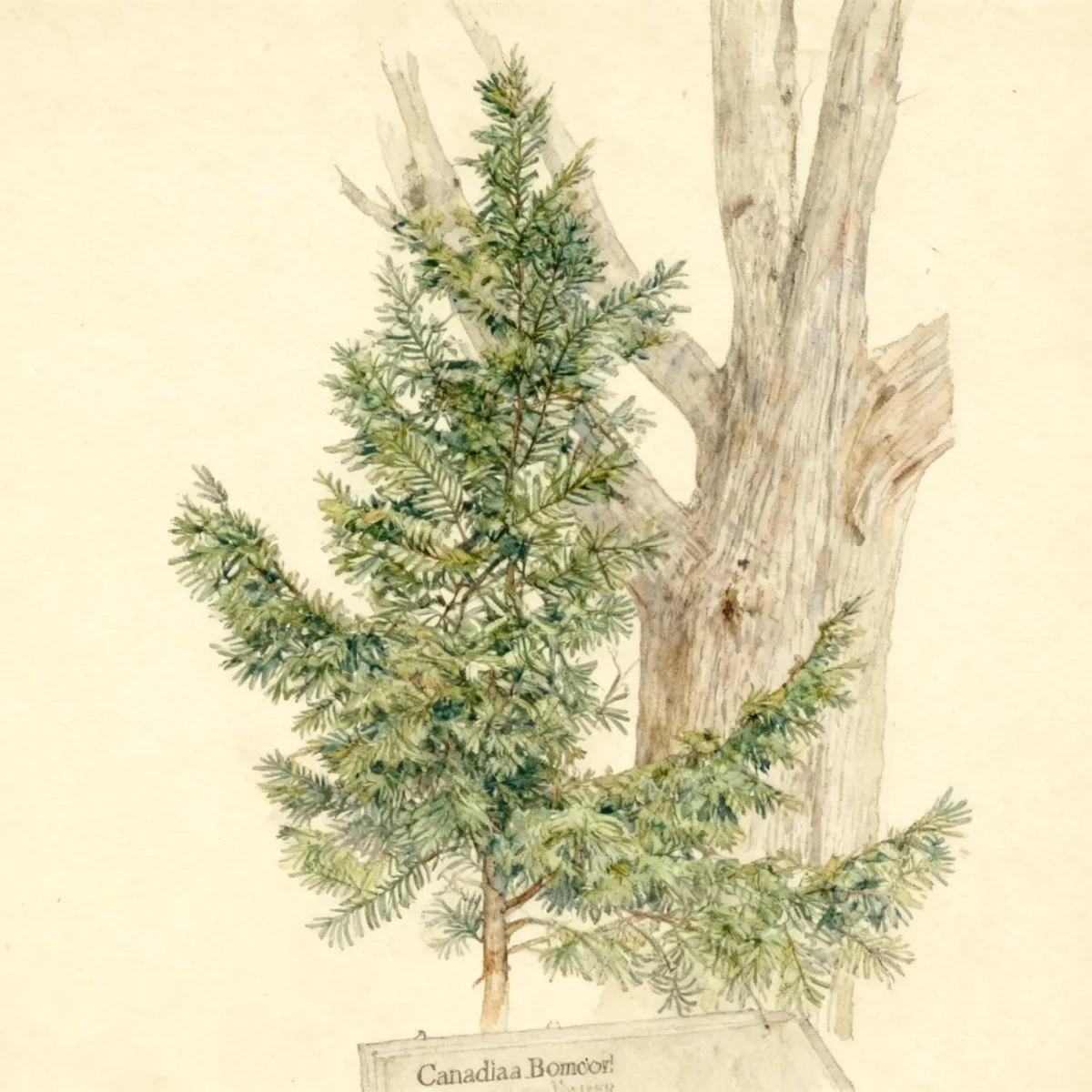
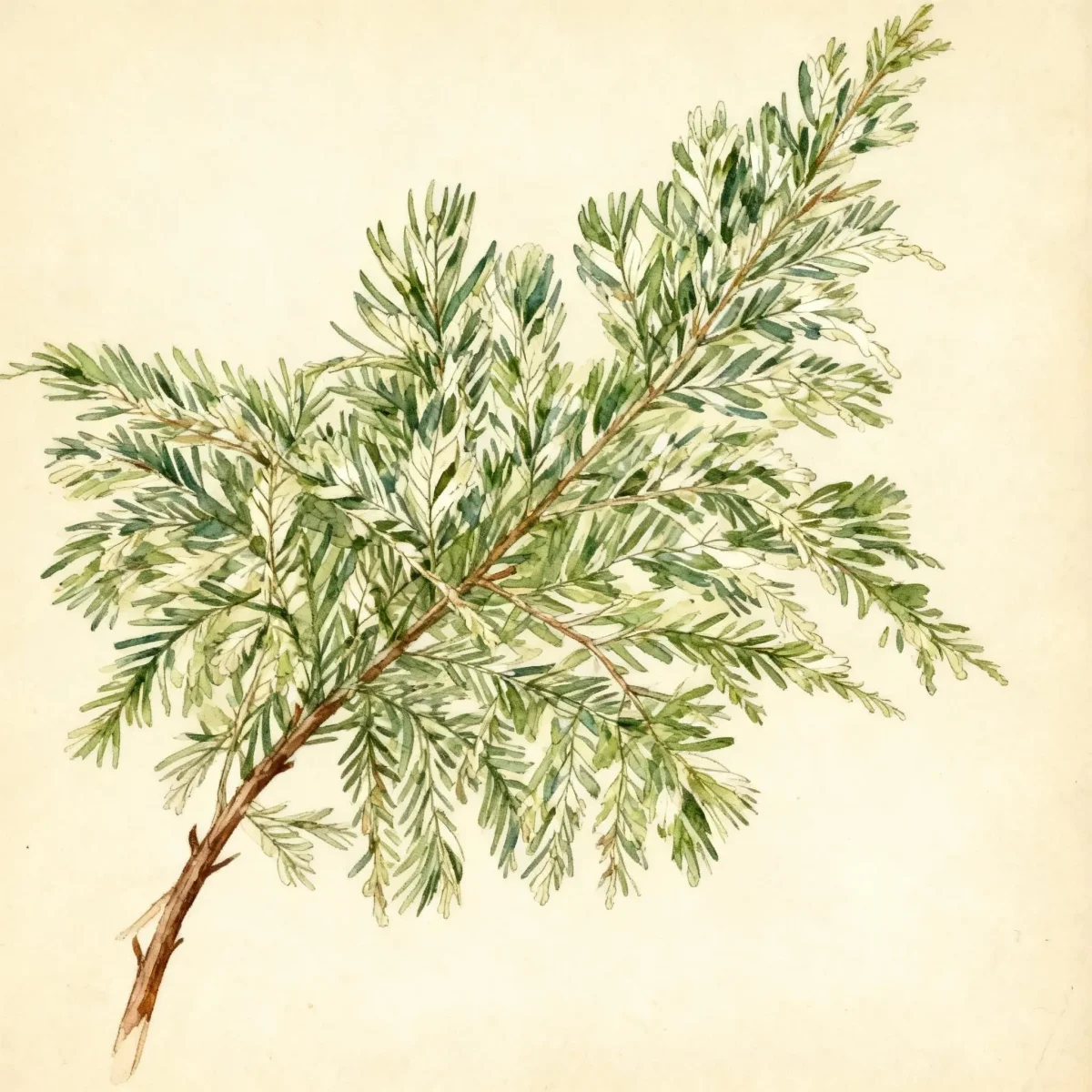
Canadian hemlock (Tsuga canadensis 'Curley')
Dwarf conifer Tsuga canadensis 'Curley' features unique curling dark green needles. Ideal for shaded, smaller landscapes in zones 4-7.
Scroll down to discover growing tips, care requirements, companion plants, and more
Complete Plant Information
Overview
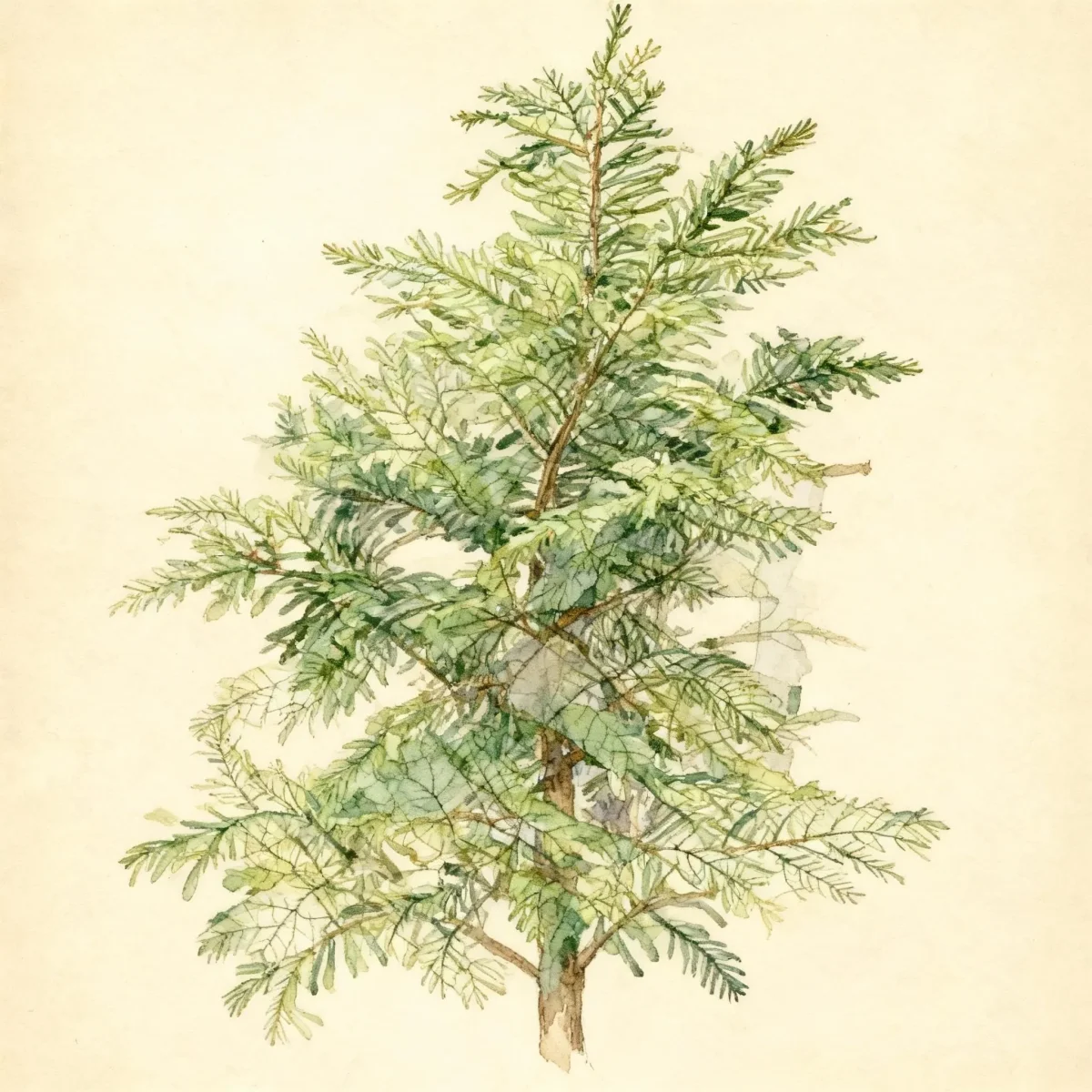
Tsuga canadensis ‘Curley’, known commonly as Canadian hemlock, is a captivating dwarf cultivar valued for its uniquely textured foliage that curls around the stems. This slow-growing conifer maintains a dense, upright habit, making it an excellent focal point in smaller garden settings where space is limited. The dark green needles provide year-round structure and visual interest.
As a variety of the Eastern hemlock, this cultivar offers the same graceful, lacy appearance but in a compact package, typically reaching only 3 to 5 feet tall. It thrives when protected from harsh, drying exposures, preferring the cool, dappled light found beneath taller trees or on the north side of structures. Gardeners appreciate the low maintenance requirements of the Canadian hemlock once established in the correct cool, moist environment.
The appeal of Tsuga canadensis ‘Curley’ lies in its delicate yet resilient nature, providing evergreen texture without overpowering the landscape. It offers significant value for foundation plantings or rock gardens, introducing the classic beauty of the native Canadian hemlock into restricted spaces. Ensure proper siting to mitigate summer stress and enjoy its unique characteristics for years to come.
Fast Facts
- Plant Family: Pinaceae
- Plant Type: Needled evergreen
- Hardiness Zones: USDA Zones 4-7
- Size at Maturity:
- Height: 3-5 ft
- Spread: 2-4 ft
- Bloom Time: Non-flowering
- Bloom Description: Non-flowering
- Sun Exposure: Part shade to full shade
- Water Needs: Medium
- Maintenance Level: Low
How to Grow
Planting the Canadian hemlock is best done in spring or fall when temperatures are moderate, ensuring the root ball establishes before seasonal extremes arrive. This evergreen performs optimally in average, medium-moisture, well-drained soils. Site Tsuga canadensis ‘Curley’ where it receives part shade, particularly protected locations shielded from intense drying winds and hot, direct afternoon sun exposure.
Consistent moisture is key to success; the plant is intolerant of drought and requires regular watering, especially during dry spells or when young. While it can tolerate full sun in cooler northern climates, gardeners in warmer regions (south of Zone 6) must provide afternoon shade to prevent sun scald damage if temperatures consistently exceed 95 degrees F. Fertilization is rarely necessary, as low-maintenance evergreens thrive on neglect, provided the soil is adequate.
As winter approaches, apply a thick layer of mulch around the base of your Tsuga canadensis ‘Curley’. This helps regulate soil temperature and retains moisture, protecting the shallow roots from freeze-thaw cycles. Pruning requirements are minimal due to its slow, dwarf nature, usually only requiring light trimming to maintain its desired shape or remove any damaged wood.
Landscape Uses
The compact nature of Tsuga canadensis ‘Curley’ makes it an exceptional dwarf accent or specimen plant for smaller areas within the overall landscape design. Its slow growth rate ensures it will not quickly outgrow its intended space, offering dependable structure near entrances or as a low border component. Because of its tolerance for deep shade, it integrates beautifully into woodland settings where other evergreens might struggle.
Consider placing this unique cultivar near a walkway or patio where the fine texture and curling needles can be easily appreciated up close. It pairs well with broadleaf evergreens or deciduous shrubs that offer contrasting color or texture during the growing season. The ability of Canadian hemlock to handle shade also makes it a good companion for shade-loving perennials like hostas or ferns.
For a layered effect, plant Tsuga canadensis ‘Curley’ beneath the canopy of mature Eastern White Pine or deciduous trees. Its low profile provides a solid evergreen base without competing vertically for light, ensuring that the focal point remains the small, intriguing details of its foliage.
Noteworthy Characteristics
Tsuga canadensis, commonly called Canadian hemlock or eastern hemlock, is a dense, pyramidal conifer of the pine family that is native to moist woods, moist slopes, rocky hillsides/ridges, wooded ravines, and stream valleys from eastern Canada south to Maine and Wisconsin and further south in the Appalachian Mountains to Georgia and Alabama. Flat sprays of lacy evergreen foliage give this tree a graceful form, noted for having the smallest needles and cones in the genus. The cultivar ‘Curly’ maintains this aesthetic with dark green needles that uniquely curl around the stems, growing slowly to about 3 feet tall and wide over its first decade.
Tolerances
- Deer
- Heavy Shade
- Black Walnut
Potential Problems
A generally robust plant, healthy Canadian hemlock specimens in appropriate spots rarely face issues, though vigilance against pests and environmental stress is necessary. Potential cultural problems include foliage scorching in intense heat or fatal damage from prolonged drought, emphasizing the need for consistent medium watering. Disease risks include needle blight, canker, rusts, and various rots that often signal poor drainage or excessively wet conditions.
Insect pests common to the genus include borers, sawflies, spider mites, and leaf miners, all capable of defoliating parts of the plant if left unchecked. The most significant current threat to Eastern hemlocks nationwide is the minute Hemlock Woolly Adelgid (HWA), a sap-sucking insect that severely damages or kills trees, particularly older growth.
Prevention is better than cure; ensure excellent drainage and water deeply during dry periods. If HWA is known to be active in your region, inspect your Tsuga canadensis ‘Curley’ frequently for the tiny white woolly ovisacs near the base of the needles. Treatment options involving systemic pesticides are available but require careful application and monitoring to protect this valuable evergreen.
Frequently Asked Questions
What hardiness zones is Canadian hemlock suitable for?
Tsuga canadensis ‘Curley’ is well-suited for cultivation within USDA Hardiness Zones 4 through 7.
How large does Tsuga canadensis ‘Curley’ grow?
This dwarf cultivar typically reaches a mature height between 3 and 5 feet tall and spreads 2 to 4 feet wide.
When does Canadian hemlock bloom?
As a conifer, the Canadian hemlock is Non-flowering and does not produce ornamental blooms.
What sun exposure does Canadian hemlock need?
It thrives best when situated in part shade to full shade, necessitating protection from the hottest afternoon sun.
Conclusion
The Tsuga canadensis ‘Curley’ cultivar offers deciduous gardeners an invaluable source of year-round texture and deep green color in shaded areas. Its compact size and uniquely curling needles solidify its role as a premier specimen for small foundations or rock gardens. Before planting, confirm your site falls within USDA Zones 4-7 and plan its location away from intense, drying sun to ensure the longevity of this beautiful Canadian hemlock.
Companion Planting
Selecting appropriate neighbors is crucial for maximizing the health and aesthetic appeal of your Tsuga canadensis ‘Curley’. Since deep shade and medium moisture are required, look for companion plants that share similar cultural needs. Groundcovers that tolerate shade, such as various Epimedium or Vinca minor, work well beneath the canopy, helping to maintain cooler, more consistent soil temperatures around the hemlock’s roots.
For vertical contrast, pair the dense, dark green texture of the Canadian hemlock with plants that offer bright foliage or seasonal color when the hemlock remains static. Consider pairing it with Japanese Forest Grass (Hakonechloa macra) or lighter green hostas. These choices provide the visual relief necessary to highlight the fine texture of the Tsuga foliage.
Due to low maintenance needs, avoid rapid growers that might compete heavily for water or require high fertilization rates. The goal in pairing is symbiosis; ensuring that neighboring plants do not cast excessive shadow on the hemlock’s lower branches while still respecting its part-shade requirement.
Design Ideas for Dwarf Evergreens
Utilizing dwarf conifers like Tsuga canadensis ‘Curley’ shines in contemporary Asian-inspired or minimalist landscape designs where form and texture take precedence over mass color. Place one specimen strategically near a water feature or tucked into a Zen garden raked gravel area to create a lasting focal point that benefits from excellent drainage. Its restrained growth habit allows it to serve as natural “living sculpture.”
In mixed borders, employ this cultivar as a permanent anchor point, grounding more ephemeral flowering perennials. Because it tolerates deer, it serves well at the edges of naturalized areas or near woodland borders where its evergreen presence is year-round. Look for opportunities to elevate the plant slightly, perhaps in a low retaining wall or raised bed, to draw attention to the distinct curling of the needles on the Canadian hemlock.
Finally, consider planting multiple specimens along a shaded path leading to an entrance or seating area. Massing several Tsuga canadensis ‘Curley’ plants provides a repeating textural element that guides the eye without overwhelming the space, offering a refined alternative to larger, faster-growing evergreens.