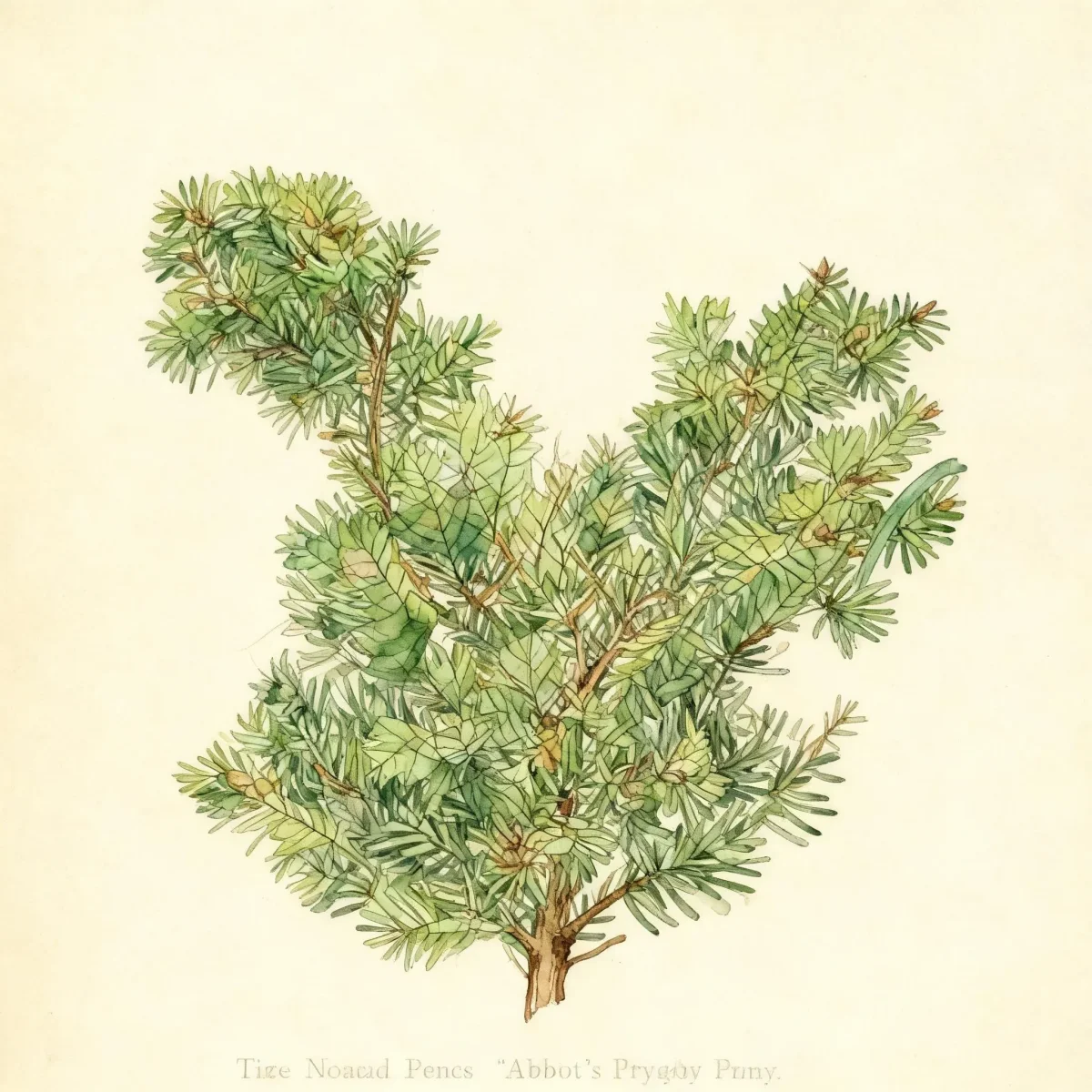
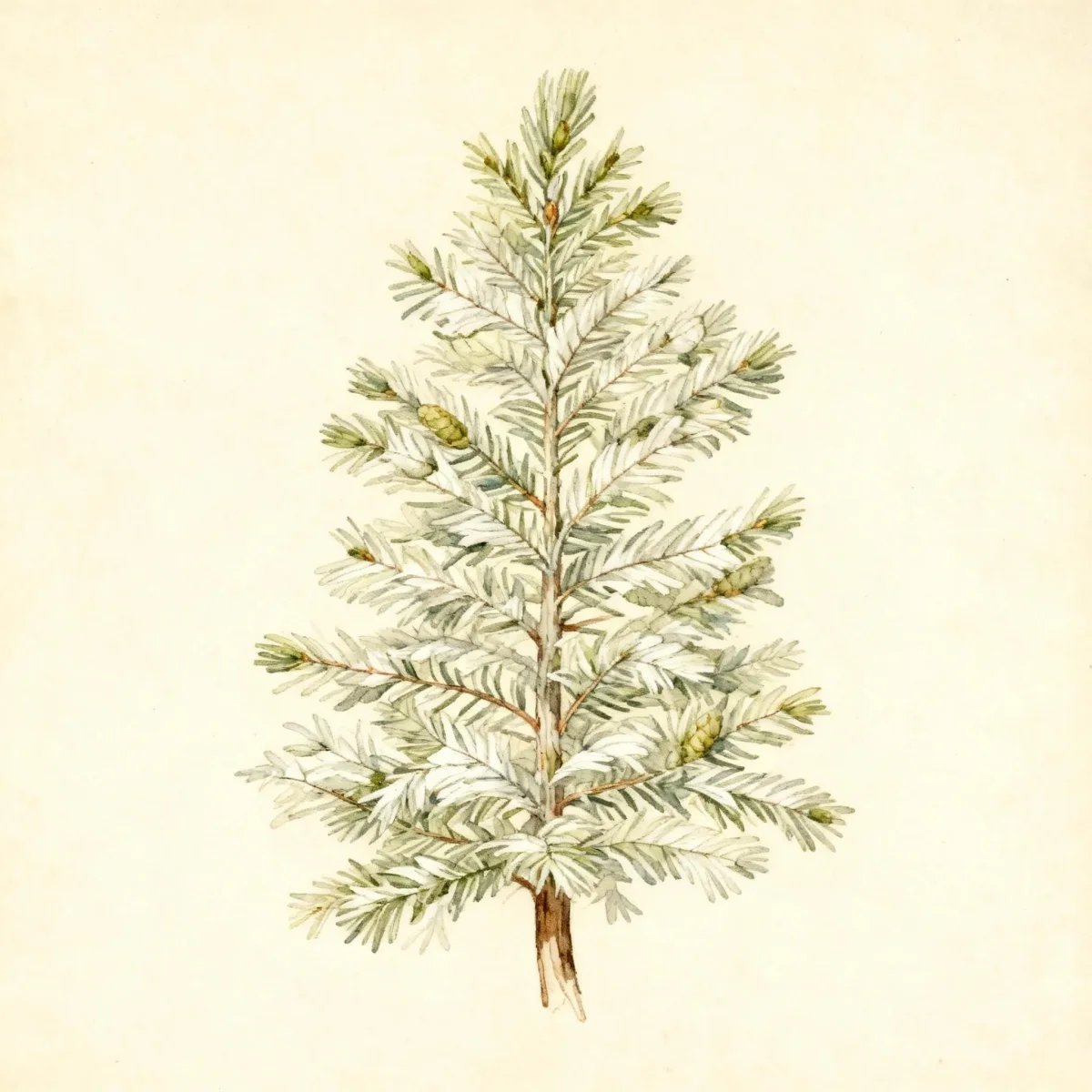
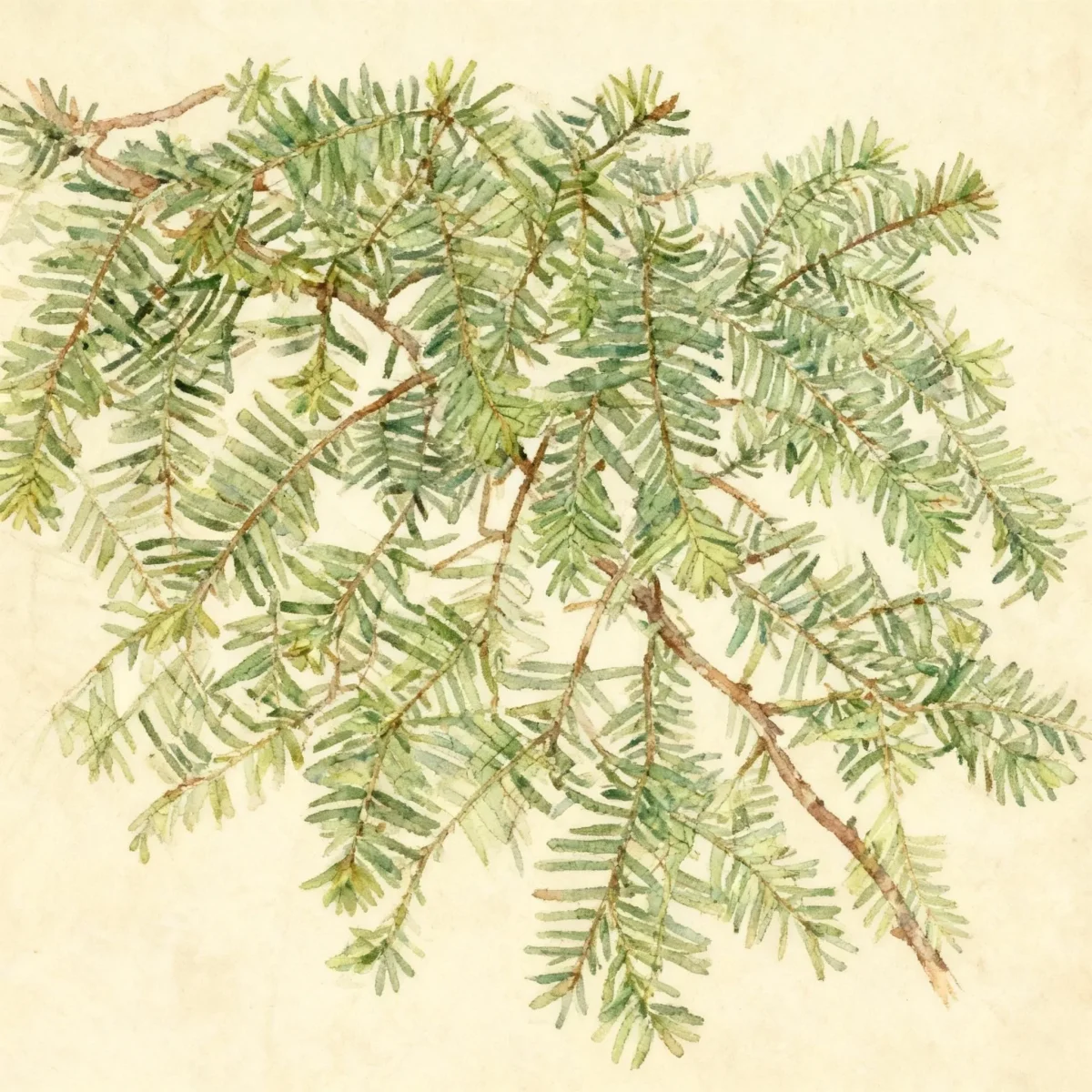
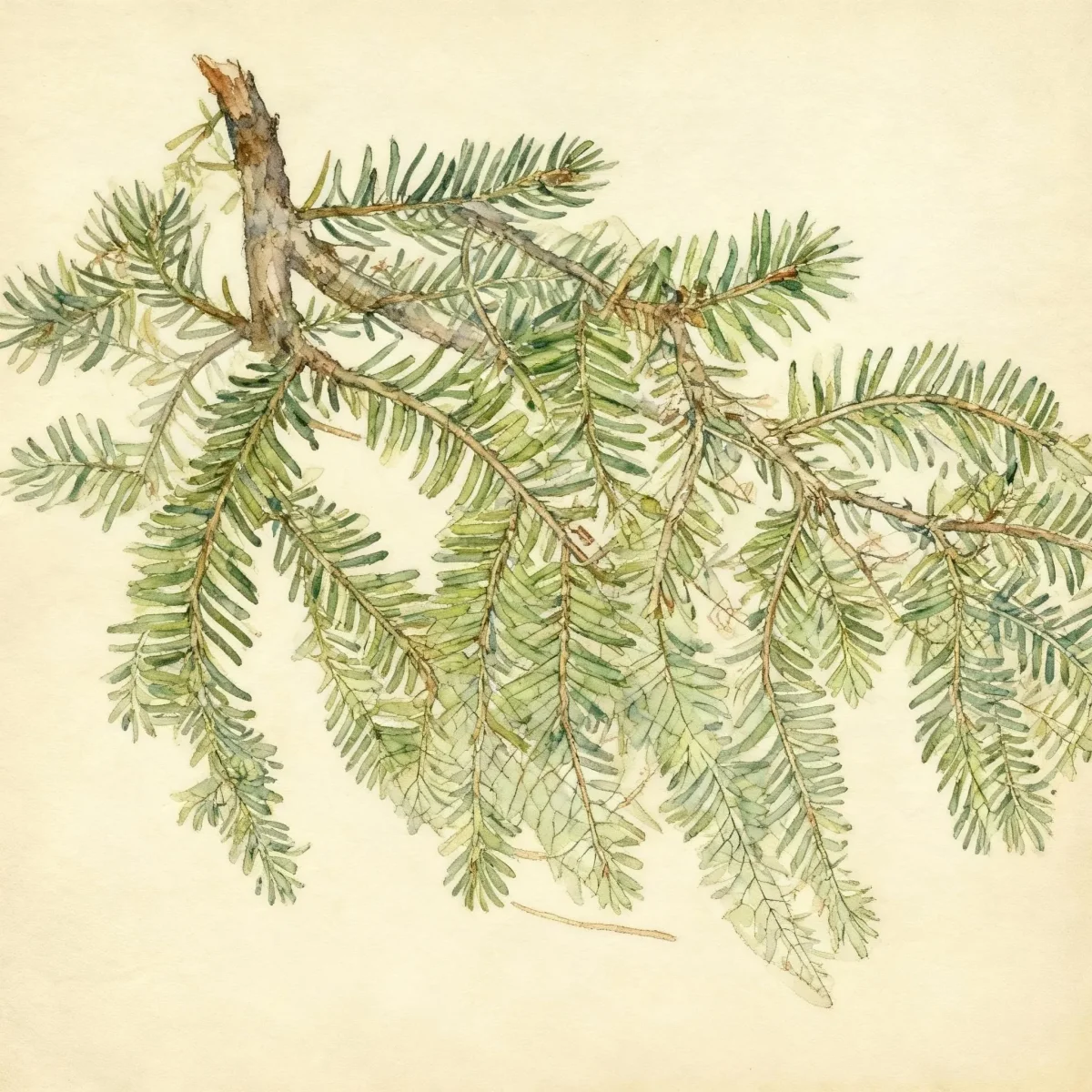
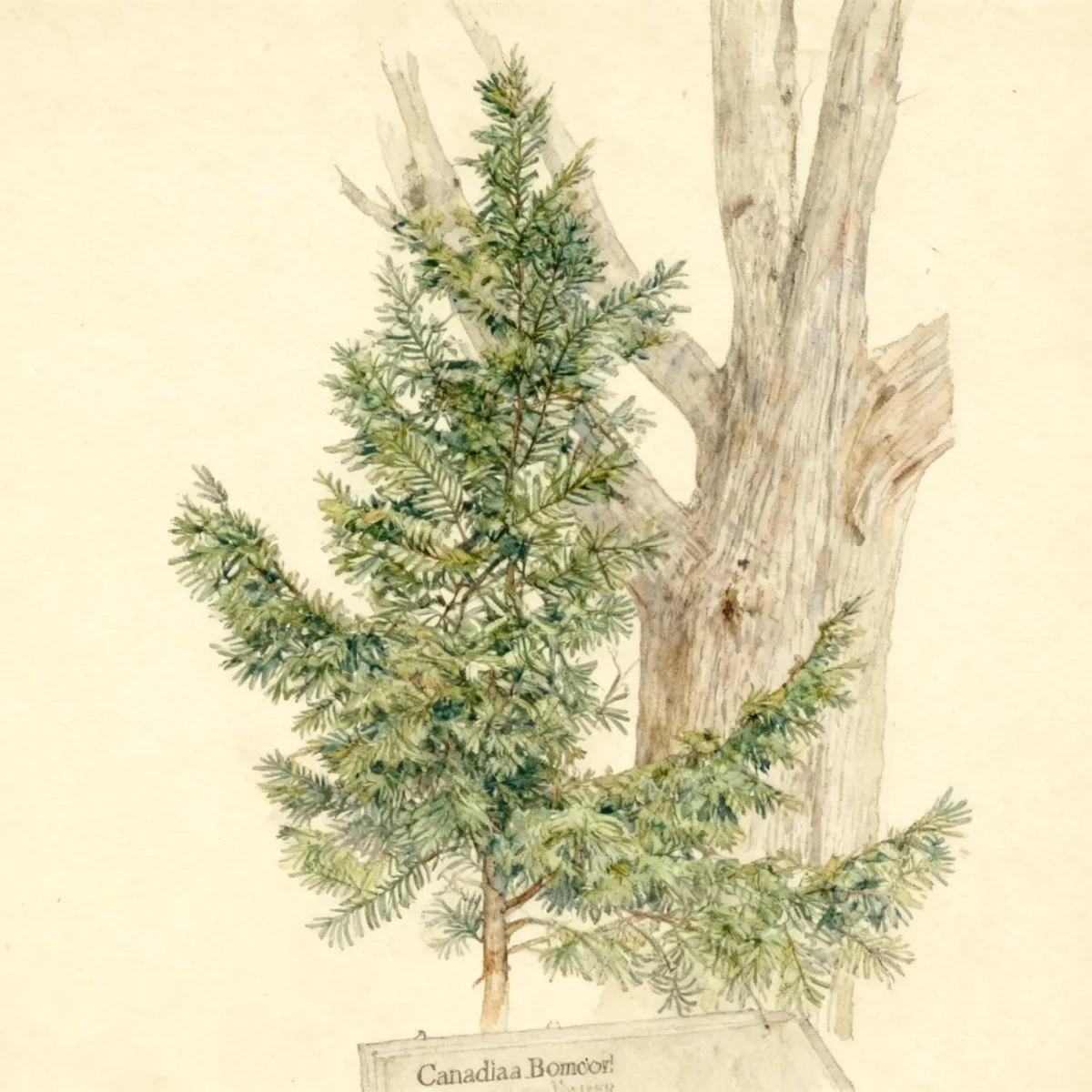
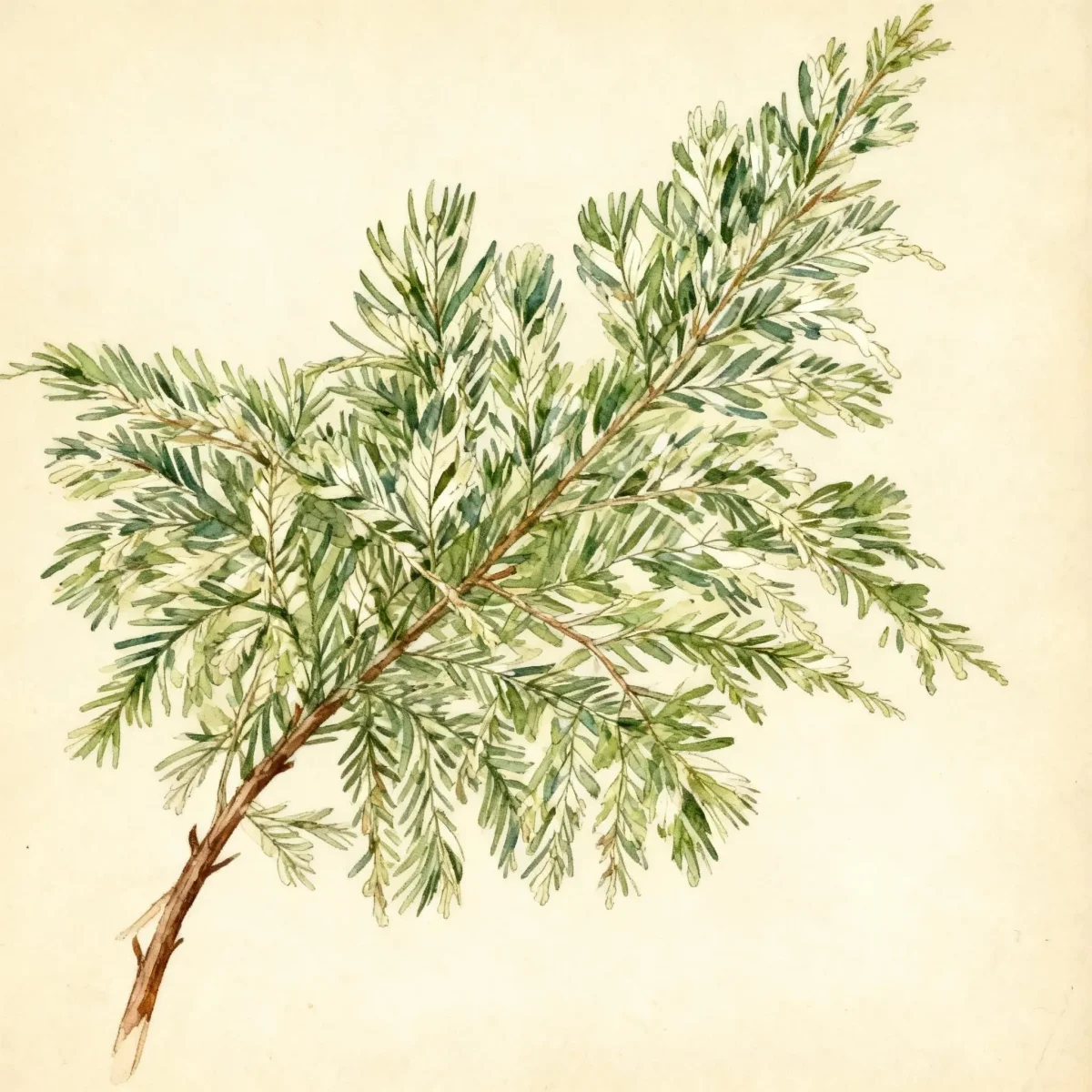
Canadian hemlock (Tsuga canadensis 'Golden Splendor')
Tsuga canadensis 'Golden Splendor' is a low-maintenance, pyramidal needled evergreen valued for its striking golden foliage. Hardy in Zones 4-7, this Canadian hemlock offers year-round color.
Scroll down to discover growing tips, care requirements, companion plants, and more
Complete Plant Information
Overview
Tsuga canadensis ‘Golden Splendor’, a distinctive cultivar of the Canadian hemlock, offers gardeners a unique, slow-growing evergreen featuring brilliant golden foliage, contrasting beautifully with the standard dark green backdrop of the species. This pyramidal conifer maintains a graceful, lacy appearance year-round, making it an excellent focal point in the landscape. While the parent species, the Eastern hemlock, can reach towering heights, ‘Golden Splendor’ provides substantial size (30–40 ft tall eventually) without being overwhelming.
This cultivar thrives in conditions mirroring its native, moist woodland habitat. It requires part shade to full shade, thriving best when protected from intense, drying afternoon sun, especially in warmer regions. The low maintenance requirements and adaptability to certain challenging soil conditions make the Canadian hemlock a reliable choice for structure and color.
The value of Tsuga canadensis ‘Golden Splendor’ lies in its year-round interest and manageable, upright shape. It provides excellent screening and contributes deep texture to winter gardens, offering reliable evergreen structure throughout the seasons.
Fast Facts
- Plant Family: Pinaceae
- Plant Type: Needled evergreen
- Hardiness Zones: USDA Zones 4-7
- Size at Maturity:
- Height: 30-40 ft
- Spread: 15-25 ft
- Bloom Time: Non-flowering
- Bloom Description: Non-flowering
- Sun Exposure: Part shade to full shade
- Water Needs: Medium
- Maintenance Level: Low
How to Grow
Planting should occur during the cooler, wetter seasons—spring or fall—to allow the roots time to establish before summer heat or winter freezes. The essential requirement for success with Tsuga canadensis ‘Golden Splendor’ is well-drained soil with average moisture retention. Choose a location offering part shade, particularly shelter from harsh, drying winds and intense afternoon sun, which can scorch the needles.
Watering is crucial, especially for young plants; they are intolerant of drought and need regular irrigation during dry spells. While established trees are hardy, provide consistent moisture management. Mulching heavily in winter helps regulate soil temperatures and conserves necessary moisture throughout the year.
Maintenance for the Canadian hemlock is generally low. Pruning is rarely required unless shaping for hedges or removing damaged limbs. Tolerant of heavy shade, it can be sited under larger trees, but ensure air circulation remains adequate to reduce disease pressure.
Landscape Uses
The golden coloration of Tsuga canadensis ‘Golden Splendor’ makes it an outstanding specimen tree intended to provide high-contrast accents in the garden. Plant it near darker evergreens or deciduous shrubs to maximize the visual impact of the bright yellow-gold new growth. Its pyramidal form works well as a vertical element in layered foundation plantings or as a unique anchor in mixed borders.
While typically grown as a specimen, the pliable nature of this cultivar allows for creative applications when young. It may be sheared to develop a dense, golden hedge, providing a vibrant screen that differs significantly from traditional green hedges. Consider grouping several Canadian hemlock specimens together to create a glowing winter focal point.
For companion planting, pair this hemlock with plants that appreciate similar part-shade conditions and medium moisture, such as hostas, rhododendrons, or ferns, allowing their broad, contrasting textures to highlight the fine needles of the conifer.
Standout Features
Noteworthy Characteristics
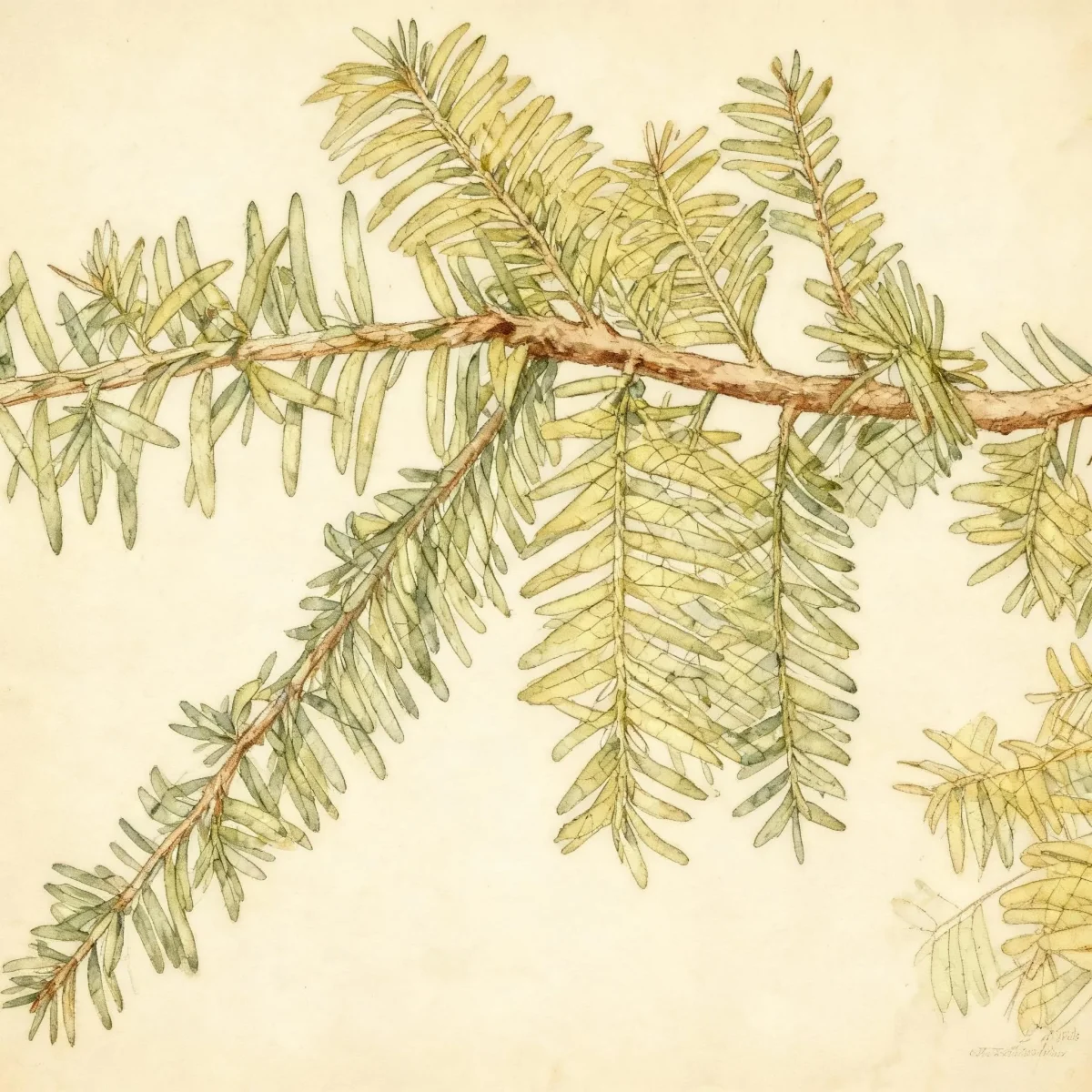
Tsuga canadensis, commonly called Canadian hemlock or eastern hemlock, is a dense, pyramidal conifer of the pine family noted for having the smallest needles and cones in its genus. Its flat sprays of lacy evergreen foliage provide a graceful form, featuring short dark green needles with two white bands beneath. The cultivar ‘Golden Splendor’ is distinguished by its showy display of golden foliage, maintaining an upright pyramidal shape and typically growing 8–10 feet tall in its first decade before maturing to 30–40 feet.
Tolerances
- Deer
- Heavy Shade
- Black Walnut
Potential Problems
A healthy Tsuga canadensis ‘Golden Splendor’ generally resists issues when sited correctly. Potential disease challenges include needle blight, canker, rusts, and various rots, which often indicate overly wet conditions or poor air circulation. Insect pests such as bagworms, borers, sawflies, and spider mites can be managed through regular inspection.
The most serious threat facing native hemlocks, and one that landscape managers must monitor for, is the Hemlock Woolly Adelgid (HWA). This tiny, sap-sucking insect poses a severe risk, leading to tree death if left untreated. Prevention includes inspecting all new plant material and initiating treatment programs with appropriate systemic pesticides if HWA is detected in your region. Hot weather can cause foliage scorch, and prolonged drought is fatal to the Canadian hemlock.
Frequently Asked Questions
What hardiness zones is Canadian hemlock suitable for?
Tsuga canadensis ‘Golden Splendor’ is reliably hardy across USDA Zones 4 through 7, making it suitable for significant areas of the temperate US.
How large does Canadian hemlock grow?
This cultivar typically matures to a height between 30 to 40 feet, with a spread ranging from 15 to 25 feet, maintaining an upright pyramidal habit.
What sun exposure does Tsuga canadensis ‘Golden Splendor’ need?
This plant prefers part shade or full shade. It can tolerate full sun only in very cool northern climates, but intense heat will cause scorching.
When does Canadian hemlock bloom?
Tsuga canadensis ‘Golden Splendor’ is a non-flowering conifer; it produces small, pendant, tan-brown cones instead of traditional flowers.
Conclusion
The striking golden hue and low maintenance requirements establish fine cultivar Tsuga canadensis ‘Golden Splendor’ as a premium choice for year-round evergreen structure and color contrast. For best results, ensure this Canadian hemlock receives consistent moisture and protection from the harshest afternoon sun, particularly south of Zone 6. Always check your local USDA hardiness zone compatibility before planting this spectacular specimen.
Design Ideas
The golden accents provided by Tsuga canadensis ‘Golden Splendor’ are particularly effective when used as perimeter breaks. Planted near pathways or entryways, the bright foliage draws the eye and lights up dark corners of the landscape where deep shade prevails. Avoid planting it directly against white or very pale structures, as the subtle golden tones may be lost; instead, contrast it against deep burgundy foliage or dark grey stone.
To create a layered woodland effect that honors the native habitat of the Canadian hemlock, combine this cultivar with understory plantings like Japanese painted ferns or hostas with dark blue or green foliage. The fine texture of the hemlock contrasts beautifully with the broad leaves often found in shaded garden areas, adding complexity without demanding high maintenance.
Companion Planting
Since Tsuga canadensis ‘Golden Splendor’ prefers consistent moisture and dislikes intense heat, select companion plants that share a preference for dappled sunlight and well-drained, slightly acidic soils. Rhododendrons and Azaleas make excellent neighbors, provided they are sited to provide some afternoon protection for the hemlock. Their seasonal blooms offer vibrant color that complements the steady golden foliage throughout the growing season.
Another successful pairing involves woodland flooring plants. Groundcovers such as Pachysandra terminalis (Japanese Spurge) or various low-growing Vinca varieties weave naturally beneath the canopy, softening the base of the tree. These selections require similar shade levels and moisture, creating an integrated, low-fuss planting scheme around your Canadian hemlock.