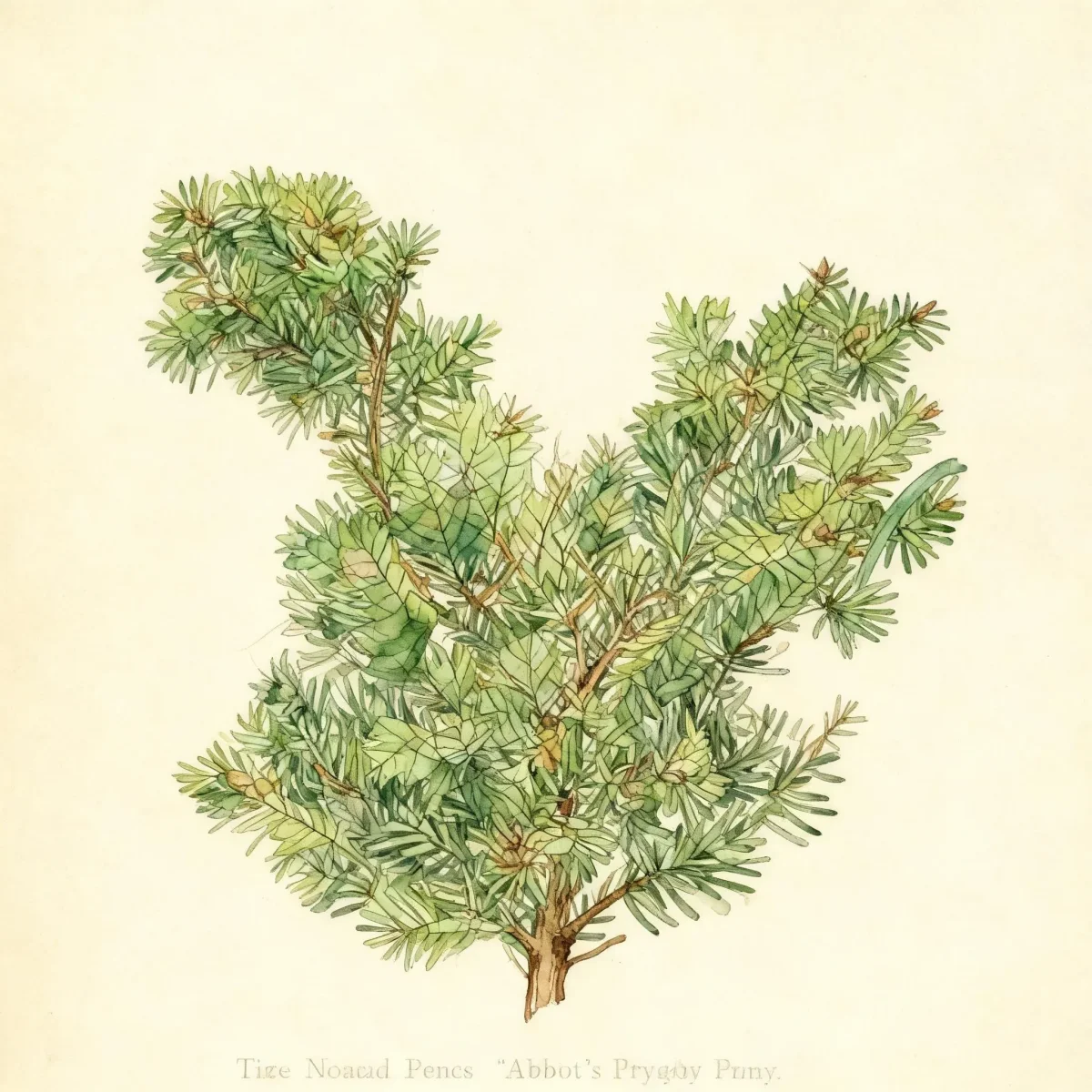
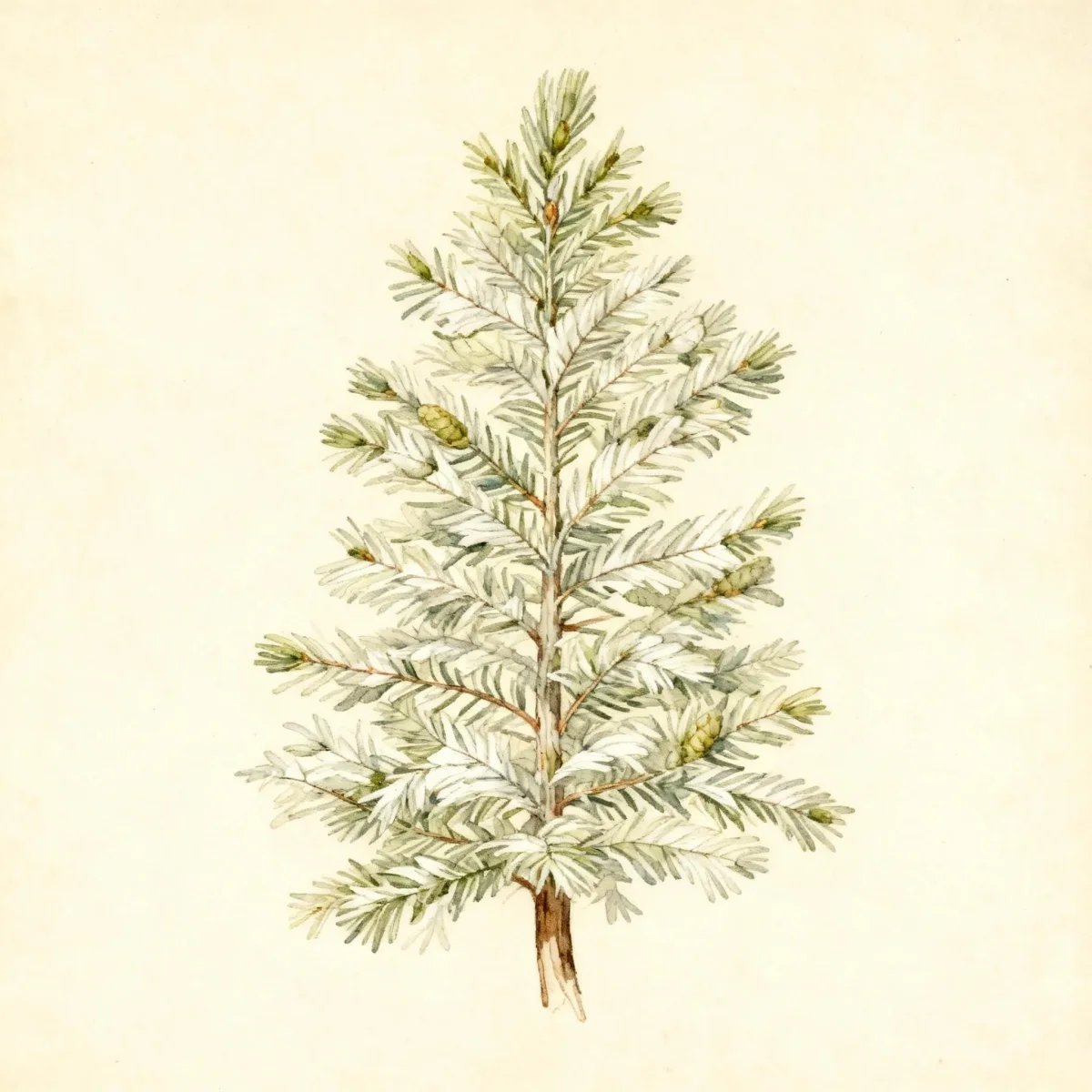
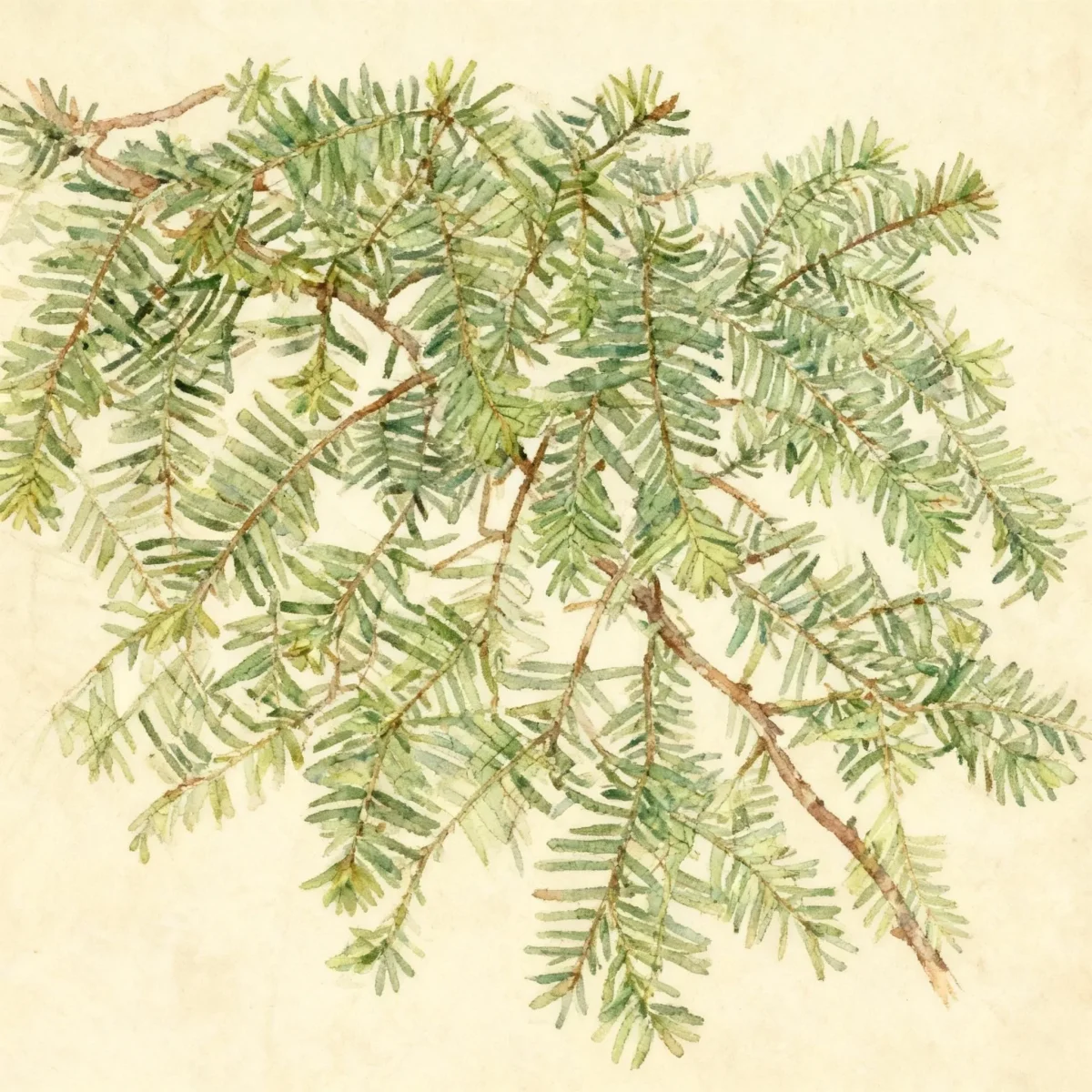
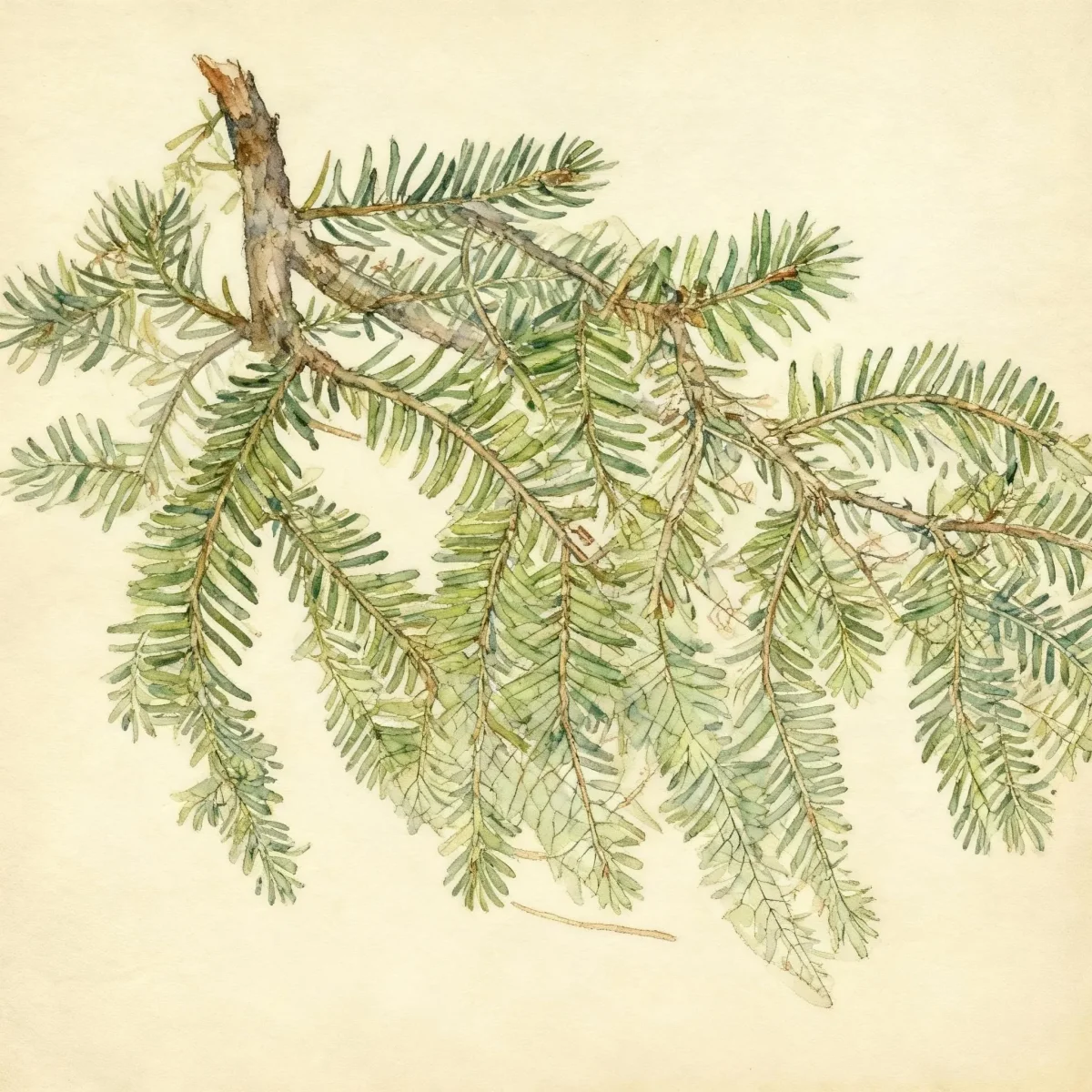
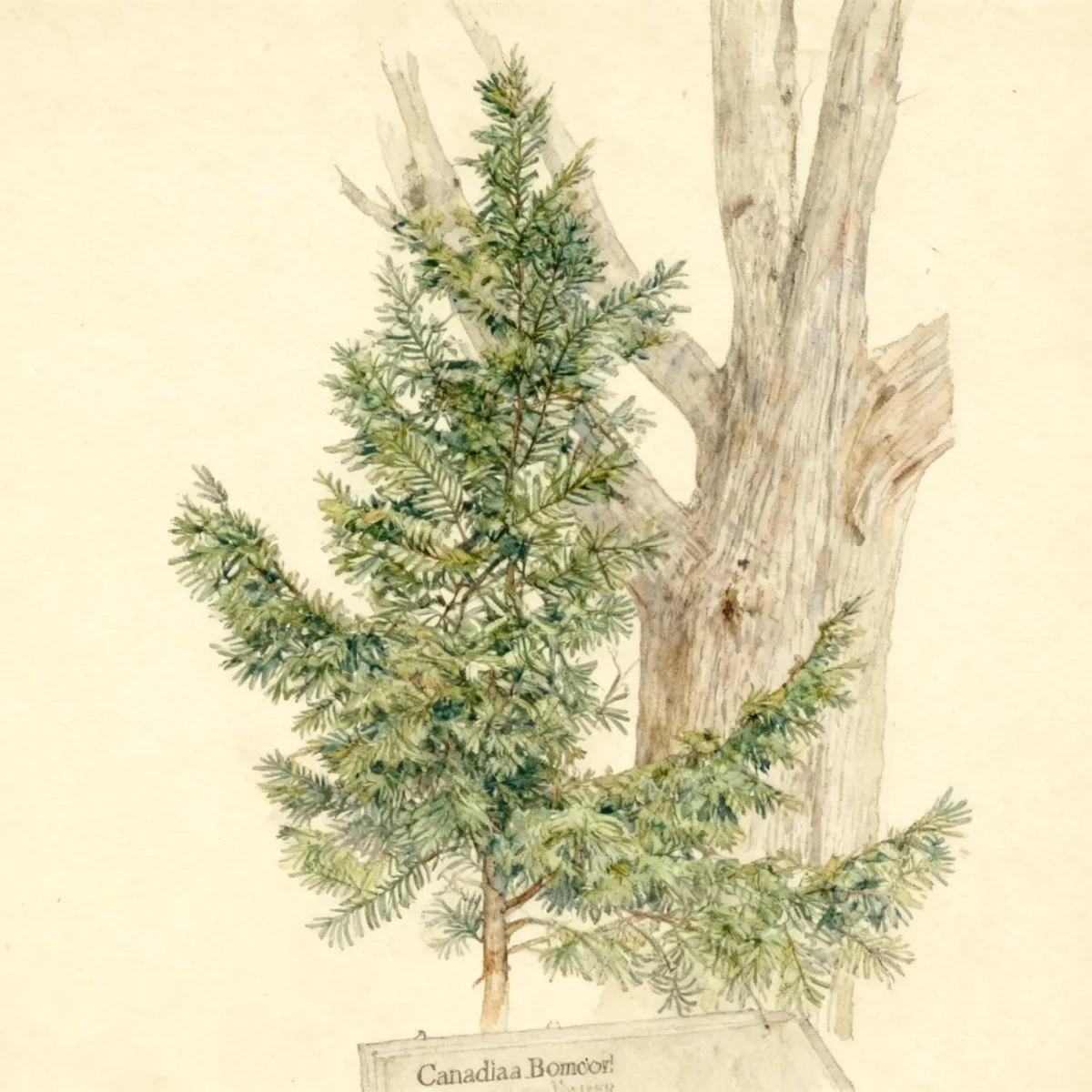
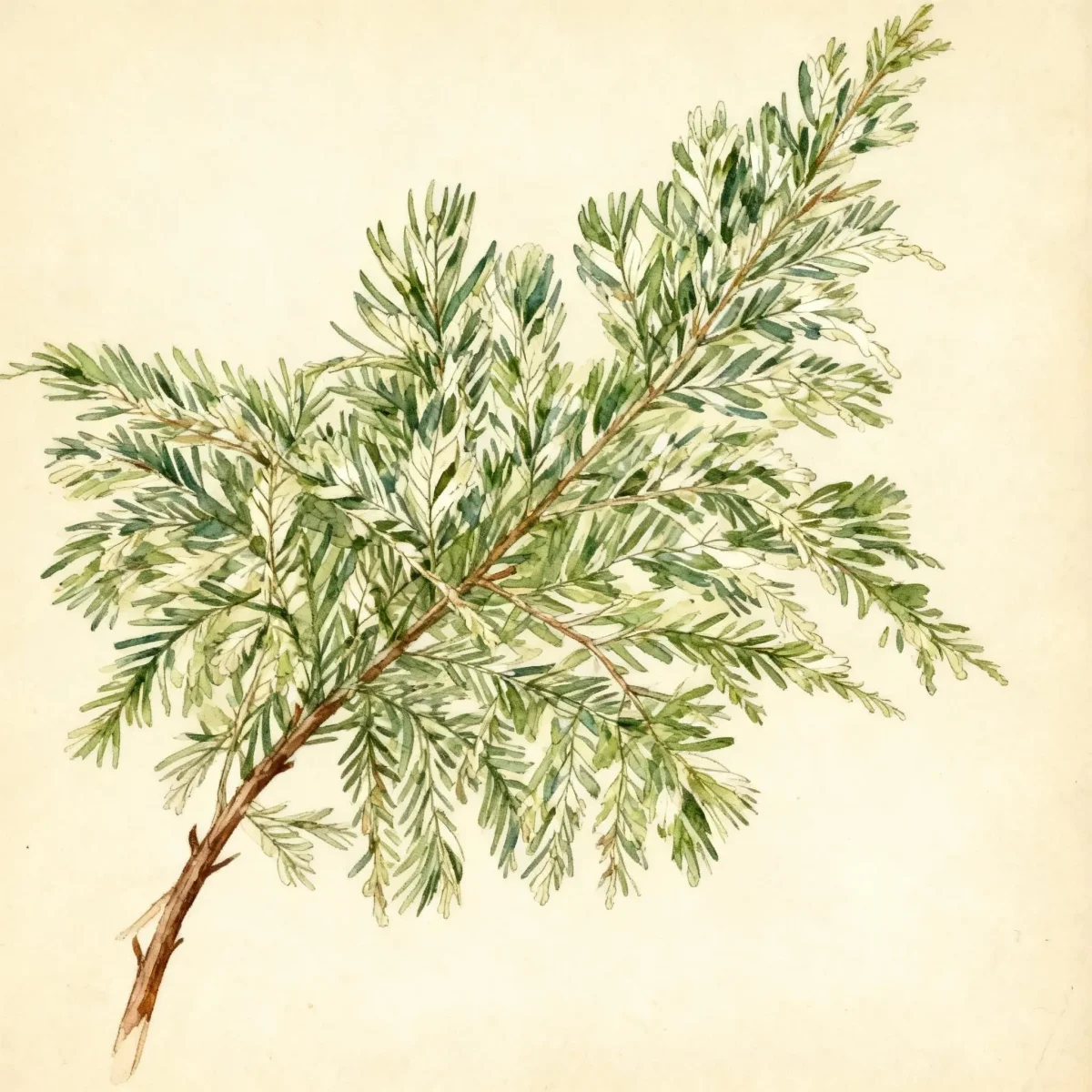
Canadian hemlock (Tsuga canadensis 'Gracilis')
Tsuga canadensis 'Gracilis' is a dwarf, spreading Canadian hemlock valued for its lacy, medium green foliage and low maintenance needs.
Scroll down to discover growing tips, care requirements, companion plants, and more
Complete Plant Information
Overview
The Tsuga canadensis ‘Gracilis’, often referred to as a dwarf variation of the Canadian hemlock, is a highly desirable needled evergreen for specialized garden spaces. This cultivar is valued for its dense, low-growing, and broad, flat-topped habit, offering year-round texture and color. Unlike its towering native counterpart, ‘Gracilis’ provides a manageable structure perfect for smaller landscapes or rock gardens.
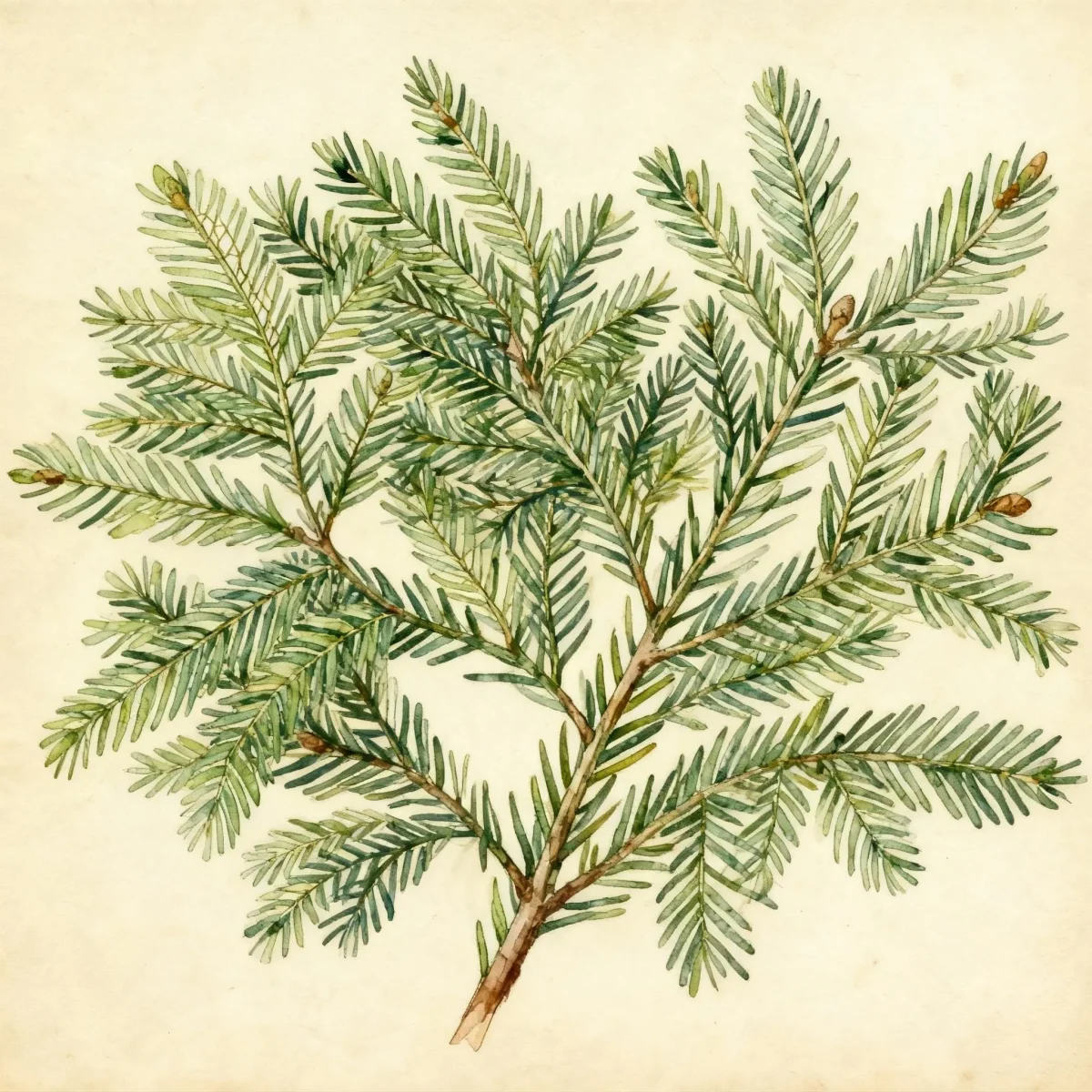
This elegant conifer features medium green needles, slightly smaller than the species, giving the plant a fine, lacy appearance. It thrives best when protected from harsh elements, making site selection crucial for maintaining its health and attractive form. As a slow-growing evergreen, the Canadian hemlock ‘Gracilis’ offers long-term, consistent appeal with minimal hands-on care required once established.
Gardeners appreciate the low maintenance level associated with this Eastern hemlock cultivar, which makes it an excellent choice for foundation plantings or as a structural low hedge. Providing excellent shade tolerance, Tsuga canadensis ‘Gracilis’ fills difficult, darker corners of the garden where few other evergreens succeed beautifully.
Fast Facts
- Plant Family: Pinaceae
- Plant Type: Needled evergreen
- Hardiness Zones: USDA Zones 3-7
- Size at Maturity:
- Height: 2-3 ft
- Spread: 4-5 ft
- Bloom Time: Non-flowering
- Bloom Description: Non-flowering
- Sun Exposure: Part shade to full shade
- Water Needs: Medium
- Maintenance Level: Low
How to Grow
Planting Tsuga canadensis ‘Gracilis’ should ideally occur in spring or fall when temperatures are moderate. Select a location that offers part shade to full shade, ensuring the soil is average, medium moist, and well-drained. Protection from intense afternoon sun, especially in hotter regions, is vital to prevent foliage scorch.
Watering should be consistent, particularly during prolonged dry spells, as this plant is intolerant of drought. Young plants require diligent attention to moisture levels until their root systems are fully developed. While low maintenance, providing a thick layer of winter mulch will help moderate soil temperatures and conserve moisture, benefiting the root zone of your hemlock.
While it tolerates the cool sun of northern climates, gardeners south of USDA Zone 6 should exercise caution. Hot, humid summers paired with intense sun can cause foliage damage when temperatures consistently exceed 95°F. Pruning is generally not necessary for this dwarf cultivar unless shaping a low hedge, as its natural habit is already aesthetically pleasing.
Landscape Uses
The compact, spreading habit of Tsuga canadensis ‘Gracilis’ lends itself perfectly to rock gardens, where its texture contrasts beautifully with stones and smaller perennials. It excels as a foundation planting due to its low profile, ensuring windowsills remain unobstructed. Furthermore, this cultivar makes an exceptionally well-behaved, low hedge, providing soft, green screening without the rapid upright growth of many conifers.
Consider grouping several Tsuga canadensis ‘Gracilis’ specimens together for a unified groundcover effect in a shaded border. In shade gardens, pair it with broad-leafed hostas or ferns whose contrasting foliage highlights the fine texture of the Canadian hemlock needles. Its year-round structure makes it invaluable for adding definition to the winter landscape.
Standout Features
Noteworthy Characteristics
The parent species, Tsuga canadensis (Eastern hemlock), is known for its graceful, lacy foliage and resistance to poisonous look-alikes found globally. The ‘Gracilis’ cultivar specifically develops into a broad, flat-topped shrub, typically reaching only 2 to 3 feet tall but spreading 4 to 5 feet wide. Its medium green needles are adorned with two distinct whitish bands of stomata underneath, enhancing its delicate, textured appearance.
Tolerances
- Deer
- Heavy Shade
- Black Walnut
Potential Problems
A healthy Tsuga canadensis ‘Gracilis’ grown in suitable conditions generally faces few issues. However, potential diseases include needle blight, canker, rusts, and various rots, often exacerbated by poor air circulation or excessive moisture. Common insect pests include bagworms, borers, leaf miners, sawflies, and spider mites.
The most serious threat to all hemlocks today is the Hemlock Woolly Adelgid (HWA), a tiny, invasive, sap-sucking insect capable of quickly killing mature trees in Eastern US forests. While HWA pressure varies geographically, diligent inspection of the undersides of branches is necessary. If HWA is detected, effective treatment usually involves targeted systemic pesticides applied appropriately.
Foliage scorch in hot summer weather and death from prolonged drought are common cultural problems to avoid. Ensure regular watering, especially during establishment, and site your Canadian hemlock where it receives afternoon shade to mitigate heat stress.
Frequently Asked Questions
What hardiness zones is Canadian hemlock suitable for?
The Tsuga canadensis ‘Gracilis’ is reliably hardy across USDA Zones 3 through 7, providing reliable evergreen structure in a wide band of North America.
How large does Tsuga canadensis ‘Gracilis’ grow?
This dwarf cultivar typically matures at a height between 2 and 3 feet tall, wider than it is tall, spreading between 4 and 5 feet wide.
What sun exposure does Canadian hemlock need?
This plant thrives best in part shade to full shade conditions, requiring shelter from intense, hot afternoon sun exposure, particularly when temperatures soar.
When does Tsuga canadensis ‘Gracilis’ bloom?
Like all hemlocks, this is a non-flowering conifer; it produces small, tan-brown cones rather than ornamental flowers.
Conclusion
The Tsuga canadensis ‘Gracilis provides exceptional year-round texture in a dwarf form that is notably easy to maintain when its location requirements are met. As a versatile, shade-tolerant evergreen, this Canadian hemlock cultivar is perfect for softening foundation lines or adding structure to shaded borders. Always confirm your growing region falls within USDA Zones 3-7 and plan planting for spring or fall to ensure the best establishment for your new Tsuga canadensis ‘Gracilis’.
Companion Planting in Shade
Because Tsuga canadensis ‘Gracilis’ prefers cooler, moist, and shaded environments, selecting companions with similar needs ensures a harmonious planting scheme. Consider planting lower-growing shade perennials like Hellebores (Helleborus) near the front of the planting area, as they offer early spring color when the hemlock remains evergreen. Larger-leafed plants, such as Astilbe or various groundcover sedums that tolerate shade, provide excellent textural contrast to the fine needles of the hemlock.
In deeper shade pockets, hostas remain the quintessential companion, offering incredible variation in leaf color and size; select blue or gold varieties to stand out against the medium green of the Tsuga canadensis. Avoid placing this plant near thirsty, high-sun competitors, as the hemlock needs consistent moisture and protection from excessive root competition in very dry zones.
Structural Pruning for Low Hedges
Although Tsuga canadensis ‘Gracilis’ is naturally compact, gardeners intending to use it as a low hedge will need minimal structural pruning. The best time to address any errant growth or shape the hedge is in early spring, just before new growth begins, or lightly during mid-summer after the initial flush hardens off. Focus primarily on shearing back any branches that significantly exceed the desired border height or width.
Avoid heavy shearing, as over-pruning needled evergreens can be detrimental, especially removing needles that have no latent buds underneath. Since the established parent species is known to have drooping lower branches, allow your ‘Gracilis’ to maintain its natural, soft silhouette rather than imposing a sharp, formal line. Pruning chiefly serves to maintain uniformity in a low border setting.