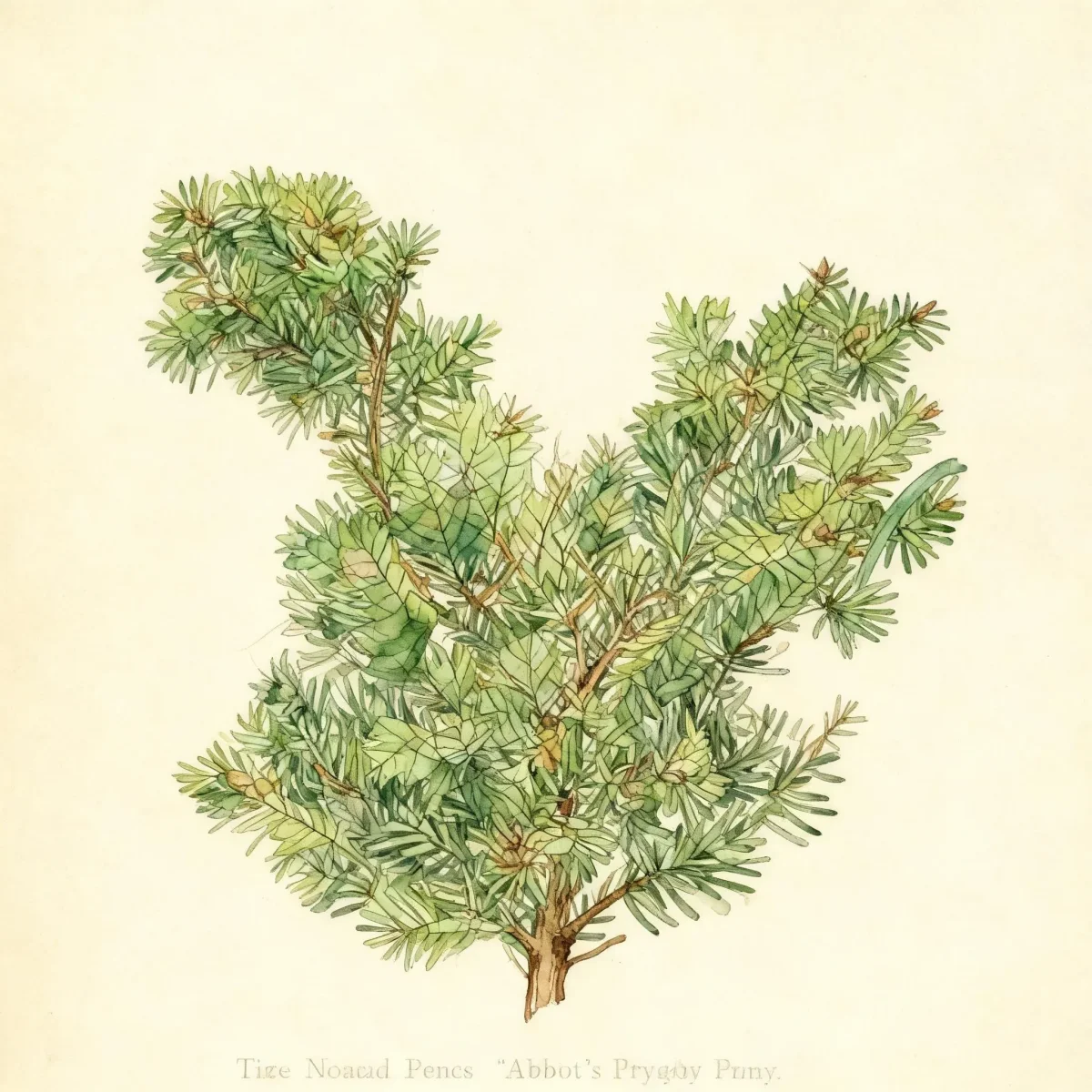
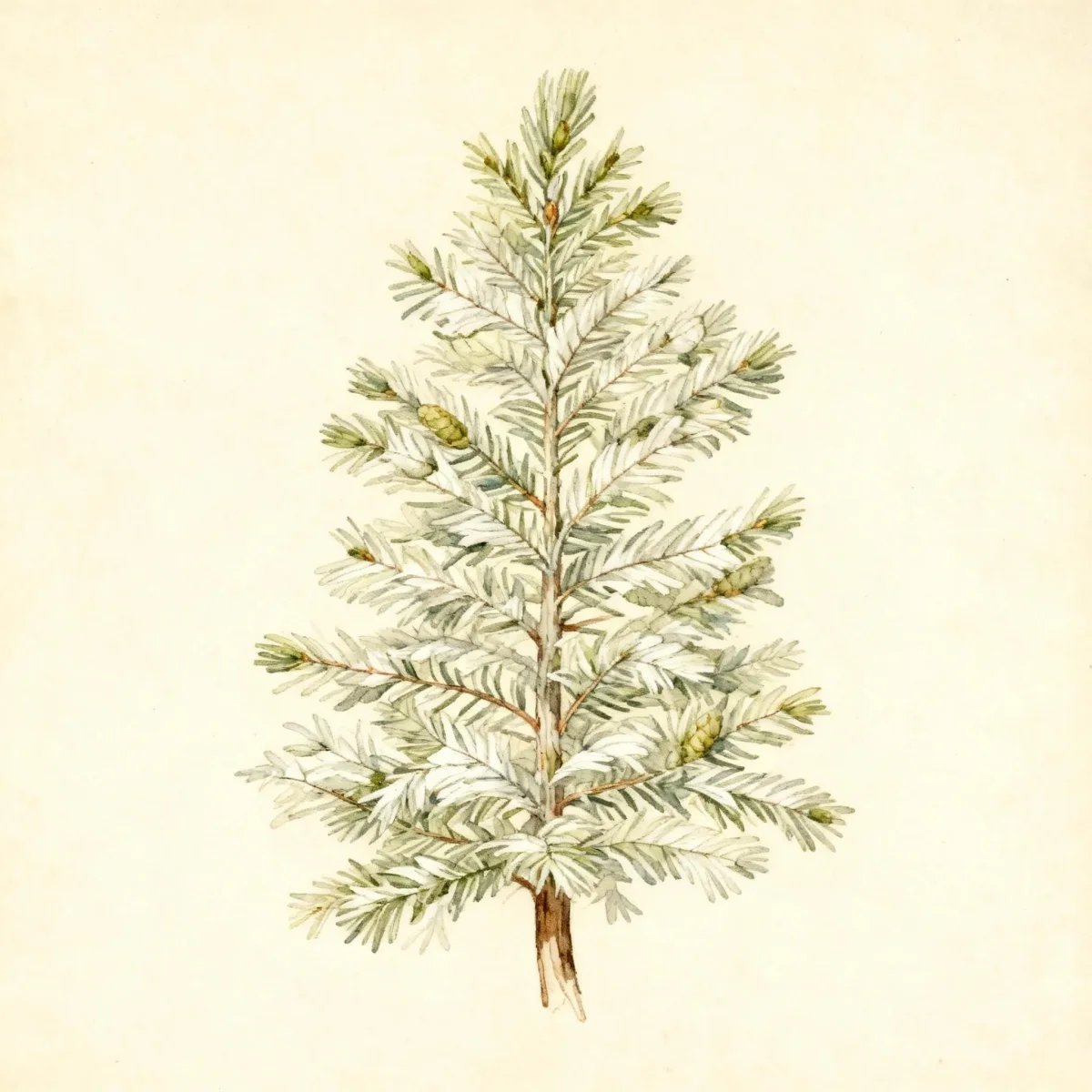
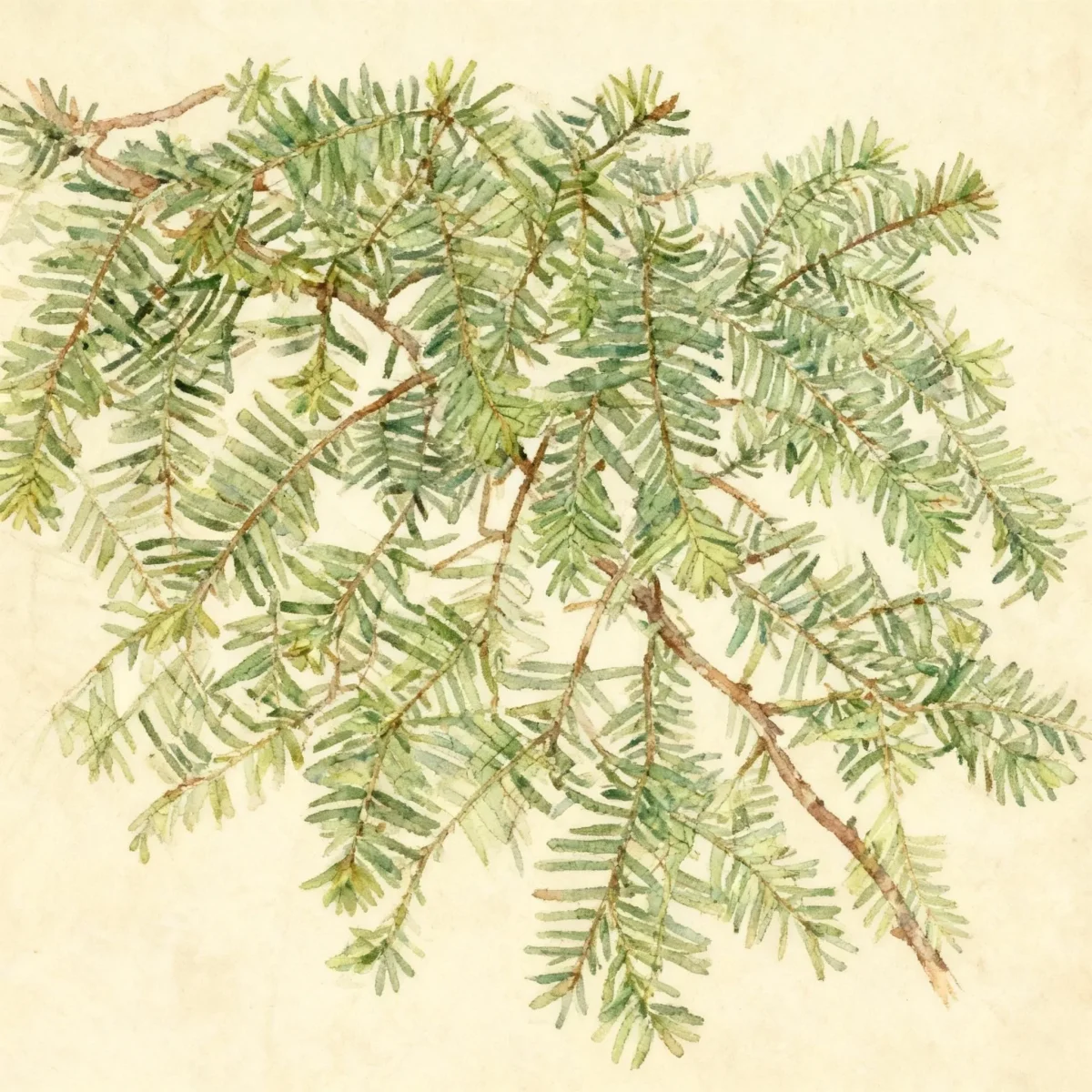
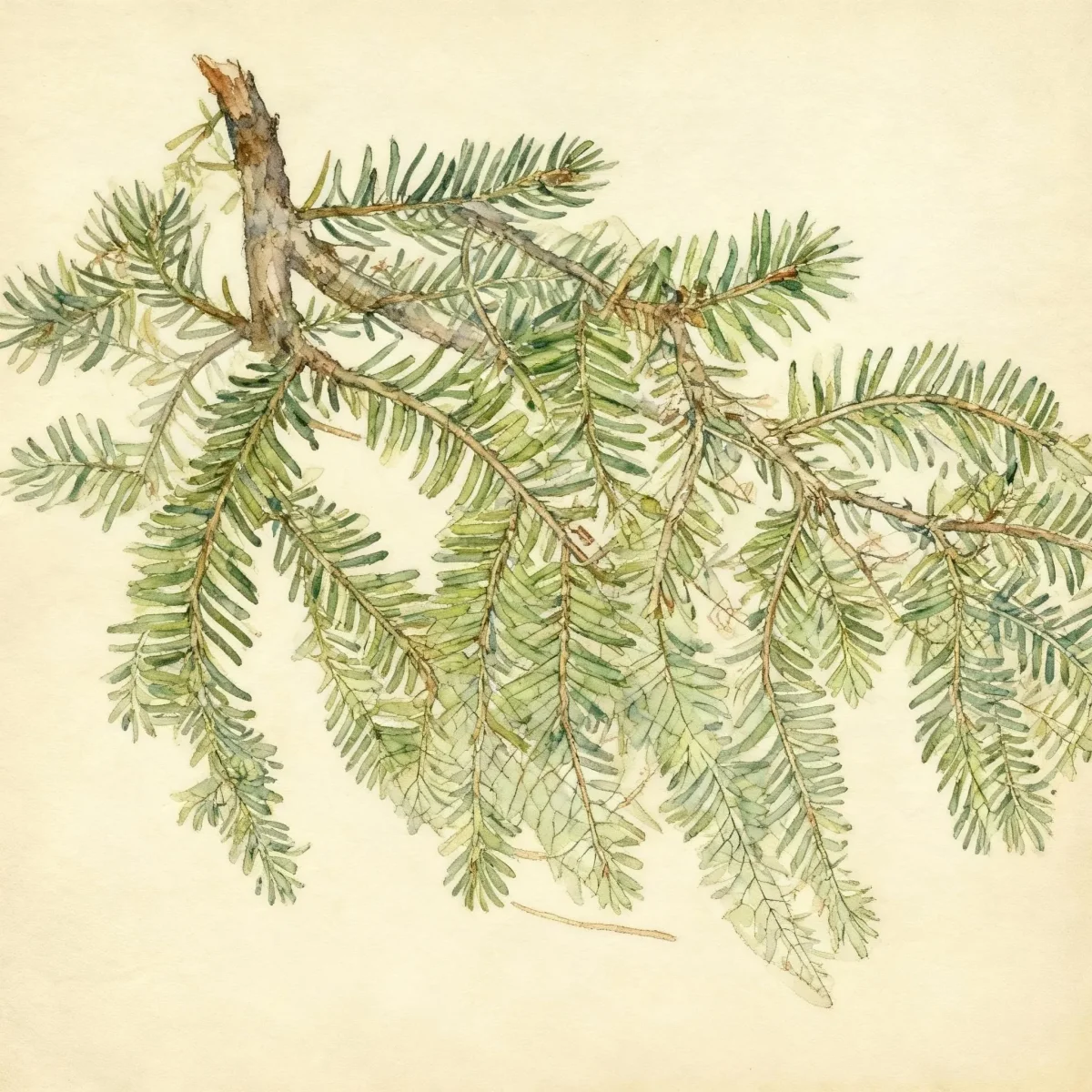
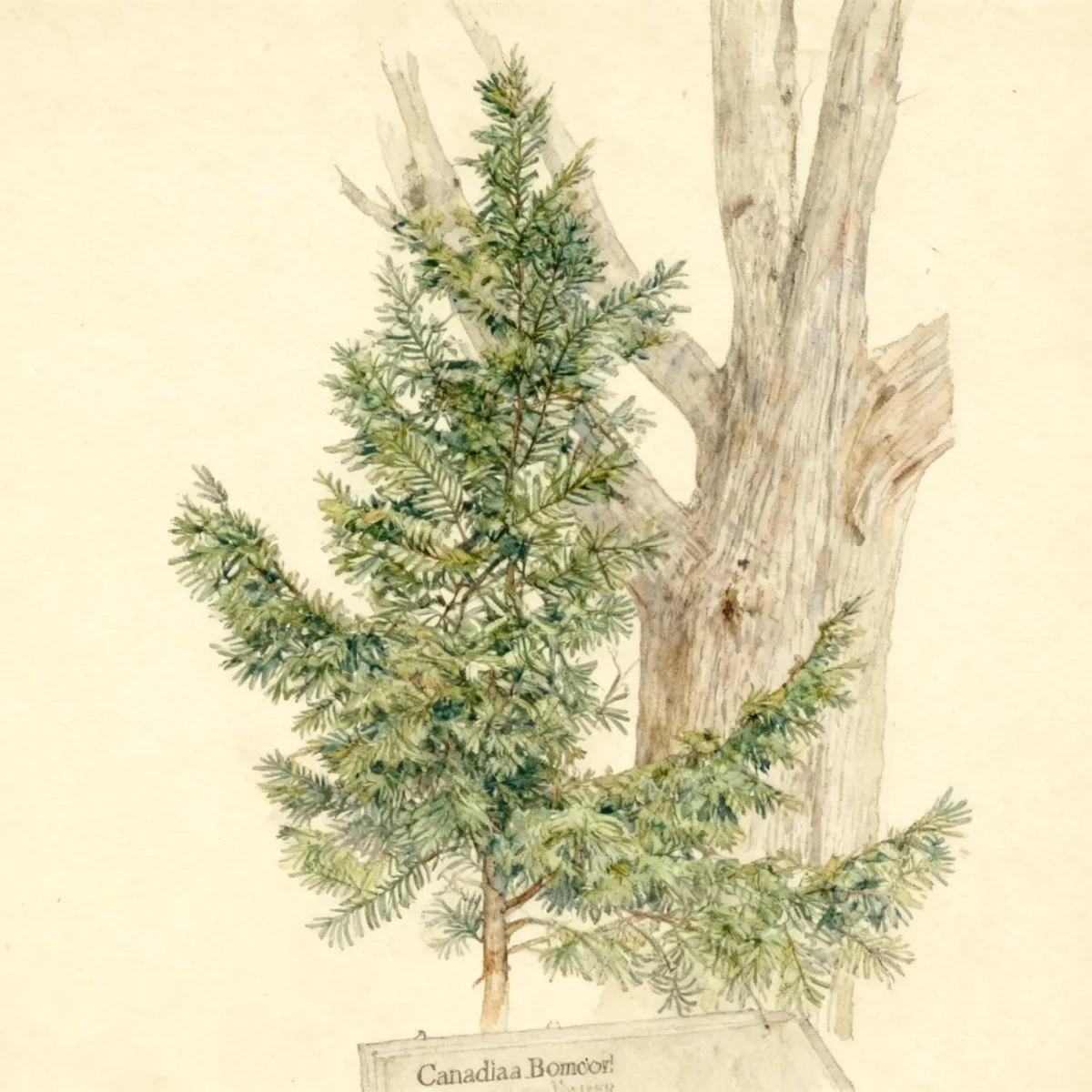
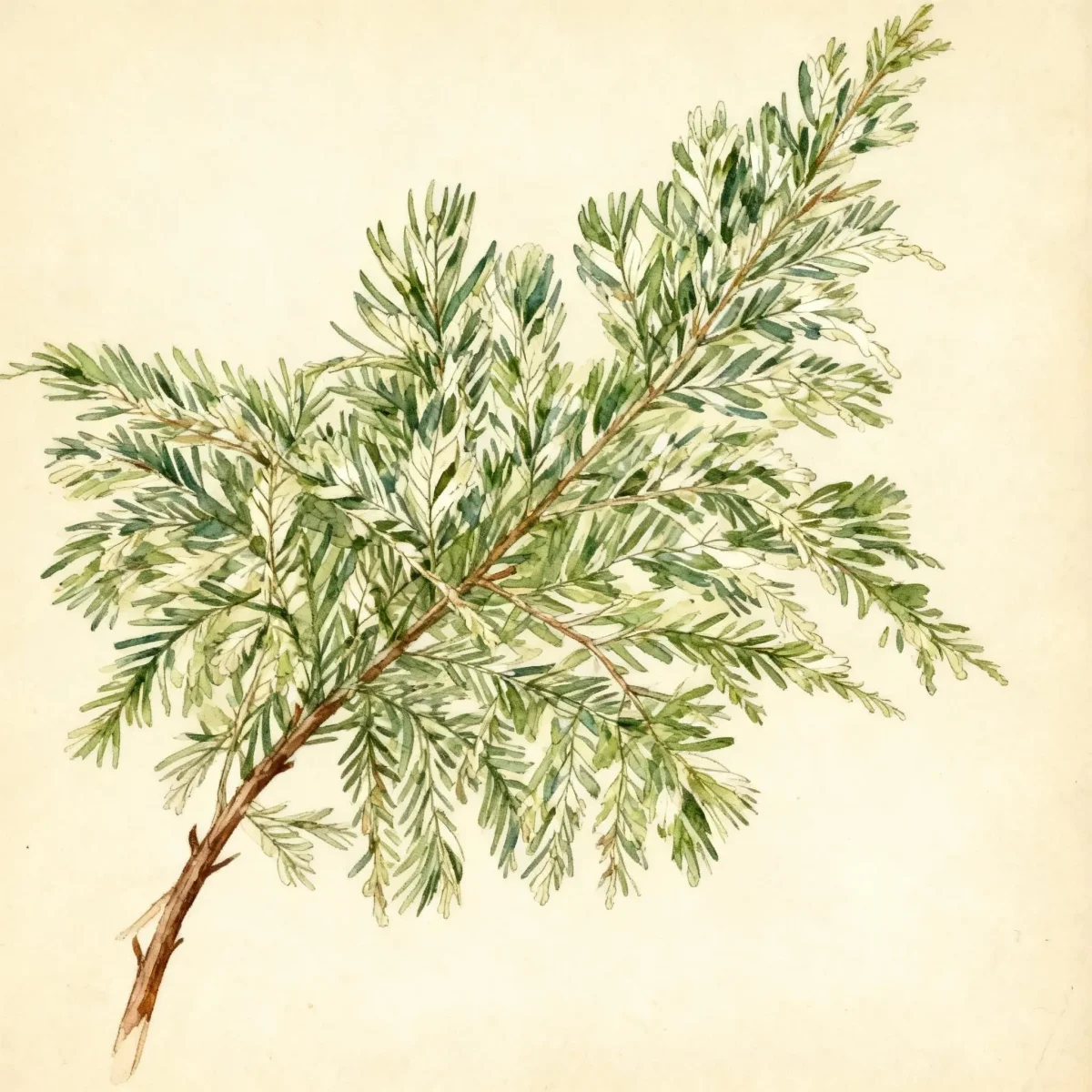
Canadian hemlock (Tsuga canadensis 'Jeddeloh')
Tsuga canadensis 'Jeddeloh' is a dwarf, spreading evergreen perfect for shaded rock gardens, maturing slowly to 3 ft tall.
Scroll down to discover growing tips, care requirements, companion plants, and more
Complete Plant Information
Overview
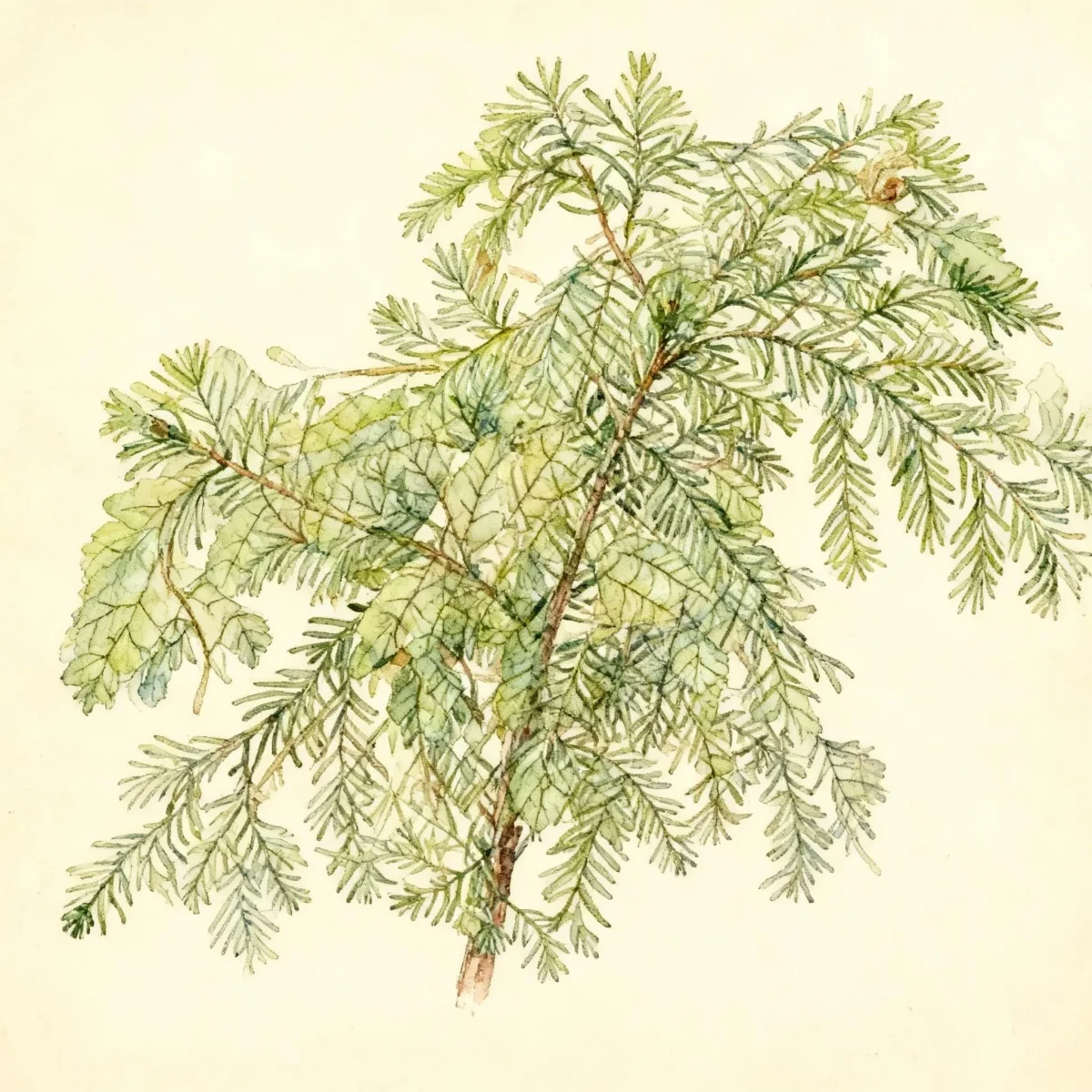
Tsuga canadensis ‘Jeddeloh’, often known widely as Canadian hemlock, provides exceptional texture and substance for shaded garden areas. This unique cultivar forms a dwarf, neat, flat-topped mound, often developing a distinctive funnel-shaped center depression reminiscent of a bird’s nest, making it a highly sought-after specimen plant. Unlike the towering wild species, the ‘Jeddeloh’ variety grows slowly, reaching mature heights of only 2 to 3 feet over many years. Its graceful, lacy evergreen foliage ensures visual interest when many other garden plants are dormant, establishing the Canadian hemlock as an excellent low-maintenance choice for creating year-round structure.
Fast Facts
- Plant Family: Pinaceae
- Plant Type: Needled evergreen
- Hardiness Zones: USDA Zones 4-7
- Size at Maturity:
- Height: 2-3 ft
- Spread: 3-4 ft
- Bloom Time: Non-flowering
- Bloom Description: Non-flowering
- Sun Exposure: Part shade to full shade
- Water Needs: Medium
- Maintenance Level: Low
How to Grow
Planting Tsuga canadensis ‘Jeddeloh’ is best achieved in spring or early fall, ensuring the root ball is well-moistened before placement. This Canadian hemlock thrives in average, medium-moisture, well-drained soil. The ideal location offers part shade, protected from intense drying winds and harsh afternoon summer sun, especially south of Zone 6 where humidity and heat can cause scorching.
Regular watering is crucial, particularly during establishment and throughout prolonged dry spells, as the plant is intolerant of drought. Once established, maintain a medium water schedule to keep the soil consistently moist but not waterlogged. Low maintenance is a hallmark of this cultivar; fertilizing is rarely required if the soil is reasonably healthy.
Protecting Tsuga canadensis ‘Jeddeloh’ during winter is beneficial. Apply a thick layer of organic mulch around the base to regulate soil temperature and moisture retention. While it tolerates full sun in cooler northern climates, gardeners should be vigilant about sun scald damage when summer temperatures consistently soar above 95°F.
Landscape Uses
The dwarf, spreading habit of Tsuga canadensis ‘Jeddeloh’ makes it invaluable for small-scale landscape design. It performs magnificently when used as a low, year-round anchor in rock gardens, where its slightly pendulous branch tips provide soft contrast against hardscaping elements. As a slow-growing evergreen, it functions perfectly as foundation plantings near homes or low borders where height restriction is necessary.
This small evergreen conifer offers variegated texture for shady areas, providing year-round color interest. Consider pairing the bright green needles of Tsuga canadensis ‘Jeddeloh’ with contrasting foliage, such as hostas or ferns, ensuring all companion plants share similar preferences for moisture and shade for the best results.
Standout Features
Noteworthy Characteristics
The parent species, Tsuga canadensis, is a dense, pyramidal conifer native to moist eastern North American woods, known for its lacy evergreen look. The dwarf cultivar ‘Jeddeloh’ maintains the characteristic graceful foliage but remains small, eventually reaching only 2-3 feet tall and 3-4 feet wide. Discovered in Germany in 1950, this plant is prized for its pendulous branch tips and distinctive nest-like center depression.
Tolerances
- Deer
- Heavy Shade
- Black Walnut
Potential Problems
A healthy Canadian hemlock in the proper environment faces few significant issues. A primary concern today, even for managed specimens, is the Hemlock Woolly Adelgid (HWA), a tiny sap-sucking insect causing severe damage to hemlocks across the Eastern US. Vigilant inspection of the underside of branches for white, cottony masses (HWA egg sacs) is essential for early detection and treatment.
Other potential issues include cosmetic damage from scorching foliage in extreme summer heat or fatal stress during prolonged drought periods. Gardeners should water regularly, especially when plants are young, and apply thick winter mulch. If needle blight, canker, or insect pests like borers or spider mites appear, consult local extension services for targeted treatment protocols involving appropriate pesticides or cultural adjustments.
Frequently Asked Questions
What hardiness zones is Canadian hemlock suitable for?
Tsuga canadensis ‘Jeddeloh’ is suitable for USDA Hardiness Zones 4 through 7.
How large does Tsuga canadensis ‘Jeddeloh’ grow?
This dwarf cultivar typically matures to a height between 2 and 3 feet and spreads between 3 and 4 feet wide.
What sun exposure does Tsuga canadensis ‘Jeddeloh’ need?
This evergreen prefers part shade to full shade conditions for optimal health and foliage retention.
When does Canadian hemlock bloom?
This is a non-flowering, needled evergreen. Cones are small and appear sporadically on established plants.
Conclusion
The Tsuga canadensis ‘Jeddeloh’ offers unparalleled year-round texture in a compact, manageable size, making it a superb choice for rock gardens or shaded foundation plantings. By respecting its need for consistent moisture and protection from the harshest afternoon sun, this Canadian hemlock will thrive as a low-maintenance evergreen feature. Before planting, always confirm that your local climate falls within USDA Zones 4 to 7.
Companion Planting
When designing a shady border featuring Tsuga canadensis ‘Jeddeloh’, focus on plants that share its preference for consistent moisture and filtered light conditions. Shade-loving ferns, such as Japanese Painted Ferns or Autumn Ferns, offer contrasting delicate textures that complement the fine needles of the hemlock without competing aggressively for resources.
Consider layering understory shrubs or perennials that thrive in the cool, moist microclimates created beneath larger trees or structures. Hellebores (Lenten Rose) and Astilbes provide welcome spring and summer color against the dark green backdrop provided by the evergreen Canadian hemlock, requiring similar cultural care for easy management.
Design Ideas for Dwarf Evergreens
Dwarf conifers like Tsuga canadensis ‘Jeddeloh’ are indispensable for creating year-round interest in small garden spaces or mixed borders. Use this spreading mound as a front-of-the-border specimen where its slow growth ensures it won’t overwhelm adjacent perennials or annuals prematurely. Its formal yet soft shape contrasts beautifully against angular stone or rustic wood elements.
In Japanese-inspired gardens or contemporary minimalist landscapes, the unique, slightly weeping branch habit and low, mounding form of this particular Canadian hemlock excels. It serves as an “evergreen accent” that requires minimal pruning—simply allow its natural, somewhat funnel-like habit to develop without interference for the most intriguing display.