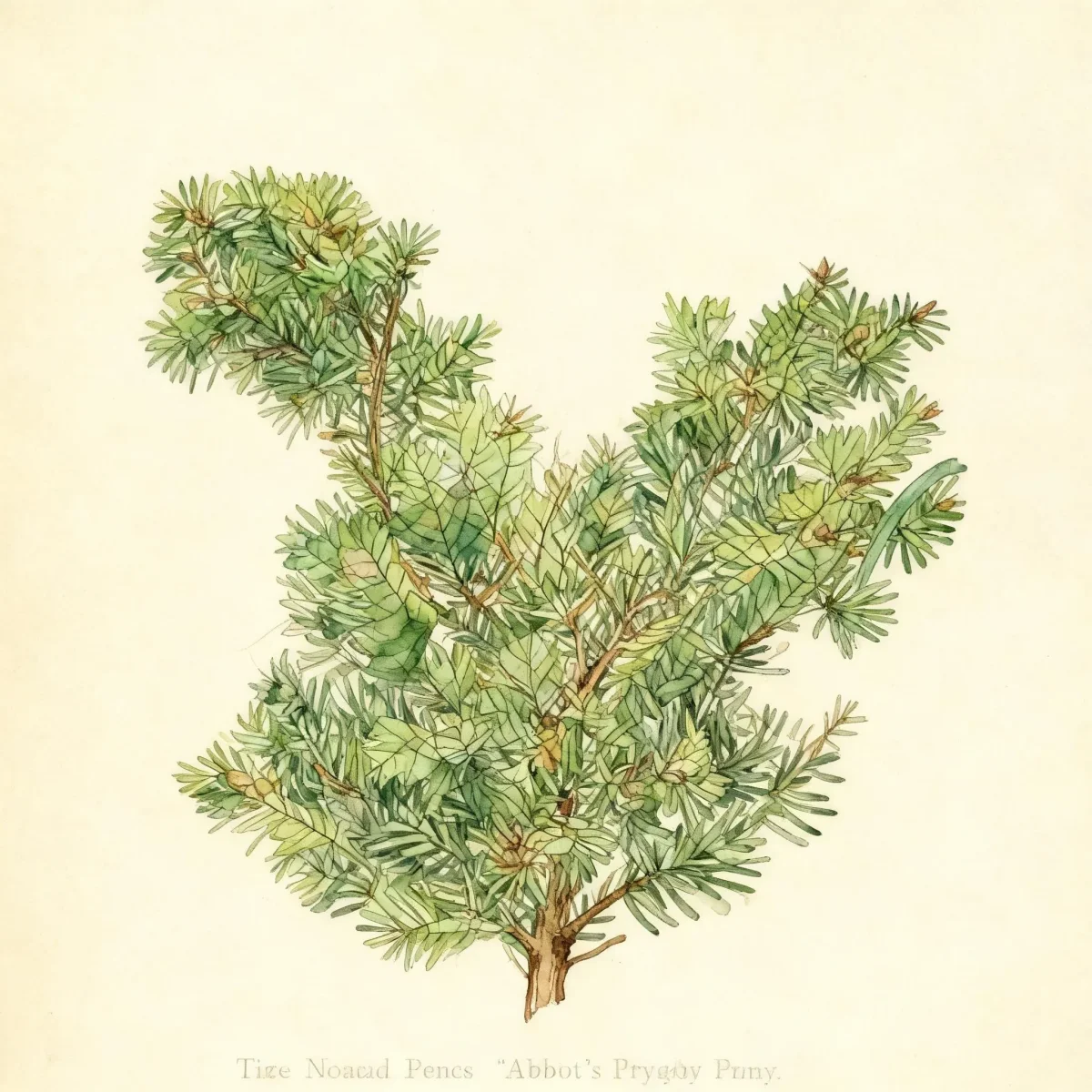
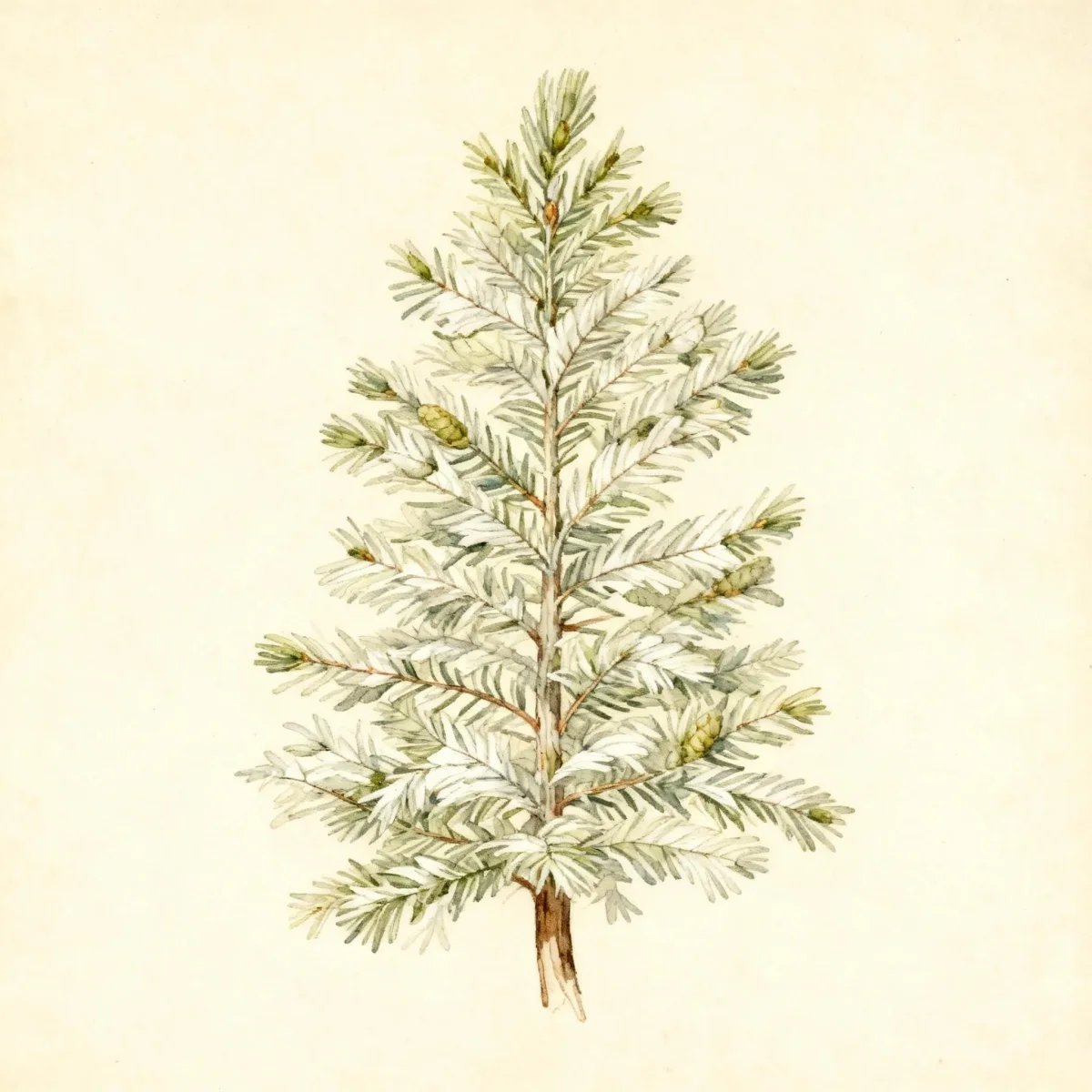
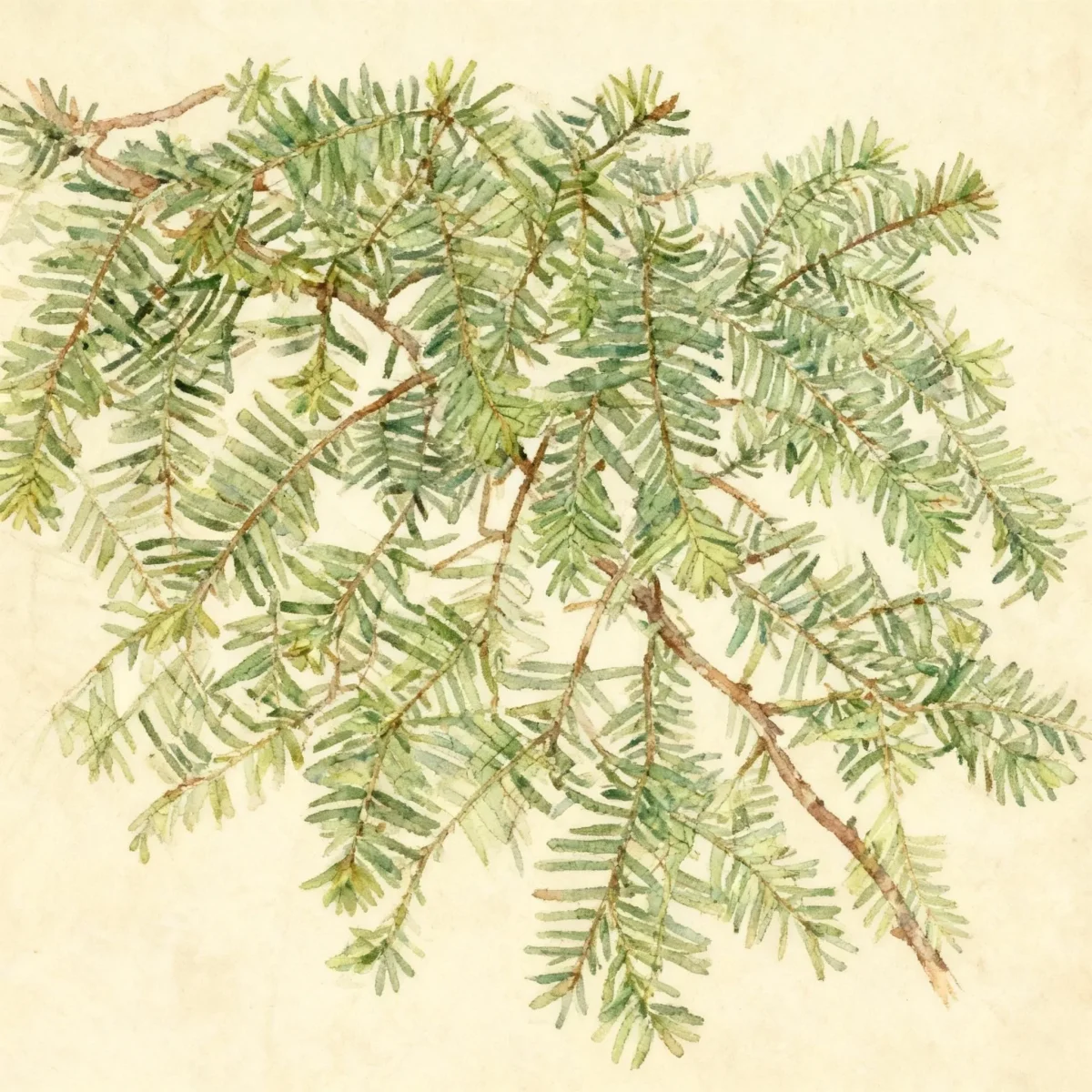
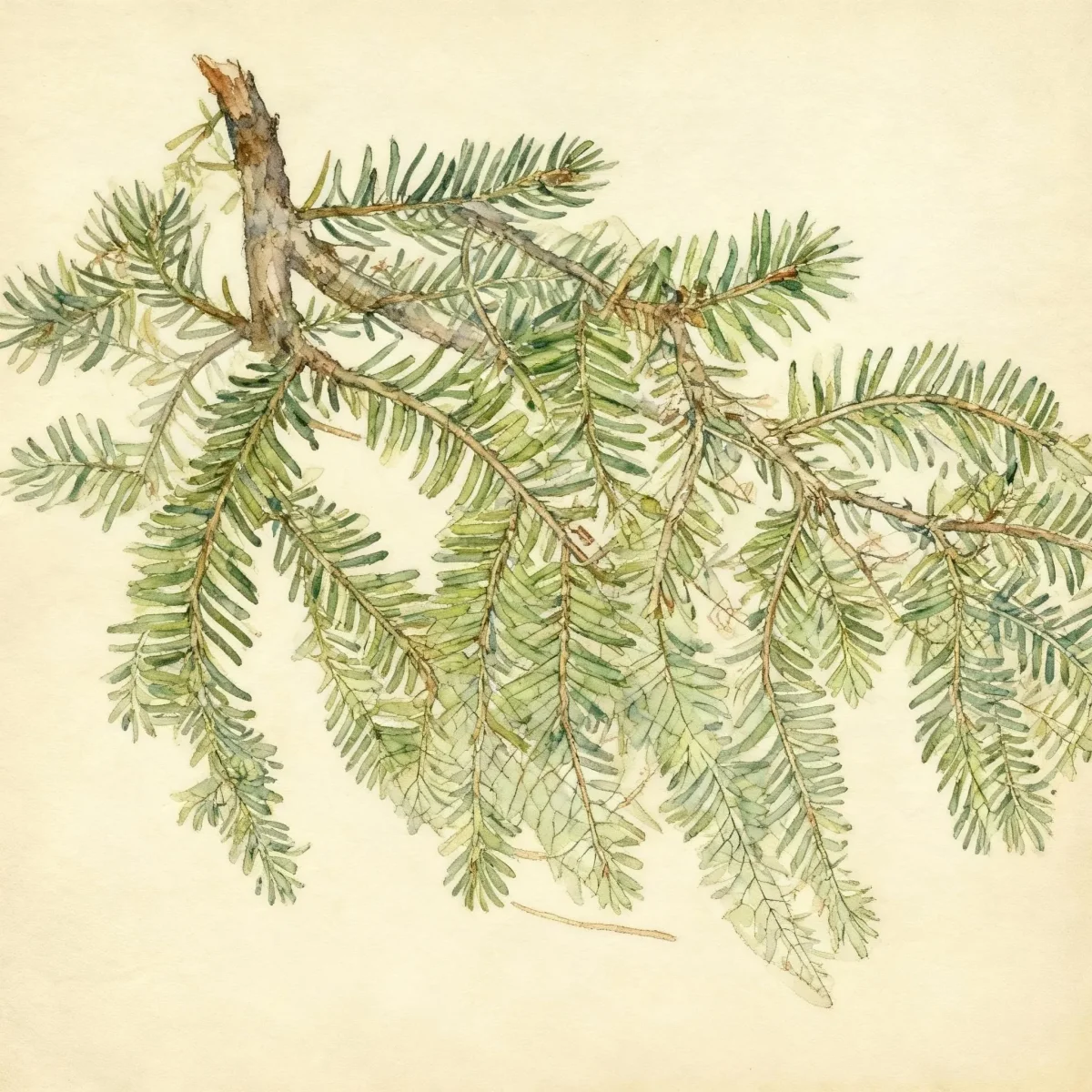
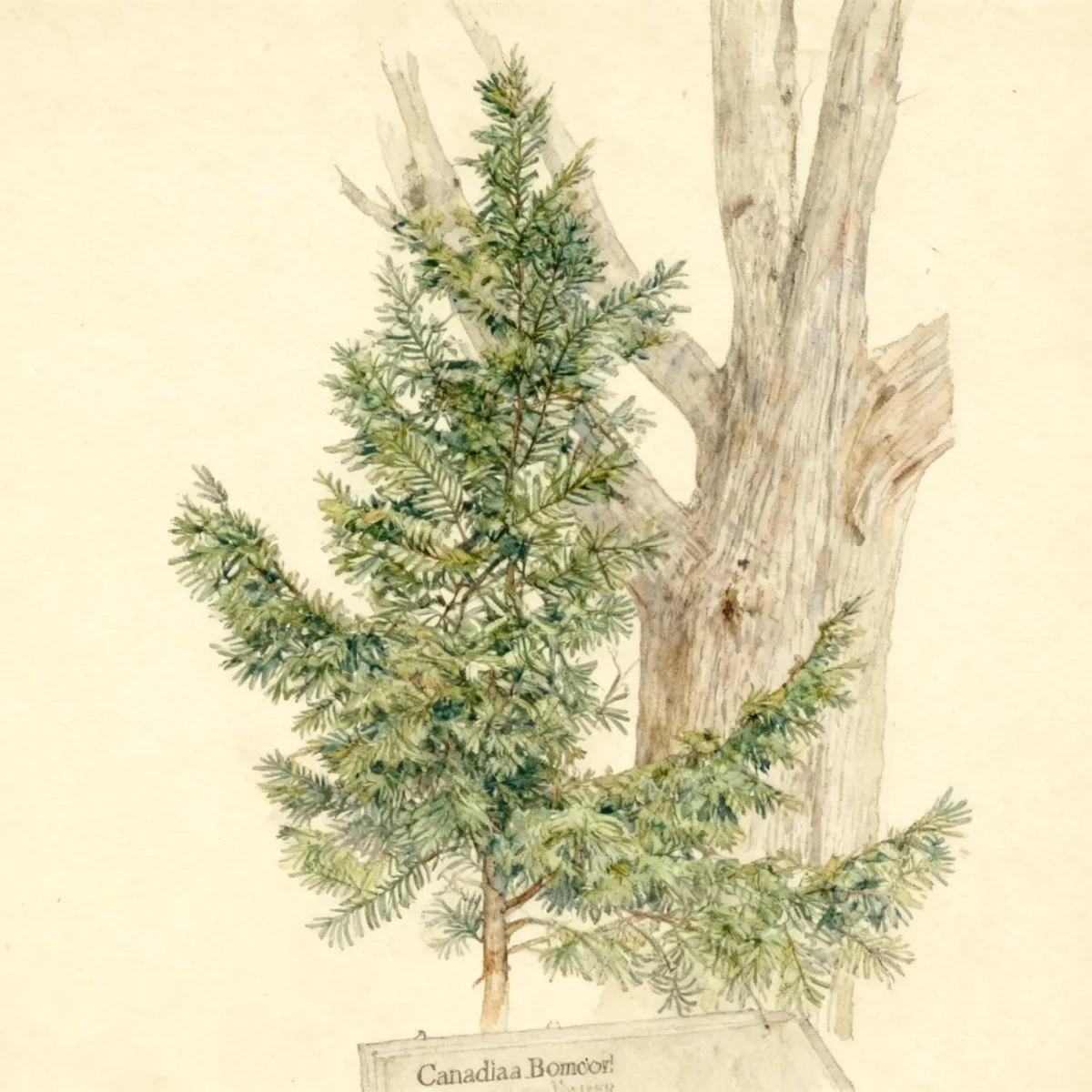
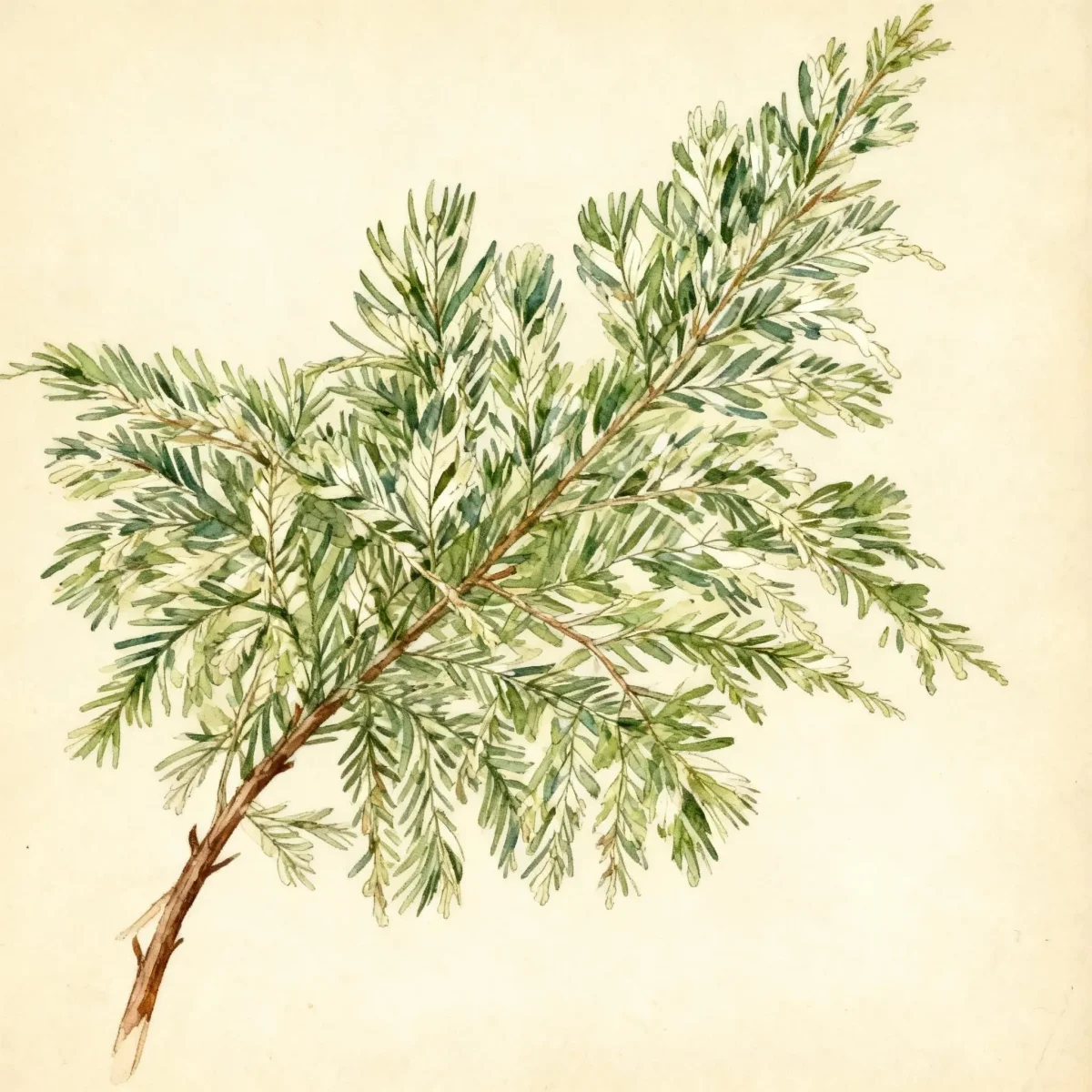
Canadian hemlock (Tsuga canadensis 'Lewis')
Tsuga canadensis 'Lewis' is a dwarf, slow-growing, pyramidal Canadian hemlock perfect for rock gardens and tight spaces. Offers dense, dark green evergreen texture.
Scroll down to discover growing tips, care requirements, companion plants, and more
Complete Plant Information
Overview
The Tsuga canadensis ‘Lewis’ cultivar offers the classic beauty of the Canadian hemlock in a dramatically compact, slow-growing form suitable for smaller landscapes. This dwarf, narrow, pyramidal conifer provides year-round interest with its dense, lacy, dark green foliage. It is highly valued for its clean structure and ability to thrive where many larger evergreens cannot reach.
As a dwarf cultivar, Tsuga canadensis ‘Lewis’ typically reaches only 4 to 6 feet in height but maintains an upright, slightly irregular habit. Its low maintenance needs and tolerance for shade make it an excellent choice for foundation plantings or adding vertical accent in sheltered garden areas. Gardeners appreciate the graceful texture provided by this slow-growing Canadian hemlock.
This evergreen retains its rich color through the winter, offering vital structure when deciduous plants are bare. Successfully growing Tsuga canadensis ‘Lewis’ relies on avoiding drought and intense afternoon heat, ensuring its longevity as a permanent, elegant specimen in the garden composition.
Fast Facts
- Plant Family: Pinaceae
- Plant Type: Needled evergreen
- Hardiness Zones: USDA Zones 3-7
- Size at Maturity:
- Height: 4-6 ft
- Spread: 2-3 ft
- Bloom Time: Non-flowering
- Bloom Description: Non-flowering
- Sun Exposure: Part shade to full shade
- Water Needs: Medium
- Maintenance Level: Low
How to Grow
Planting Tsuga canadensis ‘Lewis’ should ideally occur in spring or fall when temperatures are mild. Ensure the planting site provides average, medium moisture, and most critically, well-drained soil. This dwarf Canadian hemlock performs best when sited in part shade, protected from strong drying winds and the intense hot afternoon sun, especially in warmer parts of its range.
Watering is essential, as this cultivar is intolerant of drought. Water regularly, ensuring deep saturation, particularly during dry spells or when the plant is young. While it tolerates full sun in cooler northern climates, avoid planting where temperatures consistently exceed 95°F, as leaf scorch can occur.
Maintenance is generally low. Apply a thick layer of winter mulch annually to help regulate soil moisture and temperature extremes around the roots. Fertilization is rarely necessary if the soil is reasonably fertile and drainage is adequate. Avoid pruning unless shaping is absolutely required, as Tsuga canadensis ‘Lewis’ relies on its natural, slow growth pattern.
Landscape Uses
The compact size and upright, irregular pyramidal shape of Tsuga canadensis ‘Lewis’ make it incredibly versatile for formal or informal designs. It excels as a specimen plant in rock gardens, providing a strong vertical anchor among lower-growing alpines. Due to its deep shade tolerance, it is an indispensable component for brightening dark woodland borders or beneath mature deciduous trees.
Consider using this dwarf Canadian hemlock in foundation plantings where larger evergreens would quickly become overwhelming. Its refined texture contrasts beautifully with broadleaf shrubs or plants featuring bolder foliage shapes. It is also an excellent choice for controlled groupings or as a formal element in small, contemplative shade gardens.
Standout Features
Noteworthy Characteristics
The parent species, Canadian hemlock, is known for its graceful, flat sprays of lacy evergreen foliage and small needles. The ‘Lewis’ cultivar retains this delicate quality but matures slowly to only six feet tall and two feet wide, maintaining a narrow, upward-growing shape. Its small, dark green needles feature two whitish stomatal bands underneath, contributing to its refined appearance.
Tolerances
- Deer
- Heavy Shade
- Black Walnut
Potential Problems
A healthy Tsuga canadensis ‘Lewis’ rarely succumbs to issues when planted correctly, but environmental stress and pests can pose threats. Watch carefully for common hemlock diseases such as needle blight, canker, rusts, and rots, which often indicate poor air circulation or overly wet soils. Insect pests like bagworms, borers, and spider mites can also appear.
The most serious threat to all hemlocks is the Hemlock Woolly Adelgid (HWA), a tiny, sap-sucking insect that weakens and eventually kills the tree. Monitor the underside of branches for white, cottony masses, especially near the base of the needles. If HWA is suspected, consult local extension services immediately for effective chemical treatment options, as control is challenging once infestation is severe.
Preventative care is crucial; ensure excellent drainage and avoid prolonged drought, which stresses the plant and makes it susceptible to secondary issues like scorching in hot weather or insect colonization. Proper siting away from intense heat helps mitigate foliage scorch.
Frequently Asked Questions
What hardiness zones is Canadian hemlock (Tsuga canadensis ‘Lewis’) suitable for?
This cultivar is hardy and adaptable across USDA Zones 3 through 7.
How large does Tsuga canadensis ‘Lewis’ grow?
When fully mature, expect the Tsuga canadensis ‘Lewis’ to reach a height between 4 and 6 feet, spreading modestly between 2 and 3 feet wide.
What sun exposure does Canadian hemlock need?
This Canadian hemlock thrives best when provided with part shade conditions, though it can handle full shade, particularly away from hot afternoon sun exposure.
When does Tsuga canadensis ‘Lewis’ bloom?
This conifer is non-flowering, meaning it produces cones rather than conspicuous flowers; it is valued purely for its evergreen foliage structure.
Conclusion
The Tsuga canadensis ‘Lewis’ is an invaluable specimen for gardeners needing a slow-growing, refined evergreen that flourishes in partial to deep shade. Its compact stature and attractive lacy texture combine to offer year-round structure with overall low maintenance requirements. Before planting, verify that your site provides consistent moisture and protection from harsh afternoon sun to ensure this beautiful dwarf Canadian hemlock thrives for years to come.
Companion Planting
Since Tsuga canadensis ‘Lewis’ demands shade and medium moisture, thoughtful companion planting can enhance its woodland aesthetic. Pair it with other shade-loving, acid-tolerant plants such as Japanese forest grass (Hakonechloa macra) for textural contrast, or woodland favorites like Astilbe or Hosta varieties that prefer filtered light. Avoid planting aggressive spreaders near the base of the hemlock, as this can impede air circulation around the lower branches.
Seasonal Care Calendar
Early spring, before the flush of new growth, is a good time to apply a slow-release, balanced fertilizer if desired. During hot, dry summers in Zones 5-7, pay close attention to watering—this is the most critical task for maintaining the health of Tsuga canadensis ‘Lewis’. In late fall, apply a thick layer of organic mulch around the root zone, avoiding contact with the trunk, to insulate the roots against harsh winter freeze-thaw cycles common in the upper hardiness zones.