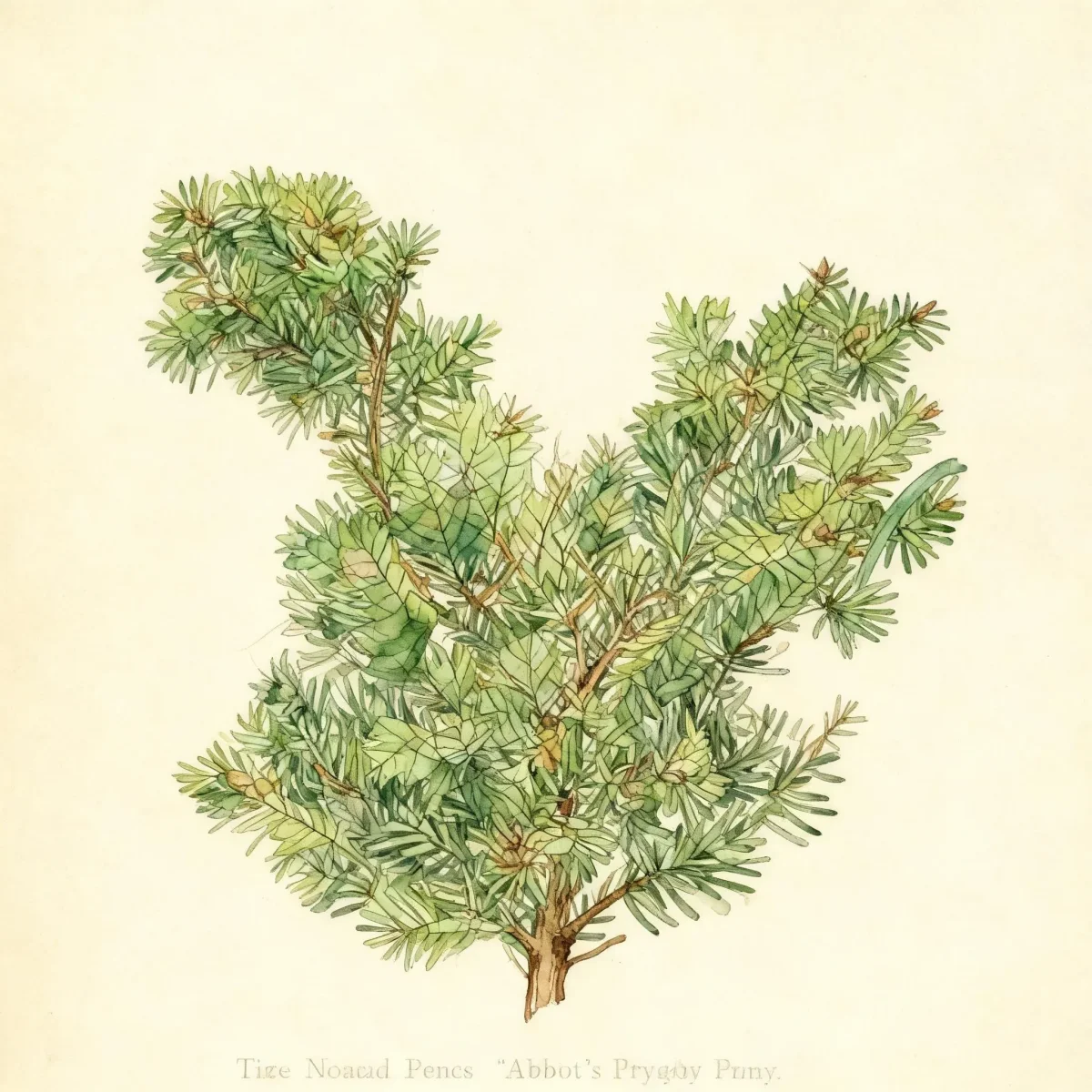
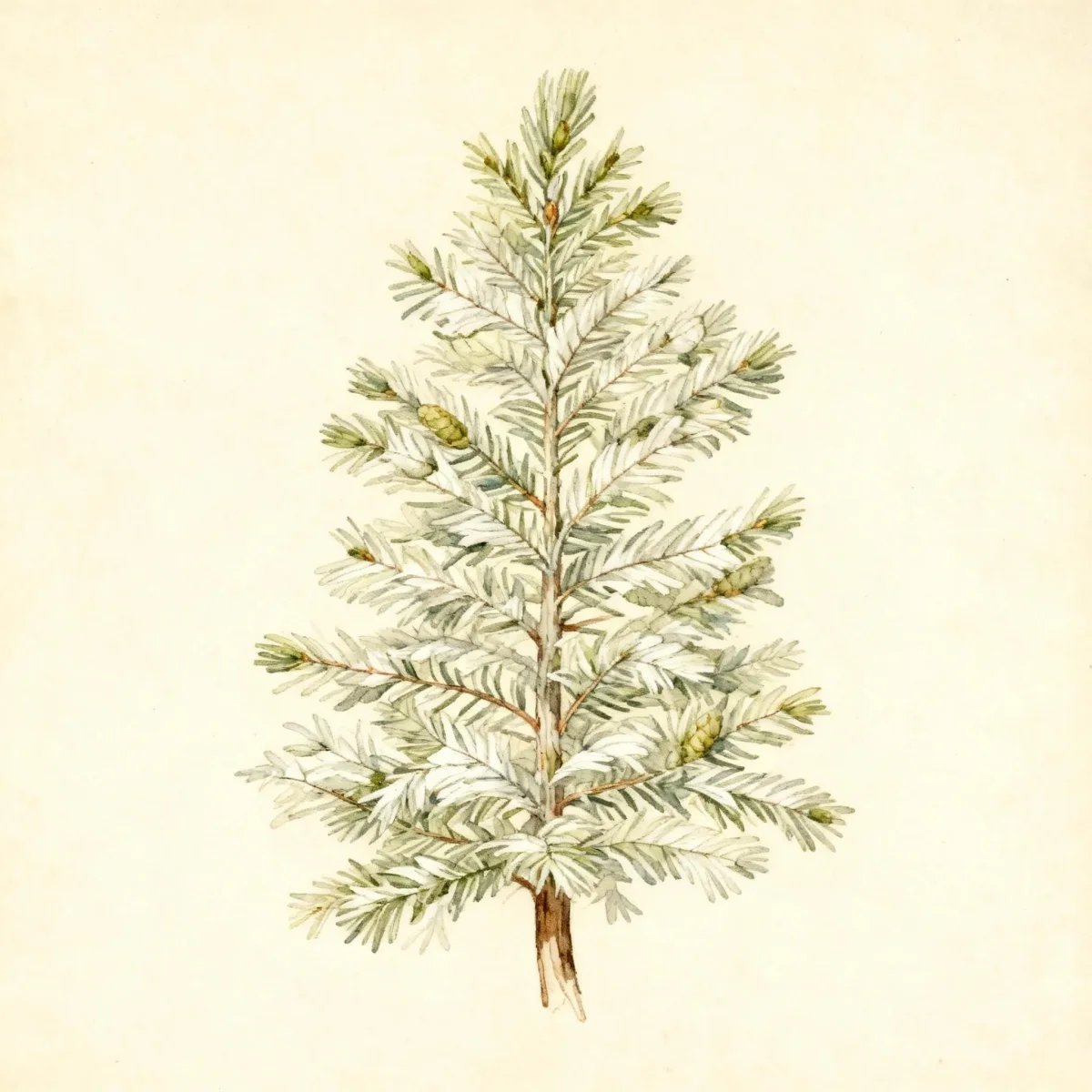
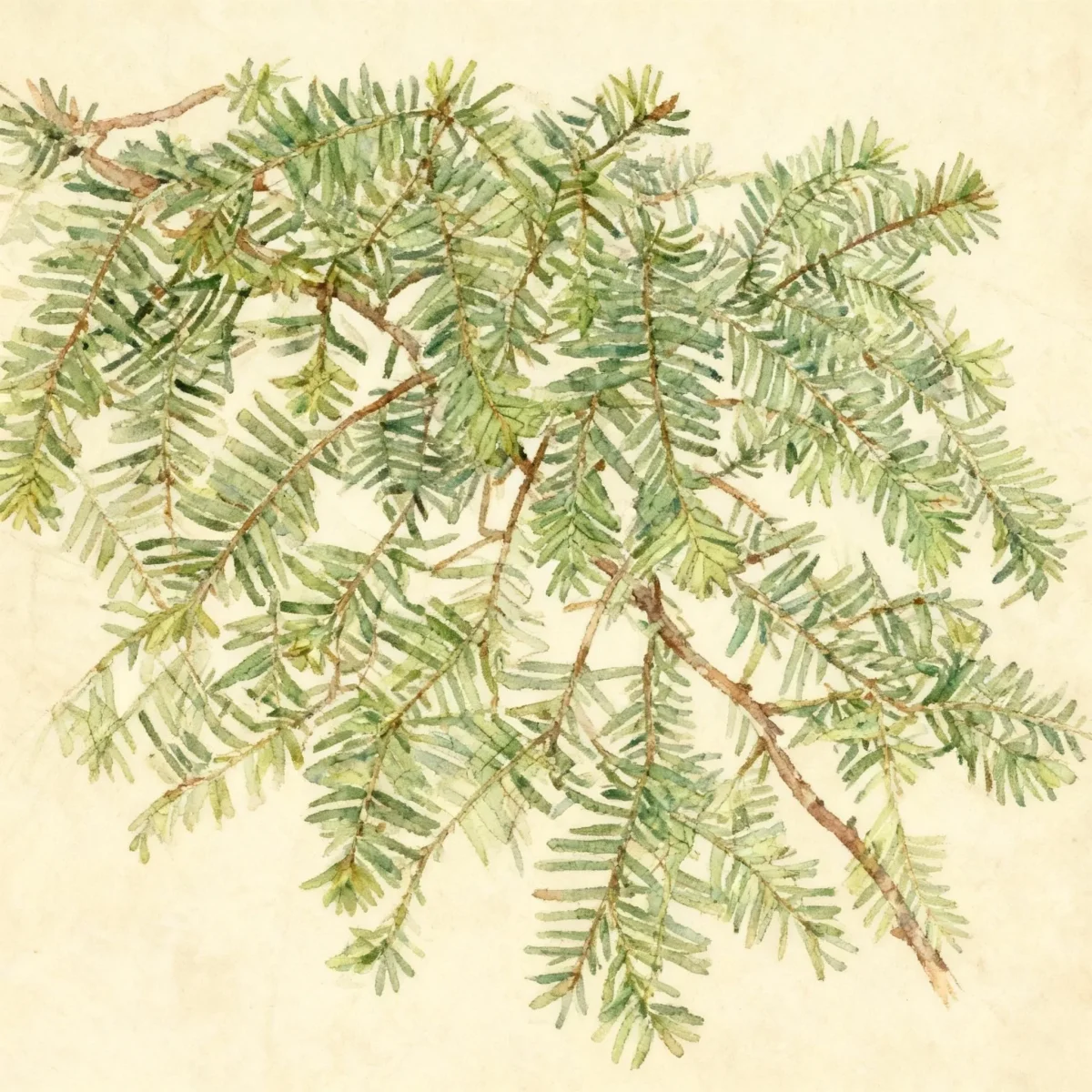
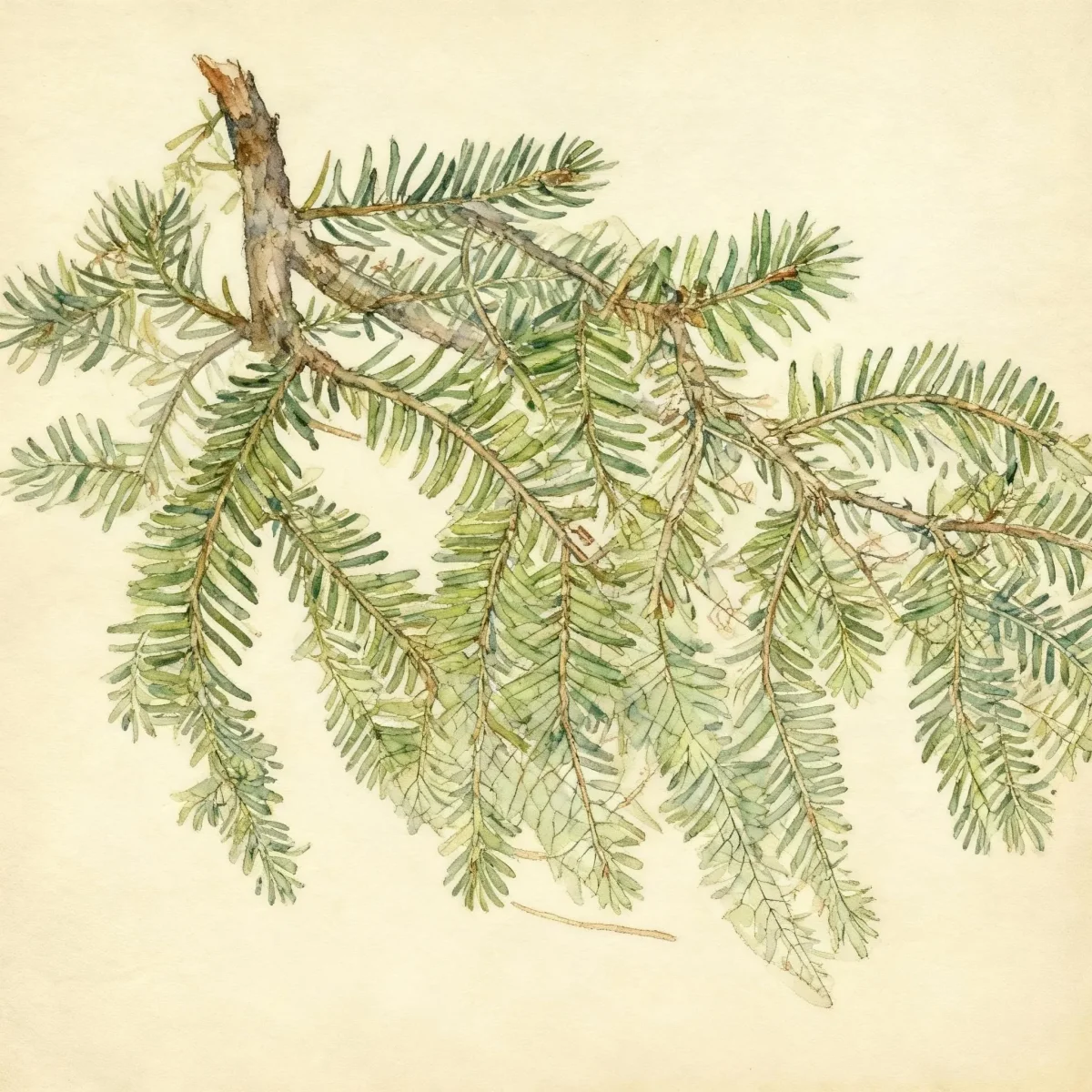
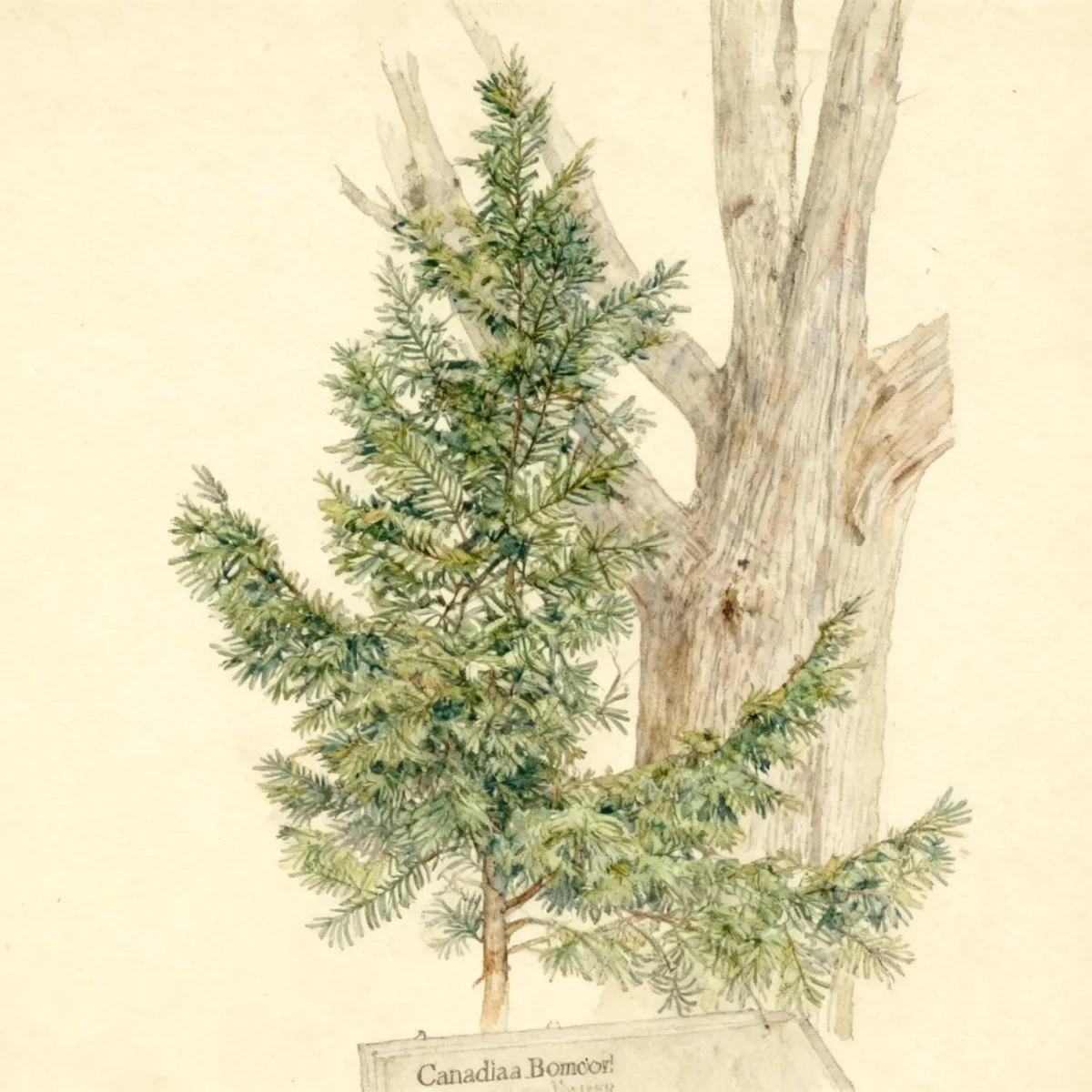
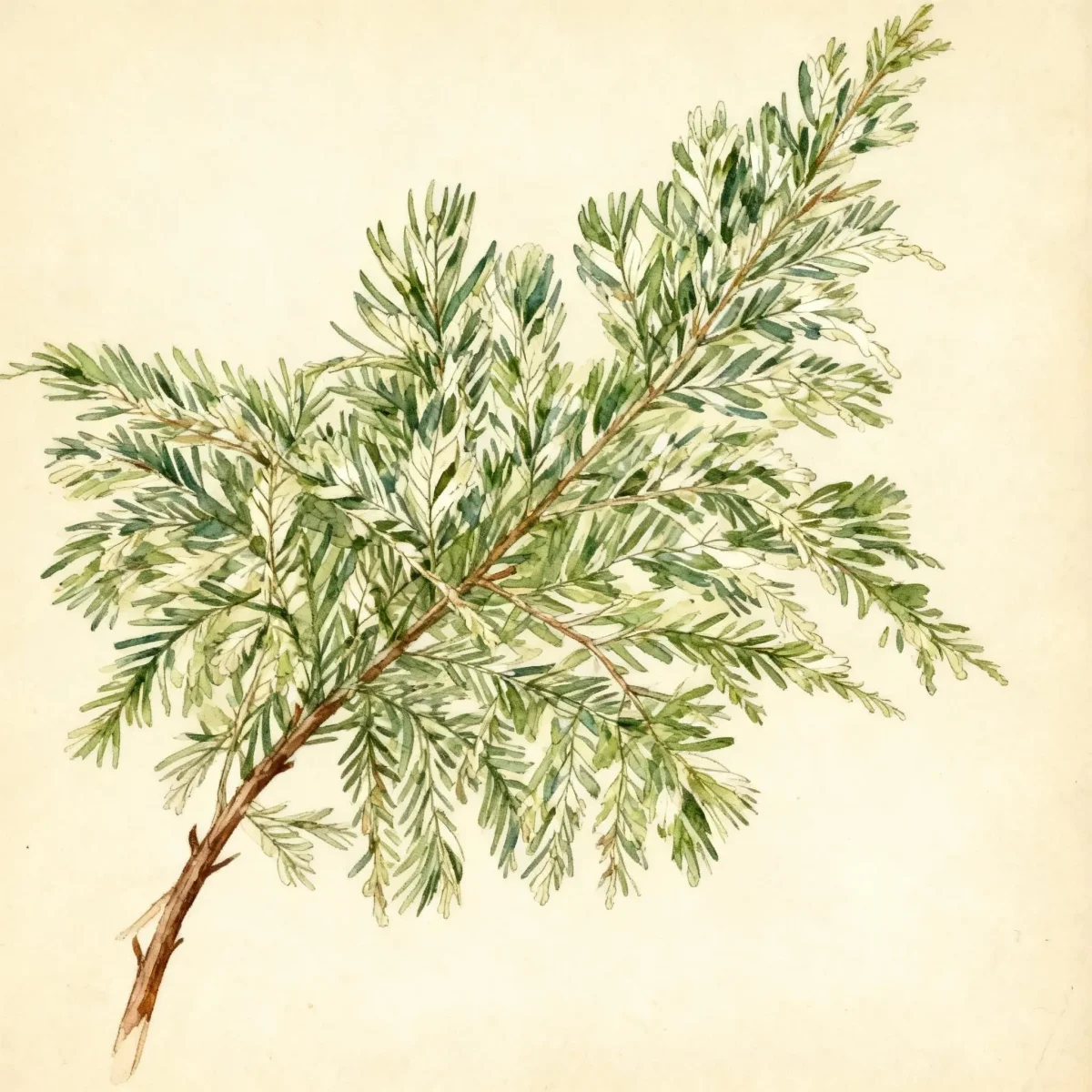
Canadian hemlock (Tsuga canadensis 'Pendula')
Tsuga canadensis 'Pendula' is a graceful, low-maintenance weeping conifer. Ideal for part shade in zones 3-7.
Scroll down to discover growing tips, care requirements, companion plants, and more

Complete Plant Information
Overview
Tsuga canadensis ‘Pendula’, commonly known as the weeping Canadian hemlock, offers exceptional textural contrast in the landscape with its gracefully cascading, lacy evergreen foliage. This cultivar of the native Eastern hemlock is highly valued for its unique form, which often requires minimal pruning to maintain a distinctive, sweeping silhouette. It is a stunning specimen plant prized globally by horticulturists for its year-round visual interest.
As a slow-growing needled evergreen, Tsuga canadensis ‘Pendula’ thrives best when protected, favoring the dappled light of part shade environments. Its slow stature means it matures into a manageable shrub or small tree, perfect for integrating into smaller garden spaces where the full-sized species would overwhelm. Planting this cultivar ensures reliable structure and color regardless of winter weather in its hardiness range.
Gardeners appreciate the low maintenance requirements of Canadian hemlock, making it an excellent choice for foundation plantings, informal screens, or as a dramatic accent. Its dense habit and evergreen nature provide screening and focal points throughout all four seasons, cementing the reputation of Tsuga canadensis ‘Pendula’ as one of the most handsome conifers available.
Fast Facts
- Plant Family: Pinaceae
- Plant Type: Needled evergreen
- Hardiness Zones: USDA Zones 3-7
- Size at Maturity:
- Height: 4-5 ft
- Spread: 8-10 ft
- Bloom Time: Non-flowering
- Bloom Description: Non-flowering
- Sun Exposure: Part shade to full shade
- Water Needs: Medium
- Maintenance Level: Low
How to Grow
The best time for planting the weeping Canadian hemlock is typically in the spring or early fall, allowing the plant time to establish roots before extreme temperatures hit. Locate your Tsuga canadensis ‘Pendula’ where it receives part shade to full shade. It performs best in average, medium moisture, well-drained soils. Ensure the location is sheltered from strong drying winds and harsh, hot afternoon summer sun.
Watering is crucial, especially for young plants or during prolonged dry spells; this tree is intolerant of drought and requires regular moisture to remain vibrant. While it tolerates full sun in cooler northern climates, gardeners south of USDA Zone 6 should be cautious, as intense heat can cause foliage scorch on the Canadian hemlock. Apply a thick layer of mulch in the winter to help regulate soil temperature and conserve moisture.
Maintenance for this weeping form is generally low. While it can grow significantly larger, regular clipping or pruning can keep the growth constrained to a neat, mounded shape of 2 to 3 feet, which works well for rock gardens. Generally, pruning is done only to control shape or remove dead wood.
Landscape Uses
The graceful, weeping habit of Tsuga canadensis ‘Pendula’ makes it an extraordinary specimen plant, drawing the eye to its intricate branch structure year-round. It transitions seamlessly between formal and informal designs, serving perfectly as a specimen on a manicured lawn or nestled among rugged rock gardens where its drooping branches mimic natural overhangs. For hedges or screens, group several plants together; though smaller than the species, the cultivar can still build an attractive, informal barrier.
For waterside plantings, the Canadian hemlock’s preference for consistent moisture makes it a natural fit near ponds or streams, provided the soil remains well-drained. When kept pruned low, it excels as a textured filler in mixed borders, providing deep green contrast against deciduous shrubs or broadleaf evergreens. This stunning conifer offers flexibility, whether used as an accent, in groups, or meticulously shaped into a low mound.
Standout Features
Noteworthy Characteristics
The species, Tsuga canadensis, is famous for its lacy foliage composed of short, dark green needles with two distinct white bands underneath, creating a soft, overall appearance. The ‘Pendula’ cultivar is specifically noted for its weeping habit, often used as a collective name for weeping hemlocks, which can be pruned to maintain a 4-5 foot height and 8-10 foot spread, or kept even smaller. Michael A. Dirr highly praises this weeping form as “one of the most handsome of all conifers,” contrasting its native pyramidal parent which can reach over 50 feet tall in the wild.
Tolerances
- Deer
- Heavy Shade
- Black Walnut
Potential Problems
A healthy Tsuga canadensis ‘Pendula’ faces few issues when planted in the right conditions, though growers must remain vigilant regarding pests and environmental stress. Potential diseases include needle blight, canker, rusts, and various rots, often stemming from poor air circulation or overly wet conditions. Watch for common insect pests like bagworms, borers, leaf miner, saw fly, and spider mites affecting the foliage.
The most significant threat to the native Eastern hemlock populations, and thus a potential issue for this cultivar, is the Hemlock Woolly Adelgid (HWA). This minute, sap-sucking insect can be fatal to mature trees, requiring consistent monitoring and treatment, often involving systemic pesticides containing imidacloprid or dinotefuran, especially if HWA is prevalent in your region.
To mitigate issues, avoid prolonged drought conditions, as confirmed by the essential need for medium water; drought stress weakens the plant and makes it more susceptible to secondary pests. In very hot, humid summers, foliage may scorch from intense sun or heat exposure, emphasizing the need for a sheltered, partially shaded location for your weeping Canadian hemlock.
How to Increase Planting Success
Designing with Weeping Forms
Since Tsuga canadensis ‘Pendula’ naturally drapes, use its character intentionally in your design. Plant it near retaining walls or elevated berms so that the pendulous branches cascade over the edge, maximizing the visual impact of the weeping habit. Contrasting its fine, dark green texture with bold, coarse-leaved plants enhances its delicate appearance. It pairs beautifully with Japanese maples or low-growing hostas when placed in a woodland or shade garden setting.
Managing Moisture and Soil pH
Although the Canadian hemlock prefers medium moisture, ensuring excellent drainage is paramount; soggy winter soil invites root rot. While not strictly stated, hemlocks generally prefer slightly acidic soils. Incorporating organic matter during planting helps both drainage and moisture retention. Regularly check the soil moisture level during summer using the “finger test” to ensure the tree is not stressed before applying water deeply, as this prevents drought stress that can lead to needle scorch or pest vulnerability.
Frequently Asked Questions
What hardiness zones is Canadian hemlock suitable for?
Tsuga canadensis ‘Pendula’ is reliably hardy in USDA Zones 3 through 7.
How large does Tsuga canadensis ‘Pendula’ grow?
At maturity, this weeping conifer typically reaches a height between 4 and 5 feet with a spread of 8 to 10 feet, though pruning can keep it lower.
What sun exposure does the weeping Canadian hemlock need?
This evergreen thrives best when placed in part shade to full shade conditions for optimal performance and protection from summer scorch.
When does Tsuga canadensis ‘Pendula’ bloom?
This species is a needled evergreen and is classified as non-flowering; it does not produce noticeable blooms.
Conclusion
The Tsuga canadensis ‘Pendula’ provides unparalleled sculptural beauty and year-round structure, offering a low-maintenance solution for shaded garden areas. Its unique weeping form ensures that this Canadian hemlock remains a handsome focal point across all seasons. Before planting, confirm that your site offers the part-shade conditions and well-drained soil necessary for this spectacular conifer to flourish.