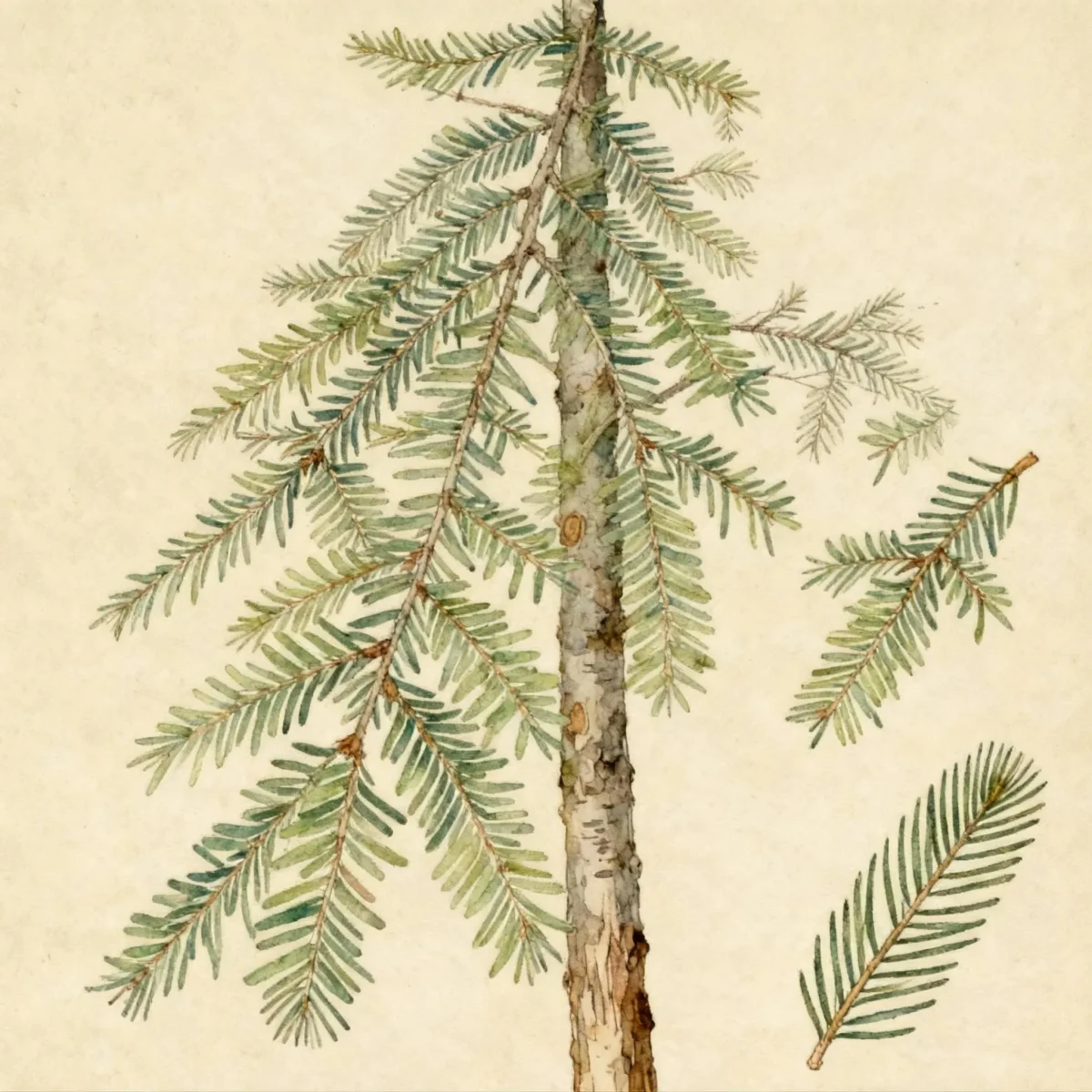
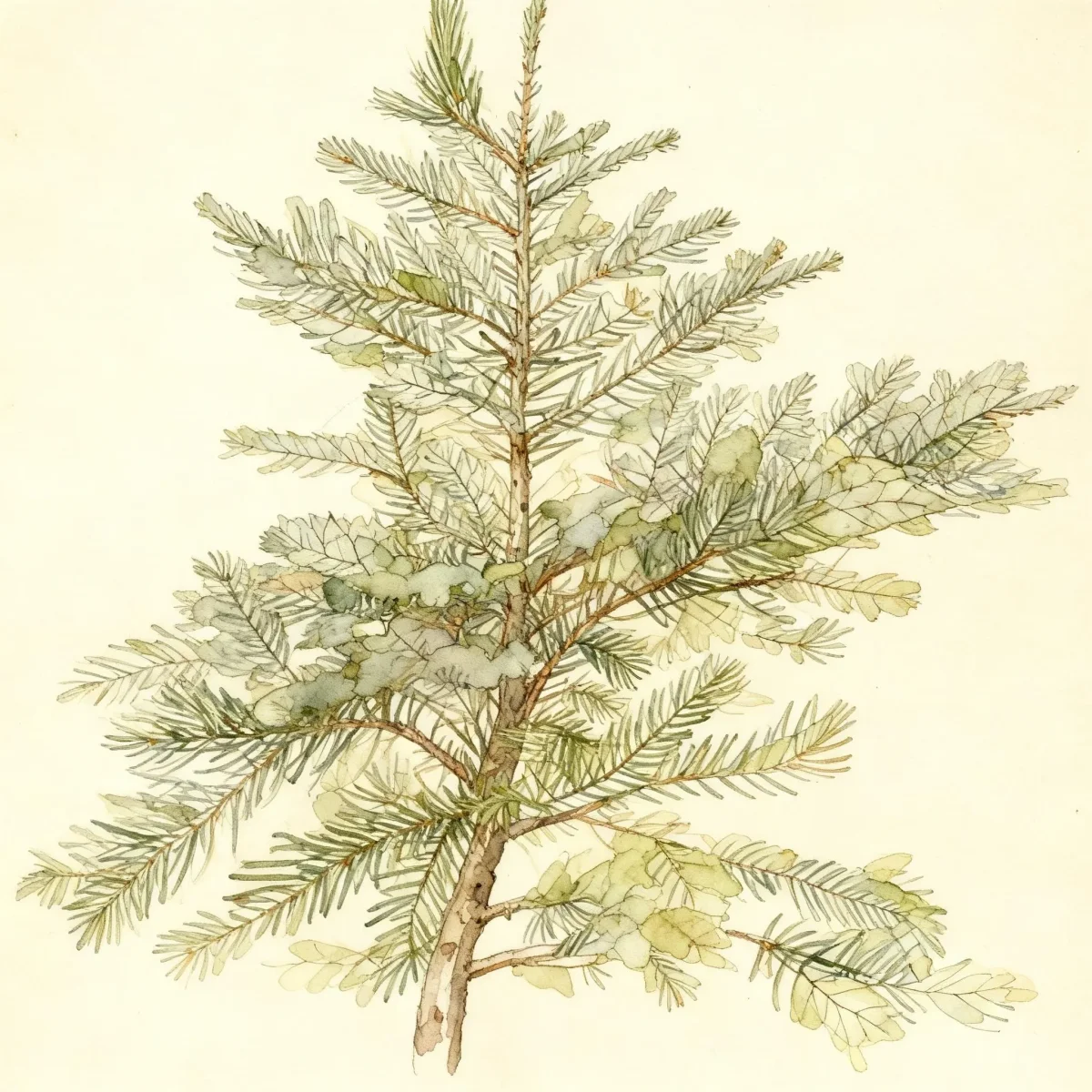
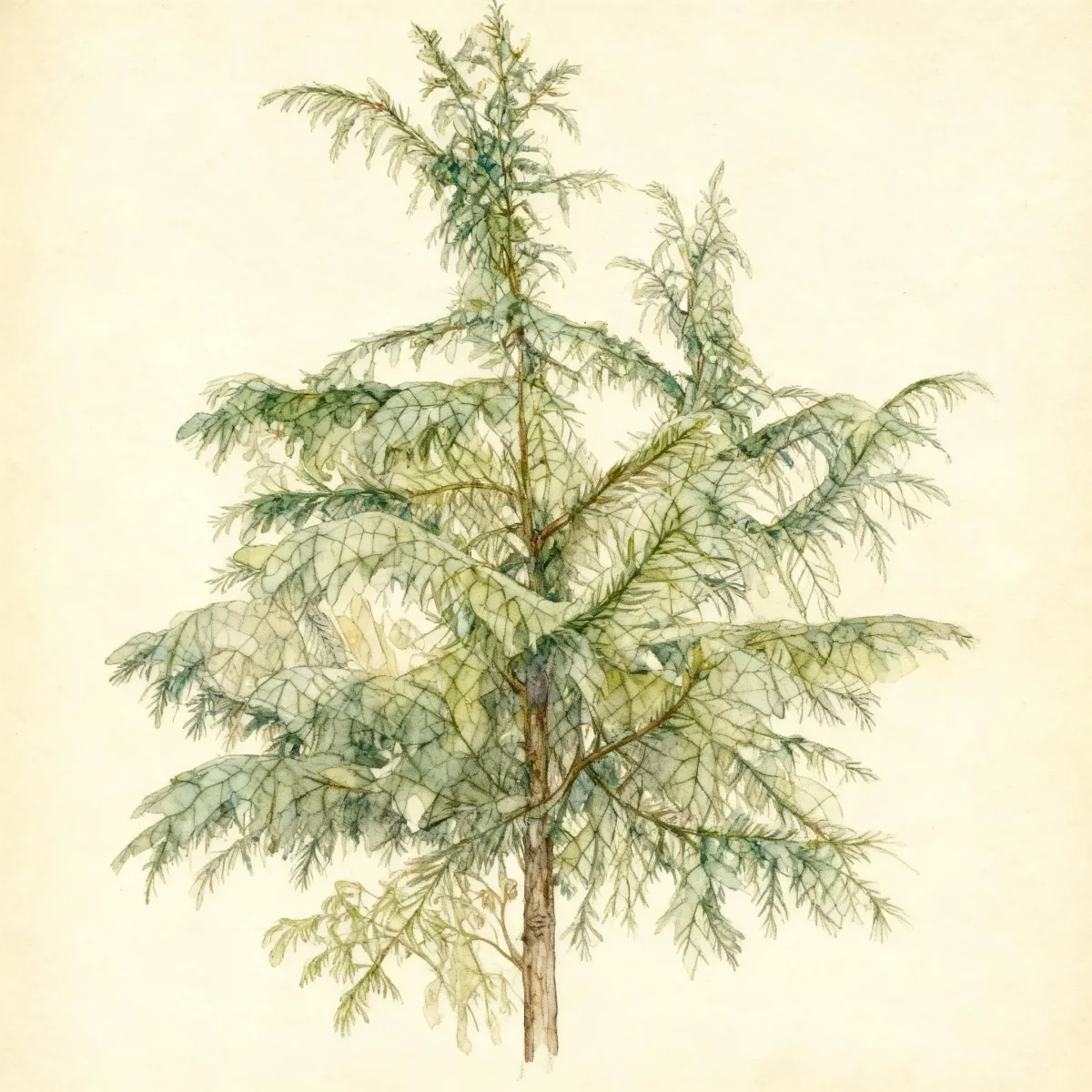
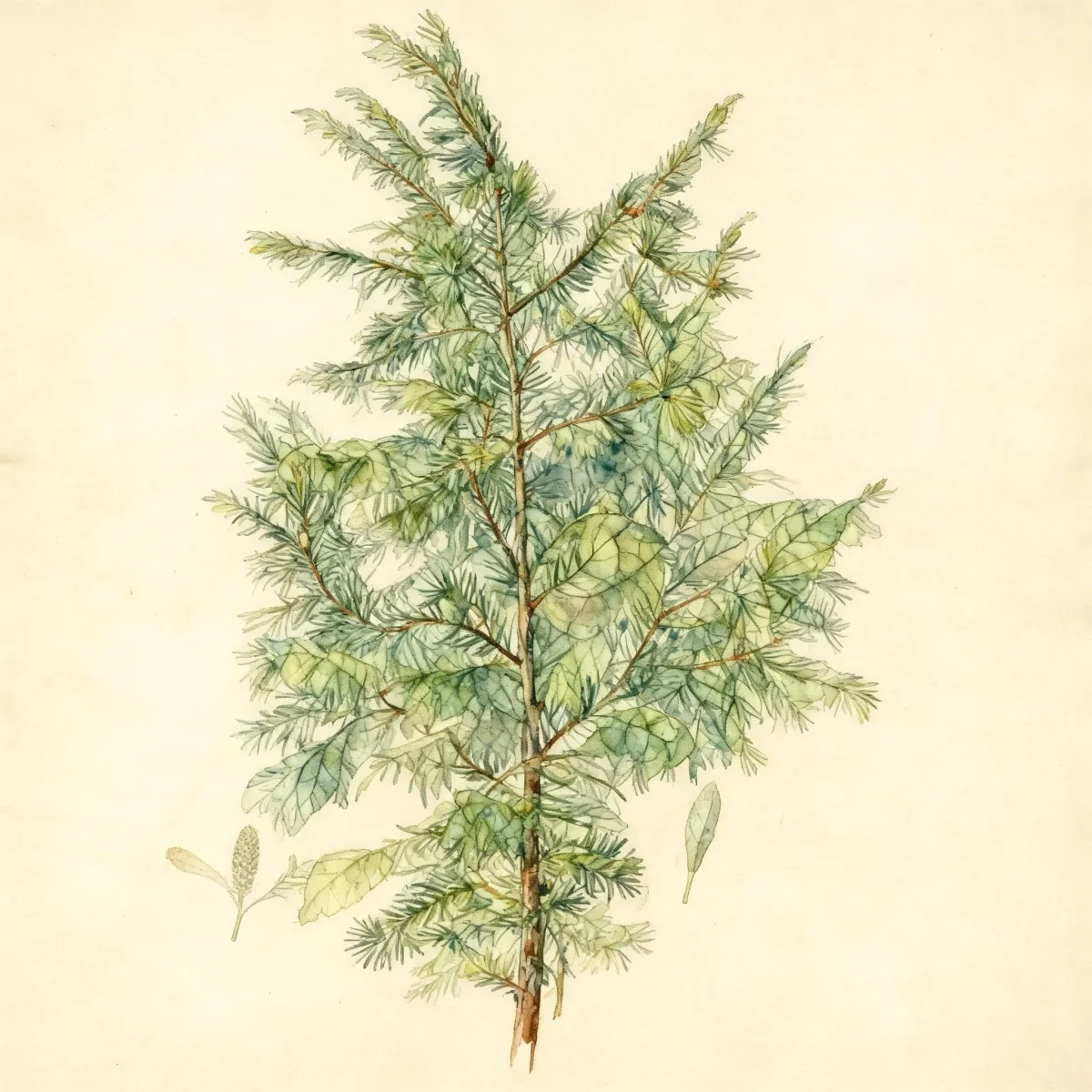
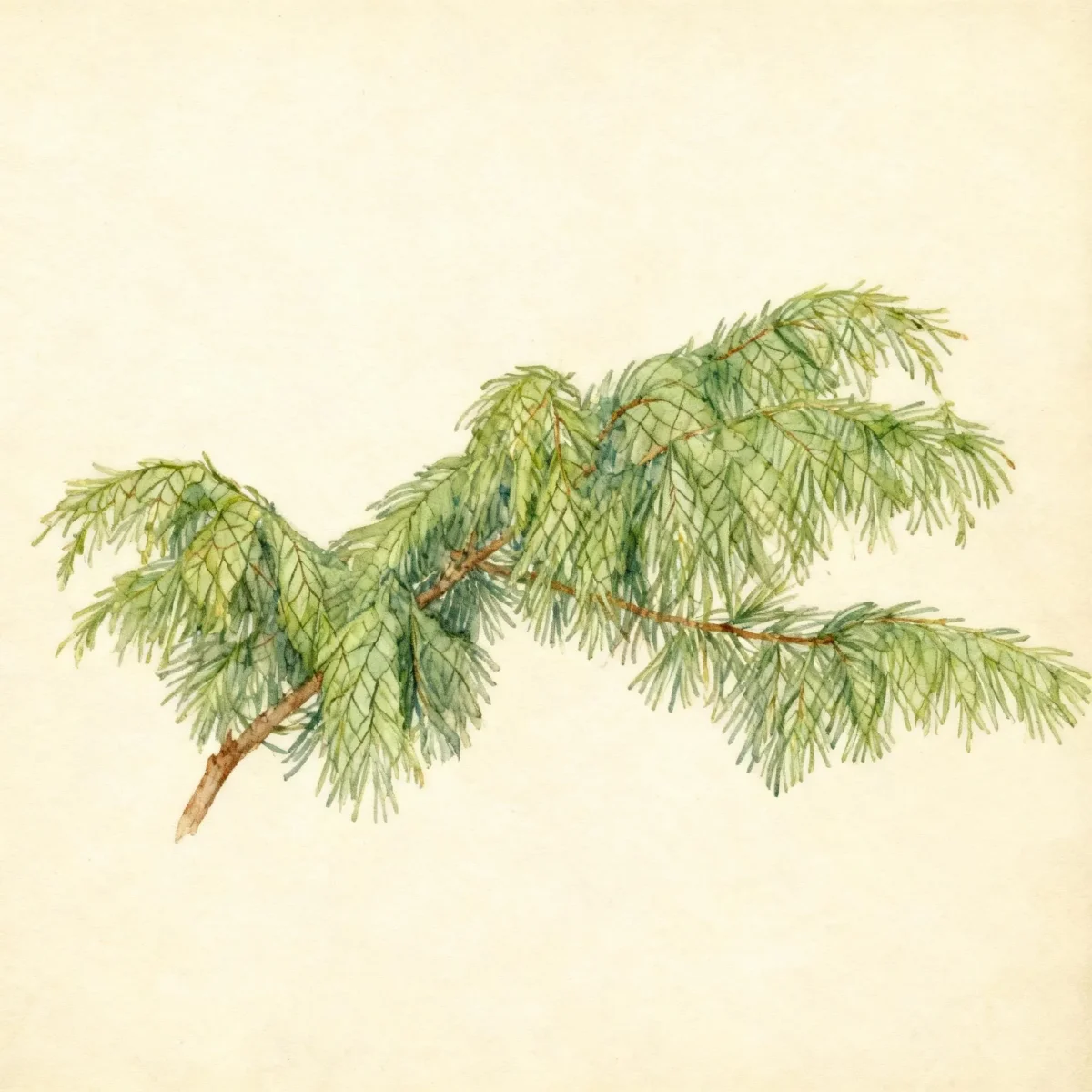
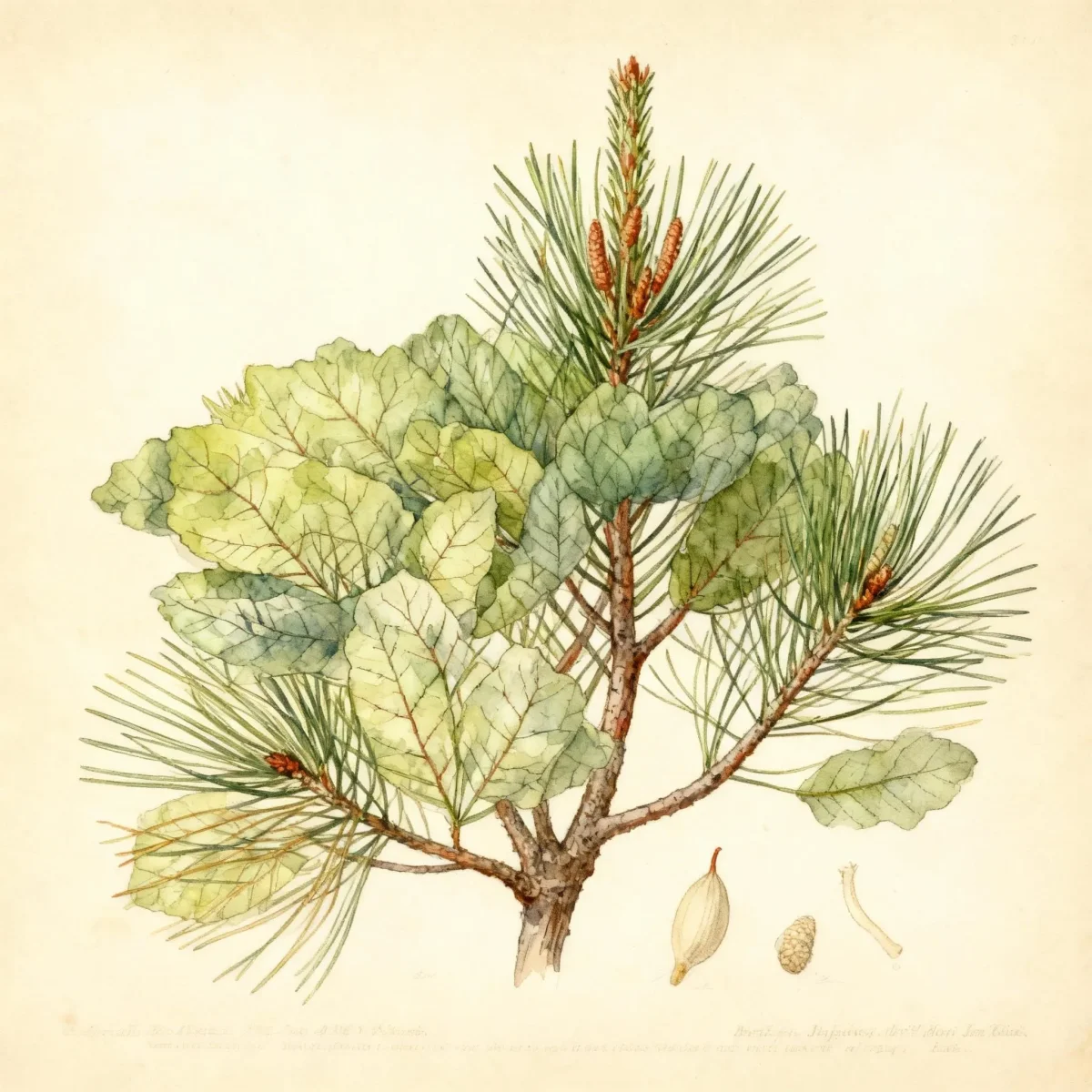
Western hemlock (Tsuga heterophylla 'Thorsen's Weeping')
Discover Tsuga heterophylla 'Thorsen's Weeping', a dwarf, weeping Western hemlock perfect for ground cover in shaded, moist gardens.
Scroll down to discover growing tips, care requirements, companion plants, and more
Complete Plant Information
Overview
Tsuga heterophylla ‘Thorsen’s Weeping’ offers the majestic texture of Western hemlock in a unique, ground-hugging form ideal for shaded landscapes. This cultivar is prized for its emerald green foliage and gracefully procumbent branches, contrasting sharply with the towering stature of the species. It provides excellent year-round structure, functioning exceptionally well as a spreading ground cover.
As a dwarf selection, Tsuga heterophylla ‘Thorsen’s Weeping’ thrives when provided with the cool, moist conditions reminiscent of its native Pacific Northwest environment. While the standard Western hemlock is a massive forest tree, this cultivar remains low to the ground, rarely exceeding a half-foot in height but spreading several feet wide over time. This makes the Tsuga heterophylla ‘Thorsen’s Weeping’ a fantastic choice for gardeners seeking texture and evergreen interest where height is restricted.
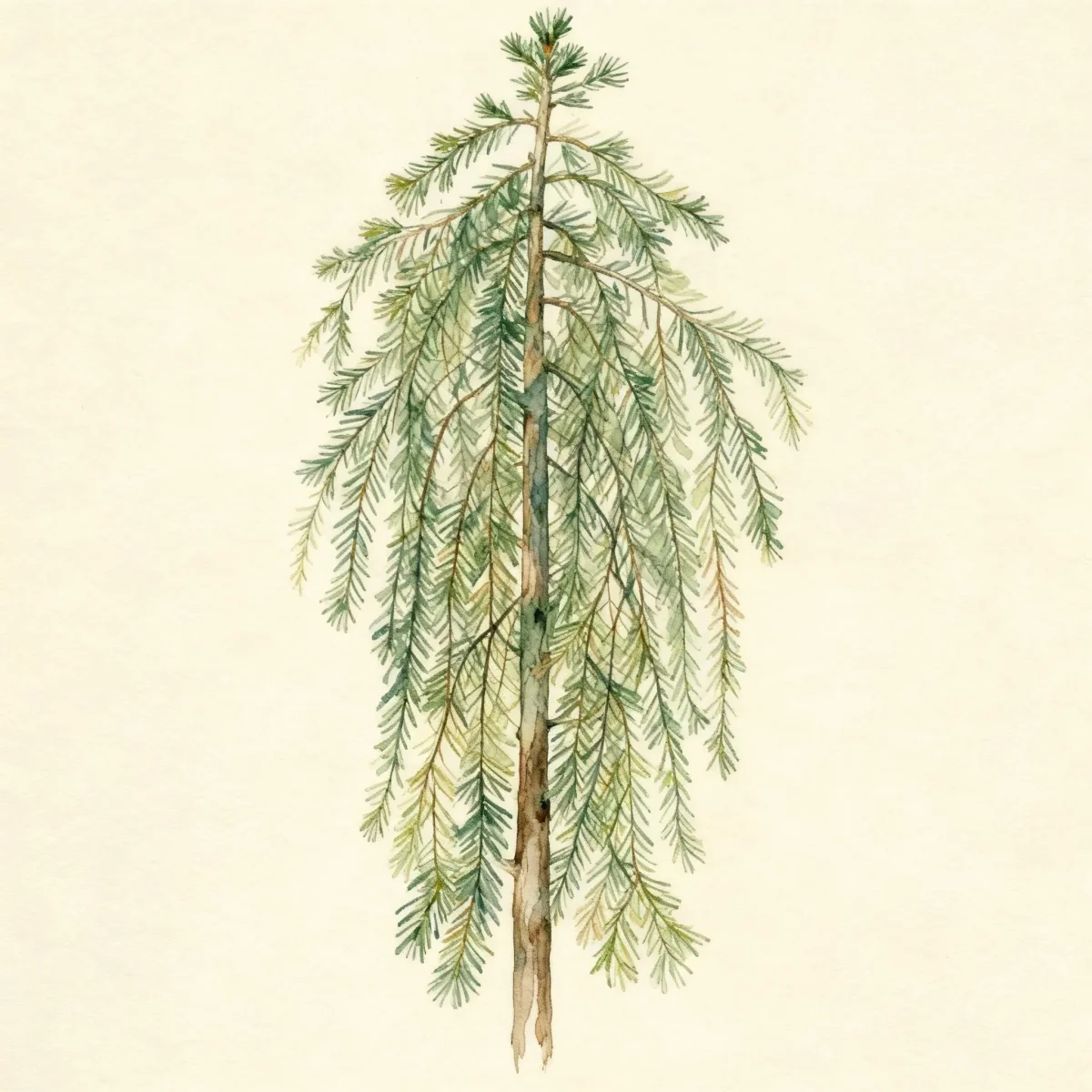
This needled evergreen also excels when afforded support, allowing its inherently weeping branches to cascade into an attractive, drooping mound, typically reaching 3 to 5 feet tall. Whether utilized as a sprawling accent or a trained specimen, Tsuga heterophylla ‘Thorsen’s Weeping’ brings reliable, deep green color to difficult shady spots.
Fast Facts
- Plant Family: Pinaceae
- Plant Type: Needled evergreen
- Hardiness Zones: USDA Zones 6-8
- Size at Maturity:
- Height: 0.25-0.5 ft
- Spread: 1-5 ft
- Bloom Time: Non-flowering
- Sun Exposure: Part shade to full shade
- Water Needs: Medium
- Maintenance Level: Medium
How to Grow
Planting should occur during the cooler months, either spring or fall, into average, well-drained soil. Although adaptable to various soil textures, drainage is crucial; soggy conditions can lead to root issues, even though this Western hemlock prefers moisture. Ensure the chosen location receives either part shade or full shade, always protecting young or established Tsuga heterophylla ‘Thorsen’s Weeping’ from intense, hot afternoon sun, which may scorch the foliage.
Watering requires consistency, especially while the plant establishes its root system. Water regularly during prolonged dry spells, as this cultivar is intolerant of drought. The ideal environment mimics the cool, moisture-laden atmosphere of its native western range, necessitating consistent medium moisture uptake. Avoid heavy fertilization; minimal feeding is required if the soil is adequate.
Pruning is generally minimal for ground cover applications. If you decide to train the Tsuga heterophylla ‘Thorsen’s Weeping’ upward, select one central leader and gently tie it to a stake. Prune only to remove stray branches or dead material; excessive shaping is unnecessary as the naturally weeping habit is desirable. Protecting the plant from urban air pollution may also be necessary in highly industrialized areas.
Landscape Uses
The primary value of Tsuga heterophylla ‘Thorsen’s Weeping’ lies in its use as a low-profile, spreading accent. It functions exceptionally well as a dense ground cover, suppressing weeds while providing continuous evergreen coverage across the landscape. Its fine texture contrasts beautifully against broad-leaved rhododendrons or hostas planted higher on a slope above it.
Consider utilizing this dwarf Western hemlock in rock gardens where its low, sprawling habit can soften hard edges and spill over stones. Alternatively, if given vertical guidance, it transforms into a graceful, cascading specimen perfect for softening the corners of retaining walls or acting as a unique garden accent near pathways. It pairs well with other shade-loving, fine-textured evergreens that share its preference for cool, moist conditions.
Standout Features
Noteworthy Characteristics
Tsuga heterophylla, commonly known as western hemlock, is a pyramidal needled evergreen tree of the pine family. It features a narrow pyramidal crown that typically grows in cultivation to 70-150’ but may soar to as much as 250’ tall in the wild. It is the largest of the hemlock trees. It is native from Southern Alaska south through British Columbia, Washington, Oregon and those parts of northern California which are west of the Cascade Mountains plus in the northern Rocky Mountains in Canada and the northern U.S. Trees typically do not perform well outside of their native range. Needles (1/4” to 3/4” long and to 1/16” wide) are shiny dark green with white rows beneath. Cones grow to 1 1/8” long, and are pendulous (hang from the branch tips). Reddish-brown bark is up to 1.5” thick and develops deep scaly ridges. This species is the state tree of the State of Washington.Genus name of Tsuga is derived from the Japanese name for trees in this genus.Specific epithet comes from the Greek words heteros meaning different and phyllon meaning leaf.‘Thorsen’s Weeping’, by contrast, is a dwarf, prostrate, ground cover version of this tree. It features emerald green foliage and procumbent branches. It can sprawl along the ground as a ground cover to only 4” tall and to 5’ across over the first 5 years. If staked or otherwise supported to a desired height, it can grow over time in a cascading mound to the desired height, typically 3-5’ tall, with gracefully weeping branches which sweep to the ground
Tolerances
- Heavy Shade
Potential Problems
A healthy plant in the proper environment has few problems, but gardeners should remain vigilant, especially regarding shade-loving conifers. Potential disease issues for plants in the genus Tsuga include needle blight, which causes needles to prematurely yellow and die, alongside canker, rusts, and root rots if drainage is poor. Proper siting helps mitigate these fungal threats.
Insect management focuses primarily on common pests like bagworms, borers, leaf miners, sawflies, and spider mites. A significant concern, particularly in the Northeast U.S., is the woody adelgid, an aphid that can prove fatal to susceptible hemlocks. Monitor foliage closely for early signs of distress or infestation.
Foliage may scorch if Tsuga heterophylla ‘Thorsen’s Weeping’ is unexpectedly exposed to intense, prolonged heat, as it prefers cooler temperatures. Avoid planting in areas experiencing high levels of urban pollution, as the species generally shows poor tolerance for these stressful environments. Early identification and appropriate treatment are key to maintaining the health of your Western hemlock.
Frequently Asked Questions
What hardiness zones is Western hemlock suitable for?
Tsuga heterophylla ‘Thorsen’s Weeping’ is reliably hardy in USDA Zones 6 through 8.
How large does Tsuga heterophylla ‘Thorsen’s Weeping’ grow?
When left to sprawl as intended, this cultivar usually reaches 0.25 to 0.5 feet in height, spreading between 1 and 5 feet wide. If staked, it may be trained up to 3-5 feet tall.
What sun exposure does Western hemlock need?
This conifer requires partial shade to full shade conditions. It must be protected from the harsh, hot afternoon sun typically found in eastern climates.
When does Tsuga heterophylla ‘Thorsen’s Weeping’ bloom?
As a needled evergreen conifer, Tsuga heterophylla ‘Thorsen’s Weeping’ is non-flowering.
Conclusion
The Tsuga heterophylla ‘Thorsen’s Weeping’ provides an invaluable, low-maintenance evergreen texture, perfectly adapting the grandeur of the Western hemlock for smaller, shaded spaces. Its habit as a dense ground cover or cascading mound makes it a versatile asset in the shade garden. Ensure you check your local USDA zone compatibility (6-8) and plan for planting during a cool, moist period to establish this beautiful dwarf conifer successfully.
Companion Planting in Shade
Given the preference of this Western hemlock for cool, moist, filtered light, companion planting should focus on species sharing similar cultural needs. Hosta varieties with blue or gold foliage offer excellent color contrast against the emerald green needles of Tsuga heterophylla ‘Thorsen’s Weeping’. Ferns, such as Japanese Painted Fern (Athyrium niponicum) or Autumn Fern (Dryopteris erythrosora), pair well, enhancing the woodland effect.
For lower-growing companions that won’t compete aggressively, consider shade-tolerant ground covers like Tiarella (Foamflower) or Epimedium (Barrenwort). These selections appreciate the similarly protected understory environment that this dwarf hemlock helps create. Avoid placing shallow-rooted, sun-loving perennials immediately adjacent, as their water demands will conflict with the consistent moisture needed by the Tsuga heterophylla ‘Thorsen’s Weeping’.
Seasonal Care Calendar
Spring is the ideal time for any minor clean-up pruning to shape the growth or remove any winter-damaged tips on your Tsuga heterophylla ‘Thorsen’s Weeping’. Focus on establishing a consistent watering routine as temperatures rise; adequate moisture in early summer is critical for mitigating summer stress. Fertilization, if desired, should be minimal and applied very early in the spring before active growth begins.
During the hot months, vigilantly check soil moisture levels, particularly if this Western hemlock is situated beneath tree canopies that compete for the rain. In autumn, ensure the soil remains damp as the plant prepares for winter dormancy; deep watering before the ground freezes aids in winter survival. Minimal intervention is needed in winter, though tracking potential insect activity, such as spider mites, under the protective layer of snow is wise.