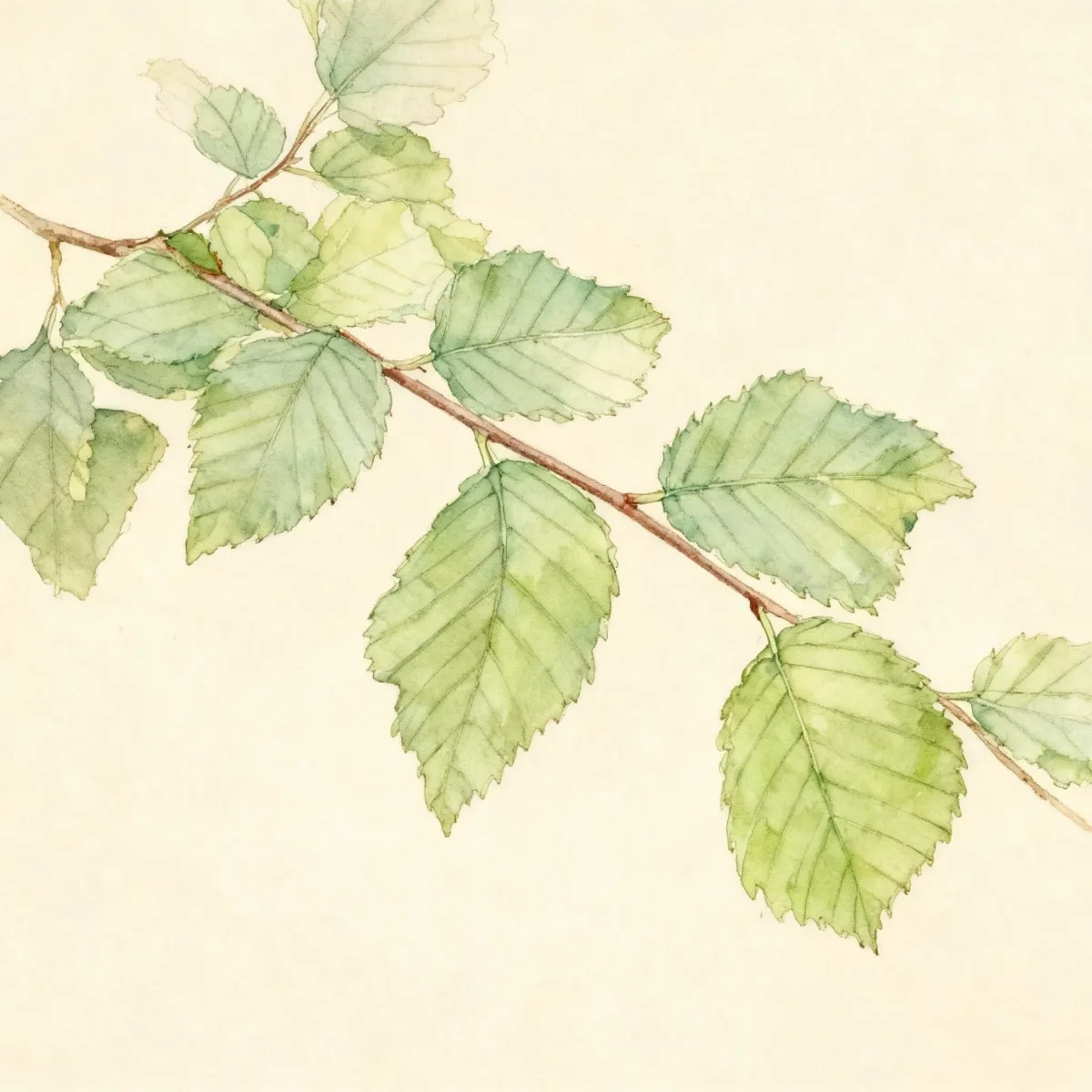
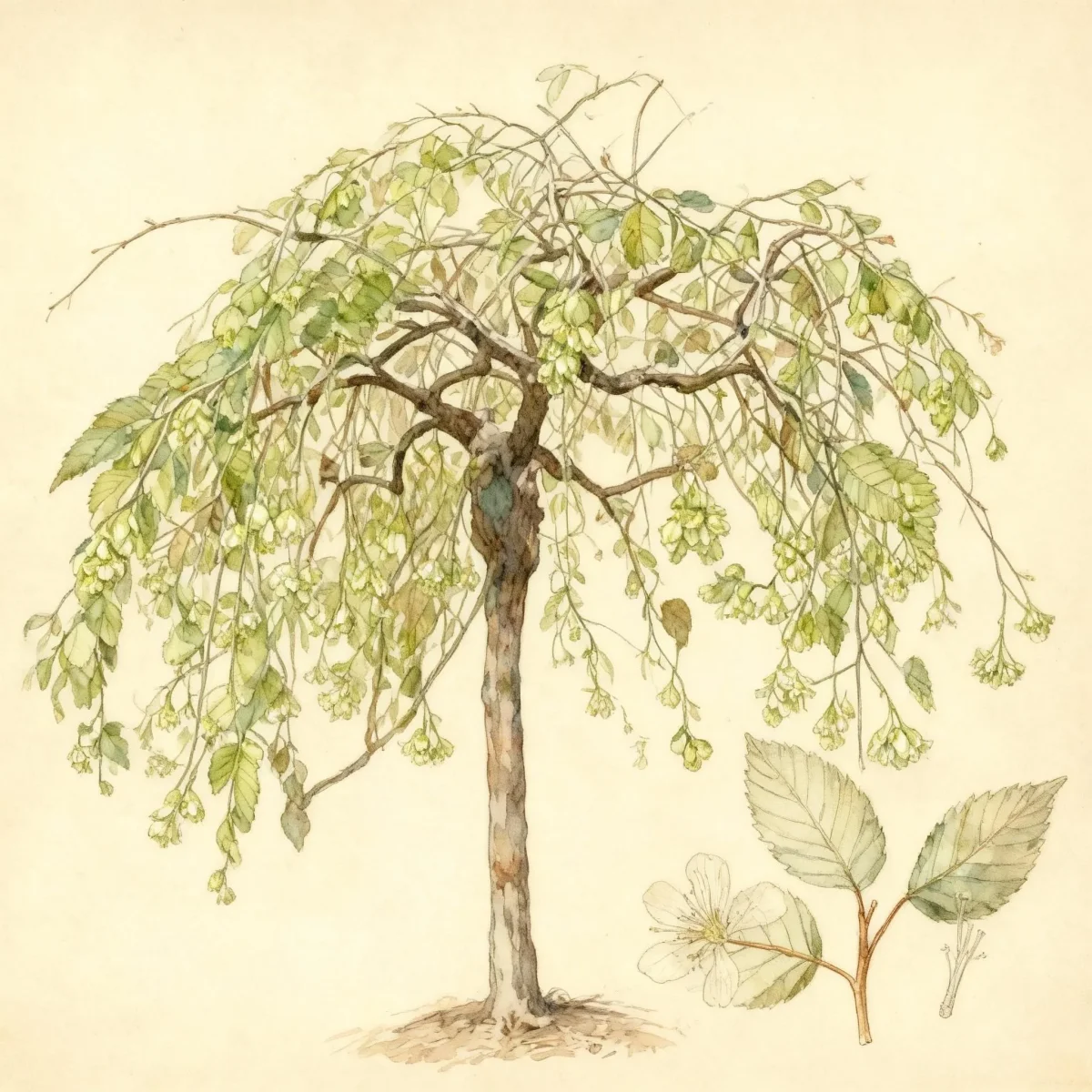
American elm (Ulmus americana 'Princeton')
The highly disease-resistant Ulmus americana 'Princeton' offers classic American elm majesty, growing 50-70ft tall with a vase shape.
Scroll down to discover growing tips, care requirements, companion plants, and more
Complete Plant Information
Overview
The Ulmus americana ‘Princeton’ cultivar represents a vital resurgence of the iconic American elm, a tree once decimated by Dutch elm disease. This cultivar is celebrated for maintaining the majestic, vase-shaped silhouette typical of the species while offering significantly improved resistance to the devastating fungal infection. Gardeners value this tree for its stature, providing unparalleled shade and historical aesthetic appeal without many of the risks associated with older American elm selections.
As a medium to large deciduous tree, the American elm—specifically the ‘Princeton’ variety—will gracefully mature to heights between 50 and 70 feet, spreading 30 to 50 feet wide. It is perfectly suited for large landscapes, parks, and avenues where its broad crown can fully develop. Though historically prevalent across eastern and central North America, planting Ulmus americana ‘Princeton’ allows modern landscapes to reclaim this classic grandeur safely.
This cultivar thrives in full sun and displays remarkable adaptability once established, tolerating both wet and drier conditions common in urban environments. Its low maintenance needs, coupled with its resistance profile, make the Ulmus americana ‘Princeton’ an excellent choice for homeowners seeking structure and legacy appeal in their long-term planting plans.
Fast Facts
- Plant Family: Ulmaceae
- Plant Type: Tree
- Hardiness Zones: USDA Zones 3-9
- Size at Maturity:
- Height: 50-70 ft
- Spread: 30-50 ft
- Bloom Time: March to April
- Bloom Description: Green
- Sun Exposure: Full sun
- Water Needs: Medium
- Maintenance Level: Low
How to Grow
Planting your Ulmus americana ‘Princeton’ is best achieved in spring or early fall when temperatures are moderate, allowing the roots to establish before extreme seasonal stress occurs. Select a location that provides full sun exposure, although this cultivar can tolerate light shade. The soil should be average, well-drained, and medium in moisture, though it shows preference for rich, moist loams and adapts well to both temporary wetness and mild drought.
Consistent initial watering is crucial for establishment; maintain medium soil moisture levels throughout the first few growing seasons. Once mature, the American elm is relatively drought-tolerant. Fertilization is generally unnecessary if the native soil is rich; focus instead on soil health.
Though Ulmus americana ‘Princeton’ carries excellent disease resistance, you must remain diligent. Regular pruning addresses structural integrity, and monitoring for signs of potential issues—detailed below—is wise. Because urban stress is common, appreciate that this variety is generally tolerant of urban conditions, making it a resilient street tree choice.
Landscape Uses
The primary function of the American elm is ornamental, serving as a magnificent shade provider. Ulmus americana ‘Princeton’ excels as a specimen lawn tree where its expansive canopy can be fully appreciated, creating deep shade pools beneath its branches. It is also successfully employed as a street tree, returning the classic canopy coverage historically provided by this species in city planning.
For those designing rain gardens or swales, this tree’s tolerance for fluctuating moisture—adapting to both wet and dry sites—makes it an unexpectedly versatile performer. Consider mass plantings along larger borders or open areas where its stately, upright vase shape can define the skyline. Its size precludes use in small yards or containers.
Standout Features
Flower Qualities
- Insignificant
Noteworthy Characteristics
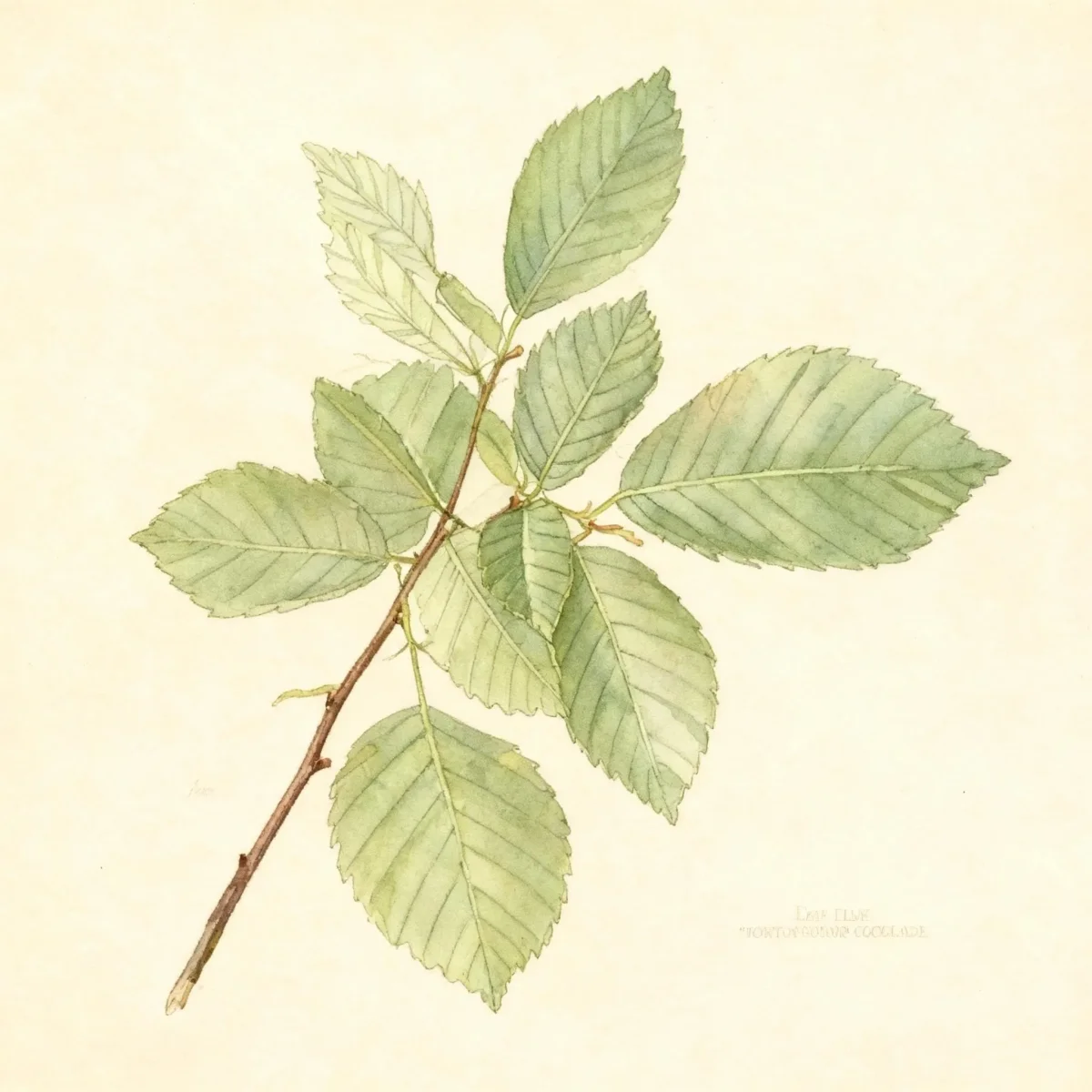
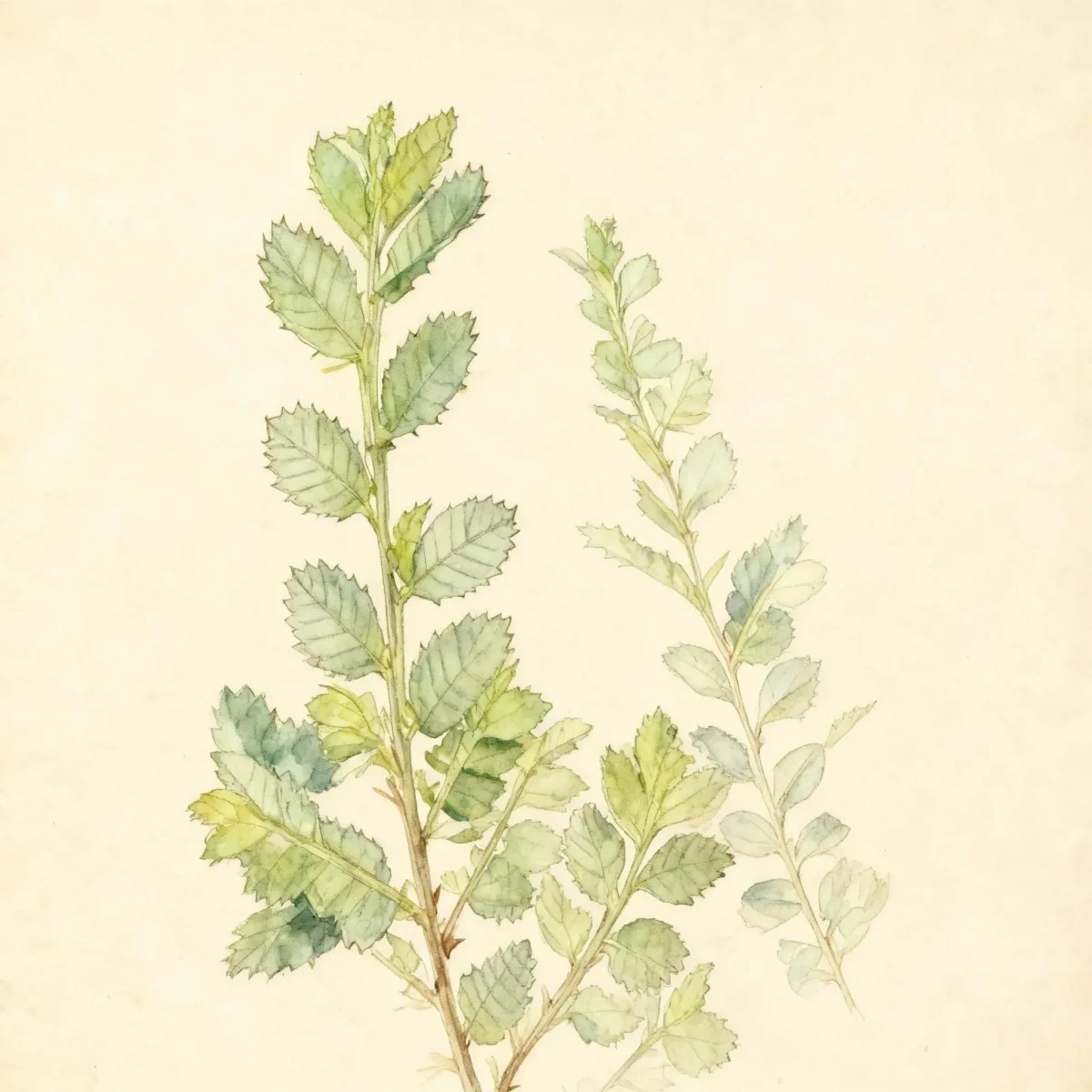
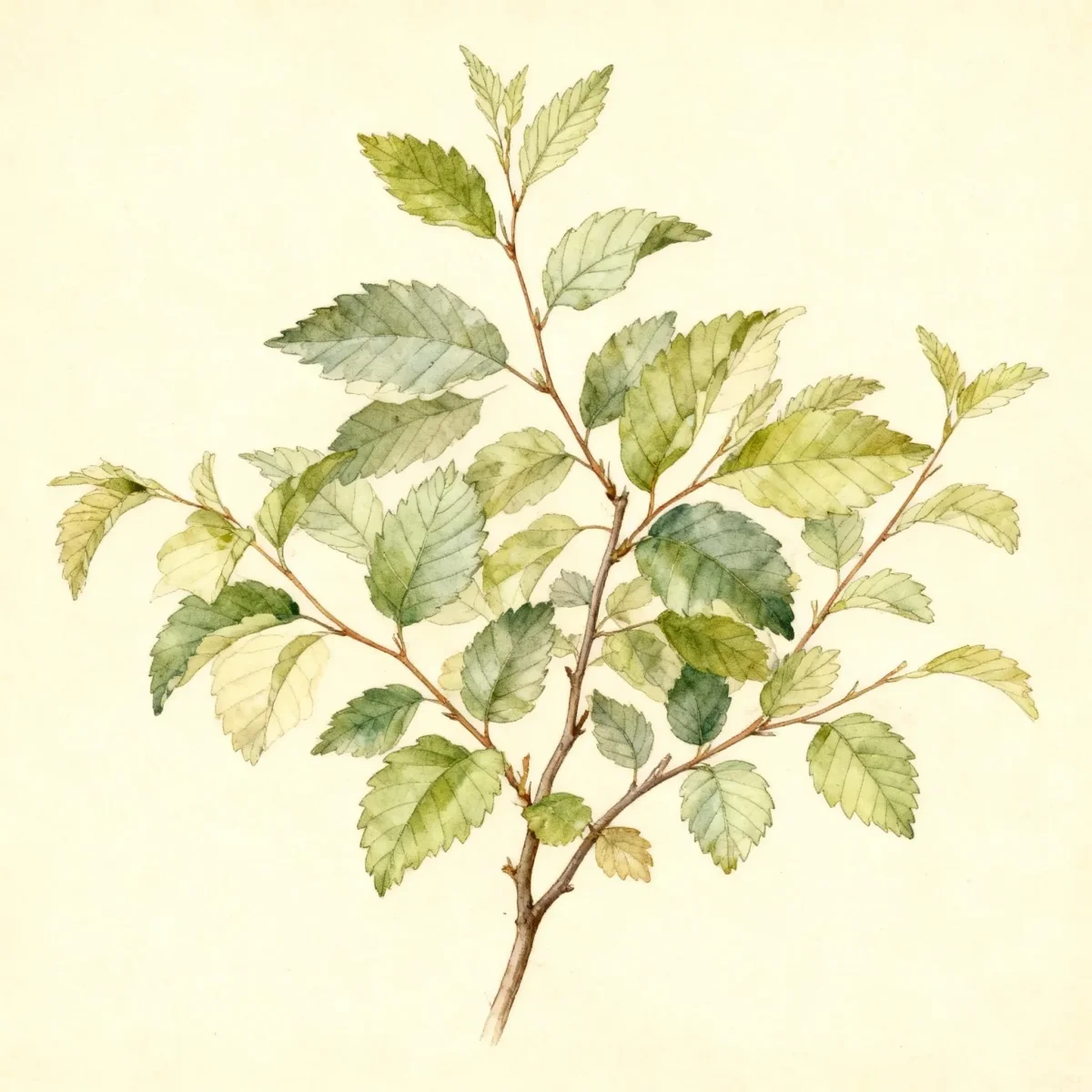
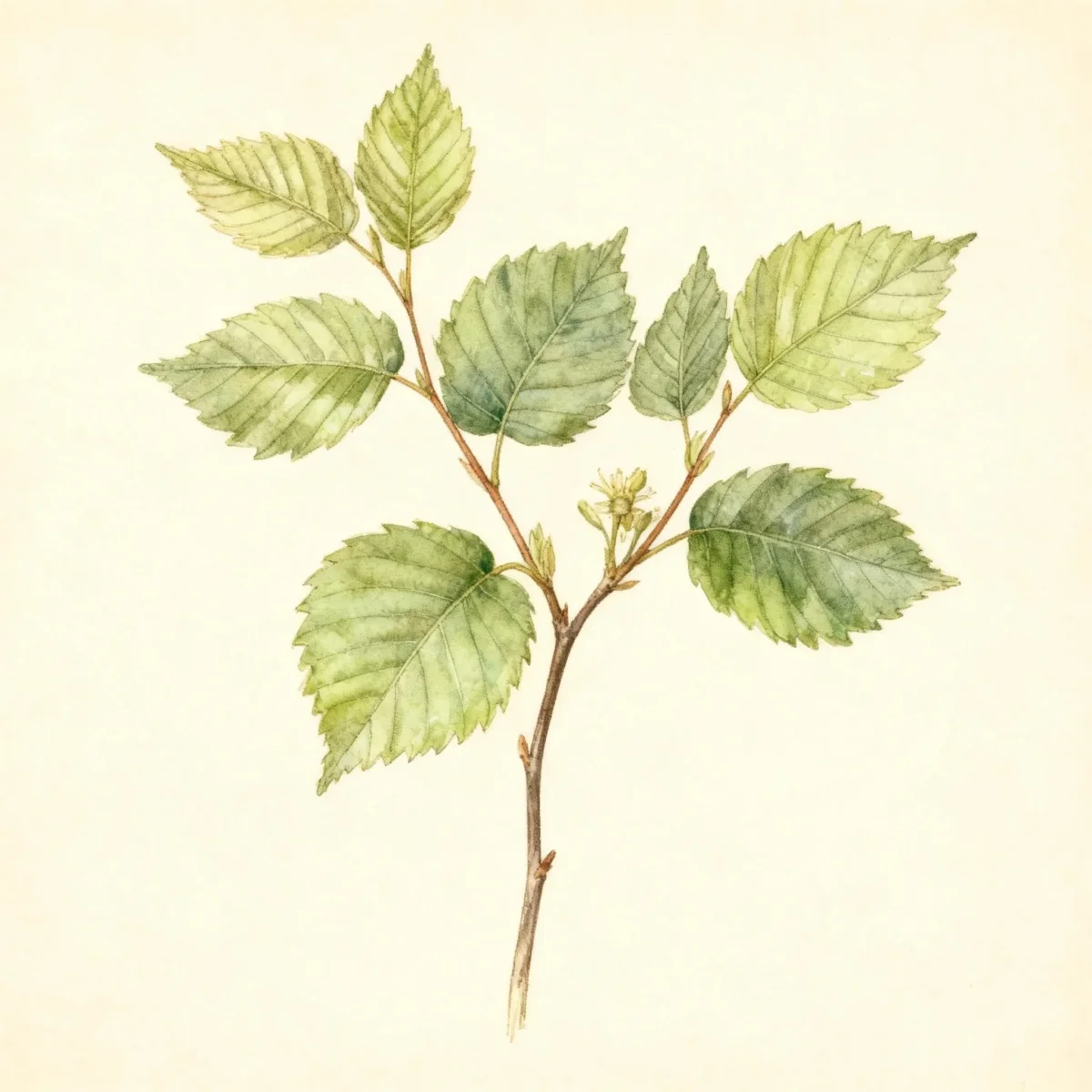
Ulmus americana, commonly called American elm, is a medium to large deciduous tree, typically growing to 60-80’ (less frequently to 130’) tall with a vase-shaped, broad-rounded crown. It is native to eastern and central North America. In Missouri, it typically occurs in low moist ground and along streams throughout the state (Steyermark). Although once widely planted as a street and lawn tree, American elm populations have been so decimated by Dutch elm disease that this tree is no longer considered to be a viable selection for landscape uses. Insignificant small green flowers appear in spring before the foliage emerges. Flowers give way to single-seeded wafer-like samaras (each tiny seed is surrounded by a flattened oval-rounded papery wing). Seeds mature in April-May as the leaves reach full size. Rough-textured, ovate-elliptic, dark green leaves (to 6” long) have toothed margins and asymetrical bases. Leaves typically turn an undistinguished yellow in fall.Genus name comes from the Latin name.Specific epithet means of North or South America.‘Princeton’ reportedly has excellent resistance to Dutch elm disease is currently being planted. It was developed by Princeton Nurseries in 1922, which was about 10 years prior to the time when the Dutch elm fungal infection first came to the U.S. ‘Princeton’ typically grows to 50-70’ tall.
Tolerances
- Drought
- Black Walnut
- Air Pollution
Potential Problems
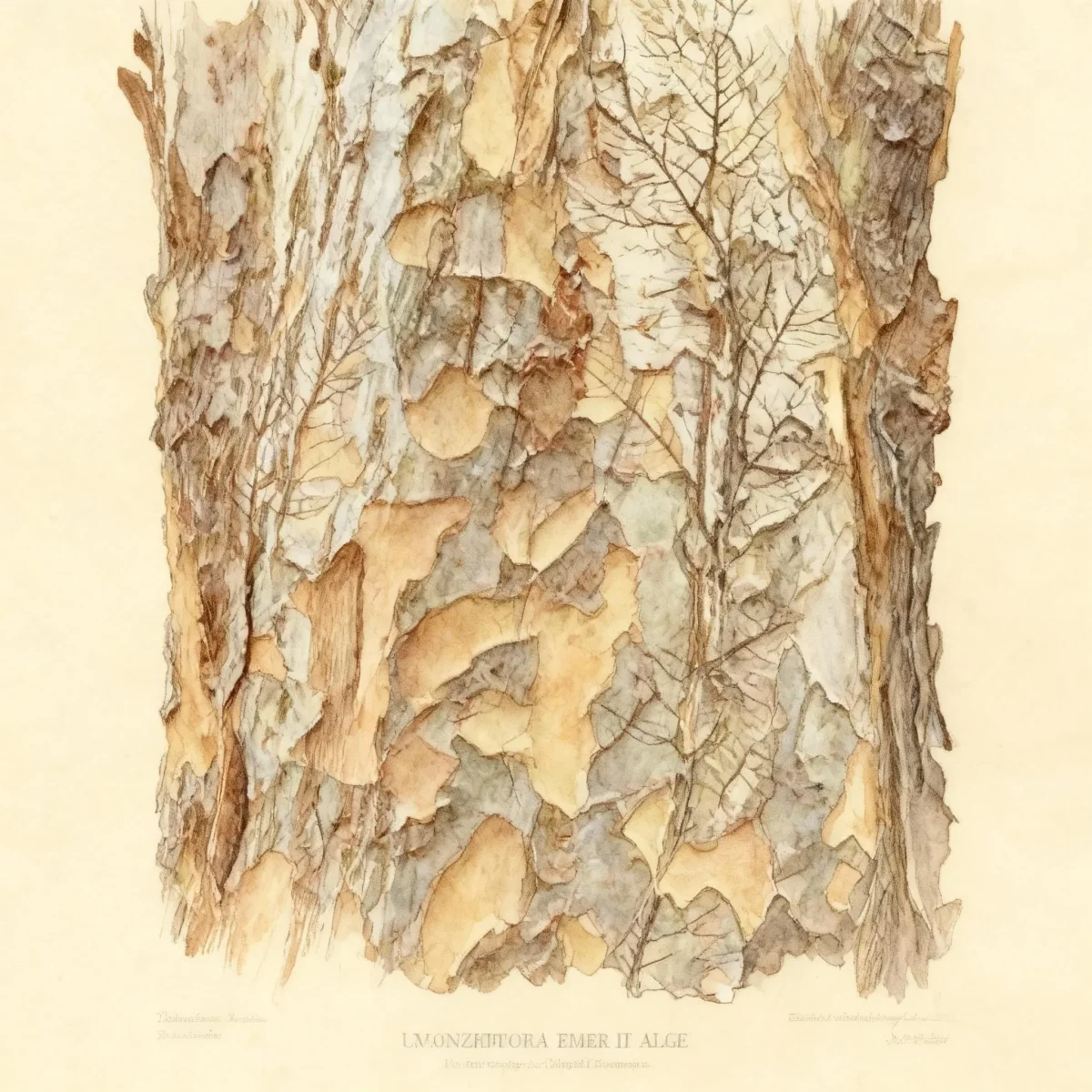
The primary benefit of Ulmus americana ‘Princeton’ is its reported excellent resistance to Dutch elm disease, which devastated previous generations of the American elm. However, vigilance is still required against other significant threats. The tree is susceptible to phloem necrosis, a phytoplasma disease attacking the tree’s food-conducting tissue, often leading to loosening bark, wilting, defoliation, and eventual death.
It can also be affected by wetwood, a bacterial infection causing wilting and dieback. Landscape managers should inspect annually for signs of these issues, alongside lesser problems such as various wilts, cankers, leaf spots, and common insect pests like borers, leaf miners, and scale insects. Adhering to a low-maintenance regimen focused on proper site selection minimizes stress and enhances the tree’s natural defenses.
Frequently Asked Questions
What hardiness zones is Ulmus americana ‘Princeton’ suitable for?
The American elm cultivar ‘Princeton’ is hardy across USDA Zones 3 through 9, giving it a very wide geographic suitability.
How large does American elm grow?
Expect the Ulmus americana ‘Princeton’ to reach mature heights between 50 and 70 feet, with a corresponding spread of 30 to 50 feet, forming a substantial shade canopy.
What sun exposure does Ulmus americana ‘Princeton’ need?
This tree requires full sun for optimal growth, although it demonstrates tolerance for light shade conditions.
When does Ulmus americana ‘Princeton’ bloom?
Bloom occurs relatively early, between March and April, with inconspicuous green flowers appearing before the leaves emerge.
Conclusion
The Ulmus americana ‘Princeton’ is an outstanding choice for gardeners seeking the noble, vase-shaped form of the classic American elm combined with modern resistance to serious disease threats. Its low maintenance and impressive stature make it a superb shade, lawn, or street tree solution. Before planting, confirm that USDA Zones 3-9 align with your region, and ensure adequate space for its impressive mature spread.
Companion Planting
When selecting companions for the Ulmus americana ‘Princeton’, focus on plants that tolerate the high filtered light beneath a developing canopy or those that thrive in the rich, moist loams the elm prefers. Considering its tolerance for urban conditions, hardy, durable shrubs work well to anchor the base of the tree. Consider planting spring-blooming bulbs like Daffodils (Narcissus) or Tulips early in the season before the dense summer shade develops.
For understory planting, select shade-tolerant perennials that don’t compete heavily for root space. Hostas, Astilbe, and Hellebores are excellent choices as they thrive in dappled light and appreciate consistent moisture, mirroring the elm’s preference during establishment. Avoid shallow-rooted groundcovers immediately adjacent to the trunk to prevent competition with the developing root system of this large tree.
Design Ideas
The defining characteristic of the American elm is its graceful, upright vase shape, which lends itself perfectly to formal avenue plantings or as a singular focal point in a large lawn setting. Use the Ulmus americana ‘Princeton’ to define the edges of large properties, drawing the eye upward and creating a dramatic vertical element against the horizon. Its size also makes it suitable for planting near larger structures to soften vertical lines while ensuring branches remain far clear of the roofline.
In contemporary landscape design, the symmetry offered by trees like Ulmus americana ‘Princeton’ can provide necessary balance to more informal, flowing perennial borders. As the tree matures, the filtered light beneath its high crown creates an appealing effect for patios or seating areas dedicated to partial shade enjoyment during the hottest parts of the day.