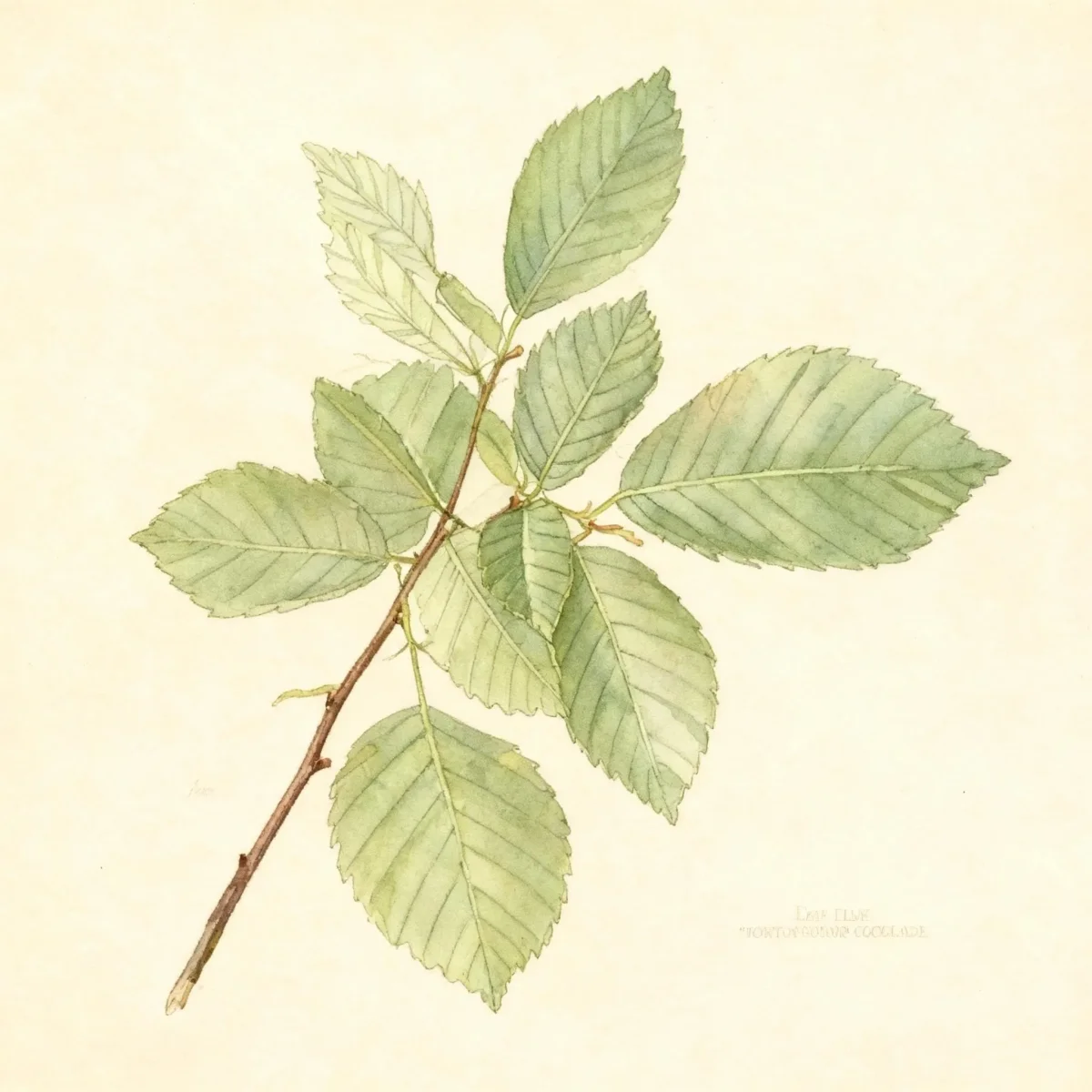
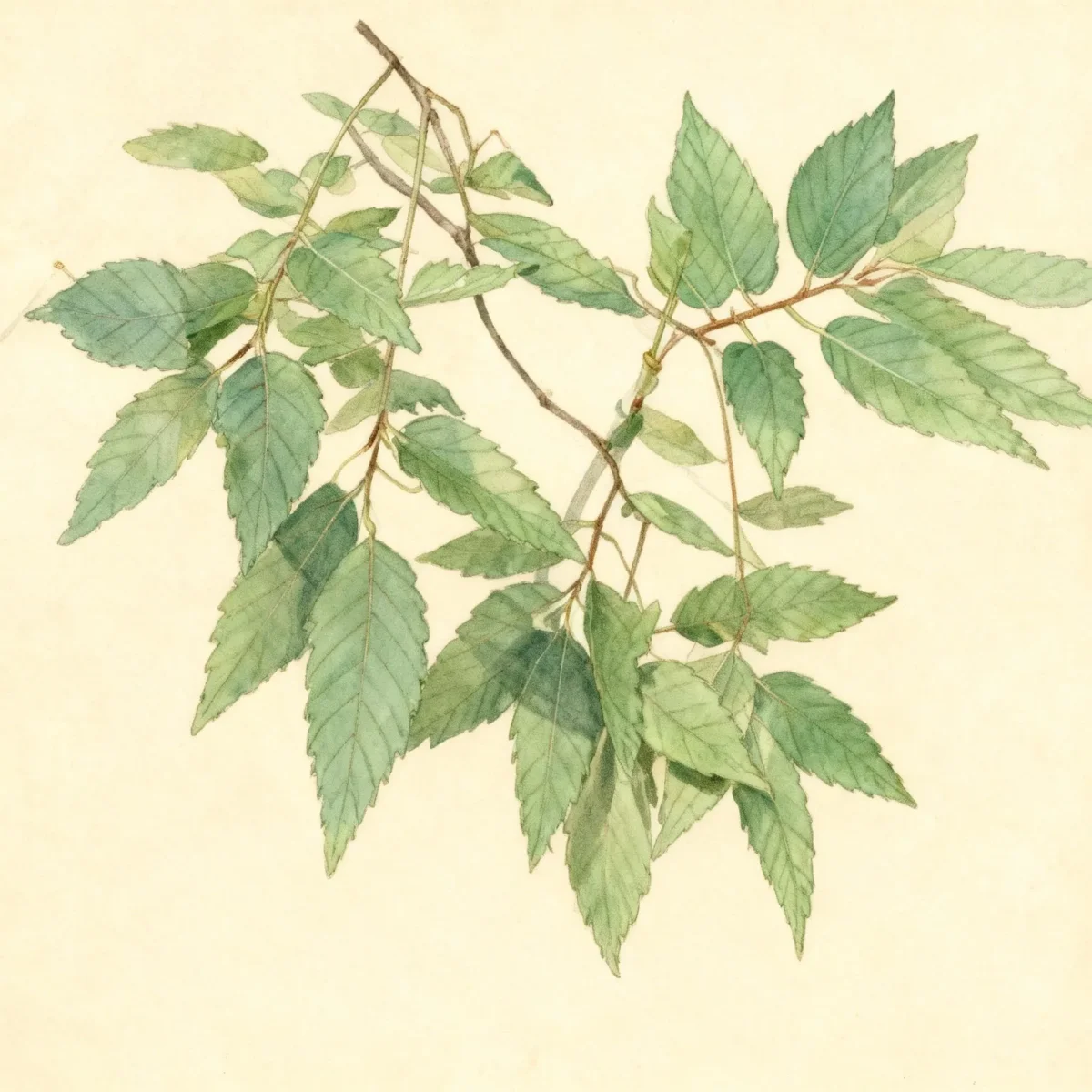
Chinese elm (Ulmus parvifolia 'Dynasty')
The Ulmus parvifolia 'Dynasty' Chinese elm is a low-maintenance tree providing shade and striking mottled bark for urban landscapes.
Scroll down to discover growing tips, care requirements, companion plants, and more

Complete Plant Information
Overview
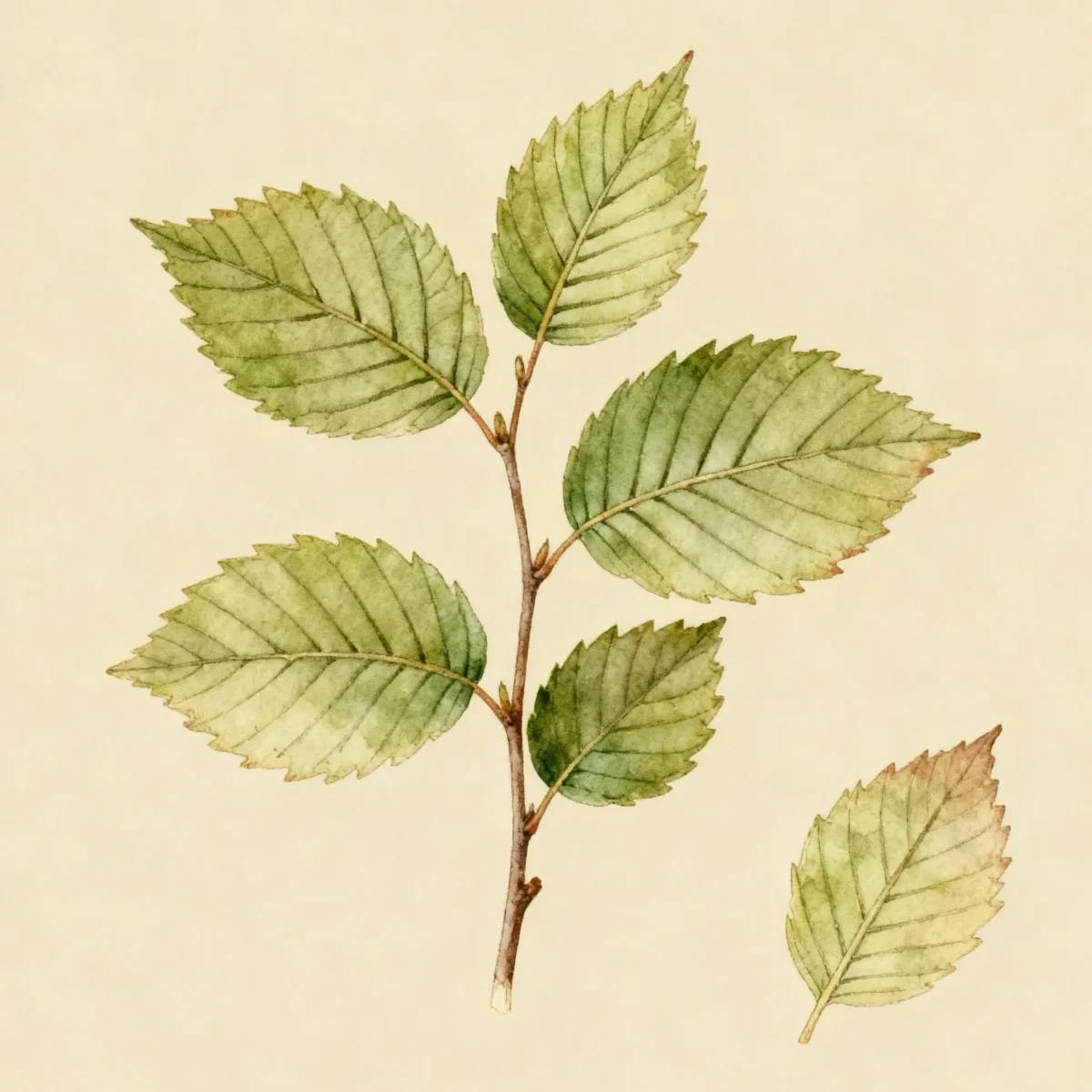
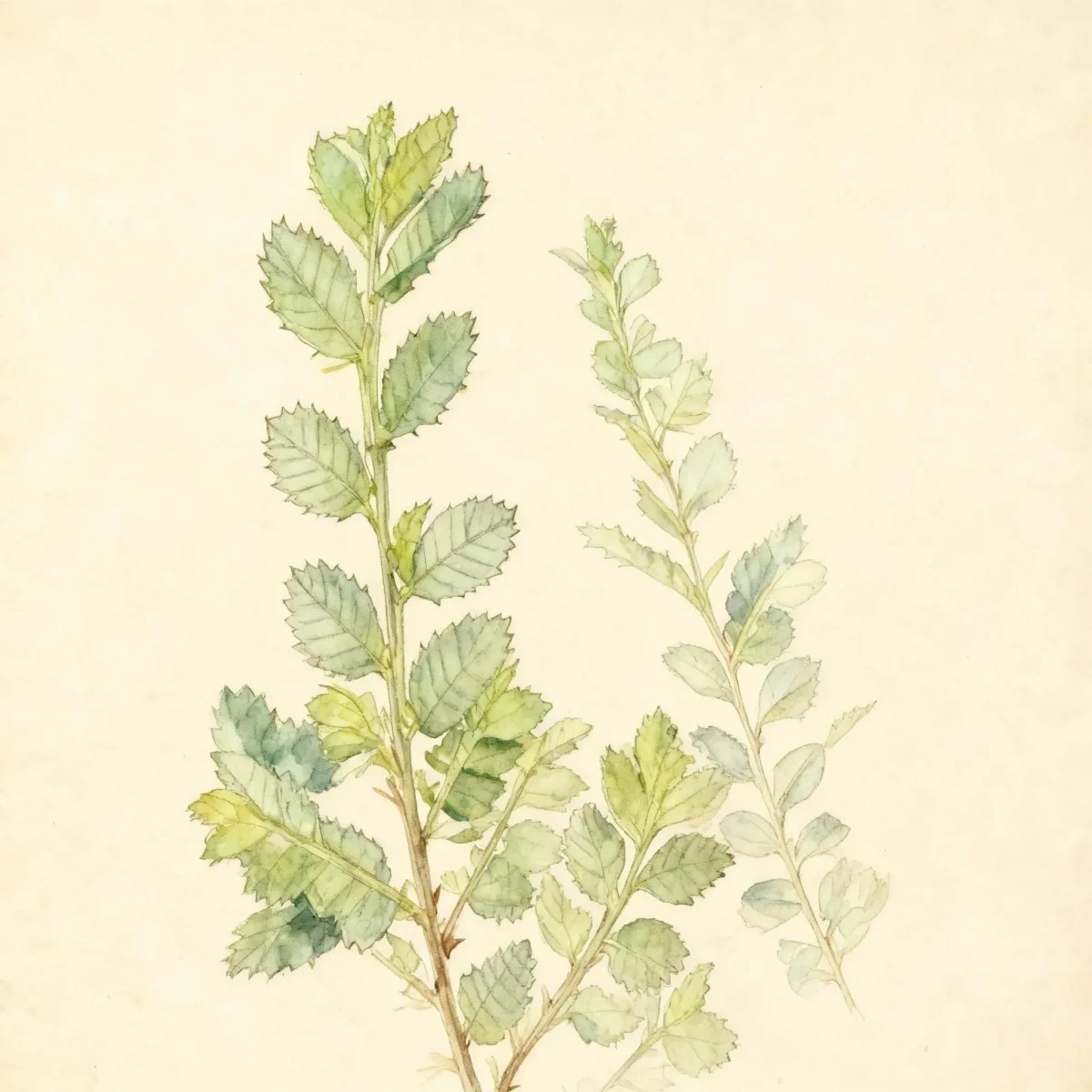
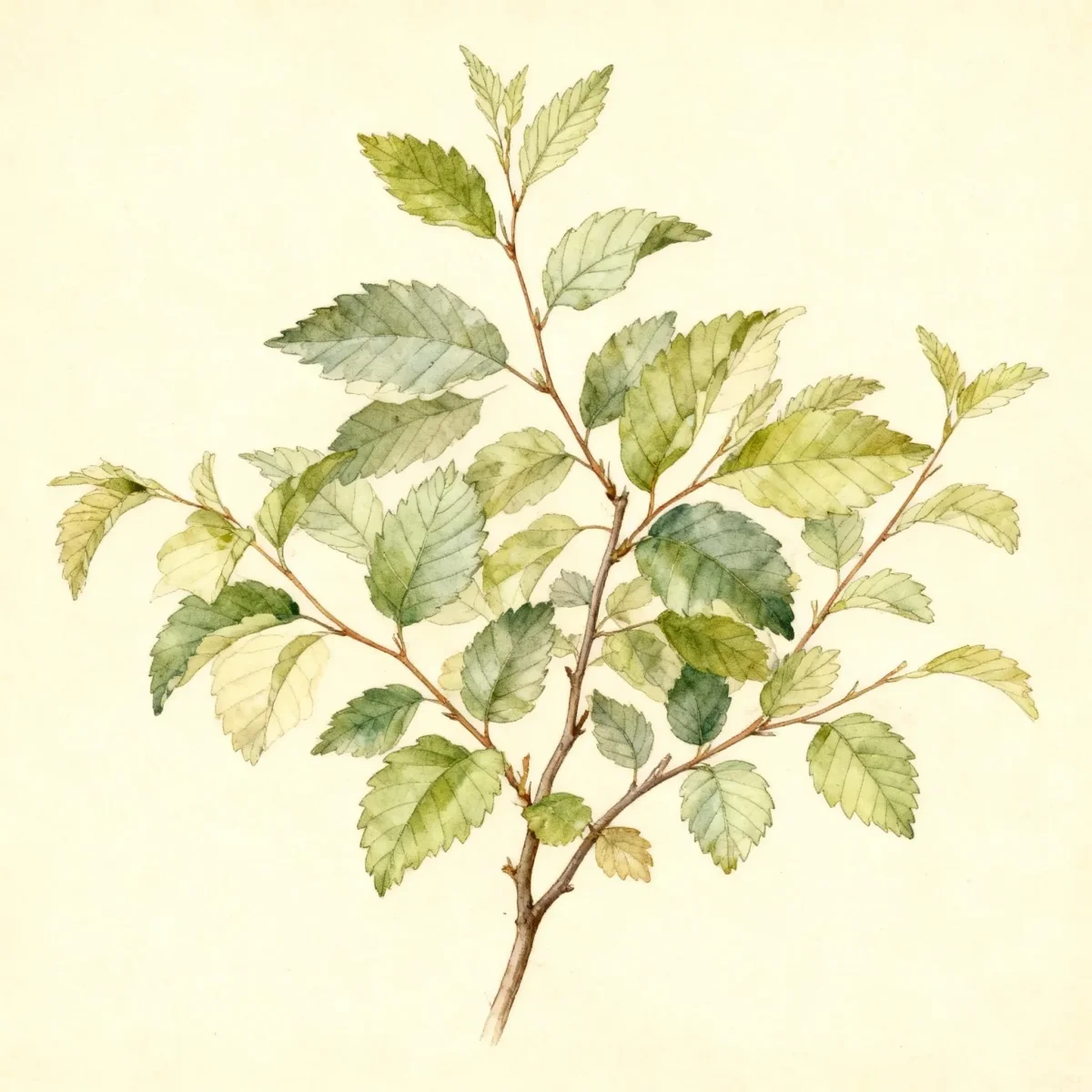
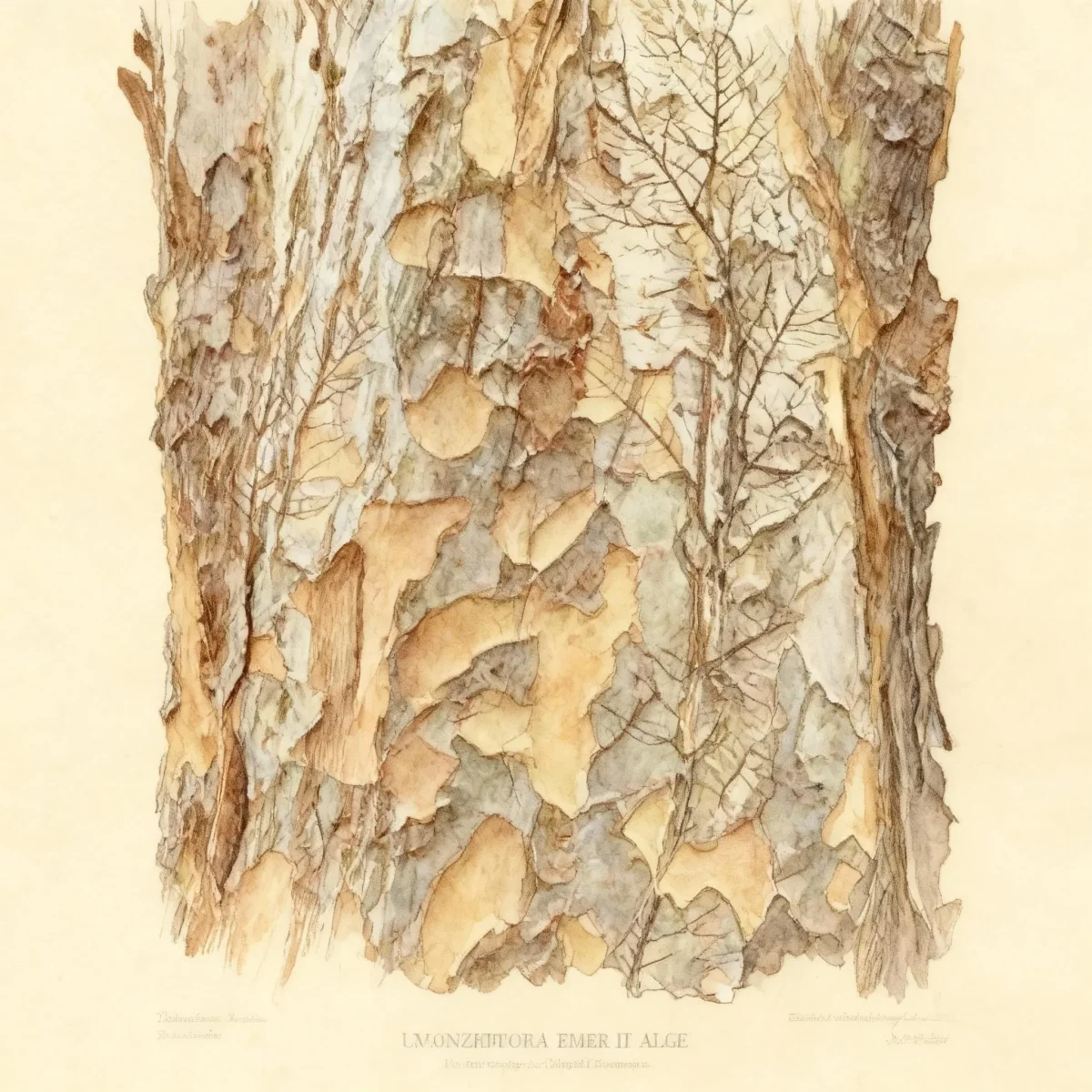
The Ulmus parvifolia ‘Dynasty’, commonly known as the Chinese elm, is a highly adaptable deciduous tree valued for its fast growth and exceptional resilience in challenging environments. This cultivar offers dense foliage and attractive, mottled bark that flakes off mature specimens, revealing patterns of gray, cream, and orange. As a medium-sized shade producer, the ‘Dynasty’ clone provides excellent screening and cooling shade without reaching the massive heights of some legacy shade trees.
This species is renowned for surviving where others might struggle, making the Chinese elm a cornerstone choice for urban and suburban planning. It exhibits good resistance to Dutch elm disease, a significant advantage over many other elm relatives. Gardeners appreciate the low maintenance required once established, allowing this tree to become a dependable fixture.
The ‘Dynasty’ cultivar specifically forms a vase shape with a rounded crown, offering reliable structure and seasonal interest. Whether used for street buffering or as a specimen tree, the Ulmus parvifolia ‘Dynasty’ combines aesthetic appeal with robust, practical performance in various soil conditions.
Fast Facts
- Plant Family: Ulmaceae
- Plant Type: Tree
- Hardiness Zones: USDA Zones 5-9
- Size at Maturity:
- Height: 20-30 ft
- Spread: 20-30 ft
- Bloom Time: April
- Bloom Description: Green
- Sun Exposure: Full sun
- Water Needs: Dry to medium
- Maintenance Level: Low
How to Grow
Planting the Chinese elm is best done in spring or early fall to allow the root system to establish before enduring environmental extremes. Locate your Ulmus parvifolia ‘Dynasty’ where it can receive full sun, although light afternoon shade is tolerated. This species adapts well to average, well-drained soils but thrives best in rich, moist loams. Good drainage is essential to prevent root issues over time.
Ongoing care for the Chinese elm is straightforward, fitting its low-maintenance designation. Beyond initial establishment watering, this tree handles dry sites well due to its drought tolerance. Fertilization is rarely necessary unless the soil quality is exceptionally poor. Prune only to remove dead or crossing branches, as heavy pruning can detract from its natural, desirable crown shape.
Be aware that this species tolerates a broad range of difficult urban conditions, including air pollution and compacted clay soils. This adaptability means less intervention is required from the home gardener, but monitoring for occasional leaf spots is still wise. Ensure newly planted specimens receive consistent moisture until they are fully acclimated to the site conditions.
Landscape Uses
As a medium-sized shade tree, the Ulmus parvifolia ‘Dynasty’ excels in providing filtered sunlight beneath its canopy, making it perfect for softening western exposures or covering patios. It is highly recommended as a durable street tree where toughness against pollution and soil compaction is paramount. Mature specimens develop an attractive, multi-toned exfoliating bark worthy of placement near patios or walkways where the trunk can be easily viewed.
For landscape design, consider planting the Chinese elm away from primary paved surfaces, as the small samaras produced in the fall can be slippery when wet. Pair it with shade-tolerant groundcovers or understory shrubs that do not compete heavily for root space. Its relatively compact stature compared to other elms makes it suitable for smaller properties where a very large canopy would be overwhelming.
Standout Features
Flower Qualities
- Insignificant
Noteworthy Characteristics
Ulmus parvifolia, commonly called Chinese elm or lacebark elm, is a medium-sized deciduous tree that typically grows to 40-50’ (less frequently to 70’) tall with a rounded crown and long pendulous branching. It is noted for its excellent foliage, multi-colored bark, rapid growth and good resistance to Dutch elm disease. One of the most ornamental features of this tree is its mottled bark, which on mature trees flakes to reveal patches of gray, cream, orange, brown and green. The ‘Dynasty’ is a fast-growing, vase-shaped cultivar with a small rounded crown that typically stays between 20-30 feet tall in most settings.
Tolerances
- Drought
- Clay Soil
- Dry Soil
- Shallow-Rocky Soil
- Air Pollution
Potential Problems
The Chinese elm benefits from inherent disease resistance; it shows good protection against the devastating Dutch elm disease, which affects many other elms. It also exhibits good resistance to common pests like the Japanese beetle and elm leaf beetle. However, gardeners should watch for occasional fungal issues such as wilts, cankers, or leaf spots, particularly if the tree is stressed by poor drainage or drought.
Structural weakness can sometimes be an issue, as branches tend to break when stressed by heavy snow, ice accumulation, or high winds. Proper pruning early in the tree’s life to establish strong branch angles can mitigate this vulnerability. Always confirm you are planting Ulmus parvifolia ‘Dynasty’ and not the often inferior Siberian elm (Ulmus pumila), which lacks many of the desirable ornamental qualities.
Frequently Asked Questions
What hardiness zones is Ulmus parvifolia ‘Dynasty’ suitable for?
The Ulmus parvifolia ‘Dynasty’ Chinese elm performs best in USDA Hardiness Zones 5 through 9.
How large does Chinese elm grow?
This ‘Dynasty’ cultivar typically reaches a height between 20 to 30 feet, with a similar spread of 20 to 30 feet at maturity.
What sun exposure does Chinese elm need?
The Ulmus parvifolia ‘Dynasty’ requires full sun for the best growth, though it can manage with light shade.
When does Ulmus parvifolia ‘Dynasty’ bloom?
This Chinese elm cultivar produces small, green flowers during the month of April.
Conclusion
The Ulmus parvifolia ‘Dynasty’ stands out as an exceptionally tough, low-maintenance tree choice, offering ornamental appeal through its bark and reliable shade structure. This Chinese elm variety successfully bridges the gap between aesthetic desires and functional requirements, especially in demanding urban environments. Before planting, confirm your USDA zone compatibility (5-9) and prepare a well-drained site to ensure your ‘Dynasty’ begins its life cycle successfully.
Companion Planting
Selecting companions for the Chinese elm should focus on species that share similar preferences for full sun and tolerate dry-to-medium moisture conditions once established. Low-growing perennials that enjoy well-drained soil, such as various Sedums or ornamental grasses like Blue Oat Grass or Little Bluestem, work well beneath the canopy. Due to the flaking bark of the mature tree, consider placing low-maintenance groundcovers that contrast well in texture, such as creeping thyme, near the base to highlight the trunk’s markings.
Design Ideas for Urban Spaces
The moderate size and adaptability of the Ulmus parvifolia ‘Dynasty’ make it an ideal candidate for narrow street plantings or planting strips where larger oaks or maples might become problematic. Its vase shape provides an excellent vertical element without creating an overly dense forest canopy, allowing desirable understory light penetration. Use several ‘Dynasty’ elms spaced appropriately along a property line to create a swift, sight-screening barrier that maintains visual interest year-round via its exfoliating bark, even in winter.