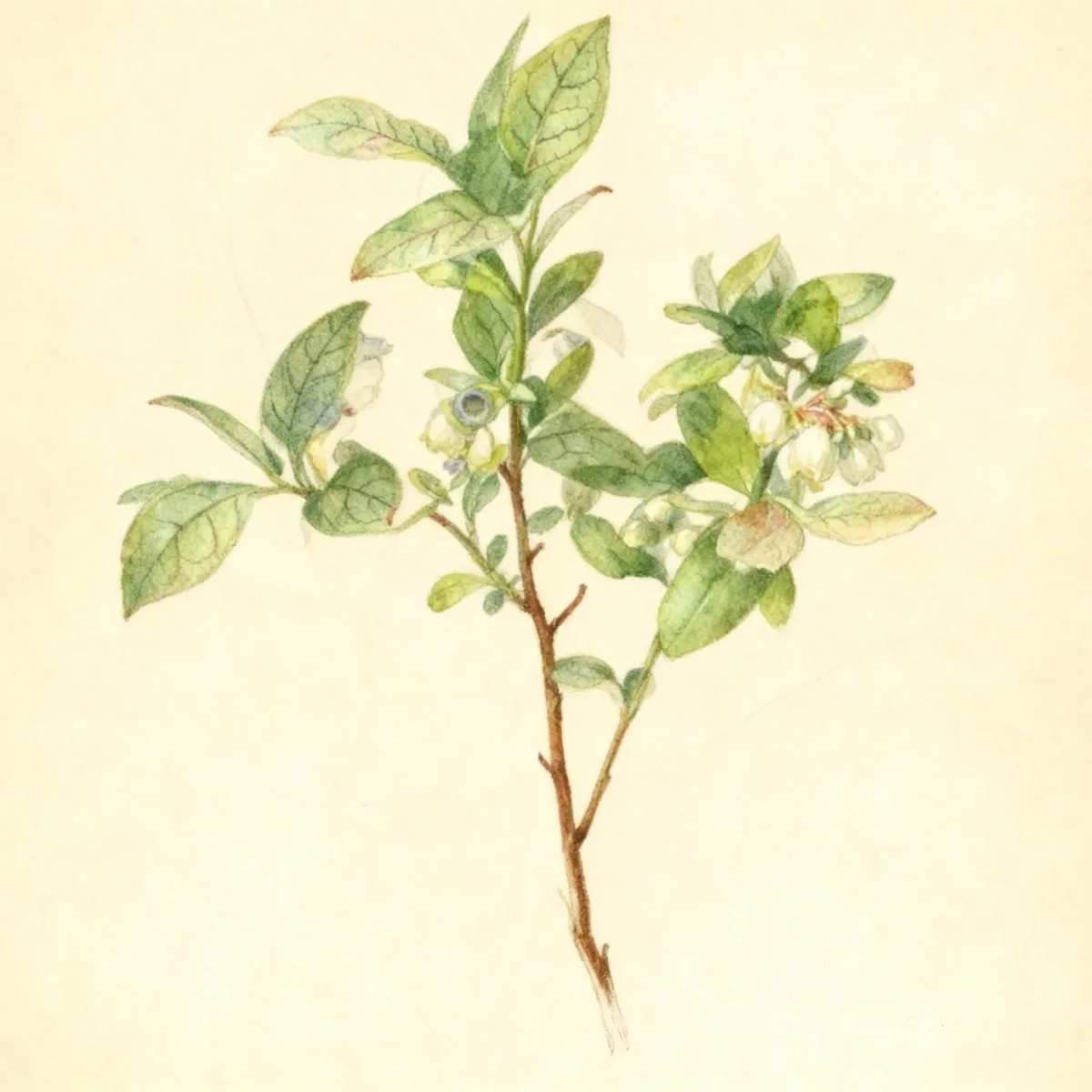
Highbush blueberry (Vaccinium corymbosum 'Herbert')
Vaccinium corymbosum 'Herbert' is a classic Highbush blueberry producing large, edible fruit, ideal for hedges in USDA Zones 5-8.
Scroll down to discover growing tips, care requirements, companion plants, and more
Complete Plant Information
Overview
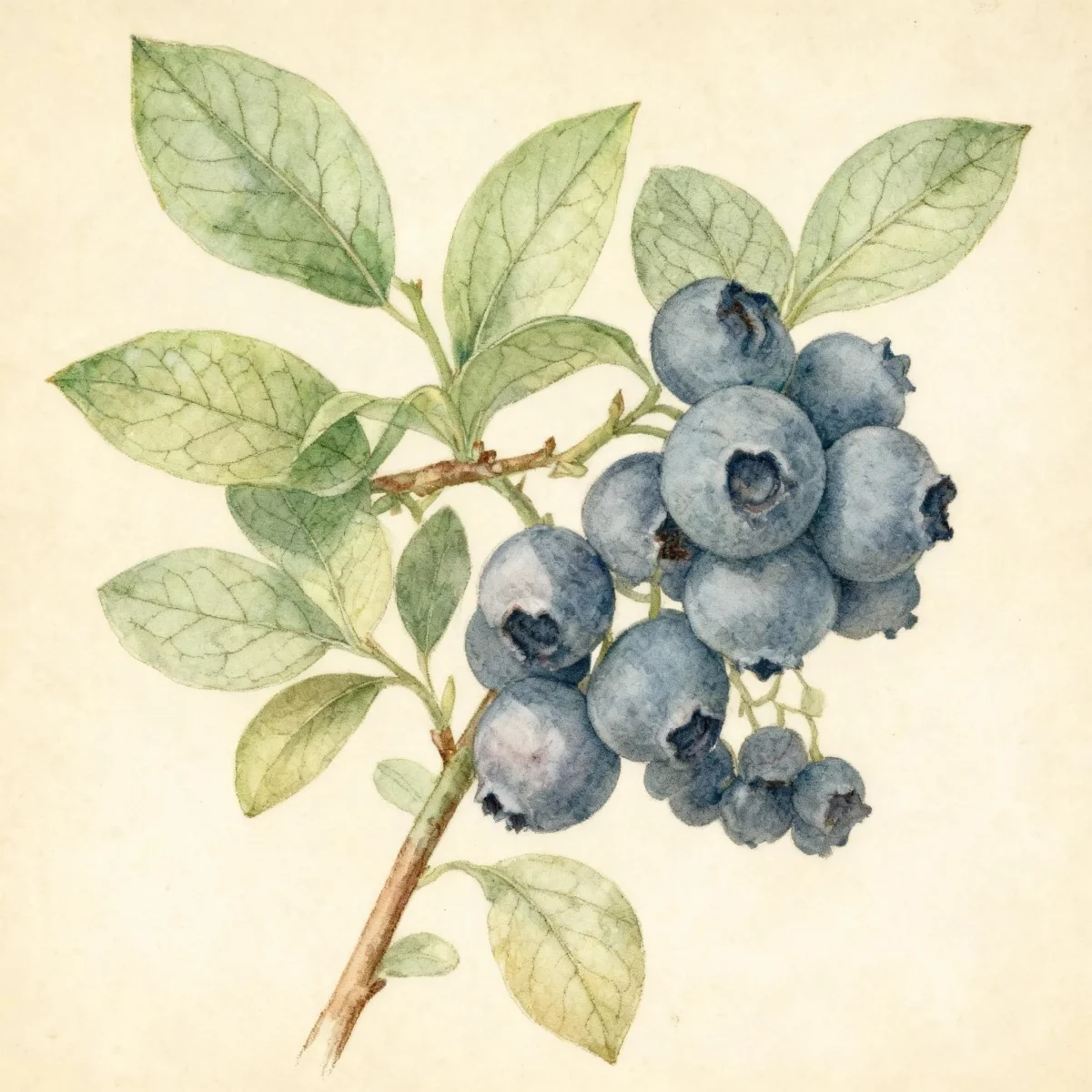
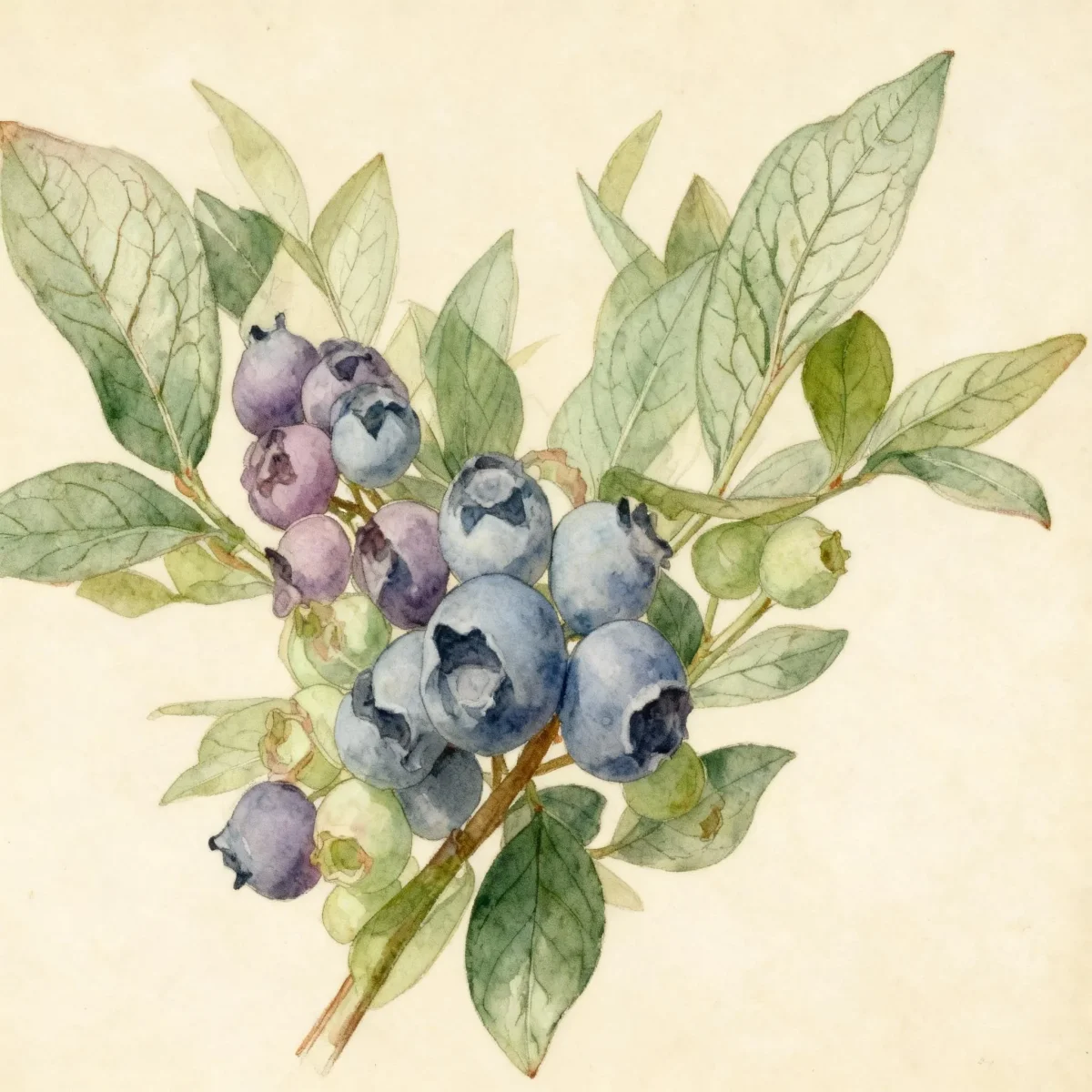
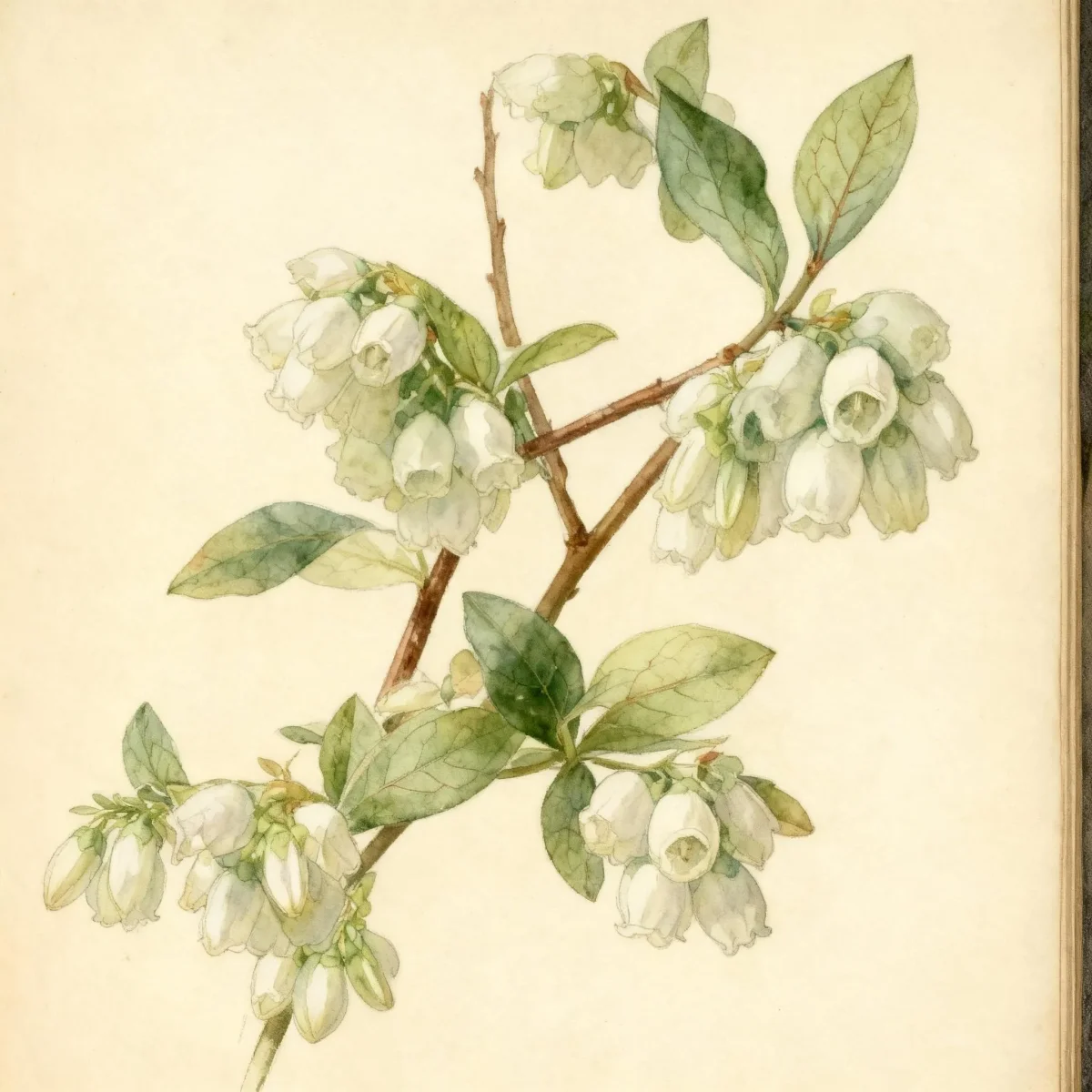
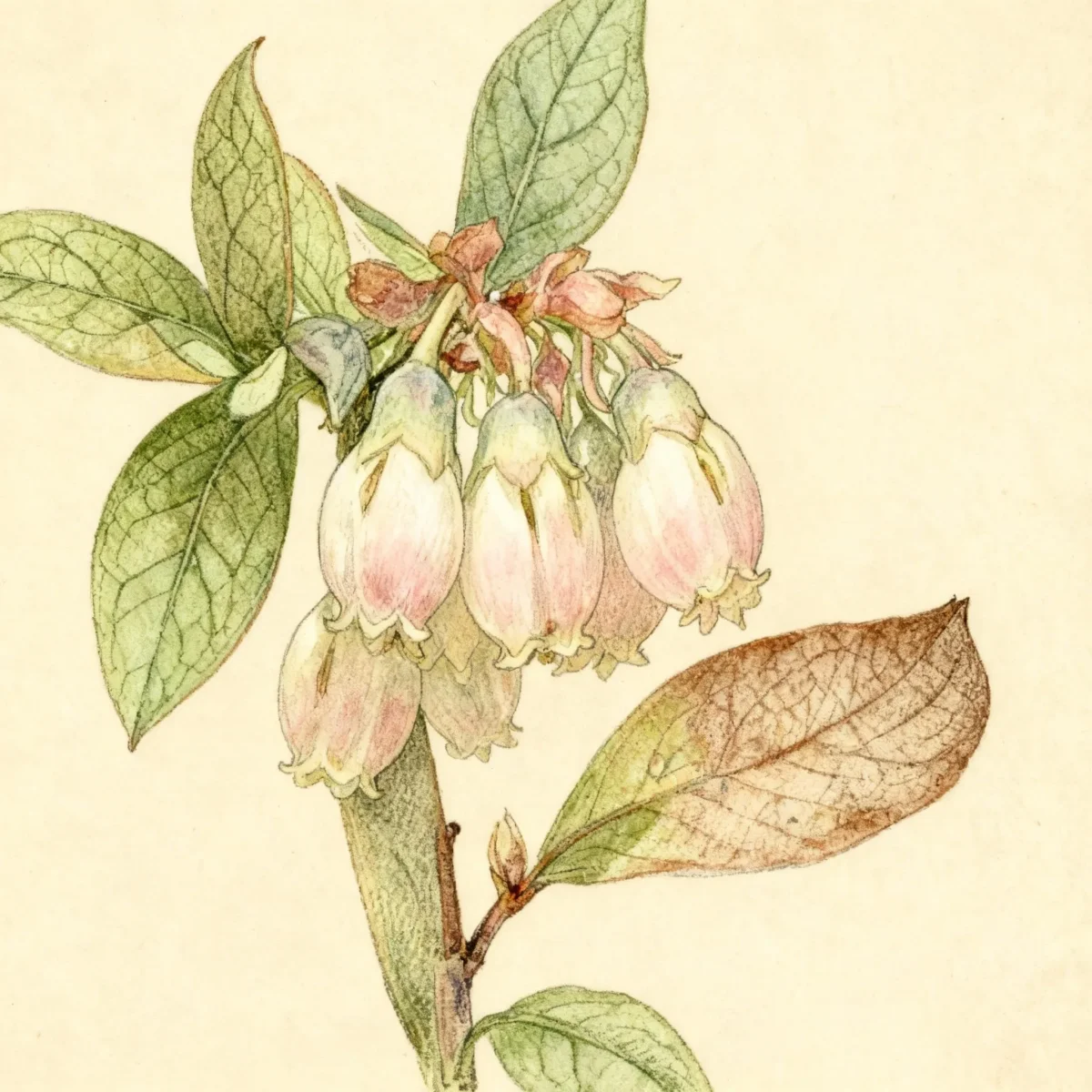
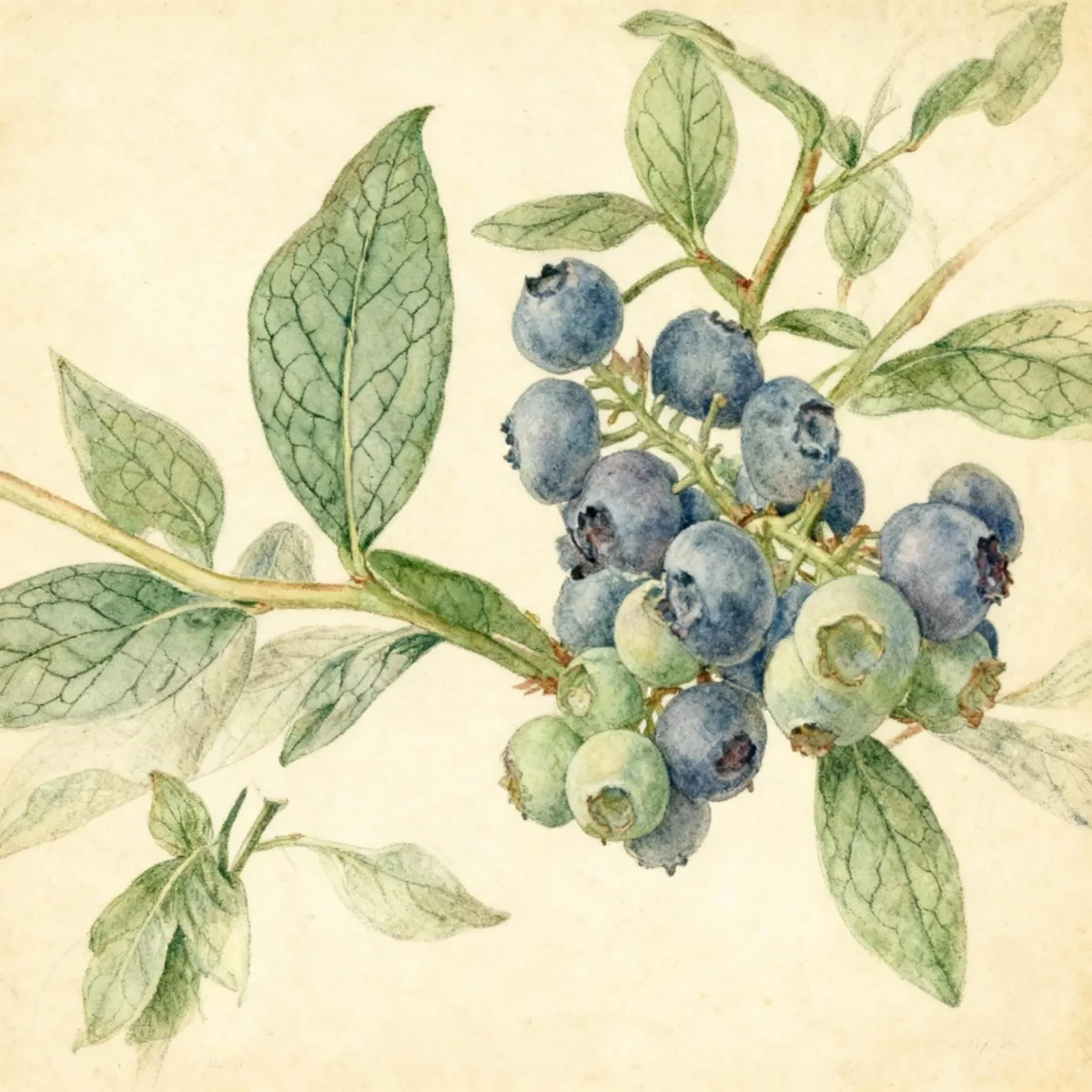
The Vaccinium corymbosum ‘Herbert’, commonly known as Highbush blueberry, is a highly valued deciduous shrub celebrated for its exceptional late-season fruit production and strong ornamental appeal. This variety provides large, sweet, medium-blue berries, making it a productive choice for edible landscaping. Mature plants form a dense, rounded habit, achieving heights between 6 to 8 feet, suitable for specimen planting or structured hedges. With attractive foliage that develops coppery-red hues in the fall, the Highbush blueberry delivers year-round interest following its spring bloom of white, urn-shaped flowers.
Growing Vaccinium corymbosum ‘Herbert’ successfully requires attention to its specific soil chemistry needs, as blueberries thrive only in consistently moist, acidic environments. While the plant is self-fertile, planting crosses with other mid-season blooming varieties will significantly boost overall yield and berry size. Gardeners should anticipate medium maintenance, particularly concerning soil pH management and initial pruning to establish strong structural growth for future fruit bearing.
This robust shrub performs best when situated where it receives full sun, though it tolerates partial shade, particularly in hotter climates. The combination of ornamental value from flowers, foliage, and fruit, alongside its function as an excellent edible hedge, secures the Vaccinium corymbosum ‘Herbert’ as a staple for productive gardens in suitable hardiness zones.
Fast Facts
- Plant Family: Ericaceae
- Plant Type: Fruit
- Hardiness Zones: USDA Zones 5-8
- Size at Maturity:
- Height: 6-8 ft
- Spread: 6-8 ft
- Bloom Time: May
- Bloom Description: White
- Sun Exposure: Full sun to part shade
- Water Needs: Medium to wet
- Maintenance Level: Medium
How to Grow
Successful cultivation of Highbush blueberry begins with soil preparation, focusing on achieving the optimal acidic pH, ideally between 4.8 and 5.2. Vaccinium corymbosum ‘Herbert’ needs organically rich, medium to wet, well-drained soil. Planting should occur when the ground is workable, ensuring that the shallow, fibrous root systems are placed where constant moisture is maintained, but standing water is avoided. Incorporating a generous layer of organic mulch immediately after planting helps regulate soil temperature and retain essential moisture around the roots.
Watering is a critical ongoing task, as these shrubs require medium to wet conditions; supplemental irrigation during dry spells is often necessary in the summer. While blueberries are self-fertile, cross-pollination drastically improves fruit set; plan to plant compatible, mid-season bloomers nearby to maximize your yield of large berries. To promote strong vegetative growth in the first two years, it is crucial to remove all flowers to prevent premature fruit set.
Pruning begins in late winter, starting in the third year after establishment. Remove older, unproductive canes to encourage vigorous new wood, which produces the heaviest fruit loads. Proper pruning ensures continued productivity and airflow, vital for reducing the potential incidence of fungal diseases affecting your Highbush blueberry crop.
Landscape Uses
Vaccinium corymbosum ‘Herbert’ excels as a functional landscape element, offering aesthetic rewards concurrent with fruit production. It is highly effective when utilized as a formal or informal hedge, providing persistent structure and seasonal interest. These shrubs pair beautifully with acid-loving companions such as rhododendrons and azaleas, creating cohesive woodland or border plantings that share similar soil requirements.
Beyond its use in hedges, the Highbush blueberry functions well in shrub borders or informal groupings within native plant gardens. The summer foliage, spring blooms, and striking fall color ensure that the plant remains a focal point throughout the growing season. Gardeners can strategically place them where the resulting fruit can be easily harvested or left available to attract local wildlife.
Standout Features
Flower Qualities
- Showy
Fruit Qualities
- Showy
- Edible
Noteworthy Characteristics
Vaccinium corymbosum, commonly known as highbush blueberry, is an upright, deciduous shrub native to eastern North America where it typically grows in moist woods, bogs, swamps and low areas. ‘Herbert’ specifically produces unusually large blueberries, measuring up to 7/8” in diameter, which ripen in the late mid-season, around mid to late July in Zone 5. The ovate, dark green leaves turn attractive shades of red in the autumn, and the reddish stems offer winter interest.
Tolerances
There is no data available for specific environmental tolerances for this cultivar.
Potential Problems
Birds pose the most immediate threat to a ripe crop; securing netting over the Vaccinium corymbosum ‘Herbert’ as the fruit begins to develop color is highly recommended to protect your harvest. Gardeners must ensure soil pH remains low, as high (alkaline) pH soils lead to chlorosis, characterized by yellowing leaves due to nutrient lockout. While infrequent, potential fungal issues include stem blight, root rot, and mummy berry, which causes berries to shrivel and drop; good air circulation from proper pruning minimizes these risks. Pests such as the blueberry maggot and spotted wing drosophila may also require monitoring during the fruiting cycle.
Frequently Asked Questions
What hardiness zones is Highbush blueberry suitable for?
Vaccinium corymbosum ‘Herbert’ is reliably hardy within USDA Zones 5 through 8.
How large does Highbush blueberry grow?
This cultivar typically matures to a height and spread of 6 to 8 feet, forming a substantial, rounded shrub.
What sun exposure does Highbush blueberry need?
For best fruit production and growth, Vaccinium corymbosum ‘Herbert’ requires full sun, although it can tolerate partial shade.
When does Highbush blueberry bloom?
The plant produces loose corymbs of white flowers during May.
Conclusion
The Vaccinium corymbosum ‘Herbert’ is an outstanding choice for gardeners seeking a combination of reliable fruit harvest and excellent ornamental value, featuring large berries and attractive fall foliage. Ensuring the proper acidic soil conditions is the key to success with this Highbush blueberry variety. Before planting, verify your local soil chemistry and plan for companion varieties to maximize cross-pollination for the best yields.
Companion Planting
When designing a landscape around your Vaccinium corymbosum ‘Herbert’, prioritize plants that share the strict requirement for acidic, moist soil. Azaleas and rhododendrons are excellent companions, creating beautiful groupings that thrive under identical cultural conditions. Consider incorporating other acid-loving ornamentals or small, shade-tolerant trees that thrive in moist woodland edge environments, mimicking the plant’s native habitat.
For fruit extension, pair mid-season ‘Herbert’ with early-season and late-season Highbush blueberry cultivars. This strategy ensures a continuous harvest from early summer through late summer, providing a sustained source of fresh blueberries for your table or for wildlife viewing throughout the season.
Seasonal Care Calendar
Spring is vital for blueberries; ensure soil pH remains optimal and remove any remnant winter debris. As flowering approaches in May, avoid late frosts, although hardiness zones 5-8 mitigate this risk somewhat. Summer requires diligent monitoring of moisture levels, especially during fruit ripening, as consistent water improves berry size dramatically. Late summer pruning preparation involves observing which canes produced the best fruit, noting areas for thinning next winter while keeping an eye out for potential pest outbreaks.