Cranberry (Vaccinium macrocarpon 'Thunderlake')
Discover Vaccinium macrocarpon 'Thunderlake' Cranberry: A low-growing, edible fruit shrub perfect for acidic, sunny gardens between zones 3-7.
Scroll down to discover growing tips, care requirements, companion plants, and more

Complete Plant Information
Overview
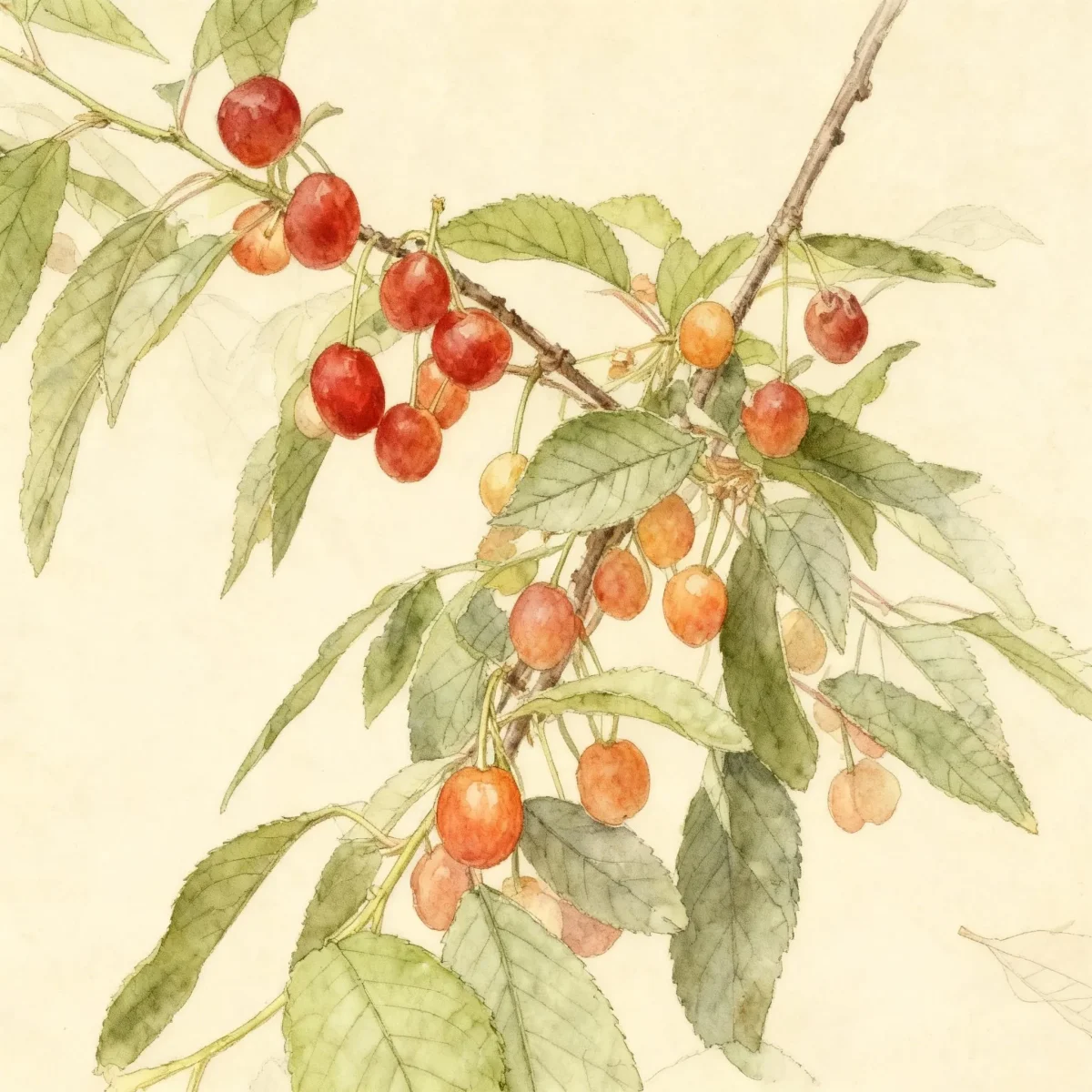
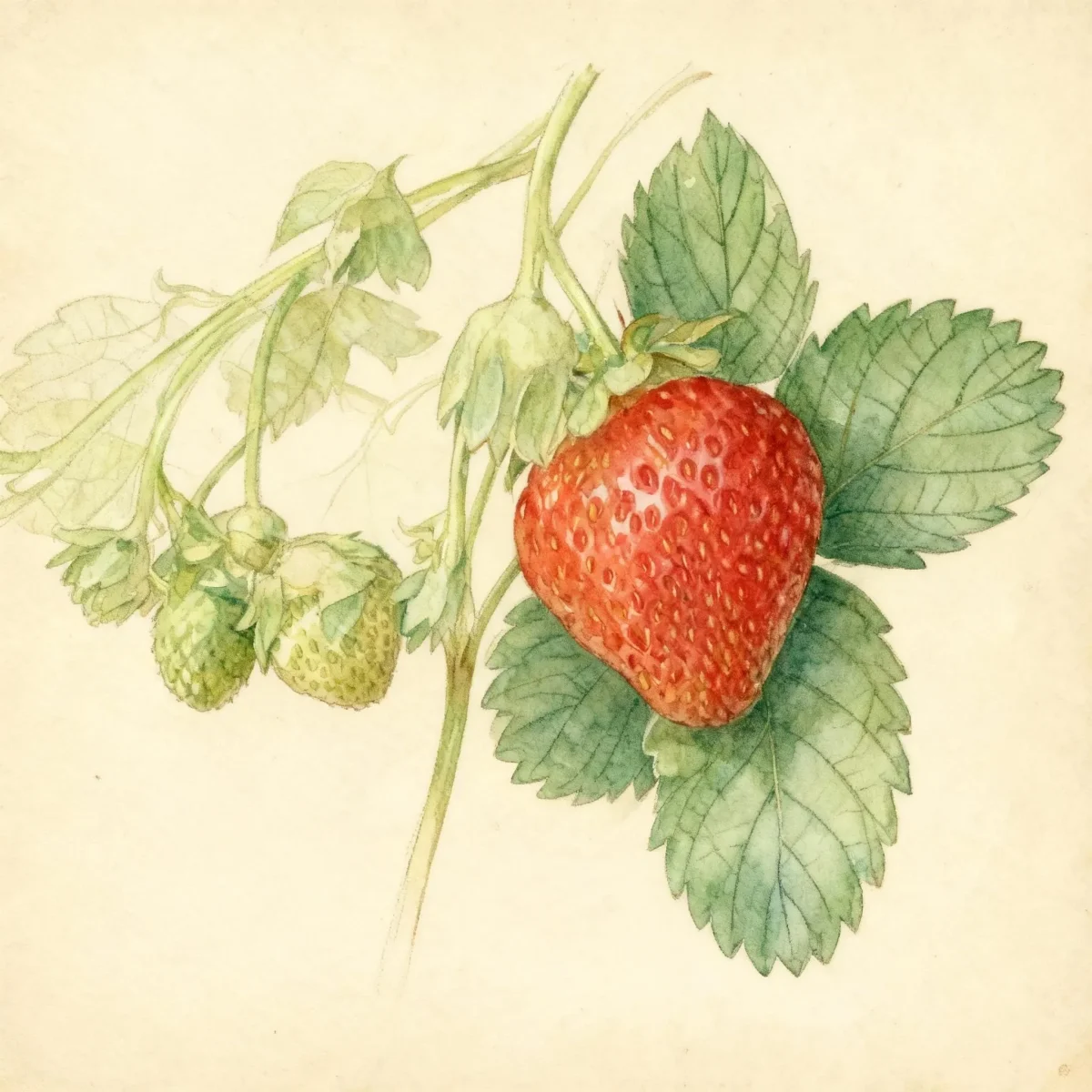
Vaccinium macrocarpon ‘Thunderlake’ is a highly valuable cultivar for gardeners seeking both ornamental beauty and a practical food crop. As an American Cranberry variety, this shrub provides stunning spring color followed by bright red fruits ready for harvest in the fall. It maintains a low, trailing habit that makes it suitable for ground cover applications.
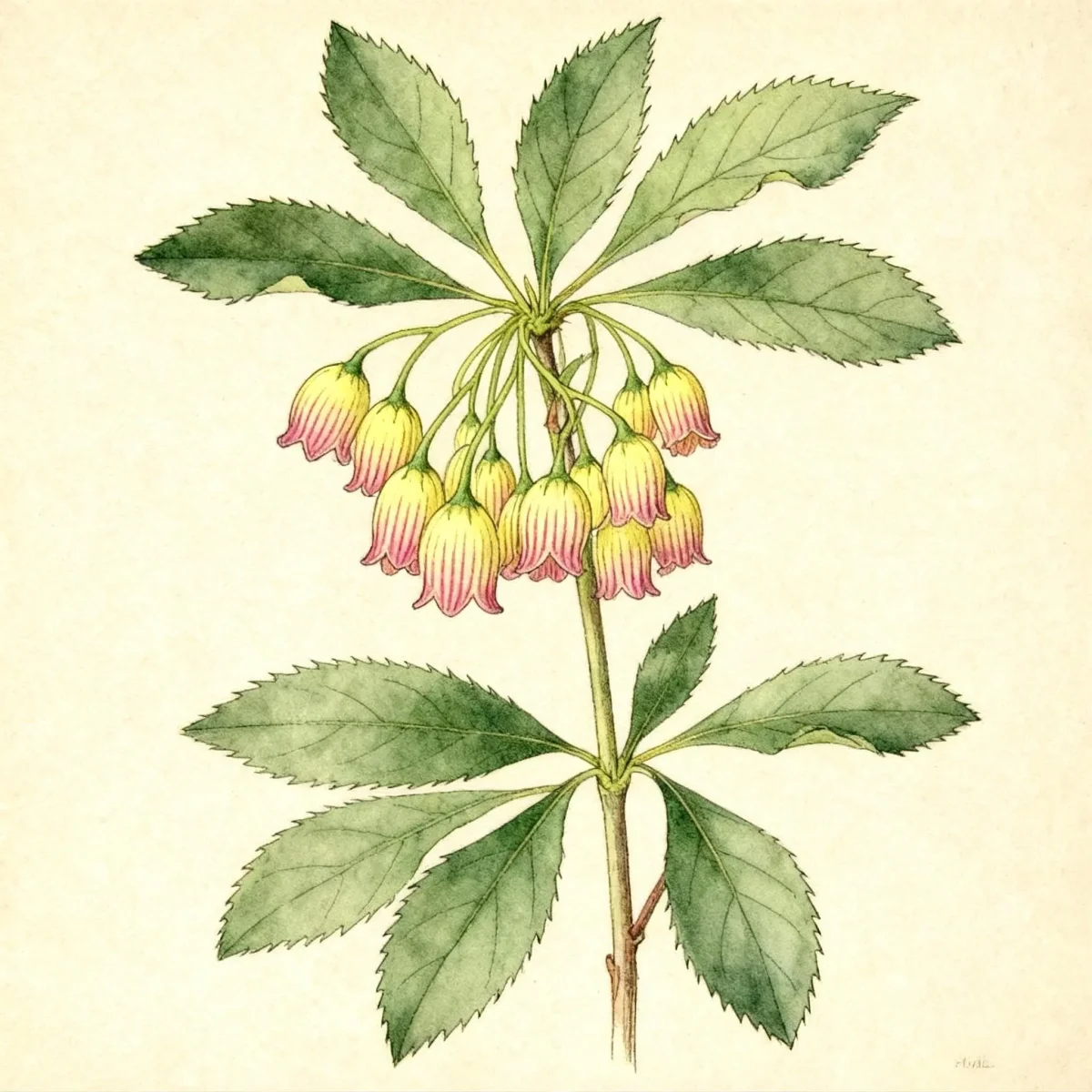
This cultivar is distinguished by its shrub-like appearance, growing slightly taller than wild types, reaching about 12 inches high and spreading 3 to 4 feet. The fuchsia-pink flowers are particularly showy, setting the stage for the highly edible, ornamental cranberries that mature in September and October. Growing Vaccinium macrocarpon ‘Thunderlake’ contributes positively to local ecosystems by supporting pollinators and birds.
Ideal for acid-loving landscapes, the successful cultivation of this Cranberry relies on replicating boggy conditions, though the ‘Thunderlake’ variety tolerates typical garden soil better than many relatives. Its low maintenance requirement, once established in the correct niche, makes the Vaccinium macrocarpon ‘Thunderlake’ an excellent choice for edible landscaping projects.
Fast Facts
- Plant Family: Ericaceae
- Plant Type: Fruit
- Hardiness Zones: USDA Zones 3-7
- Size at Maturity:
- Height: 0.75-1 ft
- Spread: 3-4 ft
- Bloom Time: May to June
- Bloom Description: Fuchsia pink
- Sun Exposure: Full sun
- Water Needs: Medium
- Maintenance Level: Low
How to Grow
To ensure a successful harvest of Cranberry fruits, focus heavily on soil preparation. Vaccinium macrocarpon ‘Thunderlake’ must be planted in soil that is consistently damp to boggy and highly acidic, aiming for a pH range between 4.0 and 5.2. The soil should also be organically rich yet remain well-drained to prevent root suffocation.
Plant individual ‘Thunderlake’ shrubs approximately 2 feet apart to allow adequate space for their spreading habit. While the plant is self-pollinating, grouping them enhances overall vigor and yield. For watering, maintain medium moisture levels; consistent soil dampness is critical, especially during fruit development.
Maintenance is generally low for Vaccinium macrocarpon ‘Thunderlake’. No extensive seasonal pruning is indicated unless shaping is desired or dead wood needs removal. Avoid high-pH fertilizers, as they will damage this acid-loving species. Provide full sun exposure for the best flowering and fruit set.
Landscape Uses
The dual purpose of Cranberry makes it versatile in garden design. For dedicated food production, dedicate a section of the fruit or vegetable garden specifically for massing these plants together, allowing them to form that attractive, low-growing carpet of green foliage.
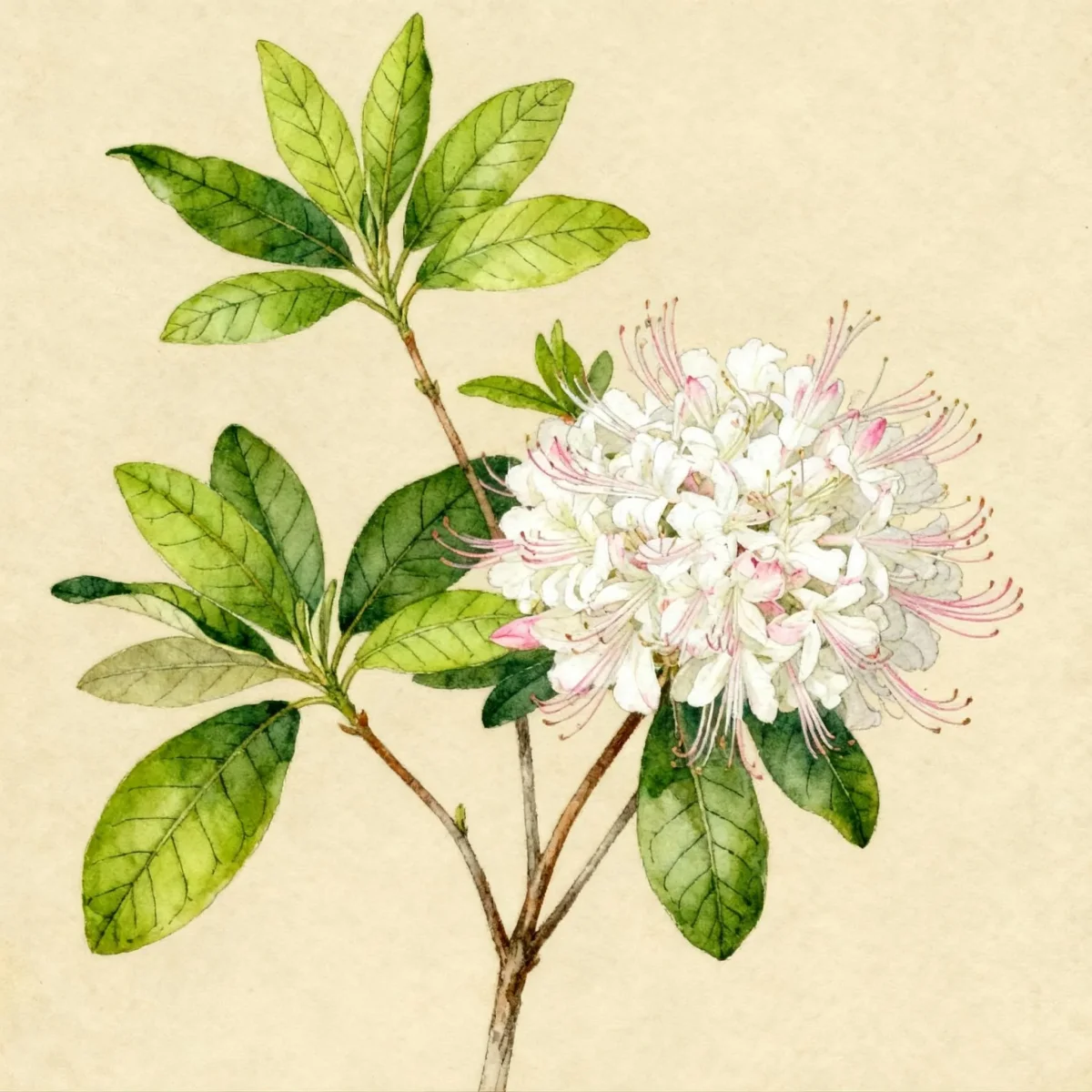
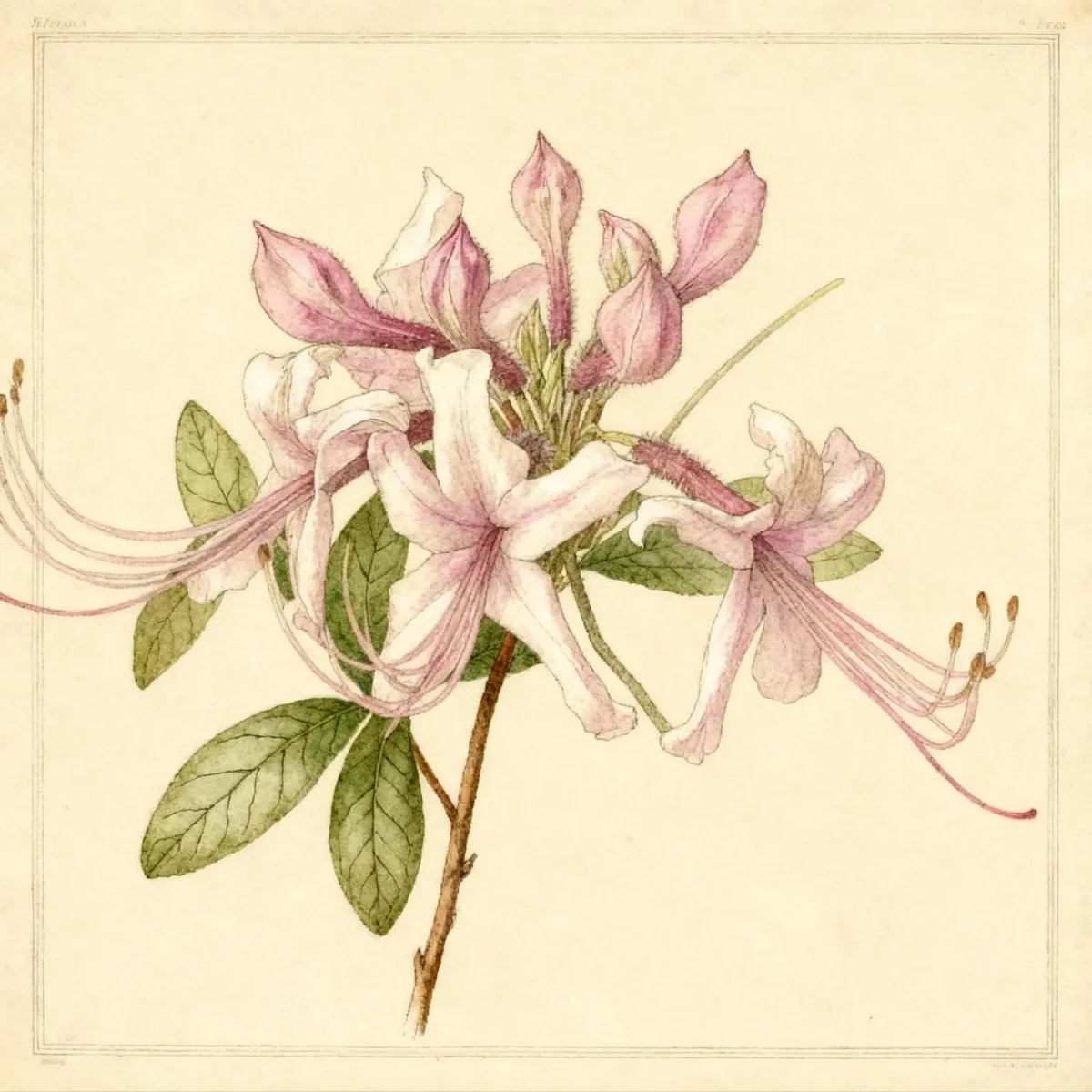
Ornamentally, Vaccinium macrocarpon ‘Thunderlake’ is superb as a small-scale ground cover in sunny acidic beds. It shines when used in the front of shrub borders alongside other acid-loving companions like Azaleas and Rhododendrons, whose soil needs align perfectly with this Cranberry variety. The seasonal interest provided by the pink blooms and red fruit adds texture year-round.
Standout Features
Flower Qualities
- Showy
Fruit Qualities
- Showy
- Edible
Noteworthy Characteristics
Vaccinium macrocarpon, commonly called American cranberry, is native to bogs, swamps, and wet shorelines in parts of northern and eastern North America. ‘Thunderlake’, a recent J.E. Miller Nurseries’ exclusive introduction, is a shrub-like cultivar that can be grown in garden soil in somewhat the same manner as blueberries. Plants typically grow to 12” tall with a 3-4’ spread and feature fuchsia-pink flowers in spring which give way to bright red cranberries that mature in September-October.
Tolerances
Potential Problems
This species is susceptible to several pests and diseases common to the genus Vaccinium. Vigilance is required to manage issues such as fruit end rot, root rot, and various insect pests like the cranberry blossomworm, tipworm, weevil, and fruitworm. Cultural precision is key to prevention.
Maintaining the correct low-pH soil and ensuring good air circulation helps minimize fungal issues like red leaf spot. If pests are detected, promptly identifying the specific culprit is necessary, as treatments vary significantly between the berry-feeding insects listed. Avoid high-nitrogen fertilizers that can promote overly lush, disease-susceptible growth.
Frequently Asked Questions
What hardiness zones is Cranberry suitable for?
Vaccinium macrocarpon ‘Thunderlake’ is hardy and reliable in USDA Zones 3 through 7.
How large does Cranberry grow?
This cultivar typically reaches a height between 0.75 and 1 foot, spreading outward to cover an area from 3 to 4 feet wide.
What sun exposure does Cranberry need?
For optimal growth and fruiting, Vaccinium macrocarpon ‘Thunderlake’ requires full sun exposure throughout the day.
When does Cranberry bloom?
The attractive fuchsia pink flowers appear relatively late in the season, usually blooming from May into June.
Conclusion
The Vaccinium macrocarpon ‘Thunderlake’ provides an excellent intersection of edible gardening and dynamic ornamental appeal for the home landscape. Its low-growing habit, coupled with vibrant spring blooms and edible red fruit, secures its place in acidic garden beds. Before planting, ensure your site offers the required full sun and consistently acidic soil conditions found in Hardiness Zones 3-7.
Companion Planting
Given the strict soil acidity required for Vaccinium macrocarpon ‘Thunderlake’, companion planting should prioritize other acid-loving ericaceous plants. Excellent neighbors include blueberries (Vaccinium spp.), mountain laurel (Kalmia latifolia), and evergreen azaleas. These plants benefit from the same soil amendments, such as peat moss or elemental sulfur, often necessary to achieve the target pH of 4.0–5.2.
Avoid planting near plants that prefer neutral or alkaline soil, such as lilacs or maples that may compete for nutrients without sharing the acid niche. Grouping acid lovers together simplifies soil management and fertilization routines for your low-maintenance Cranberry patch.
Wildlife Benefits
The bloom period of Vaccinium macrocarpon ‘Thunderlake’ is highly beneficial for early-season pollinators. The small, nodding flowers are frequently visited by native bees seeking nectar and pollen. Furthermore, the ripe, bright red fruit serves as an important late-season food source for various birds and small mammals, integrating the Cranberry cultivar naturally into the local food web.