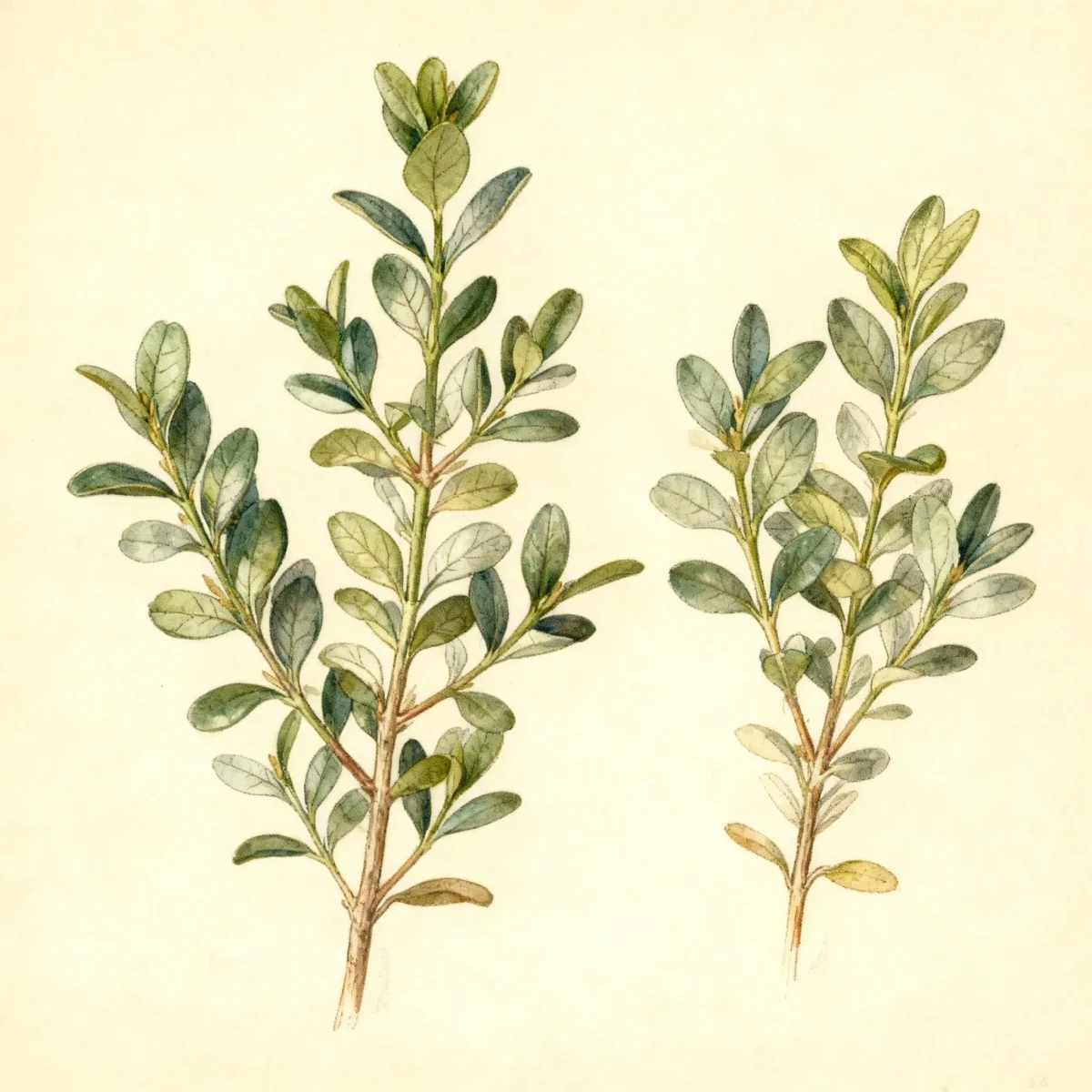
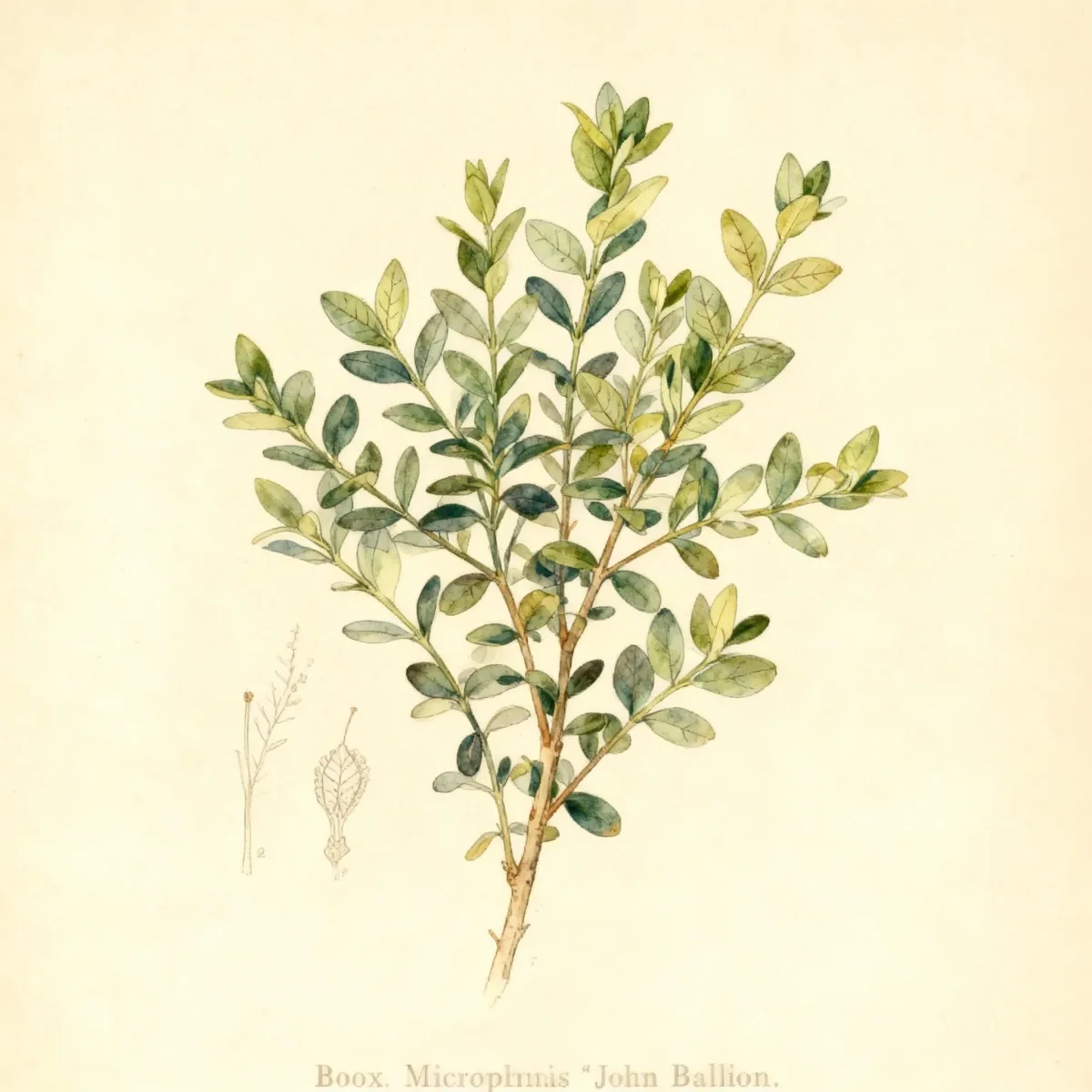
Boxwood (Buxus sempervirens 'Appalachian Pyramid')
Buxus sempervirens 'Appalachian Pyramid' Boxwood is a dense, pyramidal broadleaf evergreen perfect for formal hedges and accents in USDA Zones 5-8.
Scroll down to discover growing tips, care requirements, companion plants, and more
Complete Plant Information
Overview
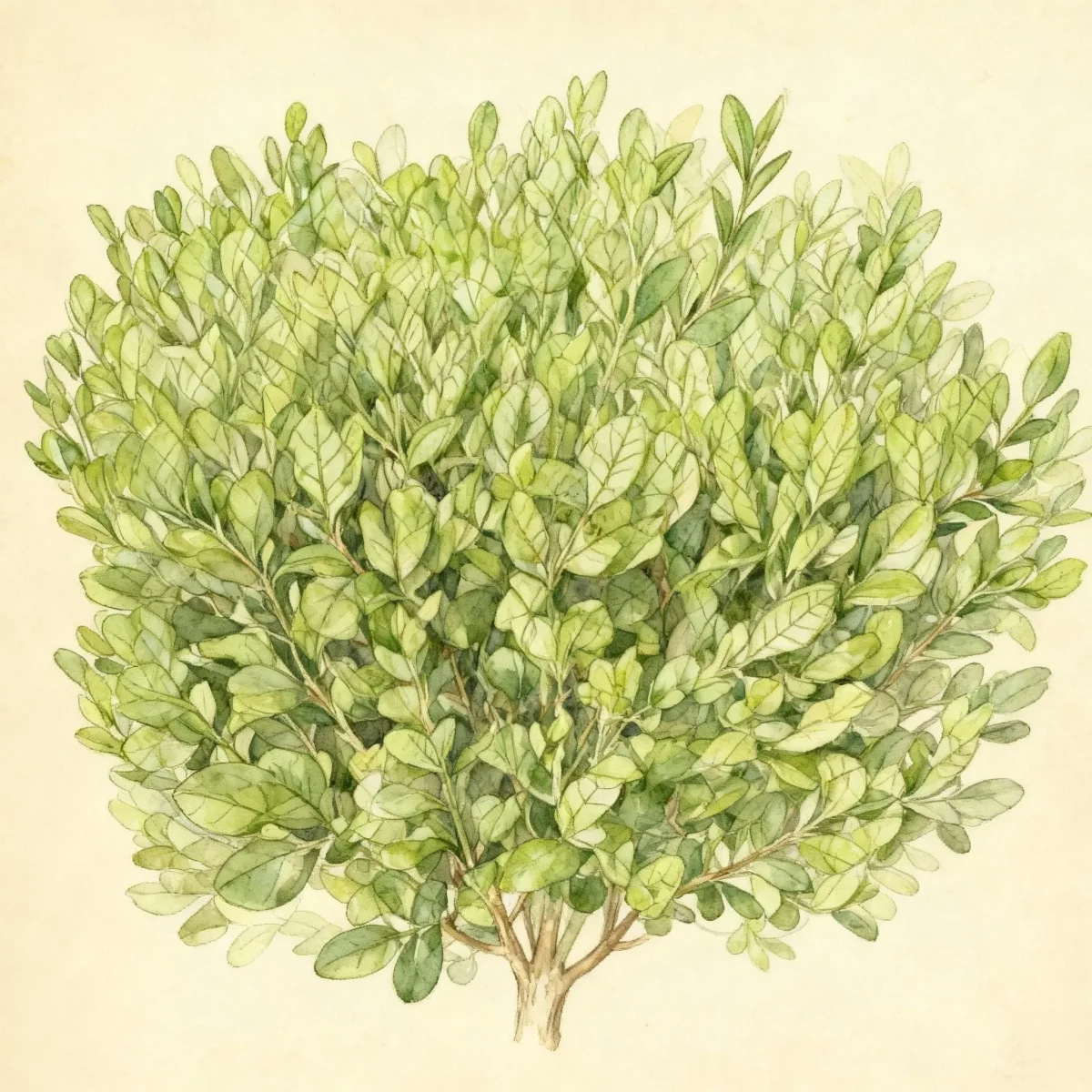
The Buxus sempervirens ‘Appalachian Pyramid’ is a highly valued broadleaf evergreen cultivar, prized for its dense, upright, and distinctly columnar to pyramidal habit, ideal for structured landscapes. As a variety of Boxwood, this plant offers reliable year-round deep green color and excellent form retention, making it a staple in formal garden designs. Reaching modest mature dimensions of 2 to 3 feet tall and wide, this cultivar of Buxus sempervirens provides excellent vertical interest without becoming overly large. Gardeners appreciate this Boxwood for its low maintenance needs relative to its formal appearance, allowing for excellent definition in foundation plantings, beds, and borders across USDA Zones 5 through 8.
Fast Facts
- Plant Family: Buxaceae
- Plant Type: Broadleaf evergreen
- Hardiness Zones: USDA Zones 5-8
- Size at Maturity:
- Height: 2-3 ft
- Spread: 2-3 ft
- Bloom Time: April to May
- Bloom Description: Green to white
- Sun Exposure: Full sun to part shade
- Water Needs: Medium
- Maintenance Level: Medium
How to Grow
Plant Buxus sempervirens ‘Appalachian Pyramid’ during the cooler parts of the year—fall or early spring—to allow the roots to establish before summer heat stress. Optimal growth occurs in evenly moist, well-drained loams, such as a sand-clay mixture. While the Boxwood performs well in various degrees of part shade, including dappled sunlight, several hours of morning or early afternoon sun are highly beneficial. Avoid planting where foliage will face constant, intense full sun, especially when coupled with drying winter winds, as this increases the risk of scorching or bronzing.
Caring for this variety involves recognizing its shallow root system; avoid cultivating close to the base, as this can disturb the roots. Instead, apply a 1- to 2-inch layer of organic mulch, like bark or compost, to conserve moisture and moderate soil temperatures. Water needs are medium, requiring consistently moist soil, though excellent drainage is critical to prevent root rot diseases. Pruning and shearing are generally tolerated, but exercise caution: never prune before the last spring frost date. Early shearing can encourage tender new growth susceptible to frost damage.
For longevity, site your Buxus sempervirens ‘Appalachian Pyramid’ in areas sheltered from strong winter winds. Exposure to wind and winter sun, even for half a day, rapidly removes moisture from the leaves, leading to dehydration and unsightly winter bronzing of the foliage. Annual thinning and removal of dead or damaged branches improves necessary air circulation throughout the dense structure of this important Boxwood cultivar.
Landscape Uses
The compact, narrow form of the Buxus sempervirens ‘Appalachian Pyramid’ makes it exceptionally versatile for formal and structured garden designs. It serves brilliantly as a vertical specimen or accent plant near entryways or against foundation plantings where a strong, architectural line is desired. Because of its predictable height (typically maturing around 36 inches), this Boxwood is suitable for use as topiary, providing geometric interest that contrasts well with softer perennials.
Mass planting the ‘Appalachian Pyramid’ is an effective way to create a narrow, defined hedge line that acts as a low border or screen. This cultivar works perfectly within Mediterranean gardens or traditional mixed beds where evergreen structure is needed throughout the winter. Containers are another excellent use, allowing you to dictate soil conditions precisely and move the plant if winter exposure becomes too severe in highly exposed locations.
Standout Features
Flower Qualities
- Insignificant
Noteworthy Characteristics
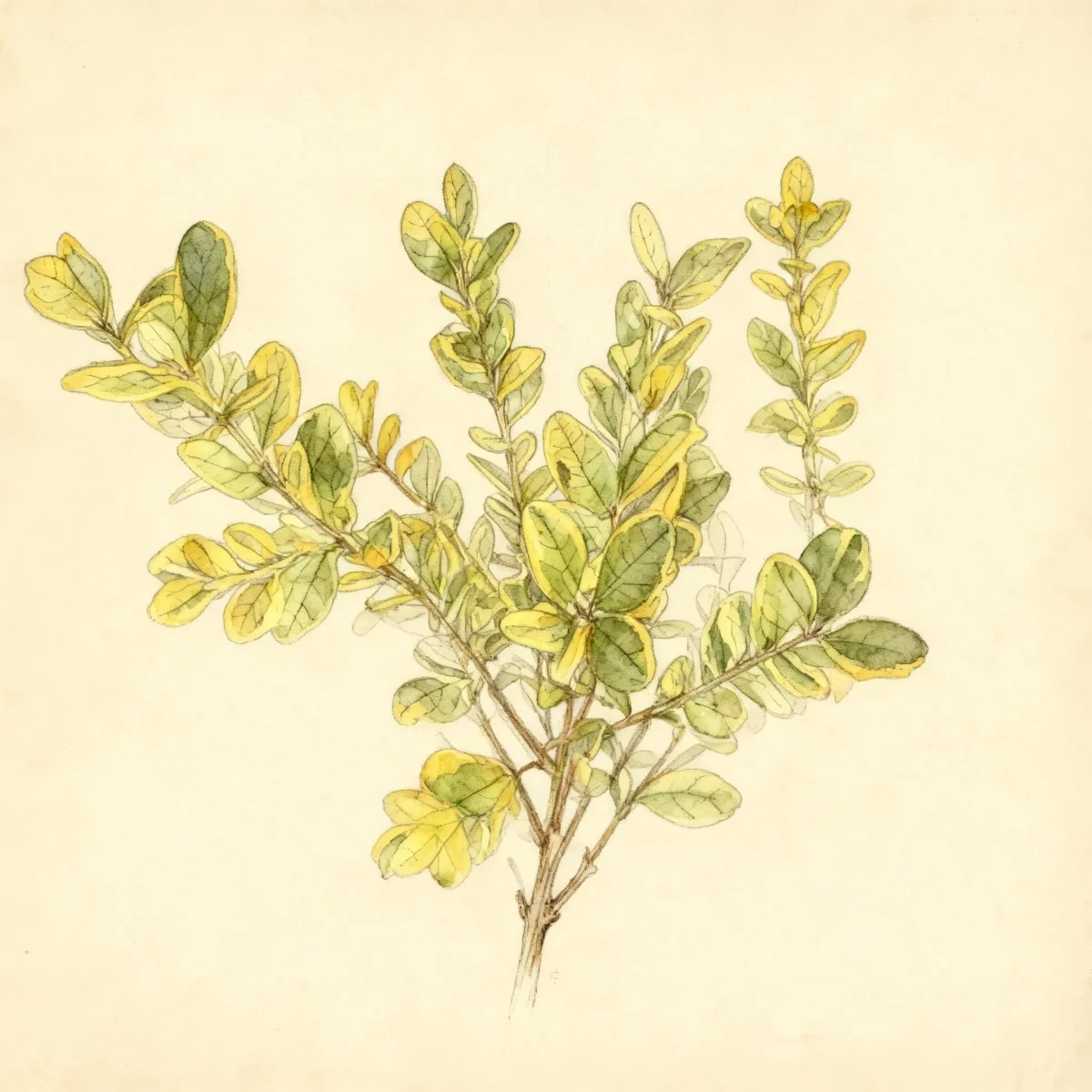
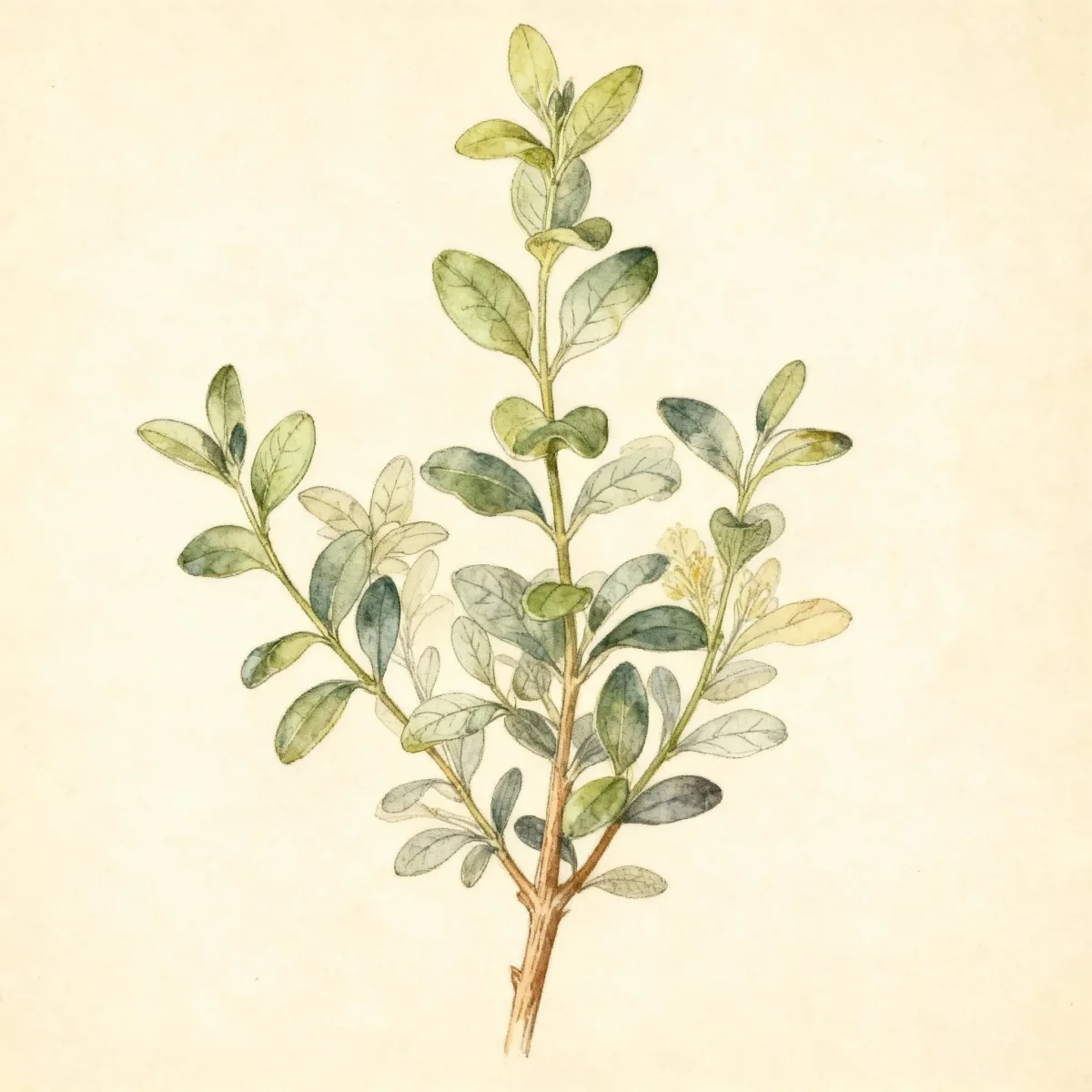
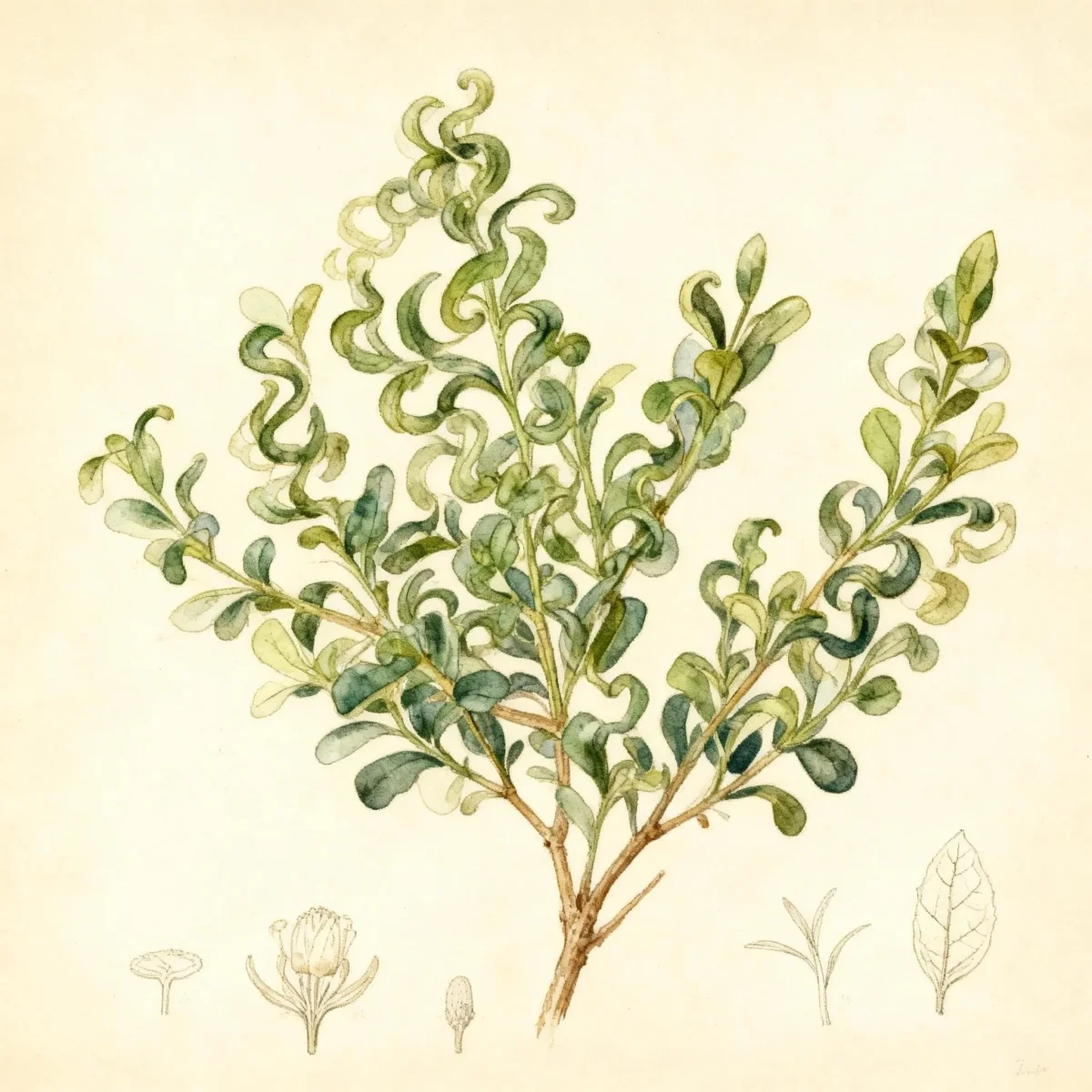
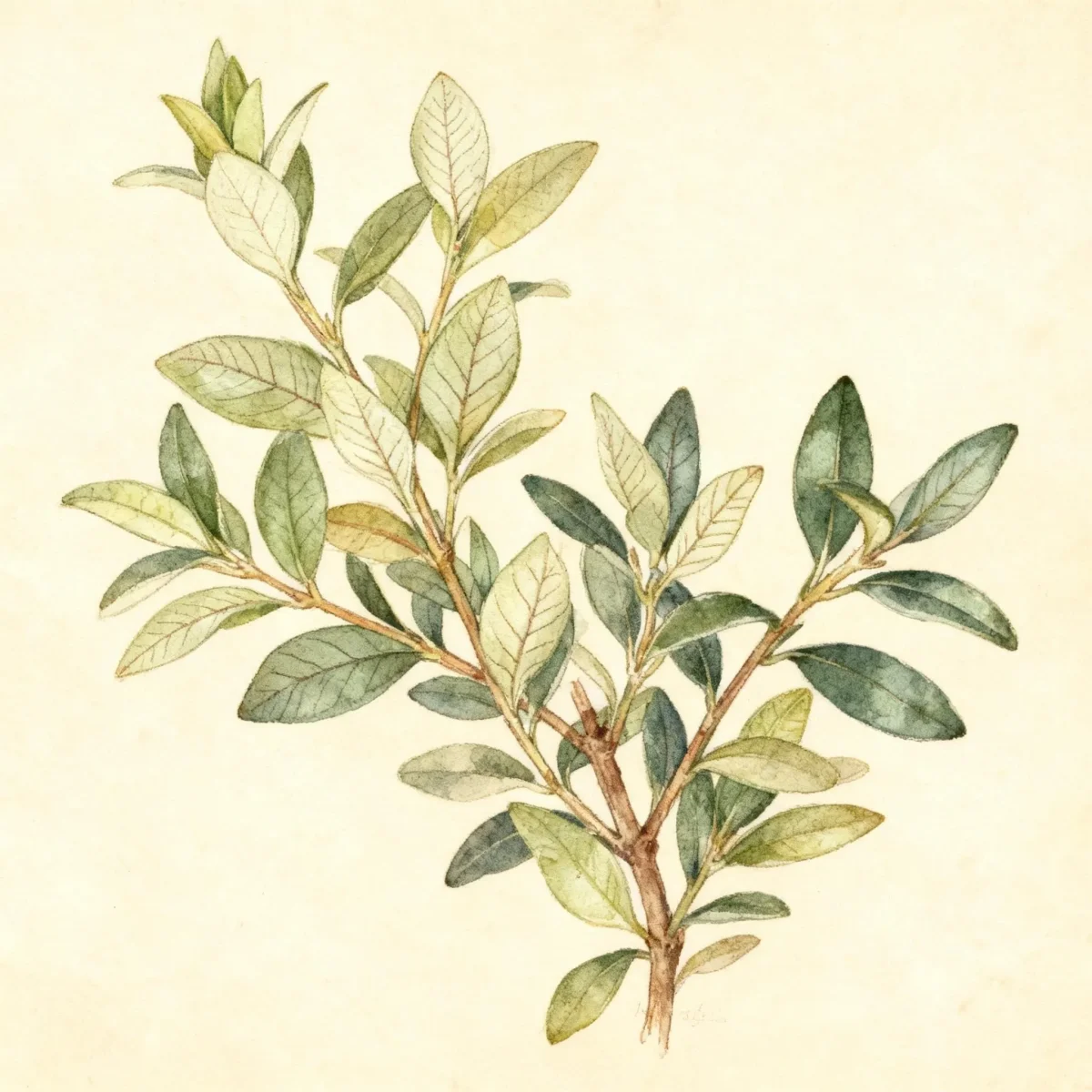
Buxus sempervirens is botanically known for its small, elliptic to oblong leaves that are dark glossy green above and slightly yellowish below, providing excellent evergreen texture. This species typically matures as a rounded shrub or small tree, but the ‘Appalachian Pyramid’ cultivar is specifically noted for its columnar to pyramidal shape, usually maxing out around 36 inches tall. The genus name Buxus comes from the traditional Latin term for these plants, while the species epithet sempervirens aptly translates to “always green.”
Tolerances
- Rabbit
- Deer
Potential Problems
Boxwood foliage is highly susceptible to bronzing—turning an unattractive brownish-yellow—during harsh winters, especially when exposed to direct sun and desiccating winter winds. Year-round, the health of your Buxus sempervirens ‘Appalachian Pyramid’ depends on vigilance against pests and diseases. Susceptibility includes boxwood blight, volutella blight, and various leaf spot diseases, all exacerbated by poor air circulation.
Insect pests like the boxwood leafminer, mite, and psyllid can cause significant aesthetic damage. To mitigate these issues, ensure proper spacing to promote airflow, treat potential fungal issues promptly, and maintain deep, consistent moisture without waterlogging the soil, which encourages fatal root rot. Thankfully, this variety is generally avoided by both deer and rabbits.
Frequently Asked Questions
What hardiness zones is Boxwood suitable for?
Buxus sempervirens ‘Appalachian Pyramid’ is hardy across USDA Zones 5 through 8, providing reliable evergreen structure in these regions.
How large does Buxus sempervirens ‘Appalachian Pyramid’ grow?
This specific cultivar is quite compact, typically maturing to a height between 2 and 3 feet, with an equal spread of 2 to 3 feet, maintaining a pyramidal shape.
What sun exposure does Boxwood need?
This Boxwood thrives best in conditions ranging from full sun to part shade. For the best foliage color and vigor, aim for light shade or morning sun exposure.
When does Buxus sempervirens ‘Appalachian Pyramid’ bloom?
The inconspicuous flowers of this Boxwood appear relatively early in the growing season, typically blooming from April into May, presenting as small green to white clusters.
Conclusion
The Buxus sempervirens ‘Appalachian Pyramid’ offers exceptional formal structure and reliable evergreen presence within a compact, manageable size, making it indispensable for low screens and accents. Successfully growing this Boxwood hinges on providing well-drained soil and ensuring adequate protection from drying winter winds. Before planting, confirm that your site falls within USDA Zones 5-8 and plan pruning schedules around the danger of late spring frosts.
Companion Planting
Choosing appropriate companions helps enhance the structure provided by Buxus sempervirens ‘Appalachian Pyramid’ while supporting similar cultural needs. Because this Boxwood prefers consistently moist but well-drained soil and appreciates light afternoon shade, pair it with shade-tolerant perennials that do not demand excessive drought conditions. Good companions often include hostas, ferns, or bleeding hearts, which thrive in similar medium-water environments and appreciate the backdrop of dark, glossy evergreen foliage.
When using the Boxwood as a formal edging, consider repeating its structure with other low-growing, tight evergreens or perennials that bloom sequentially. For instance, planting drifts of spring bulbs like snowdrops or species tulips immediately in front of the hedge can soften the transition to the garden floor while the Boxwood remains dormant during early spring cleanup.
Seasonal Care Calendar
Early Spring (Post-Frost): This is the prime time for any necessary structural pruning or shearing of your Buxus sempervirens ‘Appalachian Pyramid’. Remove any small dead or damaged branches noted over winter to improve internal air circulation, which is key to disease prevention.
Summer: Monitor watering closely during dry spells. While established plants tolerate some drought, maintaining medium soil moisture will prevent leaf bronzing and stress. Avoid deep cultivation near the base due to shallow roots.
Late Fall/Early Winter: Before the ground freezes, apply or refresh the 1- to 2-inch layer of organic mulch around the base. If positioned in a location exposed to harsh winter sun, consider applying an anti-desiccant spray to the foliage to reduce moisture loss from winter winds.