Perennial cornflower (Centaurea montana 'Gold Bullion')
Centaurea montana 'Gold Bullion' is a striking perennial cornflower known for its brilliant blue blooms and unique golden foliage. Low maintenance and drought tolerant, this plant thrives in full sun.
Scroll down to discover growing tips, care requirements, companion plants, and more
Complete Plant Information
Overview
The Centaurea montana ‘Gold Bullion’ offers exceptional visual impact in the garden, setting itself apart with its vibrant blue, fringed flowers contrasted against striking golden foliage. This cultivar of the Perennial cornflower brings cheerful color to late spring borders, providing reliable performance year after year. As an herbaceous perennial, it establishes reliably and is treasured for its low-maintenance nature once established.
This Perennial cornflower is exceptionally drought tolerant and performs well even in poorer soils, making it a practical choice for sunny borders where less robust plants might struggle. Its erect, clump-forming habit provides vertical interest, while its stoloniferous nature allows it to slowly colonize areas, creating attractive drifts over time. Gardeners welcome the easy care associated with planting Centaurea montana ‘Gold Bullion’.
The defining feature of this selection is undoubtedly the foliage; ensure Centaurea montana ‘Gold Bullion’ receives adequate sunlight to maintain its best golden hue throughout the growing season. This plant serves as an excellent vertical element in cottage gardens or meadow plantings where its brilliant blue blooms can be fully appreciated.
Fast Facts
- Plant Family: Asteraceae
- Plant Type: Herbaceous perennial
- Hardiness Zones: USDA Zones 3-8
- Size at Maturity:
- Height: 1-2 ft
- Spread: 0.75-1 ft
- Bloom Time: May to June
- Bloom Description: Blue
- Sun Exposure: Full sun
- Water Needs: Dry to medium
- Maintenance Level: Low
How to Grow
Plant Centaurea montana ‘Gold Bullion’ in spring or fall in a location that provides full sun exposure. While it tolerates average soils, ensure the site has excellent drainage, as wet, poorly draining soils should be strictly avoided, especially through winter. This plant is significantly drought tolerant, thriving in dry to medium moisture conditions once established; supplemental watering is rarely needed outside of prolonged dry spells.
Maintenance for this Perennial cornflower is generally low. Deadheading spent flower stalks after the peak bloom in May and June encourages potential sparse rebloom in late summer or early fall. Avoid adding excessive fertilizer, especially rich compost, as this can encourage overly rapid spreading via stolons, particularly in cooler northern climates.
For optimal colony management and to prevent overcrowding, plan to divide the clumps every two to three years. The golden foliage color of Centaurea montana ‘Gold Bullion’ is best preserved when grown in full sun; shade causes the leaves to fade to an inferior lime green tint. Minimal winter protection is usually required in established zones.
Landscape Uses
The Perennial cornflower excels when utilized broadly across various garden settings due to its tough nature and vibrant color contrast. Its recommended uses include massing in border fronts, integrating into traditional cottage gardens, or allowing it to naturalize in looser meadow-style plantings. The upright structure of Centaurea montana ‘Gold Bullion’ provides excellent vertical punctuation among lower-growing perennials.
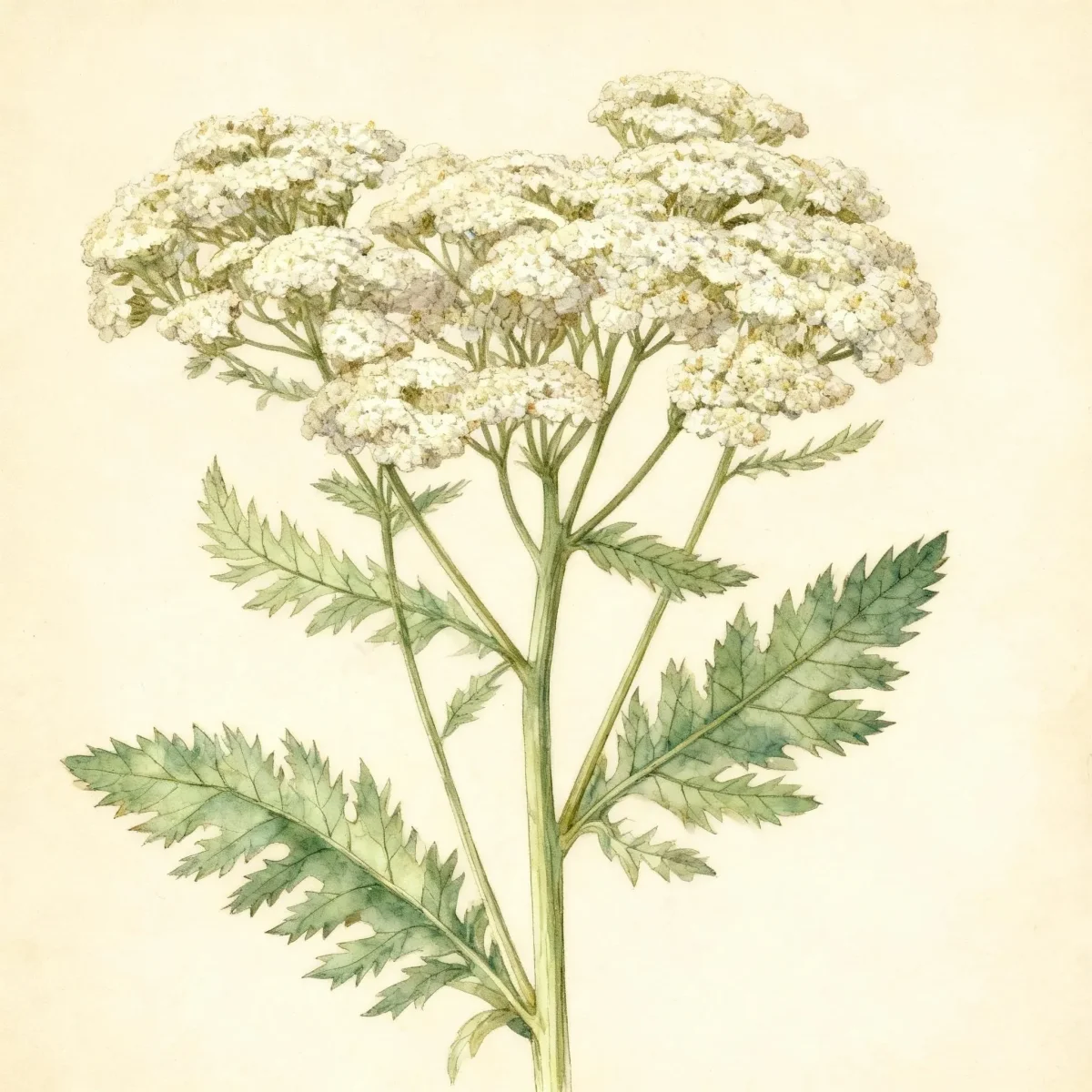
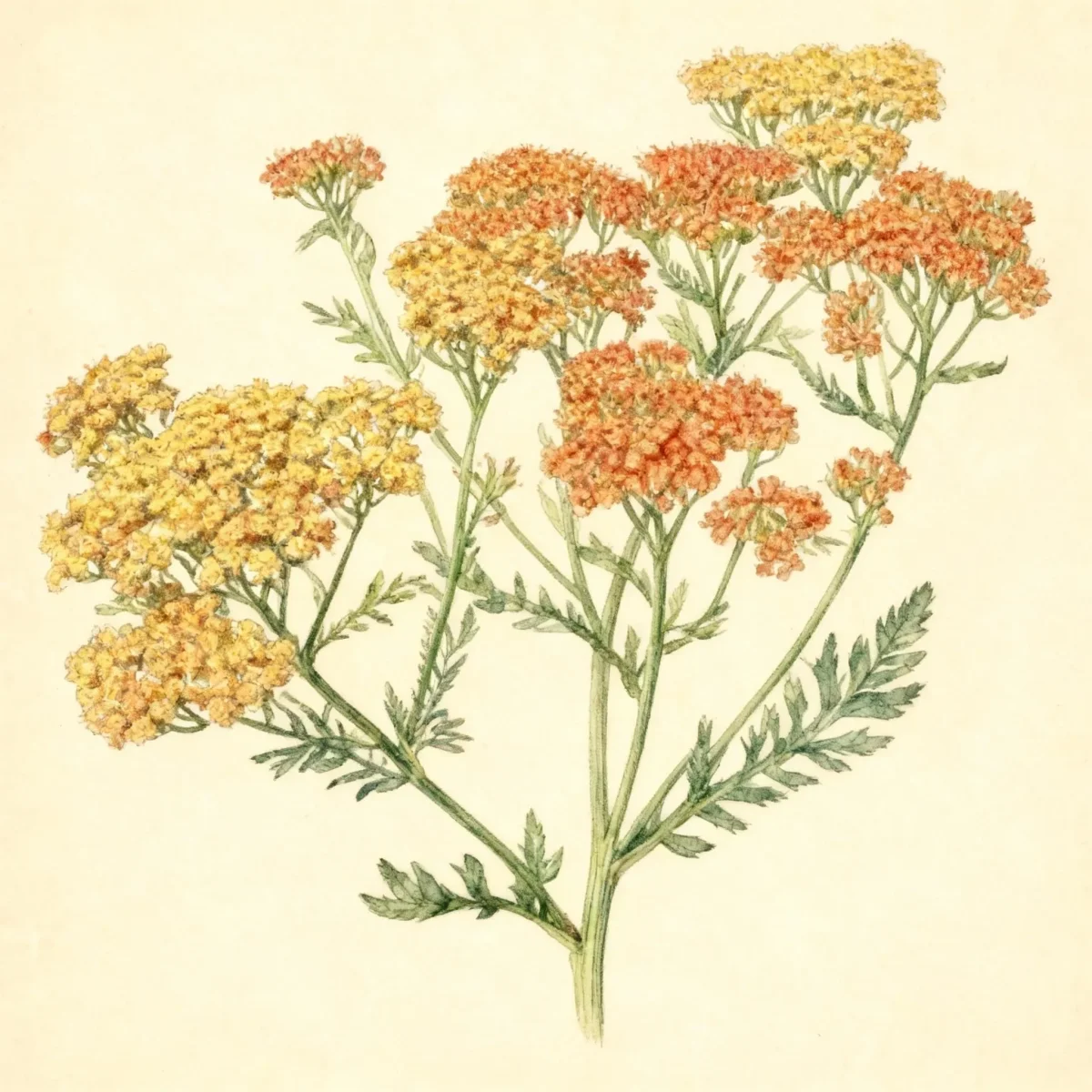
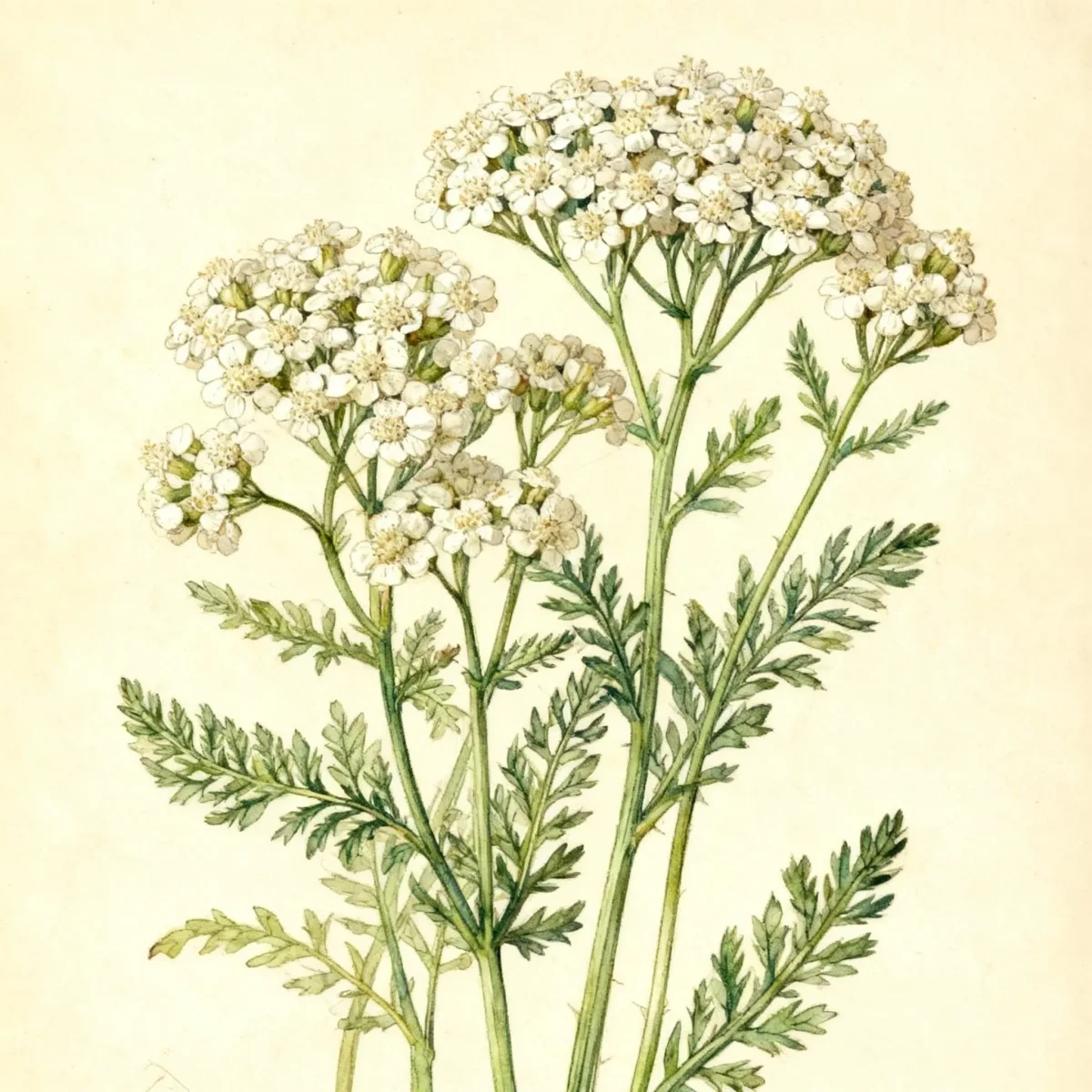
For design effectiveness, plant in sweeps rather than as isolated specimens. They pair wonderfully with plants that appreciate similar dry soil conditions and full sun, such as certain ornamental grasses, Yarrow (Achillea), or Lavender. When used to naturalize, allow the Perennial cornflower space to slowly form colonies, creating a dynamic, low-intervention planting scheme.
Standout Features
Flower Qualities
- Showy
Noteworthy Characteristics
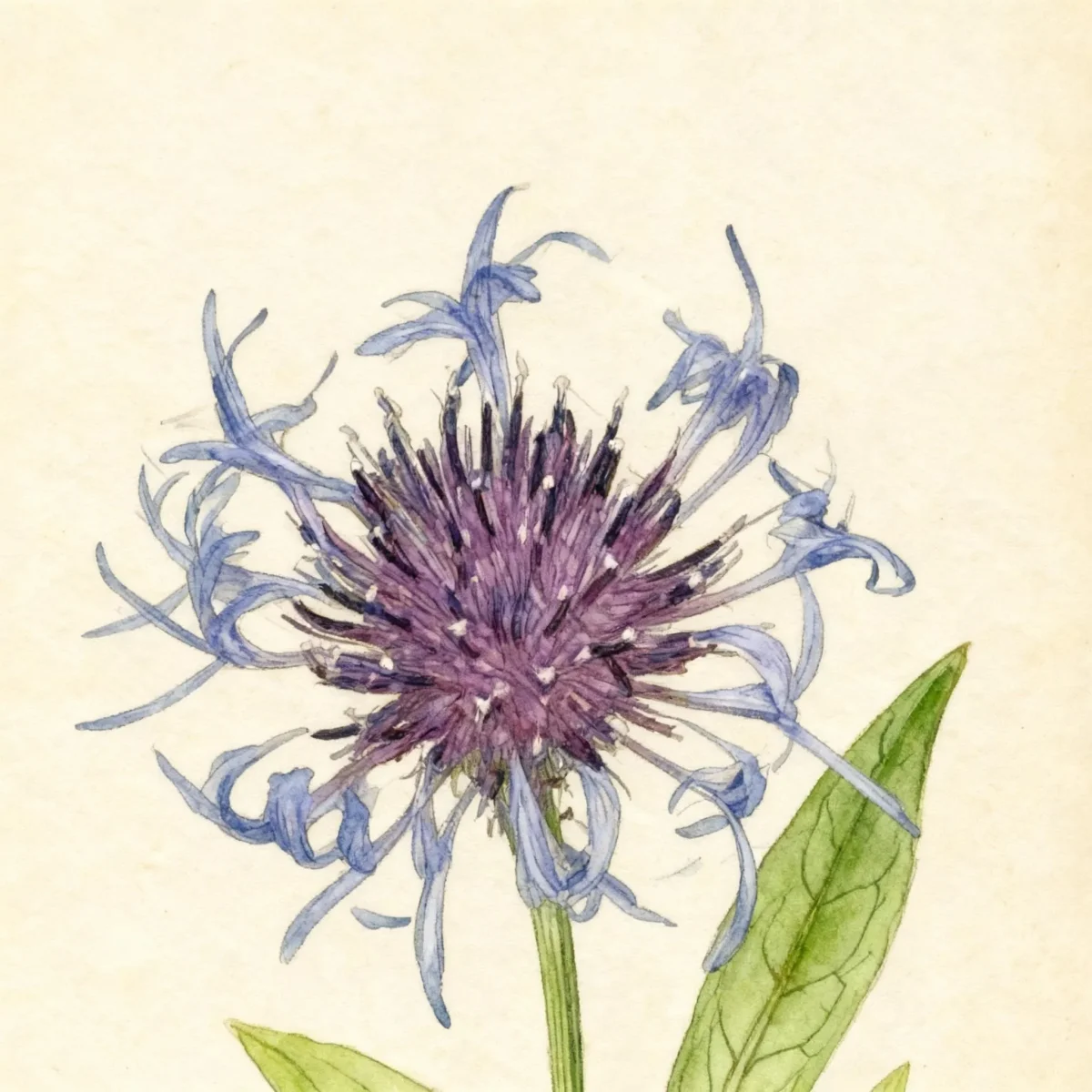
Centaurea montana is an erect, stoloniferous, clump-forming perennial which features solitary, fringed, rich blue cornflowers (2” diameter) with reddish blue centers and black-edged involucre bracts. Flowers appear in late spring atop unbranched stems typically growing 1-2’ tall. ‘Gold Bullion’, as the name suggests, is a golden-leaved cultivar noted for its foliage, which remains golden yellow unless grown in too much shade wherein it fades to an inferior lime green.
Tolerances
- Drought
- Dry Soil
Potential Problems
Fortunately, serious insect or disease issues are uncommon for established plants. Gardeners should remain vigilant for occasional problems such as common rust, powdery mildew, or aster yellows. Stem rot can occur if the soil remains overly saturated, underscoring the need for excellent drainage. Proactive management often involves checking foliage regularly and ensuring good air circulation around the clumps.
Frequently Asked Questions
What hardiness zones is Perennial cornflower suitable for?
The Centaurea montana ‘Gold Bullion’ is reliably hardy across USDA Zones 3 through 8.
How large does Perennial cornflower grow?
This herbaceous perennial generally reaches a height between 1 and 2 feet, with a spread ranging from 0.75 to 1 foot wide.
When does Perennial cornflower bloom?
This Perennial cornflower typically flowers during the late spring months of May to June, showcasing brilliant blue blooms.
What sun exposure does Centaurea montana ‘Gold Bullion’ need?
For best performance and to maintain that signature golden foliage, Centaurea montana ‘Gold Bullion’ requires a location receiving full sun.
Conclusion
The Centaurea montana ‘Gold Bullion’ brings reliable, low-maintenance color to the garden, distinguished by its bright blue flowers and illuminating golden leaves. This Perennial cornflower is ideal for sunny, well-drained sites where gardeners seek drought tolerance and vibrant contrast. Check your local hardiness zone compatibility before planning your purchase and ensure a sunny spot is ready for planting this superb addition.
Propagation Tips
Division is the primary method of successfully propagating Centaurea montana ‘Gold Bullion’ vegetation. Because the plant spreads by stolons, it naturally forms colonies, but these often become overcrowded after a few years. The best time to divide is in early spring, just as new growth emerges, or in early fall. To divide, carefully lift the entire clump using a sharp spade, separating the rootball into smaller sections, ensuring each division has ample roots attached. Replant immediately into prepared, well-draining soil.
Companion Planting
When determining companions for the Perennial cornflower, focus on plants that share the requirements for full sun and dry to medium soil conditions. Consider pairing the upright, airy structure of Centaurea montana ‘Gold Bullion’ with silver-leaved plants like Artemisia or plants that bloom slightly later to extend visual interest into mid-summer. Good companions include certain Sedums, Echinacea (Coneflower), or Russian Sage (Perovskia), all of which tolerate similar cultural regimes.