Daylily (Hemerocallis 'Purple d'Oro')
Hemerocallis 'Purple d'Oro' is a low-maintenance Daylily producing reddish-purple blooms from May to August. Ideal for zones 3-9.
Scroll down to discover growing tips, care requirements, companion plants, and more
Complete Plant Information
Overview
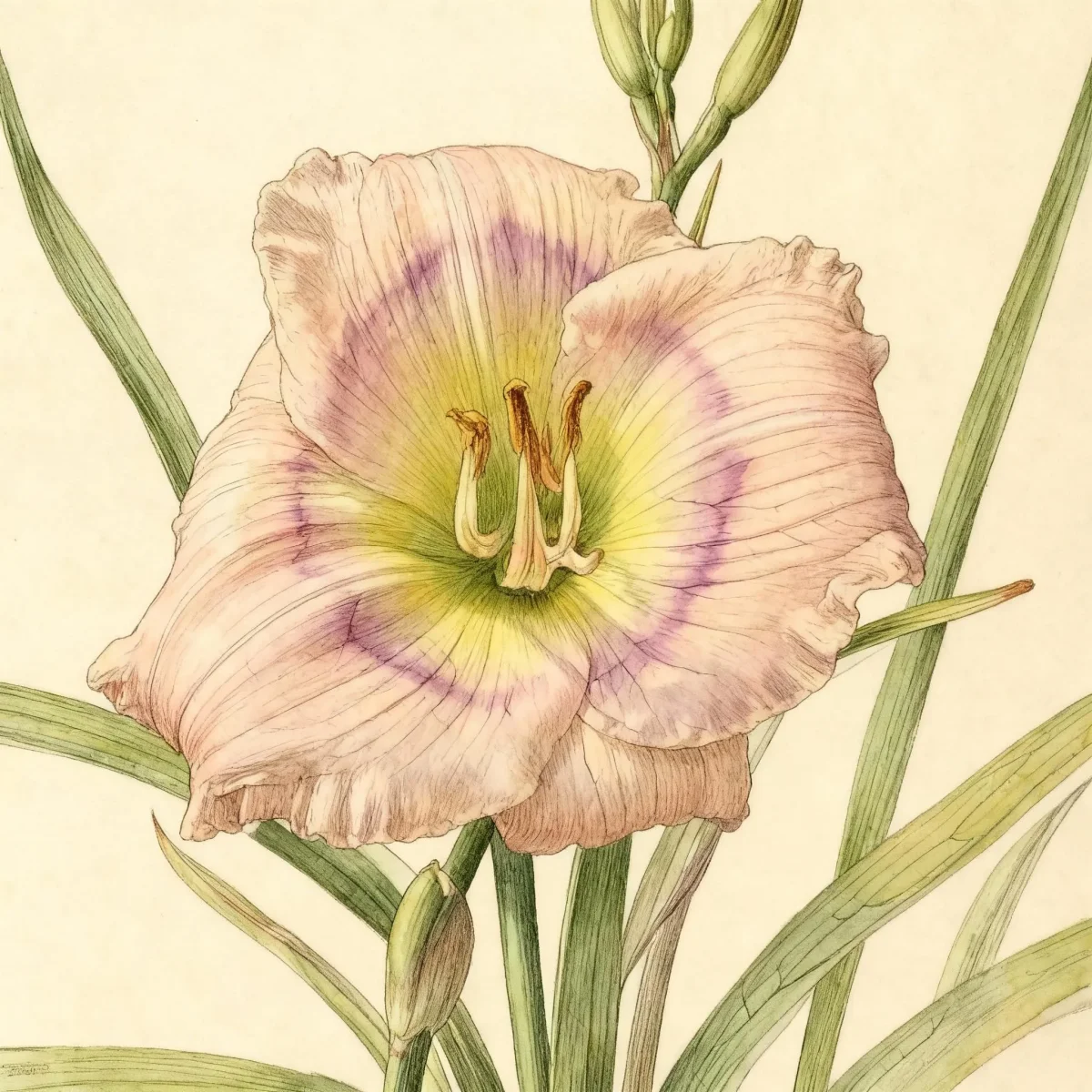
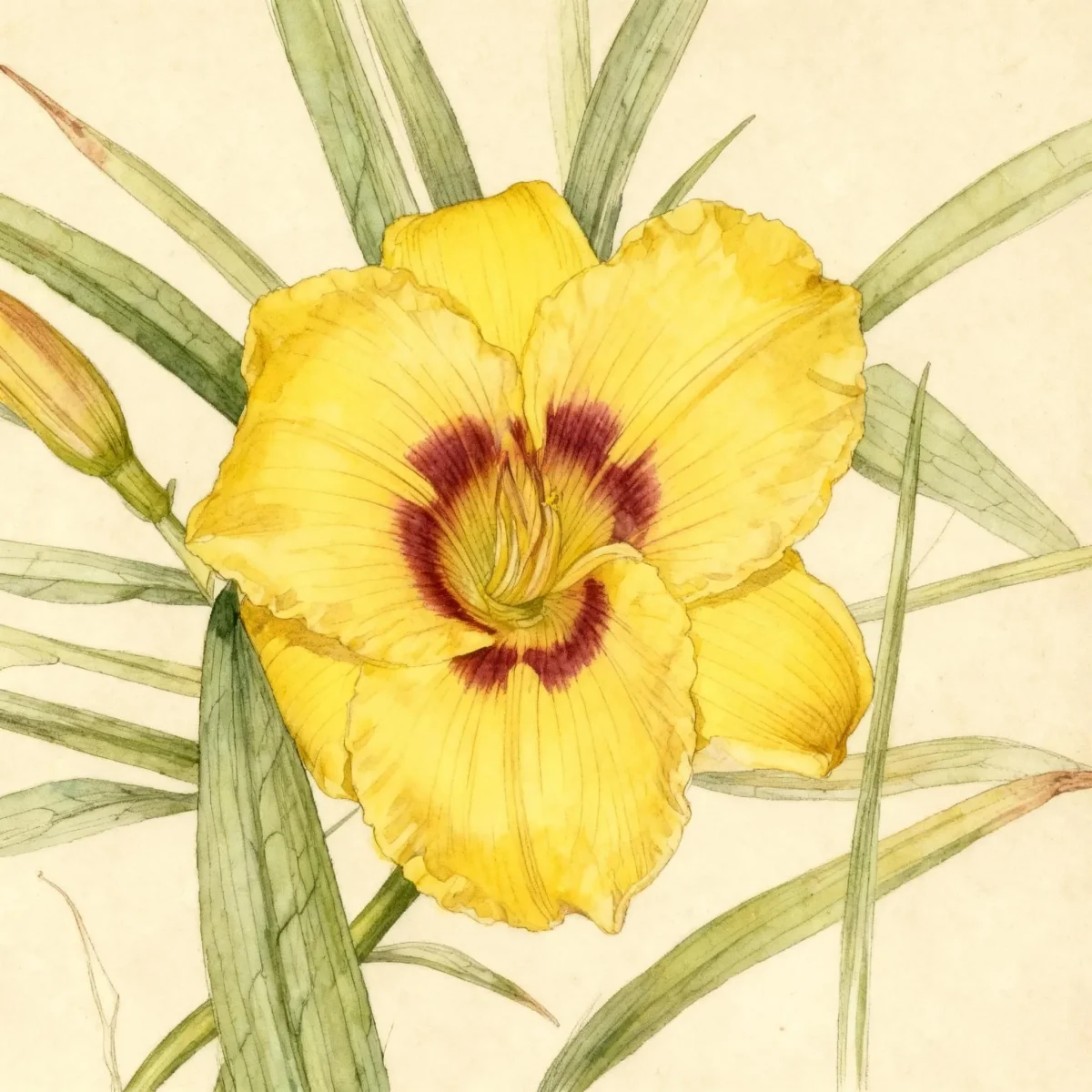
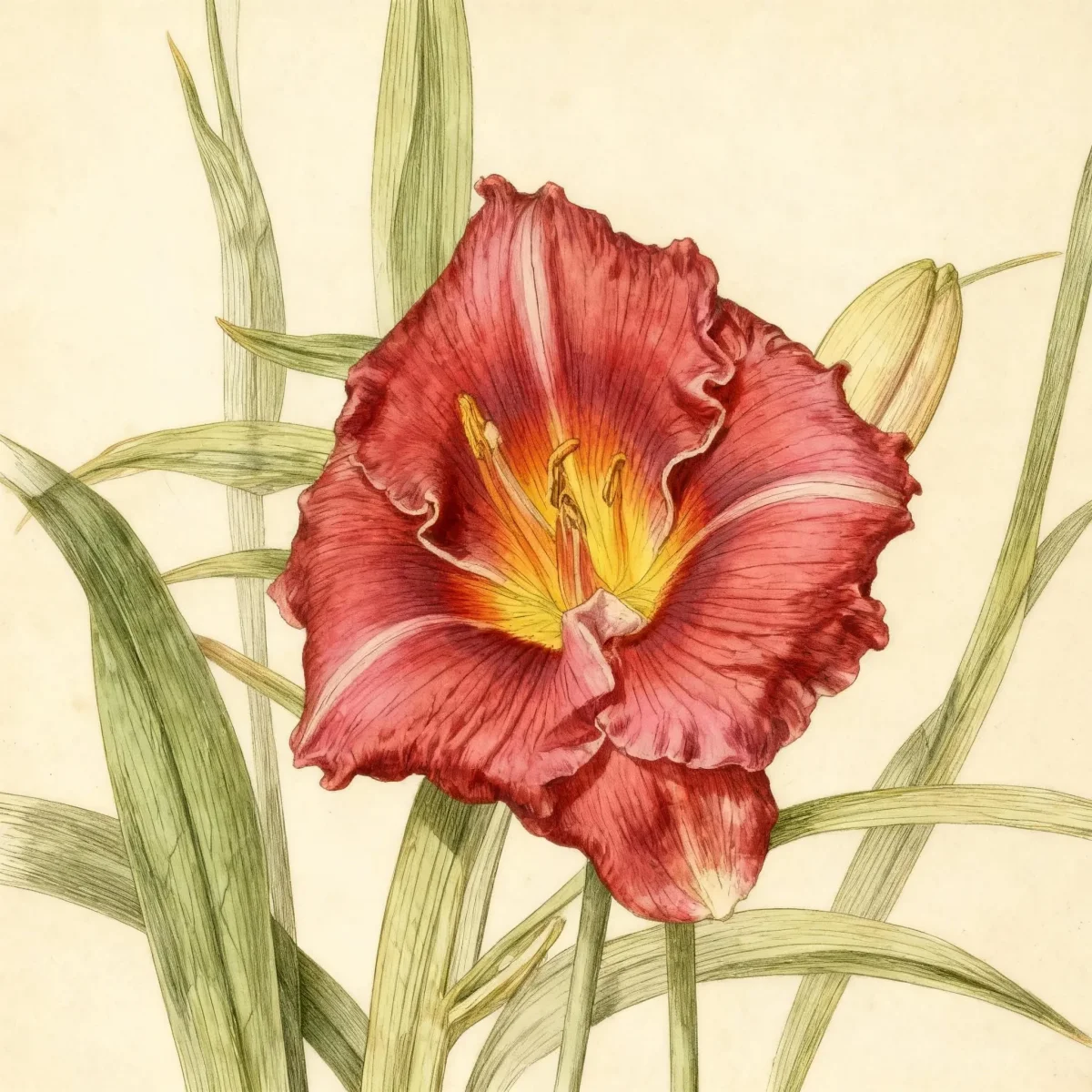
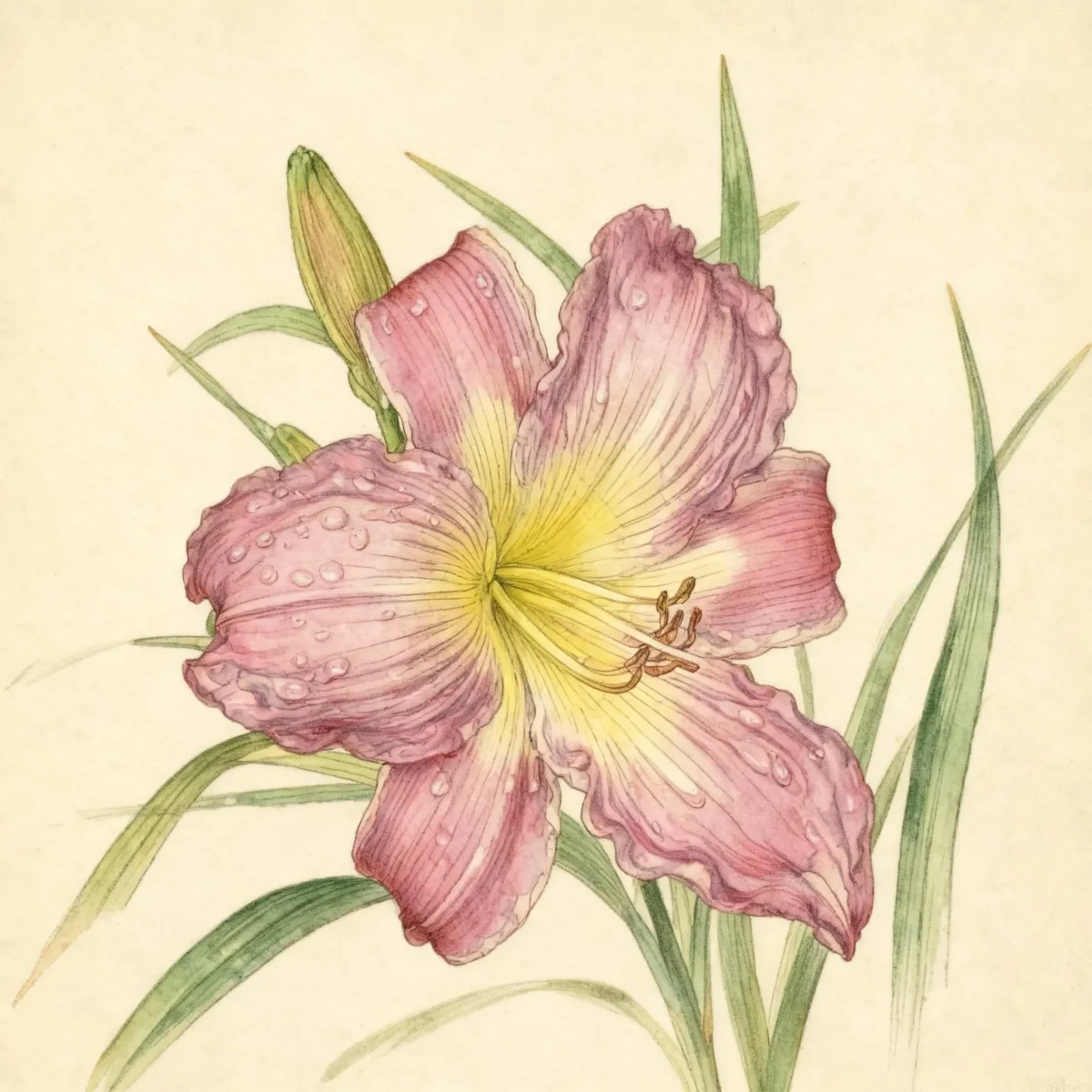
The Hemerocallis ‘Purple d’Oro’ is a standout variety among the ubiquitous Daylily collection, celebrated for its richly colored blooms and exceptional endurance. This specific cultivar offers gardeners a reliable, low-maintenance perennial that delivers continuous visual interest throughout the summer months. A key feature of this mid-sized Daylily is its ability to enhance borders and mass plantings with its deep, reddish-purple flowers contrasted beautifully by a yellow throat.
As a vigorous grower, Hemerocallis ‘Purple d’Oro’ thrives in both full sun and partial shade conditions, making it versatile for various garden locations. It is renowned for its hardiness, managing transitions between hot summers and cold winters with relative ease, provided it is situated in the proper USDA zones. Gardeners appreciate the Daylily genus for its adaptability and its contribution of consistent, dependable color.
This particular clone is noted for being a purple-flowered counterpart to the popular yellow ‘Stella D’Oro.’ Growing to about 1.5 to 2 feet tall, this Daylily maintains a tidy clump of foliage, providing excellent texture even when not in bloom. The ease of care associated with Hemerocallis ‘Purple d’Oro’ ensures that both novice and experienced gardeners can successfully integrate this beautiful perennial into their landscape designs.
Fast Facts
- Plant Family: Asphodelaceae
- Plant Type: Herbaceous perennial
- Hardiness Zones: USDA Zones 3-9
- Size at Maturity:
- Height: 1.5-2 ft
- Spread: 1.5-2 ft
- Bloom Time: May to August
- Bloom Description: Reddish-purple with yellow throat
- Sun Exposure: Full sun to part shade
- Water Needs: Medium
- Maintenance Level: Low
How to Grow
Planting should ideally occur in spring or fall, ensuring the Daylily has time to establish deep roots before facing extreme weather. Select a location that receives at least six hours of direct sun daily for the best bloom production, though partial shade is tolerated. The Hemerocallis ‘Purple d’Oro’ is highly adaptable, performing well in average, medium-moisture soils, though it thrives best in deep, fertile loams with excellent drainage.
Ongoing care is beautifully simple. Deadhead spent flowers daily for a neat appearance, removing the entire scape once flowering has finished for that stalk. While the plant is tolerant of summer heat and humidity, consistent, deep watering during dry spells will keep the foliage looking its best and support maximum reblooming potential. Fertilizer is often unnecessary if the soil is naturally rich.
For optimal long-term health and vigor, divide clumps of your Daylily every three to four years, typically in the spring or fall, though spring division is preferred in very cold winter climates. Remember that hybrid daylilies like this one will not grow true to type if propagated by seed. Gardeners in warmer zones (9+) should note that while the foliage may remain evergreen, the plant requires a period of winter dormancy, and colder winters may damage evergreen foliage, requiring a seasonal clean-up cutback.
Landscape Uses
The robust nature and moderately compact size of Hemerocallis ‘Purple d’Oro’ make it an invaluable asset in structured garden planning. These easy-to-grow herbaceous perennials are perfectly suited for defining borders, where their bright, repeating blooms create a continuous ribbon of color from late spring through summer. They also function excellently as edging along walkways or driveways, providing a neat, tidy line that softens hardscaping.
Mass planting is highly effective; grouping several Daylily plants together creates a significant visual impact that showcases the prolific flowering habit of the cultivar. For smaller spaces, or for those seeking contrast against stone features, the dwarf nature of this cultivar makes it excellent for rock gardens. Because of their medium water needs and low maintenance, they pair well with other drought-tolerant perennials once established.
Standout Features
Flower Qualities
- Showy
Noteworthy Characteristics
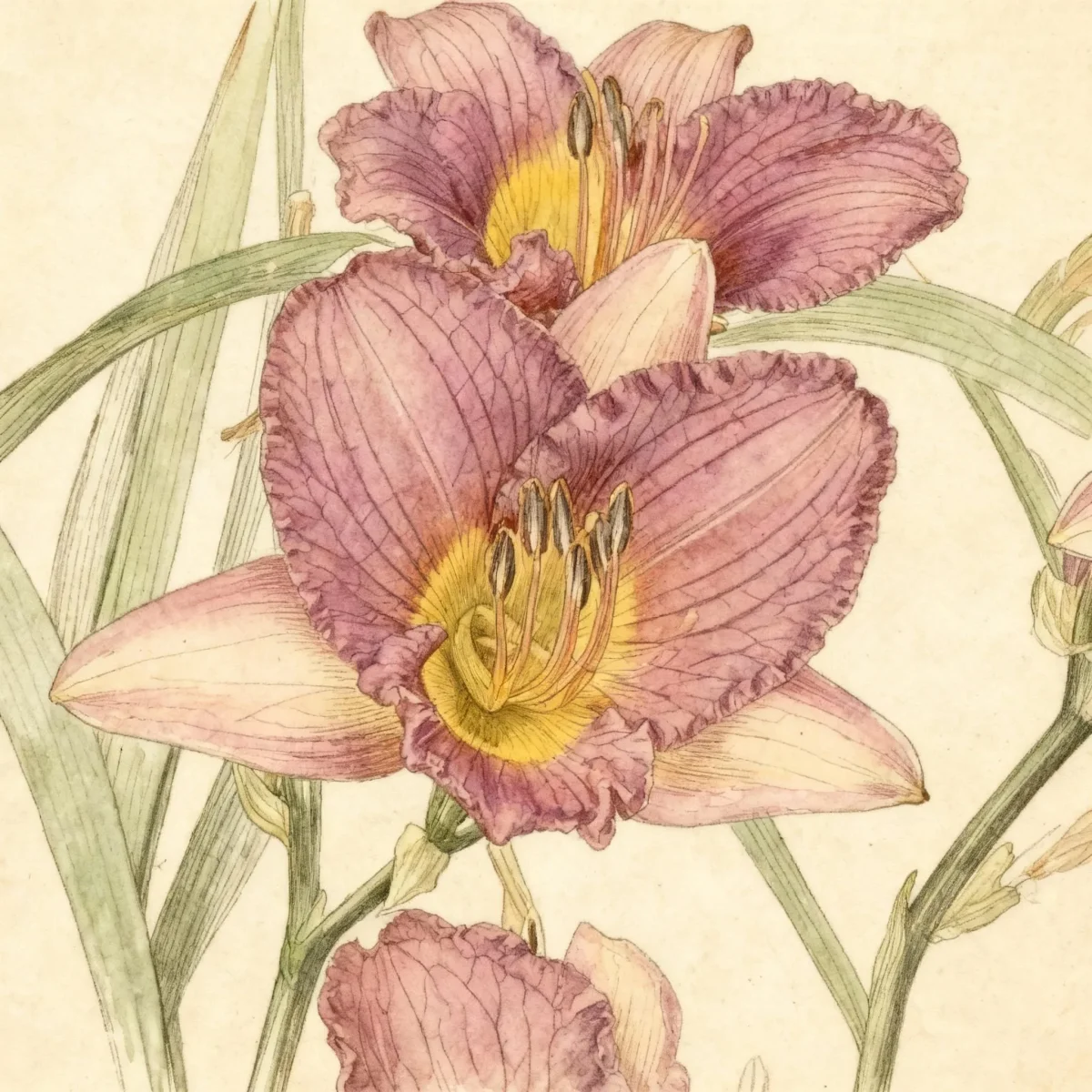
Hemerocallis is a genus of about 15 species of herbaceous perennials commonly known as daylilies. These plants are native to Asia and central Europe. Hybridizers have expended considerable effort over the years creating new daylilies featuring flowers with new colors, color combinations, shapes and patterns. Each flower typically remains open for one day, hence the common name of daylily, but they are produced in succession such that the plants bloom over a long period. ‘Purple D’Oro’ is a diploid cultivar which features 2.75-inch diameter reddish-purple flowers with ruffled edges and yellowish throats, repeating blooms throughout the growing season.
Tolerances
- Rabbit
- Erosion
- Air Pollution
Potential Problems
Daylilies are extremely adaptable perennials, often requiring very little intervention regarding pests and diseases. However, occasional minor pest issues can arise. Mites, aphids, and thrips may appear sporadically, usually manageable with regular inspection or targeted insecticidal soap application. In certain regions, Daylily rust can become a problematic fungal issue; ensuring good air circulation between plants helps minimize fungal spread. A significant advantage is that rabbits generally tend to avoid consuming this highly floriferous Daylily.
Frequently Asked Questions
What hardiness zones is Daylily suitable for?
Hemerocallis ‘Purple d’Oro’ is reliably hardy across USDA Zones 3 through 9, offering adaptability for many gardeners.
How large does Daylily grow?
This cultivar generally reaches a mature height between 1.5 to 2 feet tall, with a similar spread of 1.5 to 2 feet in diameter.
When does Daylily bloom?
The bloom time for this specific Daylily extends from May all the way through August, featuring abundant reddish-purple flowers with yellow throats.
What sun exposure does Hemerocallis ‘Purple d’Oro’ need?
It performs best when given full sun exposure but can tolerate and still bloom adequately in areas receiving part shade.
Conclusion
The Hemerocallis ‘Purple d’Oro’ offers a powerful combination of gorgeous, continuous purple color and exceptionally low maintenance requirements, making it a cornerstone perennial. This durable Daylily ensures reliable summer performance across a wide range of climates. Before planting, confirm your local USDA zone compatibility and prepare your soil to ensure this tough plant establishes quickly for years of enjoyment.
Propagation Tips
Division is the primary recommended method for propagating healthy clumps of Hemerocallis ‘Purple d’Oro’. Since this is a named hybrid cultivar, growing true from seed is unreliable; therefore, propagation through vegetative division maintains the desired traits, including the repeating bloom cycle. Perform division every 3 to 4 years, or when the center of the clump begins to thin out or bloom less robustly.
Spring division is often preferred, especially in colder northern regions, as it allows the detached fans of foliage to establish fully before winter sets in. Carefully dig up the entire clump using a garden fork, gently tease apart the fans, ensuring each new division has substantial roots and at least three to five healthy fans of foliage attached. Replant the divided sections immediately at the same depth as the parent plant.
Companion Planting
The cultural preferences of Hemerocallis ‘Purple d’Oro’—full sun, medium moisture, and excellent drainage—guide ideal companion pairings. Because this Daylily has a medium intensity of color, pairing it with strong silvery foliage or plants that bloom earlier or later in the season helps maintain interest throughout the garden. Consider planting alongside Ornamental Grasses, which provide contrasting upright texture, or lower-growing plants like Catmint (Nepeta) or Russian Sage for complementary textures without competing heavily for root space.