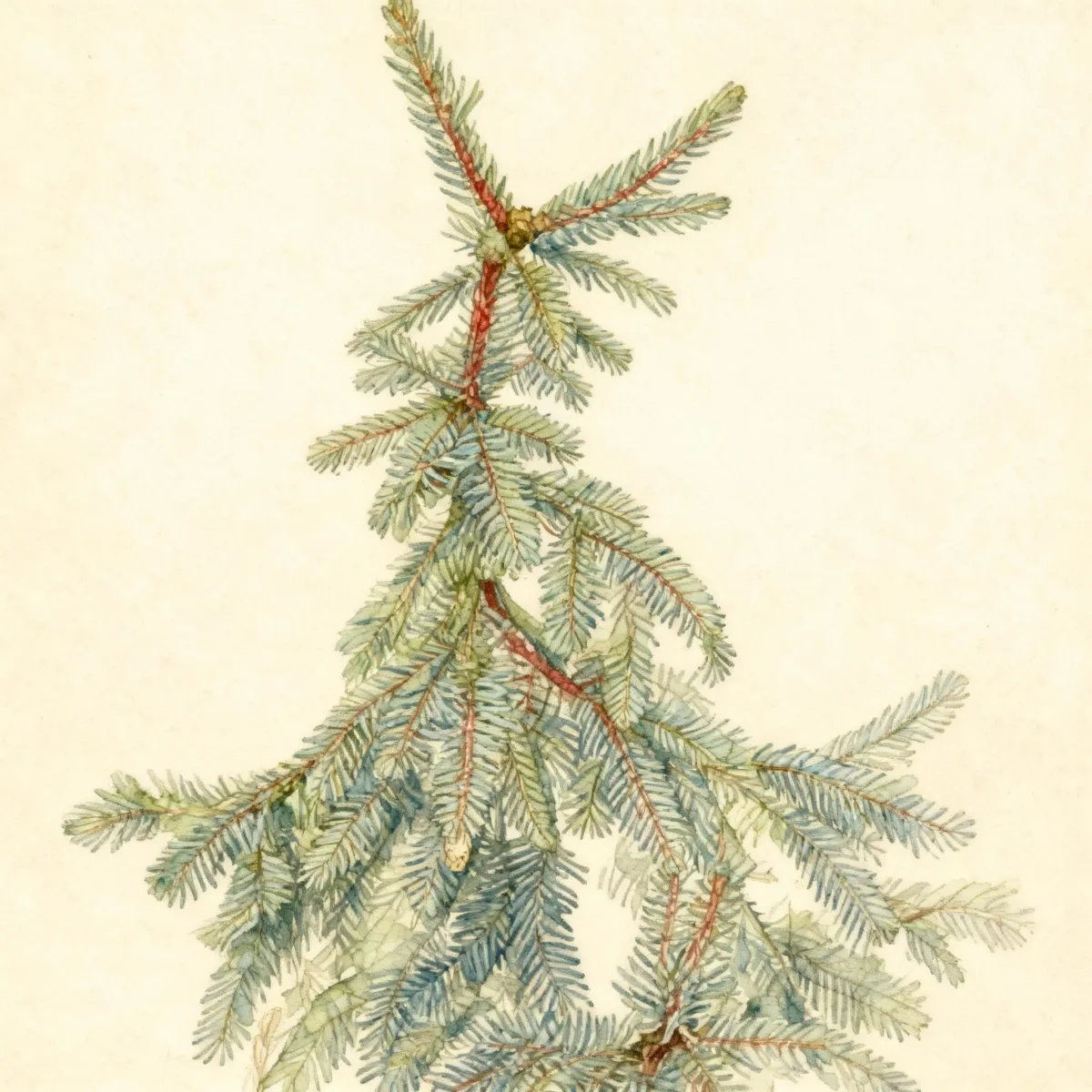
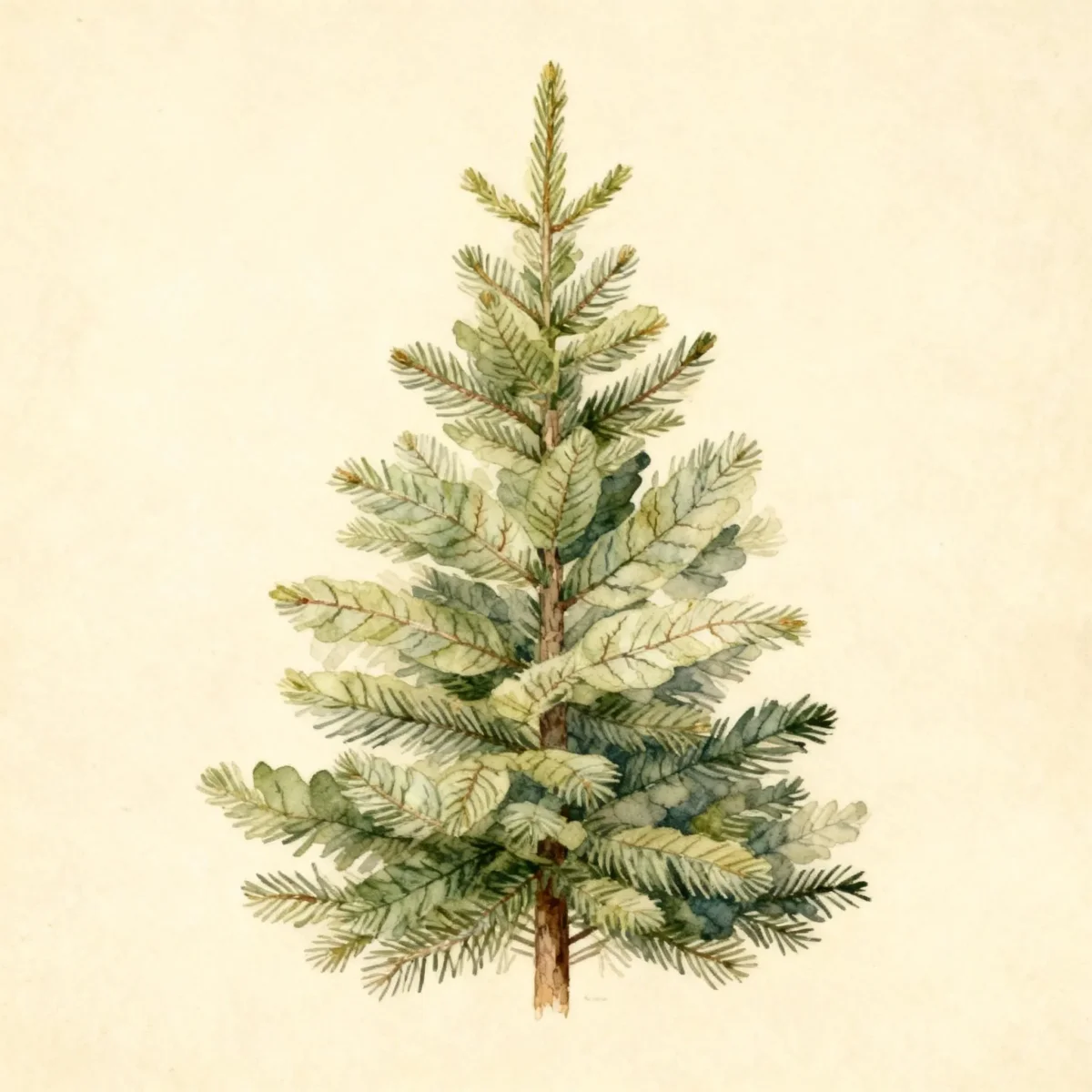
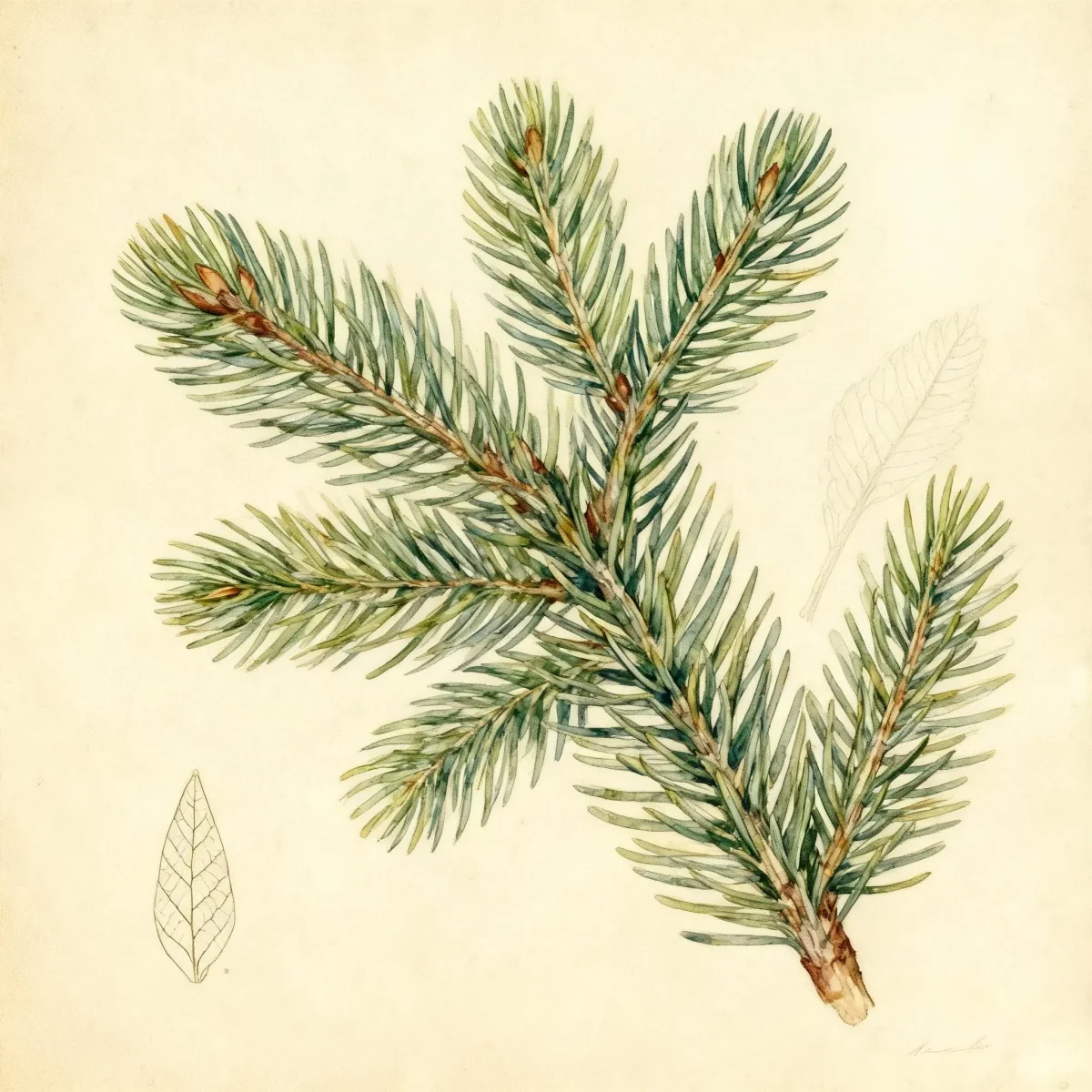
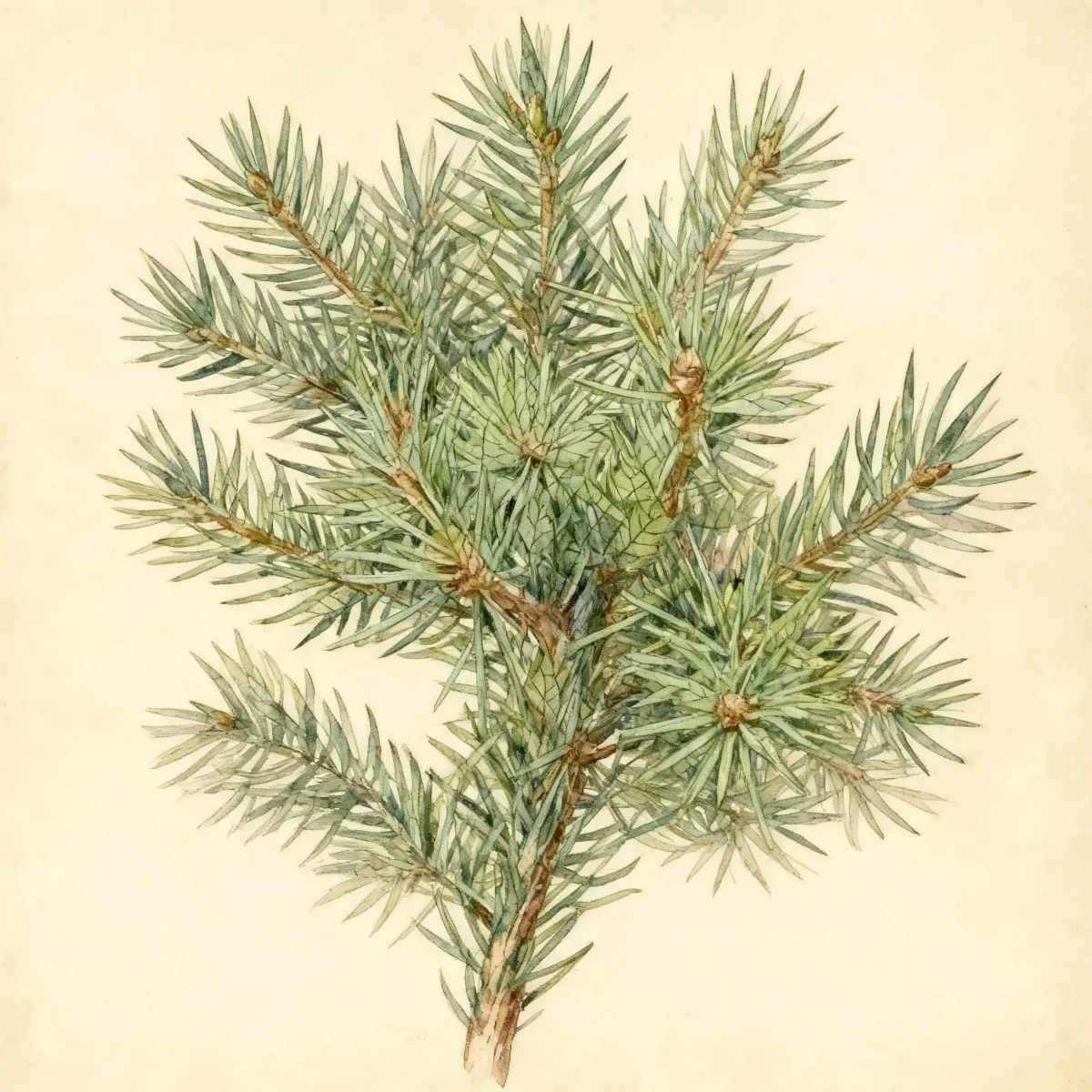
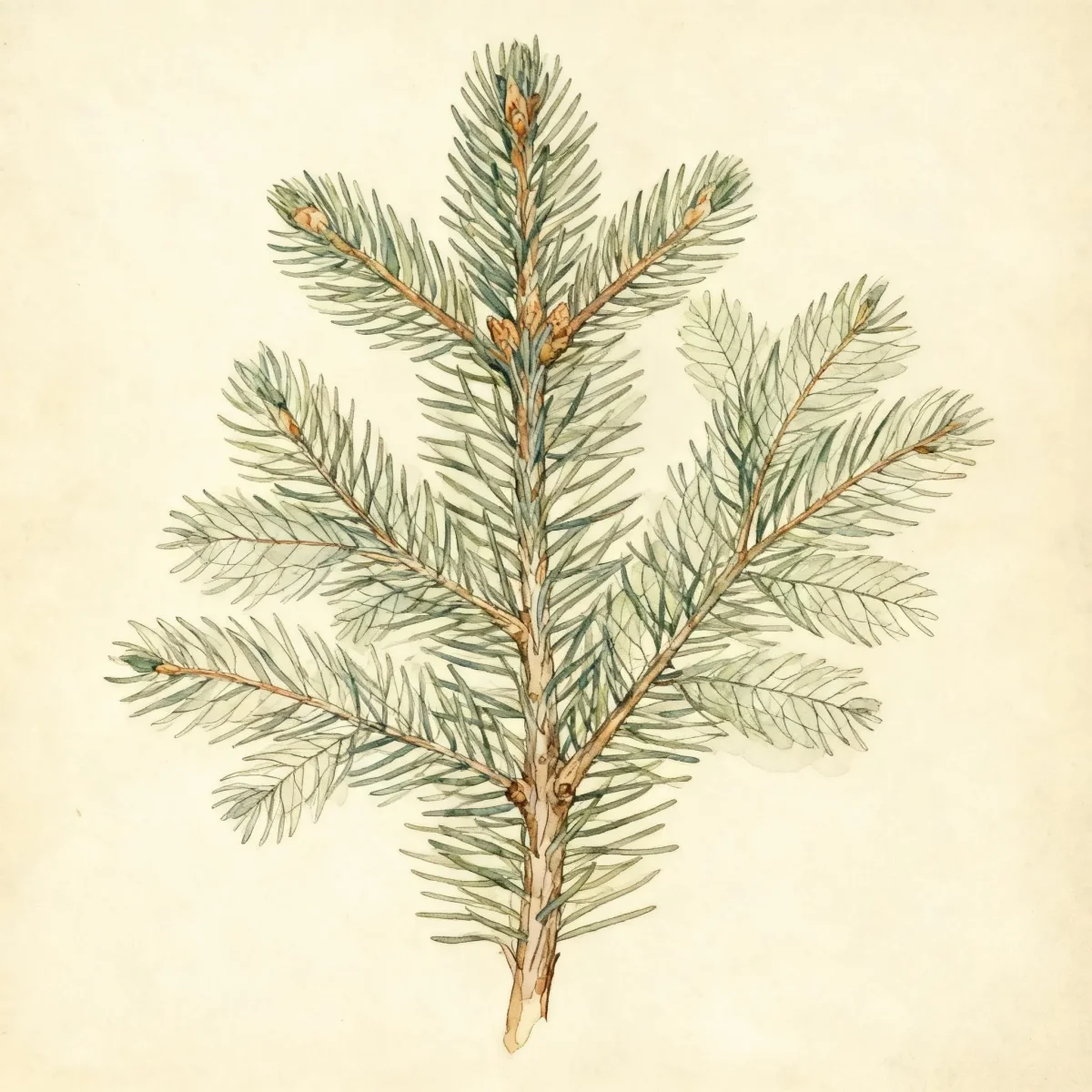
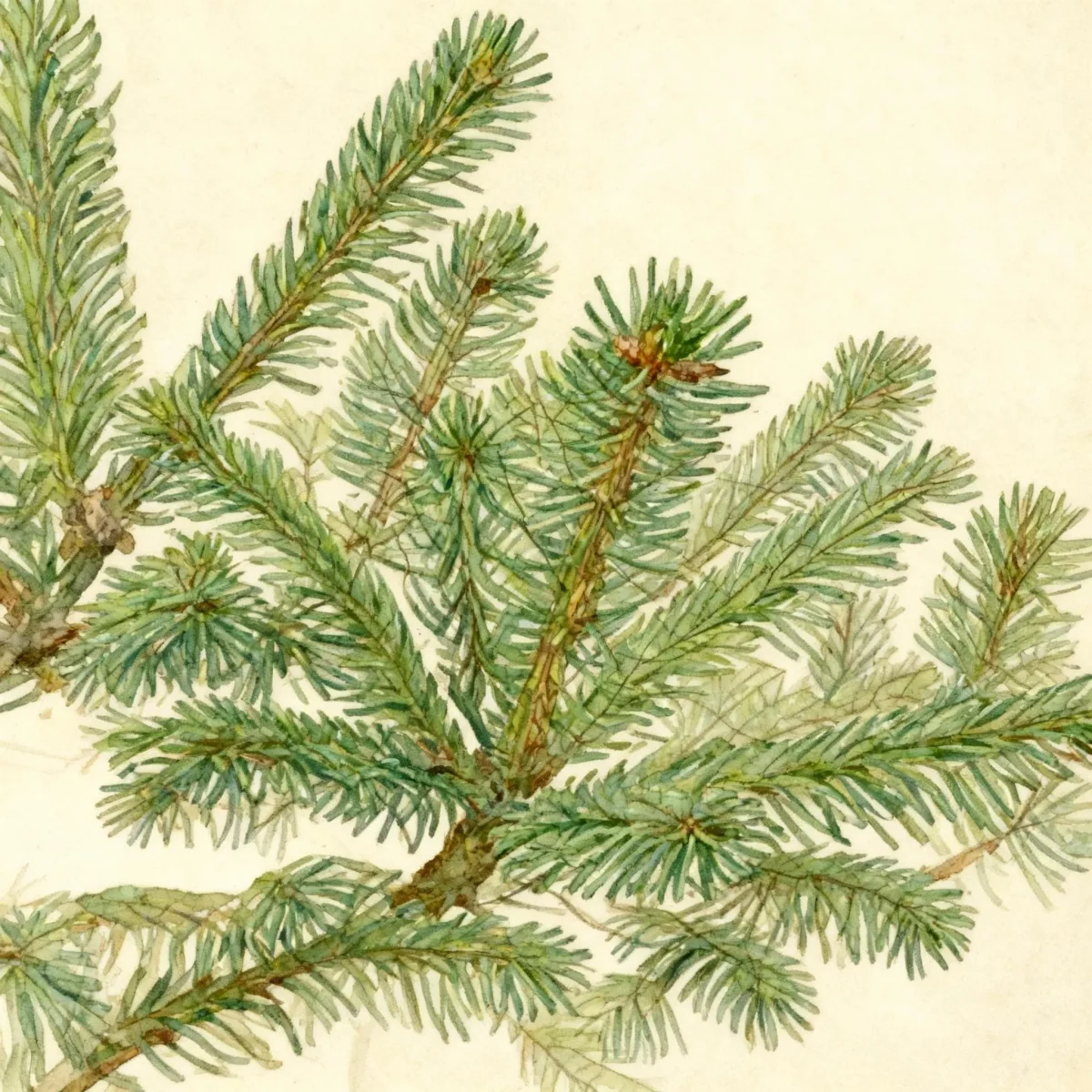
Norway spruce (Picea abies 'Formanek')
Picea abies 'Formanek' is a unique, low-spreading Norway spruce cultivar ideal for ground cover in full sun.
Scroll down to discover growing tips, care requirements, companion plants, and more
Complete Plant Information
Overview
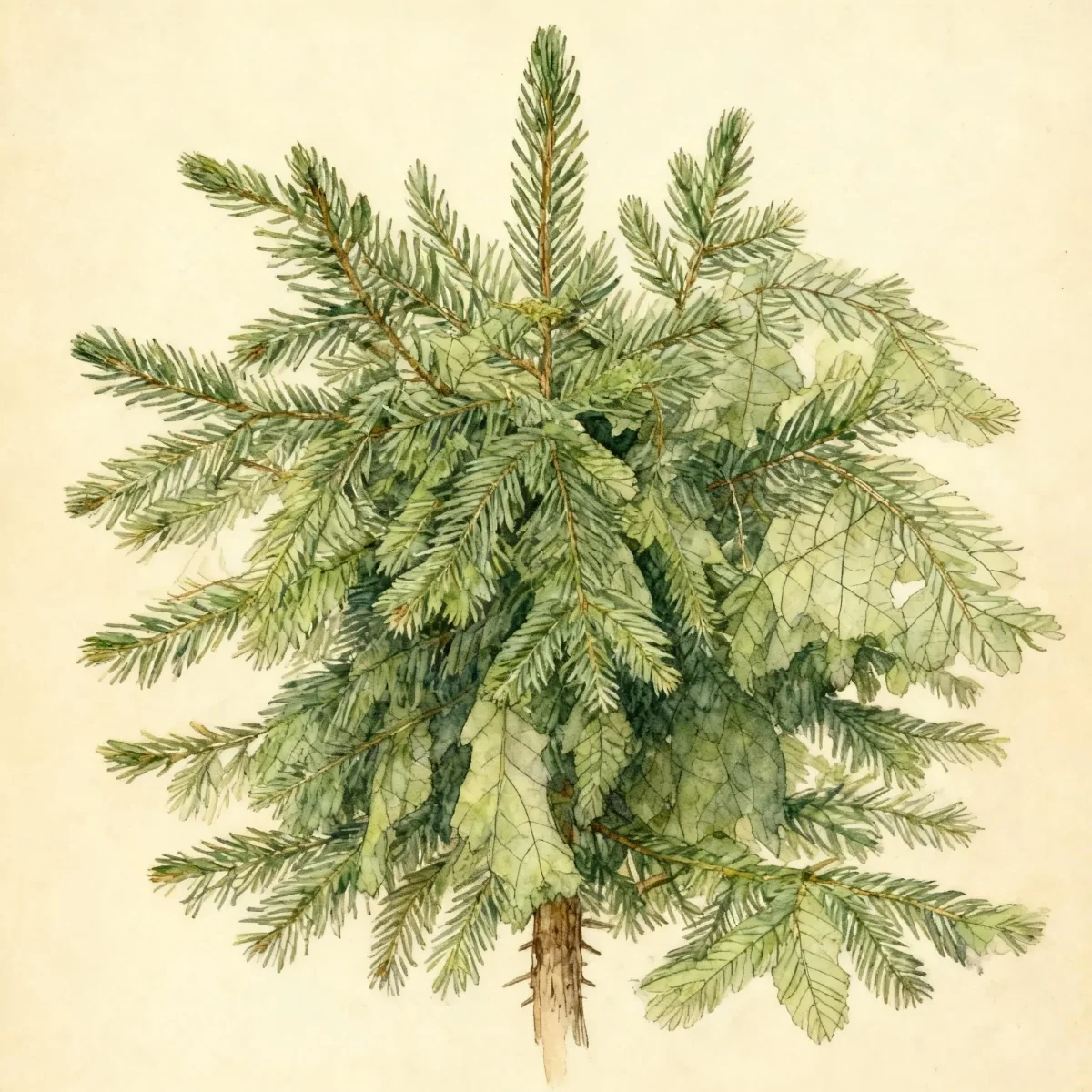
Picea abies ‘Formanek’, a distinguished cultivar of the Norway spruce, offers gardeners a unique, slow-growing, weeping, and spreading habit that contrasts sharply with its towering native counterpart. While the species is known for massive height, ‘Formanek’ remains extraordinarily low, typically forming a flat mat of foliage making it an excellent ground cover solution. This needled evergreen provides year-round texture and deep green color, demanding relatively low maintenance once established.
The appeal of this specific cultivar lies in its architectural form. Unstaked, the branches gracefully spread across the landscape, perfect for softening hard edges or tumbling over rocks. Staking allows the inherent weeping characteristic to be showcased, creating an unusual, architectural specimen. This versatile plant thrives best in cooler summer climates, reinforcing its need for consistent moisture management.
As a conifer, the Picea abies ‘Formanek’ provides critical evergreen structure, serving as a year-round anchor in the garden when deciduous plants lose their leaves. Its dense, spreading habit makes it a practical choice for erosion control or filling wide, shallow spaces where traditional upright trees would overwhelm the area.
Fast Facts
- Plant Family: Pinaceae
- Plant Type: Needled evergreen
- Hardiness Zones: USDA Zones 3-7
- Size at Maturity:
- Height: 0.5-1 ft
- Spread: 3-6 ft
- Bloom Time: Non-flowering
- Bloom Description: Non-flowering
- Sun Exposure: Full sun
- Water Needs: Medium
- Maintenance Level: Low
How to Grow
Planting the Picea abies ‘Formanek’ is best accomplished in the spring or fall, allowing the root system to establish before facing extreme temperature fluctuations. Ensure the planting site receives full sun exposure; while it is adaptable, this cultivar performs best in rich, sandy soils that are acidic and well-drained. Proper drainage is crucial to prevent moisture-related issues common to many spruce varieties.
Once established, this Norway spruce cultivar requires medium water inputs, meaning the soil should remain evenly moist but never soggy. Avoid excessive fertilization, as this cultivar is slow-growing and highly fertile soil may encourage undesirable rapid growth susceptible to damage. Minimal pruning is generally required; focus only on removing any dead or damaged wood immediately showing signs of trouble.
Gardeners should be mindful of its preferred climate; the Picea abies ‘Formanek’ struggles in areas with hot summers, ideally growing poorly south of USDA Zone 7. Established plants show some drought tolerance, but protection from drying winter winds is beneficial, especially in colder zones, to minimize needle burn.
Landscape Uses
The primary value of Picea abies ‘Formanek’ in landscape design is its unique prostrate, spreading habit. It functions exceptionally well as a striking dwarf ground cover, expertly covering wide areas where turf grass might thin or struggle due to shade or soil conditions (though this cultivar prefers sun). It is an excellent selection for filling pockets in rock gardens, anchoring the front of a border layer, or softening the foundation lines of structures.
When staking the Picea abies ‘Formanek’ high enough, gardeners can utilize its graceful weeping branches to create an artificial weeping tree form, adding dramatic vertical interest low to the ground. This allows the plant to cascade over retaining walls or large boulders, creating a naturalized, flowing effect. Consider pairing the deep green needles with plants that offer contrasting foliage color or texture, such as light-colored annuals or fine-leaved Japanese maples that tolerate similar moisture regimes.
This spreading needled evergreen is particularly effective in contemporary or minimalist designs where clean, low lines are desired. Its consistent color profile ensures that borders remain defined throughout the winter months, offering visual structure when other plantings are dormant.
Standout Features
Noteworthy Characteristics
The parent species, Picea abies (Norway spruce), is famed for its massive stature, but ‘Formanek’ is a noteworthy cultivar celebrated for its slow-growing, weeping, and spreading habit, often forming a flat foliage mat if left unstaked. Over the first decade, these prostrate forms typically reach only 6 to 12 inches high while spreading proactively across 3 to 6 feet wide. The needles are spirally arranged, four-sided, and deep green, contributing excellent year-round texture to the garden composition.
Tolerances
- Deer
- Air Pollution
Potential Problems
Common challenges like Cytospora canker, wood decay, needle cast, and rust can affect Norway spruce, particularly if air circulation is poor or if the plant is stressed by inconsistent watering. Prevention involves ensuring adequate spacing between plants and avoiding overhead summer watering to keep foliage dry.
Monitor closely for common spruce insect pests, including aphids, bagworms, budworms, and borers, which thrive when the plant is stressed. Red spider mites are another potential nuisance, especially during hot, dry periods. Promptly treating infestations with appropriate horticultural oils or insecticides, often targeting the underside of the needles, is crucial for managing these potential issues before they cause significant damage to your Picea abies ‘Formanek’.
Frequently Asked Questions
What hardiness zones is Norway spruce suitable for?
The Picea abies ‘Formanek’ is suitable for USDA Hardiness Zones 3 through 7, though gardeners should ensure adequate summer cooling south of Zone 7.
How large does Picea abies ‘Formanek’ grow?
This unique cultivar typically matures to a very low height of 0.5 to 1 foot tall, but it spreads significantly, covering an area between 3 to 6 feet wide.
What sun exposure does Picea abies ‘Formanek’ need?
This needled evergreen thrives best when placed in a location that receives full sun exposure daily.
When does Picea abies ‘Formanek’ bloom?
As a conifer, Picea abies ‘Formanek’ is non-flowering and does not produce ornamental blooms.
Conclusion
The Picea abies ‘Formanek’ stands out as an invaluable, low-maintenance, spreading ground cover perfect for adding evergreen texture to rock gardens or borders. Its weeping nature, contrasting with the sheer size of the standard Norway spruce, offers significant landscaping flexibility. Before planting, confirm your site aligns with USDA Zones 3-7 and provides the full sun this cultivar prefers for optimal health.
Design Ideas
The unique mat-forming habit of Picea abies ‘Formanek’ makes it an excellent choice for softening the transition between hardscaping elements and lawn areas. Consider planting it along flagstone pathways where its low profile will gently drape over the stone edges, creating a romantic, aged appearance. Its consistent deep green shade makes it an ideal visual foil for brightly colored, low-growing perennials that bloom in spring or summer.
Because this cultivar spreads horizontally, it requires little vertical companion planting near its base for several years. Use neighboring plants that enjoy similar acidic, well-drained soil conditions but offer vastly different textures—think fine ornamental grasses or broad-leafed hostas placed slightly further back to provide depth without crowding the spreading branches of the Norway spruce.
Companion Planting
Choosing companions carefully ensures the Picea abies ‘Formanek’ remains healthy and visually appealing throughout the season. Focus on plants that share its preference for acidic soil and medium moisture needs. Shade-tolerant ground covers like Epimediums or various Heucheras offer fantastic late-season color contrast when placed just behind the spreading width of the spruce.
For sunny borders, pair this slow-grower with low-mounding varieties of dwarf barberry or low creeping junipers, ensuring their growth rates don’t aggressively compete with the Norway spruce’s slow spread. Be aware that any plant requiring heavy, constant watering might deplete soil moisture needed by established spruce roots.