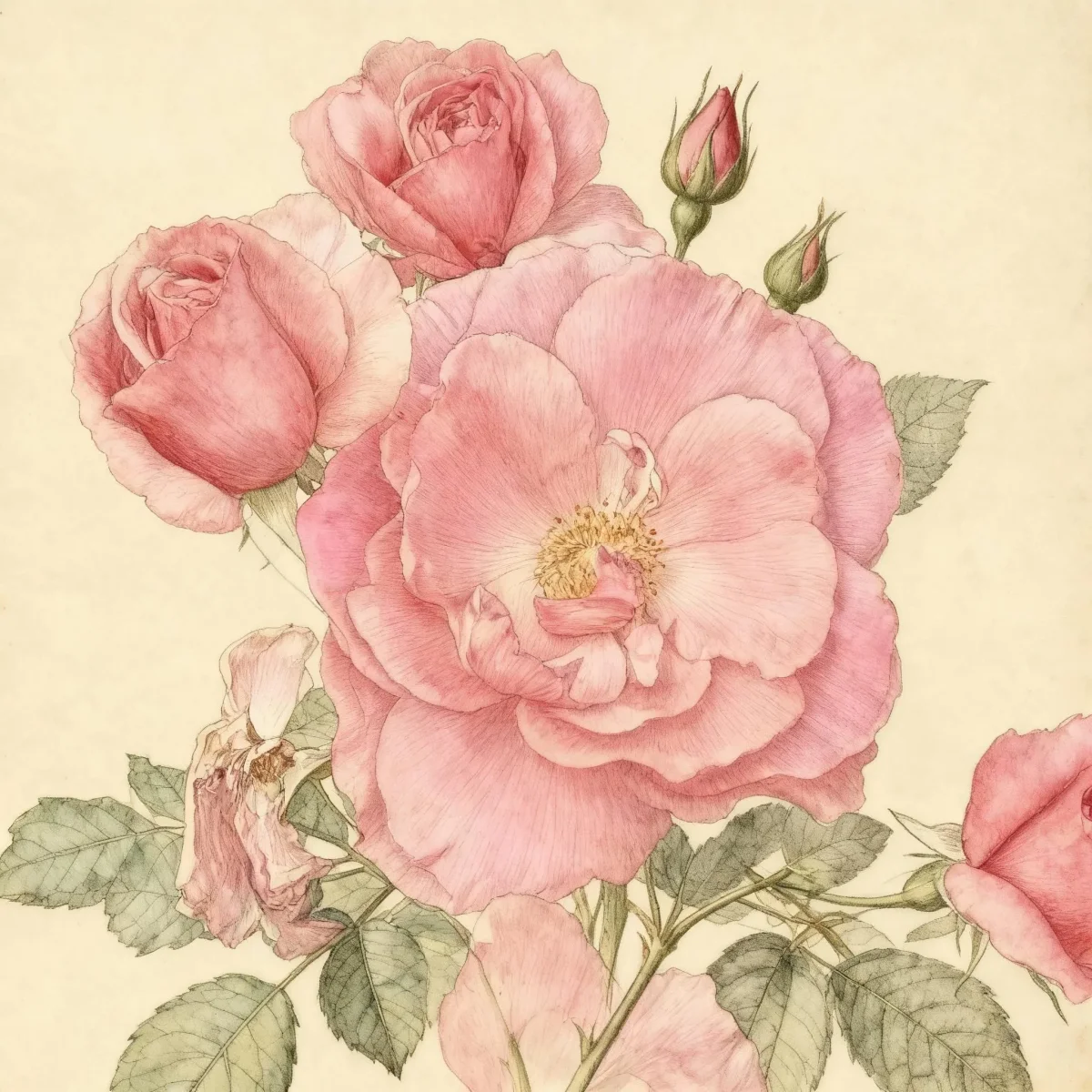
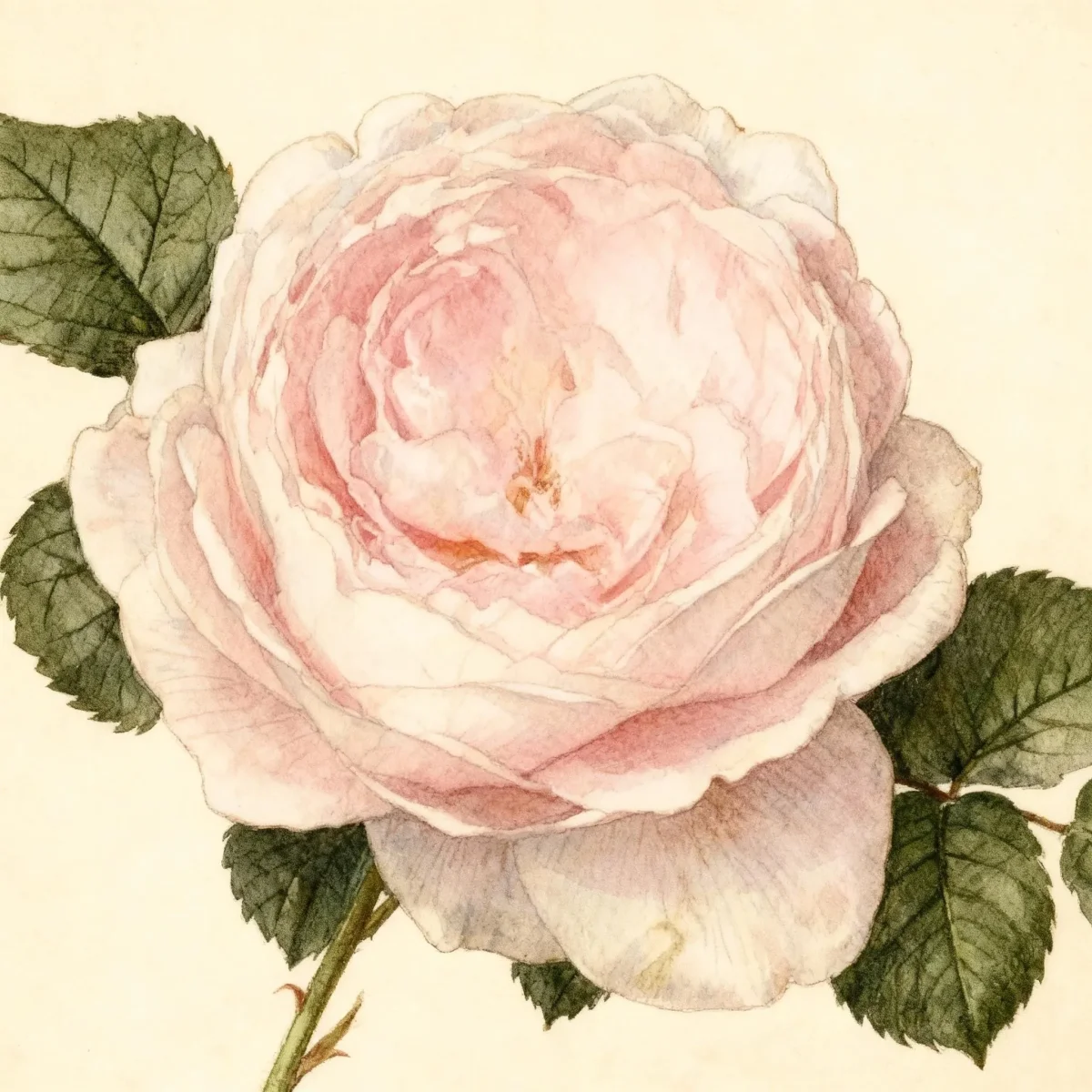
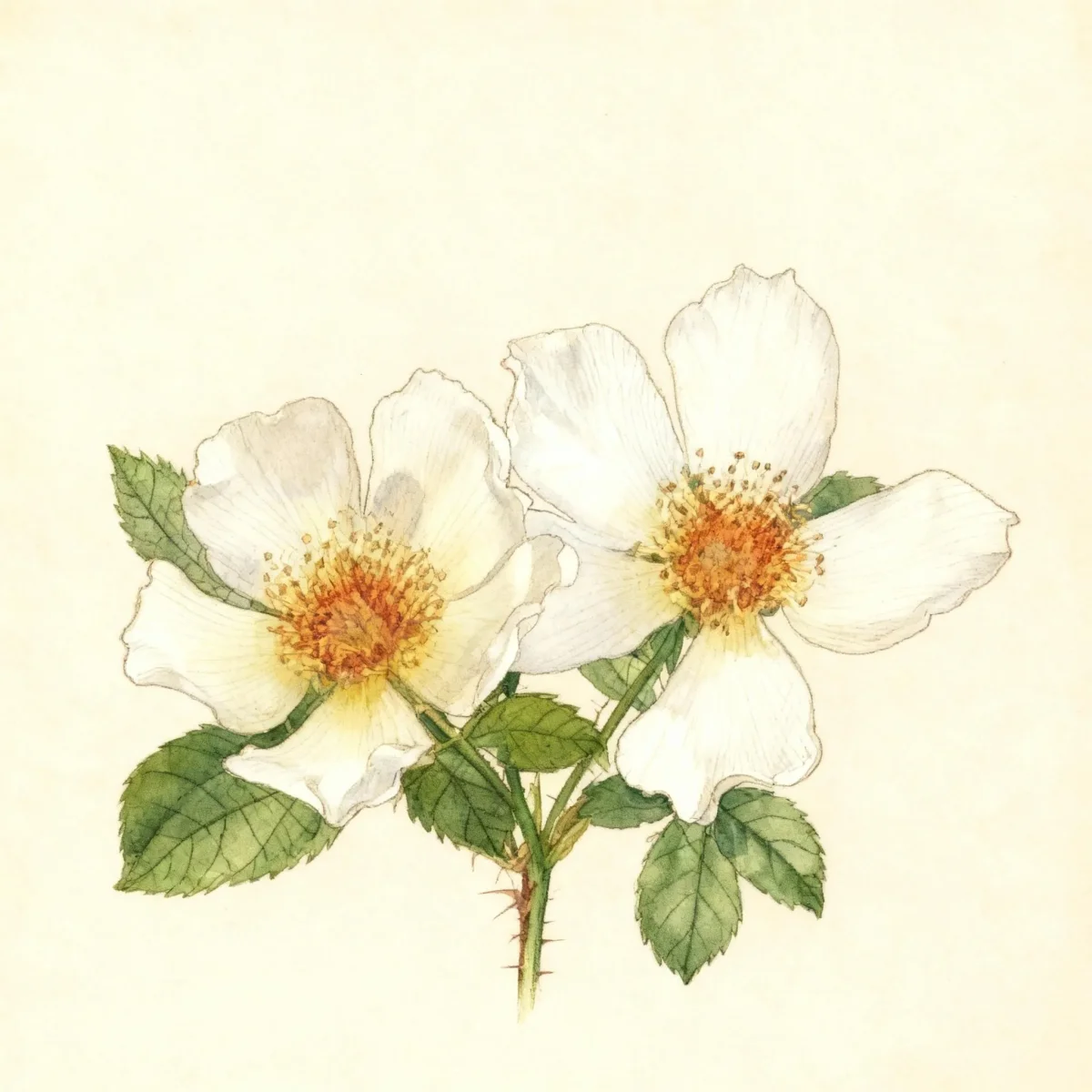
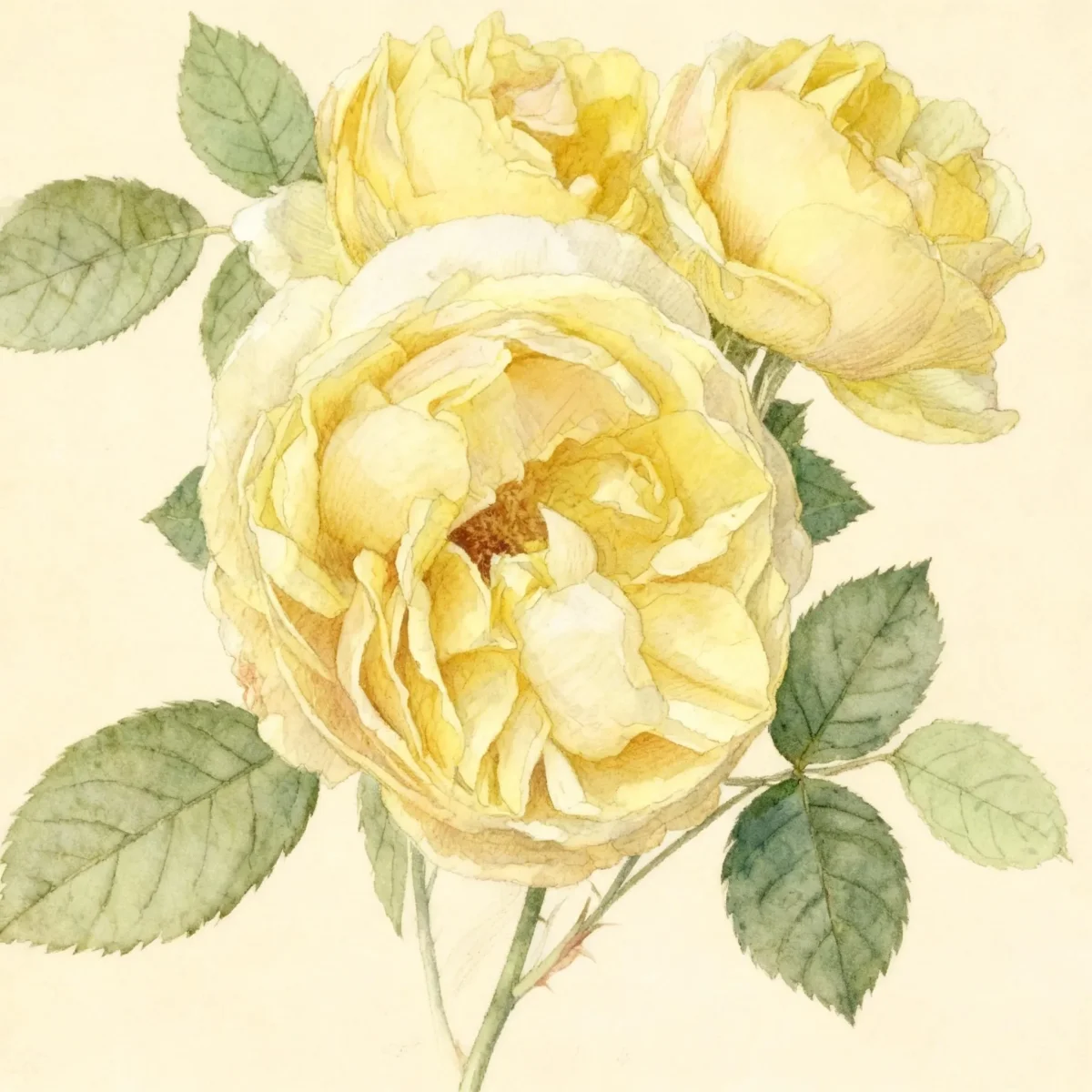
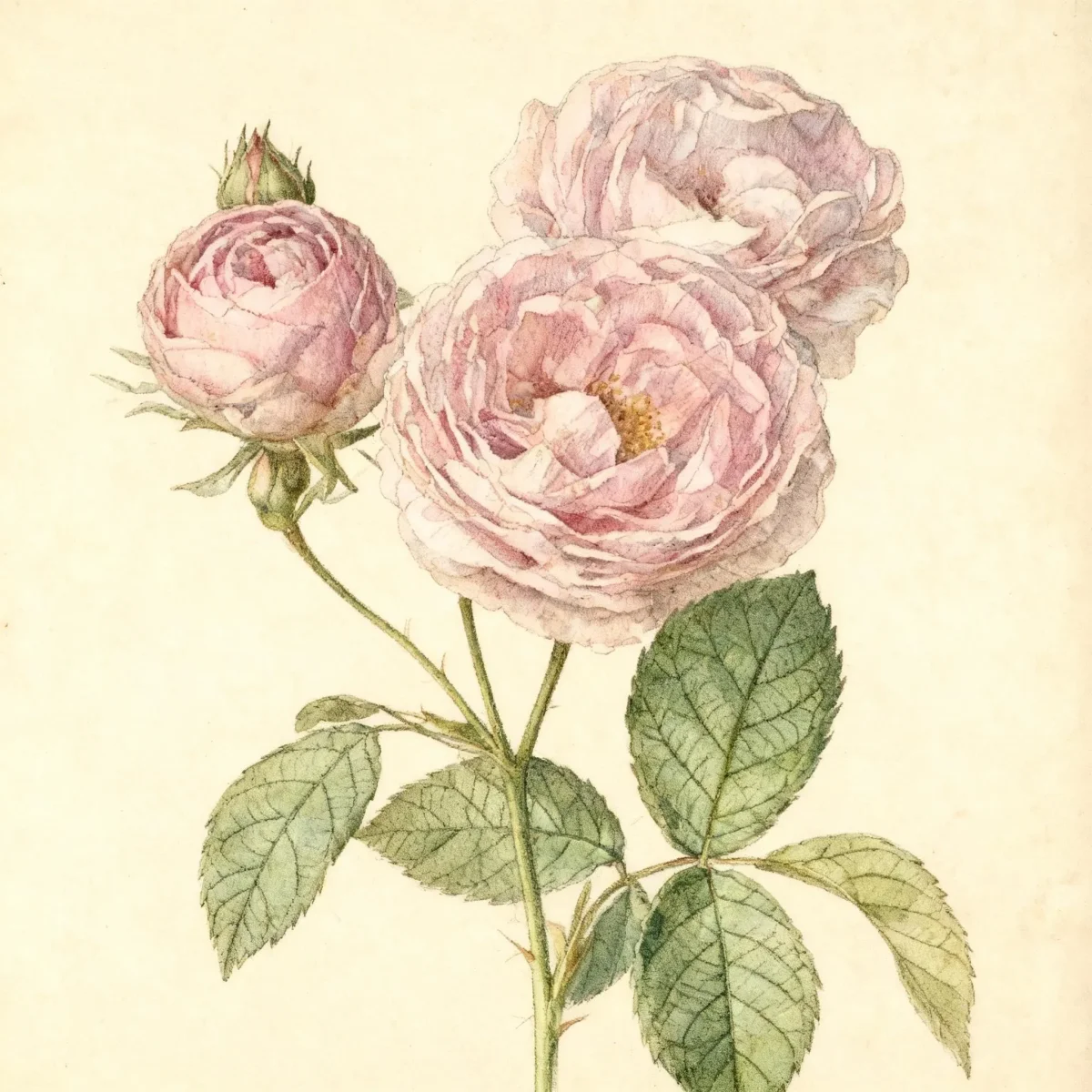
Shrub rose (Rosa 'Aussemi' THE HERBALIST)
Rosa 'Aussemi' THE HERBALIST is a medium-maintenance Shrub rose producing showy, fragrant red blooms from May to frost in USDA Zones 5-9.
Scroll down to discover growing tips, care requirements, companion plants, and more

Complete Plant Information
Overview
Rosa ‘Aussemi’ THE HERBALIST offers gardeners a dependable, compact shrub rose noted for its semi-double, rich red flowers. This David Austin English shrub rose variety typically matures around 4 feet tall, making it versatile for various garden settings, unlike taller hybrid varieties. Its extended bloom period, running reliably from May until the first frost, ensures continuous color interest in the landscape.
As a Shrub rose, Rosa ‘Aussemi’ THE HERBALIST blends the charm of old garden roses with the repeat blooming characteristics modern gardeners desire. While it offers light fragrance, its visual appeal is high, featuring a center clump of golden stamens that draw the eye. Optimal health and the best disease resistance for Rosa ‘Aussemi’ THE HERBALIST generally occur when planted in full sun.
This particular cultivar provides excellent structural form, often utilized effectively when planted as a hedge or specimen planting. Gardeners will appreciate the dark green foliage providing a strong backdrop to the cheerful red blooms, while understanding its medium care requirements will ensure its long-term success.
Fast Facts
- Plant Family: Rosaceae
- Plant Type: Deciduous shrub
- Hardiness Zones: USDA Zones 5-9
- Size at Maturity:
- Height: 3-4 ft
- Spread: 2.5-3 ft
- Bloom Time: May to frost
- Bloom Description: Red (semi-double)
- Sun Exposure: Full sun
- Water Needs: Medium
- Maintenance Level: Medium
How to Grow
For the best results with Rosa ‘Aussemi’ THE HERBALIST, choose a planting site that receives full sun, although part shade is tolerated. Plant during the conducive season for your region, ensuring the soil is a well-drained garden loam, ideally slightly acidic. Good air circulation is vital for healthy growth and minimizing foliar diseases.
Maintain consistent moisture levels, as this Shrub rose requires medium water needs. Water deeply and regularly, ensuring your watering is done in the mornings to allow foliage to dry before evening. Applying a summer mulch will help regulate soil temperature, retain critical moisture, and suppress competitive weeds around the base of the plant.
Regular maintenance involves deadheading spent flowers promptly to encourage continuous reblooming throughout the season. In late winter or early spring, prune as needed to shape the shrub and remove unproductive wood. Gardeners in the colder edges of USDA Zone 9 or regions experiencing harsh winters should provide winter protection for the crowns. Diligent cleanup of fallen leaves during the season and dormant pruning is essential for disease management.
Landscape Uses
The robust structure and relatively manageable size of Rosa ‘Aussemi’ THE HERBALIST make it an excellent choice for defined borders or mixed shrub plantings. This variety excels when used formally as a hedge, where its uniformly red, semi-double blooms create a continuous line of color.
For a classic cottage garden aesthetic, plant the Shrub rose alongside white-flowering companions, such as white picket fences, to maximize the contrast with its striking red flowers. It performs well when grouped in small clusters or used as an outstanding specimen plant where its structure and repeat bloom can be fully appreciated.
Standout Features
Flower Qualities
- Showy
- Fragrant
Noteworthy Characteristics
Rosa ‘Aussemi’ THE HERBALIST is distinguished as a compact David Austin English shrub rose, typically reaching 4 feet in height and 3 feet in width, though size varies by climate. It features semi-double, red roses up to 3 inches in diameter, highlighted by a central cluster of golden stamens, resembling the blooms of old Gallica roses. Its dark green leaves set off the prickles, which often show a reddish tint on the canes.
Tolerances
Potential Problems
Roses, including Rosa ‘Aussemi’ THE HERBALIST, are prone to several common diseases such as black spot, powdery mildew, rust, and rose rosette. The first and most crucial defense against these issues is outstanding cultural practice, especially ensuring good air circulation to keep foliage dry. In humid climates, preventative fungicide treatments throughout the growing season are often necessary for season-long health.
Insect pests that commonly target roses include aphids, beetles, scale, leafhoppers, and spider mites. Regularly inspect the stems and undersides of leaves for early signs of infestation. Local agricultural extension services can provide tailored advice on the most effective chemical or organic controls available in your specific area. Managing debris is key; destroy diseased leaves during the growing season and during the final winter cleanup to reduce pathogen carryover.
Frequently Asked Questions
What hardiness zones is Shrub rose suitable for?
Rosa ‘Aussemi’ THE HERBALIST thrives in USDA Zones 5 through 9.
How large does Rosa ‘Aussemi’ THE HERBALIST grow?
This Shrub rose typically reaches a mature height between 3 and 4 feet and a spread ranging from 2.5 to 3 feet.
When does Rosa ‘Aussemi’ THE HERBALIST bloom?
This plant produces its semi-double red flowers consistently from May until the first frost arrives.
What sun exposure does Rosa ‘Aussemi’ THE HERBALIST need?
For optimal flowering and disease resistance, plant this variety where it receives full sun exposure daily.
Conclusion
Rosa ‘Aussemi’ THE HERBALIST delivers vibrant, continuous color through its showy, fragrant red blooms, making it a cornerstone for cottage gardens and structural plantings. This reliable Shrub rose is valued for its moderate size and extended performance from spring to frost. Before planting, confirm that your growing area falls within USDA Zones 5-9 and plan for full sun exposure to ensure the best possible display from your new shrub.
Companion Planting
Selecting appropriate neighbors is key to supporting the health and aesthetics of Rosa ‘Aussemi’ THE HERBALIST. Plants that prefer similar soil conditions—medium moisture, well-drained, slightly acidic loam in full sun—are ideal matches. Consider lower-growing perennials that bloom before or after the main flush of the rose to provide season-long color variance without competing heavily for sunlight in the rose’s root zone.
Excellent companions include silvery foliage plants like Lamb’s Ears (Stachys byzantina), which can help deter some insects while aesthetically contrasting the dark green leaves of the rose. Lavender or Catmint (Nepeta) are also good choices; their sunny requirements match, and their strong scents may help confuse pests looking for the rose. Ensure companion plants do not restrict air movement around the base of the Shrub rose.
Seasonal Care Calendar
Spring preparation is crucial for Rosa ‘Aussemi’ THE HERBALIST. Prune lightly in late winter or early spring, focusing on shaping and removing dead or crossing canes. Apply mulch after the soil has warmed slightly to lock in moisture for the summer ahead.
Summer maintenance centers on consistent watering; aim for deep, regular soakings, always watering the soil directly rather than overhead to prevent fungal issues. Deadheading spent blooms regularly will encourage the plant to put energy back into producing new flowers rather than hips. Regularly inspect foliage for early signs of black spot, removing affected leaves immediately.
In autumn, ensure any fallen leaves are collected and destroyed to minimize overwintering fungal spores. If you are in a cold region, prepare winter protection for the crowns before the ground freezes solid. Winter pruning should be avoided; wait until the threat of severe frost has passed in the following spring.