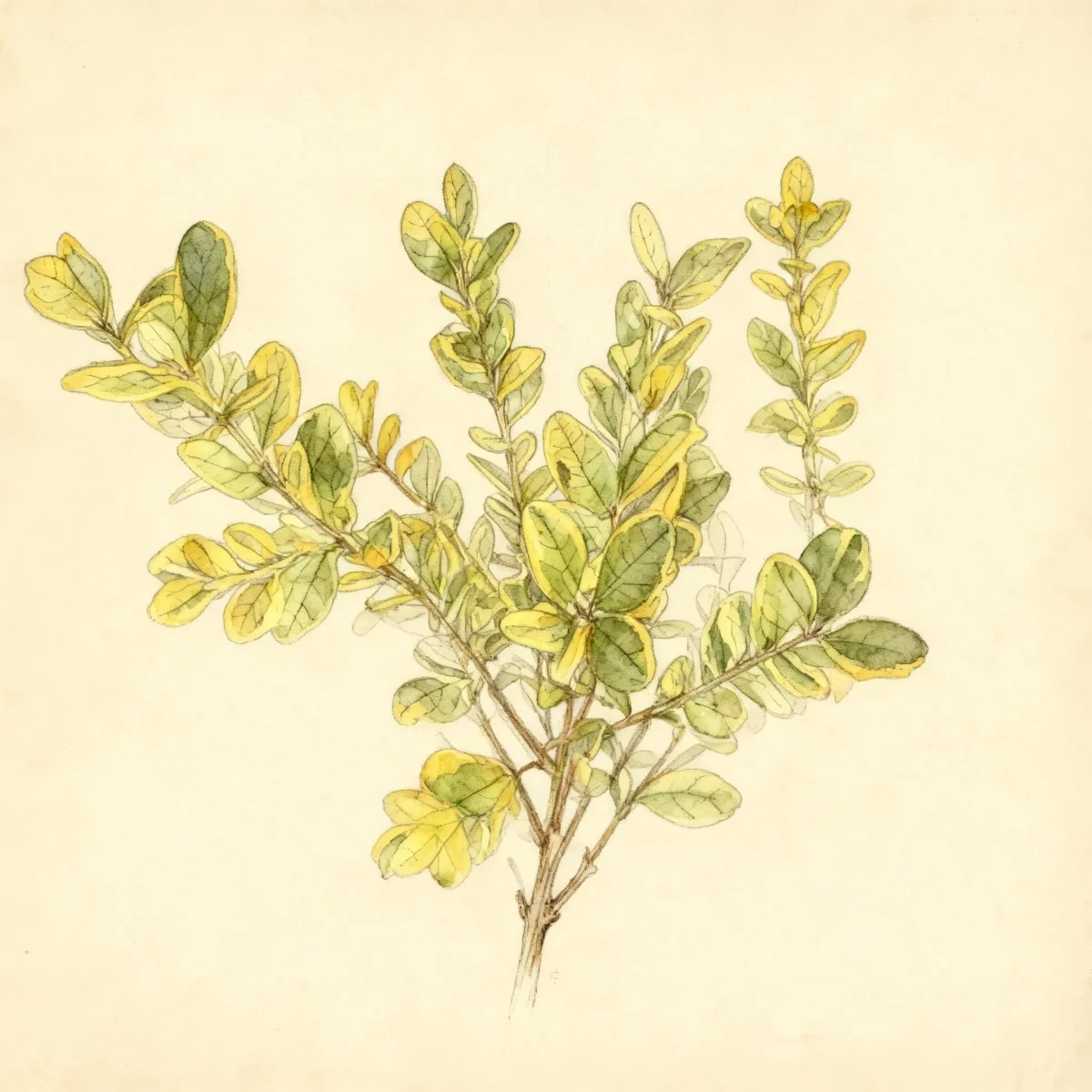
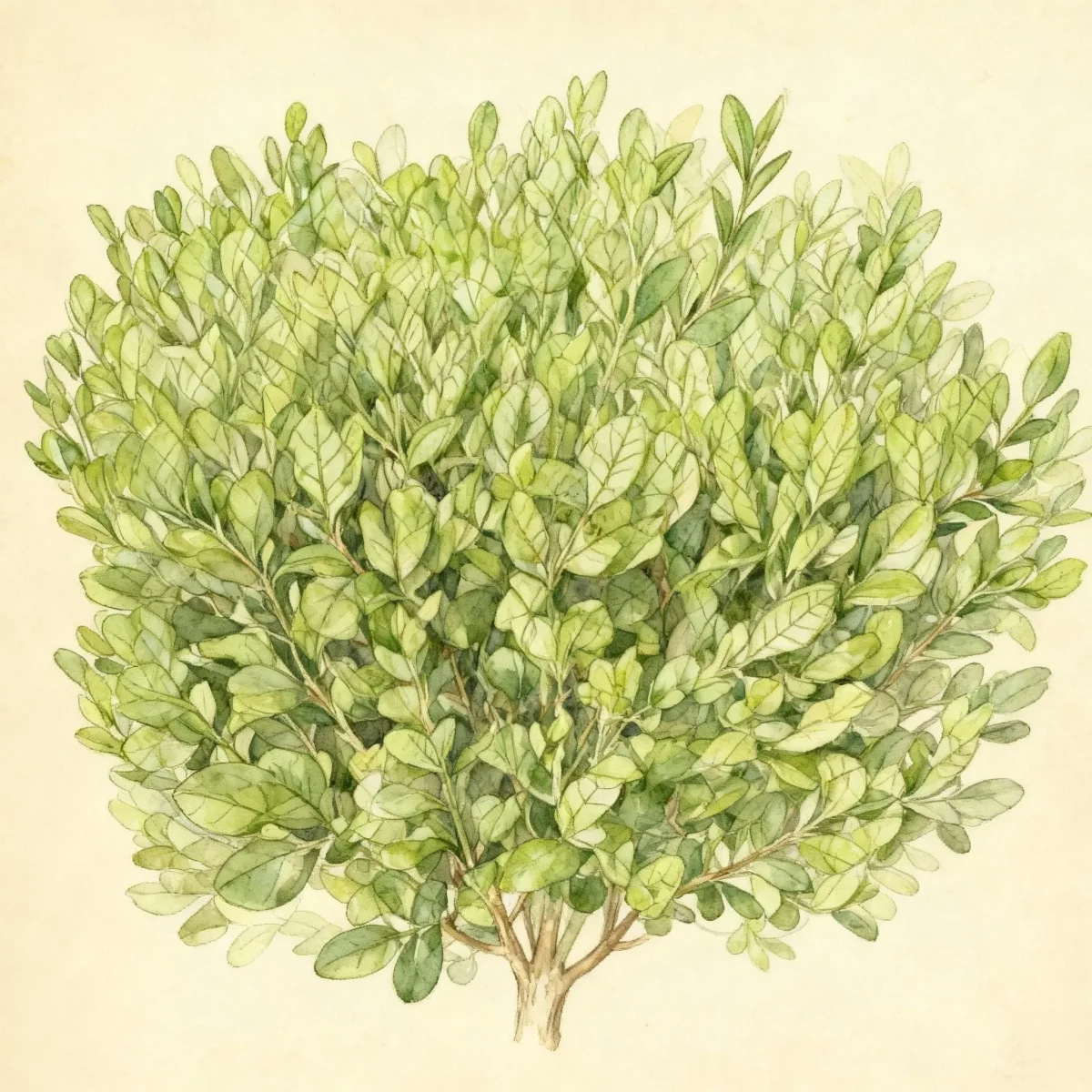
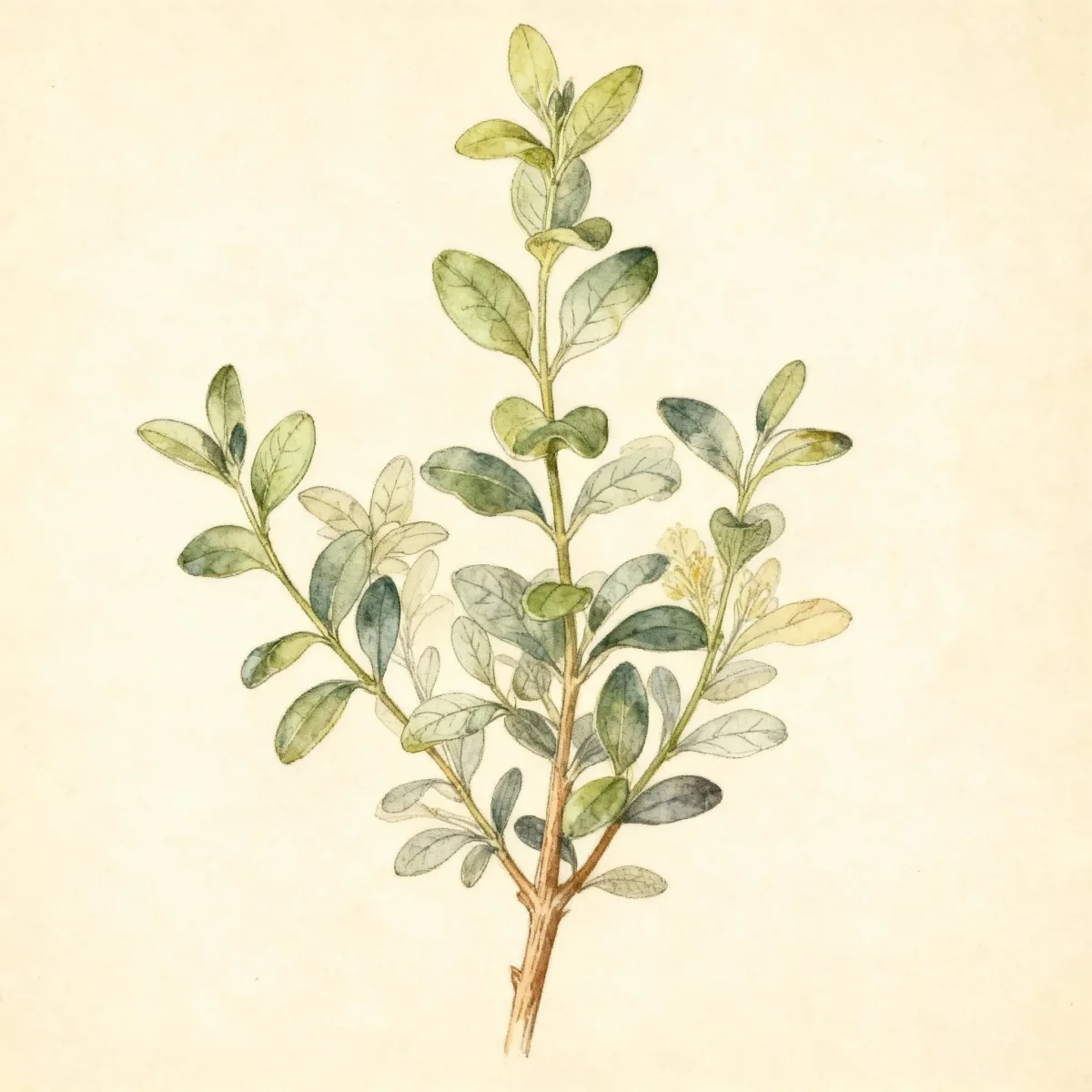
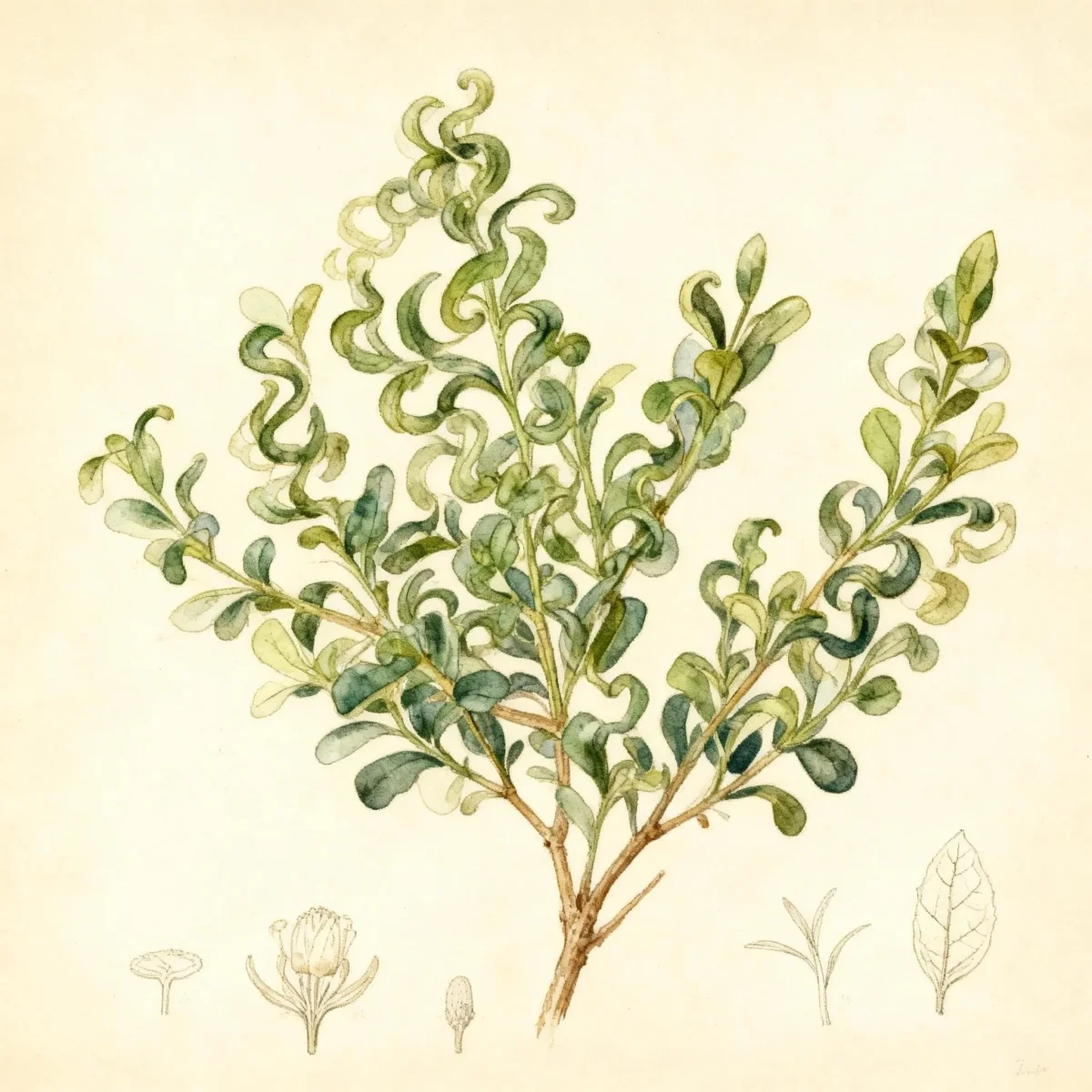
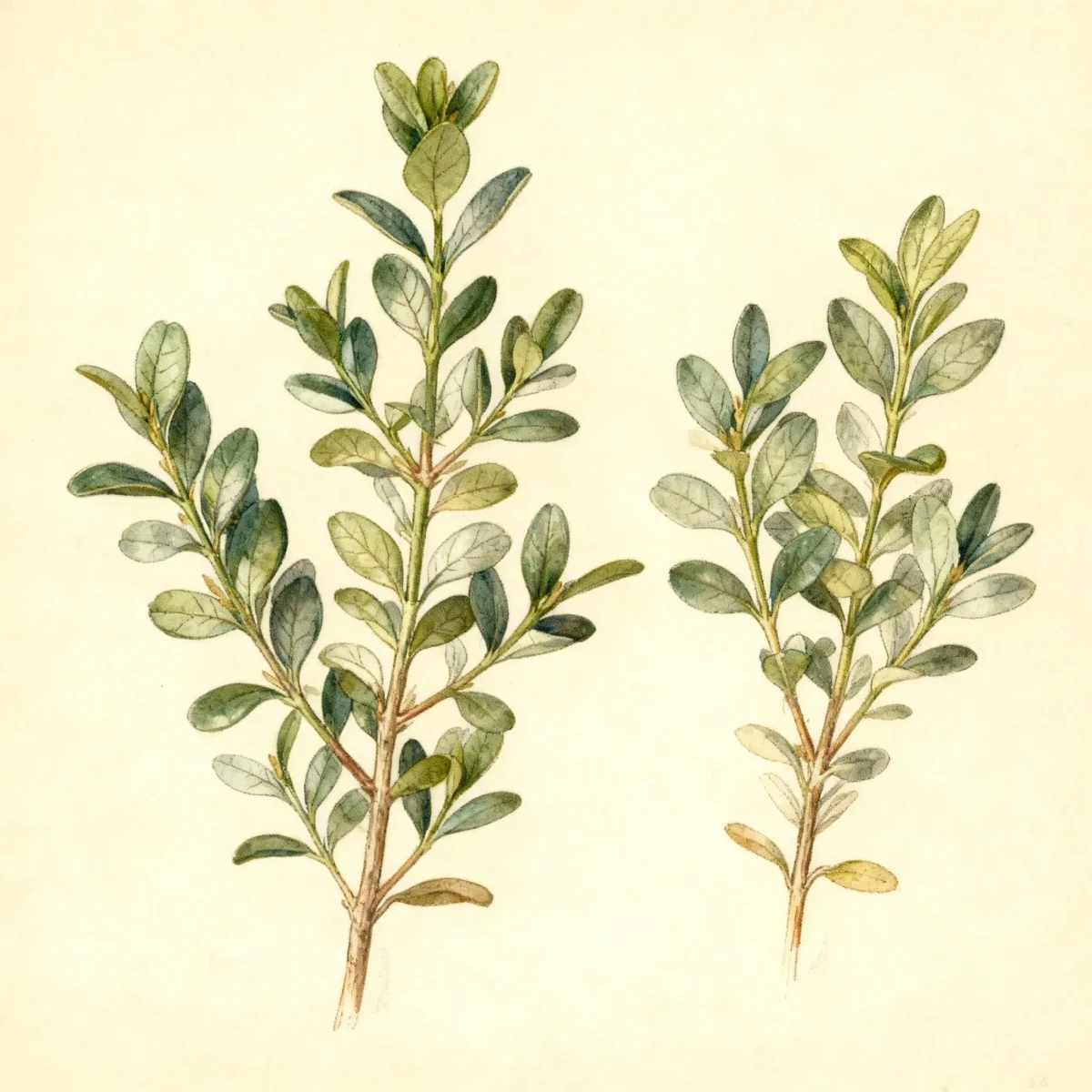
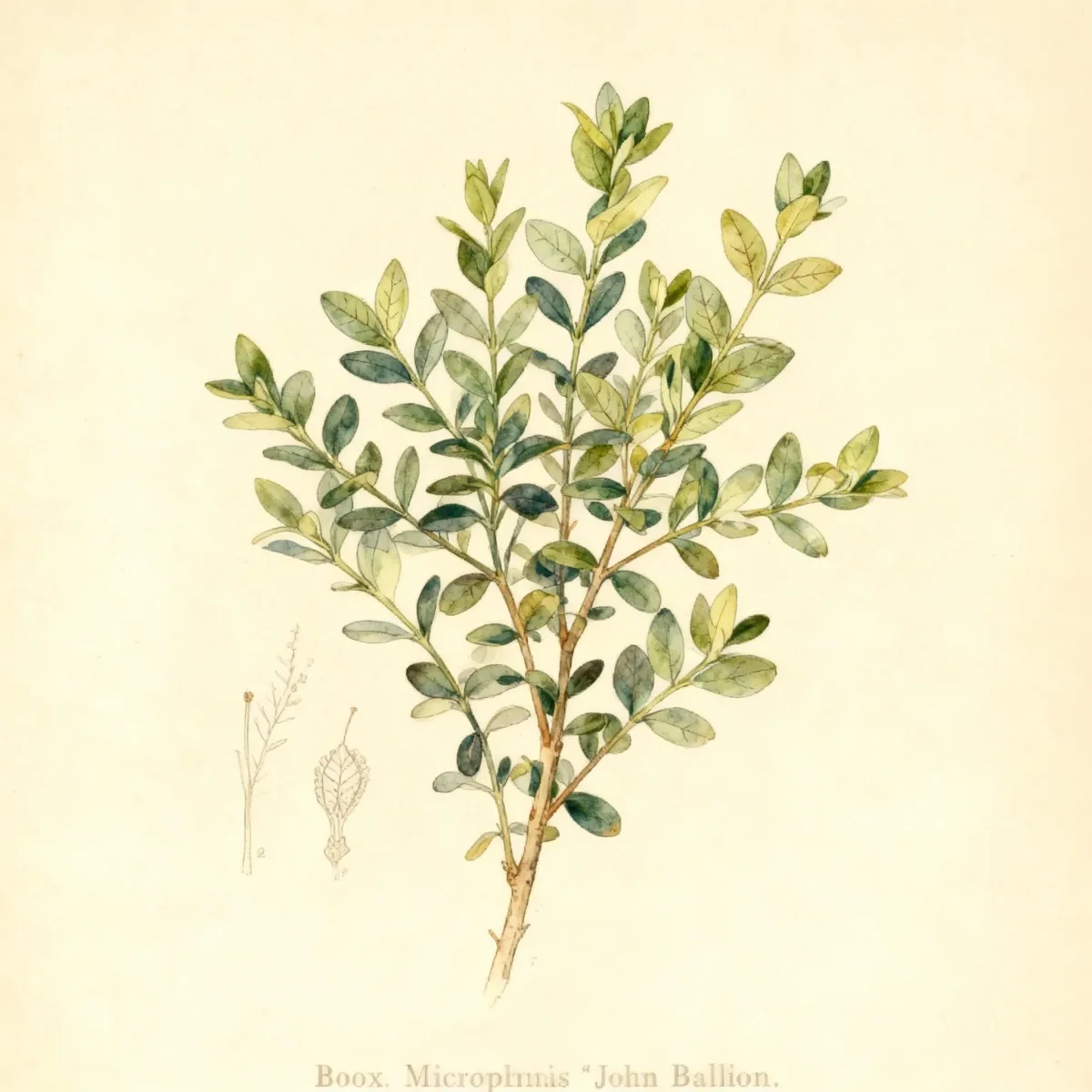
Boxwood (Buxus 'Green Mountain')
Buxus 'Green Mountain' is a dense, upright Boxwood, ideal for hedges, offering year-round structure in USDA Zones 5-9.
Scroll down to discover growing tips, care requirements, companion plants, and more
Complete Plant Information
Overview
Buxus ‘Green Mountain’ is a prized, dense, upright broadleaf evergreen, essential for gardeners seeking reliable structure throughout the winter months. This specific Boxwood hybrid offers excellent form, making it a staple in formal garden designs and landscape edging. It is known for its glossy, dark green leaves that maintain color well, though protection from harsh winter conditions is sometimes beneficial.
This slow-growing shrub typically reaches 3 to 5 feet tall. While adaptable, Buxus ‘Green Mountain’ thrives best when cultural needs—particularly consistent moisture and drainage—are met. As a hybrid introduced in the mid-1960s, it provides the classic Boxwood look with reliable vigor for hedging and specimen use.
For gardeners planning low hedges or foundation plantings, the Buxus ‘Green Mountain’ provides a dense visual screen with minimal effort once established. Its tolerance for pruning allows for meticulous shaping, ensuring the desired formal aesthetic is easily maintained.
Fast Facts
- Plant Family: Buxaceae
- Plant Type: Broadleaf evergreen
- Hardiness Zones: USDA Zones 5-9
- Size at Maturity:
- Height: 3-5 ft
- Spread: 2-3 ft
- Bloom Time: April to May
- Bloom Description: Greenish-cream
- Sun Exposure: Full sun to part shade
- Water Needs: Medium
- Maintenance Level: Medium
How to Grow
Plant Buxus ‘Green Mountain’ in well-drained loams, ideally a sand-clay mix, ensuring consistent moisture is available, especially in its first few years. While it tolerates part shade well—including dappled light or light shade with morning sun—full sun exposure can lead to foliage scorch or winter bronzing. Soil pH preference ranges from slightly acidic to slightly alkaline.
Watering should be consistent, as this Boxwood requires medium water input. Avoid the temptation to cultivate too closely around the plant, as its roots are shallow and appreciate undisturbed soil. Mulch with 1 to 2 inches of organic material like bark or compost to help stabilize soil temperature and retain moisture.
Pruning tolerance is high, but timing is crucial. Never shear or prune Buxus ‘Green Mountain’ prior to the last spring frost date. Early spring pruning encourages tender new growth highly susceptible to damage from unexpected late frosts. Annual thinning improves air circulation, which is vital for disease prevention. Site selection is key; avoid areas subject to strong winter winds or intense afternoon winter sun, as dehydration and bronzing are common issues.
Landscape Uses
The primary function of the Buxus ‘Green Mountain’ Boxwood is providing formal structure. It excels as a low hedge, defining borders or pathways with its dense, upright habit. Beyond hedging, it is perfect for foundation plantings where a consistent, non-aggressive evergreen presence is desired near structures.
As a specimen or accent plant, its slow growth ensures it remains manageable for many years without frequent major pruning. Consider grouping several Buxus ‘Green Mountain’ together for layered texture in foundation beds, contrasting their deep green foliage against lighter-colored hardscaping or flowering perennials.
Because of its classic appeal, this Boxwood blends seamlessly into formal and traditional garden styles. Use it to frame entrances or anchor corners where year-round green is essential, pairing it with spring bloomers like Daffodils or later-season texture plants like ornamental grasses.
Standout Features
Flower Qualities
- Insignificant
Noteworthy Characteristics
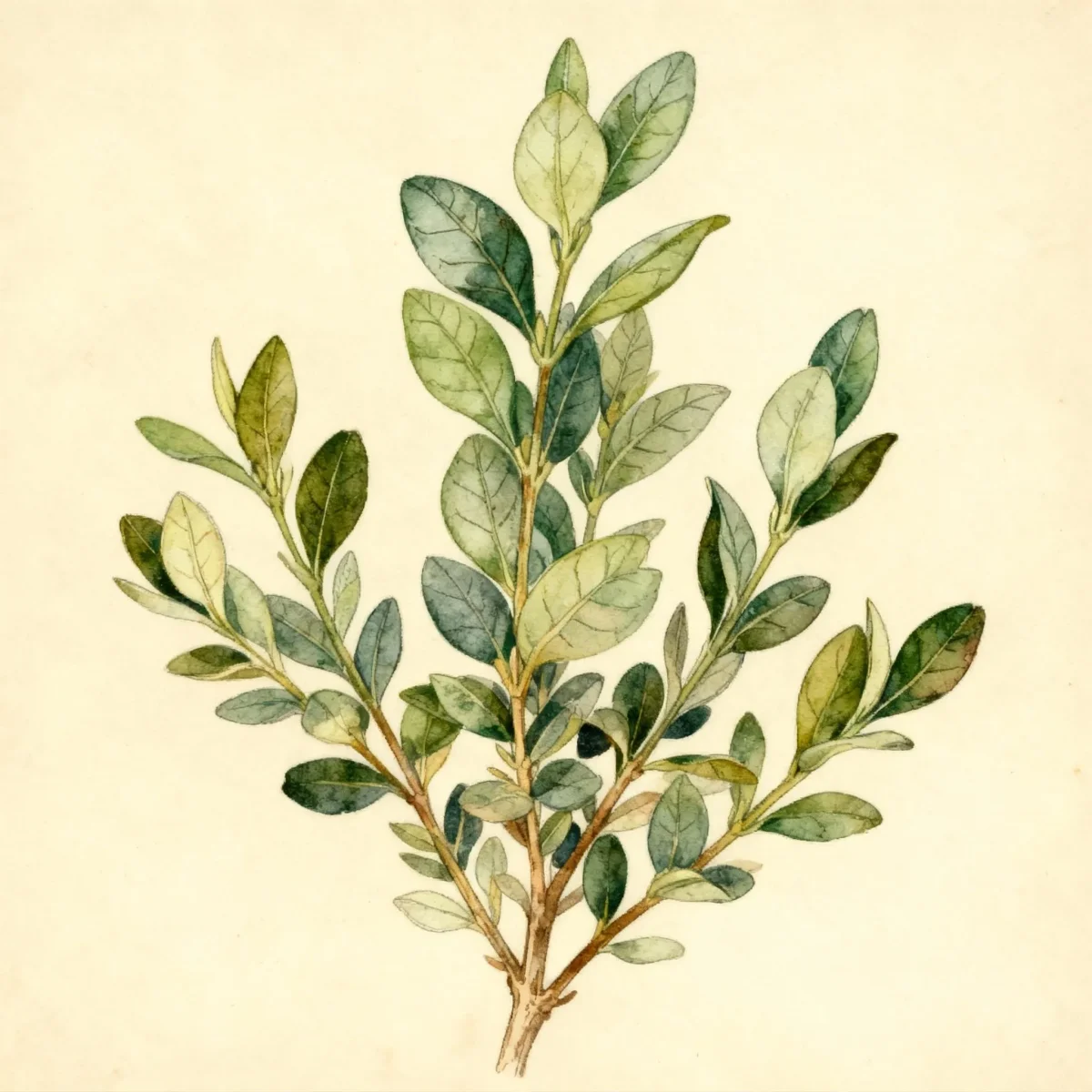
Buxus is a genus of about 70 species of evergreen shrubs and trees, with the common name Boxwood referencing the historical use of its dense wood for making boxes. The ‘Green Mountain’ cultivar is a dense, upright Boxwood, growing slowly to 2-3 feet tall in a decade but potentially reaching 5-7 feet mature height. Its narrow-elliptic leaves are glossy dark green, sometimes taking on bronze tones during harsh winters.
Tolerances
- Rabbit
- Deer
Potential Problems
Boxwood foliage is prone to bronzing, turning an unsightly brownish-yellow, especially when exposed to intense winter sun and drying winds. To mitigate this, site your Buxus ‘Green Mountain’ where it receives protection from full winter sun and strong desiccating winds.
Disease pressure is significant; watch for boxwood blight, volutella blight, and various leaf spot diseases, often exacerbated by poor air circulation. Ensure proper spacing and perform annual thinning of inner branches. Root rot is a high risk if the soil drainage is poor, reinforcing the need for well-drained loam placement.
Common insect pests include the boxwood leafminer, boxwood mite, and boxwood psyllid. Implementing integrated pest management early, particularly monitoring new growth, can keep infestations manageable, ensuring your Boxwood remains healthy and dense.
Frequently Asked Questions
What hardiness zones is Boxwood (Buxus ‘Green Mountain’) suitable for?
Buxus ‘Green Mountain’ is reliably hardy in USDA Zones 5 through 9.
How large does Boxwood (Buxus ‘Green Mountain’) grow?
This evergreen generally matures to a height between 3 and 5 feet, with a spread of 2 to 3 feet.
What sun exposure does Boxwood (Buxus ‘Green Mountain’) need?
For best results, plant Buxus ‘Green Mountain’ where it receives full sun to part shade; excessive full sun, especially in winter, can encourage foliage bronzing.
When does Boxwood (Buxus ‘Green Mountain’) bloom?
The inconspicuous, greenish-cream flowers of Buxus ‘Green Mountain’ appear relatively early in the season, typically blooming from April to May.
Conclusion
The Buxus ‘Green Mountain’ Boxwood remains a cornerstone of structured landscape design due to its dense habit and reliable evergreen color, offering excellent utility for low hedges and foundation planting. By adhering to proper planting depths, avoiding early spring pruning, and managing potential winter exposure, you can maximize the ornamental value of this slow-growing shrub. Always confirm your location is within USDA Zones 5-9 before purchasing and planting your own Buxus ‘Green Mountain’.
Companion Planting
When designing beds around your Buxus ‘Green Mountain’, choose companions that share similar medium water and sun requirements. Perennials that offer contrasting textures but tolerate pruning, such as certain types of ornamental grasses or low-growing Sedum varieties, work well near the base. Also consider spring bulbs like tulips, whose fleeting bloom complements the evergreen structure of the Boxwood before the warmer months fully arrive.
Seasonal Care Calendar
Spring care centers on pruning strategy; delay all shaping until after the threat of late frost has passed to avoid damaging new growth on your Boxwood. Summer monitoring for pests like mites is crucial, especially if the plant is in a high-sun location. In autumn, water deeply one last time before the freeze sets in, and ensure mulch is replenished around the shallow root zones of the Buxus ‘Green Mountain’. Winter protection involves shielding the plant from direct, afternoon sun exposure to minimize foliage bronzing.