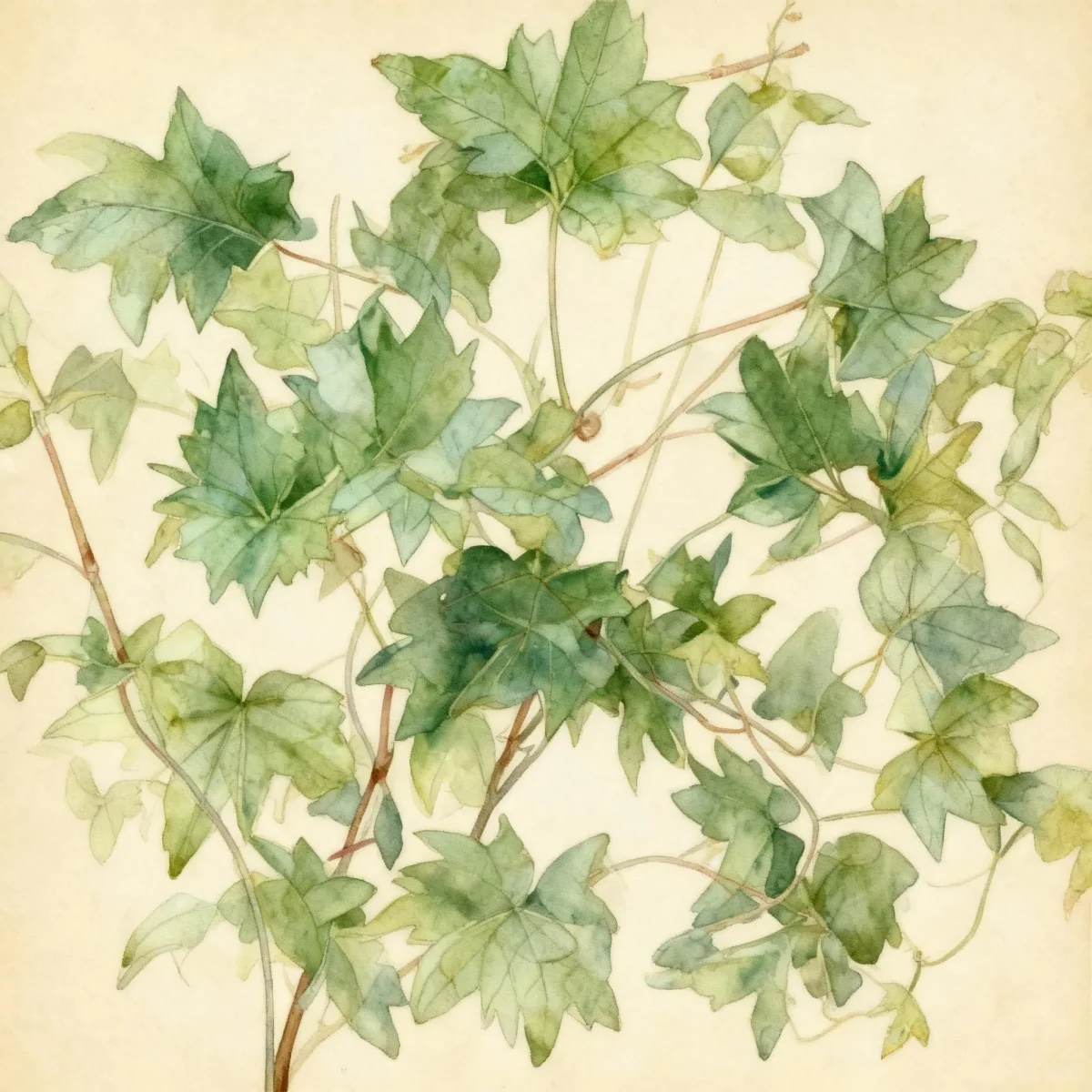
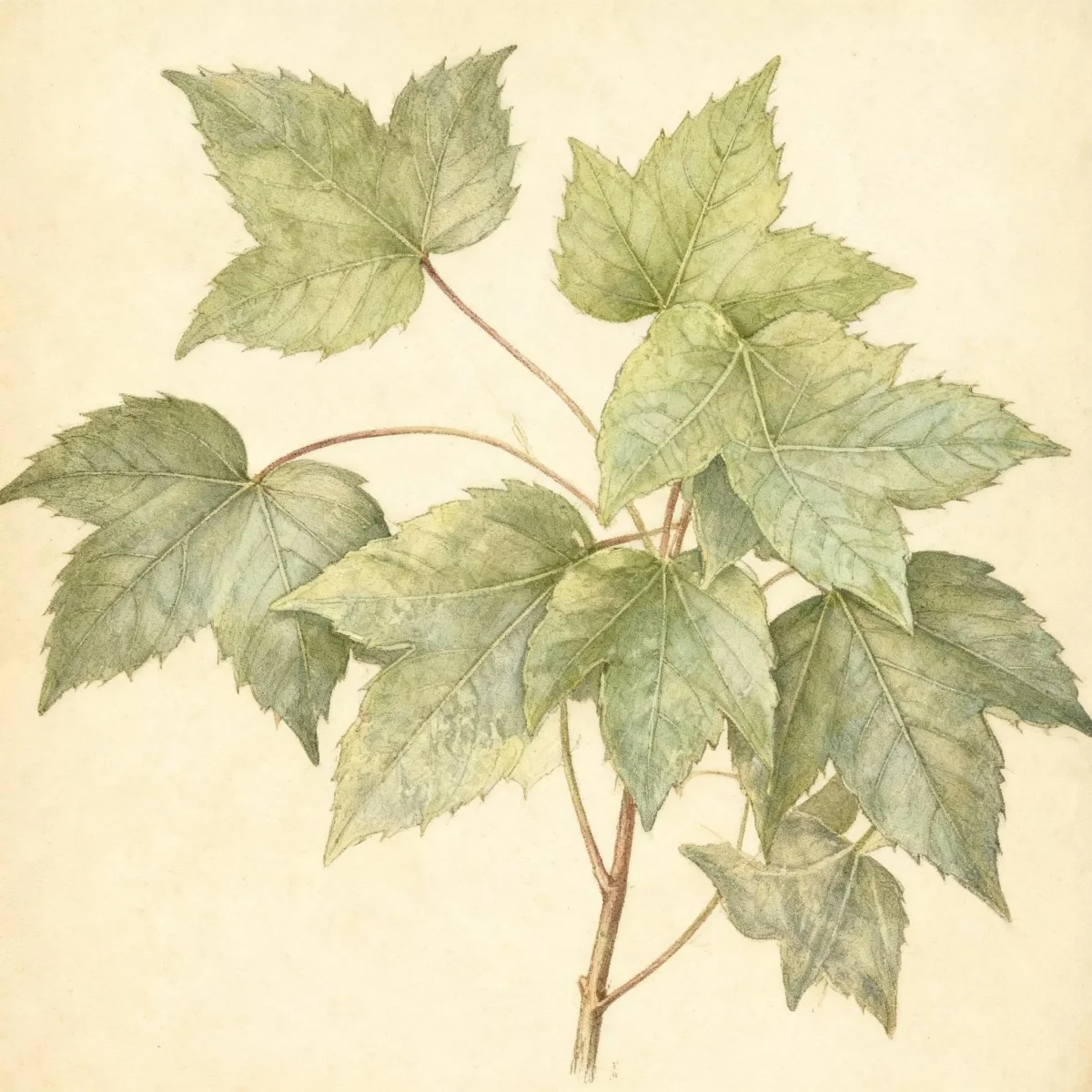
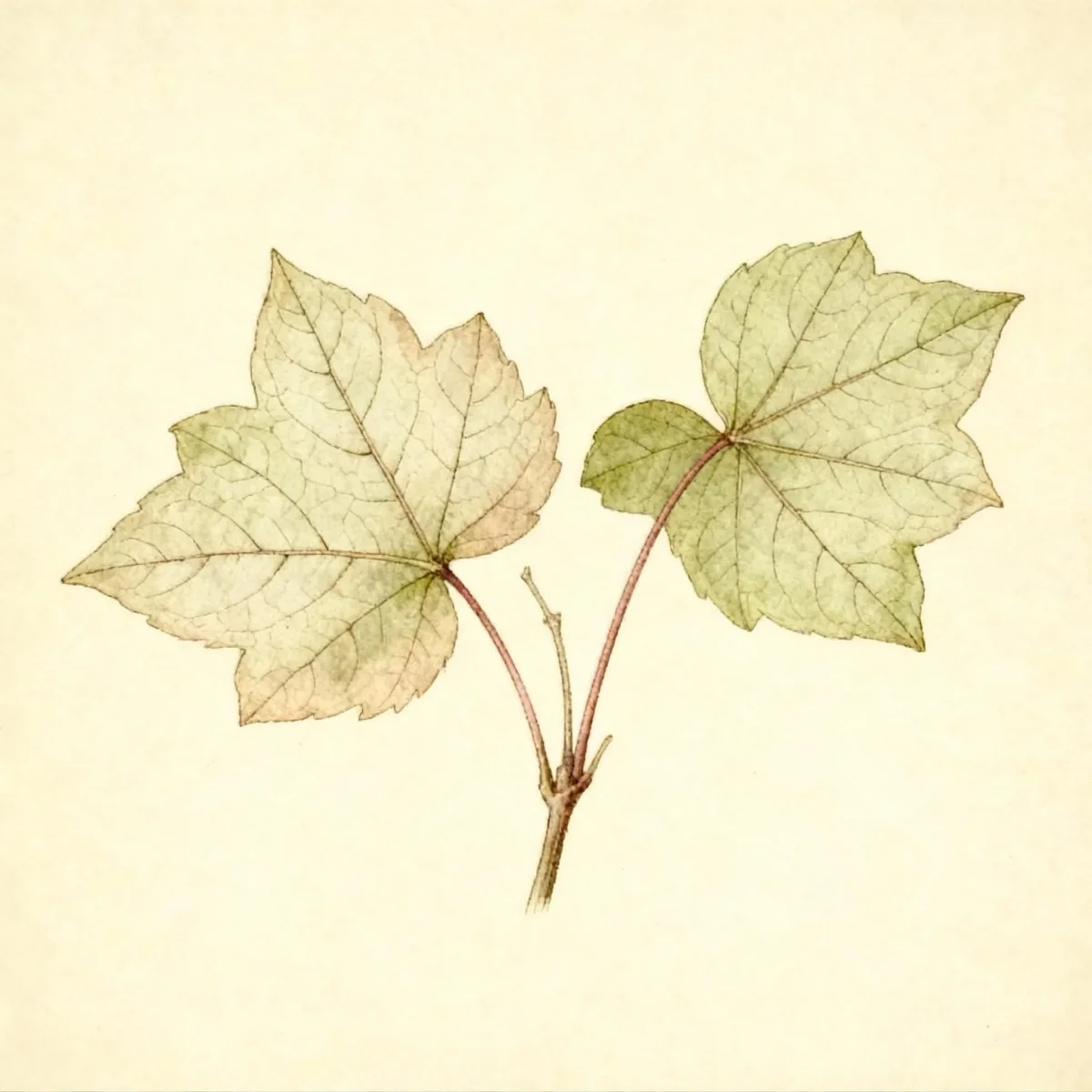
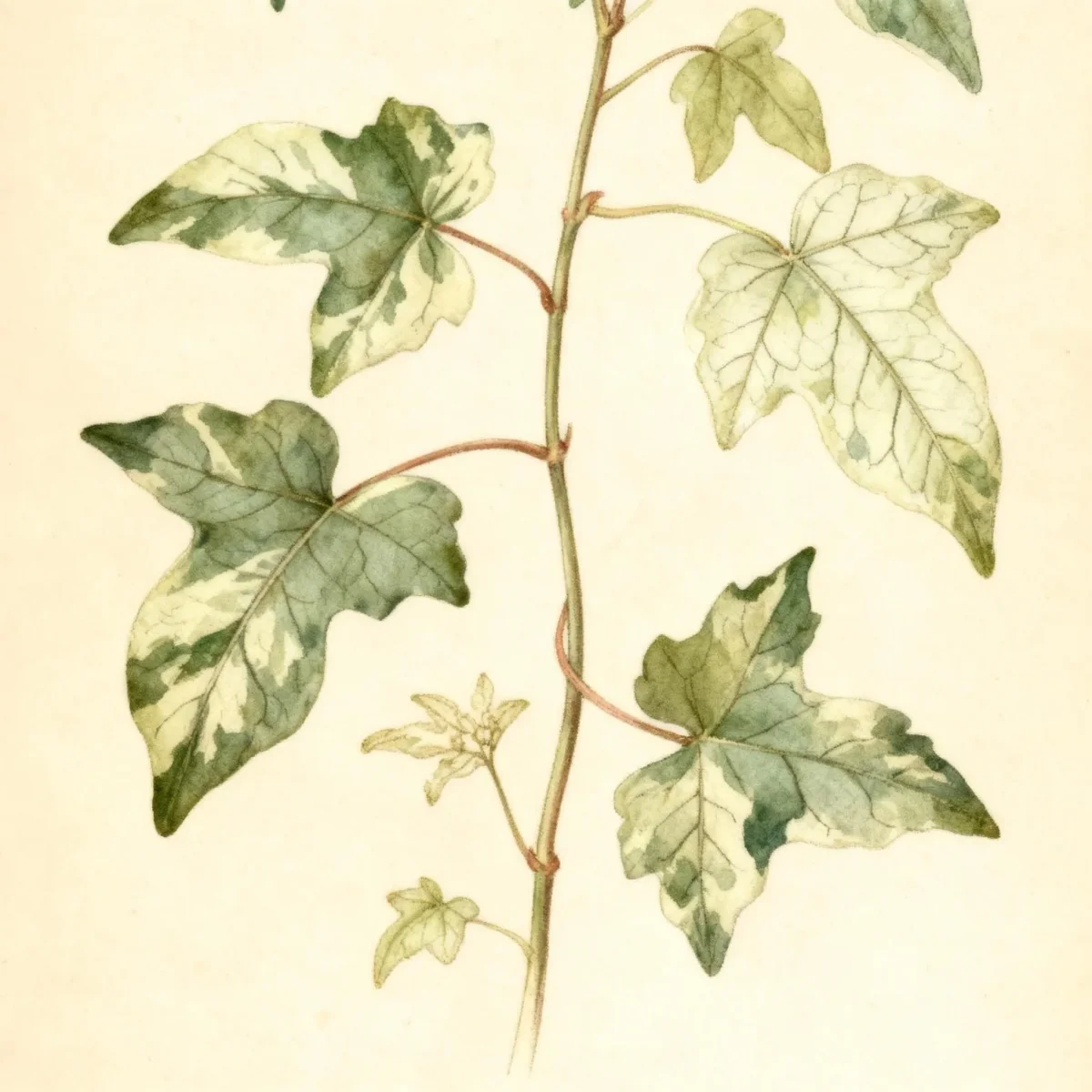
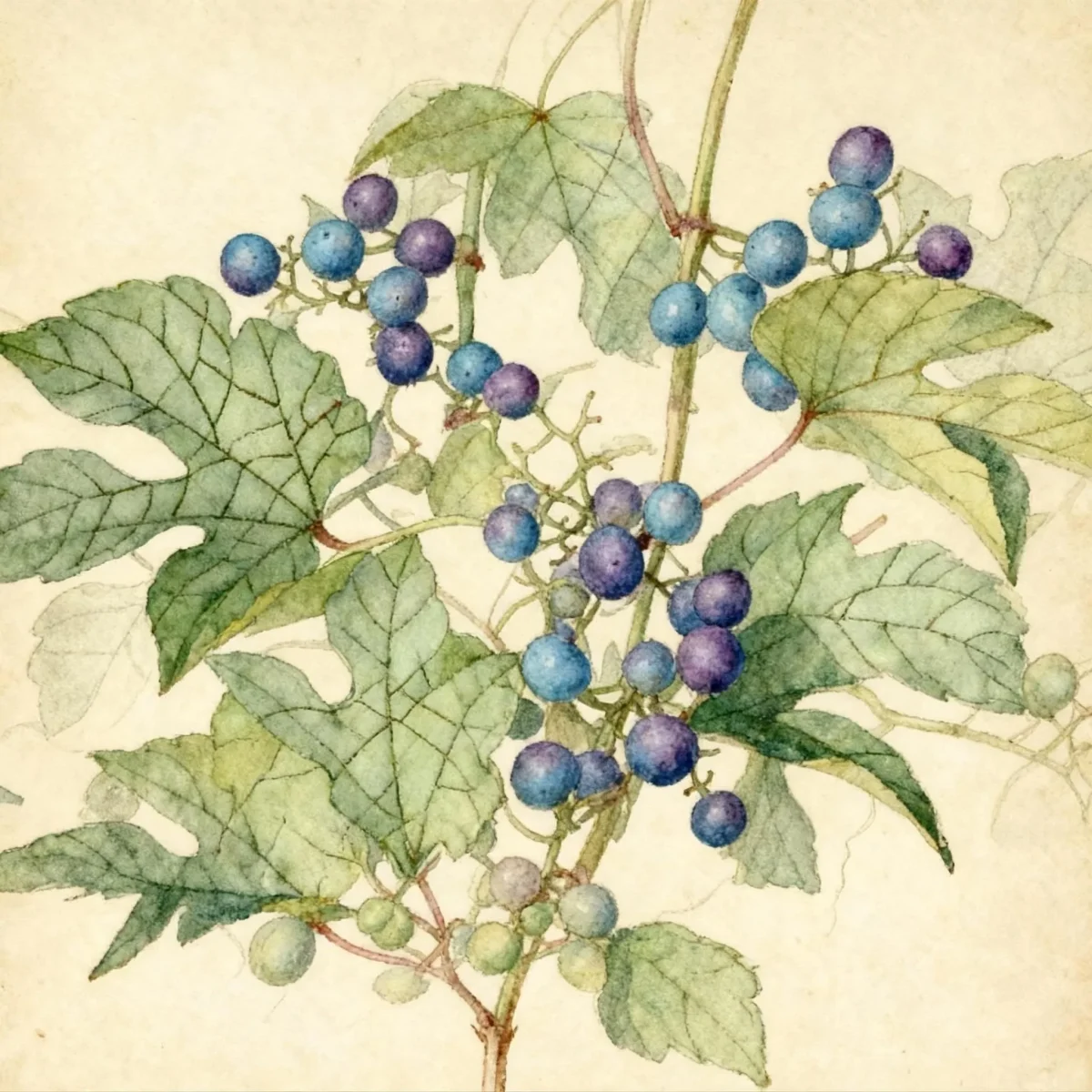
Boston ivy (Parthenocissus tricuspidata 'Fenway Park')
Parthenocissus tricuspidata 'Fenway Park' is a low-maintenance, fast-growing Boston ivy cultivar known for its brilliant fall color.
Scroll down to discover growing tips, care requirements, companion plants, and more
Complete Plant Information
Overview
Parthenocissus tricuspidata ‘Fenway Park’, commonly known as Boston ivy, is a vigorous, woody deciduous vine prized for its rapid growth and exceptional ability to cover large vertical surfaces. This specific cultivar offers bright, distinctive foliage that shifts dramatically through the seasons, making it a dynamic structural element in the landscape. As a mature specimen, the vine climbs structures using adhesive holdfasts, clinging tightly to brick and stone walls where it develops its signature coloration.
This fast-growing vine reaches impressive heights, often spanning 30 to 50 feet, making it an excellent choice for masking unsightly features or providing dense coverage. Despite its aggressive nature, the maintenance level for Parthenocissus tricuspidata ‘Fenway Park’ is surprisingly low once established, handling many soil types and drought conditions with ease. It provides year-round interest, transitioning from its bright, chartreuse spring foliage to spectacular autumnal displays.
Gardeners value Boston ivy for its architectural presence on buildings and its utility as a ground cover for difficult slopes or large areas needing ecological stabilization. Its vigorous nature means regular trimming is required to contain it, ensuring it enhances the structure rather than overwhelms it. Ensure proper siting away from painted wood or shingles, as the holdfasts can cause lasting damage.
Fast Facts
- Plant Family: Vitaceae
- Plant Type: Vine
- Hardiness Zones: USDA Zones 4-8
- Size at Maturity:
- Height: “30-50 ft”
- Spread: “5-10 ft”
- Bloom Time: June to August
- Bloom Description: Greenish-white
- Sun Exposure: Full sun to part shade
- Water Needs: Dry to medium
- Maintenance Level: Low
How to Grow
Planting Parthenocissus tricuspidata ‘Fenway Park’ should ideally occur in spring or fall, giving the vigorous root system time to establish before facing extreme temperatures. This vine thrives in average, well-drained soils, but it demonstrates good tolerance for challenging conditions, including clay soil and dry soil once established. For the best golden-green foliage color, place the vine in full sun; however, in hot summer climates (Zones 8 and 9), positioning it on an eastern or northern exposure will prevent scorching.
Care for this low-maintenance vine centers heavily on structural management. It generally requires little supplemental watering or fertilization after the first year, preferring dry to medium moistures. The key cultural practice is regular, thorough trimming whenever the vine begins to spread beyond its designated area or attaches to vulnerable surfaces. Never allow this vine to climb wood or shingle walls, as the adhesive holdfasts are nearly impossible to remove and will compromise paint and roofing materials.
As a rapid grower, the vine should always be sited where it has ample room to expand vertically and horizontally. Propagate new specimens easily through cuttings. In cooler climates, ensure all dead wood is cleared in late winter. For hot locations, monitor for stress, as eastern or northern exposures are crucial for leaf health.
Landscape Uses
Boston ivy is exceptionally versatile, excelling both vertically and horizontally across the landscape. Its primary use is as a magnificent vertical covering for masonry structures like brick, stone retaining walls, arbors, and fences, quickly transforming an unattractive boundary into a living architectural feature. The yellow-leaved cultivar, Parthenocissus tricuspidata ‘Fenway Park’, provides a unique, luminous green cloak that reflects light beautifully.
When allowed to sprawl, this vine functions perfectly as a dense ground cover for large, difficult areas. It excels at naturalizing steep slopes where other plantings might struggle, offering excellent erosion control. Consider using it to hide old tree stumps, rock piles, or unappealing utility boxes where its cascading habit can soften hard edges.
When pairing this vine, select companion plants that tolerate similar dry conditions and require low intervention, avoiding structures where the ivy might try to climb. Because the flowers and berries are generally hidden by foliage, focus landscape design elements on complementary textures and colors at the base of the vine.
Standout Features
Flower Qualities
- Insignificant
Noteworthy Characteristics
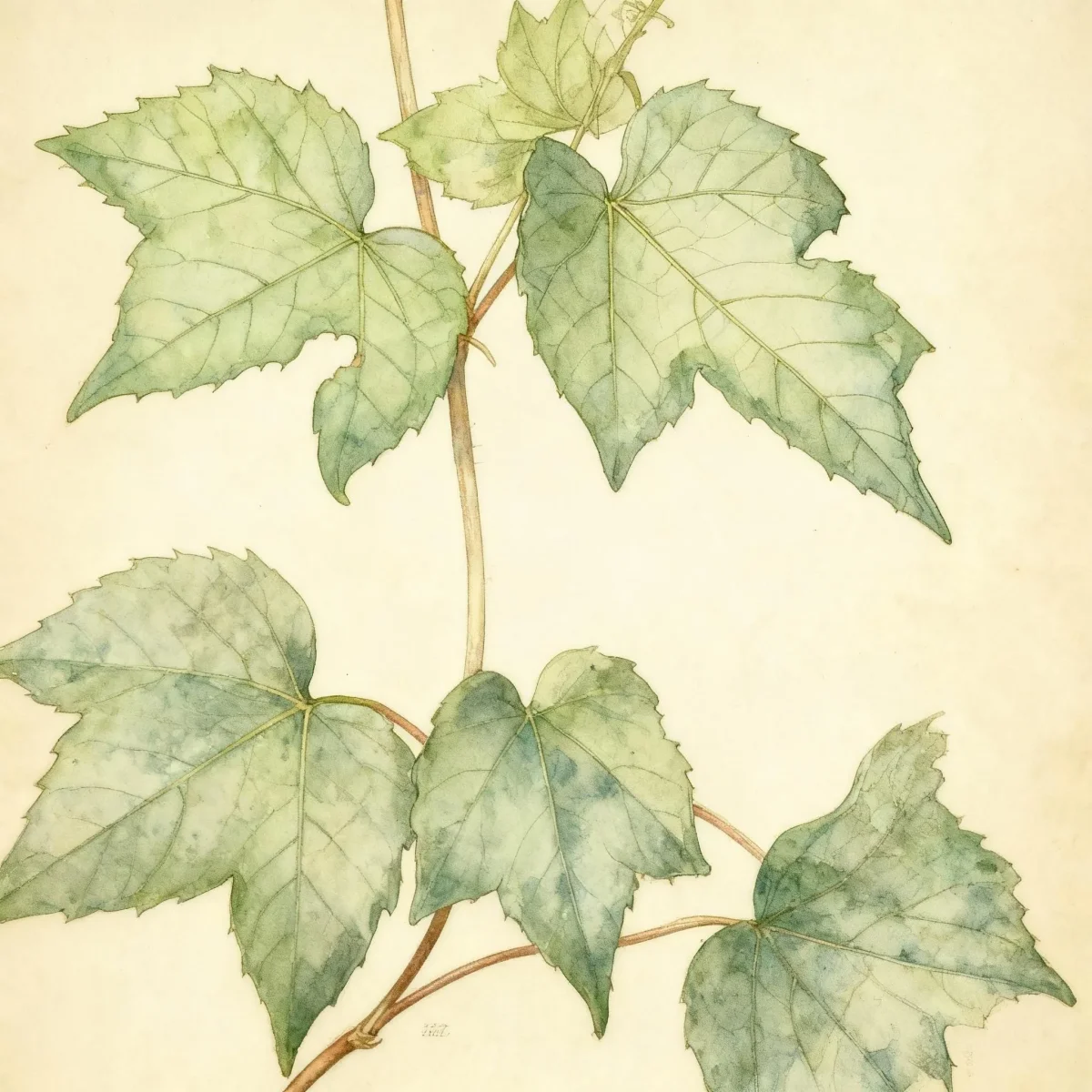
Parthenocissus tricuspidata, commonly called Boston ivy, is a rapid-growing, deciduous, woody vine that typically grows 30-50’ long or more. It is a vigorous tendril climber that needs no support, clinging to surfaces by adhesive holdfasts. ‘Fenway Park’ is a yellow-leaved cultivar that features yellow-green/chartreuse leaves in sunny locations and lime green leaves in shade, culminating in excellent shades of red, orange, and yellow fall color.
Tolerances
- Deer
- Drought
- Heavy Shade
- Erosion
- Clay Soil
- Dry Soil
- Shallow-Rocky Soil
- Black Walnut
Potential Problems
This vine generally avoids serious insect or disease issues, contributing to its low maintenance rating. However, gardeners should be aware of potential fungal issues such as mildews, leaf spots, canker, and wilt under humid or wet conditions. Occasionally, minor pests like scale, leaf hoppers, or certain beetles might appear.
The most significant challenges associated with Boston ivy are related to misplaced planting. Once established on structures, removal is extremely difficult, and the adhesive holdfasts can severely damage painted surfaces, lift shingles, or infiltrate gutter systems. Furthermore, due to its aggressive nature, Parthenocissus tricuspidata ‘Fenway Park’ may spread invasively into unmanaged adjacent areas if not kept rigorously pruned near borders.
Frequently Asked Questions
What hardiness zones is Boston ivy suitable for?
Parthenocissus tricuspidata ‘Fenway Park’ is typically hardy in USDA Zones 4 through 8.
How large does Boston ivy grow?
This woody vine matures to a height between 30 and 50 feet, with a spread ranging from 5 to 10 feet as it expands horizontally.
What sun exposure does Parthenocissus tricuspidata ‘Fenway Park’ need?
It thrives in full sun to part shade, though best fall coloration develops in sunny spots, while deep shade will result in lime green summer leaves.
When does Boston ivy bloom?
Flowering occurs between June and August, producing small, greenish-white flowers that are generally inconspicuous due to dense foliage.
Conclusion
The striking foliage and robust climbing habit of Parthenocissus tricuspidata ‘Fenway Park’ make it an outstanding, low-care choice for vertical landscaping and mass ground coverage. Remember that while beneficial for large walls, diligent pruning is mandatory to prevent structural damage to vulnerable siding or wood. Before installing this fast-growing Boston ivy, carefully assess your site to ensure it has the space required to expand safely.
Companion Planting
When utilizing this vine as ground cover, consider pairing it with hardy, low-growing perennials that can tolerate competition and dry conditions. Species like Sedum groundcovers, creeping Thyme, or low-growing ornamental grasses are excellent choices, as they will not compete aggressively for vertical space but can fill in gaps between patches of the spreading ivy. Ensure any nearby shrubs are vigorous enough to withstand proximity to a fast-growing woody vine.
Propagation Tips
Parthenocissus tricuspidata ‘Fenway Park’ is very straightforward to propagate, which aids in quickly covering large areas or replacing damaged sections. The easiest method involves taking semi-hardwood cuttings during the summer months. These cuttings root reliably when placed in a moist, well-draining medium. Once rooted indoors or in a protected nursery setting, they can be transplanted directly to their final location, often establishing quicker than seed-grown stock.