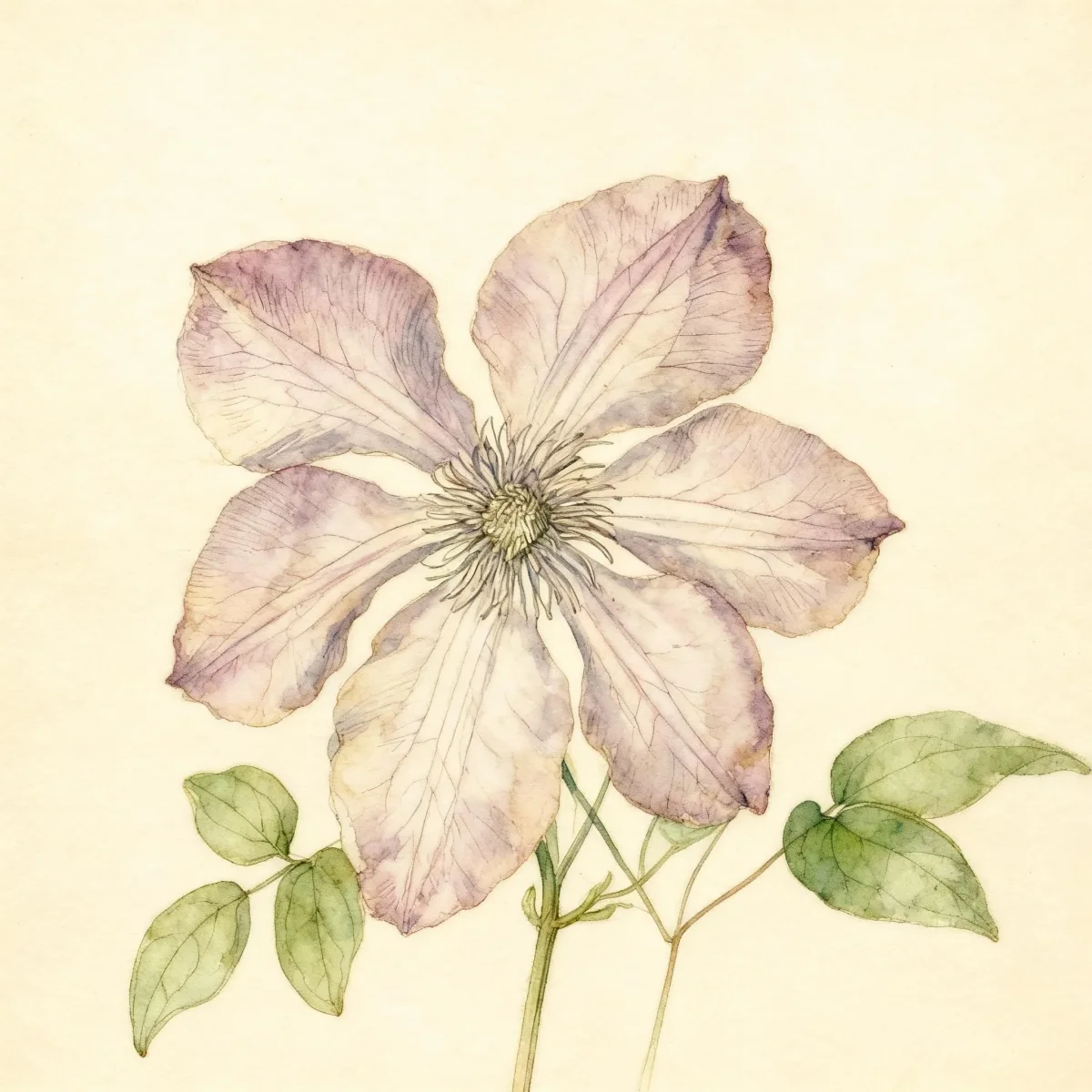
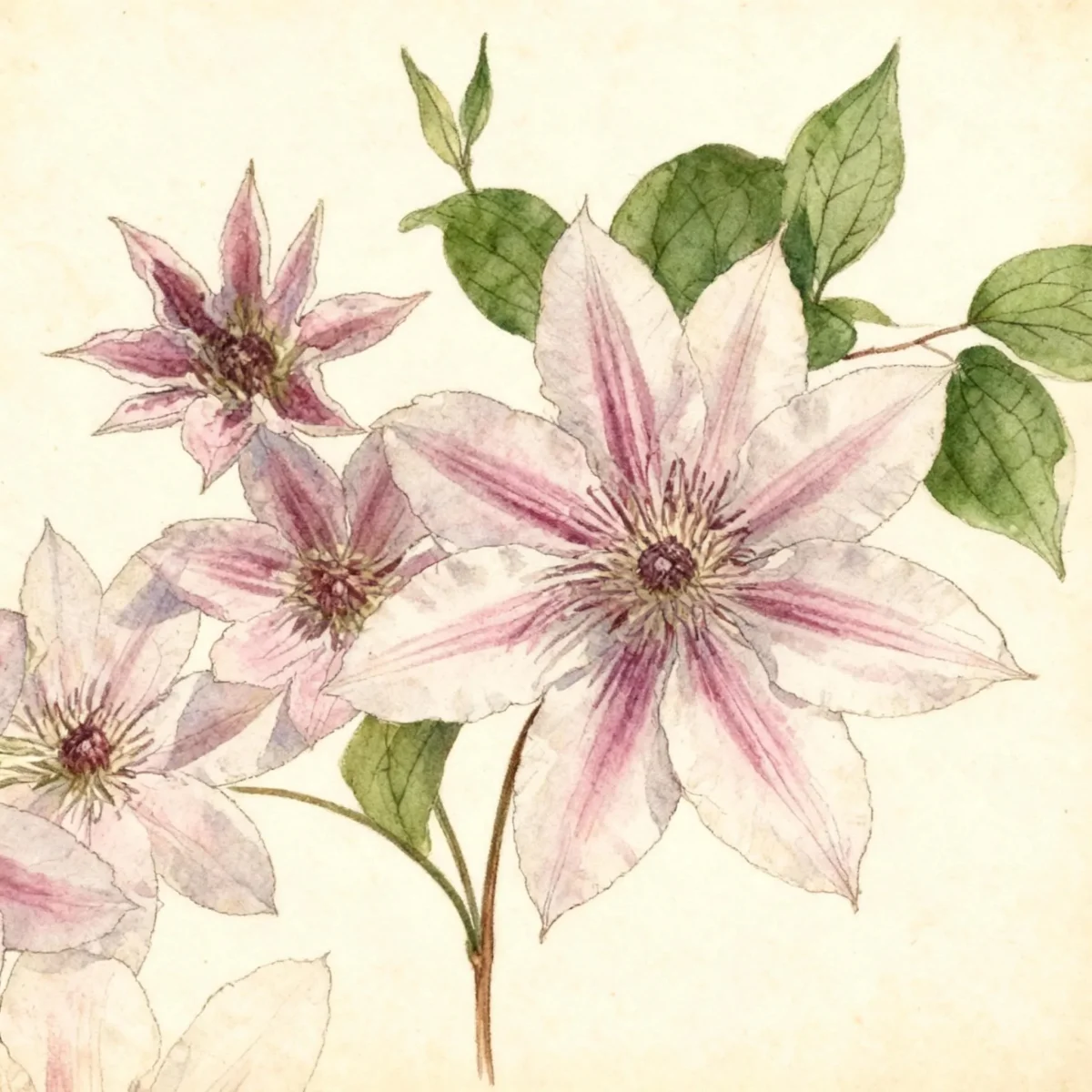
Clematis (Clematis × jouiniana)
Discover Clematis × jouiniana, a low-maintenance, fragrant vine blooming July to September. Hardy in zones 4-8.
Scroll down to discover growing tips, care requirements, companion plants, and more
Complete Plant Information
Overview
The Clematis × jouiniana, often known as Jouin clematis, offers gardeners a fantastic, less-demanding alternative in the large Clematis family. This woody-based, sprawling perennial acts as a semi-climber, perfect for filling in difficult spots or cascading over structures without requiring intensive vertical training. Its late-season bloom display provides much-needed color when many other woody vines have finished flowering.
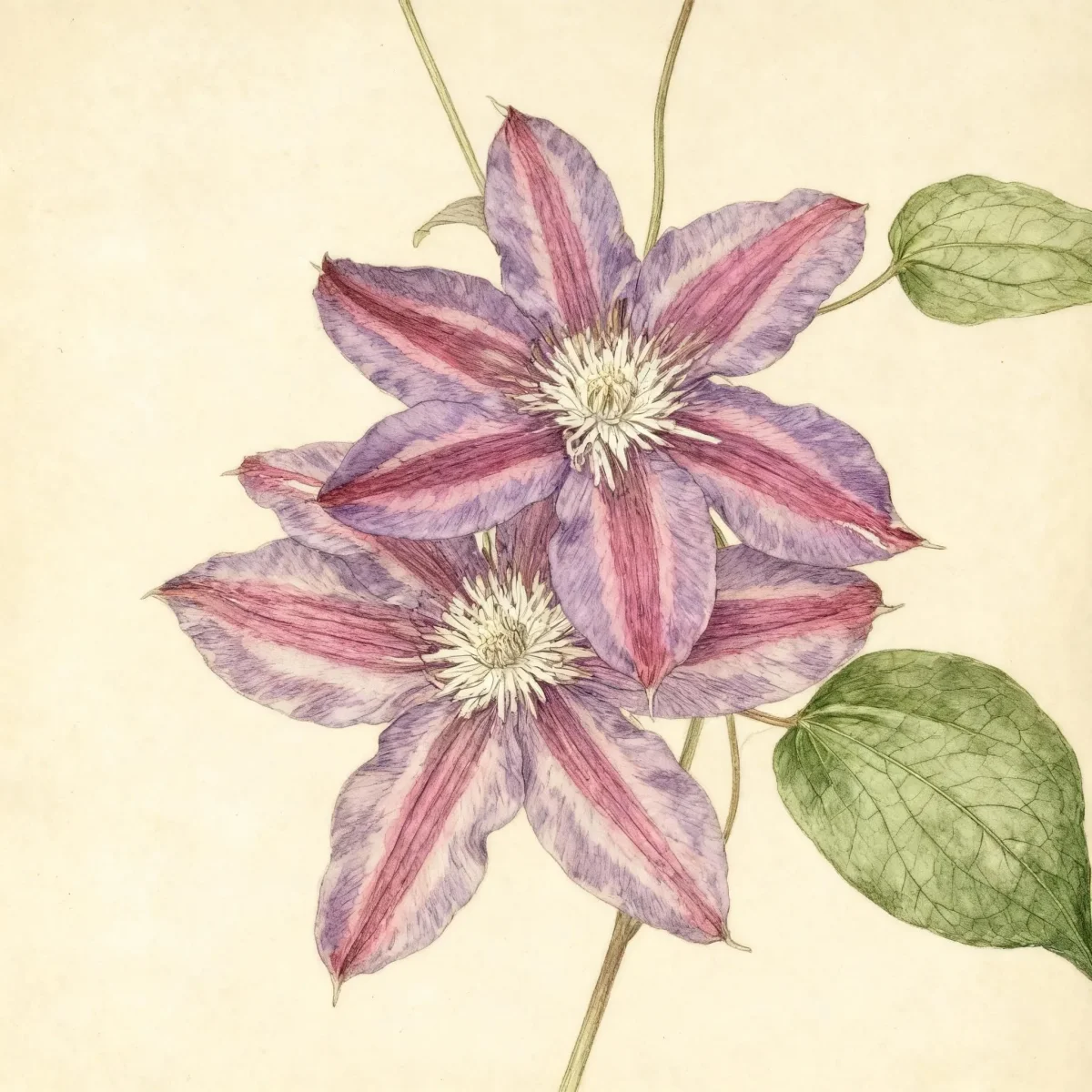
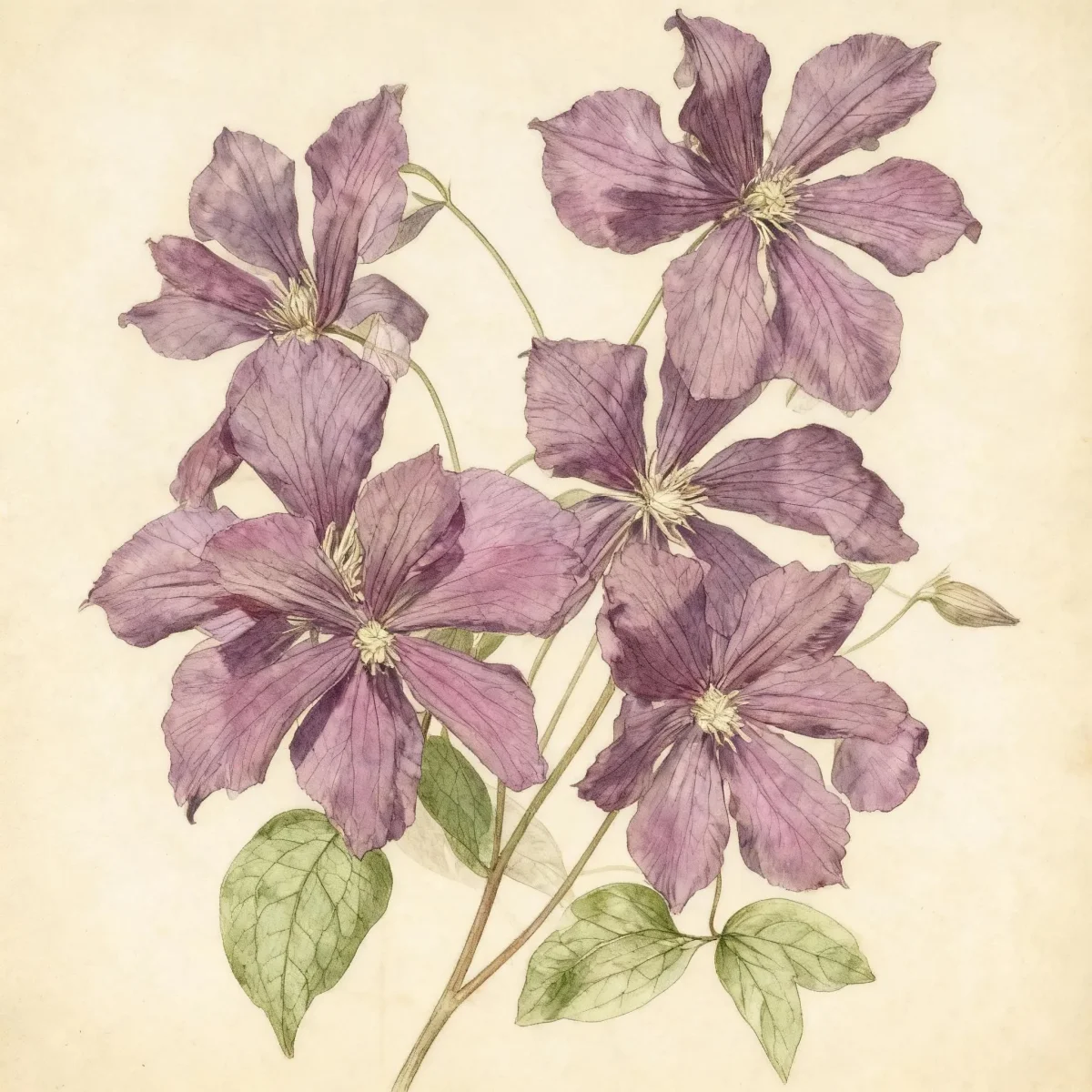
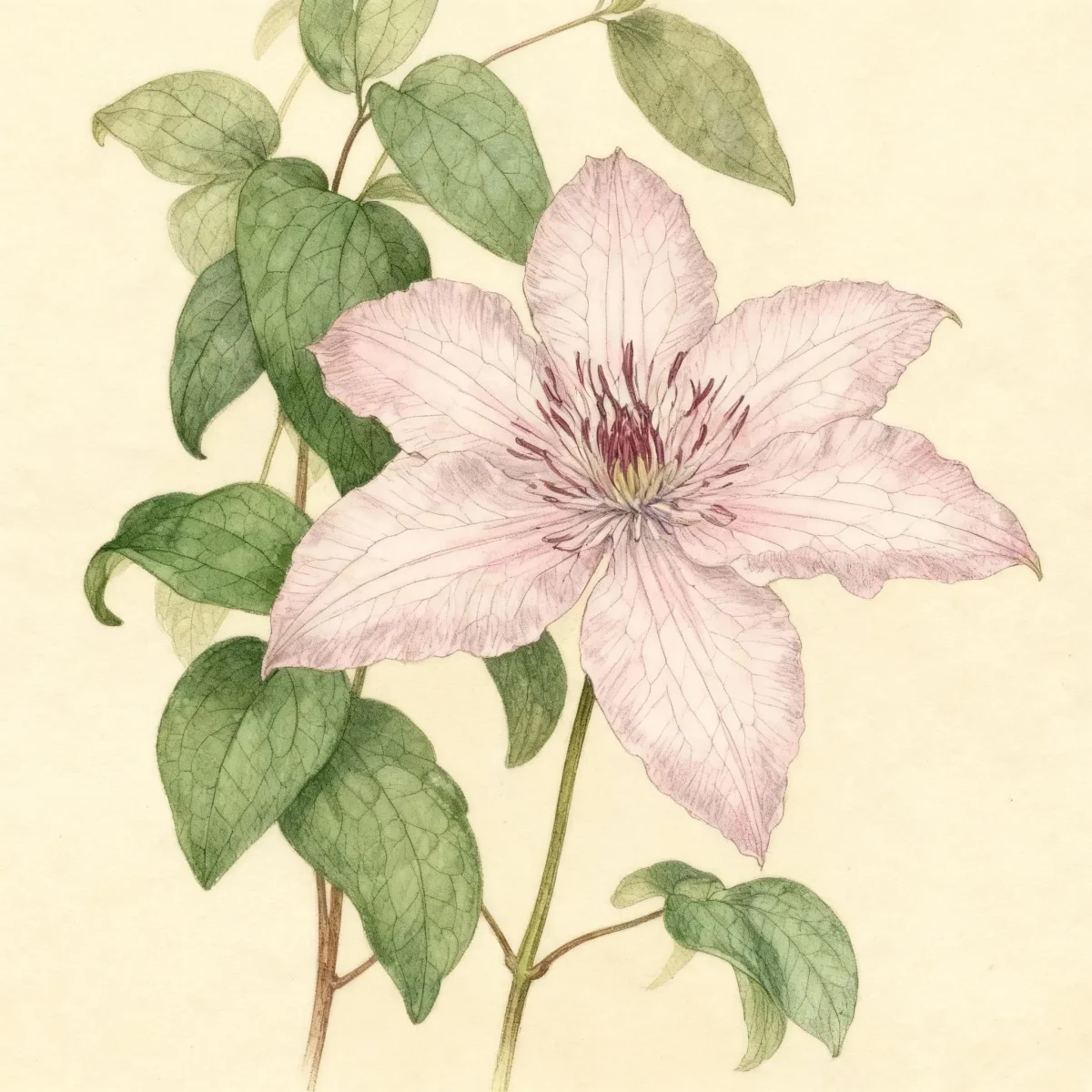
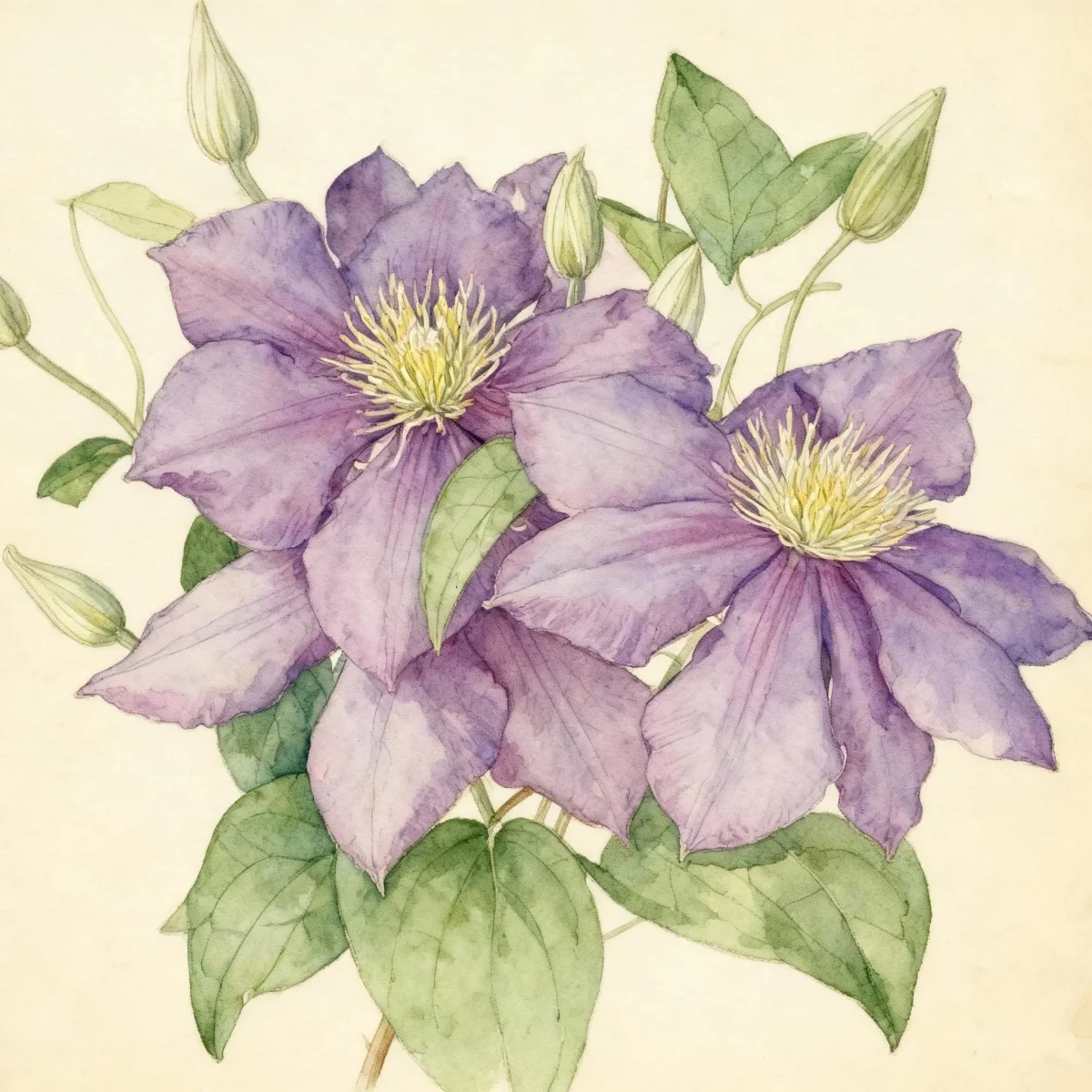
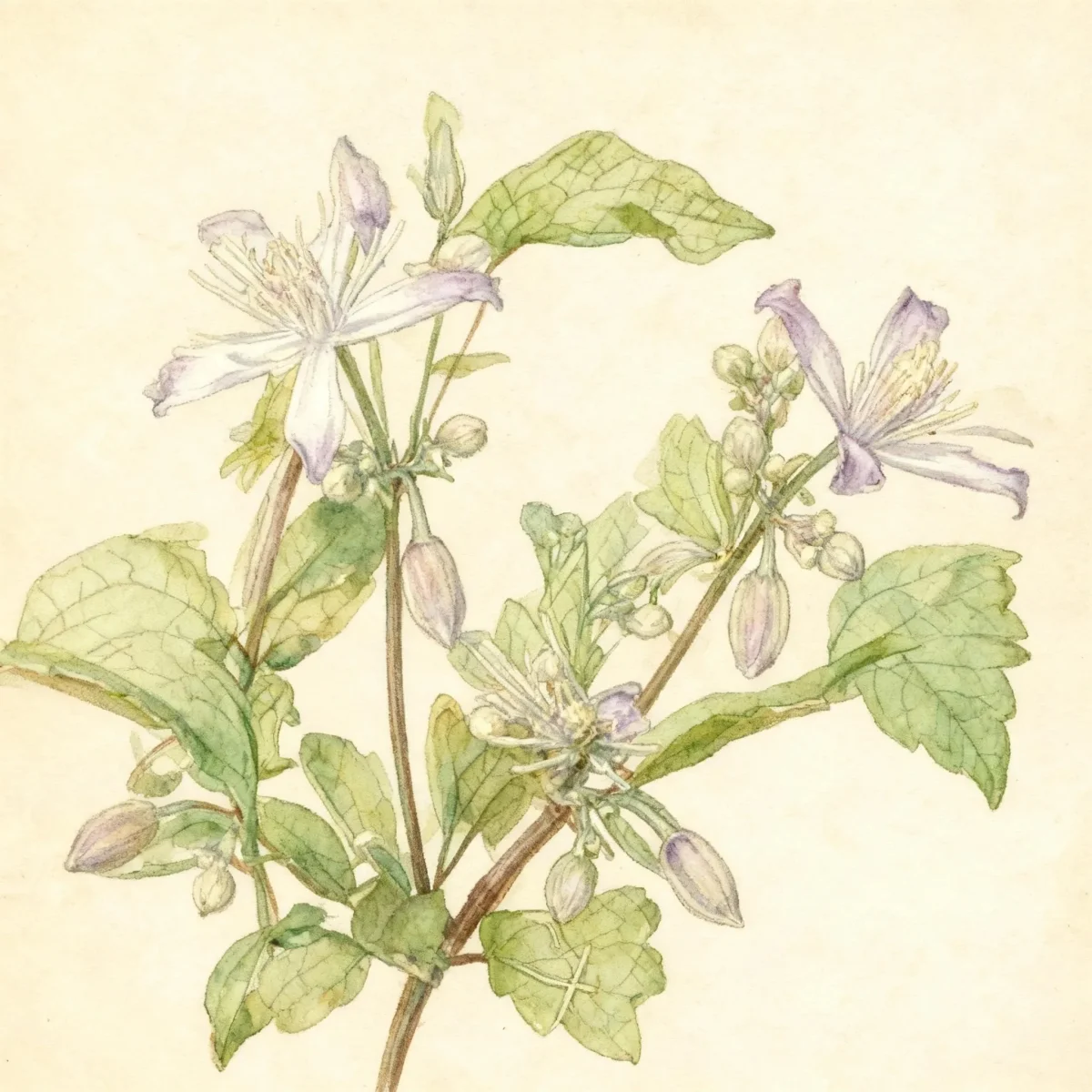
This distinctive hybrid is characterized by its fragrant, lavender-white flowers that appear vigorously from mid-summer into early fall. Unlike many of its climbing relatives, Clematis × jouiniana naturally rambles across the ground or scrambles up slopes, making it structurally flexible. It maintains low overall maintenance while still delivering high impact, making it a favorite for perennial borders and banks.
Gardeners appreciate this variety for its resilience and its appealing foliage, which turns a lovely yellow shade in autumn, extending its visual interest beyond the bloom period. Successfully integrating this tough Clematis into your landscape means enjoying reliable texture and subtle fragrance with minimal fuss year after year.
Fast Facts
- Plant Family: Ranunculaceae
- Plant Type: Vine
- Native Range: Garden origin
- Hardiness Zones: USDA Zones 4-8
- Size at Maturity:
- Height: 3-10 ft
- Spread: 3-6 ft
- Bloom Time: July to September
- Bloom Description: Creamy white (inside) lavender-white (outside)
- Sun Exposure: Full sun to part shade
- Water Needs: Medium
- Maintenance Level: Low
How to Grow
For optimal performance, plant Clematis × jouiniana where it receives full sun or dappled part shade. The best cultural setting involves sandy-humusy, well-drained soil supplemented with medium moisture levels. While this plant is fairly adaptable, ensuring excellent drainage is crucial to prevent root issues associated with standing water. Planting success is highest in the spring or fall, allowing the roots to establish before summer heat or deep winter cold arrives.
Watering needs are listed as medium; this means performing deep, infrequent waterings, especially during the first year and during prolonged dry spells. Avoid constant soil saturation. Fertilization is rarely necessary if the soil is moderately rich, but a balanced, slow-release fertilizer applied in early spring can support vigorous blooming if desired.
Pruning is a key cultural step for this specific Clematis hybrid. To maximize flower production and manage its sprawling habit, prune back the woody base significantly in the fall or during late winter before new growth begins. Be aware that in areas experiencing harsh winters, the entire plant may die back to the ground, but it reliably returns from its woody base.
Landscape Uses
The unique growth habit of Clematis × jouiniana makes it an excellent choice for areas where traditional upright climbing supports are not desired or practical. It excels when used as a sprawling ground cover, particularly effective for stabilizing tricky banks, softening the edges of retaining walls, or cascading attractively over large tree stumps where a shrub might fail.
Consider pairing this non-clinging variety with structural, upright plants that won’t compete for space but will offer textural contrast. Its height range allows it to function effectively as a rambling border sub-shrub, adding a soft, billowy texture near the edge of a mixed perennial border. It can also be successfully trailed over strong walls or ledges, allowing the flower heads to drape elegantly downward.
Standout Features
Flower Qualities
- Showy
- Fragrant
Noteworthy Characteristics
Clematis × jouiniana, commonly called Jouin clematis, is a hybrid (C. Heraclefolia ‘Davidiana’ × C. Vitalba), non-clinging, woody-based, sprawling perennial or sub-shrub. It is a semi-climber which may ramble 6-10’ along the ground or up a slope or to 3’ tall as a sub-shrub. Flowers (to 2” diameter) have 4-6 strap-shaped petal-like sepals and appeal to the eye toward the tips and on the outside.
Tolerances
- Deer
- Black Walnut
Potential Problems
Gardeners should be vigilant regarding Clematis wilt, a potentially fatal fungal infection that targets many varieties, especially large-flowered hybrids like some Clematis. Prevention involves ensuring good air circulation and avoiding overhead watering that keeps foliage wet. Other common issues include powdery mildew, leaf spots, and rust, which typically indicate cultural stress.
Insect pests affecting this variety can include aphids, scale, and earwigs, while slugs and snails may bother new growth, especially when the plant is young or dormant. Regular inspection, particularly of new shoots, helps catch pest infestations early, and diligent cleanup in the fall reduces overwintering pests. Always watch closely for signs of spider mites during hot, dry periods.
Frequently Asked Questions
What hardiness zones is Clematis suitable for?
This specific Clematis × jouiniana hybrid is well-suited for cultivation in USDA Hardiness Zones 4 through 8, offering reliable perennial performance in these regions.
How large does Clematis × jouiniana grow?
This versatile plant can spread between 3 to 6 feet wide and generally reaches a height between 3 and 10 feet, depending on whether it is sprawling along the ground or supported slightly.
What sun exposure does Clematis need?
For the best bloom set and vigor, position your Clematis in a spot that receives full sun to light part shade; avoid deep, dark shade which can encourage weak growth.
When does Clematis bloom?
The blooming period for this variety is quite long, extending from July straight through September, offering creamy white to lavender-white flowers late in the gardening season.
Conclusion
The Clematis × jouiniana provides an invaluable texture and late-season color palette for gardeners seeking a resilient yet fragrant vine option. Its unique sprawling habit makes it a superior choice for groundcover or tumbling across banks where other vertical climbers might struggle. Before planting, confirm your site falls within USDA Zones 4-8 and plan for its annual pruning session in the late fall or winter to ensure a healthy display next summer.
Companion Planting
Companion planting around Clematis is often focused on keeping the roots cool and shaded while allowing the foliage access to sun. Good partners include low-growing, herbaceous perennials with shallow root systems, such as Hostas (that tolerate sun) or low-mounding Geraniums. These companions help maintain the moderate soil moisture this Clematis prefers and hide the woody base during early spring before the vine fully leafs out.
Conversely, avoid dense, aggressive companions that might choke out the base of the Clematis or compete too keenly for water during establishment phases. Since this plant is relatively low-maintenance, select companions that share similar medium water needs and do not demand heavy fertilization, keeping the overall cultural requirements simple.
Design Ideas
Use the Clematis × jouiniana to soften the hard edges of raised beds or stone walls that terminate near the ground. Its sprawling ability allows it to gently drape over the lip of a planter or cascade down a short retaining wall, creating a lush, multi-level effect. Because it blooms in late summer, integrate it near summer-to-fall flowering perennials like Japanese Anemones or tall Sedums to create a continuous sequence of color into the early autumn.
For a cottage garden aesthetic, allow this Clematis to ramble through the lower branches of a sturdy, established shrub that won’t overwhelm it. This technique provides subtle support without the need for wires or trellises, letting the Clematis × jouiniana display its natural, sprawling form.