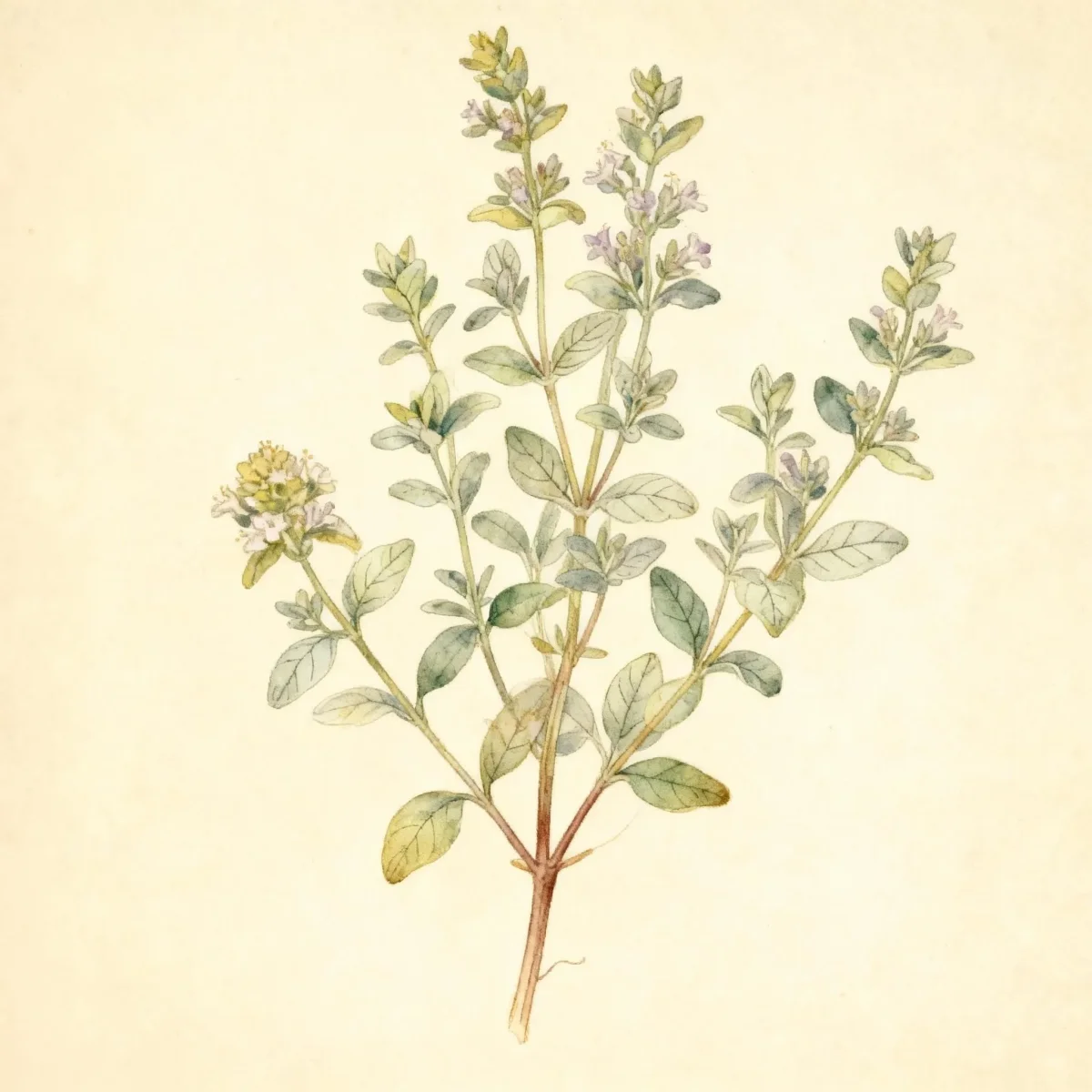
Wild thyme (Thymus (Coccineus Group))
Wild thyme, Thymus (Coccineus Group), is a low-growing perennial ideal for ground cover, offering deep pink blooms and drought tolerance.
Scroll down to discover growing tips, care requirements, companion plants, and more
Complete Plant Information
Overview
Thymus (Coccineus Group), commonly known as Wild thyme, provides excellent texture and low-maintenance coverage for sunny garden spots. These creeping, woody-based perennials form dense mats well-suited for rock walls or pathway edging. While the foliage contributes to the genus’s aromatic appeal, the main draw is the carpet of tiny, deep pink flowers that appear reliably in summer.
This species thrives in conditions mirroring its native dry Eurasian habitats, appreciating sharp drainage above almost all other factors. Gardeners value Thymus (Coccineus Group) for its ground-covering nature and ability to suppress weeds once established, making it functionally beautiful. Its evergreen nature ensures year-round visual interest, particularly in milder climates where it retains its glossy, blue-green leaves.
Whether used as a filler between pavers or allowed to spill over retaining walls, the Coccineus Group offers high rewards for minimal effort. It is a fantastic choice for xeriscaping or sunny, dry areas where many other perennials struggle.
Fast Facts
- Plant Family: Lamiaceae
- Plant Type: Herbaceous perennial
- Hardiness Zones: USDA Zones 5-8
- Size at Maturity:
- Height: 0.25 ft
- Spread: 0.25-1 ft
- Bloom Time: June to August
- Bloom Description: Deep pink
- Sun Exposure: Full sun
- Water Needs: Dry to medium
- Maintenance Level: Low
How to Grow
Plant Wild thyme in the spring or fall once the danger of hard frost has passed, ensuring the location receives full sun exposure throughout the day. The most critical requirement for successful cultivation of Thymus (Coccineus Group) is excellent drainage; avoid heavy clay soils or areas where water pools. Incorporate sand or grit into the soil mix if necessary to achieve the loose, highly drained conditions this plant prefers.
Maintenance for Thymus (Coccineus Group) is generally very low once established. Water only sparingly, allowing the soil to dry out between applications; it tolerates drought exceptionally well. Fertilizing is usually unnecessary, as the plant thrives in somewhat lower fertility.
To keep the mats looking fresh and prevent woody stems from dominating, prune back the growth after the main bloom flush in late summer. This light shearing encourages denser, greener foliage and controls excessive sprawl. In mild winters, the plant remains evergreen, requiring minimal cleanup in the spring.
Landscape Uses
The low profile and broad creeping habit of Thymus (Coccineus Group) make it indispensable for specific landscape applications. Its primary recommendation is as a small area ground cover or as a delightful filler tucked between uneven stepping stones where foot traffic will occasionally brush its aromatic leaves. This growth habit also allows it to soften the hard edges of rock gardens, sprawling beautifully over small rocks or down ledges.
When designing sunny slopes or dry, gravelly borders, pair Wild thyme with other Mediterranean herbs or tough, low-growing alpines that share its affinity for dry feet and strong sunshine. Consider planting alongside creeping sedums or creeping phlox for contrasting textures during the bloom season, creating a tapestry of low-growing color. Because it attracts bees, site Thymus (Coccineus Group) where its pollinator attraction is welcome but where bees landing on stepping stones might not startle passersby.
Standout Features
Flower Qualities
- Showy
Noteworthy Characteristics
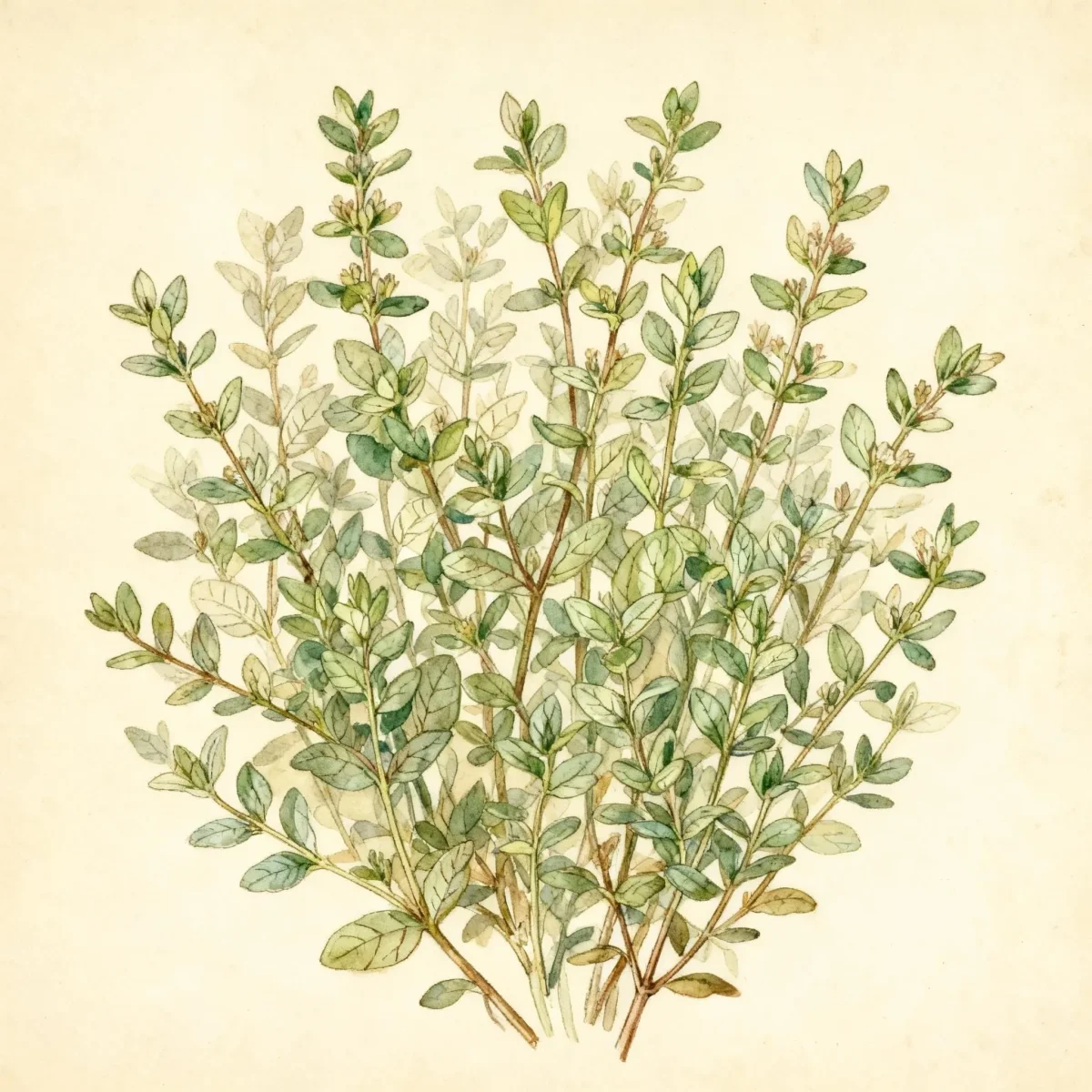
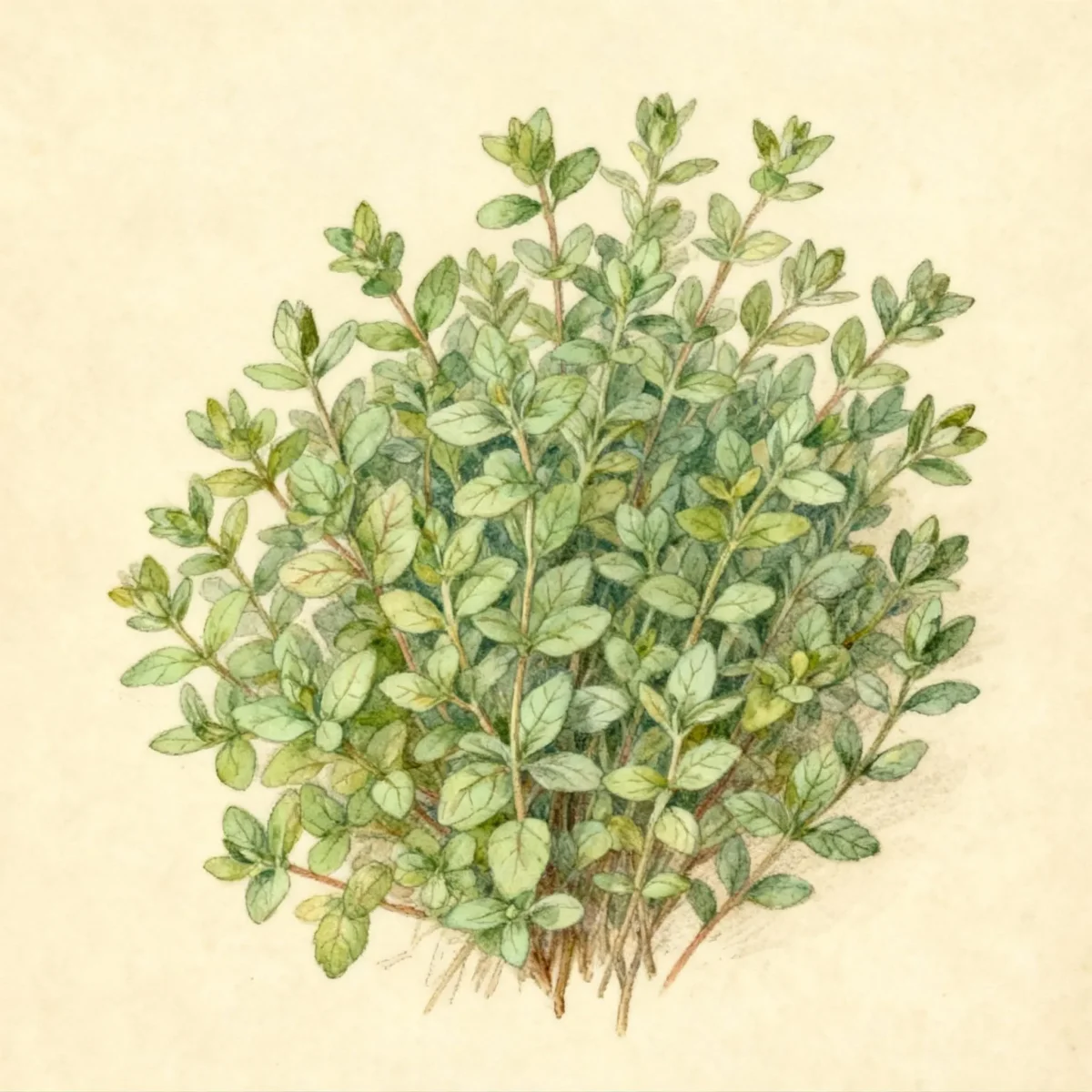
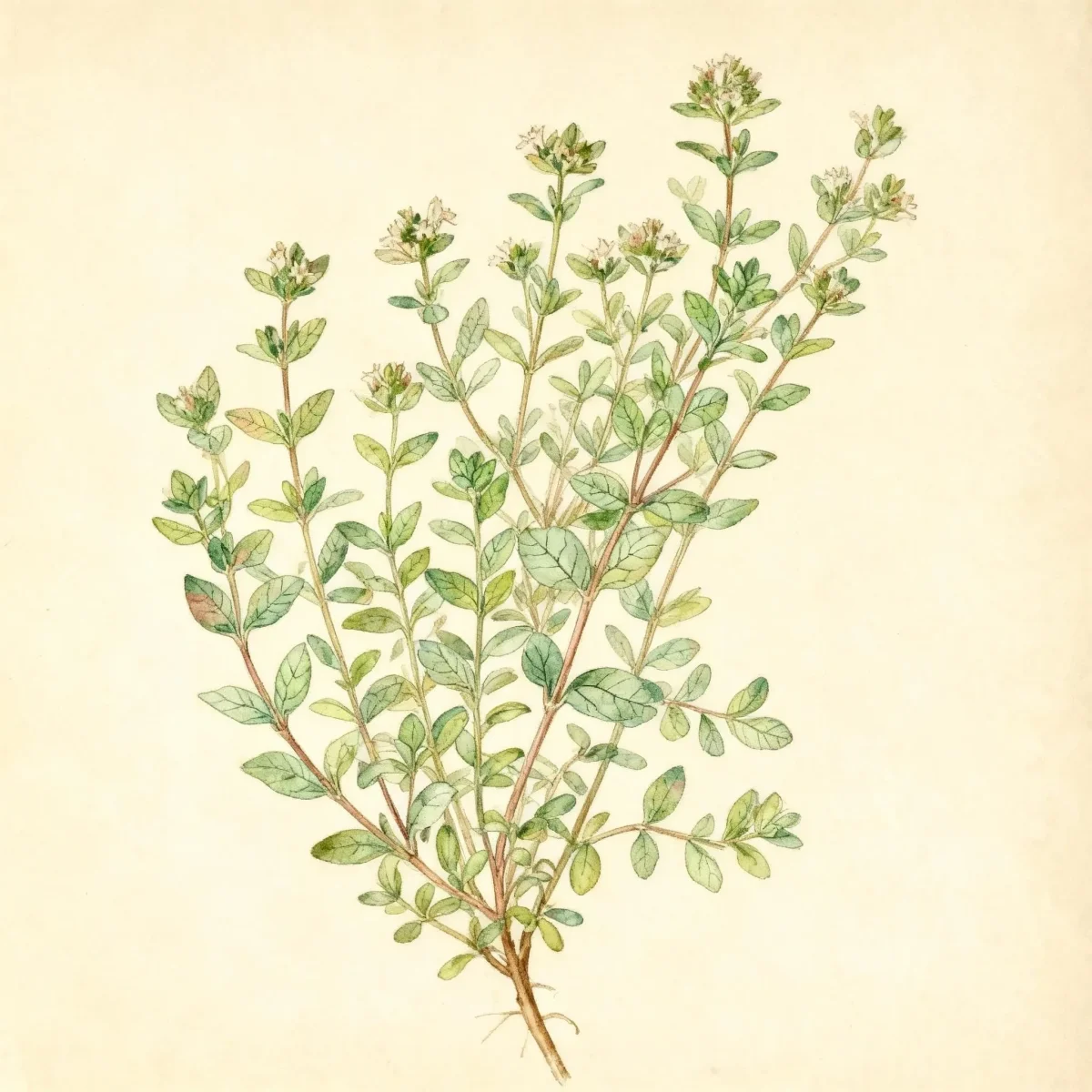
Thymus is a genus of about 350 species of evergreen perennials, shrubs and subshrubs from dry areas of Eurasia. Thymes in the Coccineus Group are creeping, woody based perennials which are primarily used as a ground cover, sometimes called red creeping thyme or mother-of-thyme. They feature numerous, thin, somewhat woody stems forming a flat mat (2-3” tall) with tiny, rounded, glossy blue-green leaves. Clusters of tiny, tubular, deep pink flowers appear in summer, proving highly attractive to bees.
Tolerances
- Deer
- Drought
- Air Pollution
Potential Problems
Root rot presents the most significant threat when growing Thymus (Coccineus Group), occurring specifically when soil remains perpetually moist or poorly drained. To prevent this, adhere strictly to its requirement for dry to medium water needs and avoid overwatering, especially during cooler seasons. Unlike many garden standards, this plant rarely succumbs to serious insect infestations or common diseases, highlighting its robust nature in the correct environment. Good air circulation and avoiding overly fertile soil also contribute to long-term health.
Frequently Asked Questions
What hardiness zones is Wild thyme suitable for?
Thymus (Coccineus Group) is reliably hardy in USDA Zones 5 through 8.
How large does Wild thyme grow?
This diminutive perennial typically reaches only about 0.25 feet tall, with a spread usually ranging between 0.25 to 1 foot wide, forming a very low mat.
When does Wild thyme bloom?
You can expect clusters of deep pink flowers to appear intermittently from June through August, offering sustained summer color.
What sun exposure does Thymus (Coccineus Group) need?
For optimal performance and bloom production, Thymus (Coccineus Group) requires full sun exposure daily.
Conclusion
Thymus (Coccineus Group) is a superior, low-maintenance choice for gardeners seeking textural coverage in bright, dry locations. Its ability to tolerate drought and poor soils makes this Wild thyme a resilient worker in the landscape, delivering vibrant pink blooms across early summer. Assess your garden’s drainage and sunlight levels today; if you have full sun and well-drained soil, incorporate this creeping thyme for fantastic ground cover results.
Wildlife Benefits
As noted, one of the primary benefits of allowing the Coccineus Group to flower undisturbed is the significant draw it provides to beneficial insects. The small, tubular flowers produce nectar highly attractive to various species of bees, making it an excellent addition to pollinator gardens. Plantings of Thymus (Coccineus Group) are often cited as superior bee foraging sources during mid-summer when other blooms may be waning.
Propagation Tips
Propagating Thymus (Coccineus Group) is straightforward due to its creeping, woody stem structure. The most reliable method involves taking stem cuttings in spring or early summer before the plant is in full bloom. Select healthy, pliable sections of stem about two to three inches long, ensuring they have a few sets of leaves. Snip the cutting just below a leaf node, remove the lower leaves, and place the base in rooting hormone before inserting them into a sterile, sandy propagation mix. Keep the mix lightly moist and shaded until roots develop, which is often quicker than root development in many other perennial species.