Violet (Viola 'Rebecca')
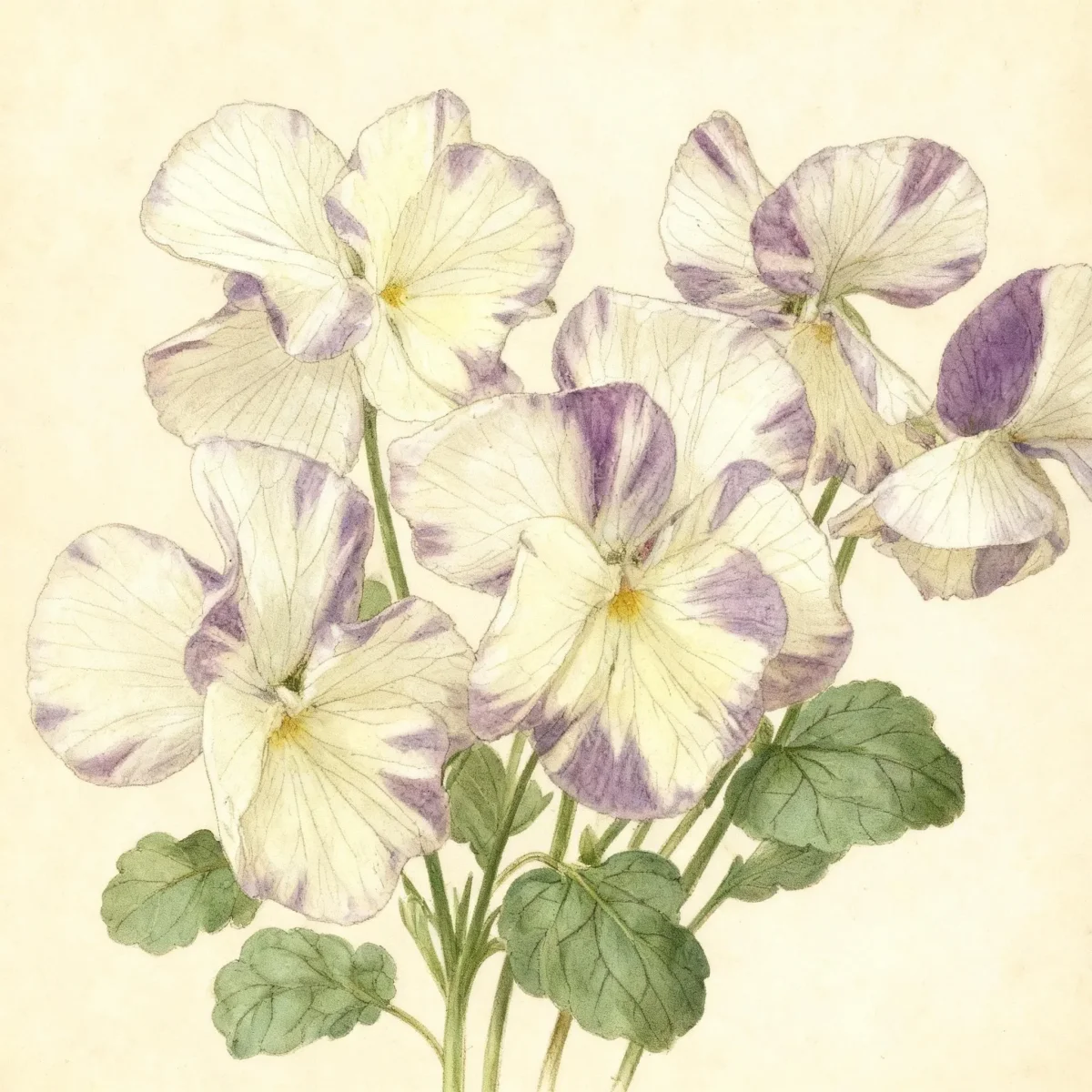
Viola 'Rebecca' is a showy, fragrant Violet ideal for ground cover in partial shade, blooming white/yellow with violet edges.
Scroll down to discover growing tips, care requirements, companion plants, and more
Complete Plant Information
Overview
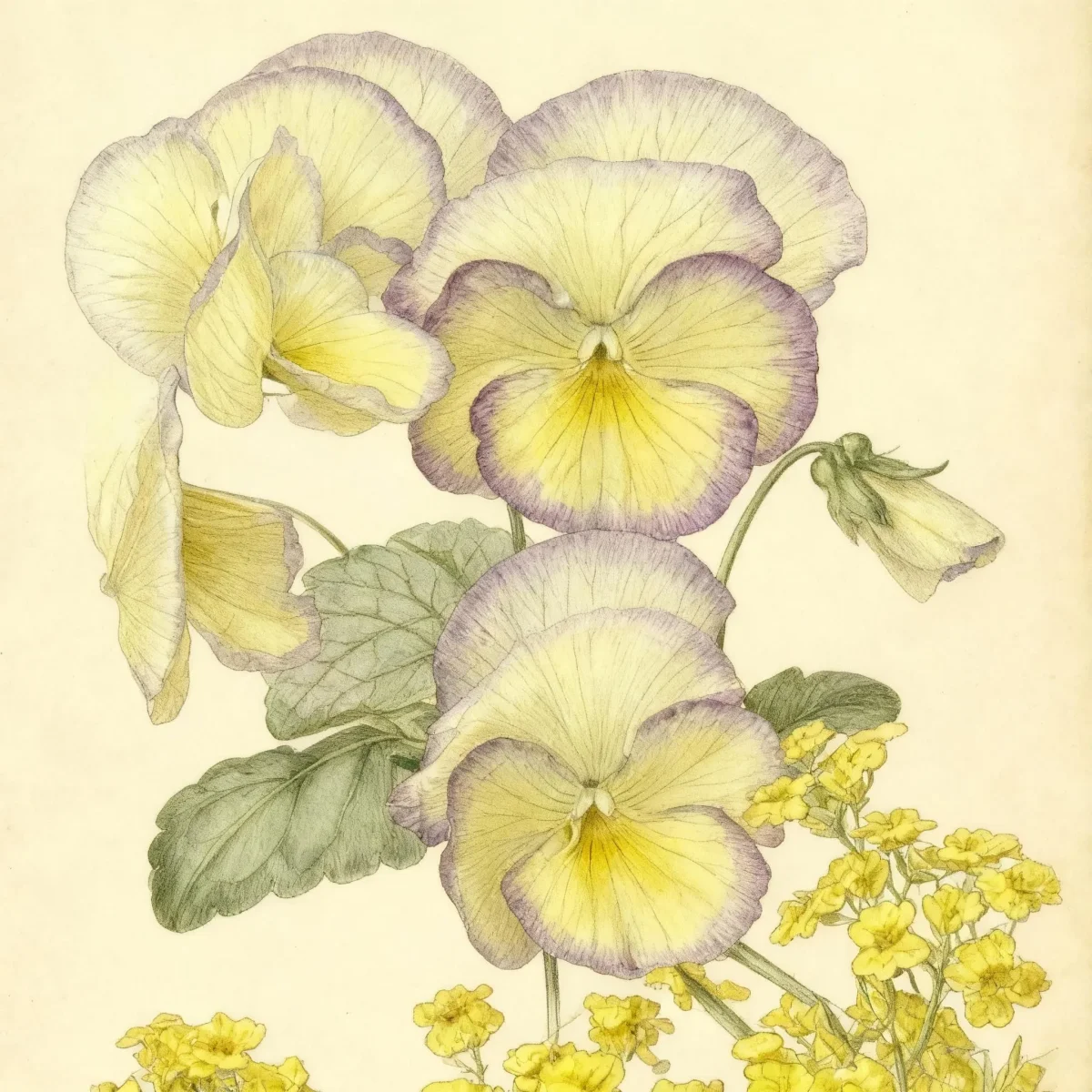
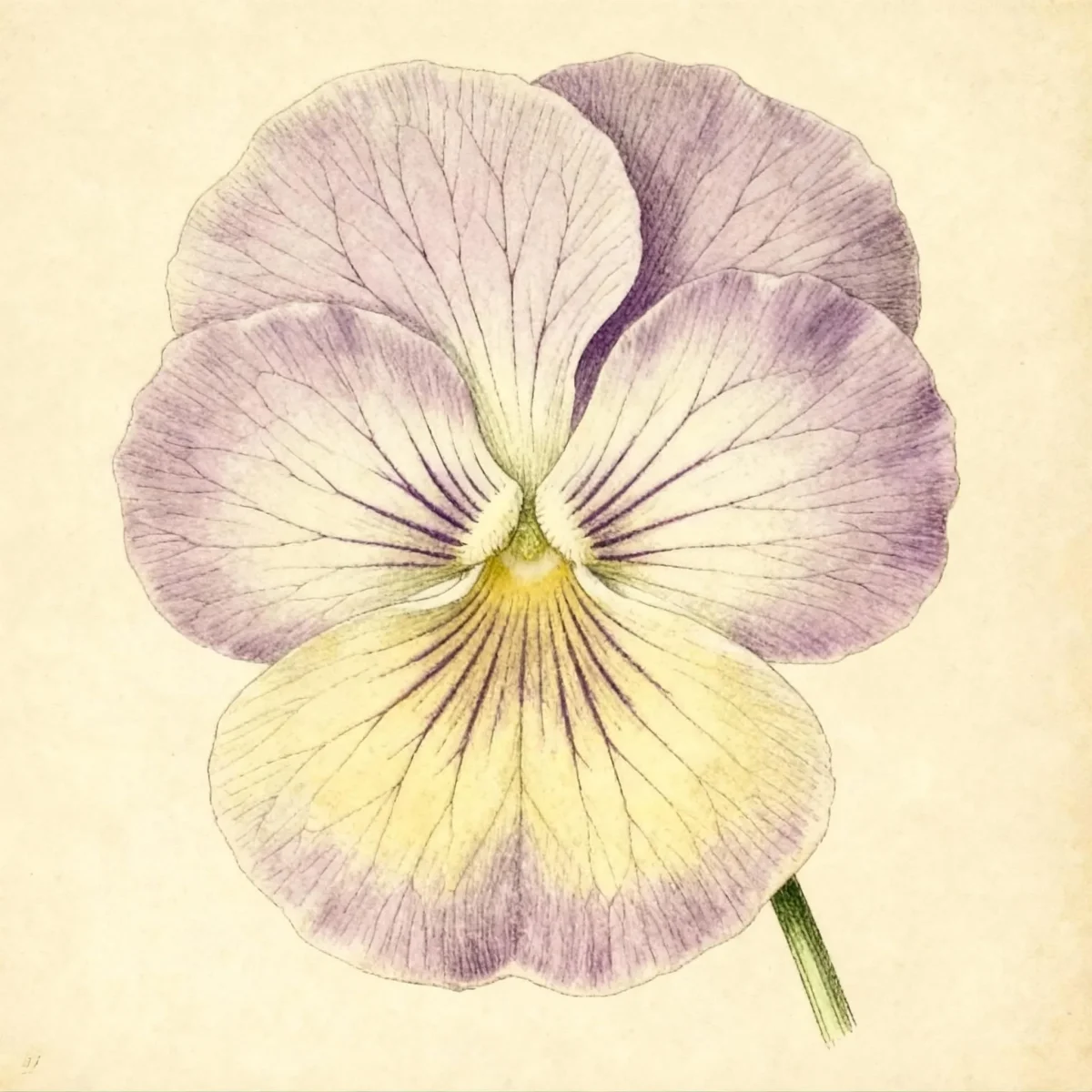
Viola ‘Rebecca’ offers gardeners a charming, low-growing perennial renowned for its delightful spring display. This specific cultivar of Violet creates a dense, attractive ground cover, perfect for softening edges or filling woodland garden spaces. Its appeal lies in the delicate, showy flowers featuring a creamy white base contrasted subtly by marginal flecks of deep violet.
This resilient addition to the garden thrives best when situated where it receives relief from intense afternoon heat. To ensure robust flowering and healthy foliage, Viola ‘Rebecca’ requires consistent moisture and rich, organic soil throughout the growing season. Its manageable size and ability to tolerate heavier shade make it an outstanding textural element.
Though its main flush of color occurs in spring, Viola ‘Rebecca’ may reward patient gardeners with sporadic reblooming throughout the summer months. Whether used as a border front or nestled among shade-loving shrubs, this reliable Violet brings vanilla-like fragrance and dependable low-level coverage.
Fast Facts
- Plant Family: Violaceae
- Plant Type: Herbaceous perennial
- Hardiness Zones: USDA Zones 5-7
- Size at Maturity:
- Height: 0.5-1 ft
- Spread: 0.5-1 ft
- Bloom Time: April to May
- Bloom Description: White and yellow with violet marginal flecks
- Sun Exposure: Part shade to full shade
- Water Needs: Medium
- Maintenance Level: Medium
How to Grow
Planting should ideally occur in spring or early fall when conditions are cooler, allowing the Viola ‘Rebecca’ root system to establish before summer stress. Select a location providing average moisture and well-drained conditions, prioritizing part shade to full shade environments. If you live in a cooler summer climate, this Violet can sometimes tolerate full sun exposure, but always err on the side of afternoon shade in warmer regions.
Care for Viola ‘Rebecca’ involves maintaining medium water needs; the soil should remain consistently moist but never waterlogged. This plant notably prefers organically rich, humusy soils, so incorporating ample compost at planting time is crucial. It is intolerant of drought, so regular supplemental watering may be necessary until established. Fertilization is usually minimal if the soil quality is high.
As a neat ground cover, minimal pruning is required. A light tidying in early spring to remove any winter debris is generally sufficient. Deadheading spent blooms can encourage the sparse summer rebloom that Viola ‘Rebecca’ sometimes offers. Be mindful of its moisture needs going into winter, ensuring the soil does not dry out completely, though the plants established in Zones 5-7 are generally hardy.
Landscape Uses
Viola ‘Rebecca’ excels as a classic ground cover, spreading gradually to form a lush carpet beneath taller plants. It is perfectly suited for woodland gardens where dappled light mimics its natural habitat, or as a refined edging component along shaded pathways. Its low stature makes it an excellent foreground plant in layered shade borders, providing rich color right at the edge.
Consider pairing the charming white and yellow flowers of Viola ‘Rebecca’ with ferns, hostas, or bleeding hearts (Dicentra). These companions share similar moisture and shade requirements, creating a harmonious tapestry of textures throughout the season. Its use as ground cover helps suppress weed growth while providing visual interest where lawn grass struggles to thrive due to heavy shade.
For rock gardens, Viola ‘Rebecca’ spills beautifully over retaining walls or between stones, offering a softer texture against hardscaping. Even in shaded containers used on porches or patios, this Violet provides season-long performance, though container soil will require slightly more diligent watering.
Standout Features
Flower Qualities
- Showy
- Fragrant
Noteworthy Characteristics
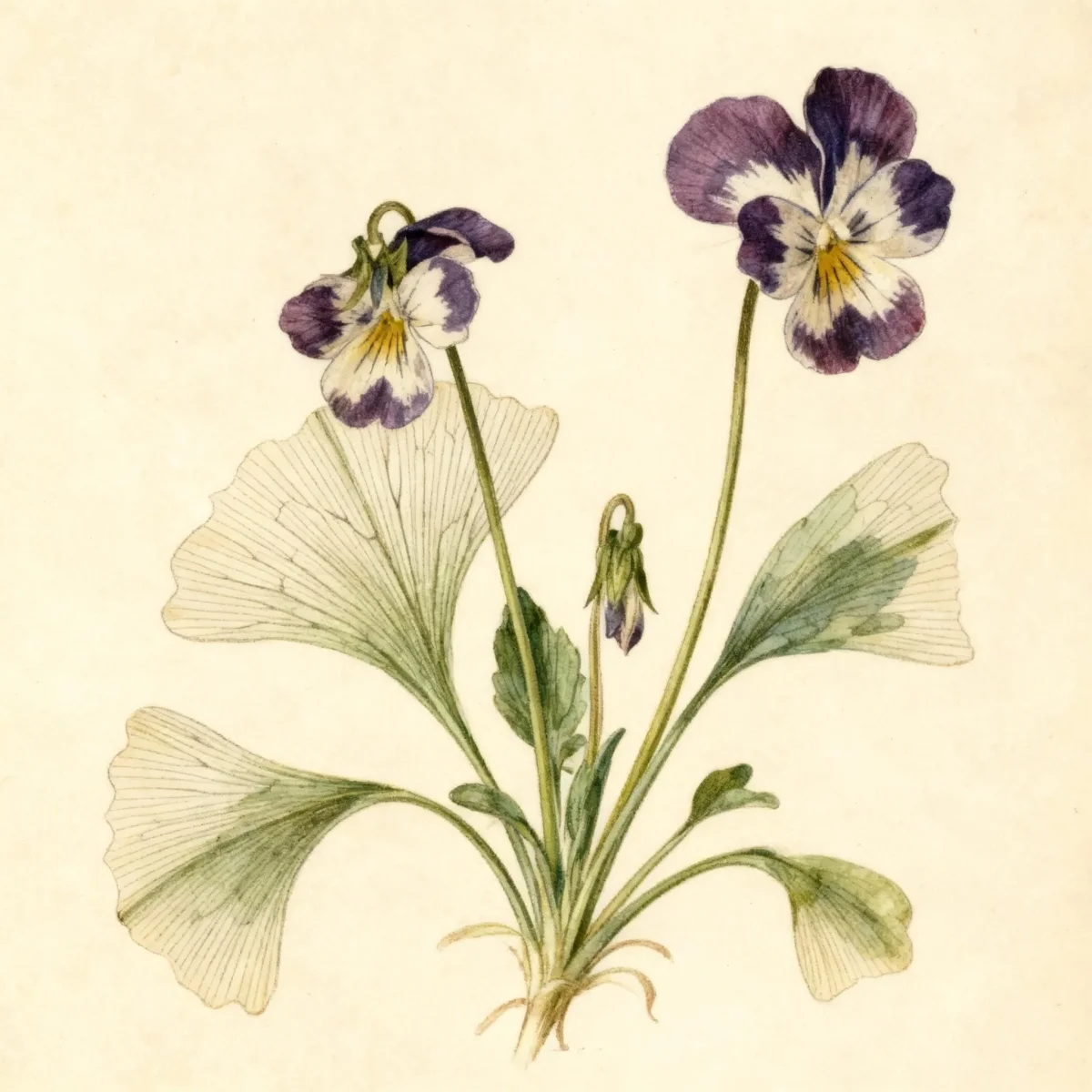
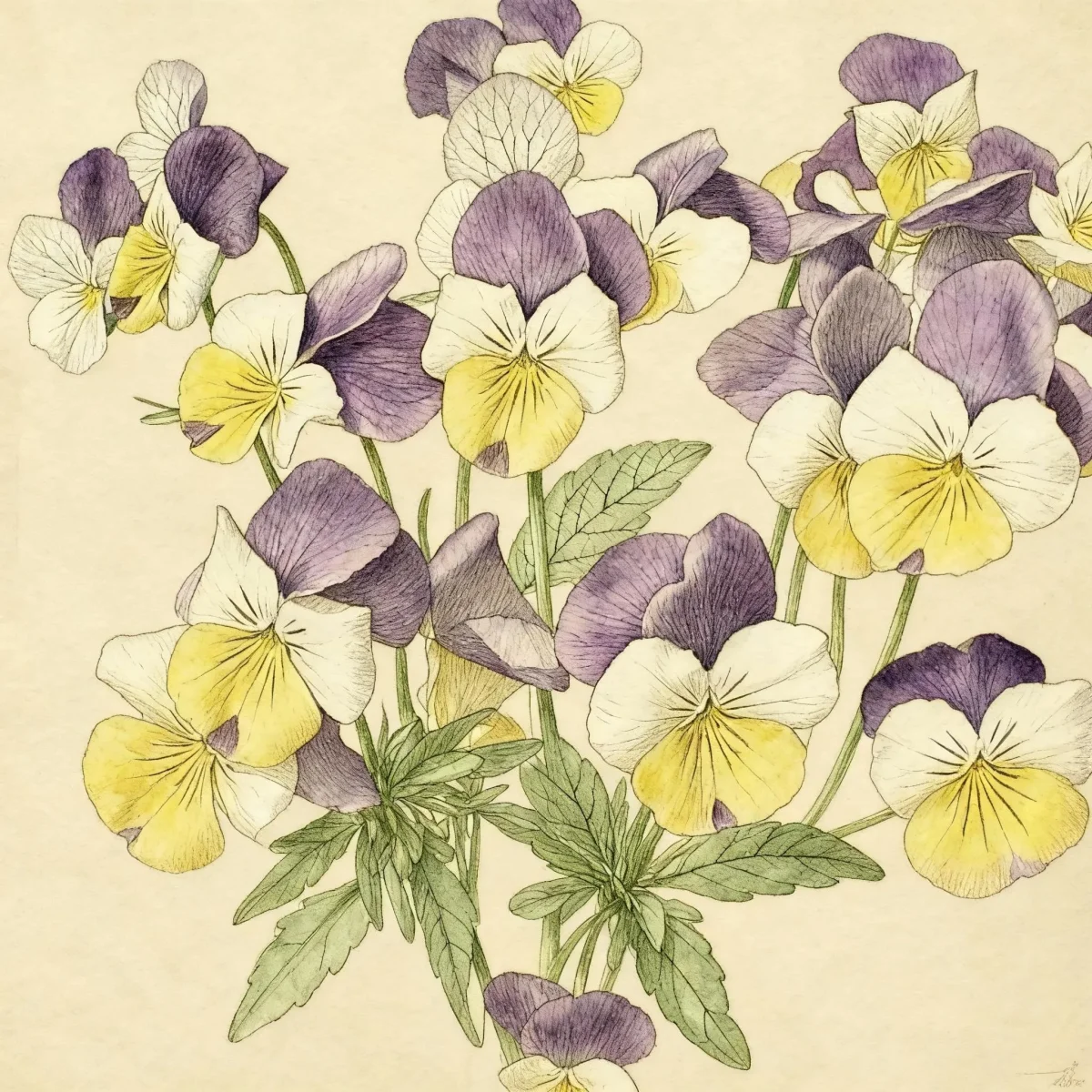
Viola is a genus of about 500 species found worldwide in temperate areas. Many hybrids have been made for their showy flowers.Genus name comes from the Latin name for various sweet-scented flowers. ‘Rebecca’ is a low-growing perennial which spreads to form an attractive ground cover (8-10” tall) of oval, dark green leaves. Features white and creamy yellow violets with flecks of deep violet around the petal edges. Lines are absent from the petal bases, and a distinct vanilla-like fragrance is often noted.
Tolerances
- Deer
- Heavy Shade
Potential Problems
Viola ‘Rebecca’ generally displays excellent vigor, reporting no serious insect or disease problems under ideal cultural conditions. The primary concern revolves around moisture management; avoid planting in areas that dry out rapidly during summer heatwaves, as this stresses the plant significantly. Ensure good air circulation remains around the foliage, especially in humid environments, to prevent minor fungal issues that can arise from persistently wet, stagnant conditions.
Frequently Asked Questions
What hardiness zones is Violet suitable for?
Viola ‘Rebecca’ is suitable for USDA Hardiness Zones 5 through 7. Ensure your location falls within this range for optimal perennial survival.
How large does Viola ‘Rebecca’ grow?
This perennial typically reaches a manageable height between 0.5 and 1 foot tall, with a spread of 0.5 to 1 foot, making it an excellent low-growing form.
What sun exposure does Viola ‘Rebecca’ need?
This Violet prefers part shade to full shade conditions, especially appreciating protection from the hottest afternoon sun.
When does Violet bloom?
The peak blooming time for Viola ‘Rebecca’ is typically from April to May, presenting distinctive white and yellow flowers marked with violet marginal flecks.
Conclusion
Viola ‘Rebecca’ is a highly valued, low-maintenance plant offering delicate fragrance and beautiful, speckled blooms perfect for shady garden retreats. Incorporating this versatile Violet into your landscape plan provides dependable ground cover underneath the canopy. Before ordering, confirm your USDA hardiness zone aligns with the 5 to 7 range required for healthy, long-term growth of Viola ‘Rebecca’.
Companion Planting for Shade Gardens
When planning a woodland or shaded border, selecting companions that share the moisture and light needs of Viola ‘Rebecca’ is key. Consider using shade-loving woodland phlox (Phlox divaricata) which blooms around the same time, offering a complementary mass of blue or lavender color near the ground. Larger, architectural plants, such as Hosta cultivars or Japanese Painted Ferns, provide necessary contrast in leaf texture and size against the small, neat foliage of the Violet. Pairing these species ensures a layered, visually interesting display throughout the growing season.
Seasonal Care Guide for Violas
Successful cultivation of Viola ‘Rebecca’ relies on attentive seasonal care focused on moisture retention. In early spring, top-dress the soil around the plants with a few inches of compost; this enriches the humusy soil structure the plant prefers and helps retain cool moisture. During dry summer spells, monitor watering closely, as this perennial is intolerant of drought; deep, infrequent watering is better than shallow daily sprinkles. In the fall, after the sporadic summer bloom concludes, a light clean-up of spent foliage is beneficial, but avoid heavy pruning as this prepares the crown for winter dormancy within its established hardiness zones.