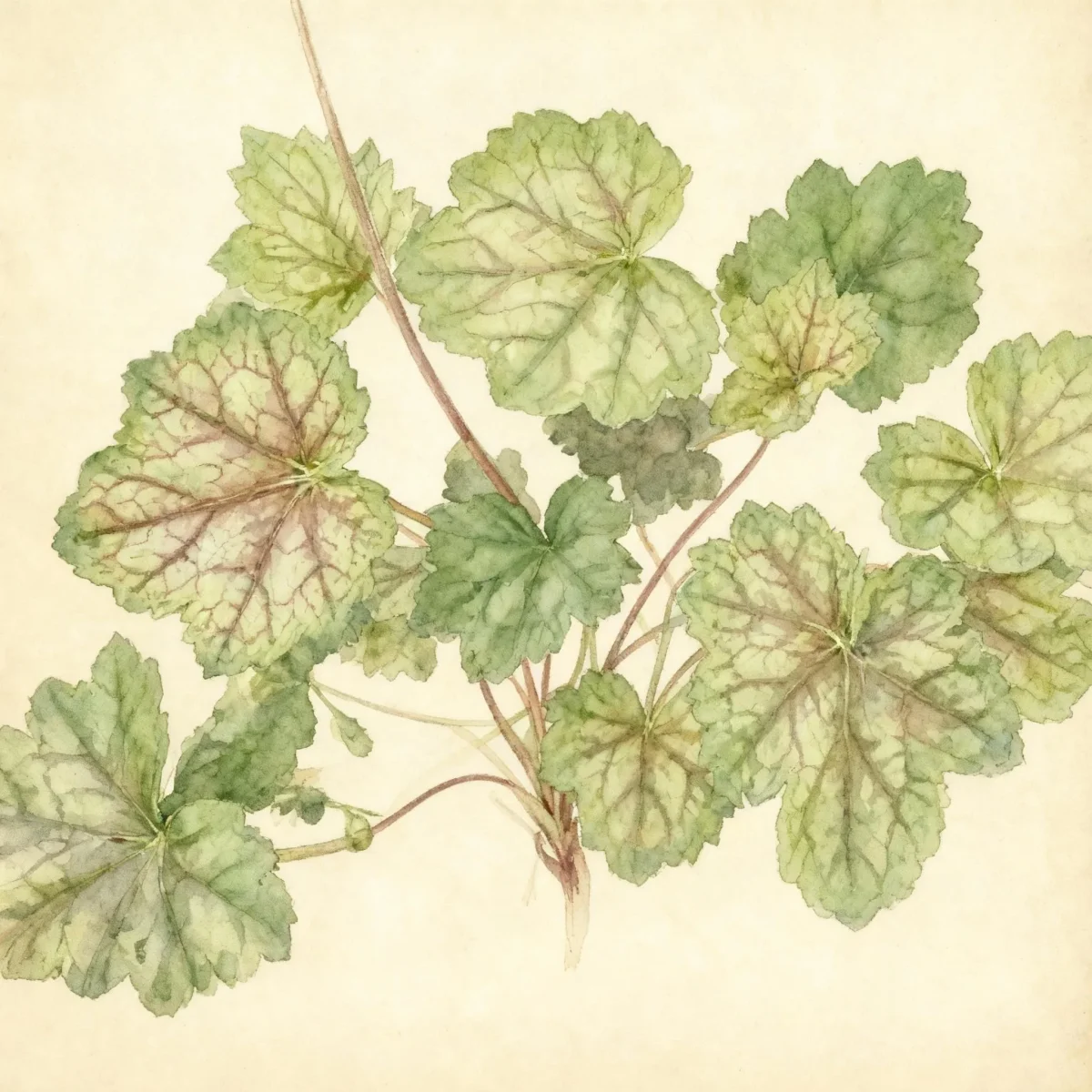
Coral bells (Heuchera 'Regina')
Heuchera 'Regina' offers pink blooms and structural foliage, making these Coral bells a versatile medium-maintenance perennial for zones 3-8.
Scroll down to discover growing tips, care requirements, companion plants, and more
Complete Plant Information
Overview
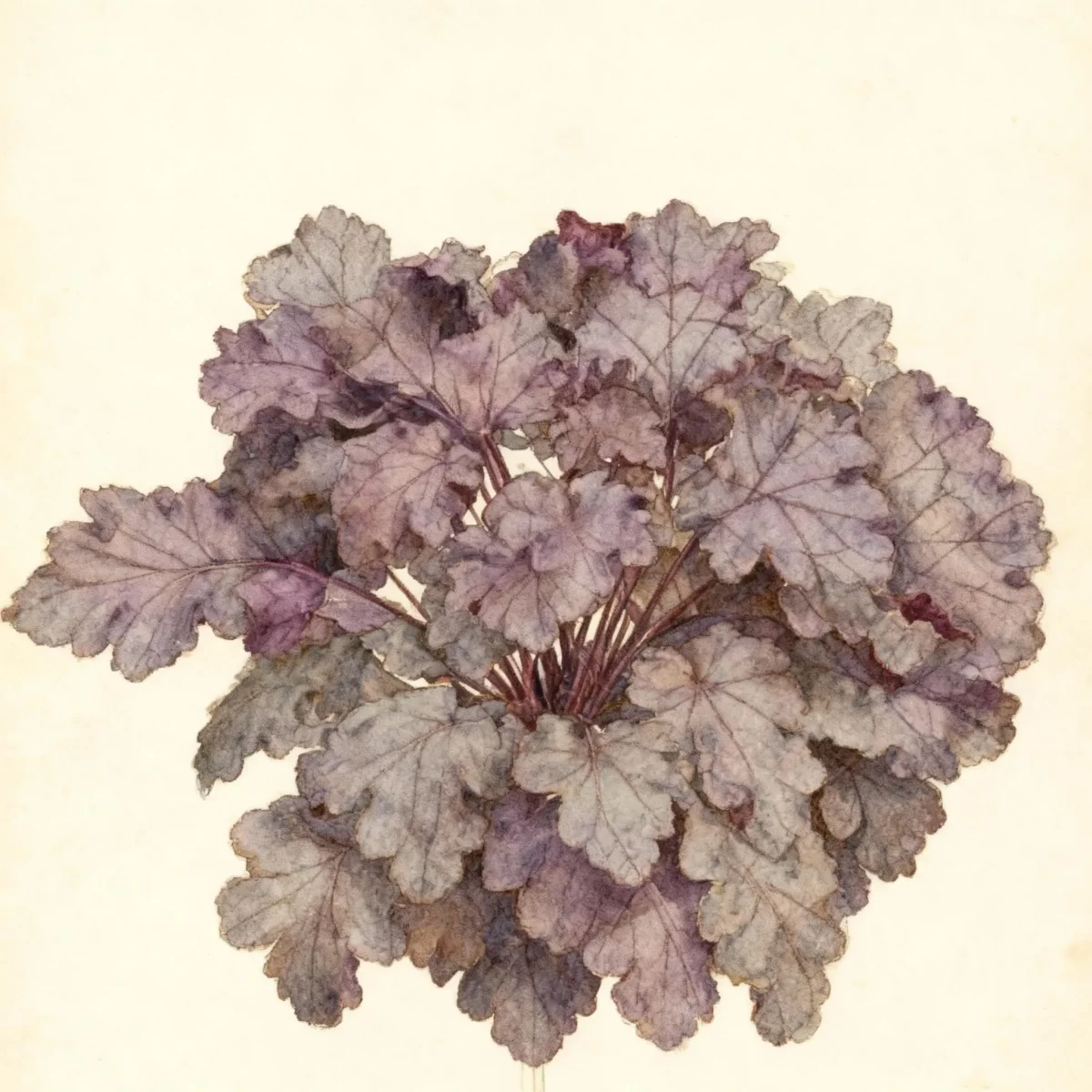
Heuchera ‘Regina’, commonly known as Coral bells, is a highly valued herbaceous perennial prized for its reliable clump-forming habit and extended foliage interest. This specific cultivar contributes a vibrant touch to shaded or partially sunny borders throughout the growing season. As a hybrid, Heuchera ‘Regina’ benefits from the diverse parentage common in modern Coral bells, offering robust performance.
Growing to a manageable size, this perennial fits perfectly into defined garden spaces without becoming overwhelming. Its relatively low footprint makes it an excellent choice for edging or mass plantings where its fine texture can contrast nicely with broader-leaved plants. Gardeners appreciate this plant for its adaptability, provided its moisture needs are consistently met.
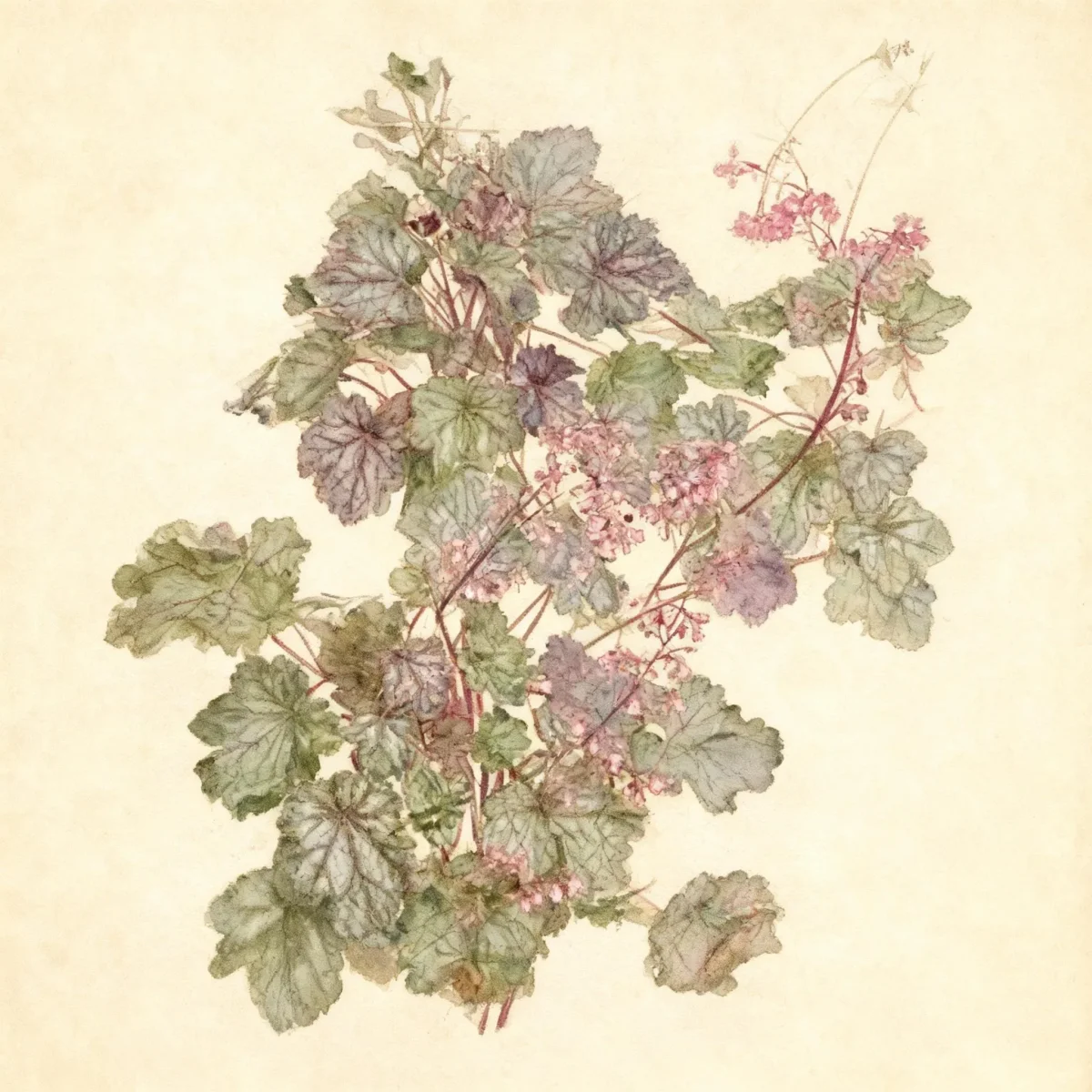
The delicate pink blooms that emerge in early summer add vertical interest, rising above the main foliage mound. For gardeners seeking dependable color and texture that bridges the gap between spring ephemerals and late-season bloomers, Heuchera ‘Regina’ is an outstanding selection. Utilizing this cultivar ensures structure and subtle beauty in mixed plantings across USDA zones 3 through 8.
Fast Facts
- Plant Family: Saxifragaceae
- Plant Type: Herbaceous perennial
- Hardiness Zones: USDA Zones 3-8
- Size at Maturity:
- Height: 1.5-2 ft
- Spread: 1-1.5 ft
- Bloom Time: June to July
- Bloom Description: Pink
- Sun Exposure: Full sun to part shade
- Water Needs: Medium
- Maintenance Level: Medium
How to Grow
The ideal setting for Heuchera ‘Regina’ involves planting in organically rich, humusy soil that maintains medium moisture levels and offers excellent drainage. While the species often prefer part shade, this hybrid may tolerate full sun, especially in cooler northern climates, provided consistent watering is maintained. Plants in full sun settings are more susceptible to foliage scorch and decline if the soil dries out.
Care during the growing season centers on consistent moisture management. Avoid letting the soil fully dry, as this causes significant stress to the foliage of your Coral bells. Minimal fertilization is usually required unless the soil is extremely poor. Pruning involves removing the spent flower stems after they fade to encourage any potential rebloom and maintain a tidy appearance, though this is not strictly essential for plant health.
Winter preparation is crucial, particularly in regions experiencing freeze-thaw cycles, which can cause root heaving. Apply a layer of winter compost mulch after the ground freezes solid to stabilize the crowns. Every three to four years, plan to divide established clumps in the spring to rejuvenate the plant and manage its size, keeping the Heuchera ‘Regina’ vibrant and healthy for years to come.
Landscape Uses
Coral bells, including cultivars like Heuchera ‘Regina’, are incredibly versatile foundation plants for designed landscapes. They excel when massed together to create drifts of texture beneath deciduous trees or along the margins of woodland gardens where they receive filtered light. Their tidy, mounding habit makes them superior edgers, providing a neat, low barrier along paths, walkways, or the front of perennial borders.
Consider pairing Heuchera ‘Regina’ with plants requiring similar cultural conditions, such as Hellebores for early spring interest or Hostas and Ferns where deep shade is present. In rock gardens, their structural presence offers a welcome contrast against stone textures. Because they maintain semi-evergreen foliage in warmer zones, they are excellent for blending seasonal displays together.
The delicate pink bell-shaped flowers provide a light counterpoint to the dense foliage mound. Use Heuchera ‘Regina’ to define transitions between lawn areas and garden beds, ensuring the soil remains well-drained to support this species of Alum root.
Standout Features
Flower Qualities
- Showy
Noteworthy Characteristics
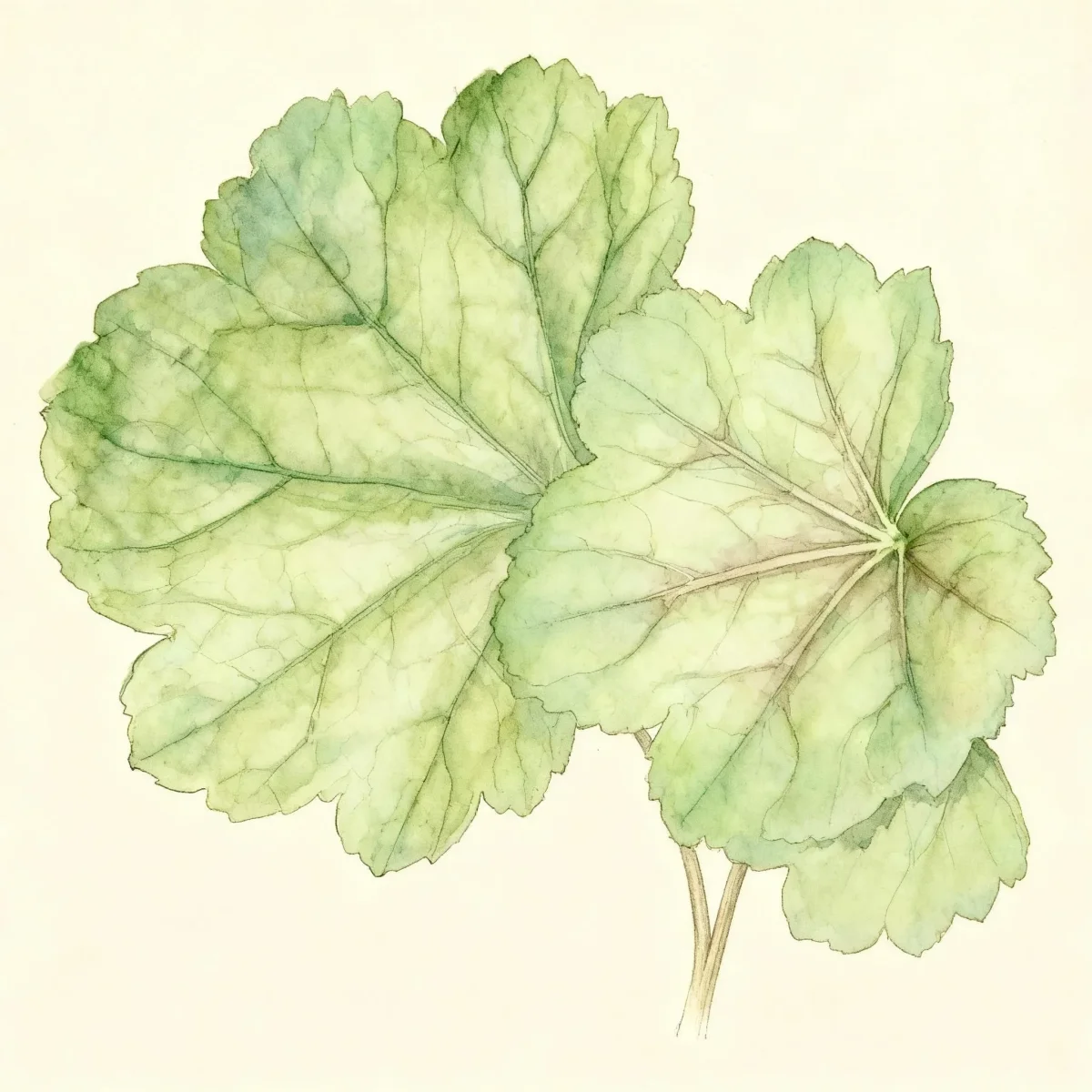
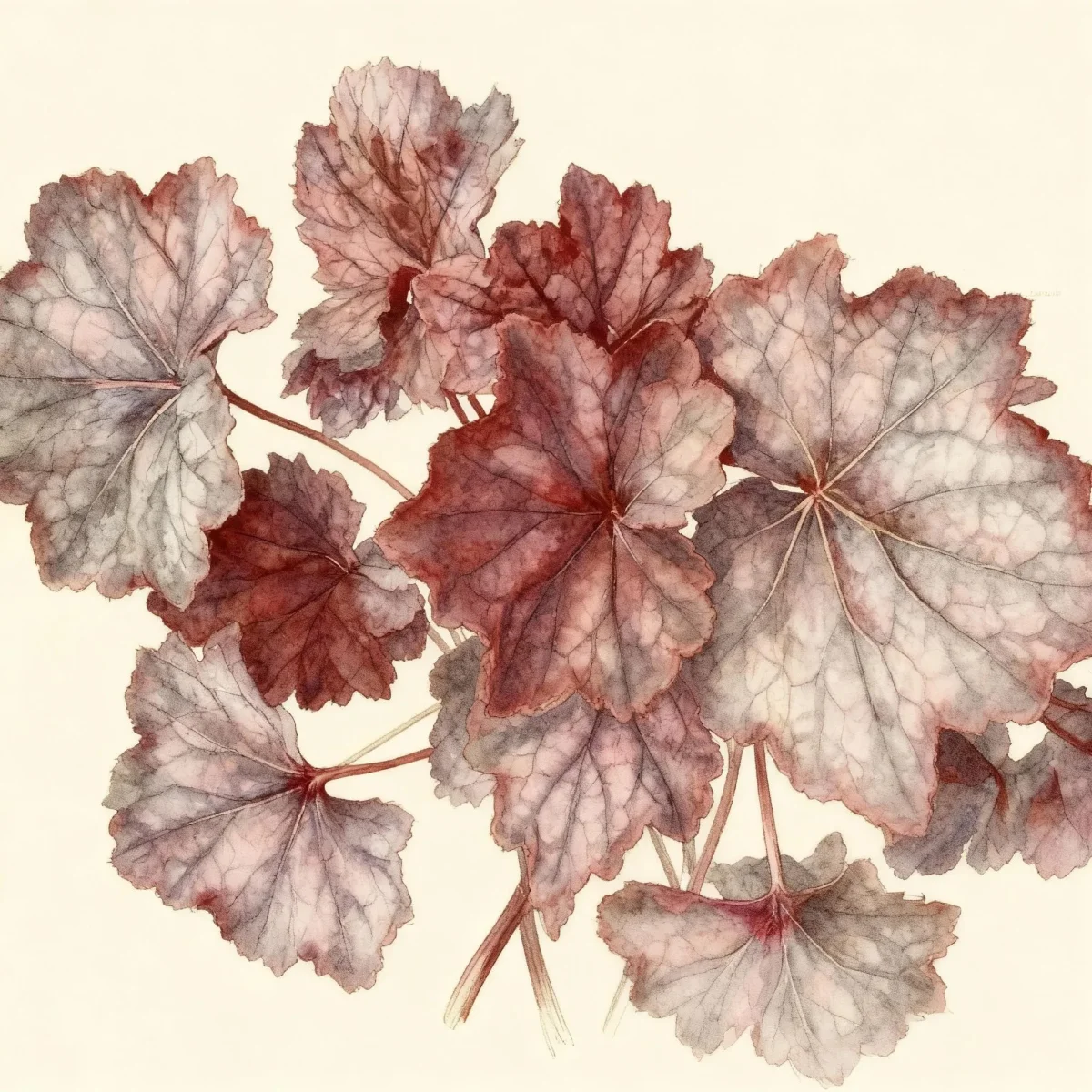
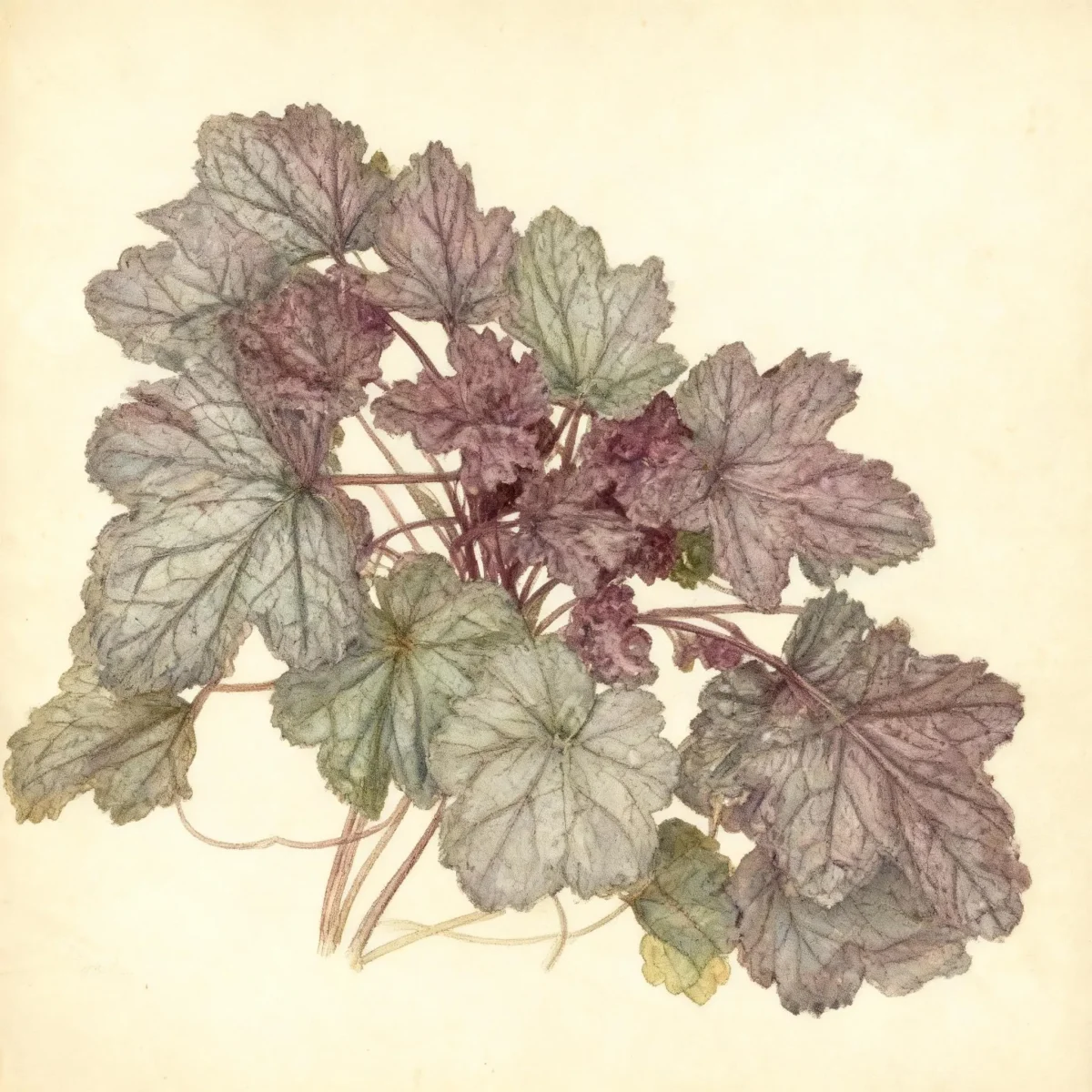
Heuchera, commonly called coral bells or alumroot, is a genus of about 55 evergreen to semi-evergreen herbaceous perennials native across North America, thriving in habitats ranging from woodlands to rocky cliffs. Modern hybrids like Heuchera ‘Regina’ showcase expanded color palettes in their foliage, often featuring streaked, mottled, or marbled variegations over rich leaf structures. The tiny, pink, bell-shaped flowers appear on airy panicles rising above the main mound, adding subtle vertical accenting during the summer months.
Tolerances
- Potential disease problems include powdery mildew, rust, and bacterial leaf spot.
- Potential insect problems include weevils and foliar nematodes.
Potential Problems
Frost heaving is a primary cultural concern for Heuchera ‘Regina’ where winter temperatures fluctuate widely, potentially pushing the crown out of the soil. To mitigate this risk, apply a compost mulch only after the ground has frozen completely solid in late fall. This insulating layer helps maintain consistent soil temperatures around the roots.
Disease management requires diligence regarding air circulation and soil moisture. Fungal issues such as powdery mildew, rust, and bacterial leaf spot can develop, particularly in overly damp or humid conditions. Ensuring the planting site has good air movement and avoiding overhead watering, especially late in the day, minimizes pathogen opportunities. Watch for pests like weevils, addressing localized infestations promptly.
Frequently Asked Questions
What hardiness zones is Coral bells suitable for?
Heuchera ‘Regina’ is suitable for USDA Zones 3 through 8, offering reliable perennial performance across a wide range of North American climates.
How large does Coral bells grow?
This cultivar typically reaches a height between 1.5 and 2 feet, spreading between 1 and 1.5 feet wide, forming a dense, manageable mound.
What sun exposure does Heuchera ‘Regina’ need?
Heuchera ‘Regina’ thrives in full sun to part shade conditions, though afternoon shade is recommended in hotter southern regions to protect the foliage quality.
When does Coral bells bloom?
The Coral bells bloom period for Heuchera ‘Regina’ is generally from June to July, featuring delicate pink flowers.
Conclusion
The Heuchera ‘Regina’ provides essential structure and refined color interest through both its foliage and its airy pink summer blooms. This cultivar of Coral bells is a cornerstone for sophisticated shade to partial-sun plantings due to its manageable size and relatively low risk profile when cultural needs are met. Before planting, confirm that your chosen location offers the rich, well-drained soil and consistent moisture required for this beautiful perennial to thrive.
Design Ideas
When incorporating Heuchera ‘Regina’ into mixed containers, use it as a “thriller” or “filler,” allowing its mounding form to anchor colorful annuals or trailing edibles. In ground settings, its 1.5 to 2-foot height provides a perfect mid-layer in a mixed border, sitting behind low groundcovers but in front of taller shrubs or ornamental grasses. The texture of the foliage creates excellent contrast against fine-textured ornamental grasses or broad-leaved woodland companions.
Avoid planting Heuchera ‘Regina’ in perpetually wet areas, as standing water is the fastest way to invite fungal issues or root rot. While the parentage of many hybrids is unknown, the general preference leans toward well-amended soil that mimics a woodland floor, rich in organic matter and protected somewhat from the scorching midday sun in southern zones.
Companion Planting
Companion planting with Heuchera ‘Regina’ should focus on species that share a preference for moist, humusy soil and partial shade, although cultivars that tolerate more sun can handle brighter conditions. Good neighbors include Astilbe, which offers fine texture and contrasting plumes, or woodland natives like Tiarella (Foamflower) and Hosta varieties that provide large, bold leaves. These combinations enhance garden design by layering textures and bloom times effectively.