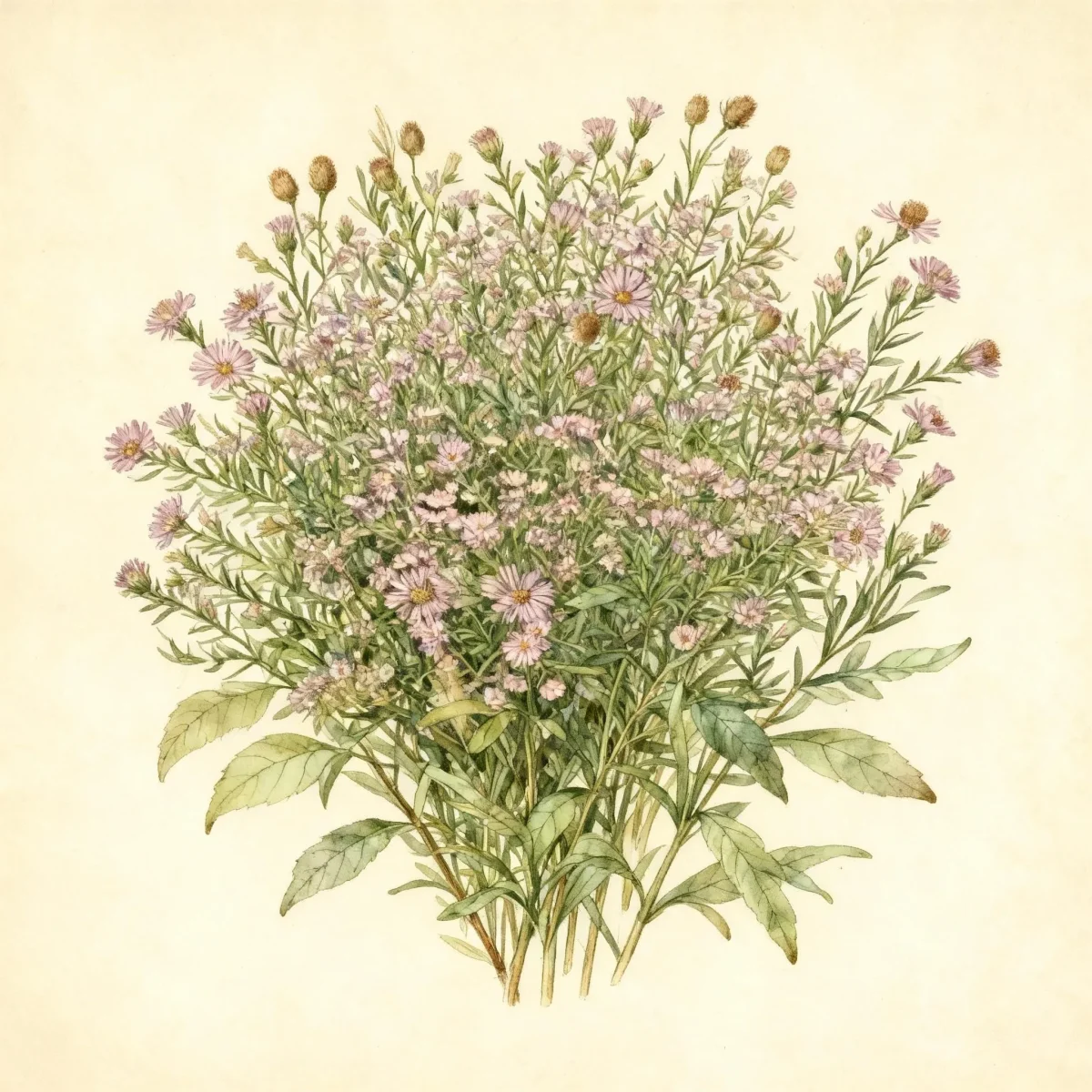
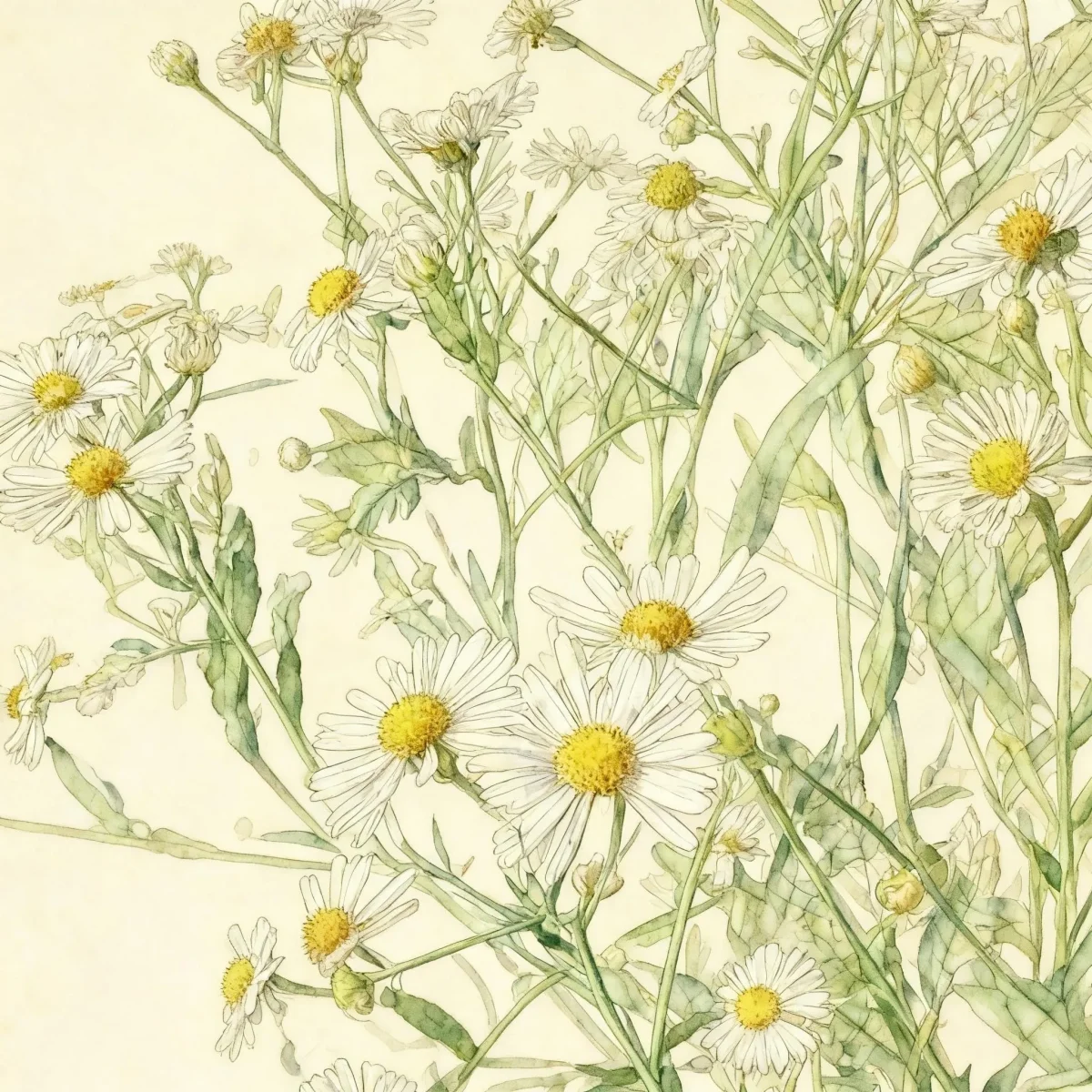
Tatarian aster (Aster tataricus 'Jindai')
Aster tataricus 'Jindai' (Tatarian aster) is a robust, late-blooming perennial offering deep lavender flowers in autumn. Hardy zones 4-8.
Scroll down to discover growing tips, care requirements, companion plants, and more
Complete Plant Information
Overview
The sturdy and late-blooming Tatarian aster, Aster tataricus ‘Jindai’, provides crucial late-season color when most other perennials are fading. This cultivar is highly valued for its reliability and the vibrant display of purple rays and yellow centers it offers from September into October. Gardeners rely on this plant for structure and a final burst of pollinator activity before winter sets in.
Aster tataricus ‘Jindai’ is notable for remaining relatively compact while retaining the strong stems typical of the species, seldom requiring support if sited correctly. Its distinctive foliage—large, paddle-shaped basal leaves—gives it presence even before the flowers emerge, providing excellent texture in the border. This robust herbaceous perennial establishes quickly in suitable conditions.
Adding the Tatarian aster to your landscape ensures excellent late-season appeal for both you and visiting butterflies. Its strong habits make Aster tataricus ‘Jindai’ an invaluable addition to autumnal garden designs, offering reliable performance year after year in appropriate climates.
Fast Facts
- Plant Family: Asteraceae
- Plant Type: Herbaceous perennial
- Hardiness Zones: USDA Zones 4-8
- Size at Maturity:
- Height: 3-4 ft
- Spread: 2-3 ft
- Bloom Time: September to October
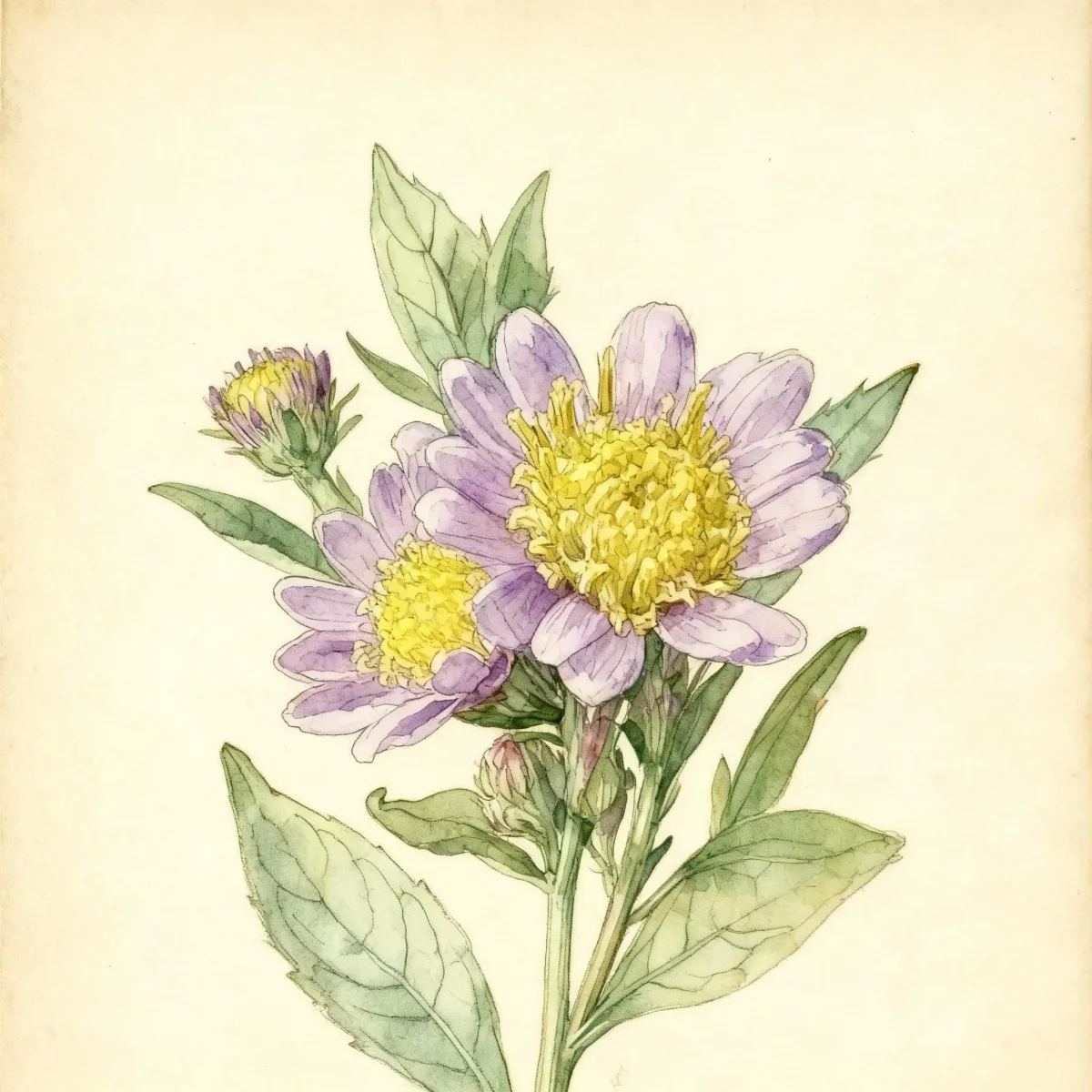
- Bloom Description: Purple rays and yellow centers
- Sun Exposure: Full sun
- Water Needs: Medium
- Maintenance Level: Medium
How to Grow
Plant Aster tataricus ‘Jindai’ in the spring or early fall in average, medium, well-drained soils. Successful cultivation depends heavily on providing full sun, which ensures strong stems and dense bud set, minimizing the need for staking. While adaptable, good drainage is essential to prevent root issues over the perennial’s lifespan.
Care for established Tatarian aster is straightforward. Water moderately, supplying supplemental moisture during extended dry spells, especially while the plant is setting buds. Fertilizing is usually unnecessary, but top-dressing with compost in spring can maintain vigor. Deadheading spent blooms is optional but can tidy the appearance toward the end of the season.
The primary cultural consideration for this plant is management of its spread. Plants can spread aggressively by rhizomes in optimum growing conditions, so dividing the clumps every 3-4 years is recommended to maintain garden aesthetics and control size. Pruning back in early spring or pinching stem tips mid-summer is rarely required for the ‘Jindai’ cultivar unless growing conditions are exceptionally rich.
Landscape Uses
The primary recommendation for Tatarian aster is using it as a component for naturalizing areas or establishing impactful wildflower gardens. Its height and late-season bloom make Aster tataricus ‘Jindai’ an ideal anchor plant for the very back of the mixed perennial border. Use it to transition between formal beds and more informal meadow settings.
When placing Tatarian aster, consider its height (up to 4 ft) and ensure it doesn’t shade out smaller companions. In border designs, pair it with mid-summer bloomers that fade before the aster begins, allowing for sequential color throughout the season. Its dense structure pairs well visually with ornamental grasses that offer contrasting texture in the autumn.
Standout Features
Flower Qualities
- Showy
Noteworthy Characteristics
Aster tataricus, commonly called tatarian aster, is an erect, tall-growing species (to 6’) which seldom requires staking. Distinctive paddle-shaped, lower leaves are up to 24” long and 6” wide, but leaves are significantly smaller in size higher up on the plant. Small but abundant flowers (to 1” across) with deep lavender to blue rays and yellow centers appear in flat-topped clusters in autumn. A late blooming aster that still looks fresh at time of first frost. Genus name comes from the Latin word aster meaning star for the shape of the flowers. ‘Jin-Dai’ is a compact tartarian aster cultivar typically growing 3-4’ tall, discovered at the Jin-Dai Botanical Garden in Tokyo, Japan.
Tolerances
(No data provided)
Potential Problems
This plant exhibits excellent resistance, showing no serious insect or disease problems under normal culture. Staking may become necessary only if the vigorous Tatarian aster is grown in overly moist, fertile soils, which can lead to weaker stems. Fortunately, the ‘Jindai’ cultivar seldom needs summer pinching to control height or staking as long as it is positioned correctly in full sun. Monitor for slugs or mildew if air circulation is poor, though major issues are rare.
Frequently Asked Questions
What hardiness zones is Tatarian aster suitable for?
Aster tataricus ‘Jindai’ is reliably hardy across USDA Zones 4 through 8.
How large does Tatarian aster grow?
This perennial typically reaches a height between 3 and 4 feet, with a spread of 2 to 3 feet at maturity.
When does Tatarian aster bloom?
This robust aster provides color from September through October, featuring masses of purple rays and bright yellow centers.
What sun exposure does Aster tataricus ‘Jindai’ need?
This plant requires full sun exposure to thrive, ensuring sturdy growth and abundant fall blooms.
Conclusion
The Aster tataricus ‘Jindai’ cultivar stands out as a durable, late-to-bloom powerhouse, delivering reliable color when summer gardens wane. Its compact nature and attractive flowers ensure that the Tatarian aster remains a staple for autumn interest and pollinator support. Confirm that your garden offers full sun and well-drained soil, and plan to divide clumps every few years for optimal health.
Companion Planting
When designing a space for Tatarian aster, select companions that fill the mid-season gap or complement its late structure. Good companions include Japanese Anemones, which bloom slightly earlier, or tall Sedums like ‘Autumn Joy’, which offer contrasting flower texture. Always ensure that companion plants share similar needs for full sun and medium moisture levels.
Consider using shorter grasses, such as Sporobolus heterolepis (Prairie Dropseed), towards the front of the aster grouping. These grasses help soften the lower portion of the Tatarian aster foliage while providing movement that contrasts nicely with the sturdier stems of the aster. Success in companion planting relies on layering heights effectively.
Wildlife Benefits
As a key late-season source of nectar, Aster tataricus ‘Jindai’ provides vital fuel for migrating Monarch butterflies and local beneficial insects gearing up for winter. Planting large drifts of this Tatarian aster variety creates a powerful beacon for pollinators late in the gardening year. Its dense structure also offers minor cover for small beneficial insects seeking shelter before the first hard frost.