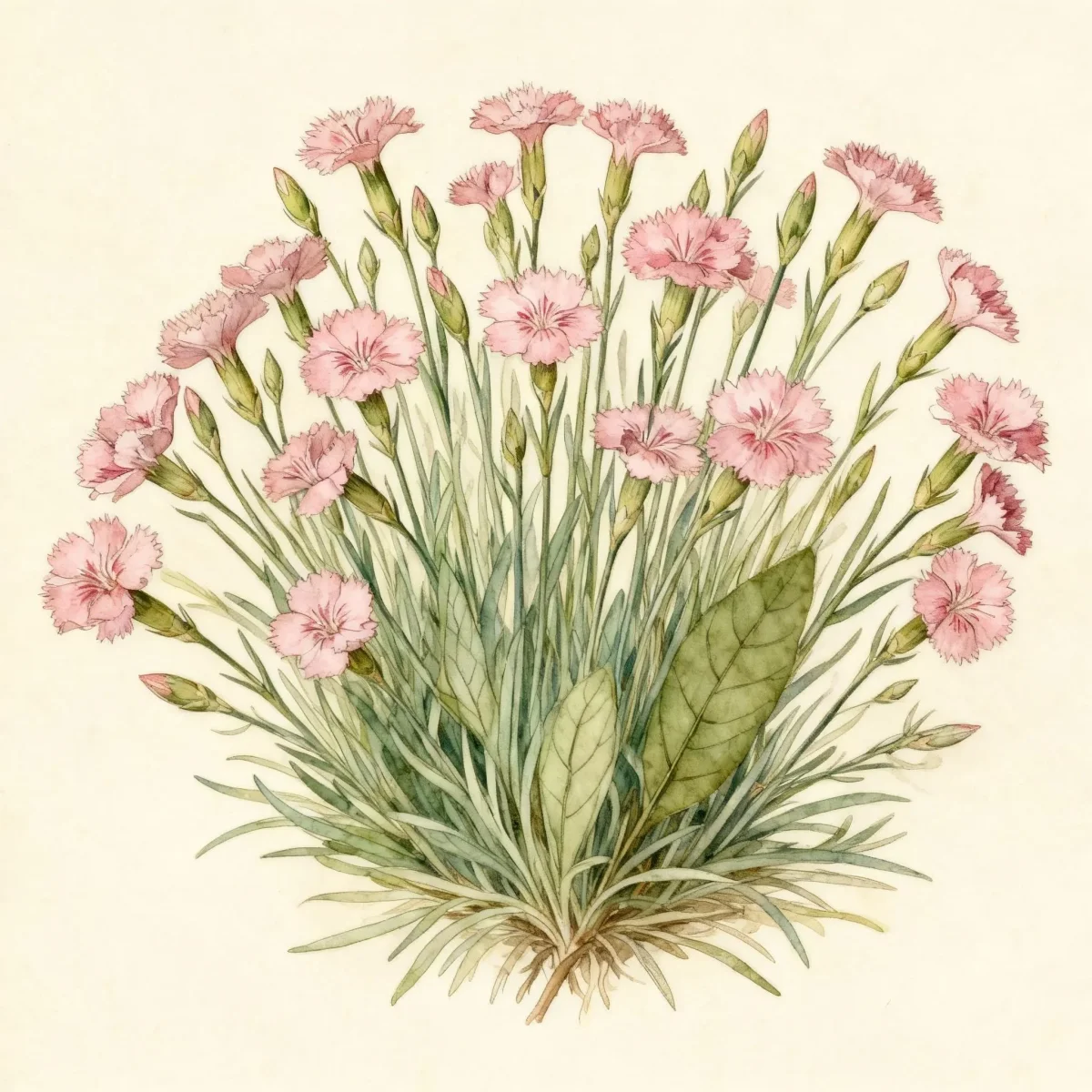
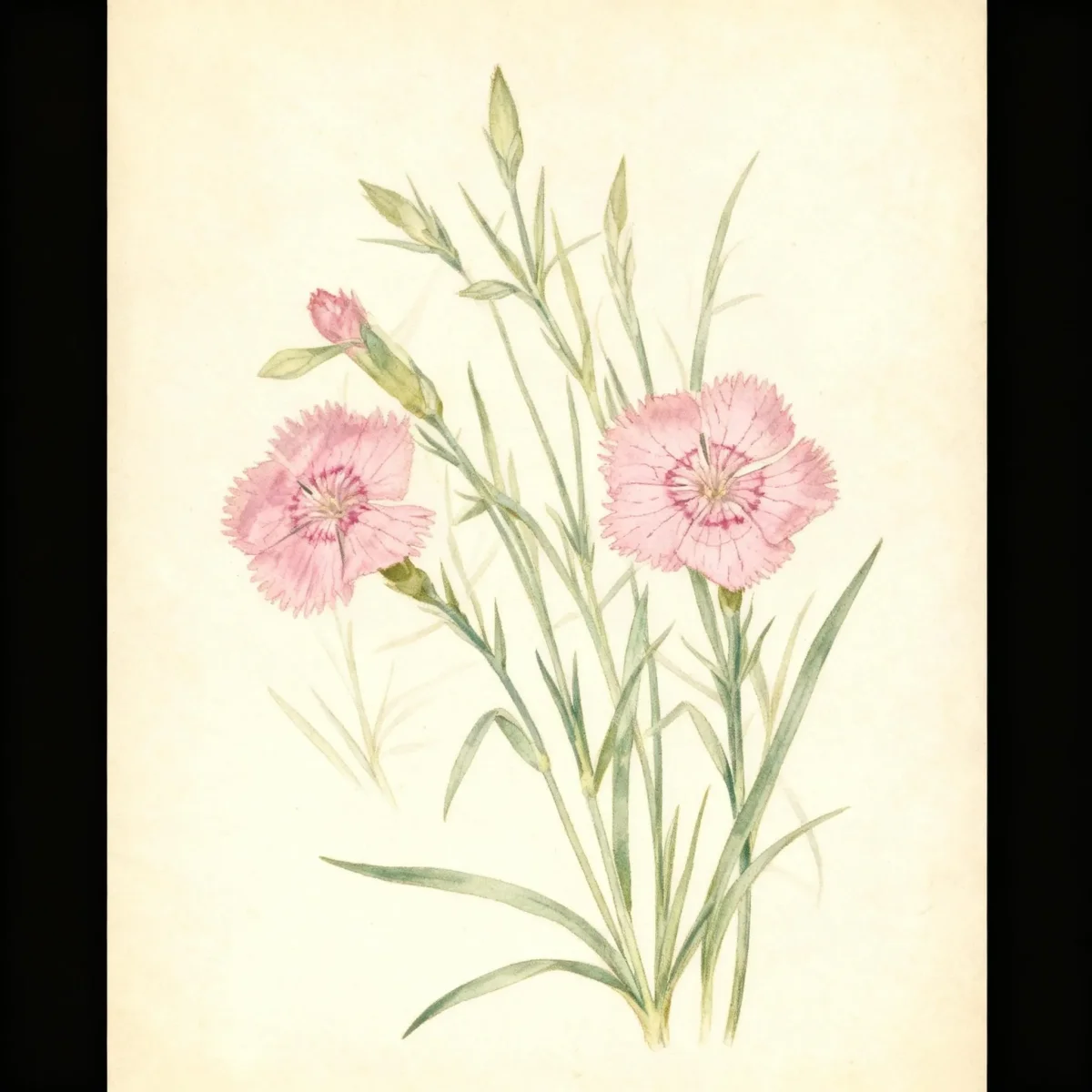
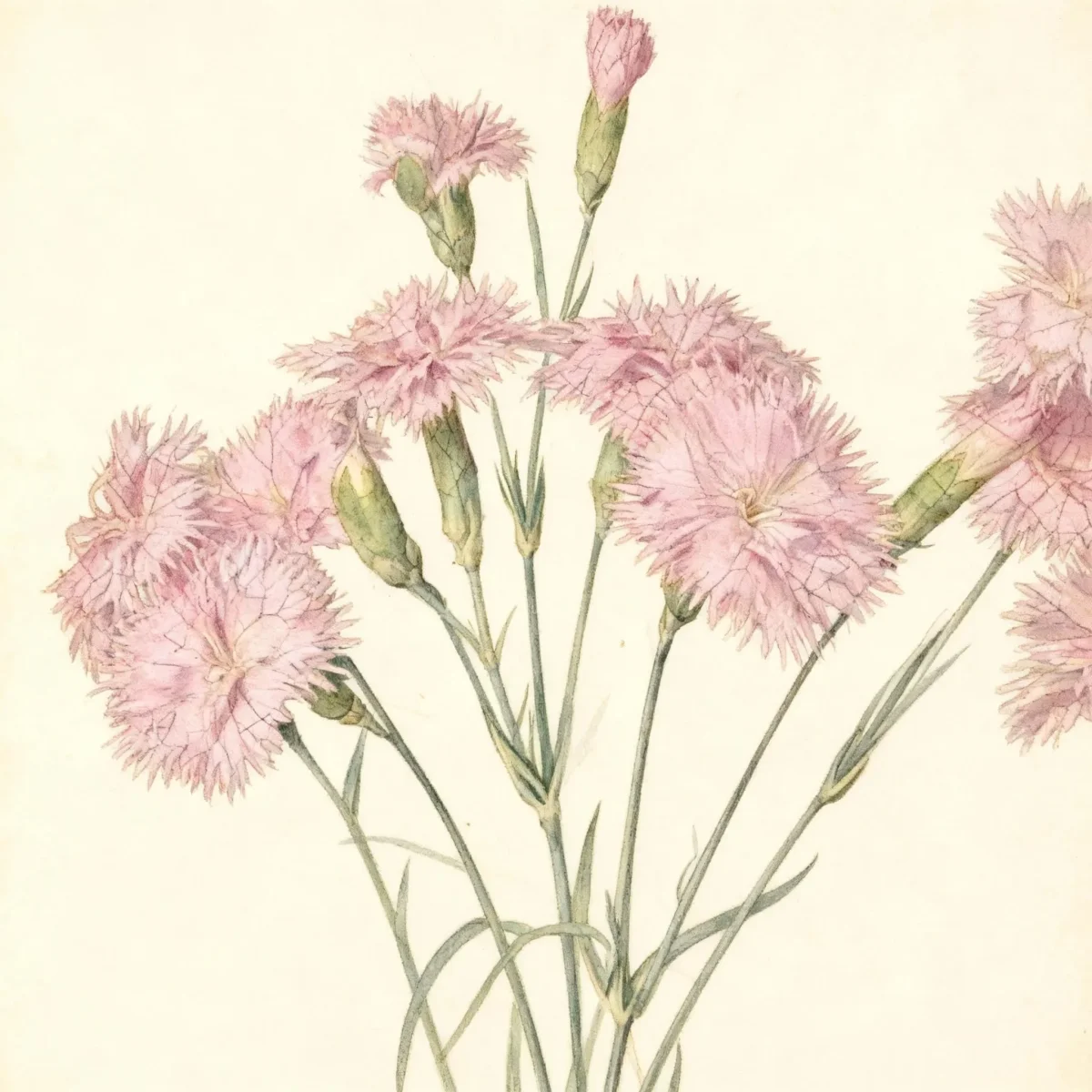
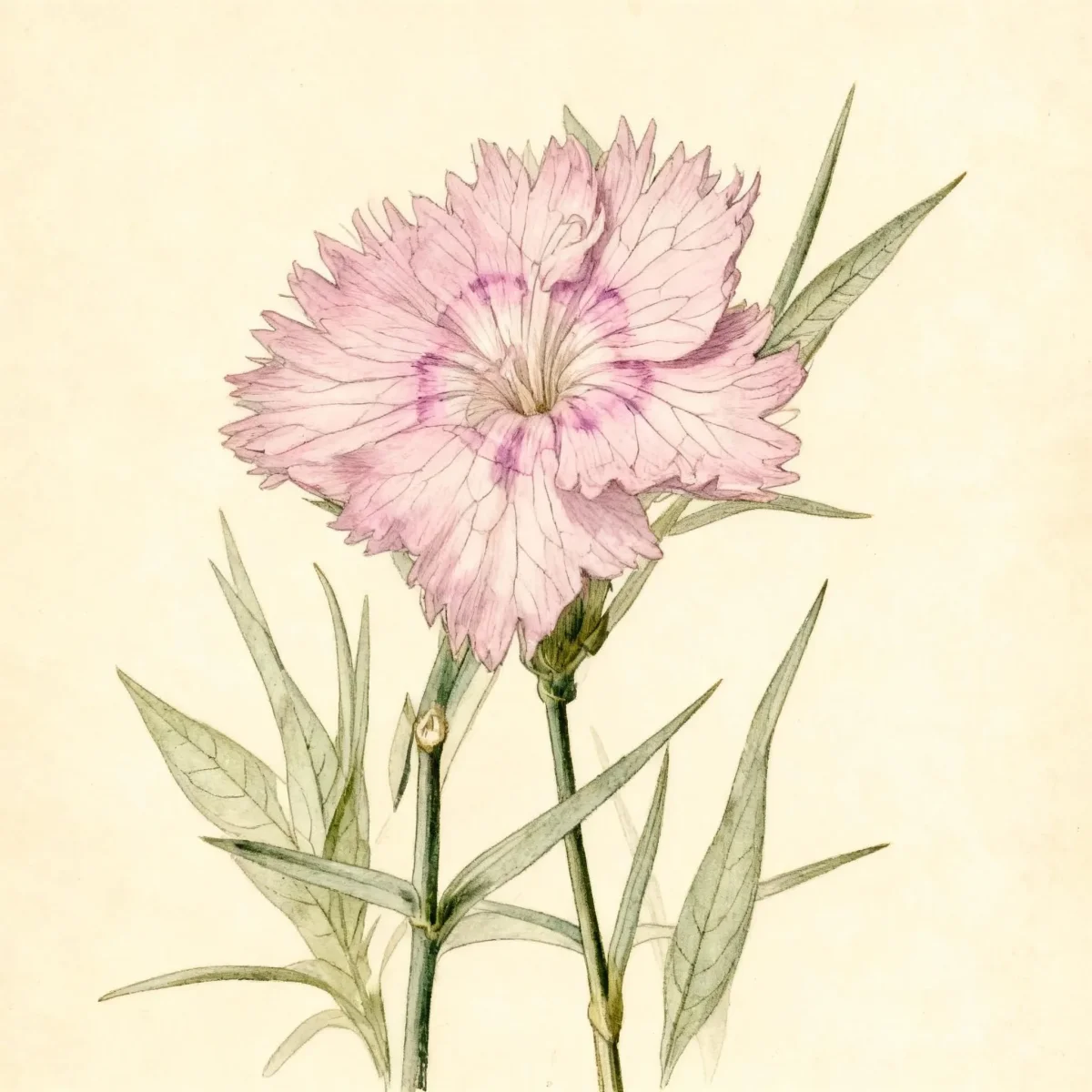
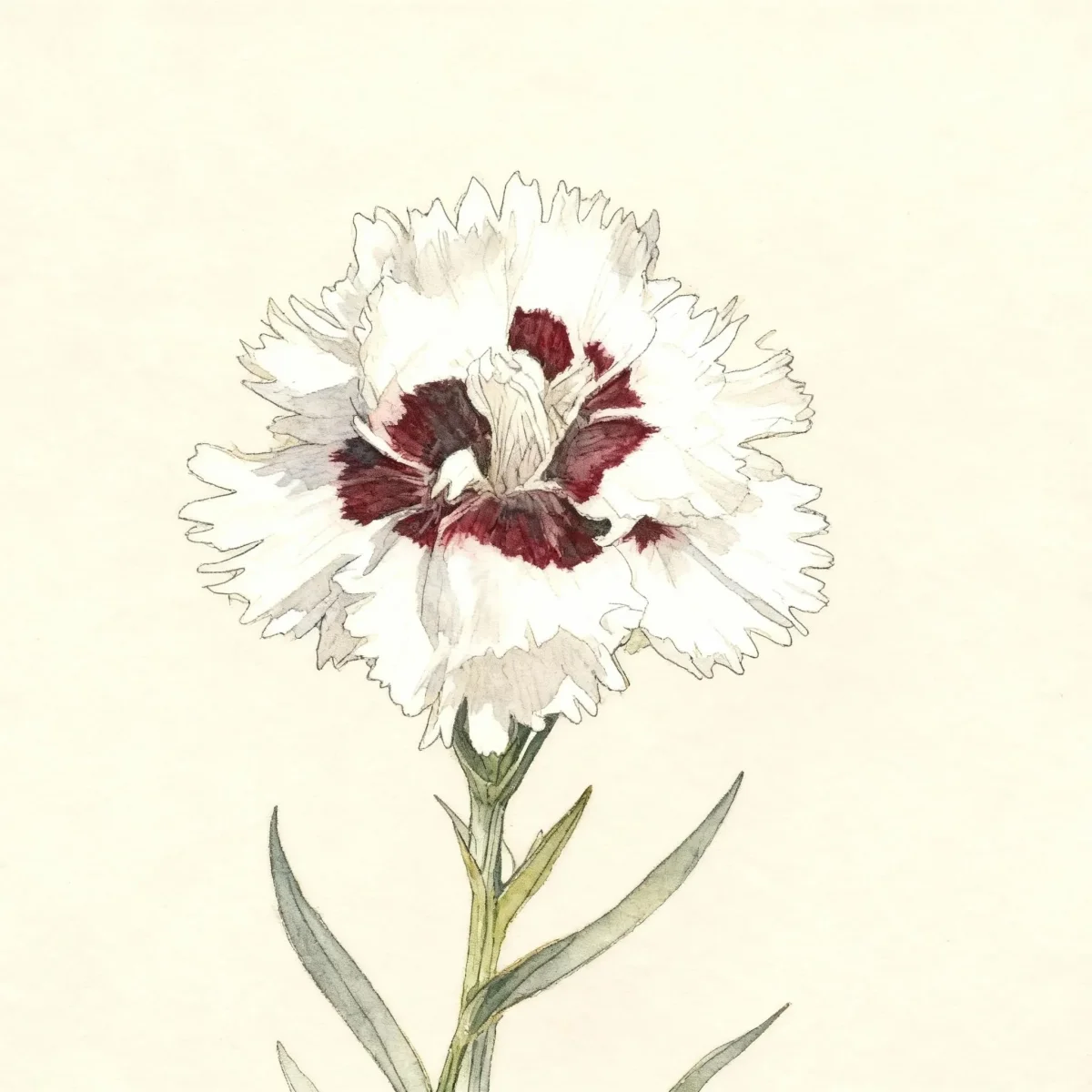
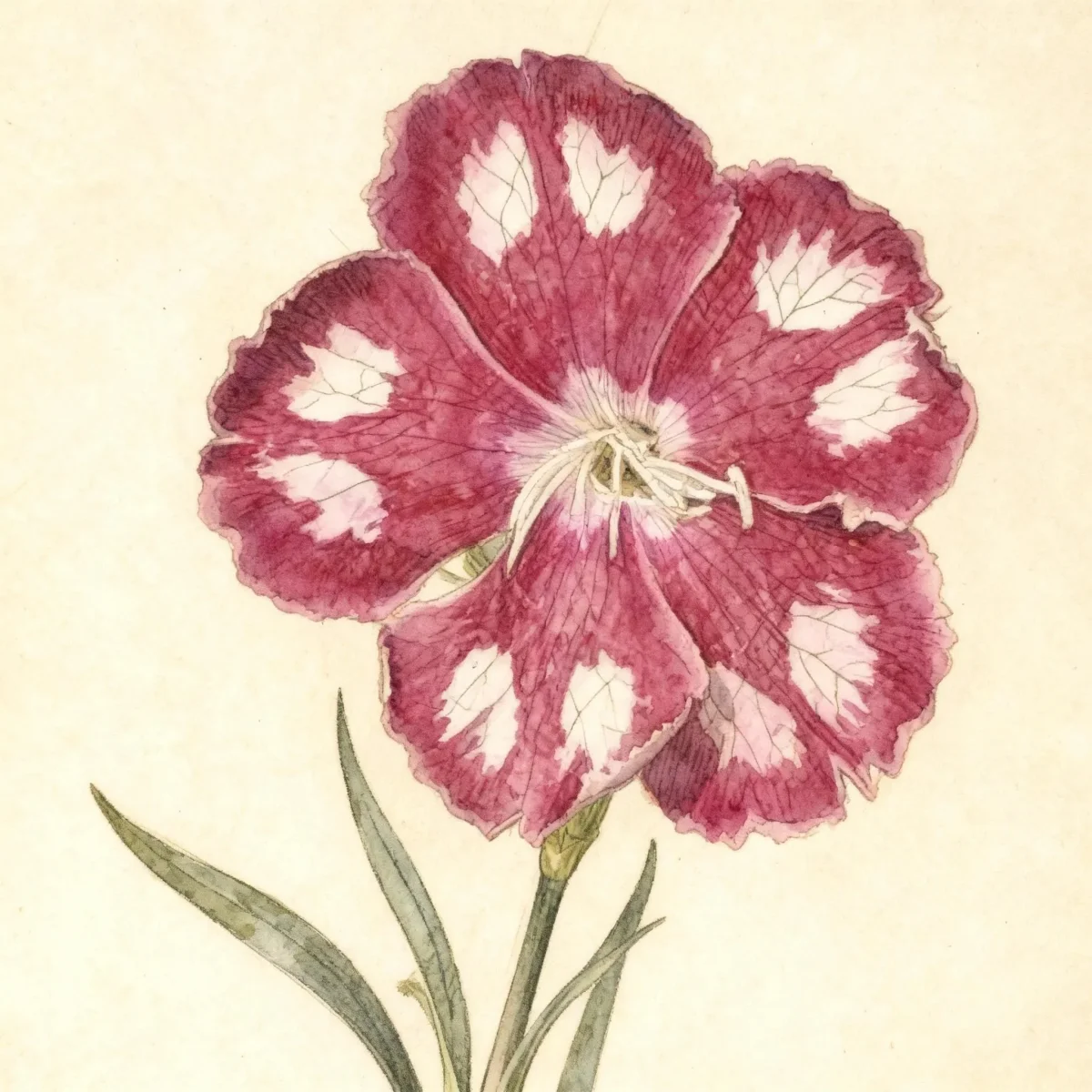
Garden pinks (Dianthus 'Rainbow Loveliness')
Dianthus 'Rainbow Loveliness', or Garden pinks, offers showy, fragrant blooms in spring across white, pink, and lilac hues.
Scroll down to discover growing tips, care requirements, companion plants, and more
Complete Plant Information
Overview
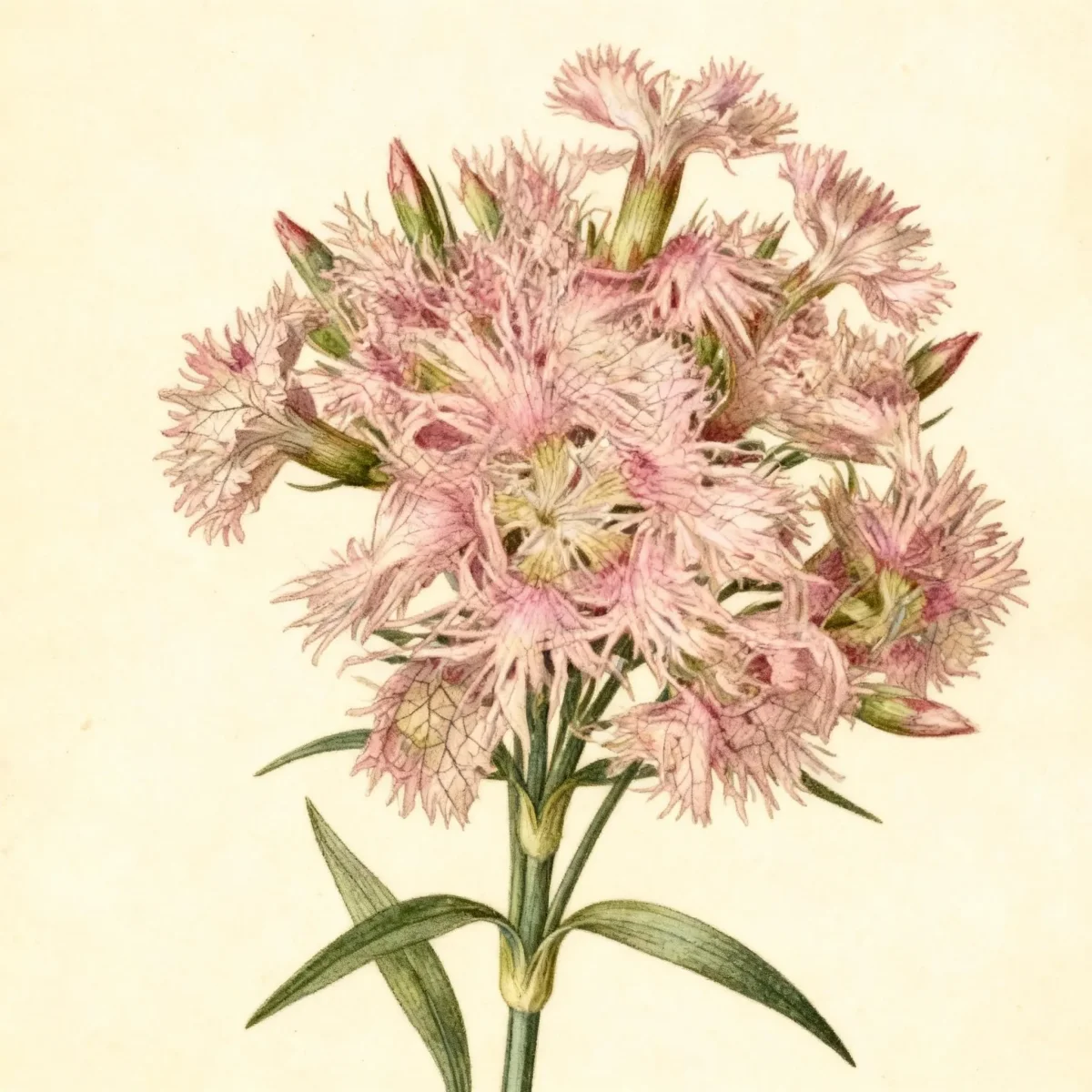
Dianthus ‘Rainbow Loveliness’ introduces a tapestry of color to the garden, flourishing as a clump-forming herbaceous perennial commonly recognized as Garden pinks. This cultivar is cherished for its masses of heavily fringed, single flowers that appear in spring, exhibiting a delightful pastel mixture ranging from white and pink to vibrant lilac. Beyond its seasonal floral display, Dianthus ‘Rainbow Loveliness’ provides year-round interest with its narrow, linear, bluish-green foliage mound.
These plants are generally low maintenance once established, thriving in sunny locations that benefit from brighter light to ensure prolific flowering. Garden pinks perform best when cultural conditions mimic their preference for gritty, well-drained, organically rich soils, making them excellent choices for borders and rock gardens where excellent drainage is paramount.
Providing both visual appeal and a powerful fragrance, Dianthus ‘Rainbow Loveliness’ offers significant value. Gardeners appreciate the ease with which these plants integrate into formal edging or informal cottage settings, reliably returning each year to scent the early summer air.
Fast Facts
- Plant Family: Caryophyllaceae
- Plant Type: Herbaceous perennial
- Hardiness Zones: USDA Zones 3-8
- Size at Maturity:
- Height: 1-1.5 ft
- Spread: 1-1.5 ft
- Bloom Time: May to June
- Bloom Description: Pastel mixture (white to pink to red to lilac)
- Sun Exposure: Full sun
- Water Needs: Medium
- Maintenance Level: Low
How to Grow
Plant Dianthus ‘Rainbow Loveliness’ in the spring or fall, ensuring location provides full sun exposure—this is critical for maximizing flower production. They establish best in average soils that are evenly moist but highly well-drained. Peak performance occurs in organically rich, gritty loams that lean toward neutral or slightly alkaline pH.
Watering should be consistent, especially during hot summer periods, as good drainage is essential but the plants still require adequate moisture retention. Incorporate leaf mold or other organic material into the soil at planting time to help buffer dry spells without impeding drainage. Fertilization is usually unnecessary if the soil is organically rich.
Maintenance for these Garden pinks is simple but rewarding. Deadheading spent flowers promptly will encourage the plant to produce additional flushes of bloom. After the main bloom period subsides, consider shearing the plants back lightly. This keeps the planting tidy and promotes further flowering later in late summer or early fall, ensuring the attractive foliage remains appealing.
Landscape Uses
Dianthus ‘Rainbow Loveliness’ is versatile, excelling in defined areas where its low-growing habit and colorful blooms can be showcased. It is highly recommended for the front of borders, where its height (1 to 1.5 feet) complements taller specimens without obscuring them. These plants are perfectly suited for rock gardens or along pathways where their fragrance can be easily enjoyed as you pass by.
Consider using Garden pinks in containers or window boxes, perhaps mixing them with trailing herbs or low-growing annuals, provided the container offers superb drainage. The dense foliage mound that persists after flowering makes them functional as an attractive ground cover during the summer and fall months. Furthermore, since the flowers are attractive, incorporating Dianthus ‘Rainbow Loveliness’ into a dedicated fragrance garden or cutting garden ensures you maximize its aesthetic contribution.
Standout Features
Flower Qualities
- Showy
- Fragrant
Noteworthy Characteristics
Perennial dianthus, commonly called carnations or pinks, are loosely-tufted, herbaceous perennials that features fragrant, often double flowers on stiff stems clad with narrow, linear, gray-green leaves. The specific cultivar ‘Rainbow Loveliness’ forms a foliage mound of narrow, linear, bluish-green leaves, which is then covered by masses of heavily fringed, very fragrant, single flowers in spring. The foliage remains attractive throughout the growing season provided consistent soil moisture is maintained.
Tolerances
- Deer
Potential Problems
While Dianthus ‘Rainbow Loveliness’ is comparatively low maintenance outdoors, various pathogens can pose issues, including botrytis, rust, powdery mildew, and leaf spots. Fungal and bacterial diseases are often exacerbated if plants are grown in overly wet conditions or where air circulation is poor.
Aphids, caterpillars, and scale can seasonally affect the plants, though these pests are far less problematic in a well-managed outdoor garden environment than they are in greenhouse settings. Prevention focuses on providing optimal cultural conditions: full sun and excellent, gritty drainage are key to discouraging most fungal issues. Keep foliage healthy and avoid overhead watering late in the day to help mitigate disease risk.
Frequently Asked Questions
What hardiness zones is Garden pinks suitable for?
Dianthus ‘Rainbow Loveliness’ is reliably cold-hardy, thriving in USDA Hardiness Zones 3 through 8.
How large does Dianthus ‘Rainbow Loveliness’ grow?
This perennial typically reaches a height between 1 and 1.5 feet, spreading to a width of 1 to 1.5 feet, forming a neat, clump-forming mound.
What sun exposure does Garden pinks need?
For the best flowering display and to maintain plant health, Dianthus ‘Rainbow Loveliness’ requires full sun exposure throughout the growing season.
When does Dianthus ‘Rainbow Loveliness’ bloom?
This variety flowers primarily from May to June, presenting a beautiful pastel mixture of white, pink, red, and lilac shades.
Conclusion
Dianthus ‘Rainbow Loveliness’ remains a staple in perennial plantings, offering reliably fragrant, eye-catching blooms with minimal effort throughout the season. Its drought tolerance (once established) and its perennial reliability make Garden pinks an excellent cornerstone for sunny borders and rockeries. Always confirm your local USDA zone compatibility before planting, setting the stage for years of enjoyment from your Dianthus ‘Rainbow Loveliness’.
Companion Planting
Garden pinks flourish alongside other plants that appreciate excellent drainage and full sun exposure. Consider pairing Dianthus ‘Rainbow Loveliness’ with low-growing aromatic herbs such as Thyme or Oregano; their gritty soil preferences align perfectly. In border settings, consider pairing them with plants that share similar inorganic soil needs, like Sedums or Sempervivums, which offer contrasting texture while enjoying the same drier, sunny conditions.
Design Ideas for Fragrance and Color
The compact yet showy nature of Dianthus ‘Rainbow Loveliness’ makes it an ideal choice for defining edges. Plant them along flagstone paths or the edge of a terraced yard where their low profile will not obstruct the view of background plantings. Because of their strong fragrance, cluster three or more plants near a seating area or entryway. The mix of spring colors provides a soft transition as early bulbs fade and summer perennials begin to peak.