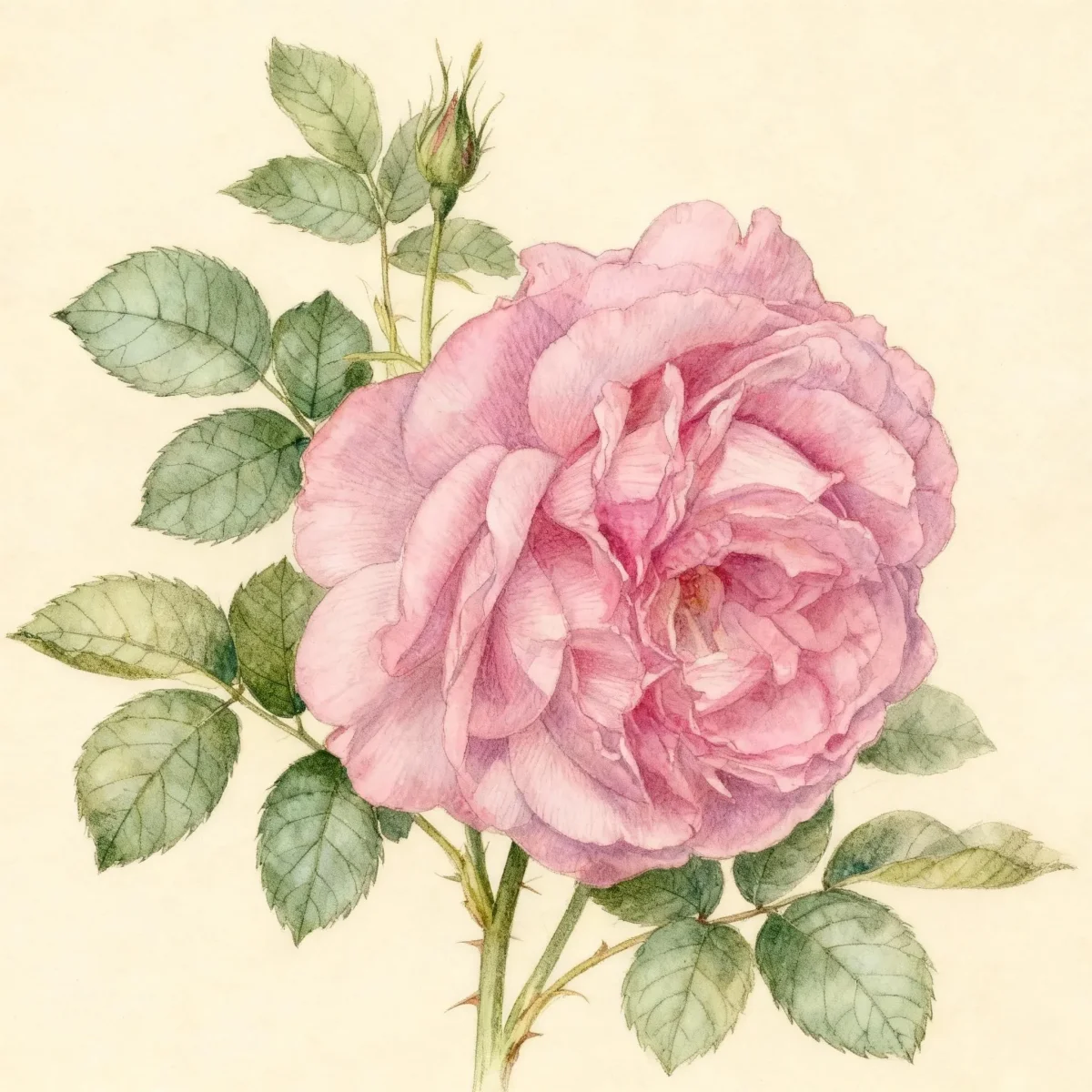
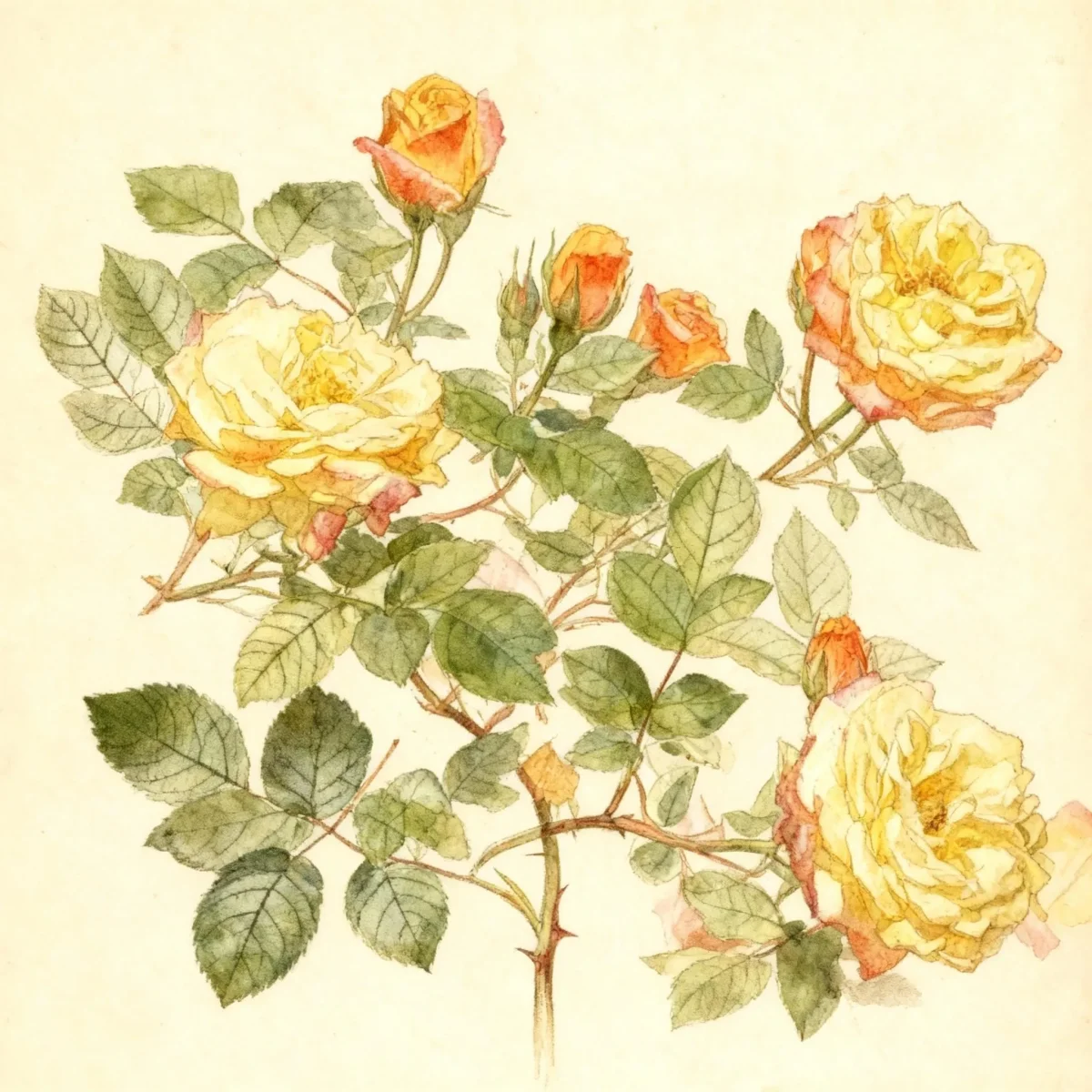
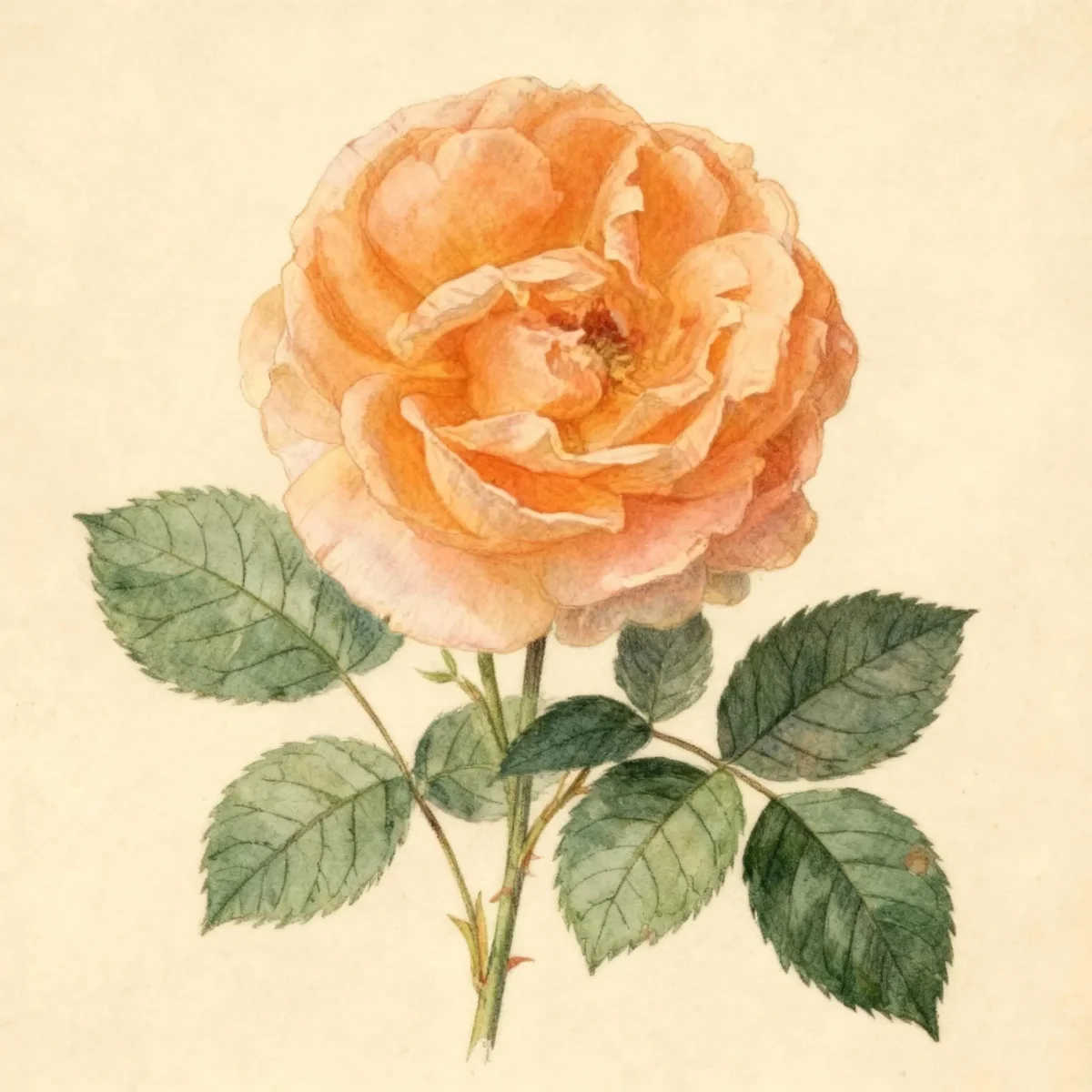
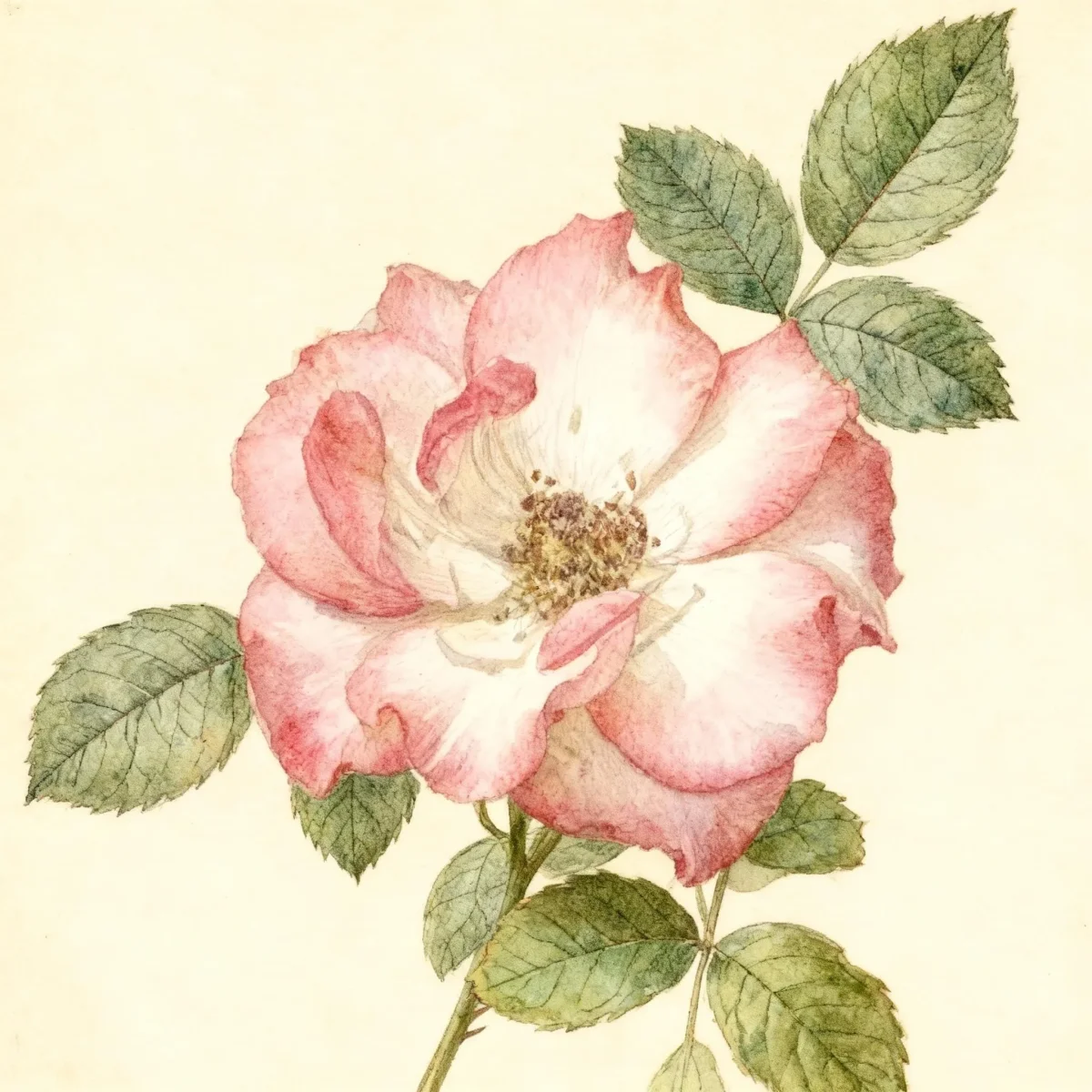
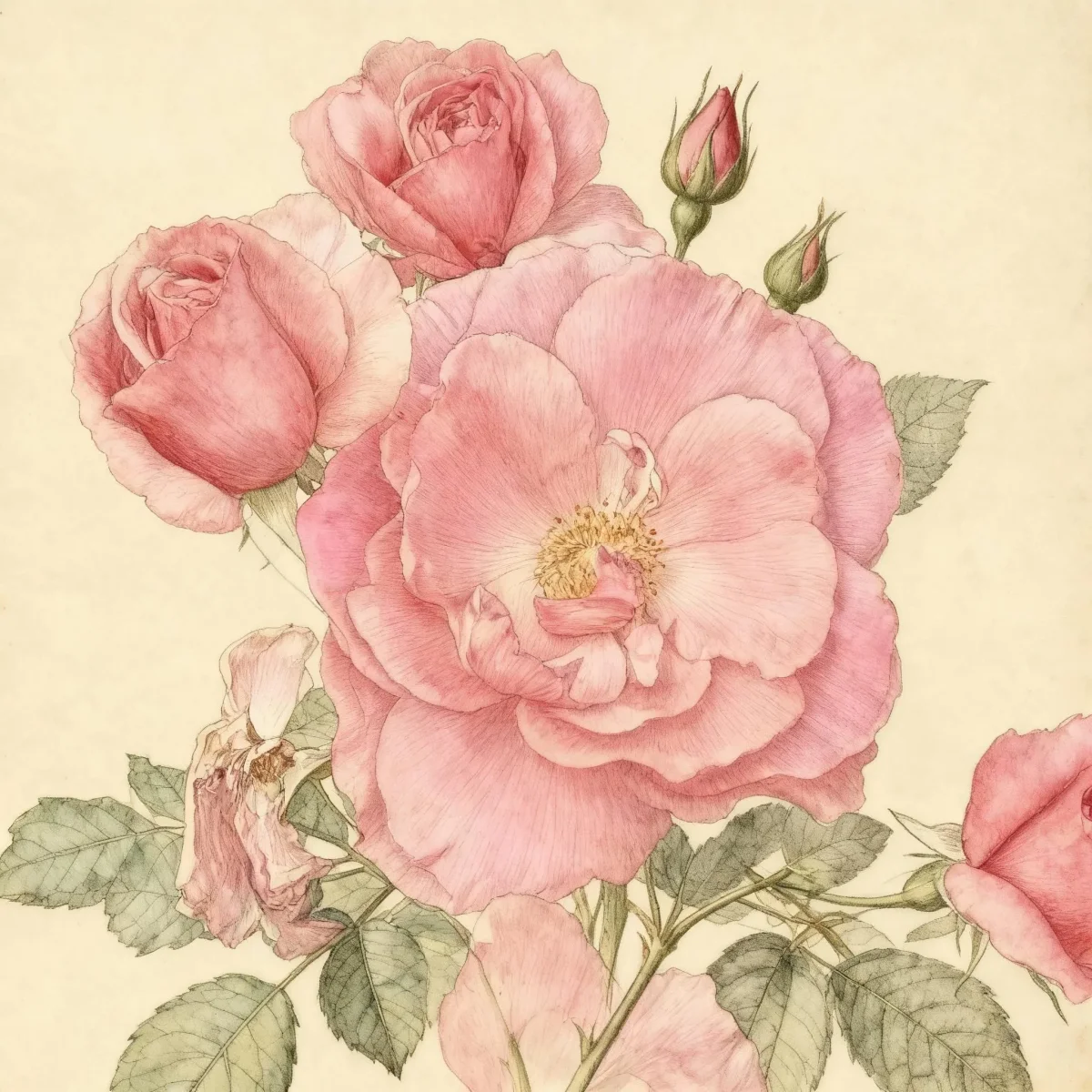
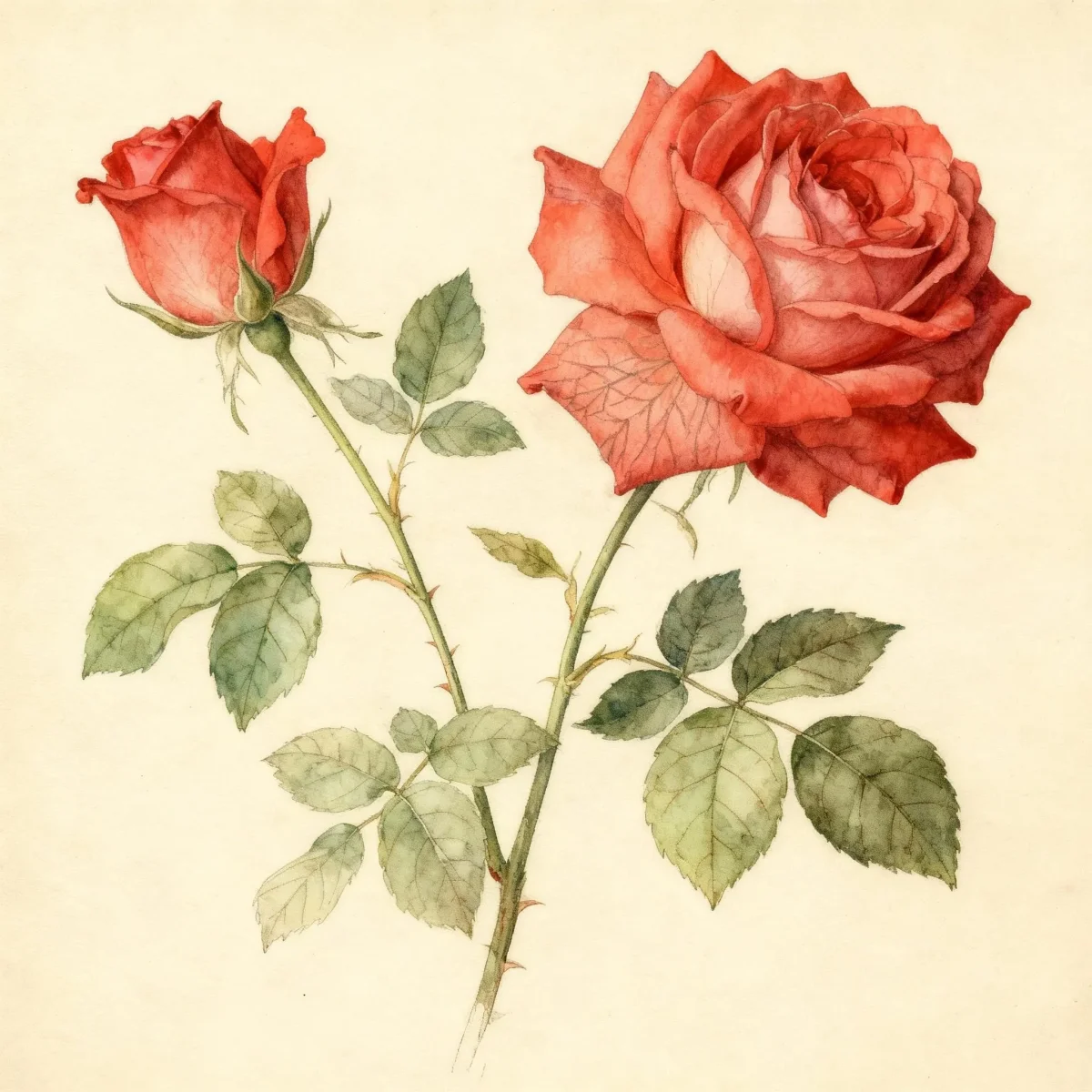
Climbing miniature rose (Rosa 'Jeanne Lajoie')
Rosa 'Jeanne Lajoie' is a versatile Climbing miniature rose flourishing in Zones 5-8, offering showy pink blooms from May to frost.
Scroll down to discover growing tips, care requirements, companion plants, and more
Complete Plant Information
Overview
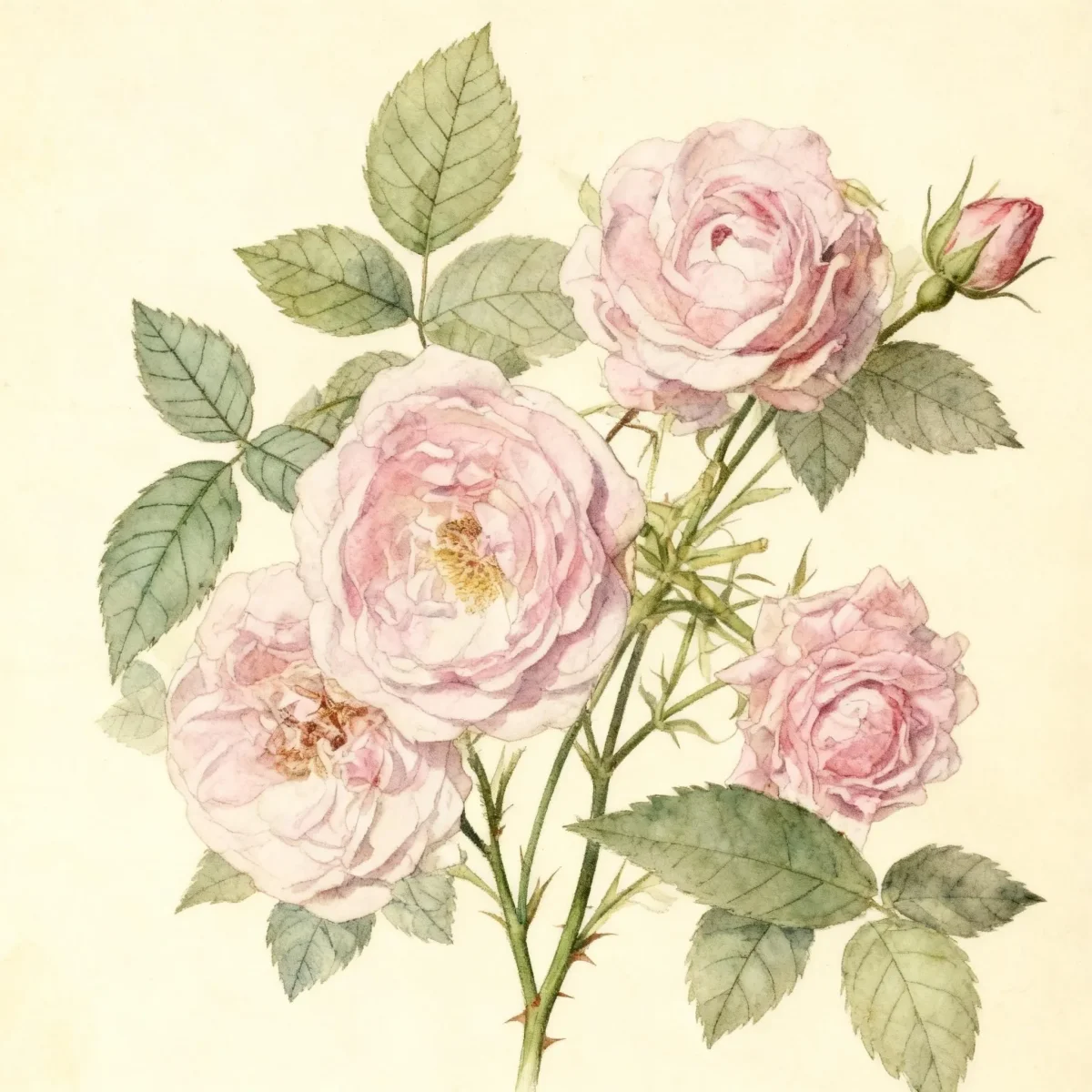
Rosa ‘Jeanne Lajoie’ is a highly valued addition to the garden, classified as a climbing miniature rose that wonderfully balances size and climbing vigor. This vigorous variety typically reaches heights between 6 and 10 feet, making it ideal for vertical accents where space is at a premium. Gardeners appreciate Rosa ‘Jeanne Lajoie’ for its profuse, nearly continuous display of fully double, small pink roses that bloom reliably from late spring until the first hard frost.
While it is technically a climbing miniature rose, ‘Jeanne Lajoie’ can also be trained or even allowed to grow as a vigorous, self-supporting shrub in certain landscape settings. Achieving optimal health and abundant flowering for Rosa ‘Jeanne Lajoie’ relies on ample sunshine and consistent cultural care, particularly regarding moisture management and air circulation.
Its versatility allows the Climbing miniature rose to transform dull vertical spaces into fragrant focal points while providing continuous, showy color throughout the extended growing season. Proper siting and management ensure visitors enjoy the mild tea fragrance and deep green foliage of this beautiful cultivar.
Fast Facts
- Plant Family: Rosaceae
- Plant Type: Deciduous shrub
- Hardiness Zones: USDA Zones 5-8
- Size at Maturity:
- Height: 6-10 ft
- Spread: 3-6 ft
- Bloom Time: May to frost
- Bloom Description: Pink
- Sun Exposure: Full sun
- Water Needs: Medium
- Maintenance Level: Medium
How to Grow
Plant Rosa ‘Jeanne Lajoie’ in well-drained garden loams that are slightly acidic, aiming for a location receiving full sun to very light shade. Full sun generally promotes the best flowering vigor and superior disease resistance for this Climbing miniature rose. The ideal time for planting is typically late winter or early spring, giving the roots time to establish before the heavy bloom cycles begin.
Water deeply and consistently, preferably in the mornings, ensuring the soil remains moderately moist but never waterlogged. Avoid overhead watering systems, as constantly wetting the foliage increases disease potential. Promote good air circulation around the plant, which is crucial for managing foliar diseases. Applying a summer mulch will help conserve soil moisture, keep the root zone cool, and suppress weeds around the base of Rosa ‘Jeanne Lajoie’.
Deadheading spent blooms regularly encourages the plant to put energy into producing more flowers rather than setting hips. Pruning should be performed in late winter or very early spring, removing dead or damaged wood and shaping the canes as desired. Gardeners in colder regions, such as Zone 5 winters, should provide winter protection for the crowns of Rosa ‘Jeanne Lajoie’. Routinely clean up fallen leaves throughout the season and during the winter dormant period to reduce overwintering fungal spores.
Landscape Uses
This flexible Climbing miniature rose is perfectly suited for structures requiring vertical interest, such as walls, arbors, trellises, or pillars, where its trained canes can ascend. Furthermore, Rosa ‘Jeanne Lajoie’ excels when grown as a striking accent plant or incorporated into a formal hedge due to its naturally dense growth habit, even when grown self-supporting.
When planning companion plantings, select perennials or shrubs that share similar sun and medium moisture needs. Avoid placing this rose directly beneath dense tree canopies where air circulation suffers. Its medium size makes it an excellent choice for smaller gardens or suburban yards where large climbing roses might overwhelm the space.
Standout Features
Flower Qualities
- Showy
- Fragrant
Noteworthy Characteristics
Rosa is a genus noted for its beautiful, often fragrant flowers borne on prickly stems. ‘Jeanne Lajoie’ is specifically a miniature climbing rose, typically reaching 6 to 10 feet, featuring profuse, fully double pink roses about 2 inches in diameter throughout the season, accompanied by deep green foliage and a mild tea fragrance. This variety also exhibits the flexibility to be managed as a self-supporting shrub.
Tolerances
Potential Problems
Roses, including Rosa ‘Jeanne Lajoie’, are magnets for various fungal diseases, most commonly black spot, rust, and powdery mildew, alongside pest issues like aphids, scale, and spider mites. Excellent cultural practices form the foundation of defense; ensure deep, infrequent watering, excellent air flow, and remove diseased debris immediately. In humid climates, preventative fungicide applications throughout the growing season are often necessary to keep this Climbing miniature rose healthy.
Frequently Asked Questions
What hardiness zones is Rosa ‘Jeanne Lajoie’ suitable for?
Rosa ‘Jeanne Lajoie’ is generally hardy in USDA Zones 5 through 8.
How large does Climbing miniature rose grow?
This rose typically matures to a height between 6 and 10 feet with a spread of 3 to 6 feet.
What sun exposure does Rosa ‘Jeanne Lajoie’ need?
For the best performance, sun exposure should be full sun, though it can tolerate very light shade.
When does Rosa ‘Jeanne Lajoie’ bloom?
This beautiful variety offers a long blooming season, starting in May and continuing through the first frost.
Conclusion
Rosa ‘Jeanne Lajoie’ offers gardeners a wonderful combination of manageable size, prolific reblooming, and attractive pink coloration, making it a superior choice for vertical gardening as a climbing miniature rose. To ensure success with your new Rosa ‘Jeanne Lajoie’, verify that your planting site guarantees full sun and excellent drainage, and plan for routine pruning in late winter.
Companion Planting
Choosing companions based on shared cultural needs enhances the resilience of your rose garden. Roses often thrive near plants that enjoy similar sunny, well-drained locations and medium moisture. Consider planting sturdy, lower-growing herbs like Lavender or Thyme along the base; their aromatic qualities can sometimes deter minor pests, and their drought tolerance complements the Rose’s occasional need for deep watering.
Avoid planting varieties known to require heavy shade or extremely dry conditions immediately adjacent to Rosa ‘Jeanne Lajoie’. Good structural companions include Catmint (Nepeta) for its long bloom time or ornamental grasses that provide vertical contrast without competing aggressively for nutrients.
Seasonal Care Calendar
For the best continuous performance from your Climbing miniature rose, adhere to a simple seasonal schedule. In late winter or very early spring, perform necessary pruning, removing any dead wood and training new canes onto supportive structures. As the season heads into warmer weather, rigorously clean up all debris around the base to prevent fungal spores from thriving.
Mid-season, focus on water management; maintain that summer mulch to keep roots cool and moist, and actively scout for pests like aphids. Once the initial flush of blooms fades, promptly remove spent flowers to encourage the next set, ensuring your Rosa ‘Jeanne Lajoie’ keeps flowering actively until frost arrives. Finally, as autumn nears its end, ensure the plant crowns are protected if you garden in the colder reaches of Zone 5.