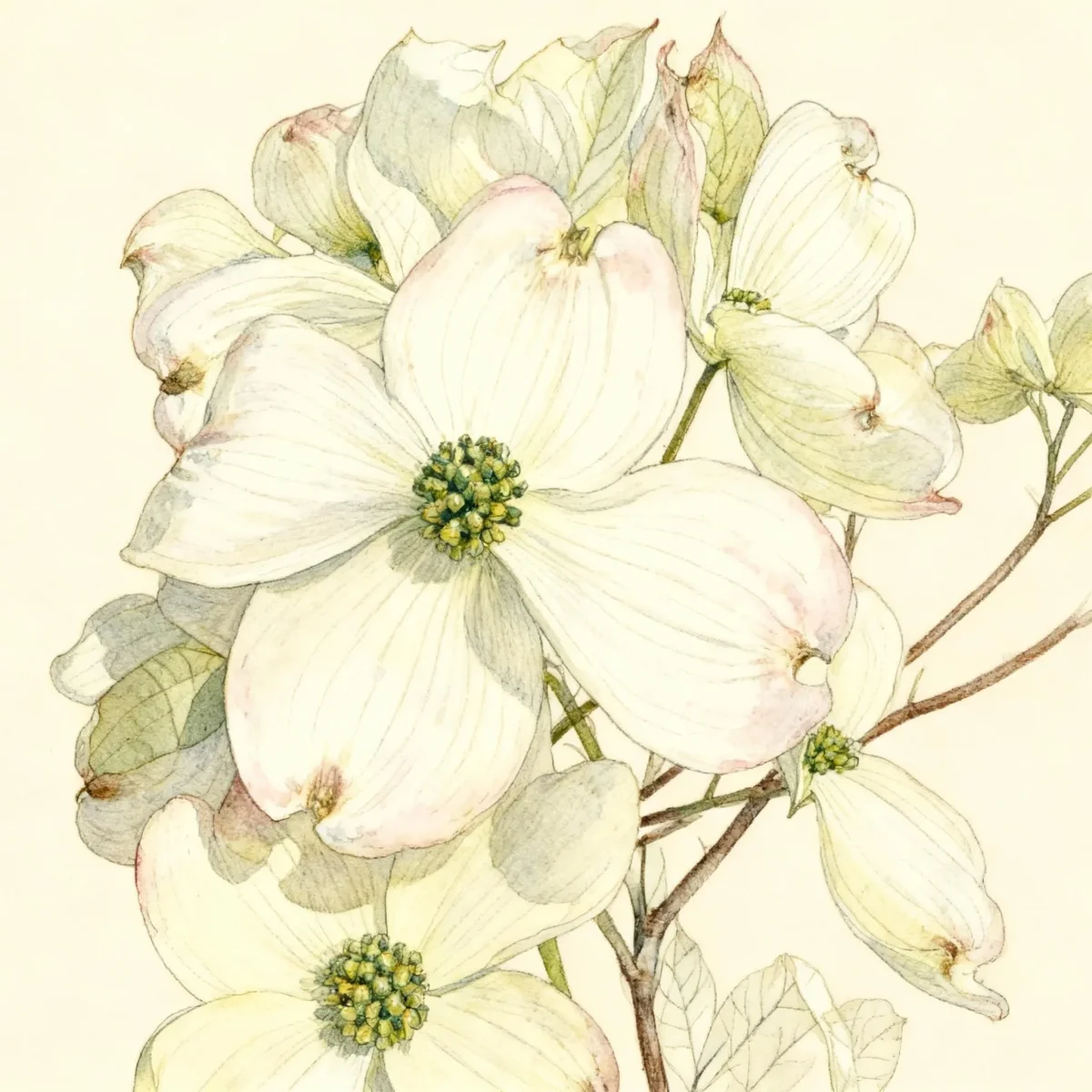
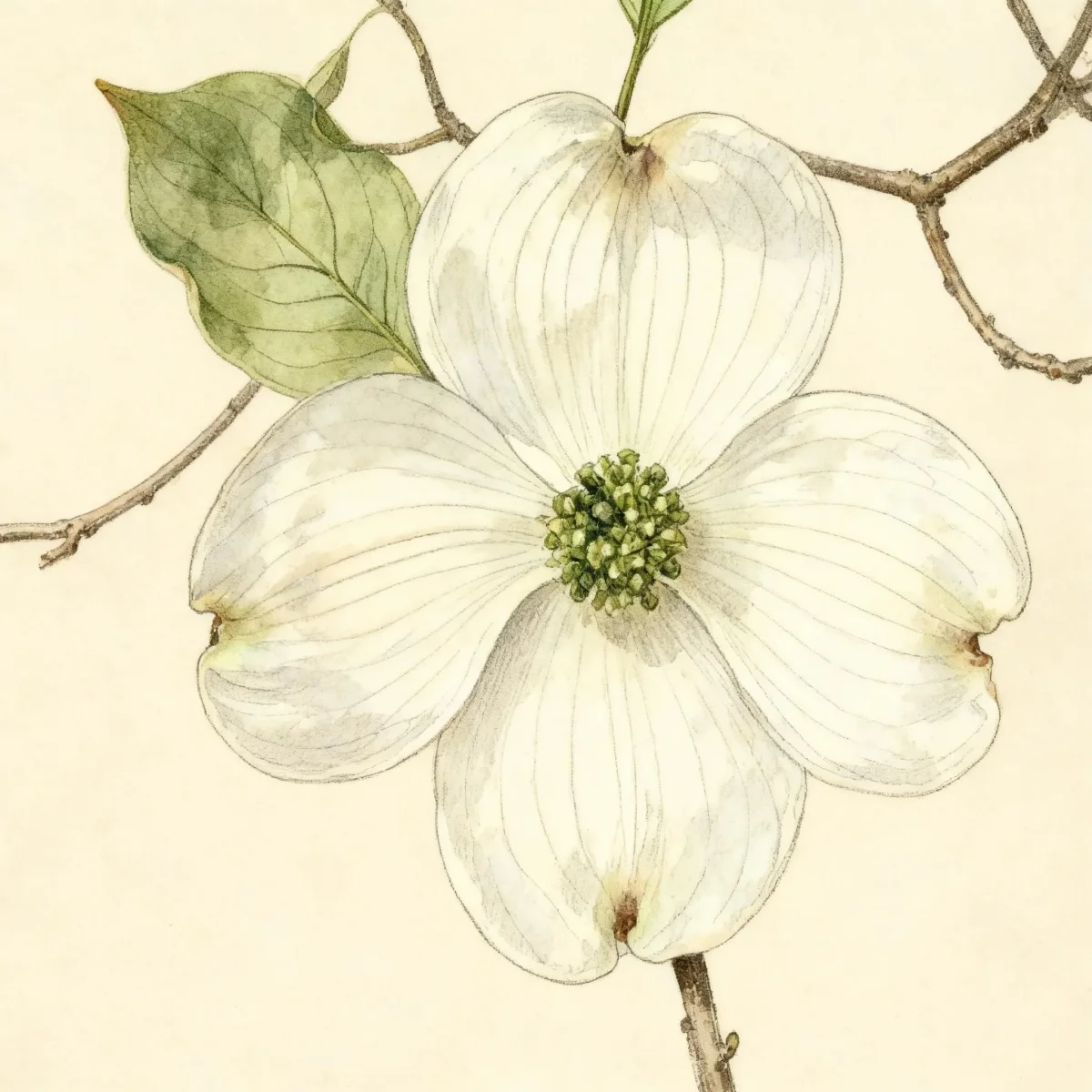
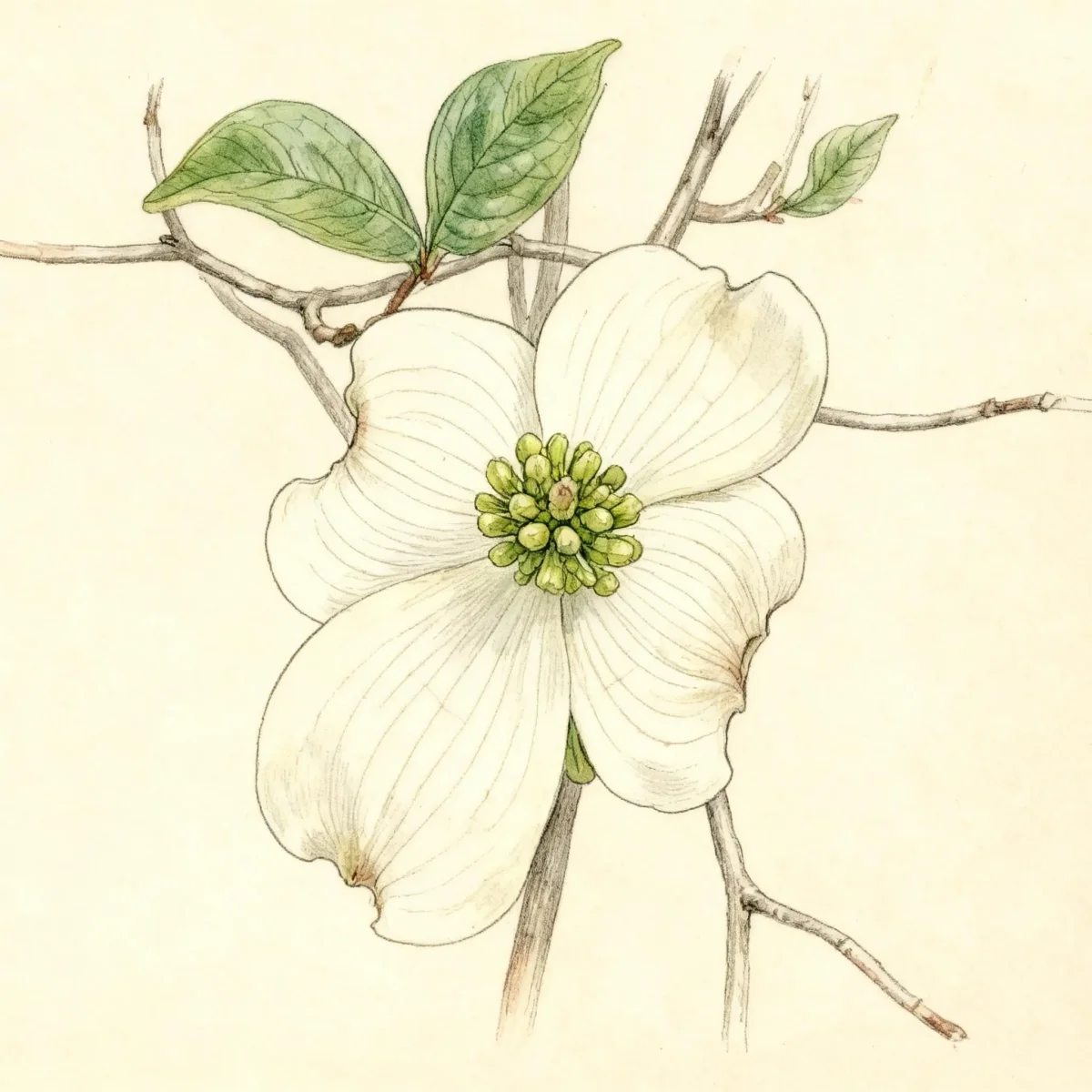
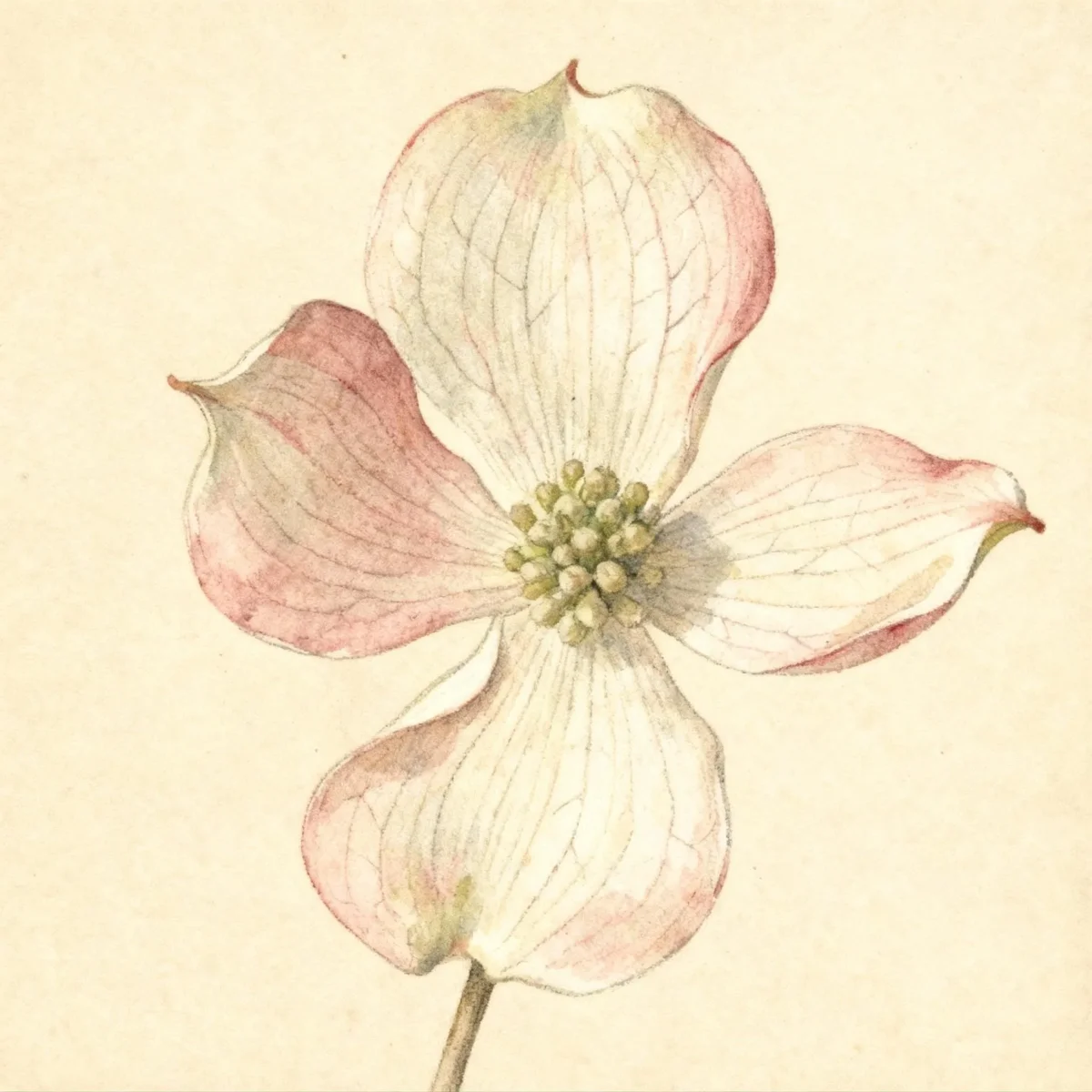
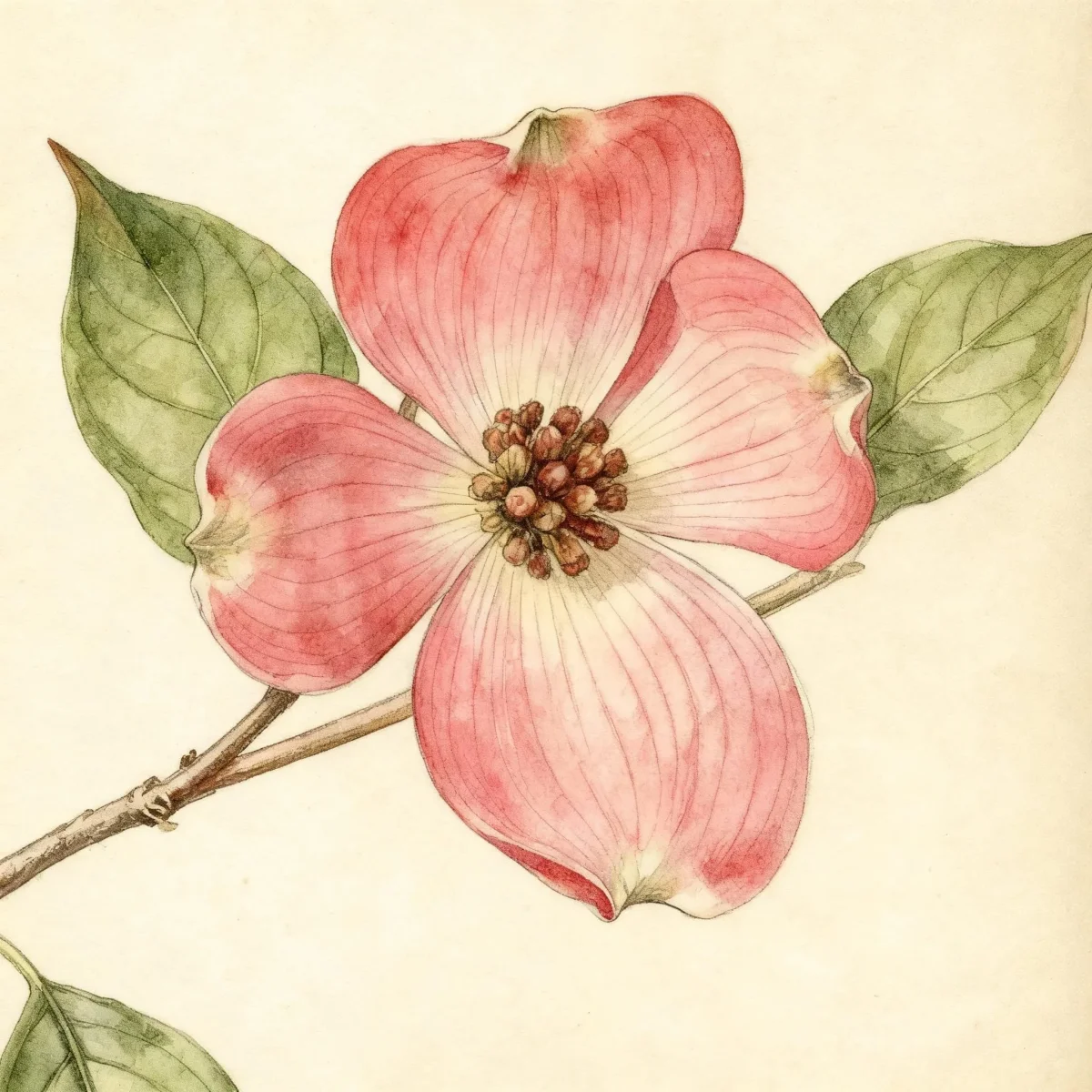
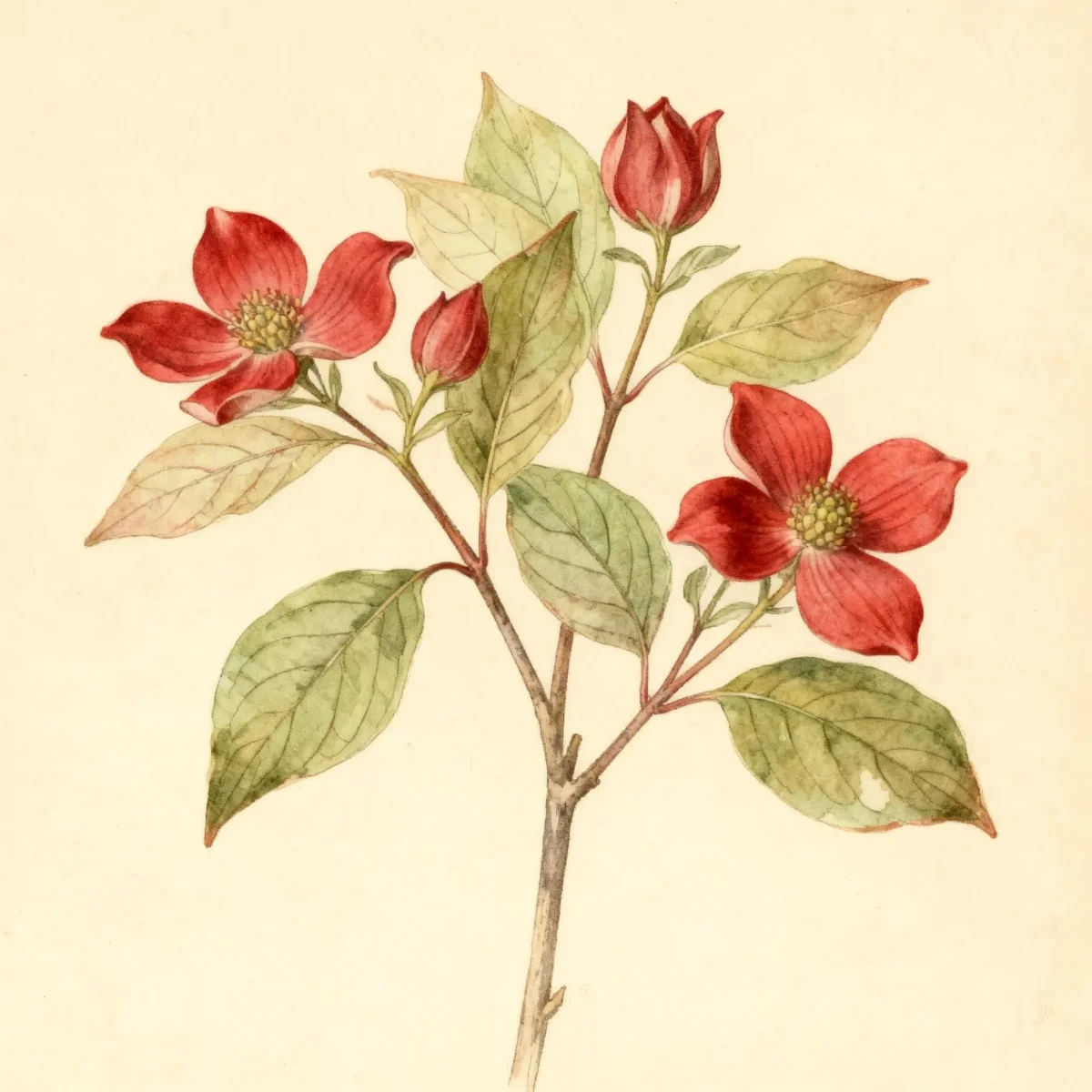
Flowering dogwood (Cornus florida 'Xanthocarpa')
The exceptional Cornus florida 'Xanthocarpa' offers stunning white spring blooms and unique yellow fruit, ideal for specimen planting in USDA Zones 5-9.
Scroll down to discover growing tips, care requirements, companion plants, and more
Complete Plant Information
Overview
The Cornus florida ‘Xanthocarpa’, a striking cultivar of the native Flowering dogwood, is highly prized for its year-round visual interest. While it shares the spectacular spring display of white, petal-like bracts with the species, this cultivar distinguishes itself with persistent, bright yellow fruits rather than the typical red. This small deciduous tree offers a beautiful, low-branching habit that provides excellent structural interest even when dormant.
As a manageable specimen tree, the ‘Xanthocarpa’ adds significant aesthetic value near homes, patios, or within woodland garden settings. Planting Cornus florida ‘Xanthocarpa’ ensures a stunning spring performance, followed by the unique pop of yellow fruit enjoyed by local bird populations in late summer and fall. Proper siting is key to ensuring this iconic American tree thrives in your landscape.
Fast Facts
- Plant Family: Cornaceae
- Plant Type: Tree
- Hardiness Zones: USDA Zones 5-9
- Size at Maturity:
- Height: 15-20 ft
- Spread: 15-20 ft
- Bloom Time: April to May
- Bloom Description: White
- Sun Exposure: Full sun to part shade
- Water Needs: Medium
- Maintenance Level: Medium
How to Grow
This selection performs best when planted in the early spring or fall, avoiding the stress of summer heat. Aim for a location offering full sun to light afternoon shade, ensuring the soil is well-drained. Cornus florida ‘Xanthocarpa’ absolutely thrives in moist, organically rich, slightly acidic soils.
Consistent moisture is vital, especially for newly established trees. Water deeply whenever the top few inches of soil feel dry, particularly during dry spells. A generous 2- to 4-inch layer of mulch is highly recommended; this helps conserve soil moisture and keeps the shallow root system cool during hot summers.
While generally easy to grow, gardeners should proceed with caution in areas currently experiencing high levels of dogwood anthracnose. When pruning, focus on removing crossing or dead branches during the dormant season to maintain good air circulation throughout the canopy.
Landscape Uses
The Flowering dogwood, particularly the Cornus florida ‘Xanthocarpa’ cultivar, excels as an accent or specimen plant where its four-season beauty can be fully appreciated. Its manageable size makes it perfect for smaller residential properties or framing entryways where its wide, layered canopy creates dappled shade.
Consider placing it near patios or outdoor living spaces to maximize enjoyment of the prolific spring bloom and the attractive yellow fruits. It integrates beautifully into native plant gardens, serving as a fantastic understory component beneath taller canopy trees, provided its light and moisture needs are respected.
Flower Qualities
- Showy
Fruit Qualities
- Showy
Noteworthy Characteristics
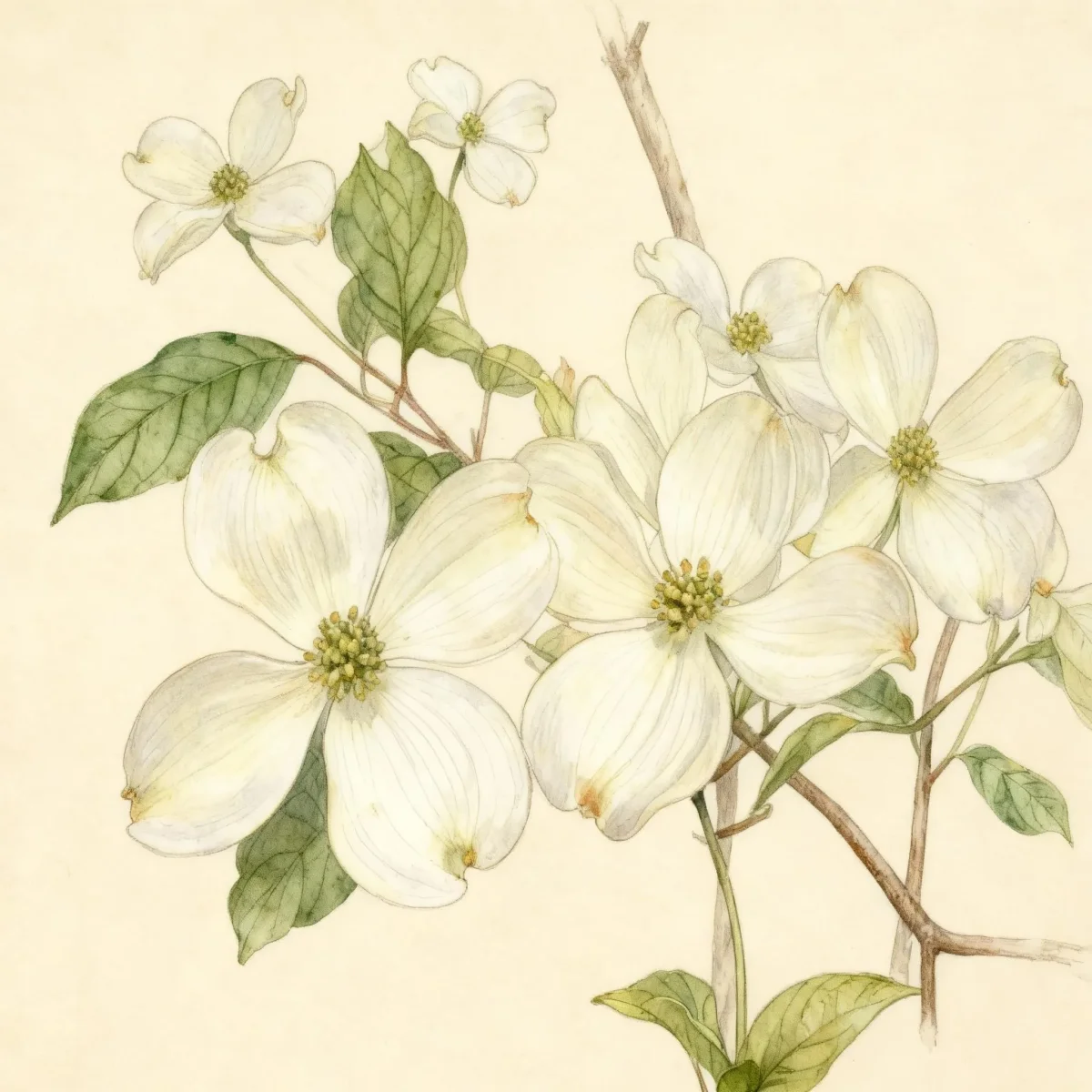
Cornus florida, commonly known as flowering dogwood, is a small deciduous tree that typically grows 15-30’ tall with a low-branching, broadly-pyramidal but somewhat flat-topped habit. It arguably may be the most beautiful of the native American flowering trees. The true dogwood flowers are tiny, yellowish green clusters surrounded by four showy, white, petal-like bracts, giving the appearance of a single large flower. The cultivar ‘Xanthocarpa’ possesses the same structure but features yellow fruits instead of red and often exhibits a slight yellow-green tinge to its foliage.
Tolerances
This cultivar displays surprising resilience in certain challenging conditions. Gardeners should note its ability to handle:
- Deer
- Clay Soil
- Black Walnut
Potential Problems
Flowering dogwood, when stressed, is susceptible to a rather large number of disease problems, the most serious of which is dogwood anthracnose. This devastating fungal disease causes brown spots on the leaves and can lead to twig blight and eventual tree death. Preventative care is essential for protecting your Cornus florida ‘Xanthocarpa’.
To mitigate disease risk, ensure excellent air circulation by planting in an open area and avoiding overhead watering, which keeps foliage wet. Stressed trees are also more vulnerable to secondary issues like borers, powdery mildew, and root rot. Always purchase disease-free stock and avoid planting in areas where documented anthracnose outbreaks are severe.
Frequently Asked Questions
What hardiness zones is Flowering dogwood suitable for?
Cornus florida ‘Xanthocarpa’ performs reliably in USDA Hardiness Zones 5 through 9.
How large does Flowering dogwood grow?
This species typically reaches a mature height between 15 and 20 feet, with an equivalent spread of 15 to 20 feet.
When does Flowering dogwood bloom?
The characteristic white-bracted flowers of the Flowering dogwood typically appear from April into May.
What sun exposure does Flowering dogwood need?
It requires full sun to part shade exposure to develop the best flowering and structural habit.
Conclusion
The Cornus florida ‘Xanthocarpa’ is a standout native tree, offering superior spring ornament and unique yellow fruit that maintains color late into the season. By ensuring moist, acidic soil and providing appropriate spacing, you can enjoy the stately beauty of this Flowering dogwood for many years. Check your local climate against the USDA Zones 5-9 range before planning your planting this fall or spring.
Companion Planting
Selecting compatible neighbors is crucial for the long-term health of Cornus florida ‘Xanthocarpa’. Since dogwoods prefer medium moisture and benefit from protection from harsh afternoon sun, pairing them with taller, deep-rooted deciduous trees can provide beneficial dappled shade throughout the hottest part of the day. Good companions include understory magnolias, or various understory shrubs that thrive in similar acidic conditions, such as rhododendrons or azaleas.
Avoid planting aggressive shallow-rooted turfgrass varieties too close to the base, as competition for water and nutrients directly impacts root health. If planting groundcovers, select ones that naturally spread slowly and do not require heavy summer watering, allowing the mulch layer to remain effective at regulating soil temperature.
Wildlife Benefits
While the species’ red fruits are widely known, the yellow fruits of the ‘Xanthocarpa’ cultivar are also a valuable late-season food source for varied bird species. Furthermore, the dense twig structure and branching habit provide excellent nesting material and shelter for small songbirds throughout the year.
The early spring bloom, marked by those showy white bracts, acts as an important early nectar source before many other woody plants have begun flowering. While not a primary pollinator plant like milkweed, the early bloom stage is critical for waking pollinators emerging from winter dormancy.