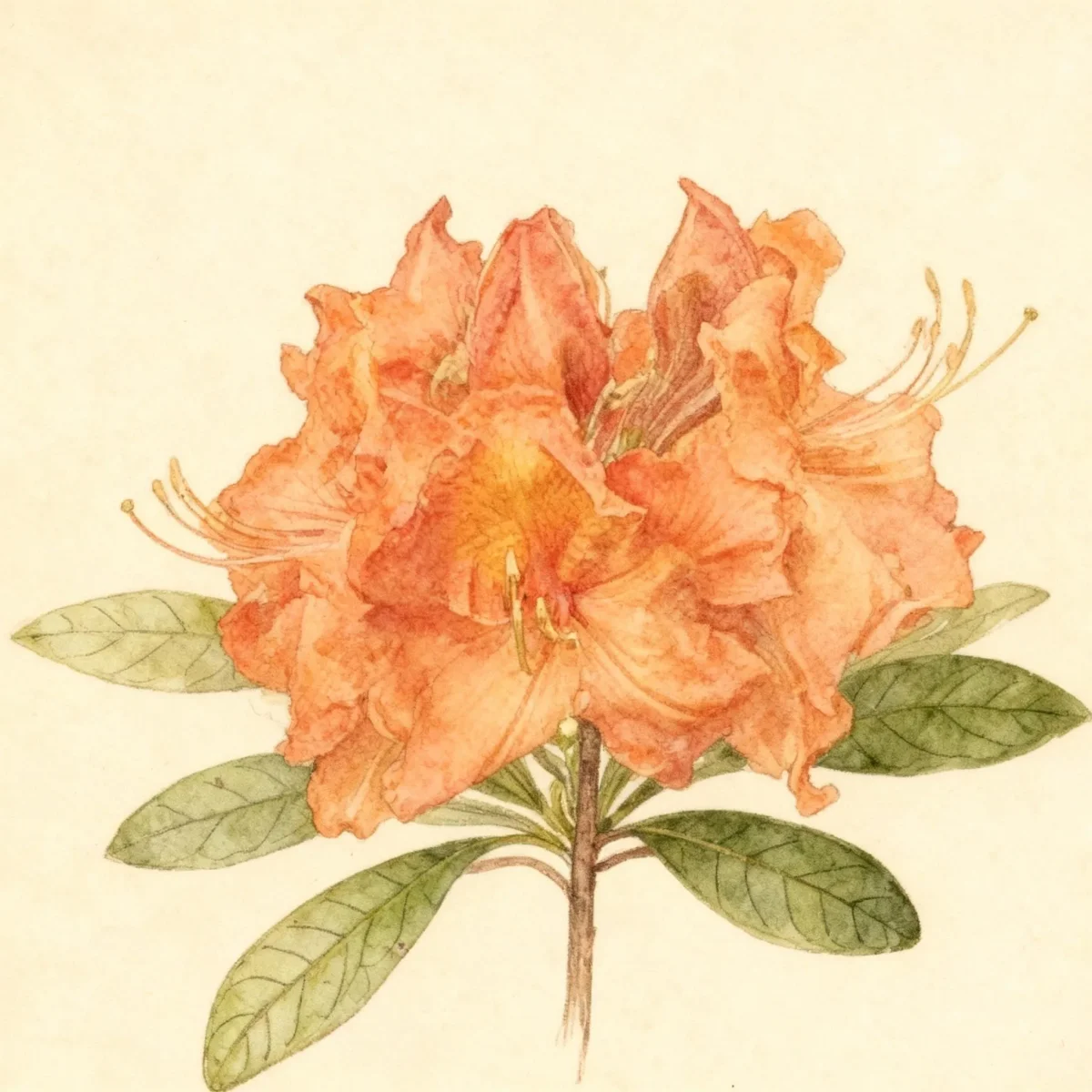
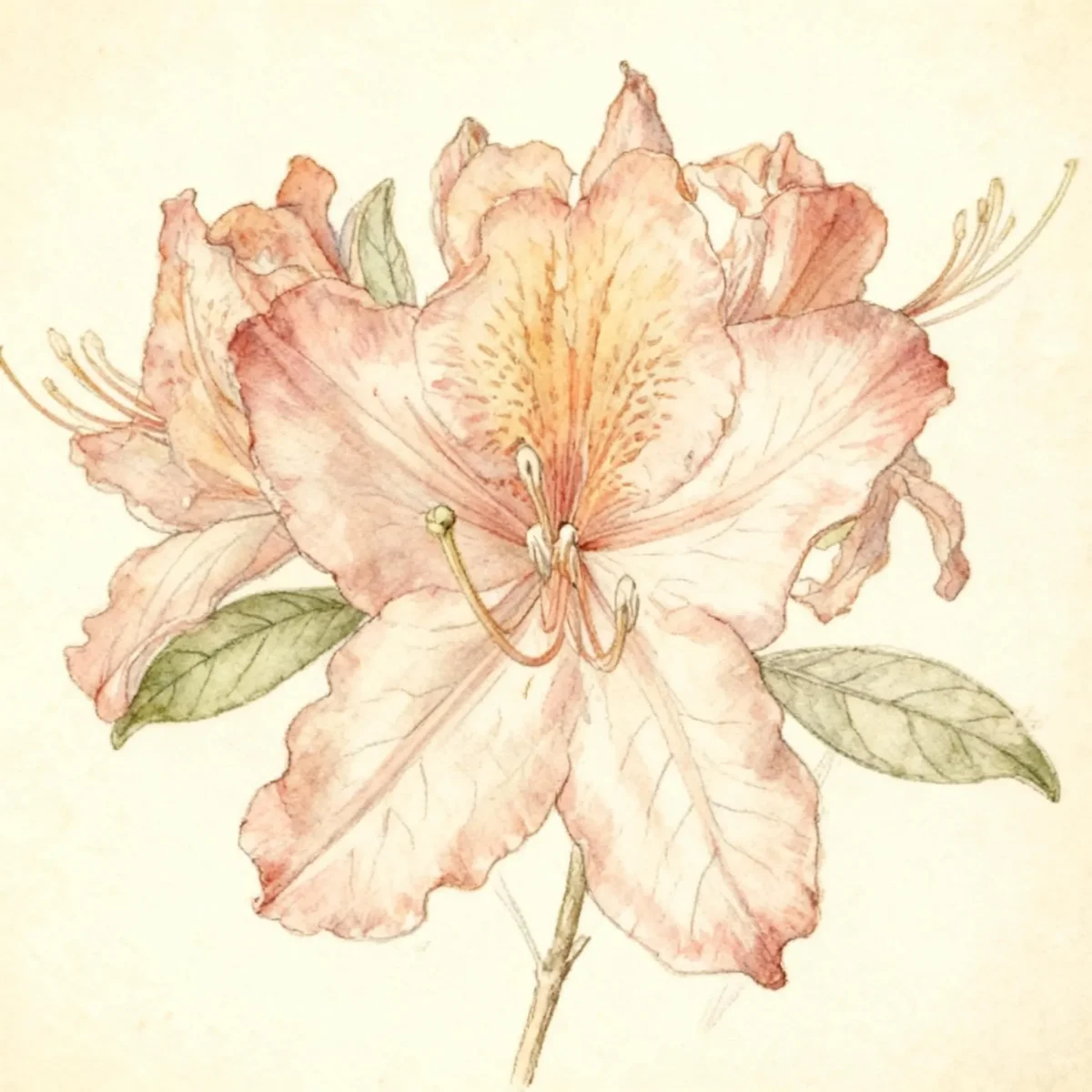
Azalea (Rhododendron 'Northern Hi-Lights')
Rhododendron 'Northern Hi-Lights' is a hardy deciduous Azalea known for fragrant white/yellow blooms and fall color.
Scroll down to discover growing tips, care requirements, companion plants, and more
Complete Plant Information
Overview
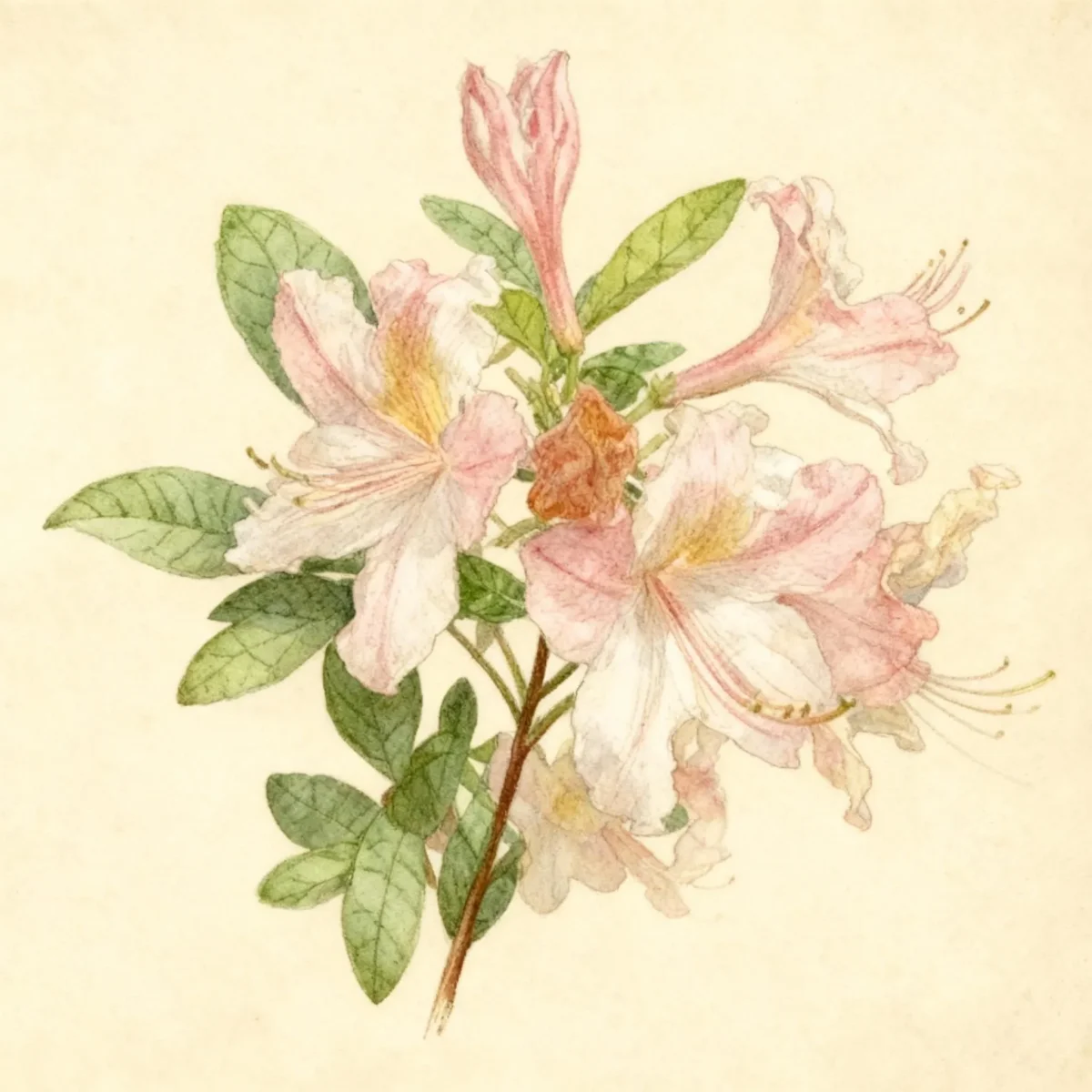
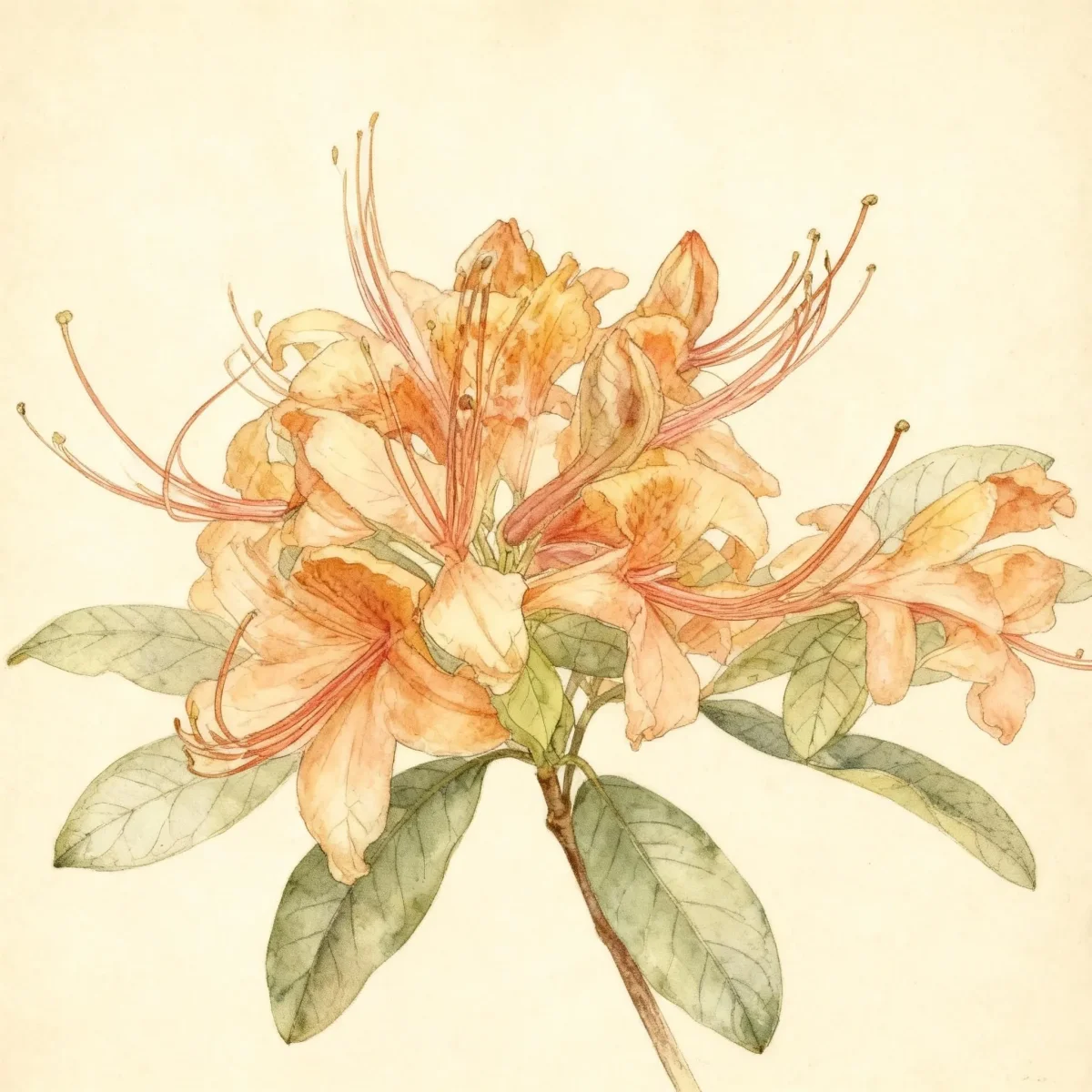
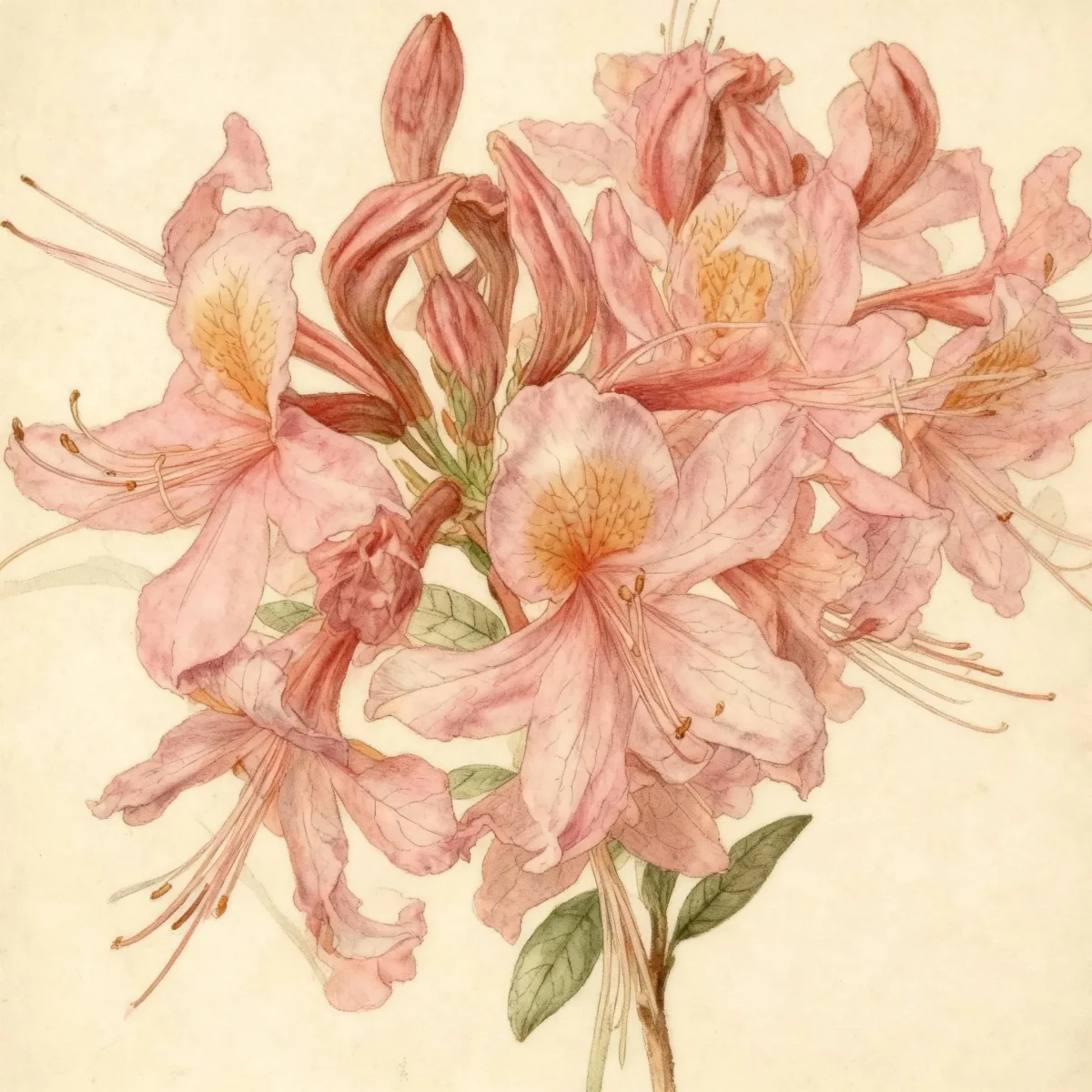
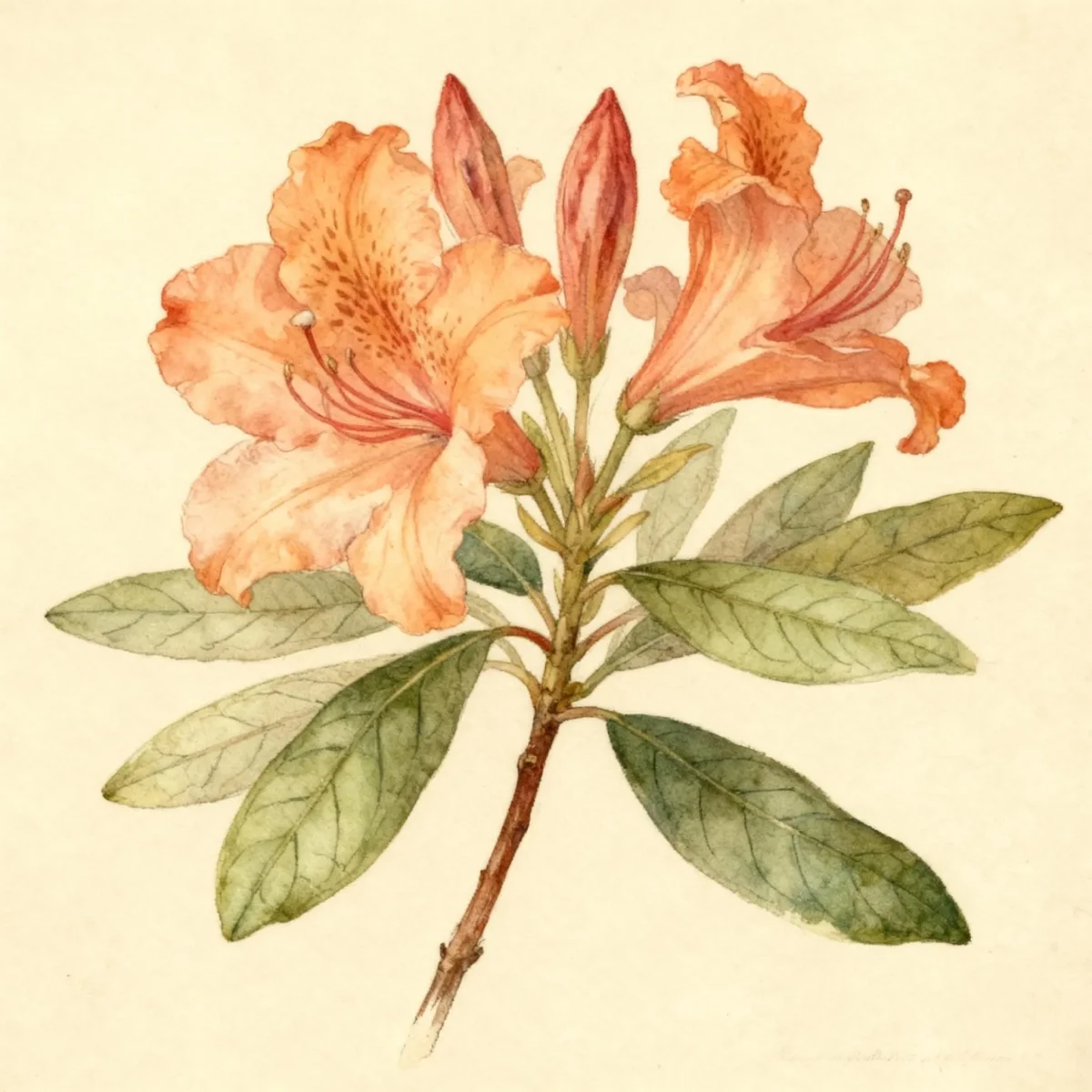
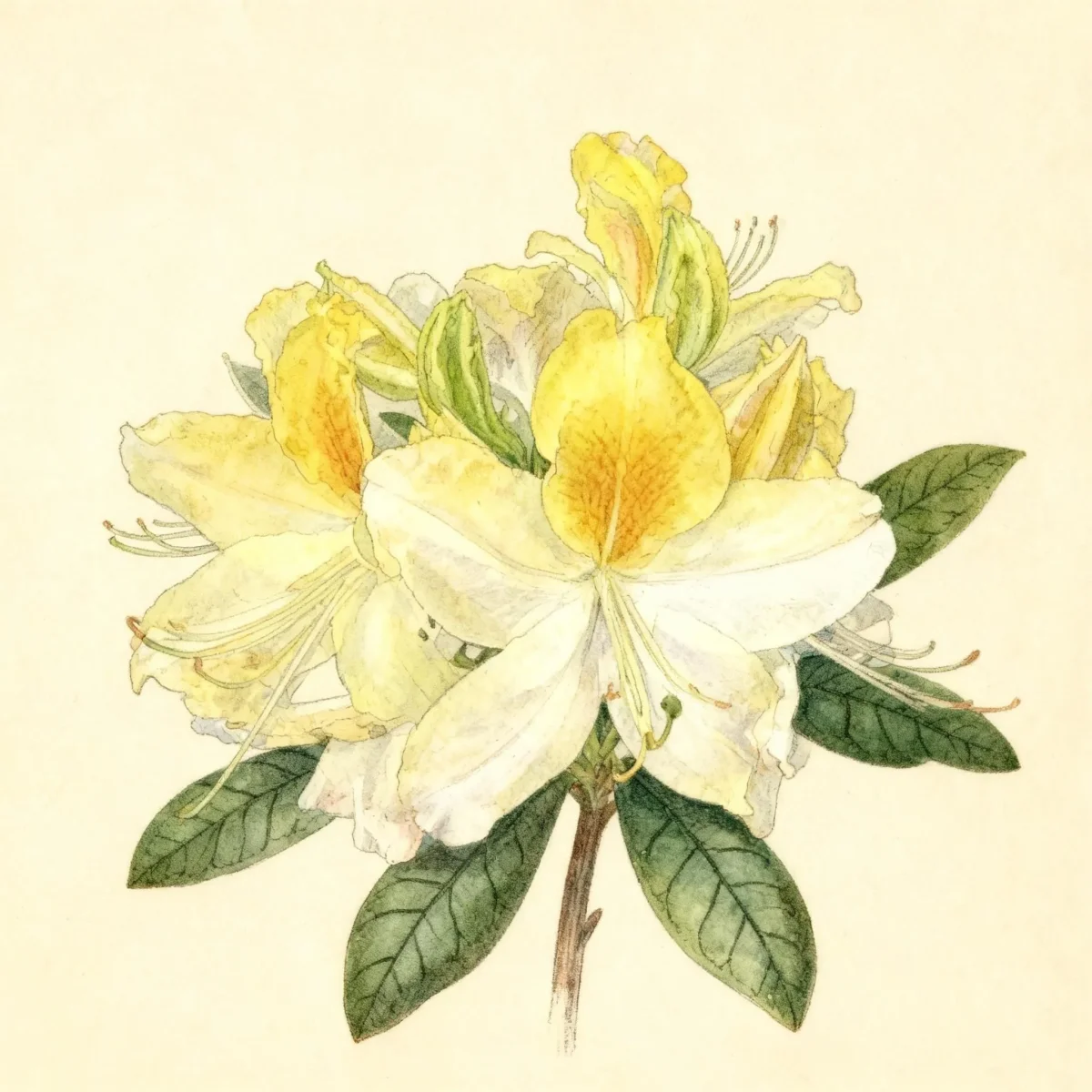
Rhododendron ‘Northern Hi-Lights’ is a highly valued deciduous Azalea cultivar, celebrated for its exceptionally fragrant spring bloom display. This shrub lights up the garden in April and May with multicolored blossoms featuring creamy white and pale yellow tones. Developed by the University of Minnesota, this specific Azalea is part of the Northern Light series, designed for superior cold hardiness in cooler climates.
This variety matures into a well-formed shrub, typically reaching 4 to 5 feet in both height and spread, making it versatile for various landscape placements. Beyond its abundant flowers, gardeners appreciate the attractive foliage of Rhododendron ‘Northern Hi-Lights’ which develops handsome red and burgundy tints as the season transitions into autumn.
As a deciduous Azalea, it sheds its leaves in fall, offering a different texture than its evergreen relatives, yet it provides the spectacular, lavish flowering that this genus is famed for. Cultivating Rhododendron ‘Northern Hi-Lights’ successfully requires attention to soil acidity and drainage, rewarding consistent care with reliable, vibrant spring color.
Fast Facts
- Plant Family: Ericaceae
- Plant Type: Deciduous shrub
- Hardiness Zones: USDA Zones 4-7
- Size at Maturity:
- Height: 4-5 ft
- Spread: 4-5 ft
- Bloom Time: April to May
- Bloom Description: Multicolored white and yellow
- Sun Exposure: Part shade
- Water Needs: Medium
- Maintenance Level: Medium
How to Grow
The key to successful cultivation for this Azalea lies in achieving the correct soil environment. Plant Rhododendron ‘Northern Hi-Lights’ in organically rich, humusy, moisture-retentive, yet very well-drained soil. Ideal pH levels are acidic, generally between 5.0 and 5.5; amend with sulfur or iron sulfate if necessary to lower alkalinity; never use lime to raise pH. Locate the plant where it receives dappled sunlight or high open shade, ideally receiving morning sun but protected from harsh afternoon heat, which can scorch the leaves, especially in warmer zones.
Ensure excellent drainage, often necessitating raised beds in heavy clay soils to prevent root rot—shallow fibrous roots absolutely cannot tolerate “wet feet.” Water consistently to maintain medium moisture levels; the roots must never be allowed to dry out. Immediately after blooming concludes, clip spent flower clusters off as soon as possible to direct energy toward next year’s buds rather than seed production.
Protecting the fibrous root system is critical; avoid cultivating too closely around the base, and apply a substantial layer of mulch, such as pine needles or wood chips, to stabilize soil temperature and retain moisture. Furthermore, site this shrub away from the drip line of walnut trees, as rhododendrons and azaleas are extremely sensitive to toxic juglones.
Landscape Uses
Rhododendron ‘Northern Hi-Lights’ excels in providing seasonal focal points in various garden settings. Due to its manageable mature size of 4 to 5 feet, it performs beautifully when used in shrub borders, adding structure and early spring excitement next to later-blooming perennials. It is particularly effective as a specimen plant when superb spring fragrance is desired near a walkway or patio.
These deciduous Azaleas integrate seamlessly into woodland gardens, providing that essential mass of early color beneath taller, high-canopied trees. They also function effectively as informal hedges or repeated elements within mixed borders, creating natural-looking screens or transitions between different garden rooms. When massed together, the combined effect of the light-colored, fragrant blooms is breathtaking.
For foundation plantings near a home, ensure there is enough space for air circulation and protection from strong winds. When designing with Rhododendron ‘Northern Hi-Lights’, pair it successfully with other acid-loving plants like Camellias, evergreen Azaleas, and various ferns that thrive in similar part-shade environments.
Standout Features
Flower Qualities
- Showy
- Fragrant
Noteworthy Characteristics
Rhododendron is a genus of 500 to 900 species and includes both of what we commonly call rhododendrons and azaleas. This specific cultivar, ‘Northern Hi-Lights’, is an Exbury azalea that readily grows 4 to 5 feet in height and width. A key feature is its highly aromatic blooms, which possess creamy white to pale yellow coloration, often highlighted by a vivid yellow blotch. Developed by the University of Minnesota, this cultivar is distinguished by its reliable cold hardiness down to Zone 4 and foliage that shows some resistance to mildew while providing attractive red and burgundy fall color.
Tolerances
- Rabbit
Potential Problems
Rhododendrons and azaleas are susceptible to many insect and disease problems, but a healthy Rhododendron ‘Northern Hi-Lights’ in the proper environment faces fewer issues. Common insect pests include scale, lacebugs, and borers, while diseases can manifest as leaf spot, rust, or various rot issues if drainage is poor. Chlorosis, where leaves turn yellow, often indicates a soil pH that is too high, causing iron deficiency. Prevention revolves around excellent cultural care: ensuring sharp drainage prevents crown and root rot, and maintaining appropriate soil acidity manages nutrient uptake. Regular inspection and prompt organic treatments for visible pests will keep your Azalea thriving.
Frequently Asked Questions
What hardiness zones is Azalea (Rhododendron ‘Northern Hi-Lights’) suitable for?
Rhododendron ‘Northern Hi-Lights’ is reliably hardy in USDA Zones 4 through 7.
How large does Azalea (Rhododendron ‘Northern Hi-Lights’) grow?
This deciduous shrub typically reaches a mature height and spread between 4 and 5 feet.
What sun exposure does Azalea (Rhododendron ‘Northern Hi-Lights’) need?
Rhododendron ‘Northern Hi-Lights’ thrives best in part shade, preferring dappled light or morning sun followed by afternoon shade.
When does Azalea (Rhododendron ‘Northern Hi-Lights’) bloom?
This Azalea blooms substantially between April and May, presenting multicolored white and yellow flowers.
Conclusion
Rhododendron ‘Northern Hi-Lights’ offers gardeners a fragrant, showy display in the spring and desirable fall foliage, establishing itself as a dependable, cold-hardy deciduous shrub. The attractive size and performance of this Azalea make it a valuable addition to almost any temperate garden structure. Before planting, confirm your soil pH is adequately acidic and plan for protection from strong winds to ensure the best performance from your Rhododendron ‘Northern Hi-Lights’.
Companion Planting
Selecting companions for Rhododendron ‘Northern Hi-Lights’ requires focusing on plants that share its need for acidic, well-drained soil and part-shade conditions. Low-growing groundcovers that tolerate shade, such as various Hostas or Heuchera (Coral Bells), can help shade the shallow root system and suppress weeds without competing aggressively for moisture.
Evergreen Azaleas or Japanese Andromeda (Pieris japonica) make excellent partners, offering foliage contrast while enjoying identical soil culture. For height variation in woodland garden settings, consider planting native ferns, such as the Autumn Fern or Japanese Painted Fern, which enhance the natural, layered look favored by this type of shrub. Avoid planting large thirsty trees or alkaline-loving species nearby.
Seasonal Care Calendar
Early Spring (Pre-Bloom): Focus on soil inspection. If needed, apply sulfur to begin lowering pH levels gradually. Ensure mulch layers are intact to protect emerging shallow roots from temperature fluctuations.
Late Spring (Post-Bloom - May/Early June): This is the critical time for pruning—only prune to shape or remove dead wood immediately after flowering ceases. Apply a slow-release, acid-loving fertilizer if fertility is low, adhering strictly to application rates.
Summer: Maintain consistent, medium moisture via deep watering, especially during dry spells, ensuring the soil remains damp but never saturated. Monitor for leaf scorch, which indicates the plant is receiving too much direct afternoon sun.
Fall: Monitor leaf color change. Avoid heavy fertilization late in the season. Ensure the plant is well-watered before the ground freezes completely to prevent winter desiccation.