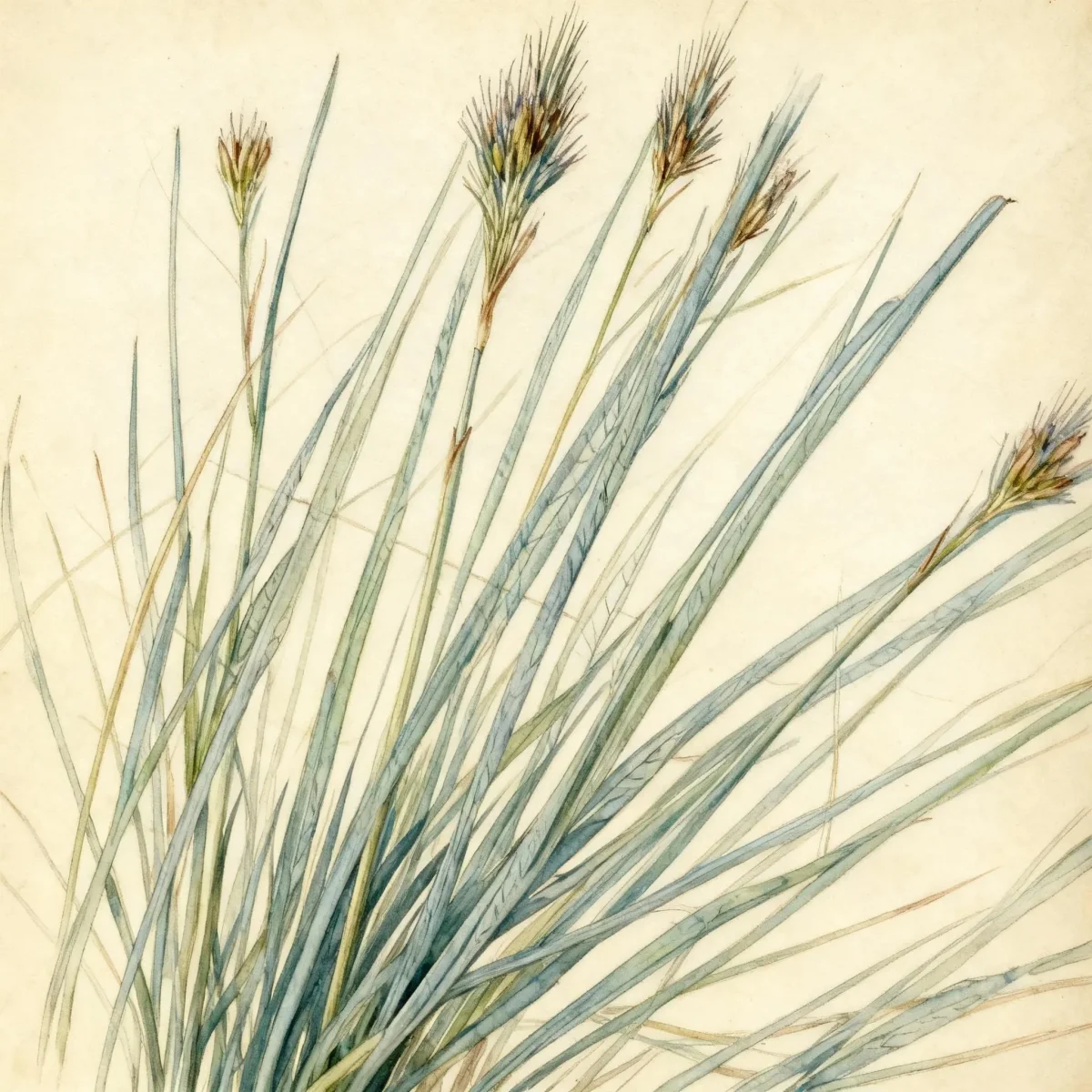
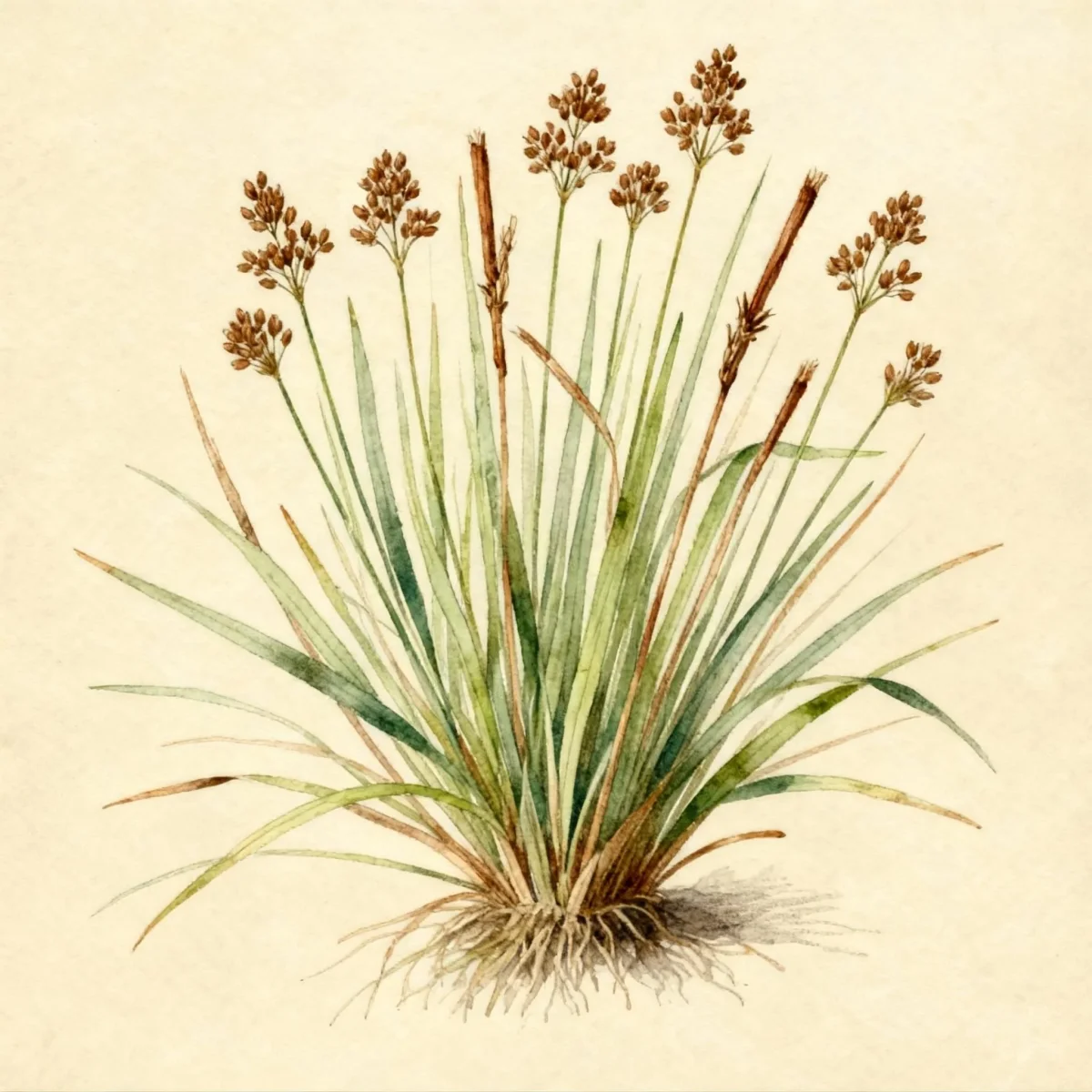
Hard rush (Juncus inflexus 'Lovesick Blues')
Juncus inflexus 'Lovesick Blues', or Hard rush, features striking weeping, steely blue-gray stems perfect for wet gardens. Low maintenance, Zones 4-9.
Scroll down to discover growing tips, care requirements, companion plants, and more
Complete Plant Information
Overview
Juncus inflexus ‘Lovesick Blues’ is a highly desirable cultivar of Hard rush, instantly recognizable by its upright yet cascading foliage structure. This perennial sedge-like plant provides year-round architectural interest with its distinctive steely blue-gray stems contrasting beautifully against traditional greens. Low maintenance requirements make this Juncus choice exceptionally rewarding for gardeners dealing with consistently moist or wet conditions.
The weeping habit of Juncus inflexus ‘Lovesick Blues’ offers a unique textural element, moving gracefully in the slightest breeze, which is why it excels near water features. As a rhizomatous perennial, it slowly spreads, providing dependable structure in rain gardens and pond borders where many other ornamentals struggle. Enjoying full sun, this Hard rush provides dependable structure and visual appeal across USDA Zones 4 through 9.
Fast Facts
- Plant Family: Juncaceae
- Plant Type: Rush or Sedge
- Hardiness Zones: USDA Zones 4-9
- Size at Maturity:
- Height: 0.75-1 ft
- Spread: 1-3 ft
- Bloom Time: June to August
- Bloom Description: Yellowish-green to tan
- Sun Exposure: Full sun
- Water Needs: Wet
- Maintenance Level: Low
How to Grow
Planting Juncus inflexus ‘Lovesick Blues’ is best done in spring, ensuring the plant has the entire growing season to establish its slow-spreading rhizomes. This Hard rush thrives in full sun but can tolerate light shade; however, full sun best develops its characteristic blue coloration. It prefers consistently moist to wet soils and actively enjoys standing water up to about three inches deep, making it ideal for boggy sites.
Watering is straightforward: Juncus inflexus ‘Lovesick Blues’ requires ample moisture year-round. While it excels in standing water, it is surprisingly adaptable and does well in slightly moist garden soils, provided they do not completely dry out during warm periods. Fertilizing is rarely necessary; adequate moisture and sufficient light are the primary requirements for this low-maintenance plant.
Foliage of this attractive rush typically dies back in very cold winter climates, emerging vigorously again come spring. In milder areas within Zones 8 or 9, the foliage may persist through winter but benefits from being cut back in early spring before new growth begins. Propagation is achieved through division of the creeping rhizomes in the early spring before active growth starts.
Landscape Uses
The primary strength of Juncus inflexus ‘Lovesick Blues’ lies in its specialized aquatic tolerance. It excels when placed directly at the edge of a pond or water garden, serving as an excellent water plant transition between submerged areas and dry land. Its ability to handle standing water up to three inches deep makes it an invaluable component in designed rain gardens, effectively managing runoff.
Beyond true bog conditions, the architectural structure of the blue-gray stems lends sophistication to transitional waterside landscaping and rock gardens where consistent moisture can be guaranteed. Additionally, the dense tufting and slow spread of Hard rush make it effective for mild erosion control along shallow banks. Consider positioning large specimens in combination containers with thirsty annuals to create living centerpieces that thrive in wet bases.
Standout Features
Flower Qualities
- Insignificant
Noteworthy Characteristics
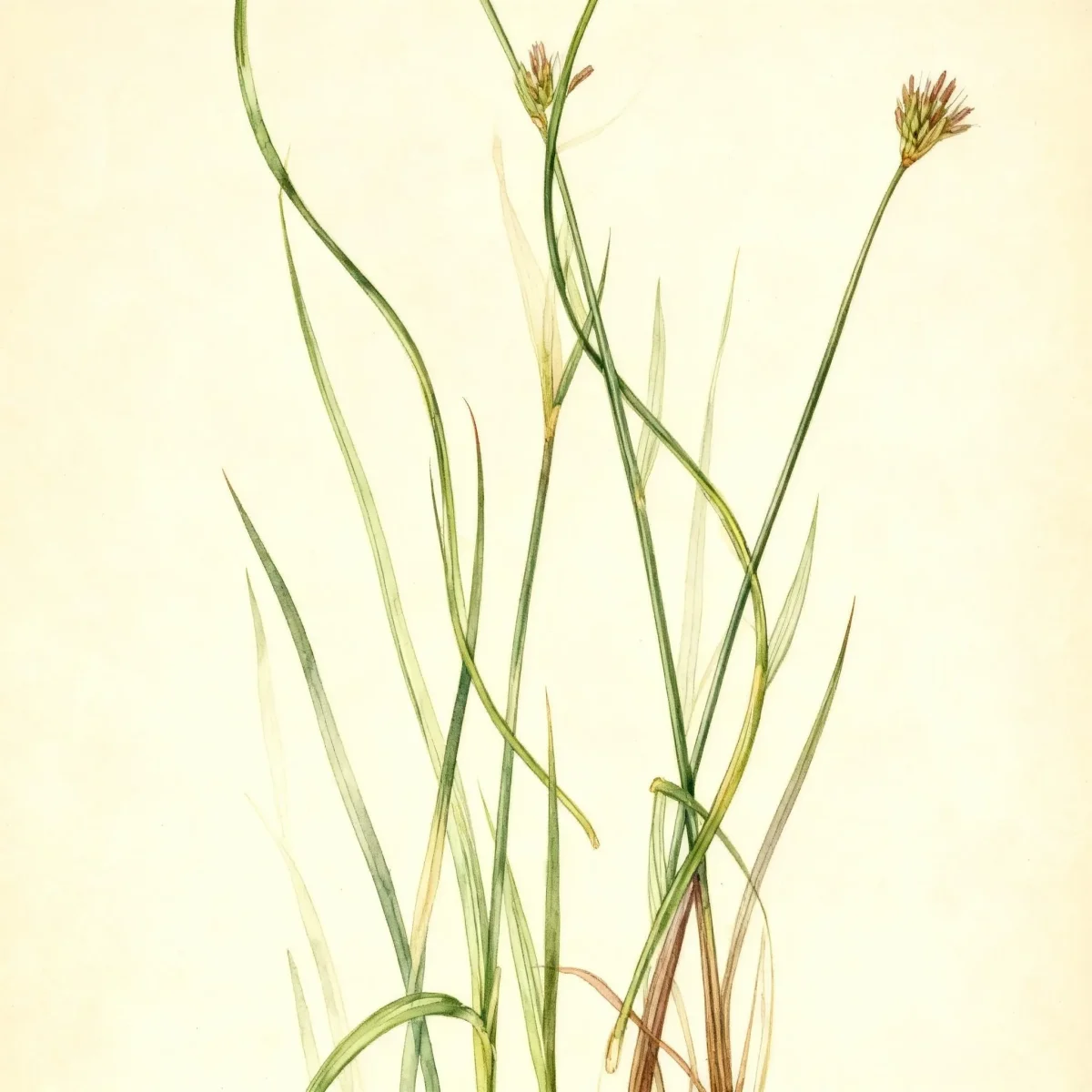
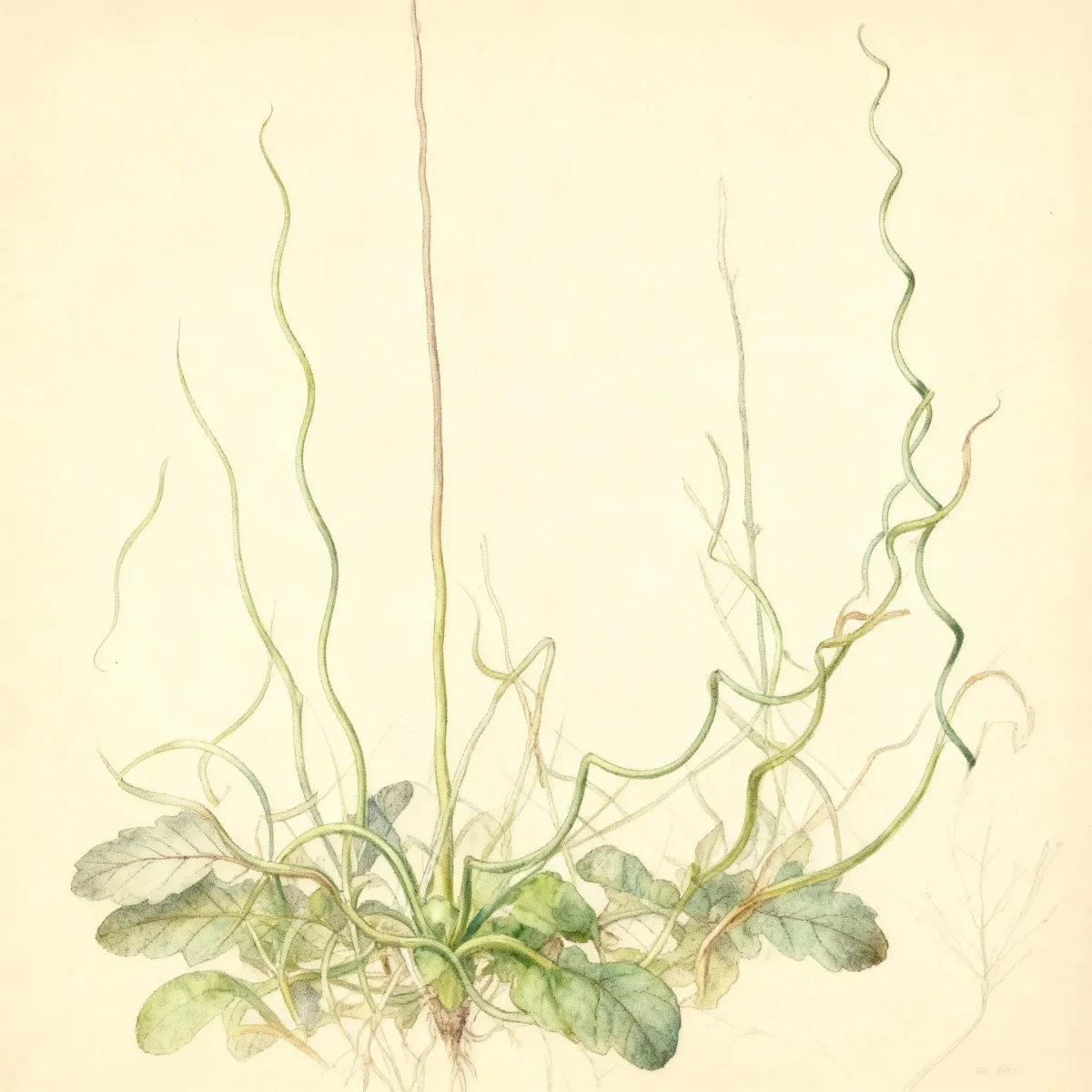
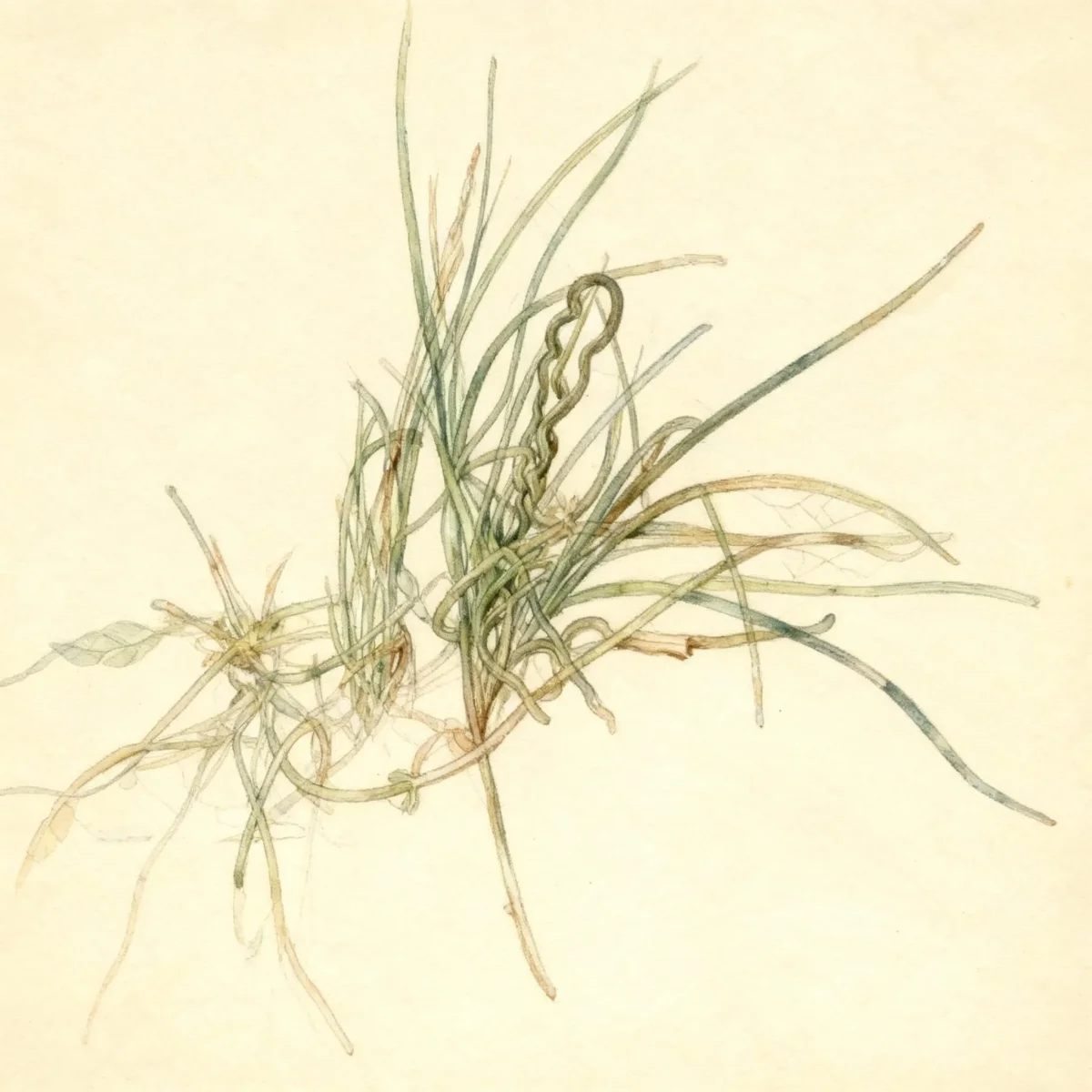
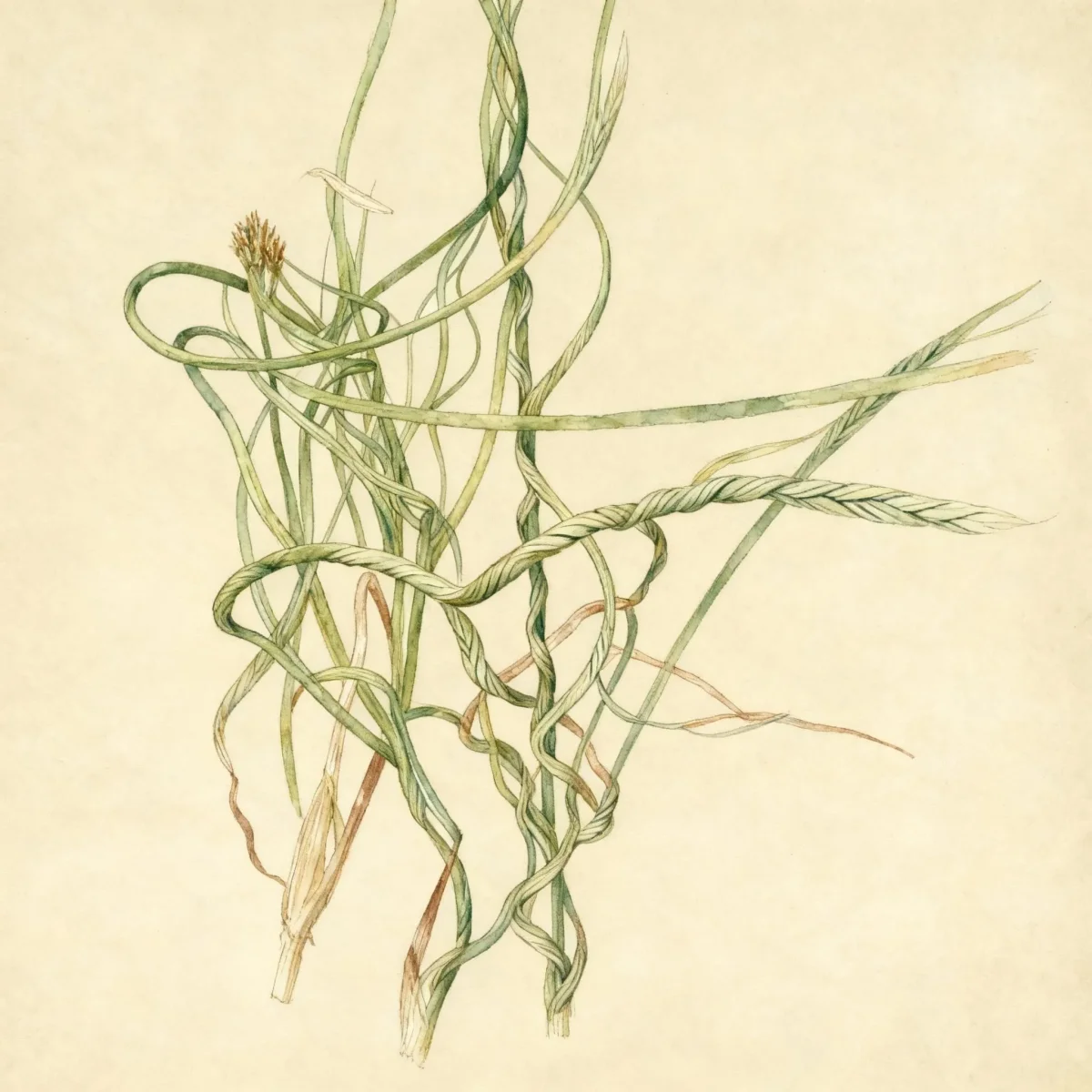
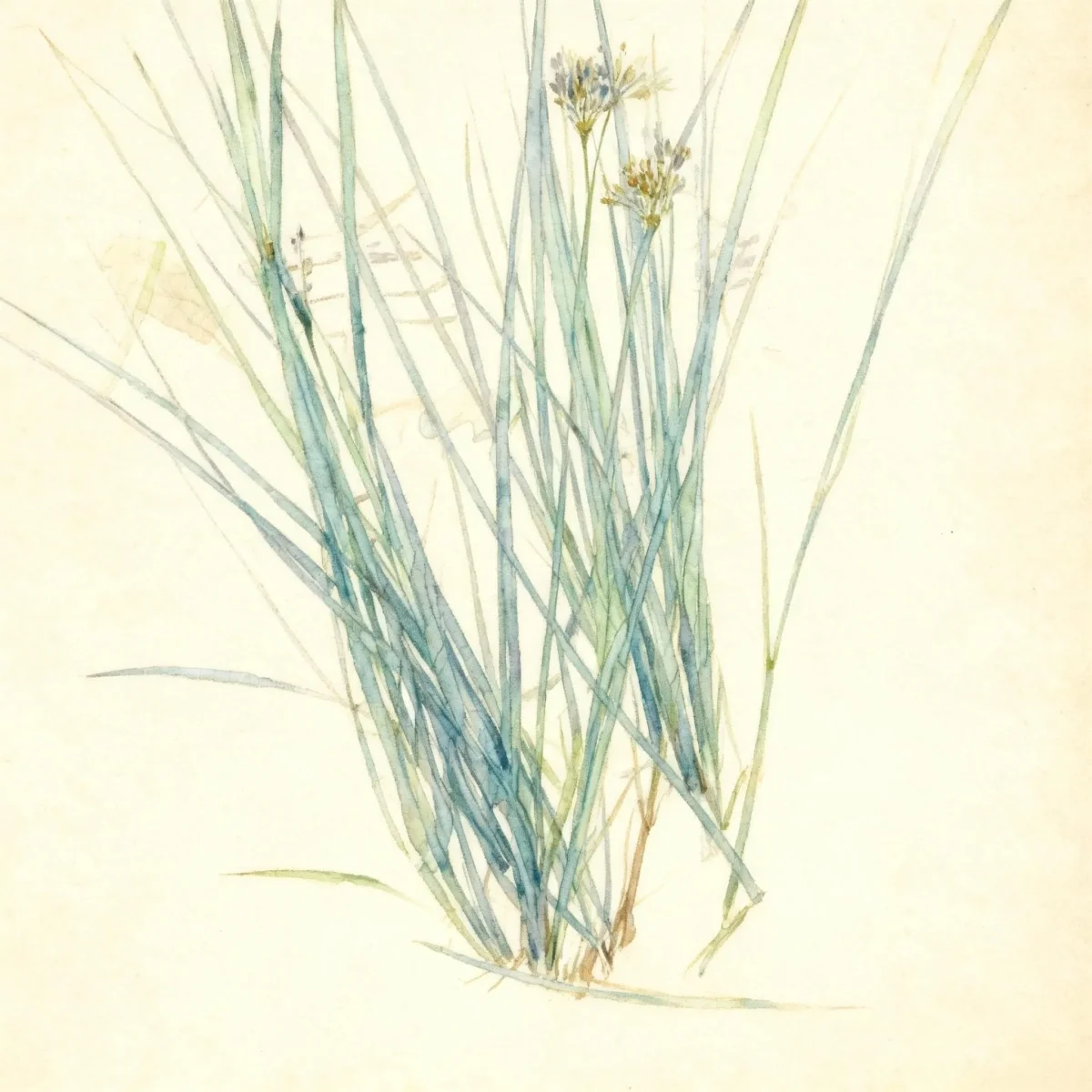
Juncus inflexus, commonly known as hard rush or blue rush, is a rhizomatous, densely-tufted perennial with upright, cylindrical, blue-green stems/leaves. The ‘Lovesick Blues’ cultivar is particularly noted for its weeping habit, featuring a foliage mound typically rising to 12” but spreading to as much as 36” wide of weeping, steely blue-gray, triangular stems. Tiny, yellowish green to pale brown flowers appear in compact clusters at the stem tips during the summer months.
Tolerances
- Erosion
- Wet Soil
Potential Problems
This plant exhibits exceptional toughness, boasting no serious insect or disease problems under normal growing conditions. Good air circulation is important if planting densely in very humid environments, although general pest pressure remains extremely low. Avoid planting in dry, upland areas, as this is the most common way to stress the Juncus inflexus ‘Lovesick Blues’.
Frequently Asked Questions
What hardiness zones is Hard rush suitable for?
Juncus inflexus ‘Lovesick Blues’ is reliably hardy across USDA Zones 4 through 9.
How large does Juncus inflexus ‘Lovesick Blues’ grow?
This cultivar typically reaches a height between 0.75 and 1 foot tall, spreading between 1 and 3 feet wide.
What sun exposure does Hard rush need?
This plant performs best when situated in full sun, which enhances the desirable blue coloration of its stems.
When does Juncus inflexus ‘Lovesick Blues’ bloom?
Bloom time is generally from June through August, offering small, yellowish-green to tan flower clusters at the stem tips.
Conclusion
The weeping foliage and blue coloration make Juncus inflexus ‘Lovesick Blues’ an indispensable architectural plant for wet margins and water gardens. Its low maintenance profile and effectiveness in erosion control confirm its value as a practical choice for water features. Before planting, confirm that your garden site offers consistent moisture, placing this attractive Hard rush where its unique texture can be fully appreciated.
Propagation Tips
Propagating Juncus inflexus ‘Lovesick Blues’ is highly effective through division, a process best undertaken in early spring before new upright stems emerge. Carefully lift the clump and divide the creeping rhizomes into smaller sections, ensuring each division has a healthy root base. These divisions can be immediately replanted in desired locations, provided the necessary wet or consistently moist soil conditions are met.
Established clumps can also be allowed to self-seed, particularly in optimum, boggy growing conditions. While the resulting seedlings may breed true to the parent’s cultural needs, they may not perfectly replicate the striking weeping habit of the ‘Lovesick Blues’ cultivar, making vegetative division the preferred method for maintaining fidelity.
Design Ideas
The striking steely-blue hue of this Hard rush acts as a cool-toned visual anchor in sun-drenched, moist garden pockets. Pair Juncus inflexus ‘Lovesick Blues’ with plants offering textural contrast, such as broad-leafed irises or bright green marsh marigolds, to highlight its fine, upright form. It functions beautifully as a vertical accent in mass plantings along stream banks, integrating seamlessly into naturalized wetland scenes.
Its moderate size (under 1 foot tall) prevents it from completely dominating smaller water features. Use it near the front edge of a pond where the water level is shallow or receding, allowing the base of the rush to remain damp. The vertical structure also works well when juxtaposed against groundcovers or mounding perennials in rain garden swales, slowing water flow and filtering runoff.