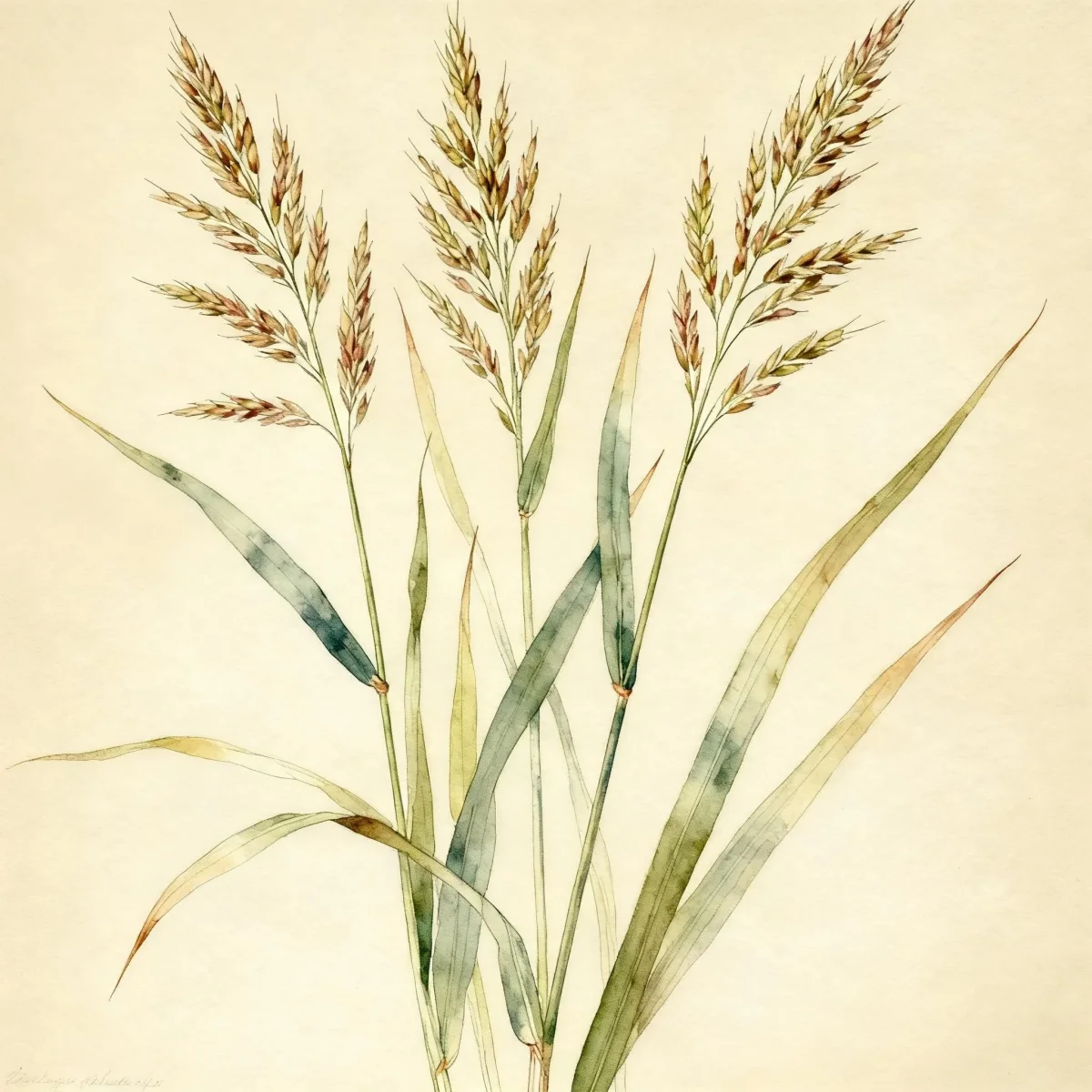
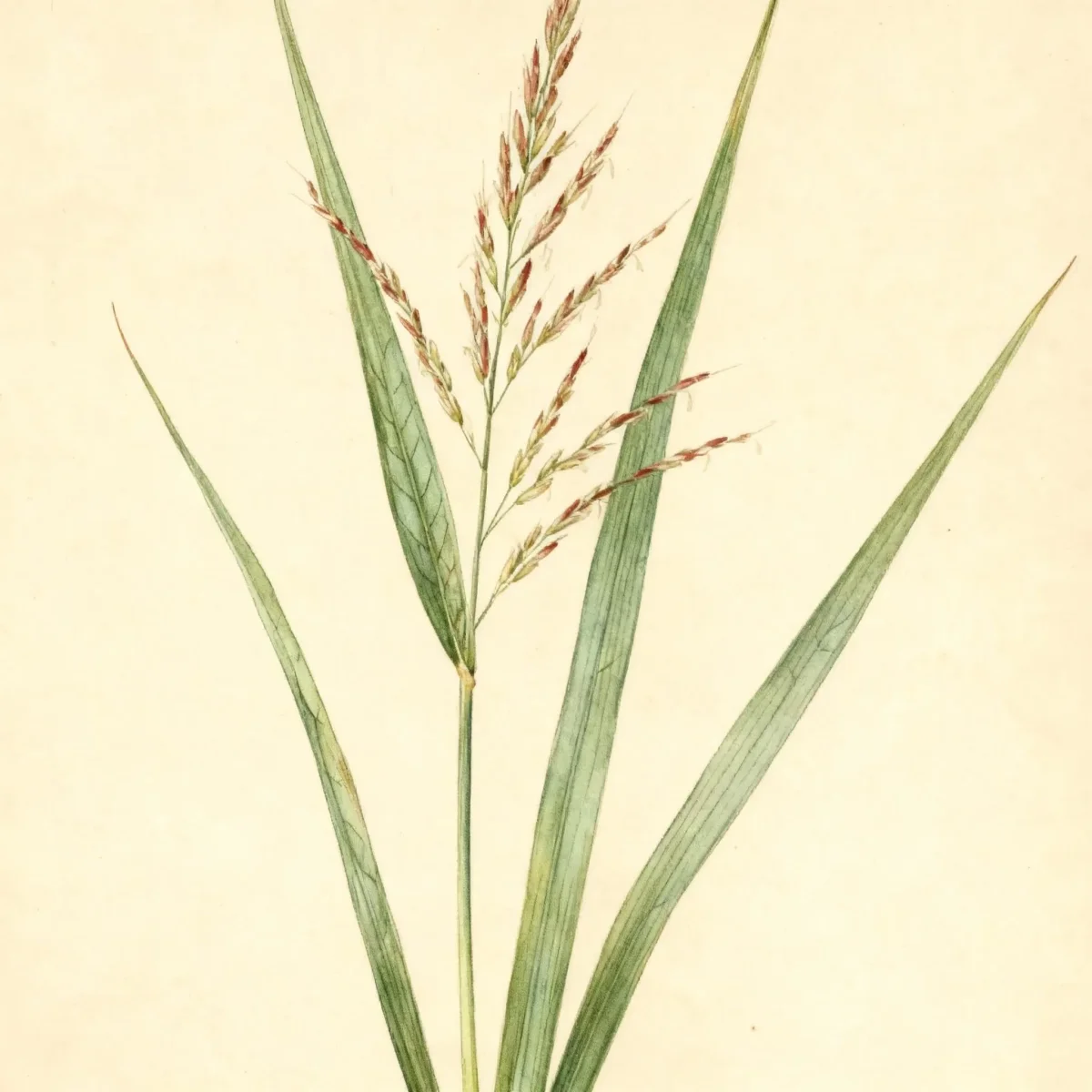
Switch grass (Panicum virgatum 'Northwind')
Panicum virgatum 'Northwind' Switch grass offers tight blue-green vertical form, turning yellow in fall. Low maintenance, excellent rain garden choice.
Scroll down to discover growing tips, care requirements, companion plants, and more
Complete Plant Information
Overview
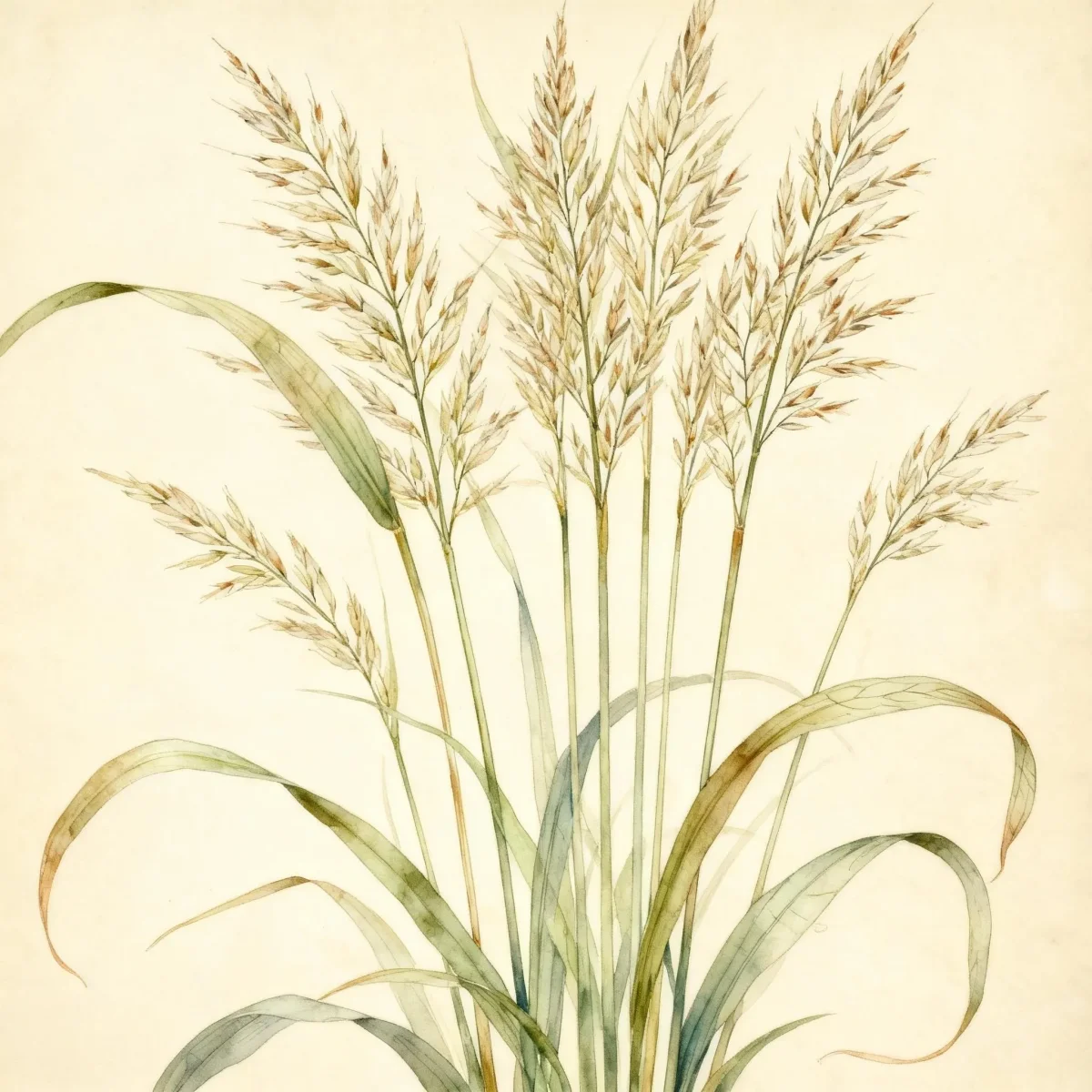
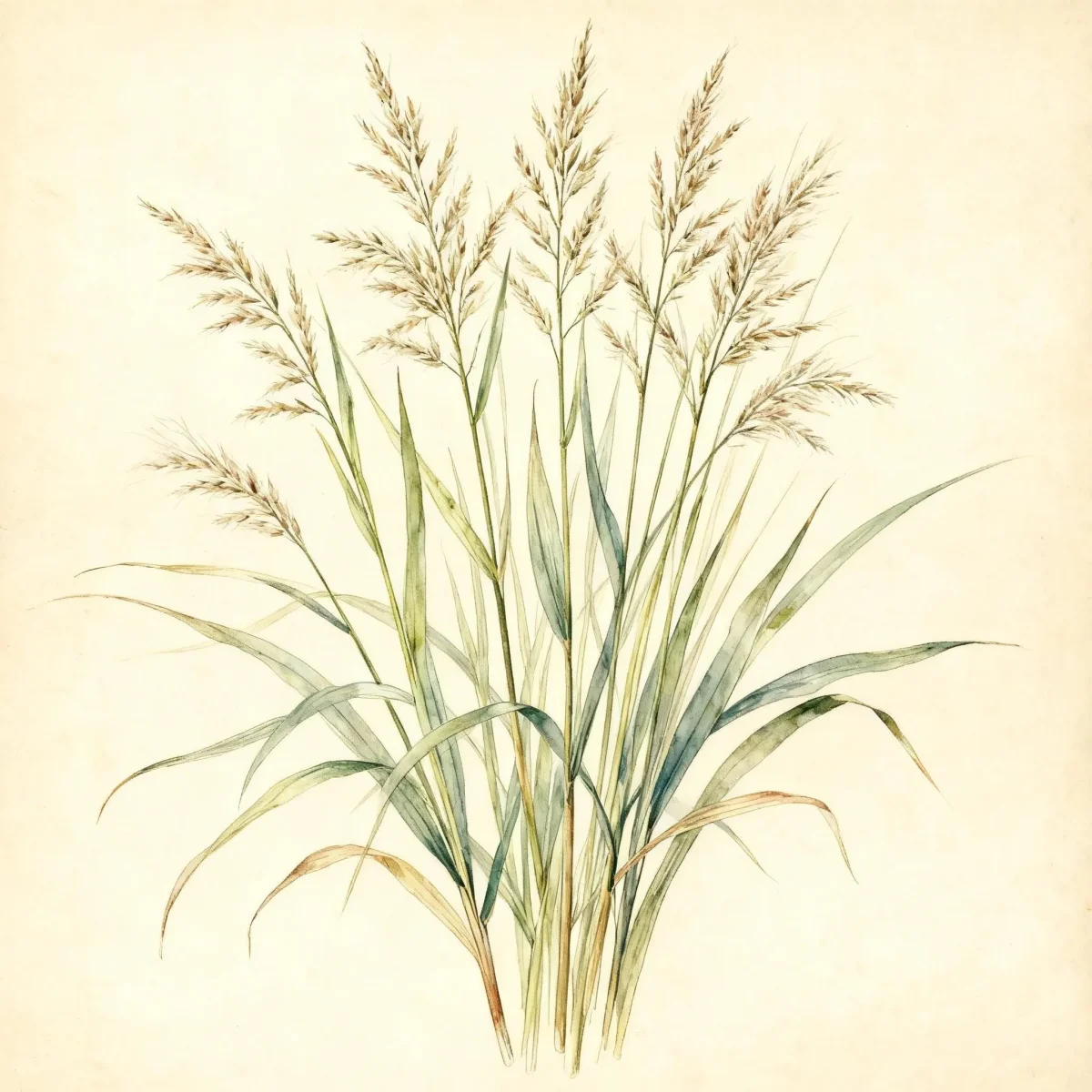
Panicum virgatum ‘Northwind’, commonly known as Switch grass, is prized for its exceptionally stiff, narrow, and upright columnar habit, making it a superior structural element in the garden. This cultivar maintains its strong vertical form throughout the growing season, contrasting beautifully with softer perennial textures. As a warm-season grass, it provides essential structure and color interest long after bloom fades.
This Missouri native excels in diverse cultural settings, handling everything from dry periods to occasional flooding once established. Panicum virgatum ‘Northwind’ is valued not only for its aesthetic appeal but also for its ecological role in prairies and naturalized settings. Gardeners appreciate the low maintenance commitment required to keep this native ornamental grass looking sharp.
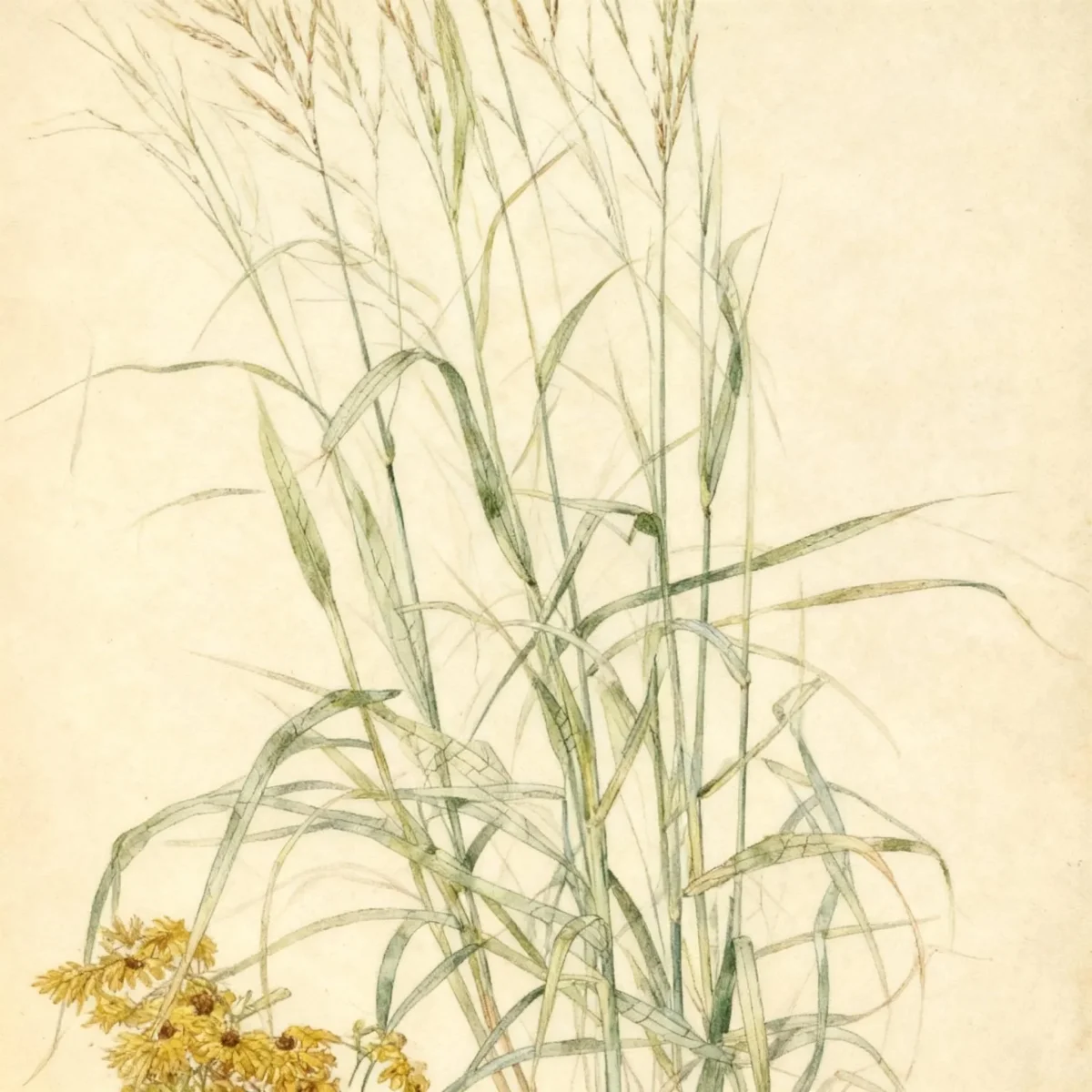
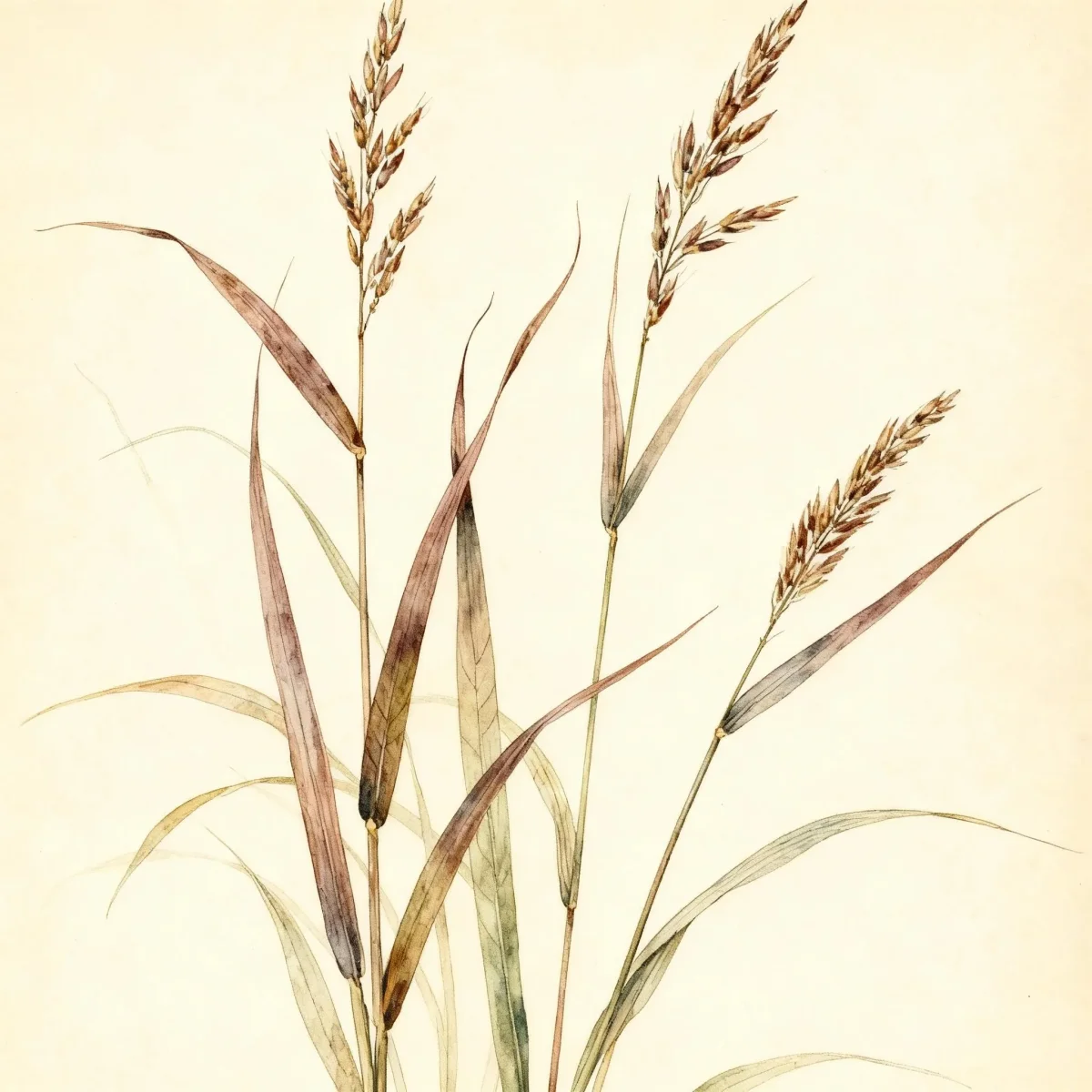
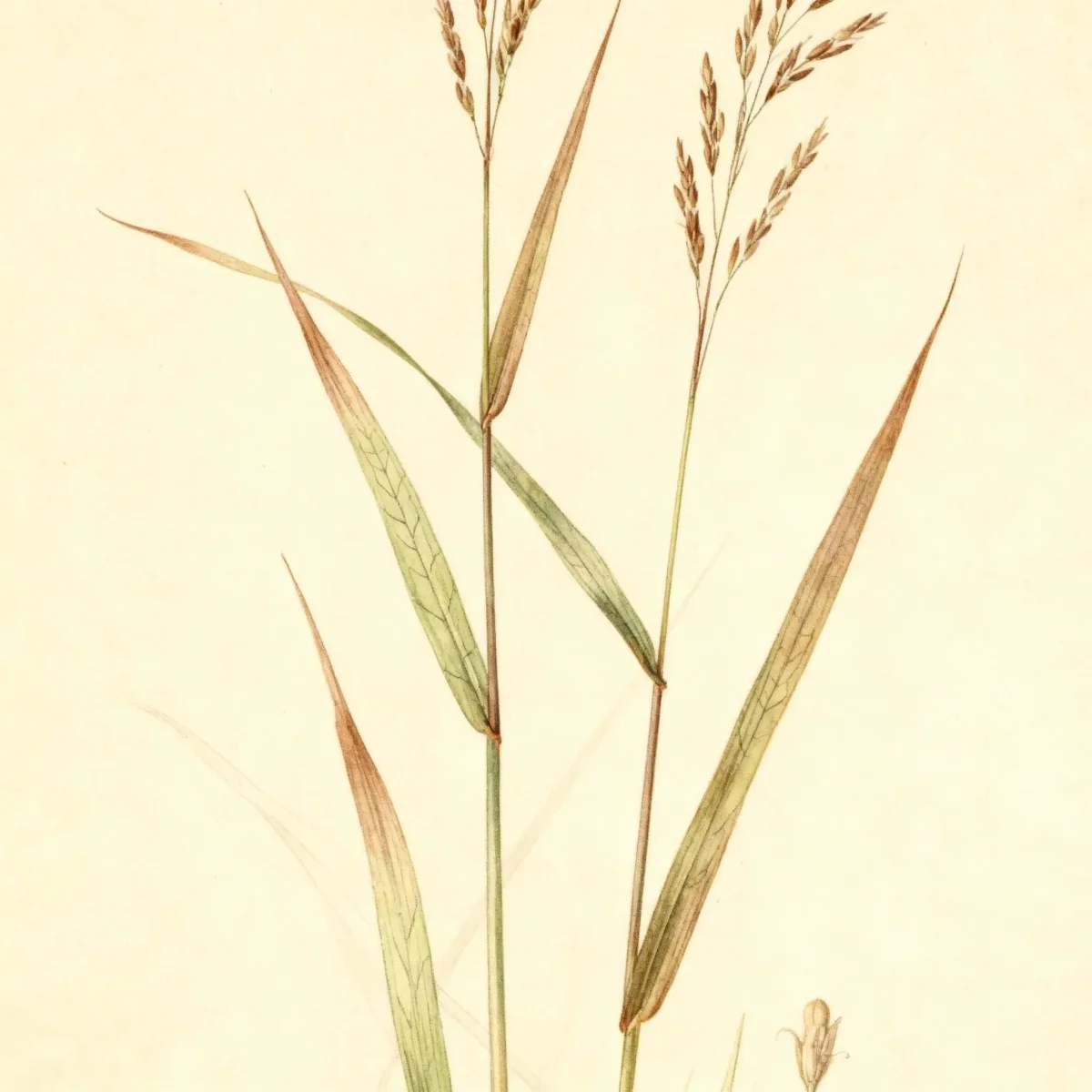
The foliage begins as olive-green to bluish-green before transitioning to attractive yellow-beige tones in autumn, offering excellent winter interest. The airy flower heads add subtle texture hovering above the foliage in summer, eventually maturing to beige seed plumes that feed winter birds. Choosing Panicum virgatum ‘Northwind’ ensures reliable height and form for screen planting or as a year-round vertical accent.
Fast Facts
- Plant Family: Poaceae
- Plant Type: Ornamental grass
- Hardiness Zones: USDA Zones 5-9
- Size at Maturity:
- Height: 4-5 ft
- Spread: 2-2.5 ft
- Bloom Time: July to February
- Bloom Description: Yellow
- Sun Exposure: Full sun to part shade
- Water Needs: Medium to wet
- Maintenance Level: Low
How to Grow
Plant Switch grass in the spring or early fall for best establishment, ensuring it receives full sun for the most compact and upright habit. While Panicum virgatum ‘Northwind’ tolerates a broad spectrum of soils, it thrives in average, moist, sandy, or clay soils, making it extremely adaptable. If planted in overly rich garden beds, the foliage tends to flop, losing the desirable narrow shape.
Water requirements are medium, though this grass handles both dry spells and occasional wet periods or flooding well once established. Fertilizing is rarely necessary for native grasses like Switch grass; excessive feeding promotes weak growth. If your plant does start to lose its structure, it is often a sign that the location is receiving too much shade, causing it to grow more openly and fall over.
Pruning is a simple annual task for healthy Panicum virgatum ‘Northwind’. Cut the entire clump back to the ground in late winter or early spring before new growth begins. This clears winter debris and encourages robust new vertical shoots. While the cultivar may not breed true from seed, natural clumps spread slowly via slightly creeping rhizomes.
Landscape Uses
The dense, upright structure of Panicum virgatum ‘Northwind’ makes it an outstanding choice for functional landscape roles. Utilize it in mass plantings to define borders or as an effective, tall screen where privacy is desired. It works beautifully as a strong vertical accent against the lower, sweeping forms of perennials in mixed borders.
Given its moisture tolerance, Switch grass excels in functional areas like Rain Gardens or edge plantings along ponds and bog gardens. It integrates seamlessly into native plant gardens, prairies, and naturalized areas, mimicking its role in historical tallgrass ecosystems. Use it alongside drought-tolerant companions, knowing that its root system helps stabilize soil against erosion.
For formal designs, massing Panicum virgatum ‘Northwind’ provides repeating vertical punctuation marks that draw the eye upward. In wilder settings, allow it to mingle with coneflowers and other prairie staples, letting its winter structure remain standing for seasonal interest until the annual spring cutback.
Standout Features
Flower Qualities
- Showy
Noteworthy Characteristics
Panicum virgatum, commonly called switch grass, is a Missouri native ornamental grass which was an important component of the tallgrass prairie which once covered large areas of the State. It occurs in both wet and dry soils in prairies and open woods, gravel bars and stream banks and along railroad tracks throughout most of the State. ‘Northwind’ features one of the best vertical forms of any of the many panicum cultivars currently available in commerce. Olive-green to bluish-green foliage forms a compact, narrow, erect, 4-5’ tall clump that provides excellent winter interest.
Tolerances
- Drought
- Erosion
- Dry Soil
- Wet Soil
- Black Walnut
- Air Pollution
Potential Problems
This ornamental grass generally boasts very low susceptibility to serious insect or disease issues, which contributes to its low maintenance rating. However, in hot, humid summer climates, there may be some susceptibility to rust diseases. Gardeners should avoid overly rich soil conditions, as this can encourage soft, flop-prone growth, and improper watering practices might occasionally lead to crown or root rot. Pests like Japanese beetles, thrips, and spider mites may occasionally be observed.
Frequently Asked Questions
What hardiness zones is Panicum virgatum ‘Northwind’ suitable for?
Panicum virgatum ‘Northwind’ is reliably hardy in USDA Zones 5 through 9.
How large does Switch grass grow?
This cultivar typically reaches a height of 4 to 5 feet and spreads narrowly, maintaining a spread between 2 and 2.5 feet wide.
What sun exposure does Switch grass need?
For the strongest, most vertical form, Panicum virgatum ‘Northwind’ requires full sun, though it will tolerate part shade.
When does Panicum virgatum ‘Northwind’ bloom?
This Switch grass variety produces its yellow, finely-textured blooms starting in July and the plumes persist well into February.
Conclusion
Panicum virgatum ‘Northwind’ is an indispensable choice for gardeners seeking reliable vertical texture and year-round interest with minimal effort. Its ability to handle varying soil conditions, combined with its exceptional columnar habit, secures its place as a premier native ornamental grass. Always verify that your site falls within USDA Zones 5-9 and plan for that crucial late winter clean-up to ensure the best performance from your Switch grass next season.
Companion Planting
When planning a garden around Panicum virgatum ‘Northwind’, select companions that complement its upright stature and moisture preferences. For rain gardens or moist borders, look towards moisture-loving natives such as Iris versicolor (Blue Flag Iris) or Lobelia cardinalis (Cardinal Flower). These bloom later in the season, allowing the Switch grass to establish textural rhythm first.
In drier spots or full sun borders where structure is key, pair the grass with sturdy, sun-loving perennials like Echinacea purpurea or Rudbeckia cultivars. The dark stems and flower discs of these plants offer a strong visual contrast to the light, airy pink-tinged flower heads of the Panicum virgatum ‘Northwind’ in mid-summer.
Wildlife Benefits
As a true native grass, Switch grass, and specifically Panicum virgatum ‘Northwind’, provides essential benefits to local ecosystems, especially once the growing season concludes. The persistent tan-beige seed plumes offer a significant food source for various seed-eating birds throughout the late fall and winter months.
Furthermore, the dense clump structure offers critical overwintering shelter and nesting material for beneficial ground insects and smaller wildlife protected from harsh weather. Leaving the old foliage standing until spring contributes significantly to the health and biodiversity of the surrounding garden.