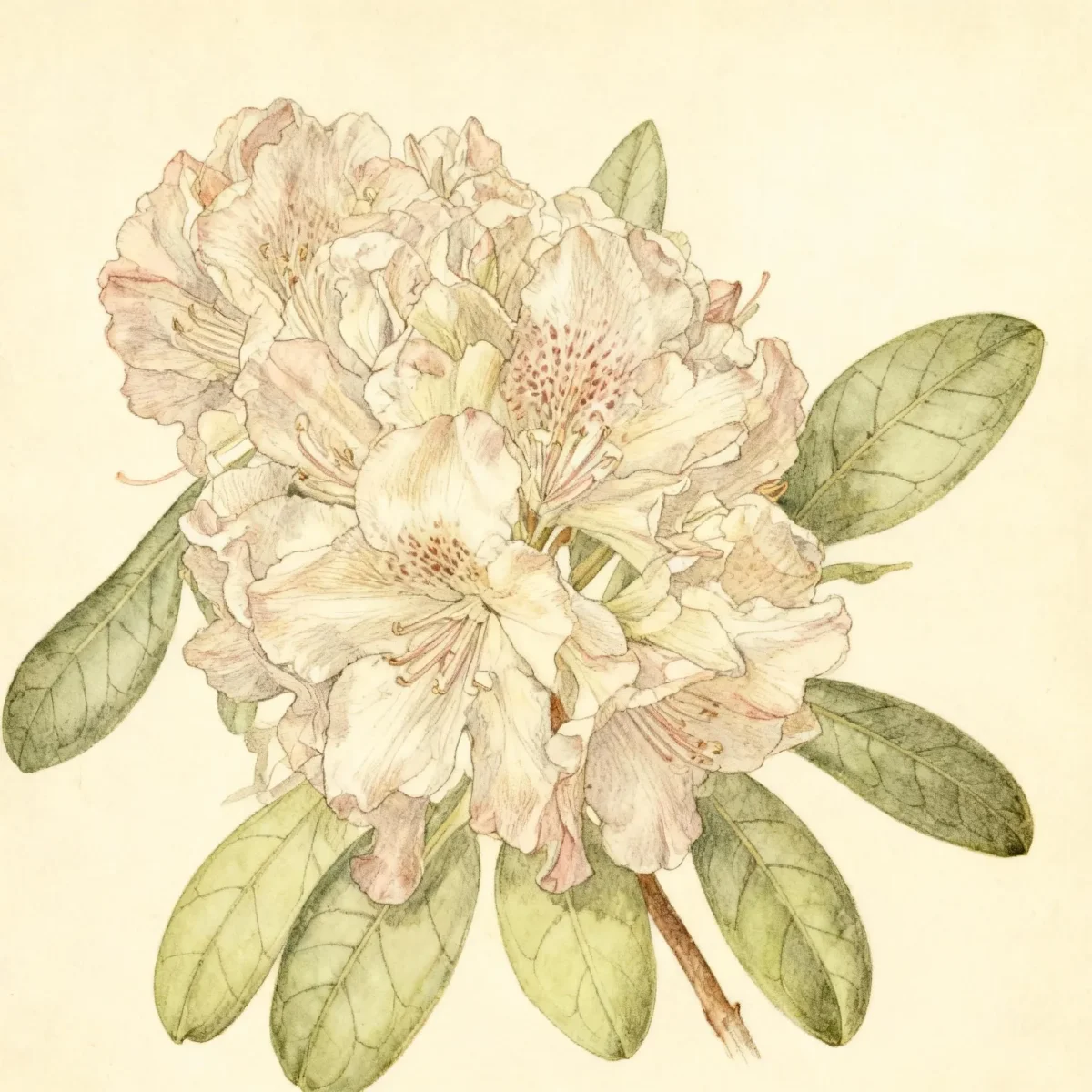
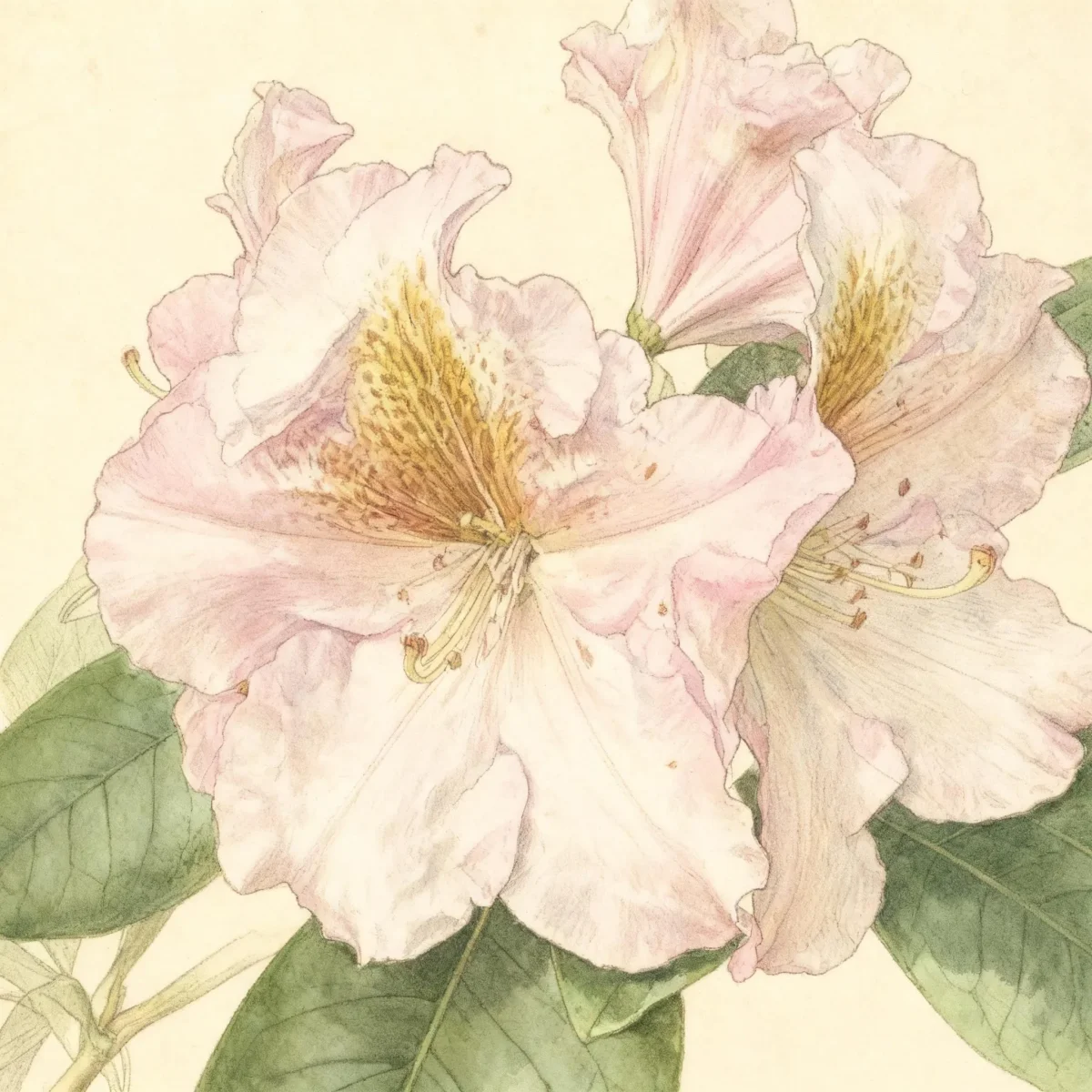
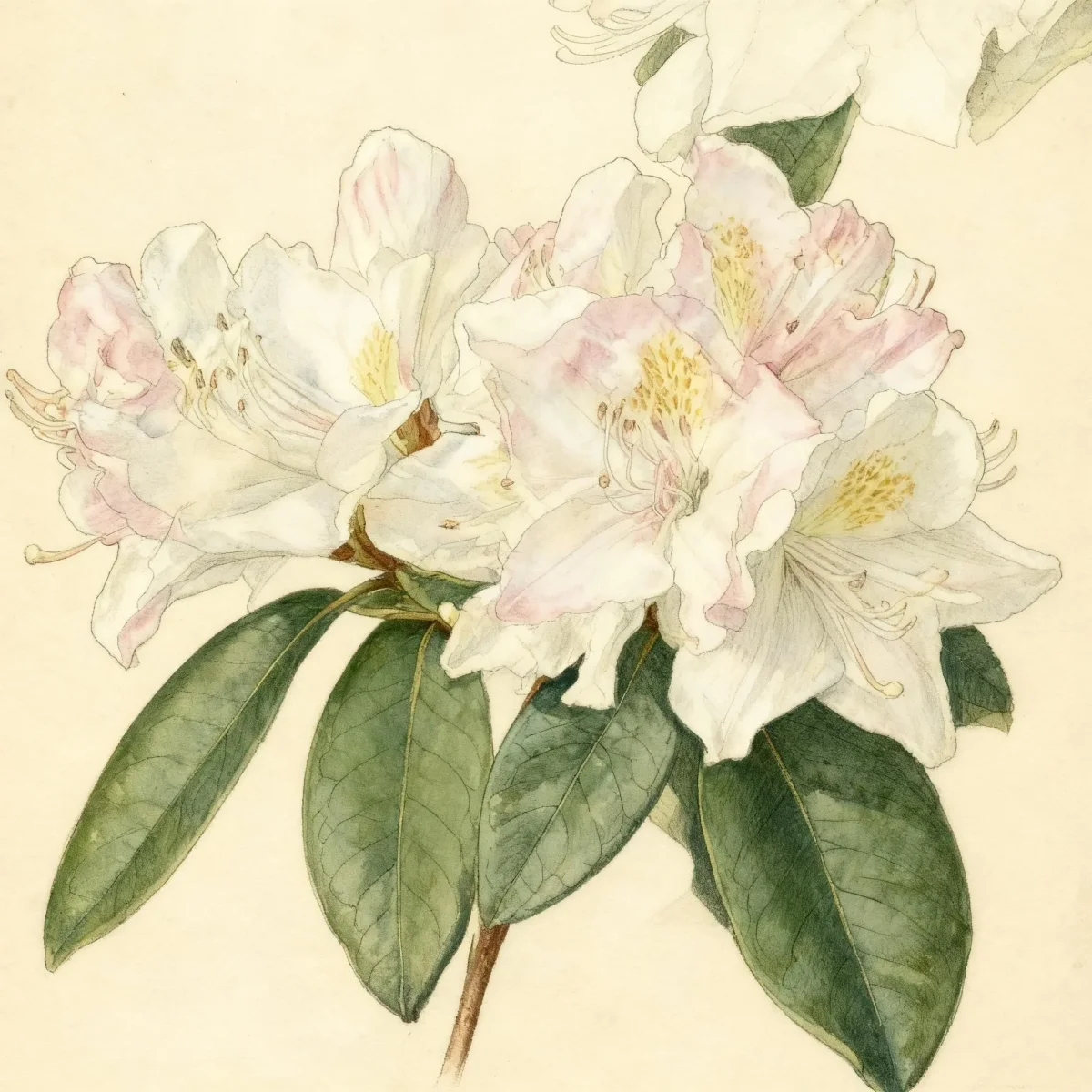
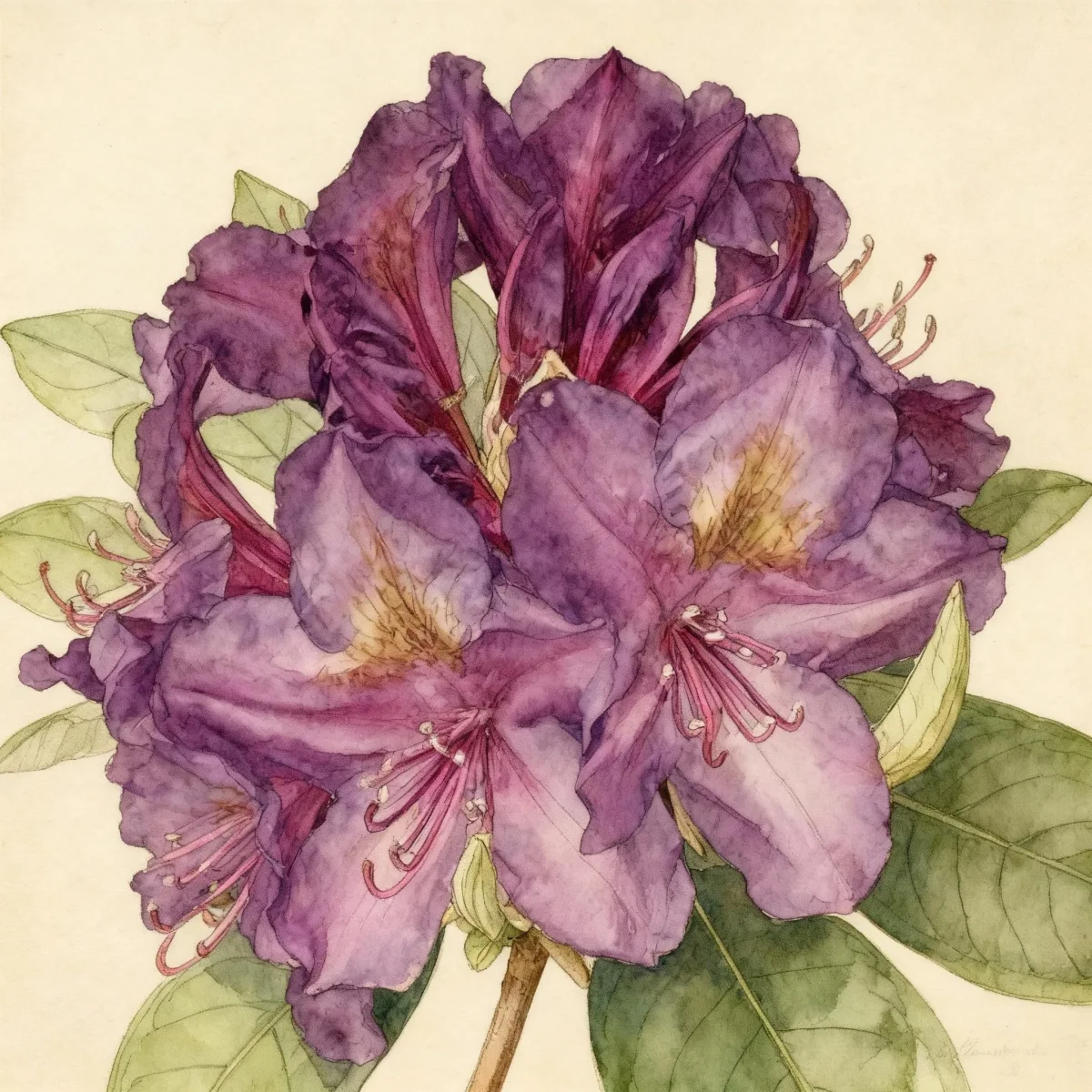
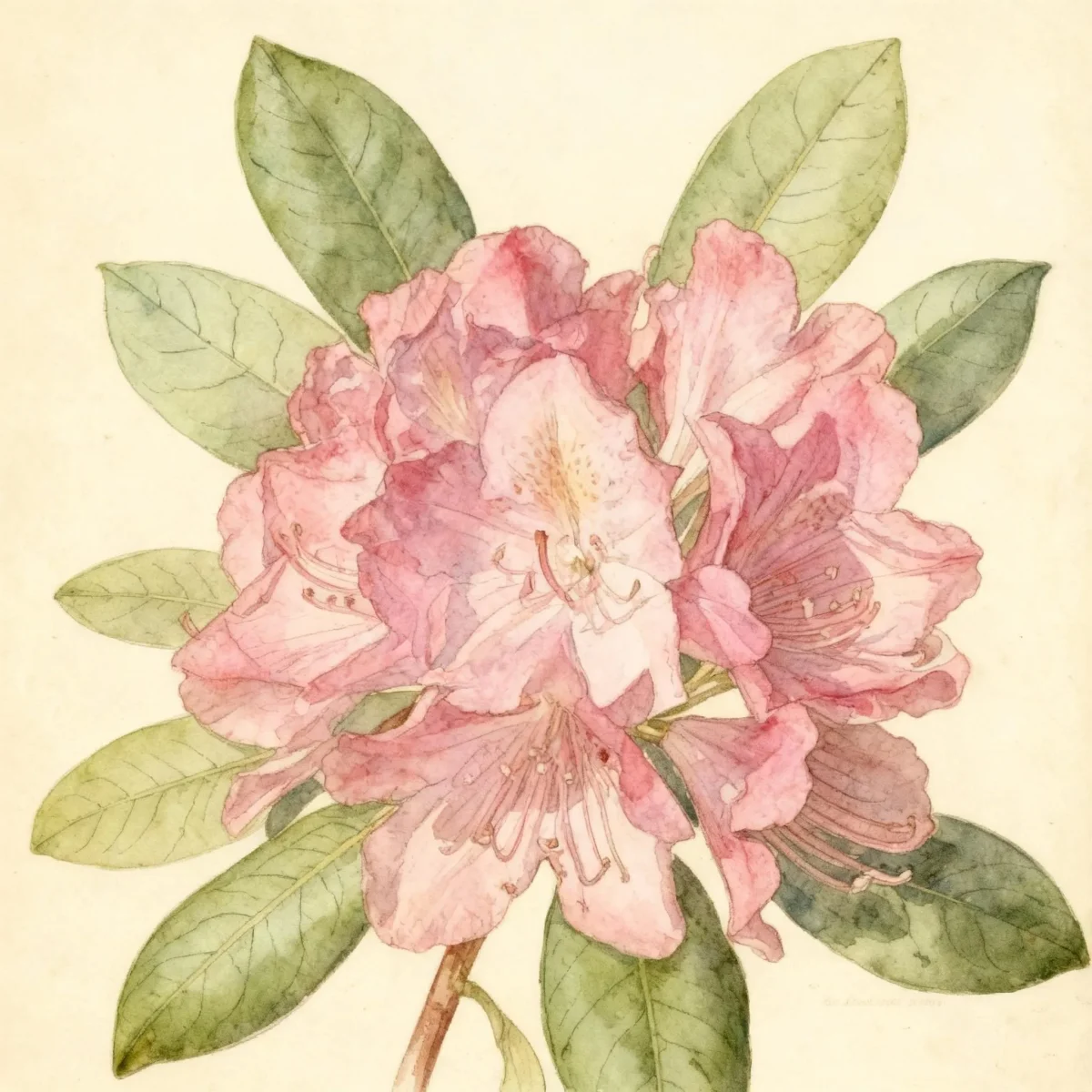
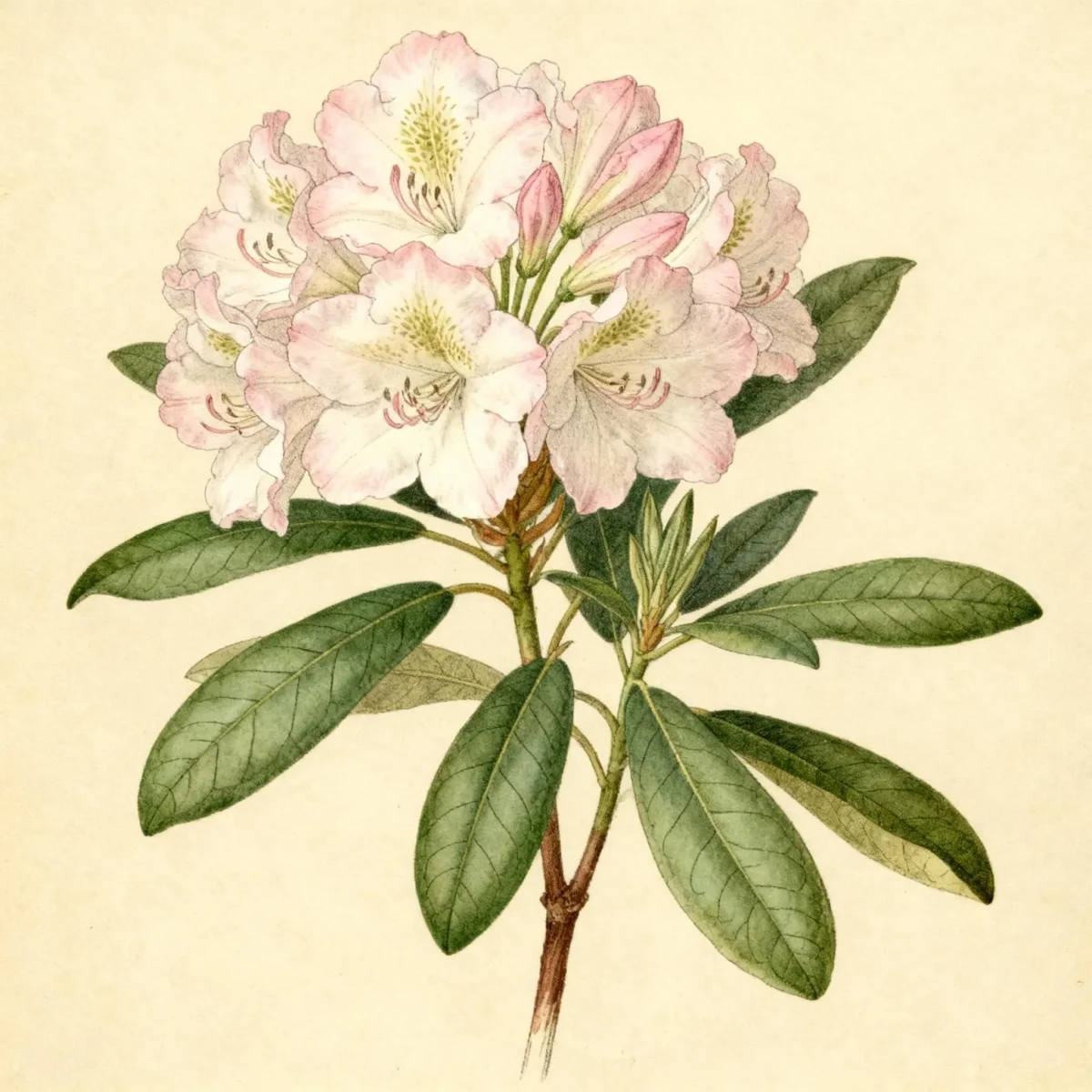
Rhododendron (Rhododendron 'Anna H. Hall')
Rhododendron 'Anna H. Hall' is a 5-6 ft broadleaf evergreen prized for its white to pale pink spring flowers, thriving in USDA Zones 5-8 in part shade.
Scroll down to discover growing tips, care requirements, companion plants, and more
Complete Plant Information
Overview
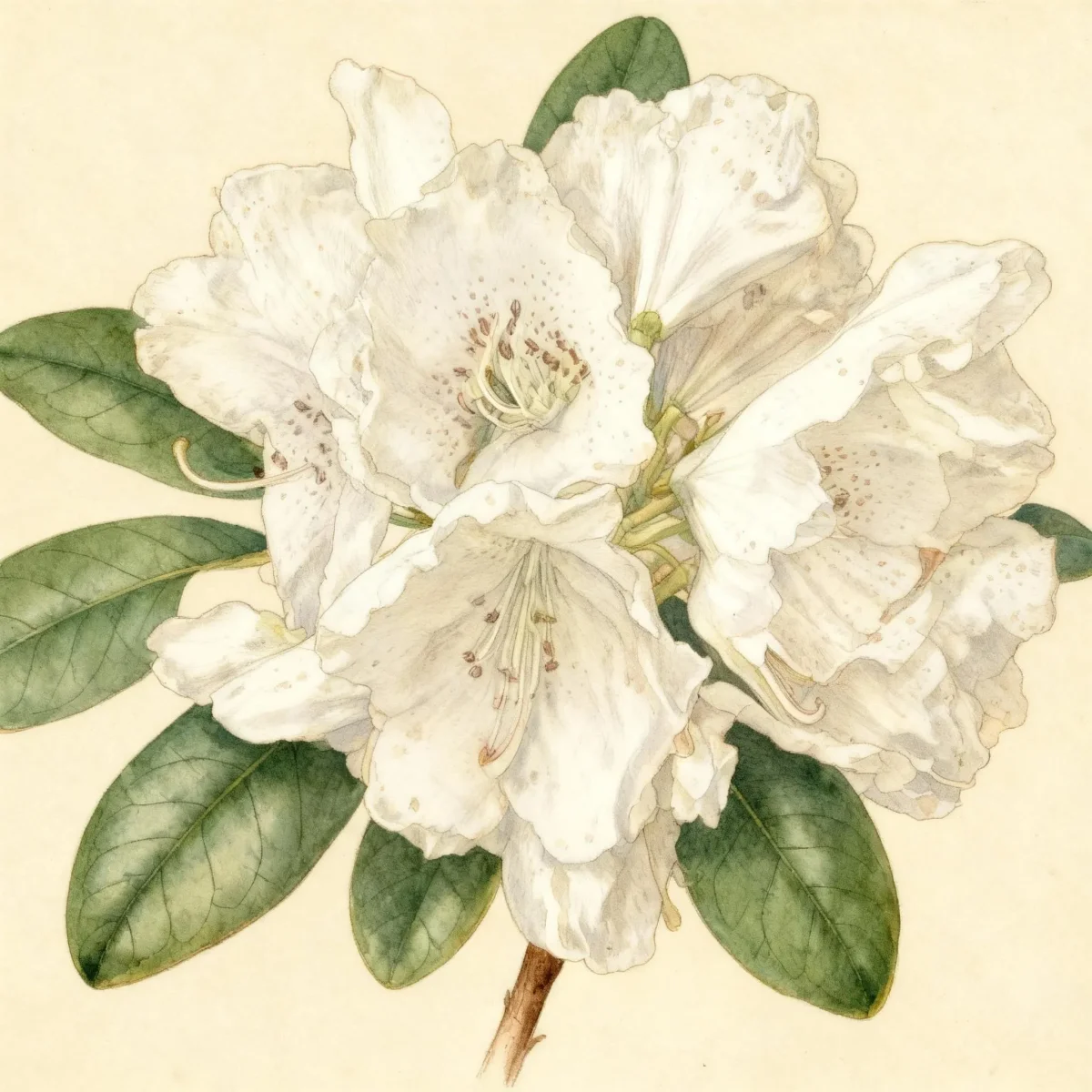
Rhododendron ‘Anna H. Hall’ is a distinguished cultivar of Rhododendron, known for creating substantial spring interest in the garden. As a broadleaf evergreen, it provides valuable structure and foliage throughout the winter months, contrasting beautifully with its ephemeral spring blooms. This hybrid, specifically a Leach cross, offers reliable performance in temperate climates.
This particular Rhododendron reaches a manageable mature size of 5 to 6 feet tall and 4 to 5 feet wide, making it versatile for various garden applications. Gardeners value this plant for its striking flower display, which generally appears from April to May, featuring funnel-shaped blooms in shades of white with soft pink accents. Providing the right cultural conditions ensures a healthy, vigorous Rhododendron ‘Anna H. Hall’.
A key aspect of success with this variety is meeting its acidic soil requirements and ensuring protection from harsh afternoon sun. Rhododendrons are generally celebrated for their dramatic floral trusses, and Rhododendron ‘Anna H. Hall’ certainly lives up to the genus reputation for showy spring color in semi-shady locations.
Fast Facts
- Plant Family: Ericaceae
- Plant Type: Broadleaf evergreen
- Hardiness Zones: USDA Zones 5-8
- Size at Maturity:
- Height: 5-6 ft
- Spread: 4-5 ft
- Bloom Time: April to May
- Bloom Description: White to pale pink
- Sun Exposure: Part shade
- Water Needs: Medium
- Maintenance Level: Medium
How to Grow
The foundation of successful Rhododendron cultivation lies in soil preparation. Rhododendron ‘Anna H. Hall’ thrives best in medium moisture, organically rich, humusy soils that remain well-drained. Aim for an acidic soil pH, ideally between 5.0 and 5.5; use sulfur or iron sulfate to amend alkalinity if necessary. Plant in locations offering part shade, preferring dappled sunlight or high open shade, especially protection from hot afternoon sun which can scorch the evergreen leaves.
Watering should be consistent, supplying medium moisture, but never allow the roots to become waterlogged, as poor drainage leads quickly to root rot. Because Rhododendrons possess shallow, fibrous root systems, mulching deeply with materials like pine needles or wood chips is crucial to maintain cool, stable soil temperatures and retain moisture. Avoid cultivating near the base of the plant, as this can damage these surface roots.
Immediate post-bloom care involves deadheading, or clipping off spent flower clusters. This practice, done as soon as flowering finishes, encourages energy redirection toward robust leaf and bud development for the following season. Furthermore, site selection is critical; avoid planting near walnut trees due to their production of allelopathic juglone toxins harmful to many Rhododendrons.
Landscape Uses
Rhododendron ‘Anna H. Hall’ is highly adaptable within the landscape, excellent when massed together or utilized as distinct specimen plants. Its evergreen nature makes it a superb choice for year-round screening or layering in shrub borders, particularly where a controlled height of 5 to 6 feet is desired. It performs admirably in woodland garden settings, benefiting from the filtered light that mimics its native environment.
Due to its moderate size and clean form, this Rhododendron serves well in mixed borders where seasonal context with deciduous shrubs or perennials is important. It can also function effectively as formal hedging or informal screening in foundation plantings, provided soil drainage is meticulously managed. Consider pairing Rhododendron ‘Anna H. Hall’ with acid-loving companions like Camellias, Heather, or native ferns to create harmonious planting schemes.
Standout Features
Flower Qualities
- Showy
Noteworthy Characteristics
Rhododendron is a genus of 500 to 900 species, encompassing both traditional rhododendrons and azaleas, with most being evergreen and valued for their display of large trusses of flowers at branch tips. Rhododendron ‘Anna H. Hall’ is specifically a Leach hybrid, developing funnel-shaped flowers that are white with a slight flush of light pink. True evergreen rhododendrons, unlike azaleas, typically branch from a central trunk, retaining stiff, linear leaves throughout the year.
Tolerances
- Rabbit
Potential Problems
Rhododendrons and azaleas are susceptible to a variety of pests and diseases that can compromise the plant’s health and aesthetic appeal. Common insect threats include scale, lacebugs, and aphids, while fungal issues such as root rot, canker, and various leaf spots are common, often exacerbated by overly wet soil conditions. Chlorosis, where leaves yellow, frequently indicates an iron deficiency caused by soil pH drifting too high, a common issue if you have not acidified the soil sufficiently for this Rhododendron.
Prevention centers on creating the ideal growing environment, primarily focusing on excellent soil drainage and maintaining the desired acidic pH (5.0–5.5). Inspect plants regularly for early signs of infestation or disease presence, especially after periods of environmental stress. Healthy Rhododendron ‘Anna H. Hall’ plants in proper cultural settings generally resist chronic problems.
Frequently Asked Questions
What hardiness zones is Rhododendron ‘Anna H. Hall’ suitable for?
Rhododendron ‘Anna H. Hall’ performs best in USDA Hardiness Zones 5 through 8.
How large does Rhododendron ‘Anna H. Hall’ grow?
This cultivar typically matures to a height between 5 and 6 feet, with a proportionate spread of 4 to 5 feet wide.
When does Rhododendron ‘Anna H. Hall’ bloom?
You can expect this Rhododendron variety to bloom during the spring months, specifically from April to May, producing white to pale pink flowers.
What sun exposure does Rhododendron ‘Anna H. Hall’ need?
This Rhododendron variety requires part shade for optimal health and to prevent leaf scorch, thriving best with morning sun or dappled light.
Conclusion
Rhododendron ‘Anna H. Hall’ remains a cornerstone for providing structure and stunning, reliable spring color in temperate shade gardens. Its evergreen nature and manageable size enhance its utility as a specimen or hedge plant, provided its need for acidic, well-drained soil is met rigorously. Consult your local climate data to confirm hardiness suitability before planting this beautiful Rhododendron cultivar.
Companion Planting for Acid Lovers
When designing a space for Rhododendron ‘Anna H. Hall’, selecting companions that share the same environmental needs—specifically high acidity, filtered light, and consistent moisture—is essential. Consider pairing it with other members of the Ericaceae family, such as early-blooming mountain laurels (Kalmia) or various types of evergreen Azaleas, for layered, season-long texture. Ferns, particularly Japanese Painted Ferns or Ostrich Ferns, thrive beneath the canopy of mature rhododendrons, offering contrasting fine texture that highlights the broad leaves of the evergreen.
Other popular choices include woodland natives like Helleborus (Lenten Rose), which provides very early interest before the Rhododendron starts blooming, and Hydrangea varieties specified for shade tolerance. Ensure that companion plants do not compete aggressively for surface root space; applying mulch consistently across the planting area helps mediate competition and maintain uniform soil conditions for all acid-loving plants.
Seasonal Care Calendar
Spring, immediately following bloom, is the most active period for Rhododendron cultural maintenance. After clipping spent trusses from your Rhododendron ‘Anna H. Hall’, apply a fresh layer of acidic mulch, such as pine straw or shredded bark, focusing on the feeder root zone without piling it against the trunk. Summer care focuses almost entirely on watering; deep, thorough soakings are needed during dry spells to prevent root desiccation, as these shallow roots dry out quickly.
In the autumn, cease fertilization to allow the plant to harden off for winter. While Rhododendrons are tough, protecting them from harsh, desiccating winter winds is vital, especially in marginal Zone 5 locations. Winterizing generally involves ensuring the ground is moist deeply before the ground freezes solid, minimizing the risk of winter dieback caused by dry roots. Minimal pruning is needed outside of deadheading old blooms unless structural shaping is required in late winter.