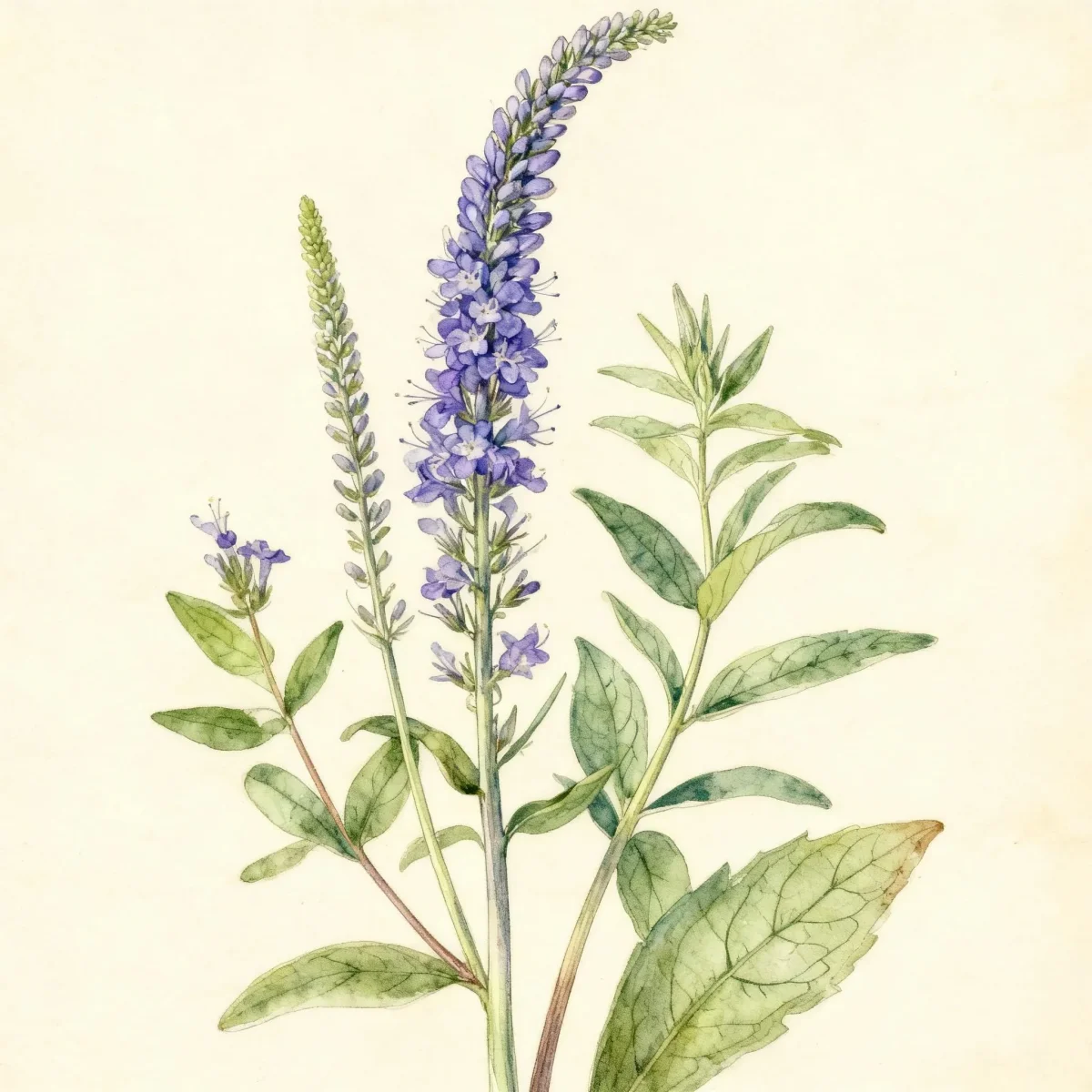
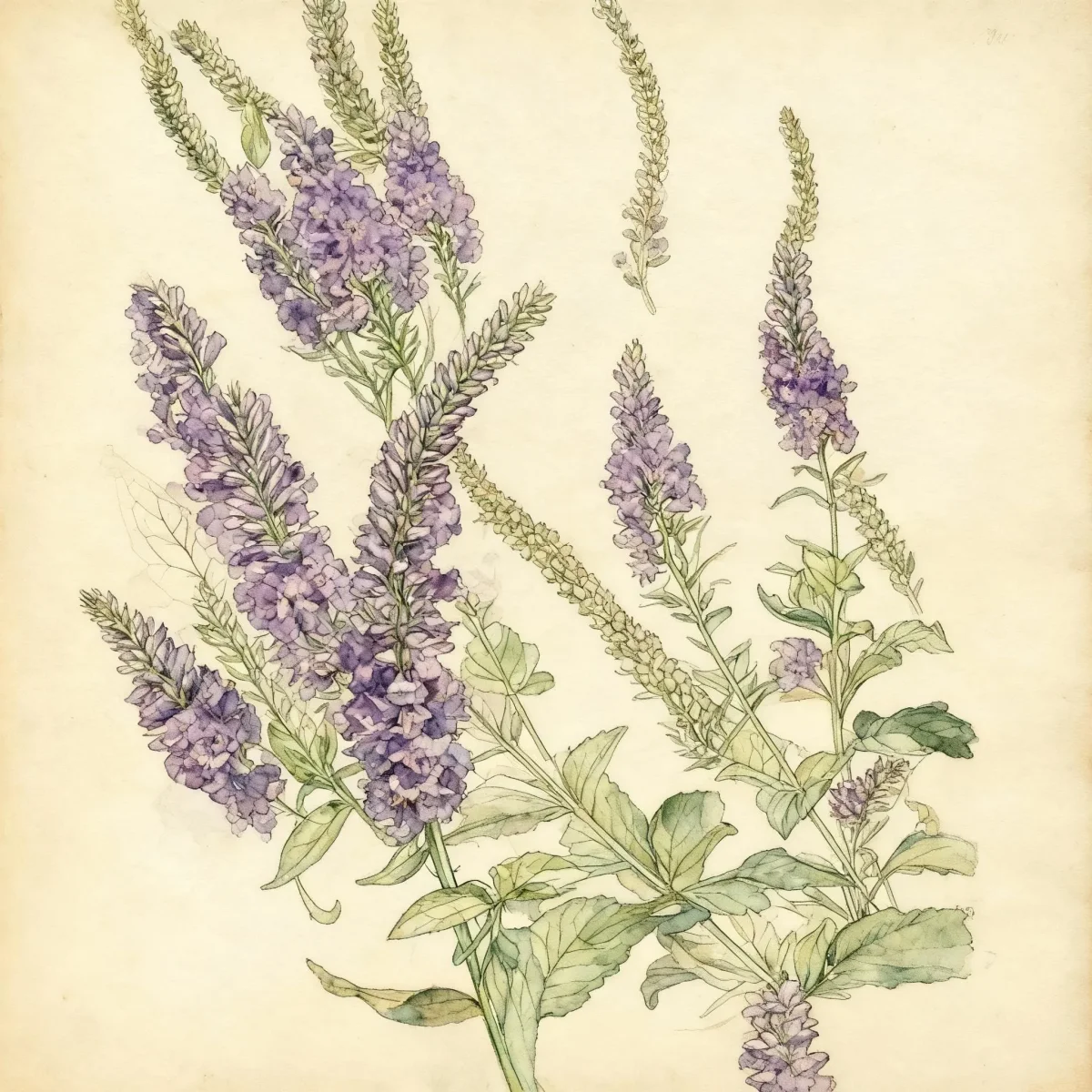
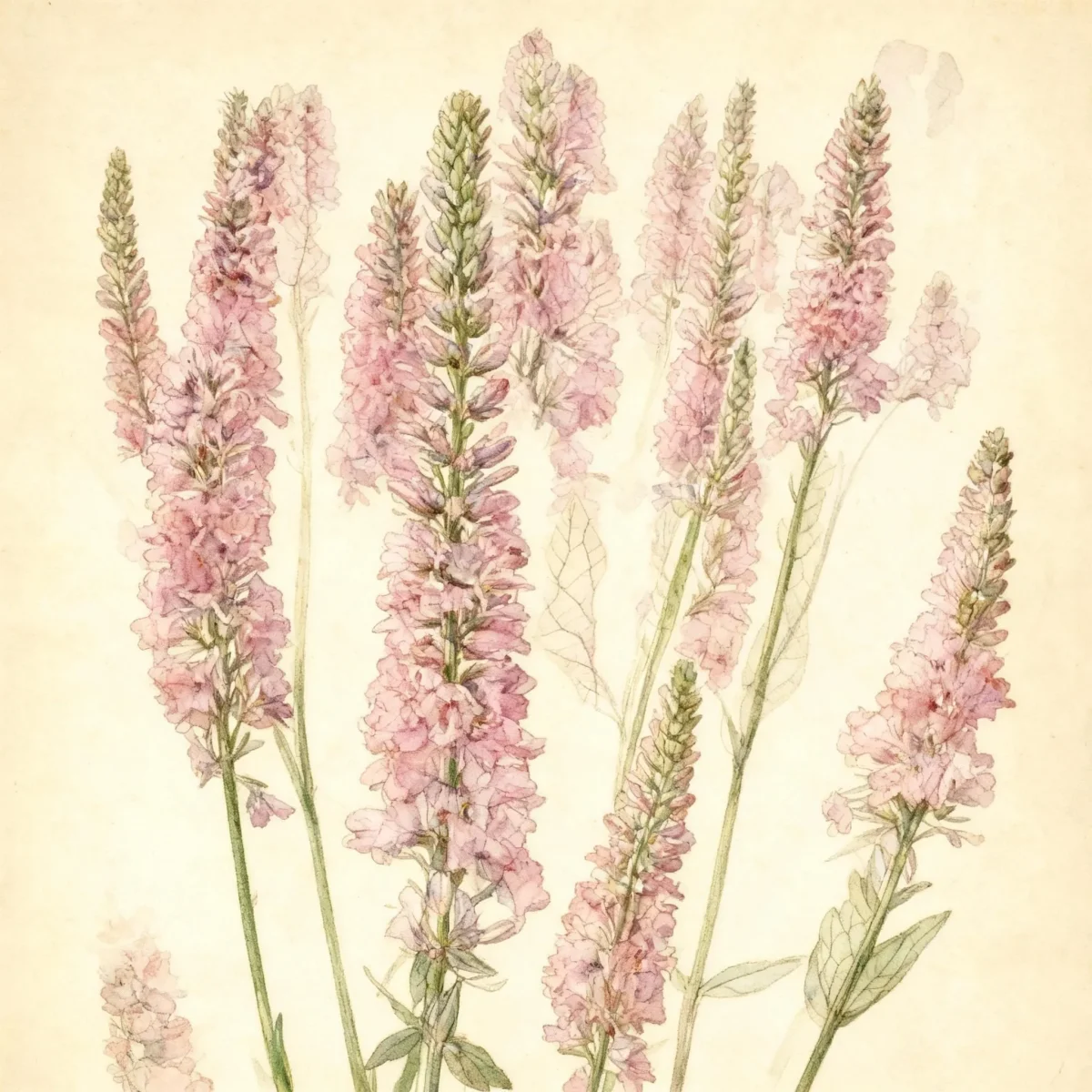
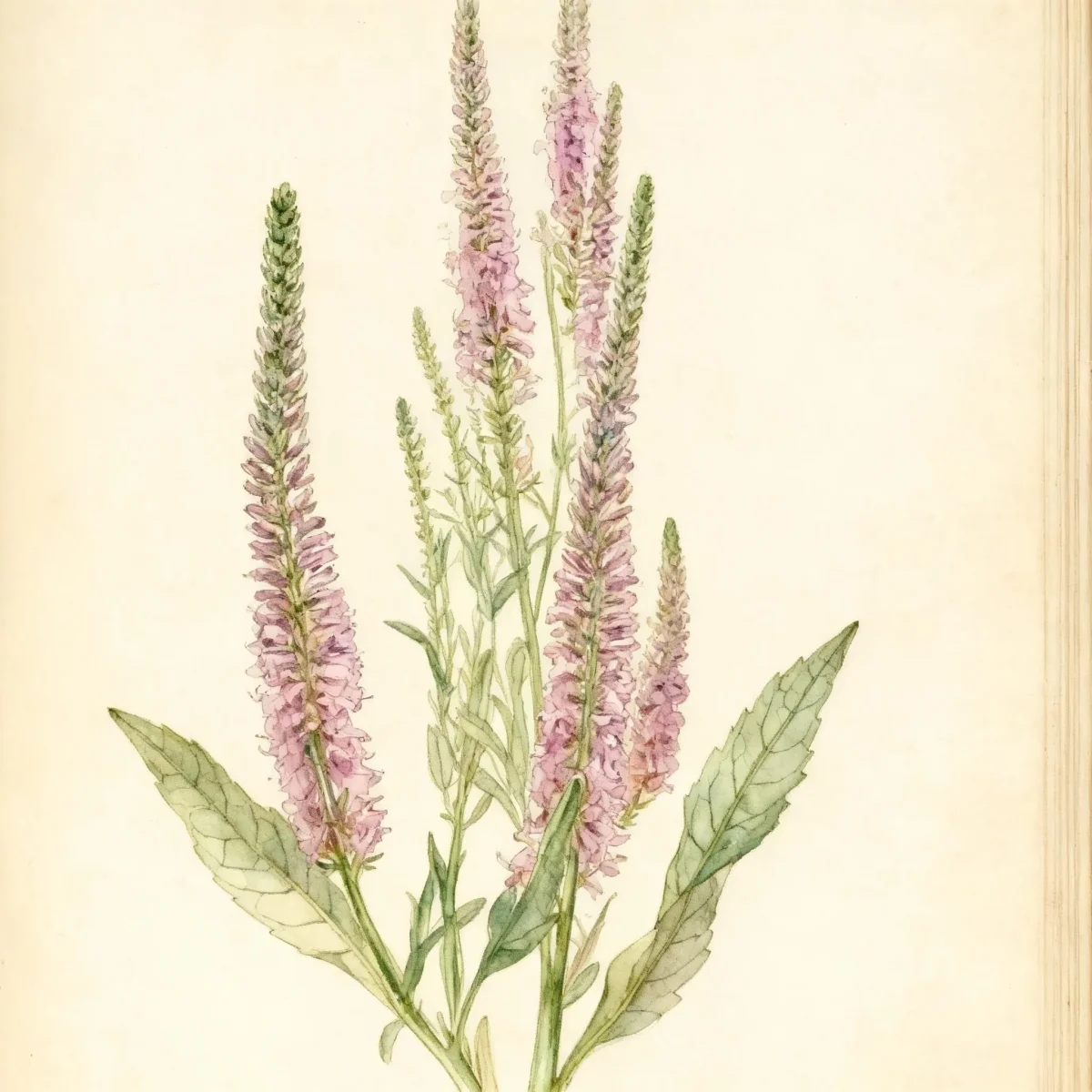
Gentian speedwell (Veronica gentianoides 'Alba')
Discover Veronica gentianoides 'Alba', a low-maintenance Gentian speedwell offering white, blue-tinged flowers from May through July.
Scroll down to discover growing tips, care requirements, companion plants, and more
Complete Plant Information
Overview
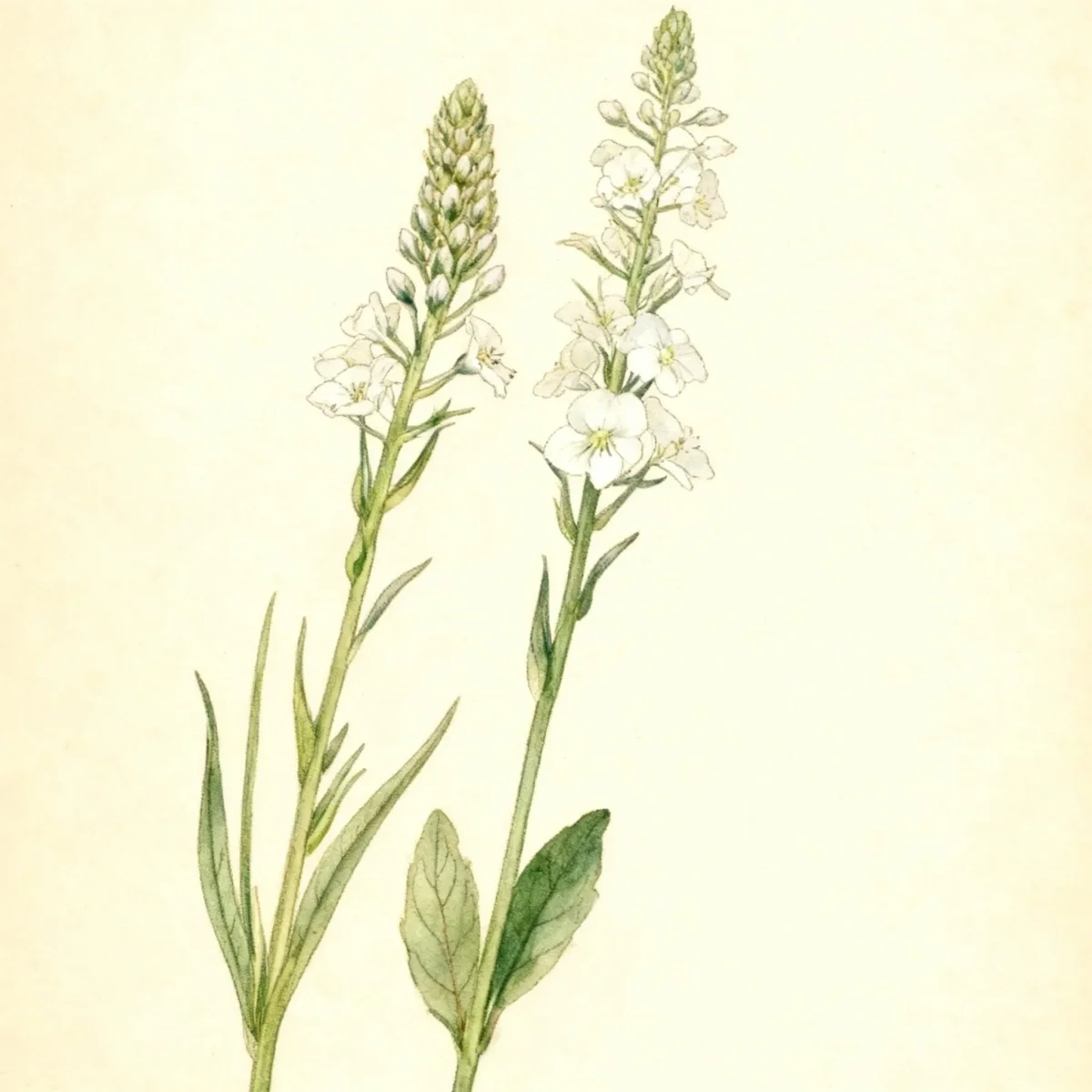
Veronica gentianoides ‘Alba’, commonly known as Gentian speedwell, is a highly valued herbaceous perennial prized for its dense, mat-forming habit and charming spring and early summer blooms. This cultivar offers distinct white flowers tinged subtly with blue, standing above glossy, dark green basal foliage. Gardeners appreciate the Veronica gentianoides ‘Alba’ for its reliability and low upkeep requirements in the landscape.
This plant spreads slowly via creeping roots, effectively filling out spaces to suppress unwanted weeds, making it an excellent groundcover choice. While it prefers consistently moist soil, it is relatively easy to establish, thriving in full sun while tolerating light shade. The evergreen nature of the foliage in warmer climates adds year-round structural interest.
The resulting dense mats provided by this Gentian speedwell create excellent textural contrast when paired with coarser foliage plants. Its refined appearance and ability to colonize areas make Veronica gentianoides ‘Alba’ a foundational piece for borders, rock gardens, or naturalized settings where low-growing texture is needed.
Fast Facts
- Plant Family: Plantaginaceae
- Plant Type: Herbaceous perennial
- Hardiness Zones: USDA Zones 4-7
- Size at Maturity:
- Height: 1-1.5 ft
- Spread: 1-1.5 ft
- Bloom Time: May to July
- Bloom Description: White tinged with blue
- Sun Exposure: Full sun
- Water Needs: Medium
- Maintenance Level: Low
How to Grow
Establishing Veronica gentianoides ‘Alba’ successfully begins with selecting the right spot, ideally one receiving full sun, though dappled or light afternoon shade is acceptable. This perennial thrives best in average, medium-textured soils that are well-drained but remain consistently moist and humus-rich; it is decidedly intolerant of dry, drought conditions once established. Planting is best done in spring or fall to allow the root system to establish before extreme heat or cold arrives.
Care for Gentian speedwell is minimal once planted. Ensure regular watering, especially during hot spells, as consistent moisture is key to vigorous growth and preventing leaf scorch. Fertilizer is rarely necessary if the soil amendment incorporated plenty of organic matter at planting time. Deadheading the spent flower spikes promptly encourages a secondary flush of bloom from this cultivar.
Seasonal maintenance is straightforward for this low-maintenance plant. In early spring, rake away any debris from the basal rosette. Depending on your climate zone, the foliage may die back in colder regions like the St. Louis area; if this occurs, tidy up the remnants before new growth emerges.
Landscape Uses
The robust, spreading habit of Veronica gentianoides ‘Alba’ makes it perfectly suited for naturalizing among shrubs or in woodland margins where it can slowly form dense carpets. Its low profile and attractive blooms are highly effective when used at the front of perennial borders, providing a clean edge that contrasts well with taller specimens blooming later in the season.
For rock gardens, the Gentian speedwell offers textural contrast against stone work and benefits from the sharp drainage often found there (provided moisture levels can still be maintained). Consider pairing Veronica gentianoides ‘Alba’ with plants that enjoy similar moisture regimes but offer different textures, such as Hosta varieties with contrasting leaf colors or low-growing Geraniums.
Standout Features
Flower Qualities
- Showy
Noteworthy Characteristics
Veronica gentianoides, commonly called gentian speedwell, is a mat-forming perennial which typically forms basal foliage clumps (rosettes) of broad, oblong-lanceolate, glossy dark green, basal leaves (to 3” long). Foliage clumps slowly spread in the garden over time by creeping roots to form dense mats. Flowering stems rise from the rosettes to 20” tall and are topped with 8-10” long, loose, terminal racemes of blue flowers (1/2 to 3/4” wide) in late spring to early summer. Specific epithet means similar to gentian (Gentiana).’Alba’ is a white-flowered cultivar of the species.
Tolerances
- Rabbit
- Deer
Potential Problems
The Gentian speedwell generally exhibits strong resistance to most common garden pests and diseases. Serious insect or disease issues are rarely reported when the plant is sited correctly. The main concern for Veronica gentianoides ‘Alba’ revolves around moisture management rather than biological threats.
The primary cultural pitfall is allowing the soil to dry out completely, as this plant is intolerant of drought. Ensure consistent, medium moisture, especially in hotter, full-sun locations, to maintain the lush, glossy appearance of the foliage throughout the growing season.
Frequently Asked Questions
What hardiness zones is Gentian speedwell suitable for?
Veronica gentianoides ‘Alba’ is suitable for USDA Zones 4 through 7, offering reliable perennial performance across these regions.
How large does Veronica gentianoides ‘Alba’ grow?
This perennial typically reaches a mature height between 1 and 1.5 feet tall, with a similar spread of 1 to 1.5 feet wide.
When does Veronica gentianoides ‘Alba’ bloom?
The Gentian speedwell displays its beautiful white tinged with blue flowers primarily from May to July.
What sun exposure does Veronica gentianoides ‘Alba’ need?
This plant performs best when placed in full sun, although it can tolerate light amounts of shade during the day.
Conclusion
Veronica gentianoides ‘Alba’ offers a wonderful combination of year-round foliage texture and reliable early-season flowers, making it a staple for low-maintenance landscaping. Utilizing this Gentian speedwell in your garden provides durable coverage with minimal effort required from the gardener. Before planting, confirm your local growing zone falls between 4 and 7 and plan for consistent moisture to ensure the best results.
Companion Planting
When selecting neighbors for Veronica gentianoides ‘Alba’, focus on plants that share the requirement for moist, well-drained soil and can handle sun to partial shade conditions. Hostas with variegated or yellow foliage provide excellent contrast to the dark green basal mats of the speedwell during early summer. Additionally, pairing it with spring-blooming bulbs that fade nicely by the time the speedwell flowers encourages continuous visual interest.
Consider pairing this low-growing perennial with medium-height companions like Siberian Iris or early-blooming Salvia, which appreciate similar water needs. Because the Veronica gentianoides ‘Alba’ spreads slowly to form groundcover, it effectively fills the gaps near the edges of these taller border plants, maintaining a neat appearance.
Propagation Tips
The primary method for increasing your stock of Veronica gentianoides ‘Alba’ is through division, which is best accomplished in the spring just as new growth begins to emerge. Gently excavate the clump and carefully separate sections of the creeping root system, ensuring each new piece has several healthy growth nodes attached. Transplant these divisions immediately into prepared, moist soil.
Division is a good strategy because the mat-forming nature of this Gentian speedwell can sometimes lead to overcrowding over several years, requiring rejuvenation anyway. While the species may produce seeds, propagating ‘Alba’ via division ensures that the true white-flowered characteristic is maintained, avoiding potential reversion common in seed-grown cultivars.