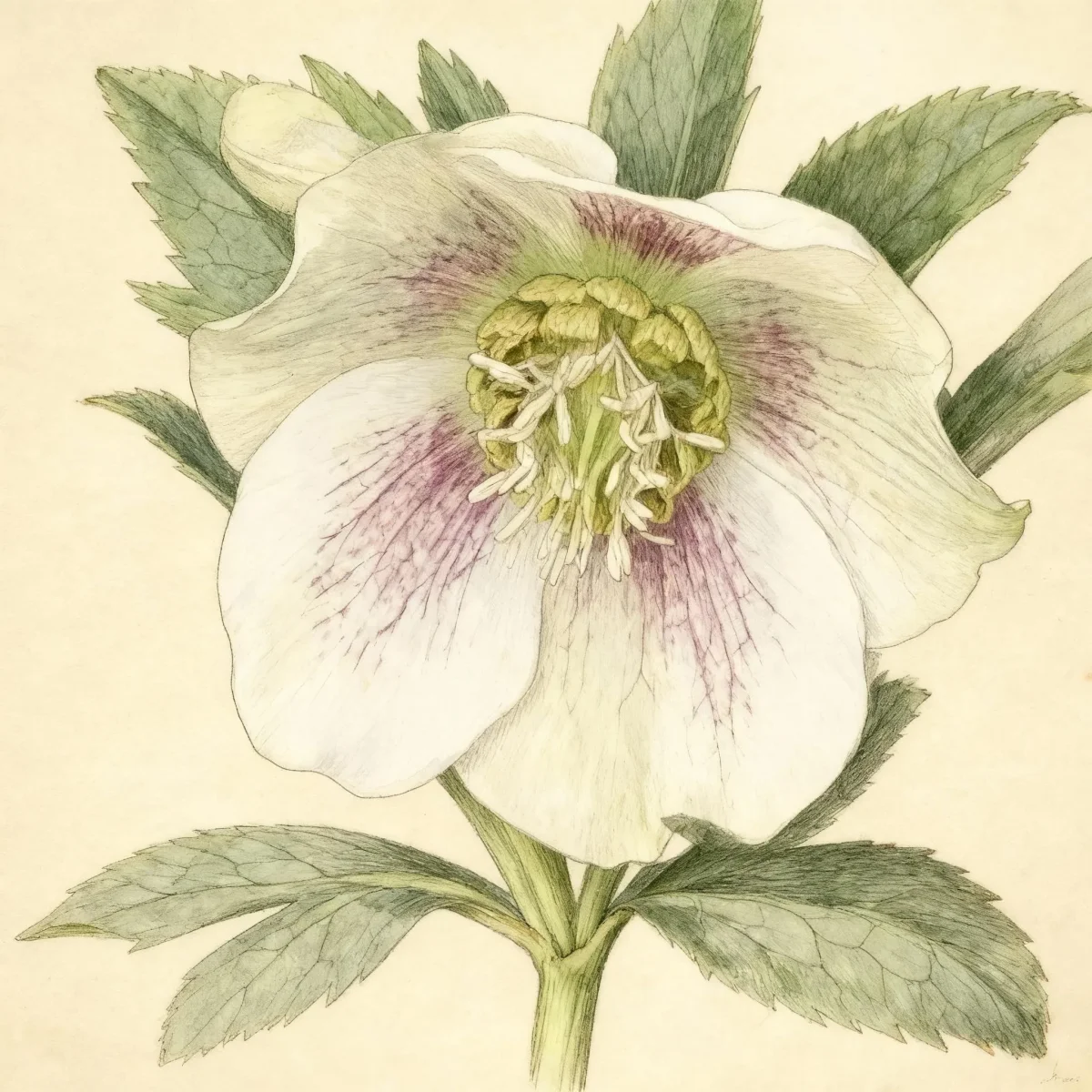
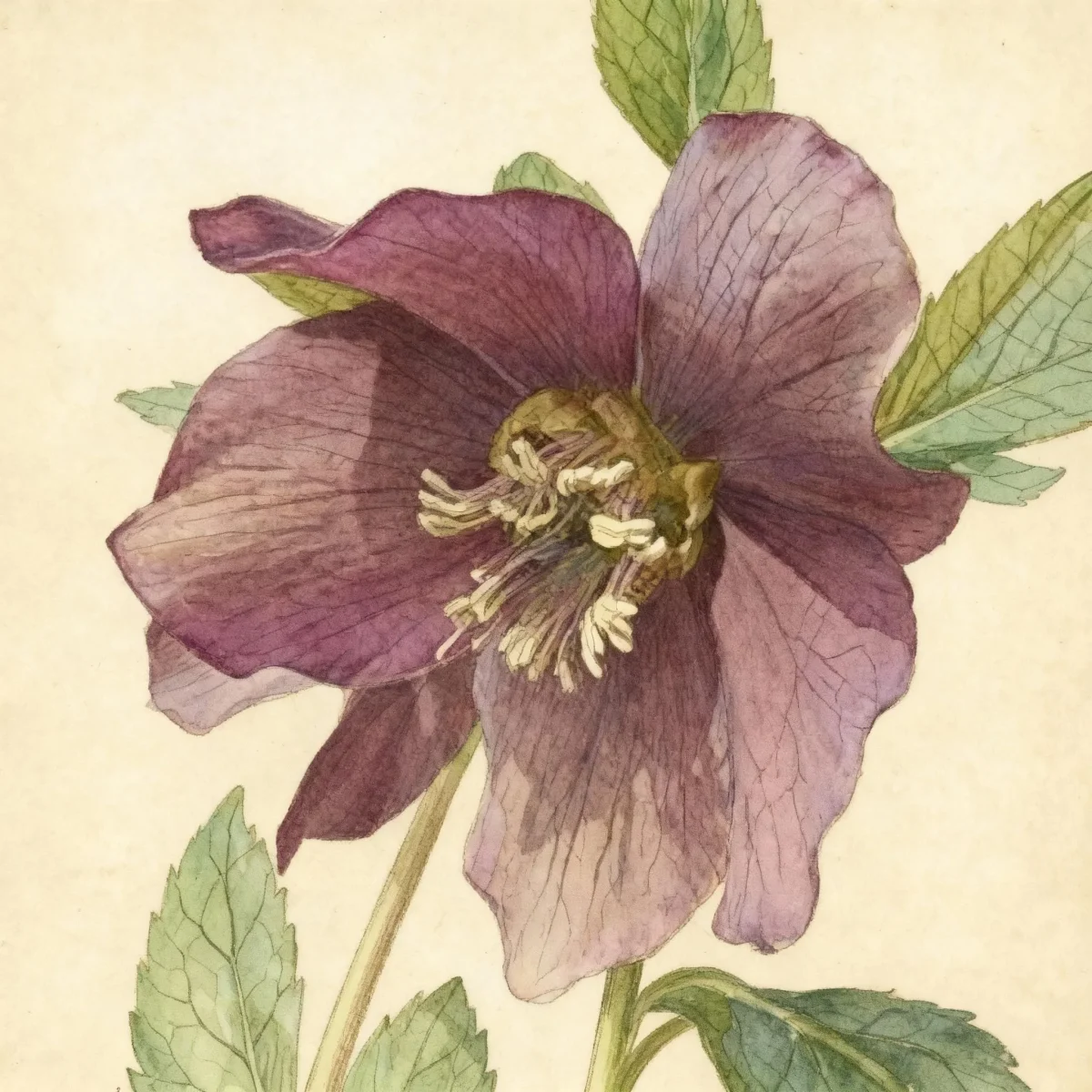
Hellebore (Helleborus 'Winter Joy Bouquet')
Helleborus 'Winter Joy Bouquet' is a low-maintenance Hellebore perennial, offering white-red blooms from Feb-Apr in shady spots.
Scroll down to discover growing tips, care requirements, companion plants, and more
Complete Plant Information
Overview
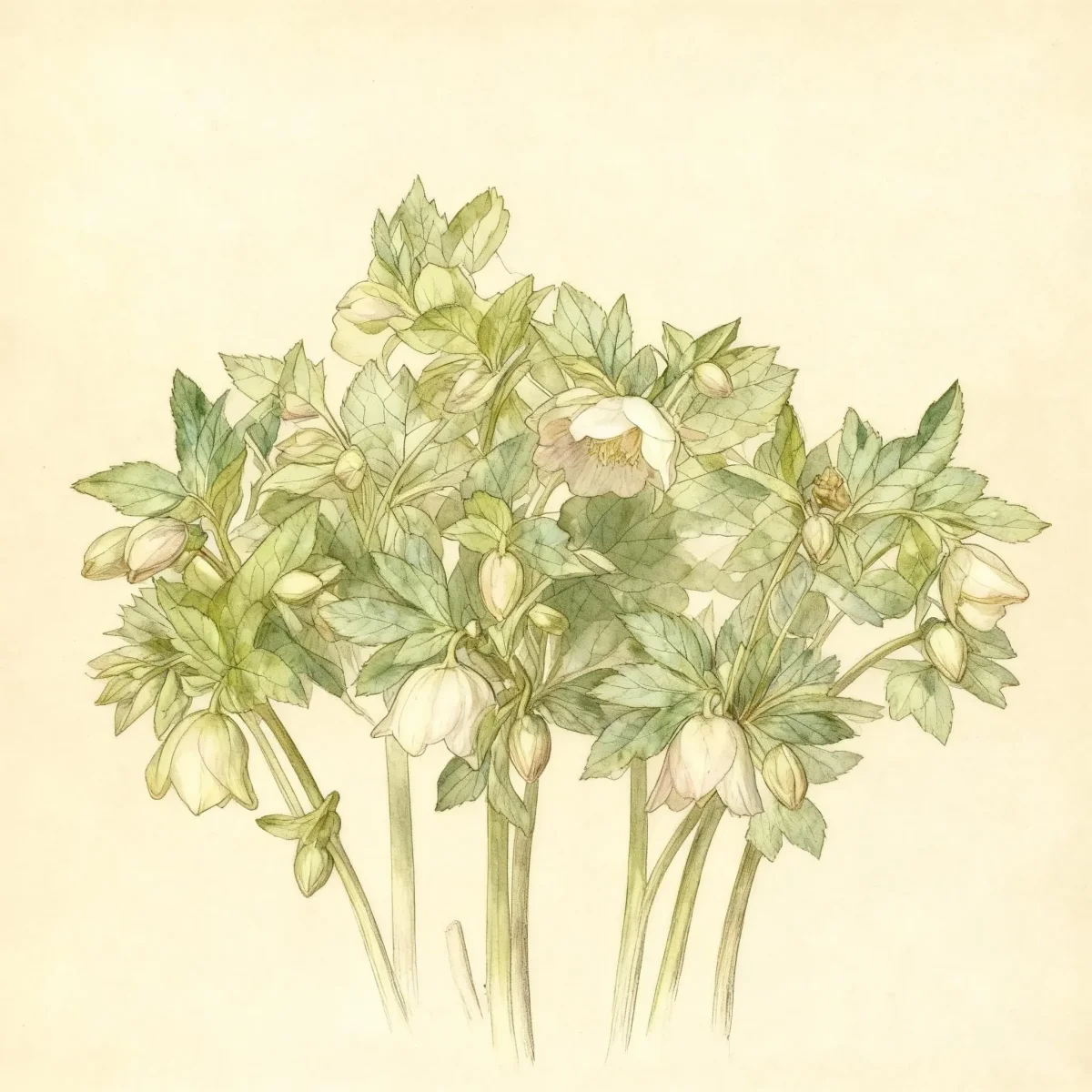
Helleborus ‘Winter Joy Bouquet’ stands out as a premier winter-flowering herbaceous perennial, often known simply as a Hellebore. Its primary value lies in its ability to provide vibrant color—ranging from white, yellow, pink, to red—during the late winter months when few other plants are active. This resilient plant forms bushy, clump-forming mounds adorned with glossy, dark green evergreen foliage.
As a hybrid Lenten rose, Helleborus ‘Winter Joy Bouquet’ thrives in shaded garden conditions, offering reliable structure and excellent textural contrast throughout the year. Its long bloom period, typically from February through April, ensures that the garden remains interesting even before spring truly arrives.
Gardeners appreciate this Hellebore for its extremely low maintenance once established. Growing to a compact 1 to 1.5 feet tall and wide, it is ideal for softening woodland edges or bringing life to dark corners with its showy, nodding, cup-shaped flowers.
Fast Facts
- Plant Family: Ranunculaceae
- Plant Type: Herbaceous perennial
- Hardiness Zones: USDA Zones 4-9
- Size at Maturity:
- Height: 1-1.5 ft
- Spread: 1-1.5 ft
- Bloom Time: February to April
- Bloom Description: White, yellow, pink, red
- Sun Exposure: Part shade to full shade
- Water Needs: Medium
- Maintenance Level: Low
How to Grow
Hellebores, including the popular Helleborus ‘Winter Joy Bouquet’, prefer to be planted when dormant or semi-dormant, making late summer or early fall the ideal planting window. Choose locations featuring organically rich, fertile, humusy soil that is well-drained and slightly alkaline. They perform best when sited in part shade, though they tolerate full shade, provided the soil remains consistently moist.
Maintenance for established Helleborus ‘Winter Joy Bouquet’ is minimal. Ensure a medium moisture level is maintained, especially during dry spells, though established Hellebores are relatively drought-tolerant. Flowering stems should be pruned back immediately after the bloom period concludes to encourage vigorous new foliage growth.
Although the evergreen foliage generally persists, it can become scorched or tattered during extremely harsh winters. Siting your Hellebore protected from cutting winter winds helps mitigate this damage. Congested clumps can be divided in late summer or early fall, but be prepared for divisions to take two years to fully establish and bloom.
Landscape Uses
Helleborus ‘Winter Joy Bouquet’ excels in foundational plantings where its early color is most appreciated. Since these hellebores bloom so early, strategically place them near patios, walkways, or kitchen windows so their winter performance can be fully enjoyed without extensive travel through the garden. They look fantastic when planted in large groupings, creating drifts of color beneath larger deciduous trees or shrubs.
This perennial’s deep green, glossy leaves offer year-round appeal, acting as an excellent structural component in shady borders. Consider pairing Hellebores with other shade-loving natives or early bloomers like Snowdrops (Galanthus) or Spring Ephemerals to create a layered effect. The slow spread via self-seeding allows them to naturally naturalize in woodland garden settings over time, forming attractive, dense ground cover masses.
Standout Features
Flower Qualities
- Showy
Noteworthy Characteristics
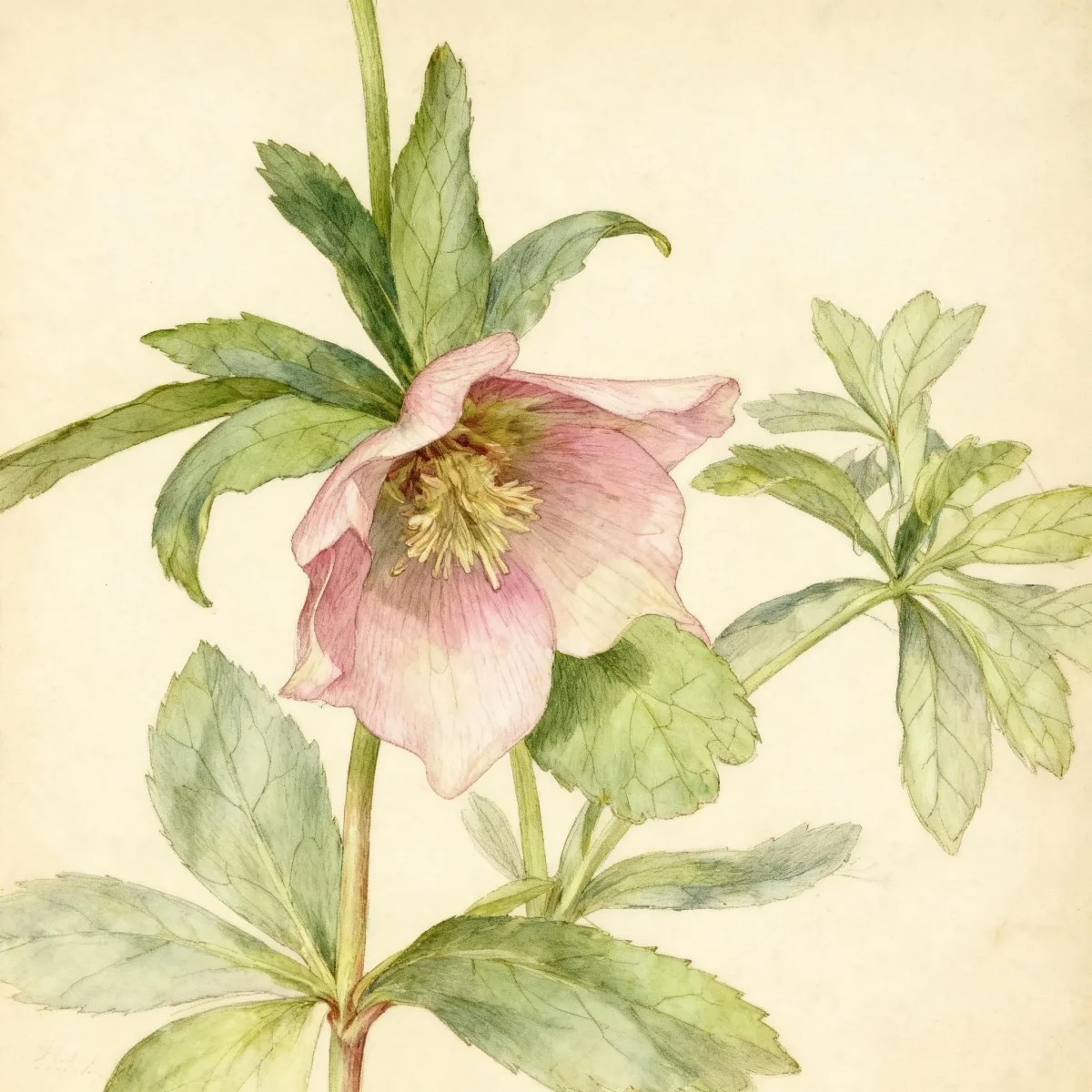
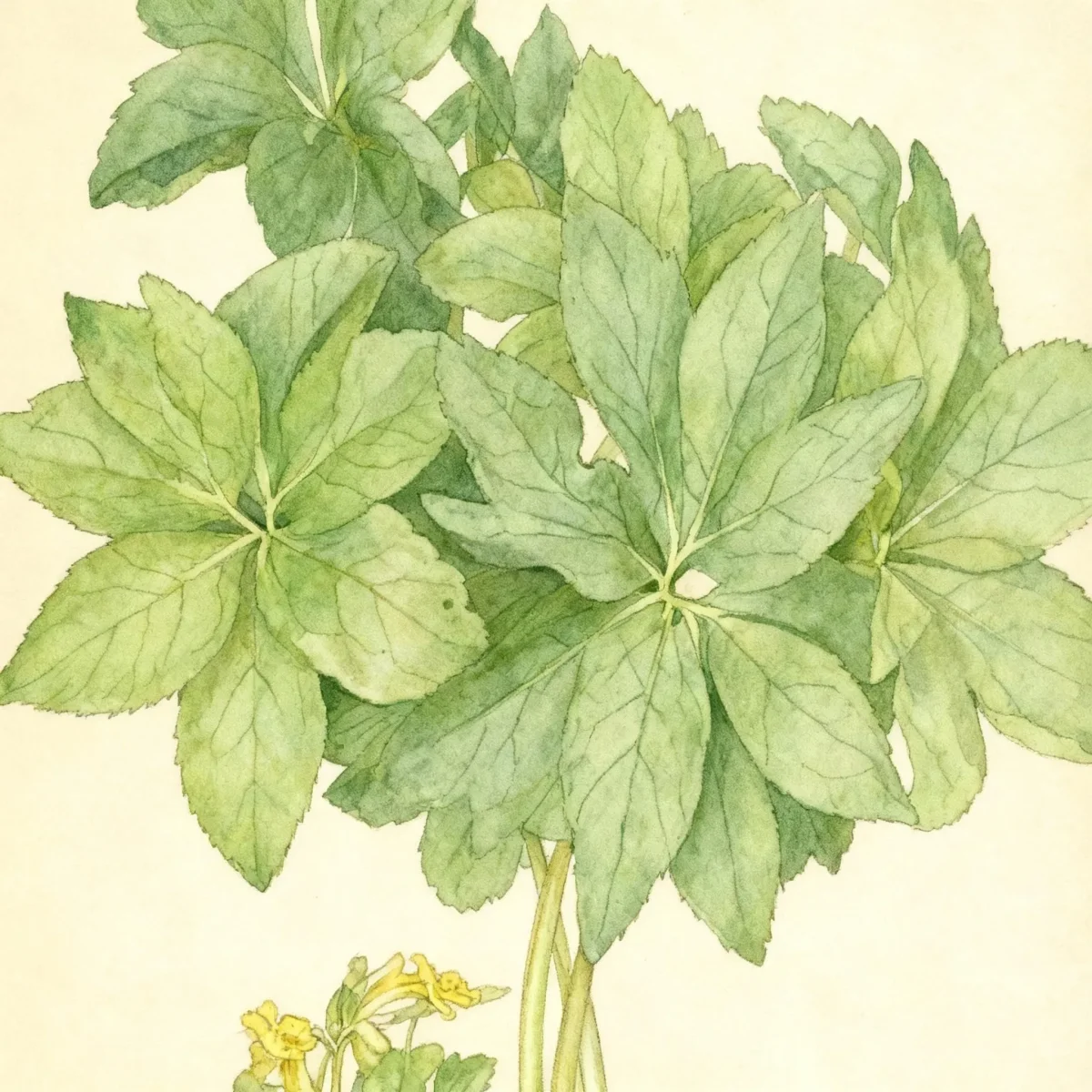
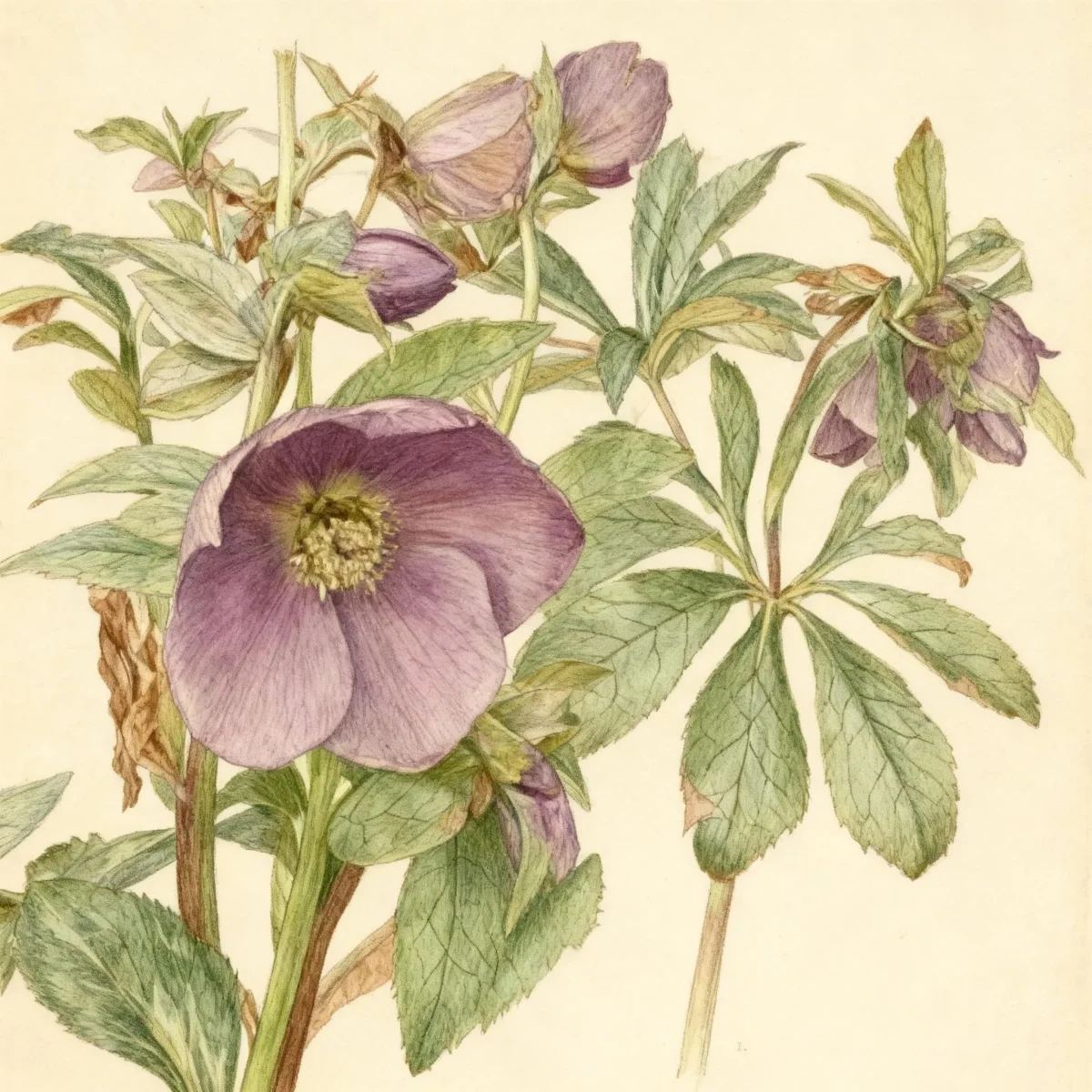
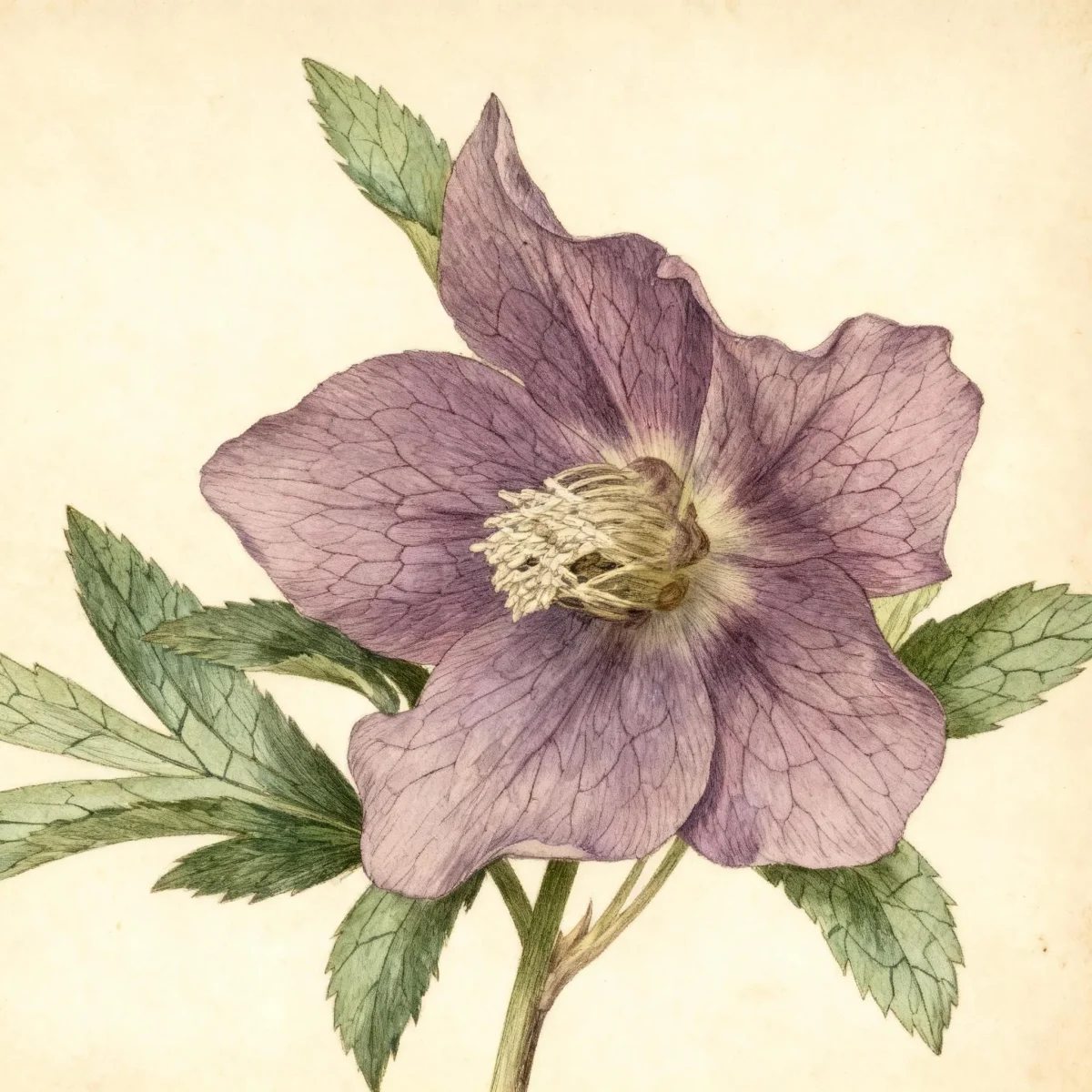
Hybrid hellebores, sometimes commonly called hybrid Lenten roses or hybrid winter roses, are bushy, clump-forming perennials which typically grow to 12-15” tall. They are noted for producing single, cup-shaped flowers (typically 2-3” diameter) with five showy, usually overlapping petals (technically sepals), but sometimes come in a double flowered form. Flowers bloom in a large variety of colors, including various shades and tints of white, pink, red, purple, and yellow, and sometimes have inside spotting. Bloom typically commences in late winter extending into early spring. Flowers appear at the tips of branched stems clad with evergreen dark green leaves which are divided into glossy, leathery, deeply-lobed, often toothed, lanceolate to elliptic segments. The genus name comes from the Greek words bora meaning “food” and helein meaning “injures/destroys” in reference to the plant’s toxic leaves, stems and roots which are poisonous to humans if ingested. Hellebores is the old Greek name for H. Orientalis. ‘Winter Joy Bouquet’ or ‘Winter Joy’ is a Lenten rose strain which features a large selection of bright flower colors including whites, creamy yellows, pinks and dark reds. It is an evergreen, bushy, clump-forming perennial which typically grows 12-15” tall with a similar spread. Nodding, cup-shaped flowers (to 2” diameter) with overlapping petals and center crowns of conspicuously contrasting yellow stamens appear in clusters (cymes) at the tips of leafy stems from February through April. Bloom period can be longer in mild winters. Glossy, deeply-cut, dark green, evergreen leaves are deeply lobed and divided into 7-10, narrow, lance-shaped to elliptic, usually-toothed segments.
Tolerances
- Deer
- Heavy Shade
Potential Problems
Hellebores are generally robust and rarely suffer from serious insect or disease issues, making them a favorite among low-maintenance gardeners. Occasional issues gardeners might encounter include crown rot, particularly if drainage is poor, and leaf spot fungi. Prevention primarily revolves around ensuring excellent soil drainage and avoiding overhead watering late in the day. It is critical to remember that the leaves, stems, and roots of this Hellebore are poisonous if ingested by humans or pets. Fortunately, deer and rabbits typically avoid grazing on the foliage.
Frequently Asked Questions
What hardiness zones is Hellebore suitable for?
Helleborus ‘Winter Joy Bouquet’ is a hardy perennial, thriving across USDA Zones 4 through 9.
How large does Hellebore grow?
This specific Hellebore variety typically reaches a mature height between 1 and 1.5 feet, with a similar spread, forming a neat clump.
When does Hellebore bloom?
Helleborus ‘Winter Joy Bouquet’ reliably flowers from February into April, providing colors that include white, yellow, pink, and red.
What sun exposure does Hellebore need?
This plant prefers a location receiving part shade to full shade, doing best where it is protected from the harshest afternoon sun.
Conclusion
The Helleborus ‘Winter Joy Bouquet’ is an indispensable plant for extending winter interest in the garden, delivering reliable, colorful blooms alongside attractive evergreen foliage. This low-maintenance Hellebore variety performs exceptionally well in shady environments for gardeners in zones 4 through 9. Plan your winter planting now to ensure you can enjoy the earliest signs of spring provided by this remarkable perennial.
Propagation Tips
While hybrid Hellebores are often purchased as nursery stock, division is the most reliable way for home gardeners to propagate established clumps of Helleborus ‘Winter Joy Bouquet’. This process should be undertaken in late summer or early fall when the plant is entering dormancy or slowing down growth. Dig carefully around the established mound, seeking to lift the entire clump, and gently separate the root ball into sections, ensuring each division retains a healthy crown and sufficient root mass.
Hellebores can also be grown from seed collected from the mature seed pods, although results can be variable as these are hybrids. If saving seed, note that germination often requires a long period of cold stratification, and seedlings commonly take two full years before they produce their first bloom. For consistency, division remains the preferred method for preserving the specific characteristics of Helleborus ‘Winter Joy Bouquet’.
Companion Planting
Because Helleborus ‘Winter Joy Bouquet’ thrives in part shade and rich, moist soil, excellent companions are other woodland or shade-loving plants that share similar cultural needs. Consider pairing them with Hostas, Astilbe, or ferns, which offer contrasting foliage textures for summer interest after the hellebore has finished blooming. Spring bulbs like Daffodils (Narcissus) or miniature Irises can emerge concurrently with or just after the hellebore flowers open, creating a continuous show during the early spring transition. Ensure that any companions do not aggressively shade the Hellebore once they leaf out, as this plant requires sufficient ambient light reflected from the canopy to produce its stunning winter flowers.