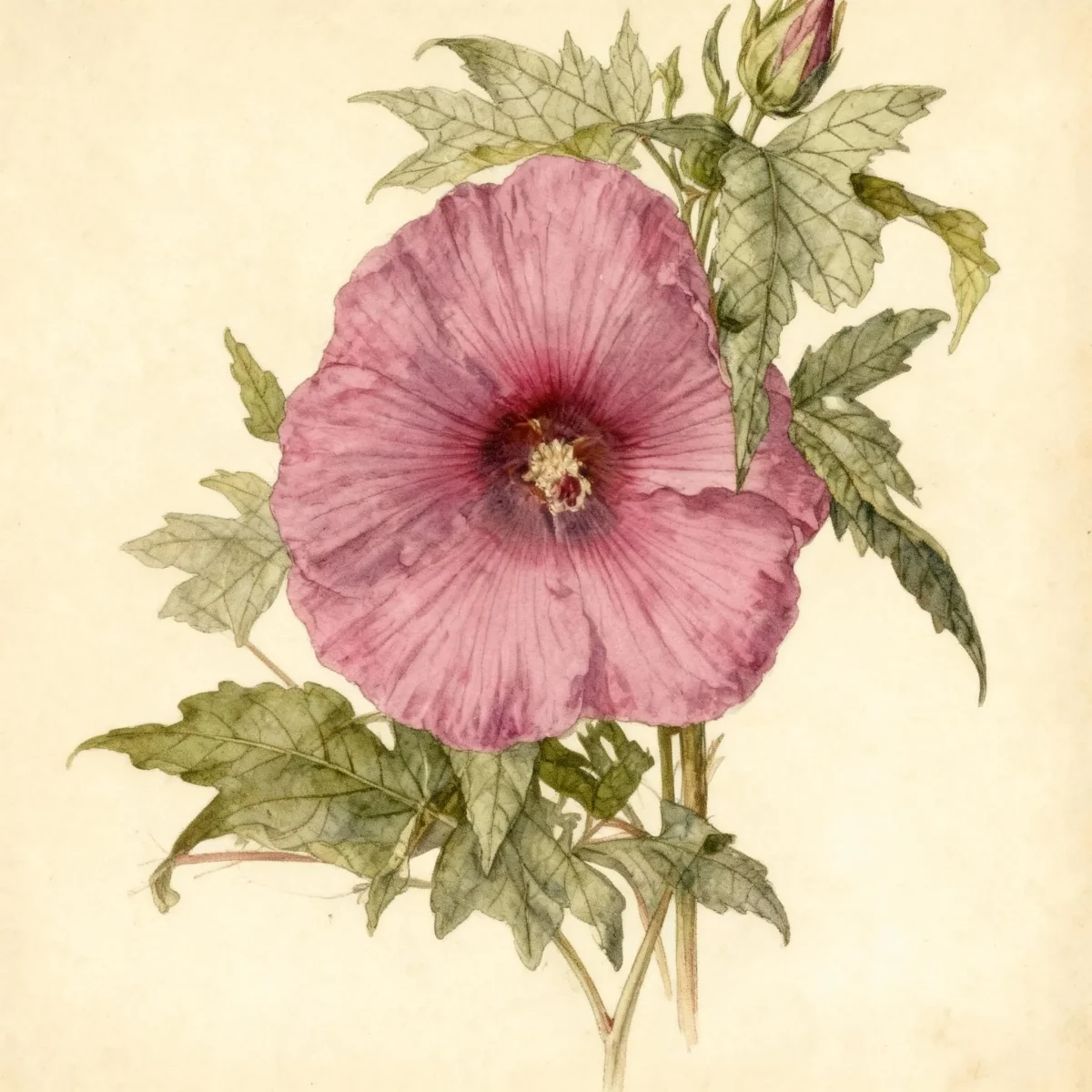
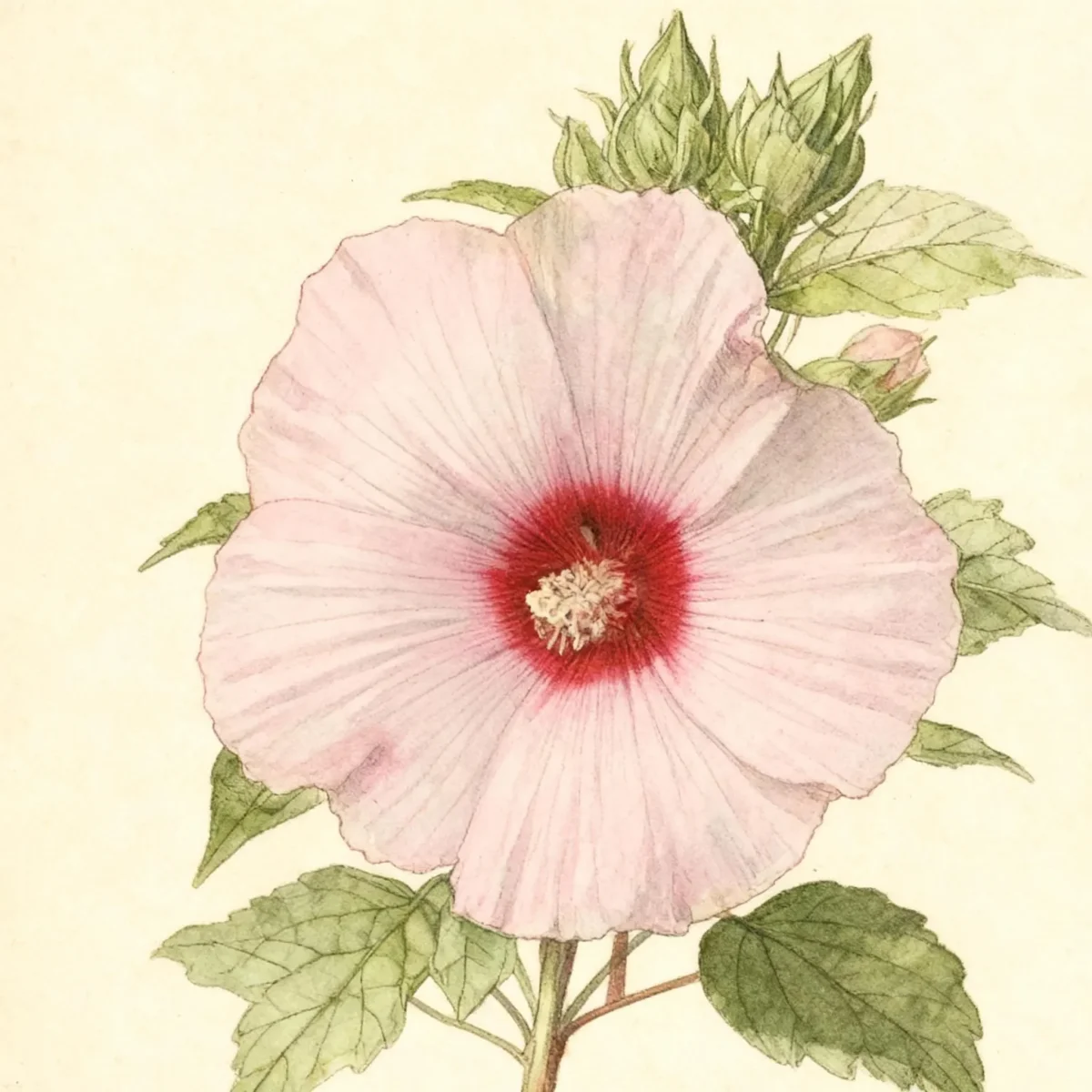
Hardy hibiscus (Hibiscus 'Turn of the Century')
Get stunning, massive blooms with Hardy hibiscus 'Turn of the Century', a low-maintenance perennial for wet areas.
Scroll down to discover growing tips, care requirements, companion plants, and more
Complete Plant Information
Overview
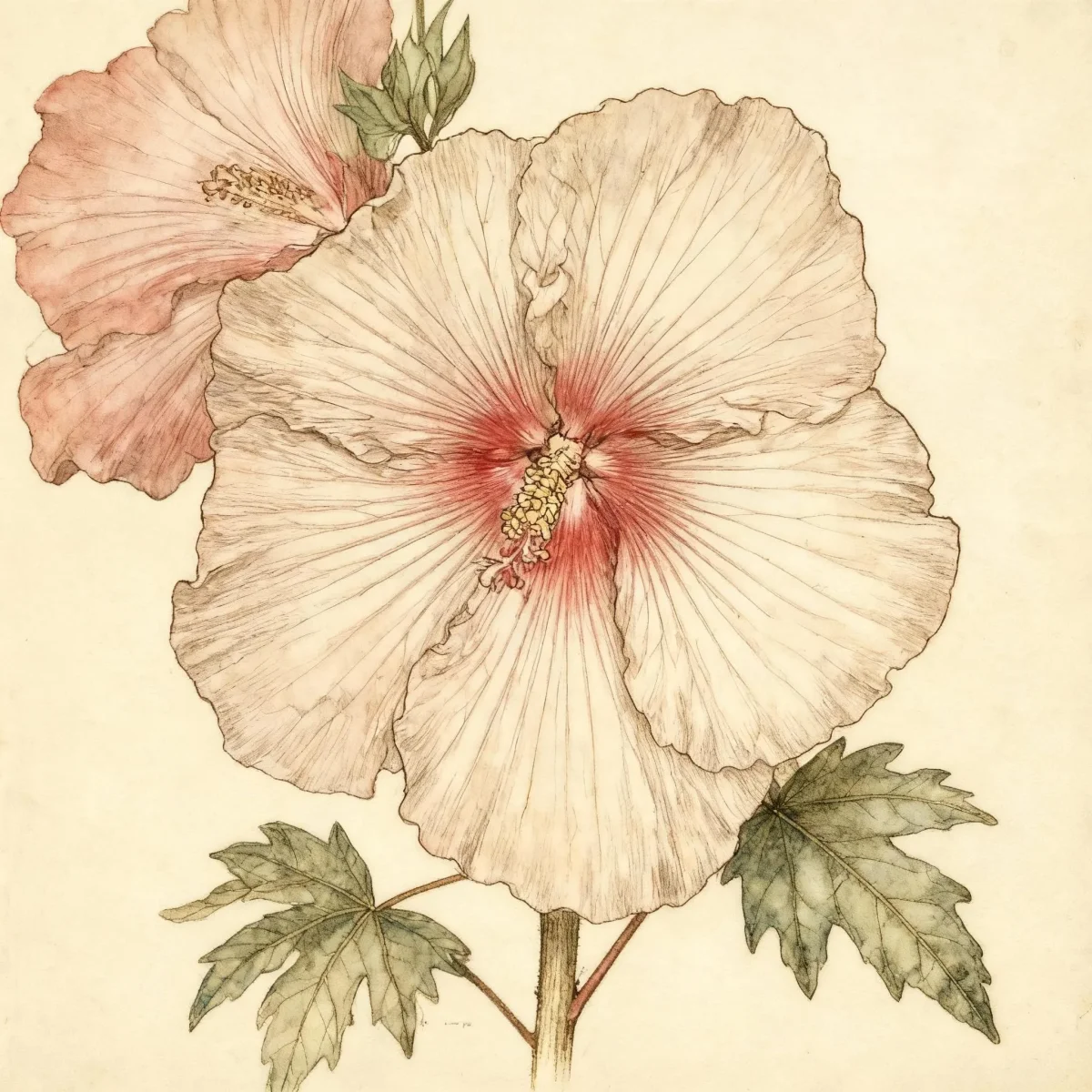
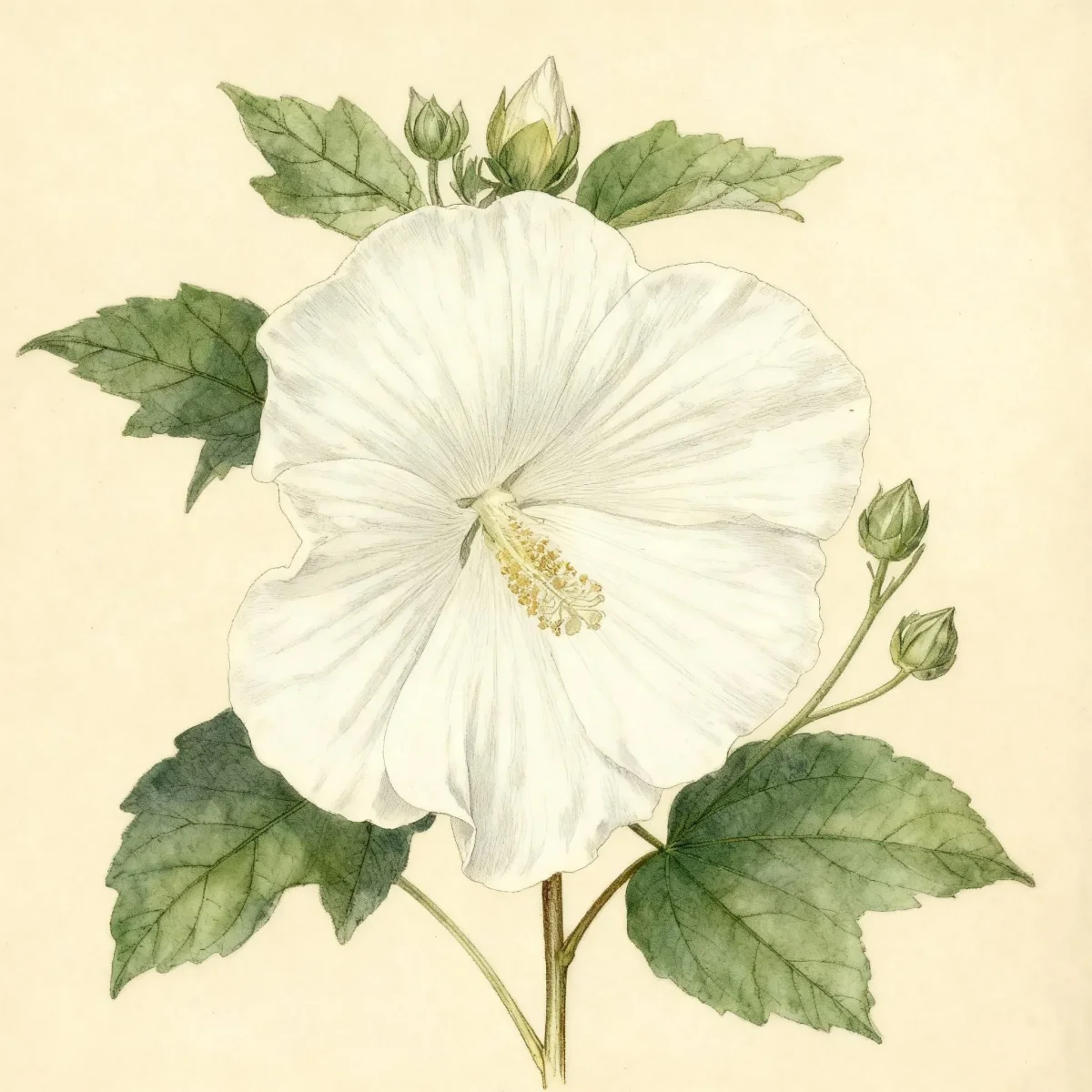
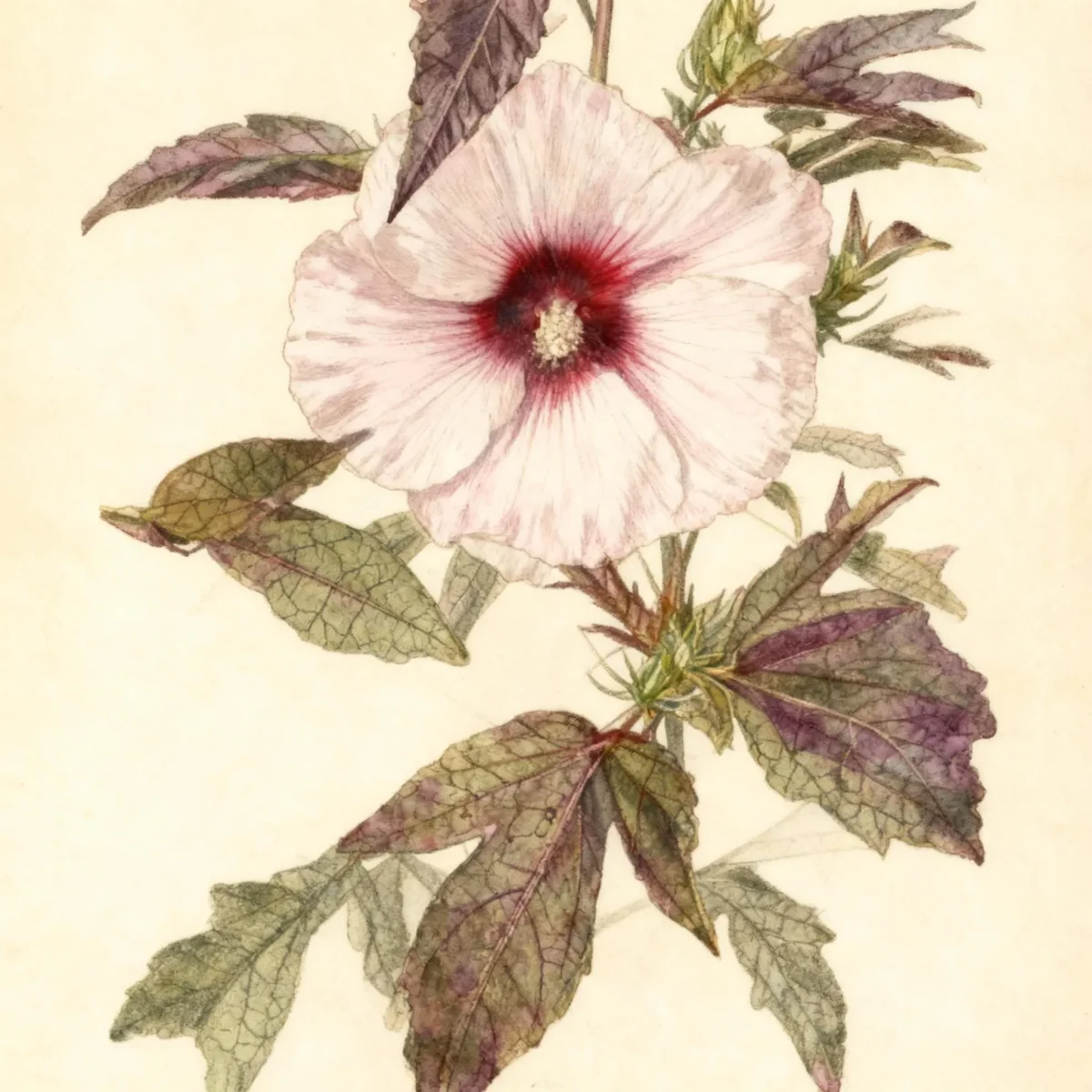
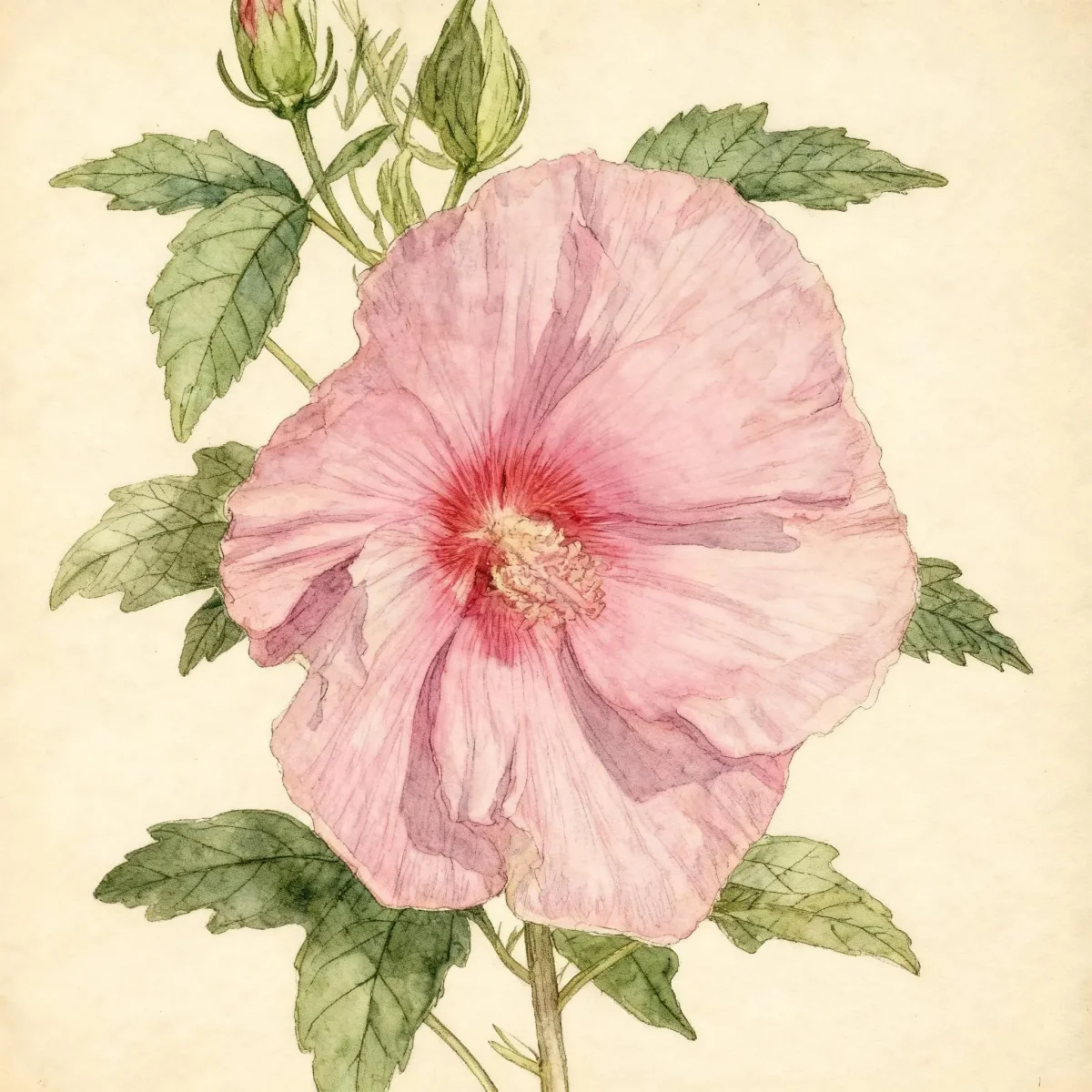
Hibiscus ‘Turn of the Century’ is a spectacular herbaceous perennial renowned for producing some of the largest flowers available among cold-hardy garden plants. This vigorous Hybrid hardy hibiscus cultivar offers tropical drama without the tropical winter vulnerability, making it a staple in cooler climate gardens. Its massive, dinner-plate-sized blossoms display a unique pinwheel of reddish-pink fading to white with a deep red eye.
This cultivar easily reaches heights of 6 to 8 feet, creating a strong vertical presence suitable for specimen planting or temporary screening. As a hardy hibiscus, it thrives in full sun and appreciates consistent moisture, performing exceptionally well in areas other plants might avoid due to wet soil conditions. The structure is sturdy, woody-based, and generally low maintenance once established.
Gardeners prize Hibiscus ‘Turn of the Century’ for its season-long display from mid-summer until frost. Site it where its striking blooms can be easily admired, ideally protected slightly from high winds. With its impressive size and intense flower production, Hibiscus ‘Turn of the Century’ is a reliable backbone plant for late-season garden color.
Fast Facts
- Plant Family: Malvaceae
- Plant Type: Herbaceous perennial
- Hardiness Zones: USDA Zones 5-9
- Size at Maturity:
- Height: 6-8 ft
- Spread: 4-5 ft
- Bloom Time: July to September
- Bloom Description: Reddish pink to white (bicolor) with red center
- Sun Exposure: Full sun
- Water Needs: Medium to wet
- Maintenance Level: Low
How to Grow
Plant Hibiscus ‘Turn of the Century’ in spring after the danger of frost has passed, or in early fall if your winters are mild. The success of this majestic hardy hibiscus relies heavily on consistent moisture; aim for moist, organically rich soils, although it tolerates average garden soils provided they do not dry out completely. Full sun exposure is crucial for the strongest stems and the best floral performance, though it can manage some light shade.
Watering must be deep and consistent, especially during hot, dry spells, as allowing the soil to dry can lead to leaf scorch. While vigorous, regular fertilization throughout the growing season will support the high-energy bloom production. Deadhead spent individual flowers daily to maximize the visual appeal of the plant.
Pruning is straightforward: cut the stems back to approximately 3 to 4 inches above the ground in late autumn after the foliage dies back. Be patient in spring; new growth emerges later than many other perennials, but once initiated, it grows quickly. Proper air circulation, achieved by siting the plant in ample sun, helps resist potential fungal issues like leaf spots or rusts.
Landscape Uses
The impressive stature and profuse summer blooms make Hibiscus ‘Turn of the Century’ an excellent choice for bold landscape statements. Use it as a temporary hedge due to its rapid, tall growth, perfect for obscuring necessary but unsightly utility boxes or compost bins during the summer months. Its love for moisture dictates prime placement near water features, streams, or in designated rain garden areas, functioning admirably in low spots where water tends to collect.
For dramatic effect, plant single specimens where their large flowers can serve as focal points, or group several together to create an unmissable mass planting against a dark fence or evergreen backdrop. Because it is such a tall grower, always place Hibiscus ‘Turn of the Century’ towards the rear of borders so it doesn’t shade out shorter companions. Consider pairing it with deep purple or blue foliage plants to contrast against its bicolored pink and white flowers.
Standout Features
Flower Qualities
- Showy
Noteworthy Characteristics
Hybrid hardy hibiscus cultivars are the result of complex breeding, often utilizing U.S. native species, resulting in winter-hardy plants distinct from tropical varieties. Hibiscus ‘Turn of the Century’ is particularly notable for its gigantic, dinner plate-sized flowers, up to 9 inches across, which feature a stunning bicolored effect of pinkish-red shifting to light pinkish-white with a defined red center. Individual flowers last only one day, but the plant compensates by producing up to 250 successive blooms between July and fall, surrounded by glossy, deeply-cut dark green foliage.
Tolerances
- Deer
- Wet Soil
Potential Problems
While generally robust, Hibiscus ‘Turn of the Century’ can occasionally face minor pest and disease pressures, especially if air circulation is poor or soil conditions are not optimal. Susceptibility exists for leaf spots, blights, rusts, and canker, making full sun essential for preventative care. Occasional insect visitors include Japanese beetles, which can quickly devour foliage if not manually removed, as well as sawflies, whiteflies, and aphids.
The most common cultural issue is leaf scorch, which occurs if the plant experiences drought stress; inconsistent watering is the primary driver of poor performance. To manage pests, inspect foliage regularly, especially new growth, and handpick beetles when first spotted. Healthy plants that receive deep, consistent watering and appropriate airflow rarely require chemical intervention or staking.
Frequently Asked Questions
What hardiness zones is Hardy hibiscus suitable for?
This striking cultivar is suitably hardy for planting in USDA Zones 5 through 9, ensuring its survival through winter lows.
How large does Hibiscus ‘Turn of the Century’ grow?
Hibiscus ‘Turn of the Century’ is a tall plant, typically reaching a mature height between 6 and 8 feet, spreading to about 4 to 5 feet wide.
What sun exposure does Hibiscus ‘Turn of the Century’ need?
This plant absolutely requires full sun exposure to produce the strongest stems and the most abundant display of its enormous flowers.
When does Hardy hibiscus bloom?
You can expect blooming to begin reliably in July and continue throughout September, providing vibrant color late into the growing season.
Conclusion
For gardeners seeking mid-to-late summer drama coupled with reliable hardiness, Hibiscus ‘Turn of the Century’ is an exceptional choice due to its massive, uniquely patterned flowers and tolerance for wet conditions. This hardy hibiscus variety offers low maintenance once established, provided it receives its required full sun and deep, consistent hydration. Before planting, ensure your location is warm enough for Zones 5-9 and verify that the soil can stay sufficiently moistened throughout the heat of the season.
Companion Planting
Selecting companions based on water needs is key to successfully integrating Hibiscus ‘Turn of the Century’ into the landscape. Since this perennial prefers medium to wet soils, pair it with other moisture-loving species that also relish full sun. Excellent partners include native moisture-loving grasses like Switchgrass (Panicum virgatum) or sedges (Carex species) which provide contrasting texture without competing heavily for nutrients.
Consider planting moisture-tolerant perennials such as Joe Pye Weed (Eutrochium) or blue flag iris (Iris versicolor) nearby. These plants share cultural needs but mature at different heights or bloom times, allowing the hardy hibiscus to act as the dramatic centerpiece during peak summer performance while others offer early or late season interest.
Propagation Tips
The primary method for increasing your stock of Hibiscus ‘Turn of the Century’ is through division, typically performed early in the spring as new growth is just beginning to emerge. Carefully dig up the clump and use a sharp, clean spade to separate viable sections, ensuring each division has sufficient roots and at least one viable growth bud. Alternatively, the plant can be propagated from cuttings taken from new stem growth during the early summer months.
Taking cuttings involves selecting non-flowering soft to semi-hardwood stems, cutting sections about 4 to 6 inches long, and treating the base with rooting hormone before placing them in a moist, sterile medium. While division assures genetic consistency, cuttings offer a way to increase plant numbers rapidly, though successful rooting requires consistent humidity and temperature management typical of starting woody-based perennials.