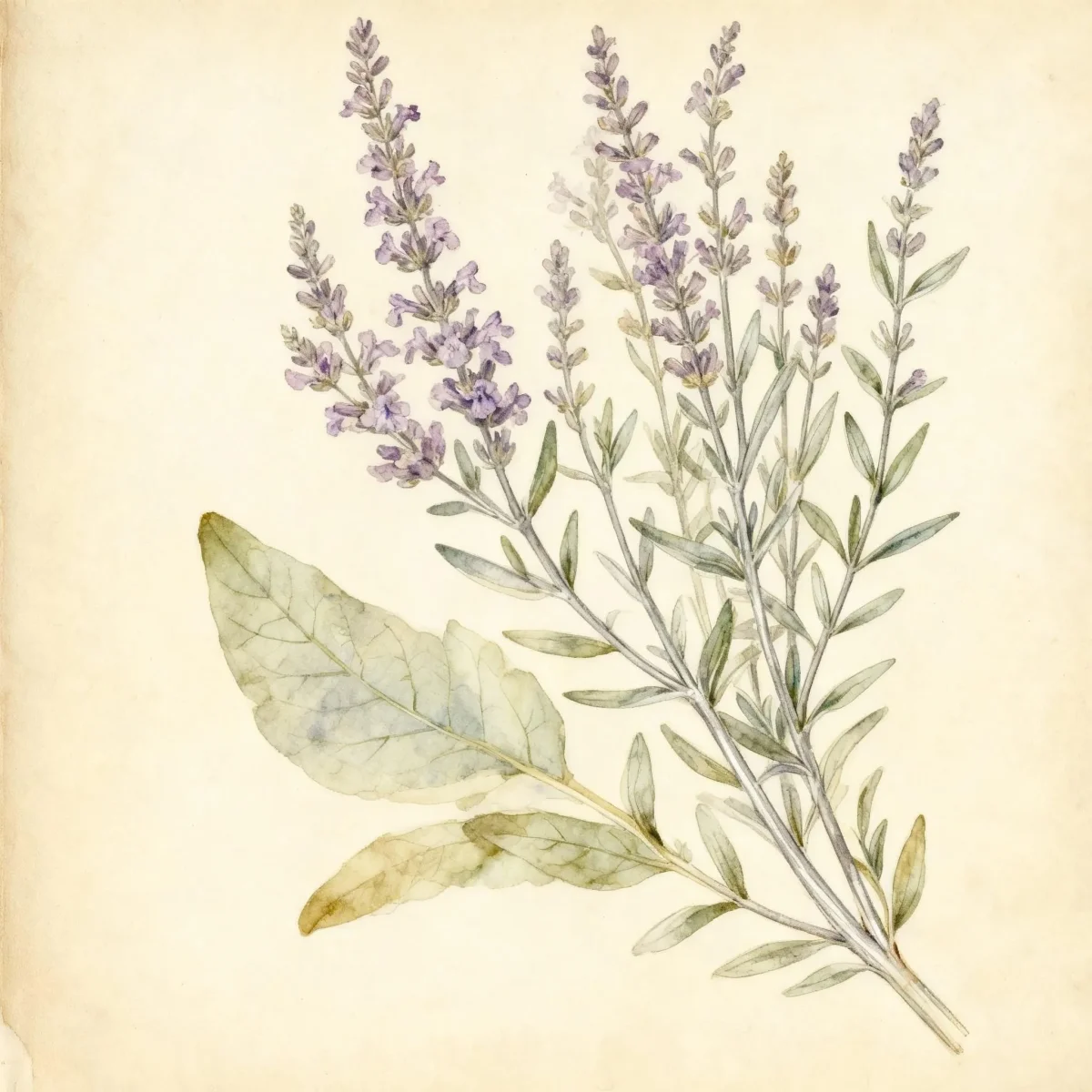
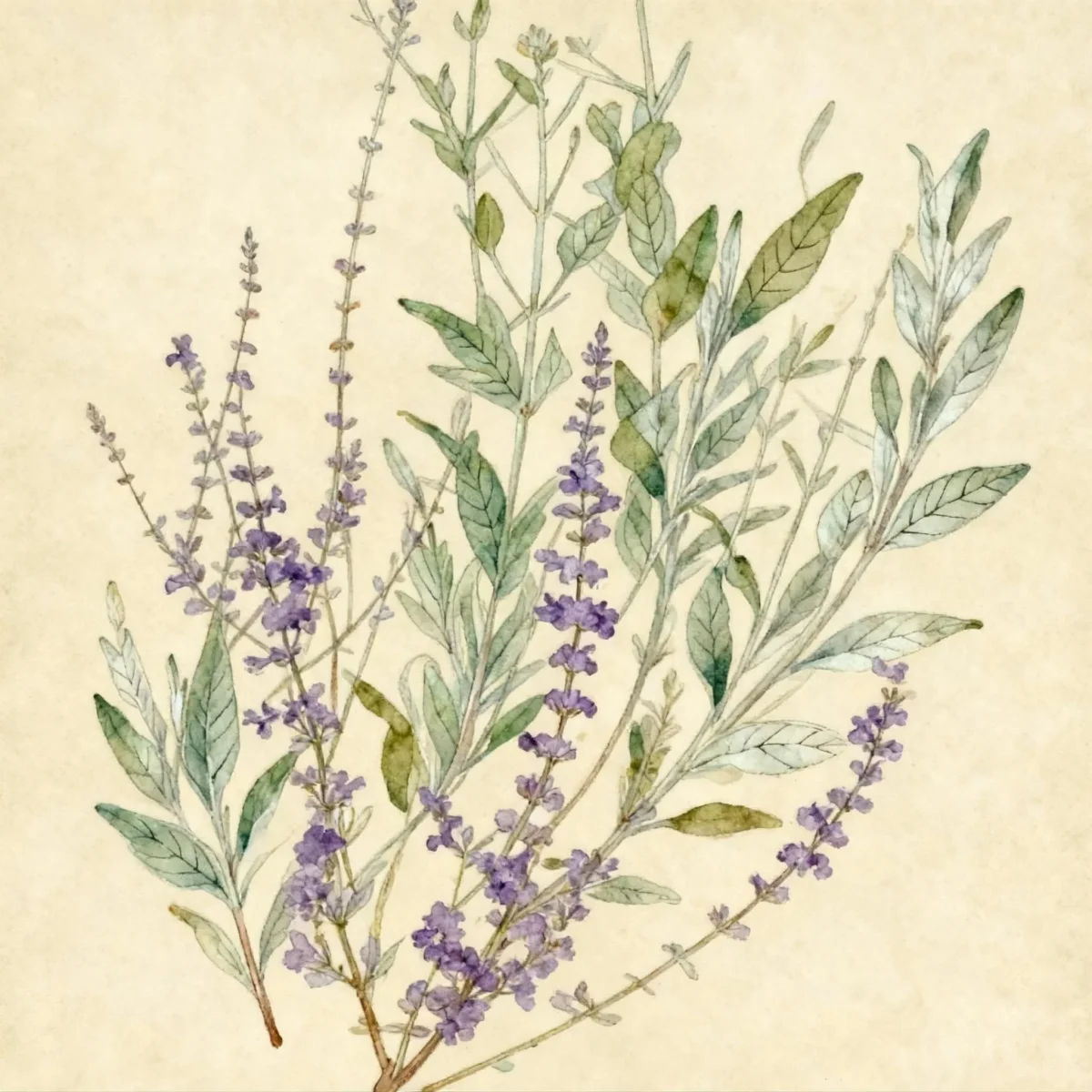
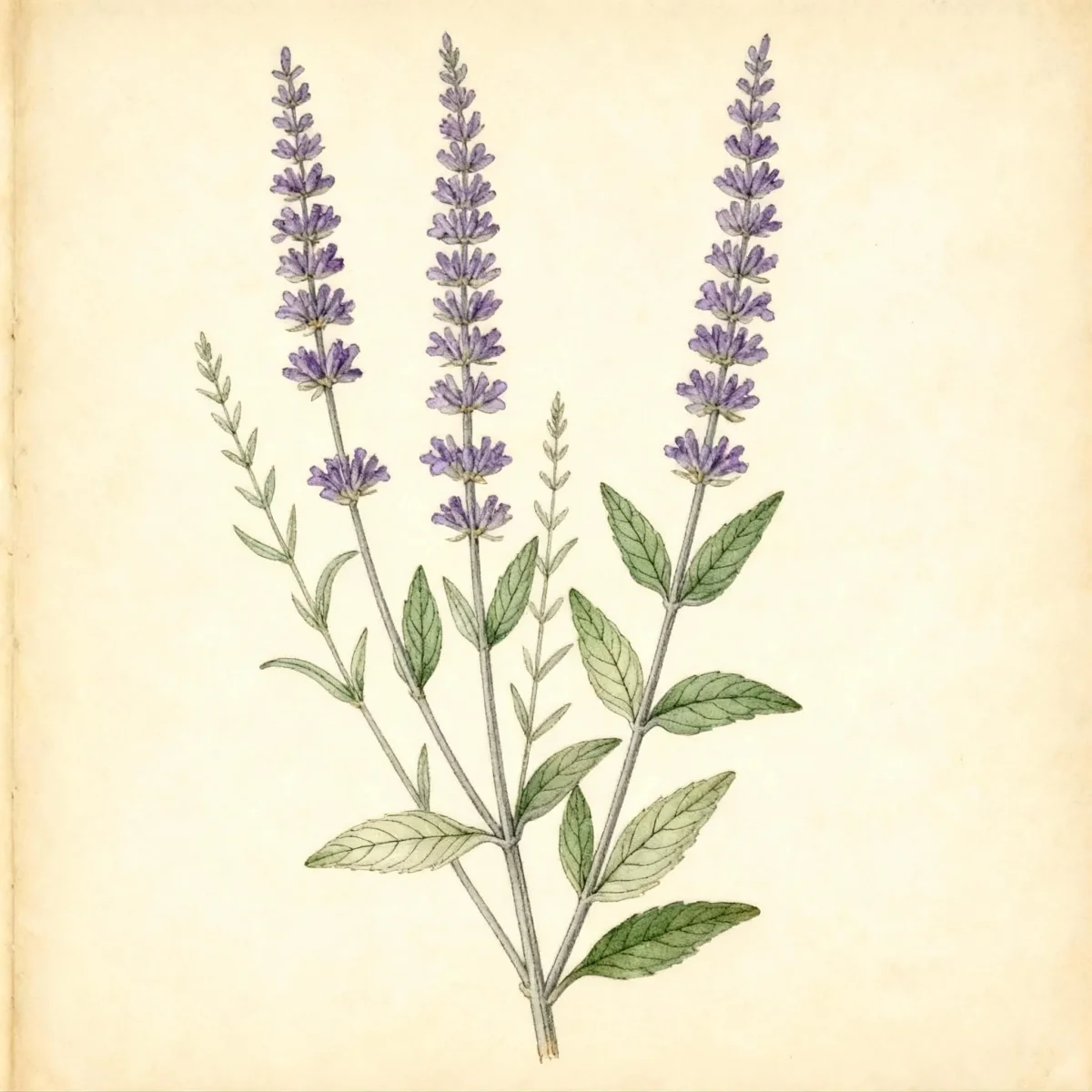
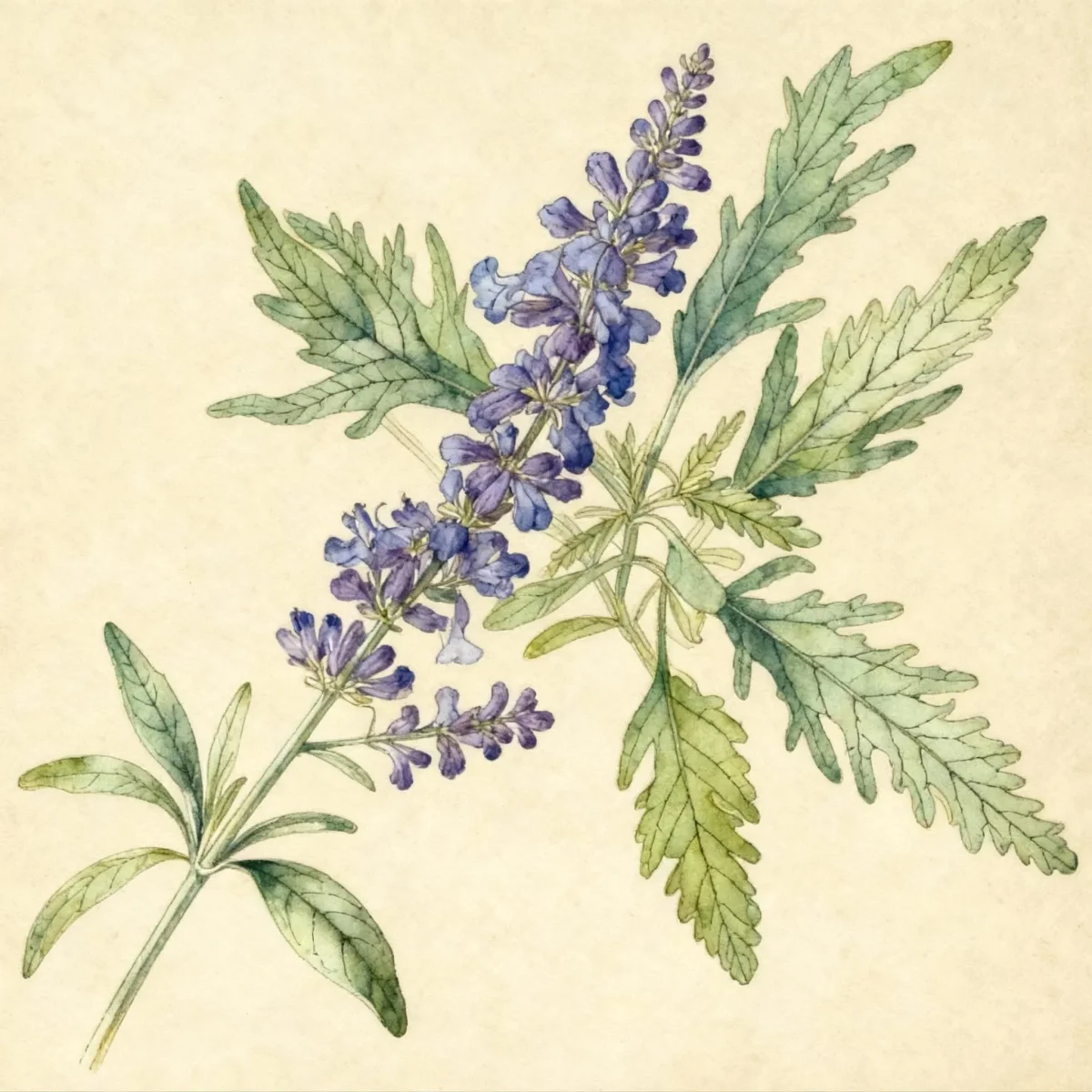
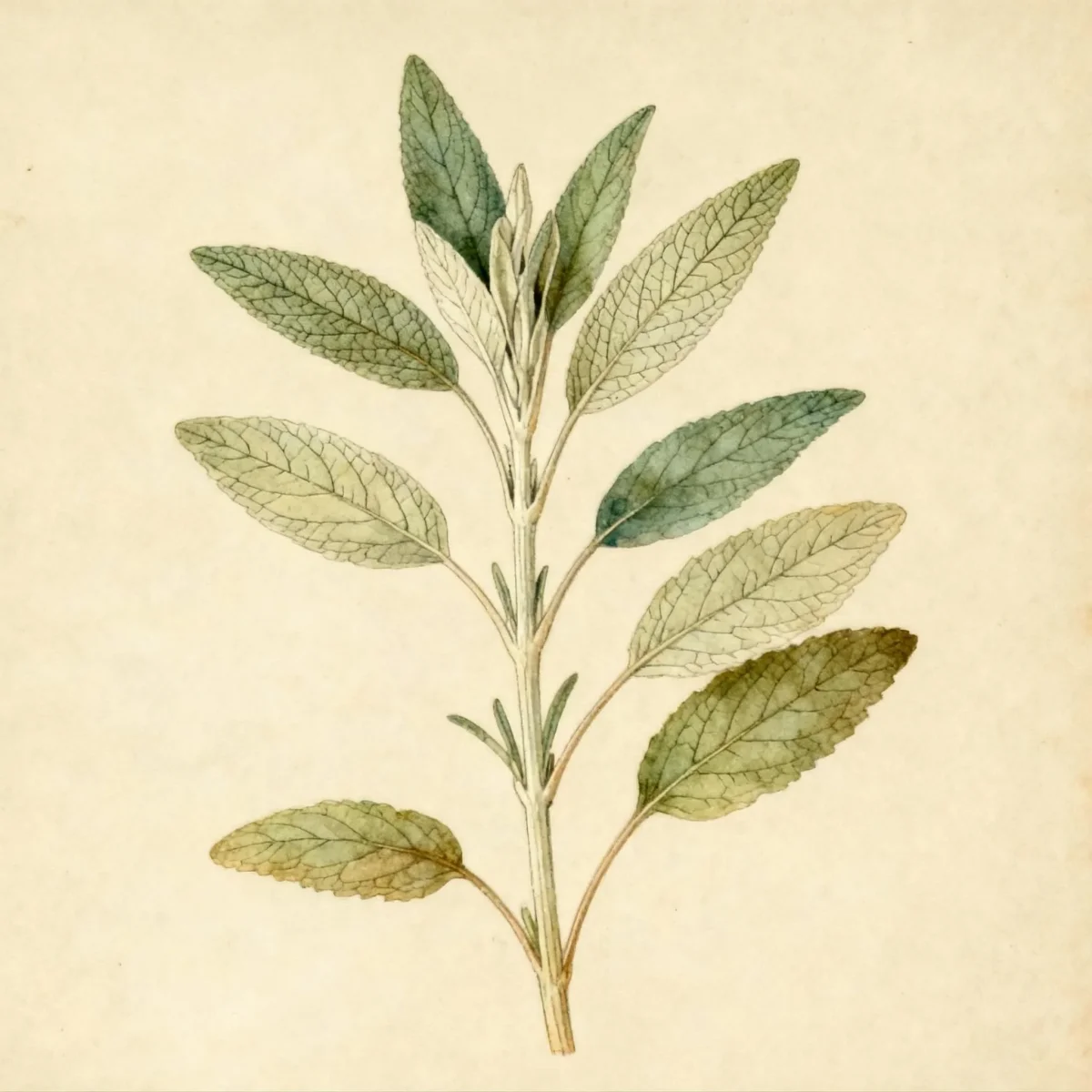
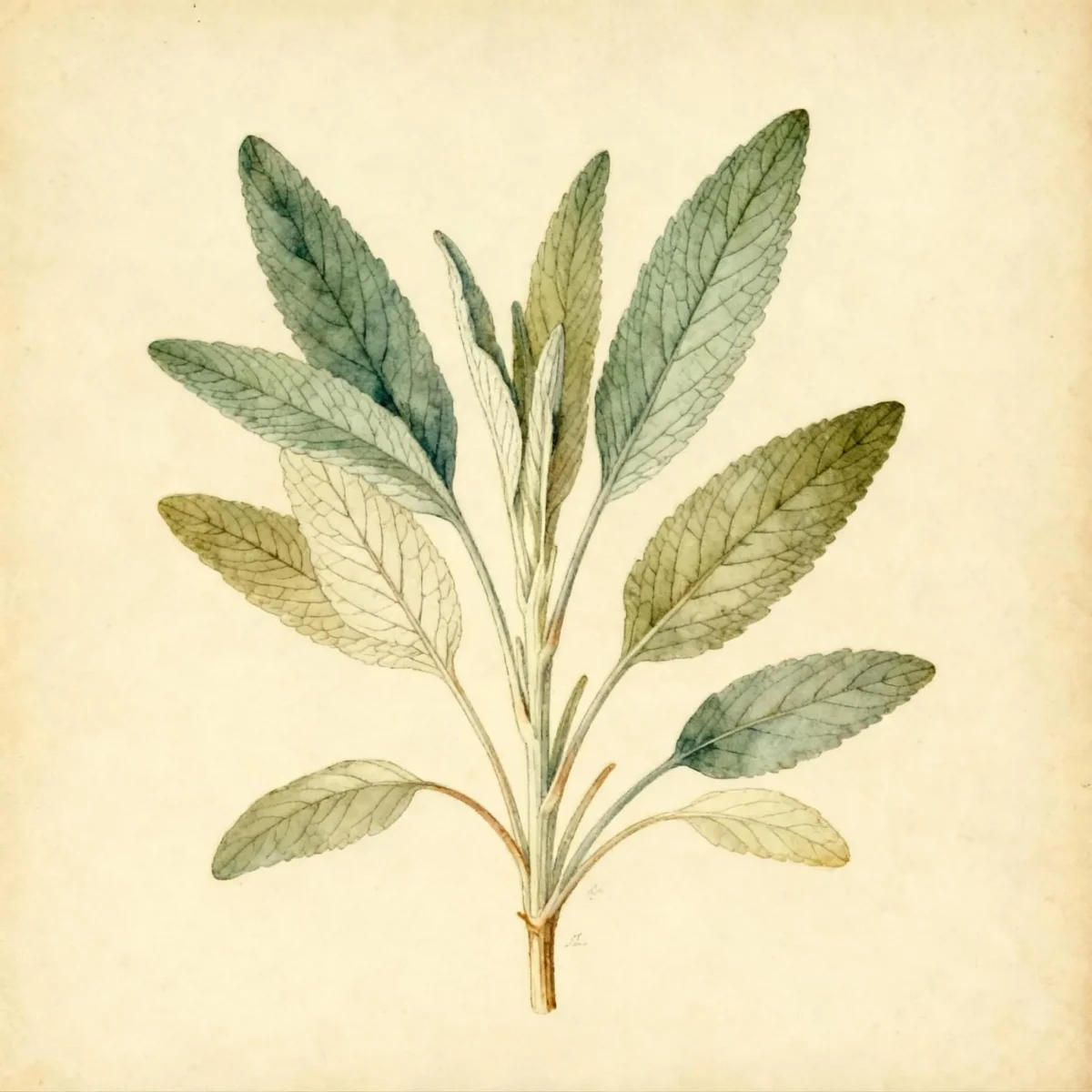
Russian sage (Perovskia atriplicifolia 'Little Spire')
Perovskia atriplicifolia 'Little Spire' (Russian sage) is a low-maintenance perennial offering violet-blue summer blooms and aromatic, gray-green foliage.
Scroll down to discover growing tips, care requirements, companion plants, and more
Complete Plant Information
Overview
Perovskia atriplicifolia ‘Little Spire’, commonly known as Russian sage, is prized by gardeners for its prolonged summer bloom and striking, silvery-gray foliage that maintains visual interest even after the flowers fade. This compact cultivar offers the classic airy texture of Russian sage but in a manageable size ideal for smaller gardens or front-of-border placement. It brings a Mediterranean feel to the landscape, thriving where many other flowering perennials might struggle due to heat or dry conditions.
This woody-based perennial is celebrated for its extremely low maintenance requirements once established, making it a perfect choice for gardeners seeking high impact with minimal fuss. The finely-dissected, aromatic leaves contribute significant texture, contrasting beautifully with its whorls of small, violet-blue flowers that last from June until the first hard frost. Planting Perovskia atriplicifolia ‘Little Spire’ correctly ensures stiff, upright growth and continuous performance throughout the growing season.
The excellent drought tolerance and adaptability of Russian sage mean that this plant is exceptionally rewarding in challenging, sunny spots. Its sturdy structure and attractive color provide excellent structure in the perennial garden, serving as a reliable anchor point that resists pests. Gardeners looking for long-lasting color and low water needs should certainly consider adding this tough, showy cultivar to their landscapes.
Fast Facts
- Plant Family: Lamiaceae
- Plant Type: Herbaceous perennial
- Hardiness Zones: USDA Zones 5-9
- Size at Maturity:
- Height: 1.5-2 ft
- Spread: 1.5-2 ft
- Bloom Time: June to frost
- Bloom Description: Violet-blue
- Sun Exposure: Full sun
- Water Needs: Dry to medium
- Maintenance Level: Low
How to Grow
For optimal performance, plant Perovskia atriplicifolia ‘Little Spire’ in full sun, as this location ensures the best flowering and prevents stems from flopping. Sharp soil drainage is crucial; while Russian sage tolerates average soils, it must be well-drained, as wet or soggy soil during winter can be fatal. Plant in late spring or early fall, ensuring the location meets its minimum requirement for intense sunlight exposure.
Care for this hardy perennial is minimal. Once established, this Russian sage cultivar displays impressive drought tolerance, requiring supplemental watering only during prolonged dry spells. Avoid rich fertilizers, as excess nitrogen can encourage soft, floppy growth rather than the desired upright habit. The plant’s structure and appearance are maintained primarily through appropriate pruning.
Maintenance primarily consists of a hard cutback in late winter or very early spring, just as new growth begins to emerge near the base. Remove all the old, woody stems, cutting them back almost to the ground. Unlike the taller species, Perovskia atriplicifolia ‘Little Spire’ generally does not require pinching due to its naturally compact habit, simplifying summer maintenance tremendously.
Landscape Uses
The upright form and cooling color palette make Perovskia atriplicifolia ‘Little Spire’ an outstanding structural element in the perennial border. Use it as a mass planting to create drifts of hazy blue texture, or utilize it as a specimen plant where its airy presence can be appreciated up close. Its 2-foot stature makes it perfect for the middle of the border or as a defined edger along paths, where its gray-green foliage provides year-round interest.
This vibrant plant excels when paired with contrasting colors. It harmonizes beautifully next to hot pinks, such as phlox or roses, and creates striking contrast against yellows, like Rudbeckia or coreopsis. The silver foliage acts as a neutralizer, linking disparate colors while providing textural variation against plants with broader leaves.
Standout Features
Flower Qualities
- Showy
Noteworthy Characteristics
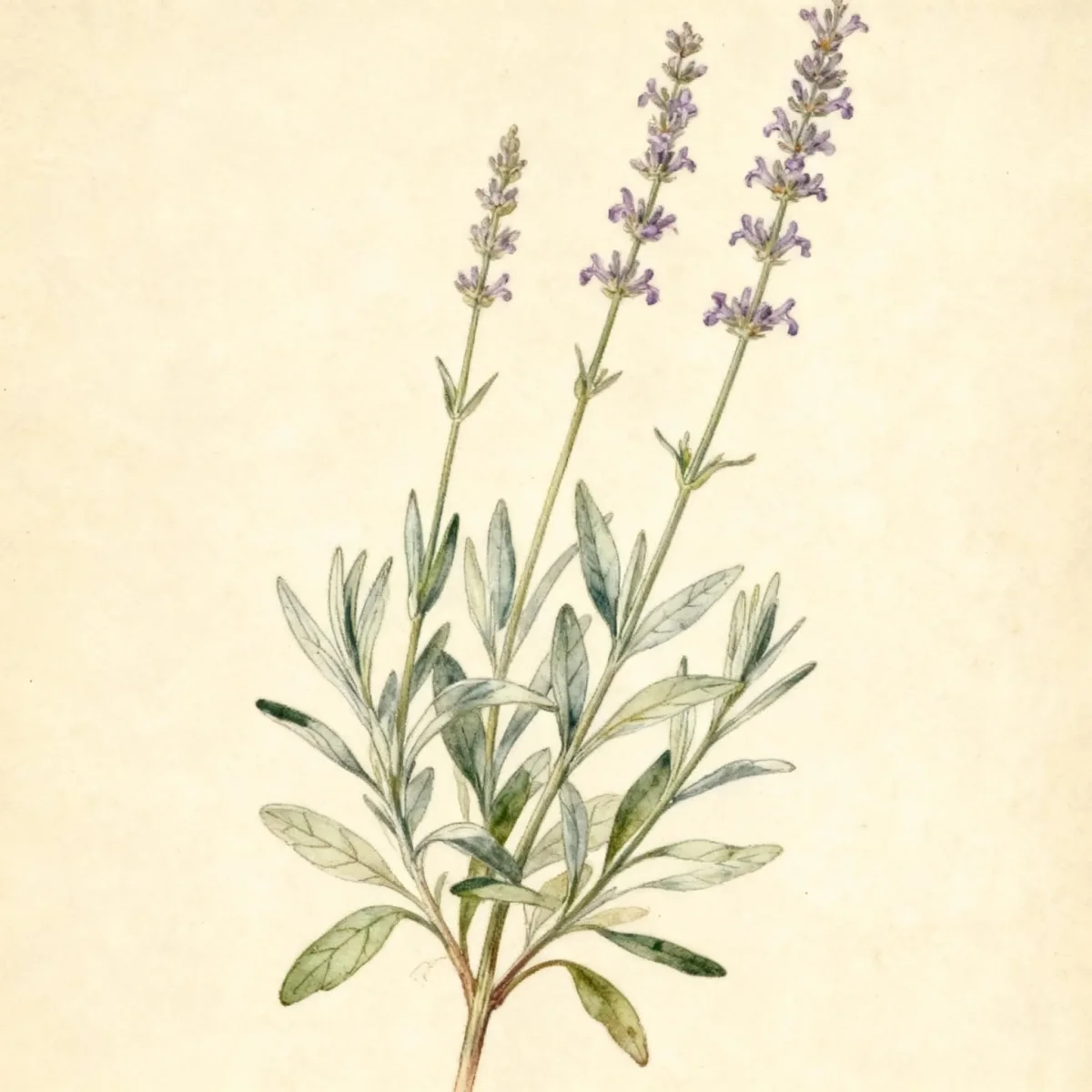
Perovskia atriplicifolia, commonly called Russian sage, is known for its woody-based perennial structure, finely-dissected aromatic foliage, and stiff, upright stems. The cultivar ‘Little Spire’ is a compact form, reaching about 2 feet tall, featuring whorls of tubular, violet-blue flowers that bloom profusely over a long summer period. Its silvery foliage also offers valuable winter interest, particularly in milder winter regions.
Tolerances
- Rabbit
- Deer
- Drought
- Clay Soil
- Dry Soil
- Air Pollution
Potential Problems
Russian sage is generally robust and rarely suffers from serious insect or disease issues, which adds to its low-maintenance appeal. The most common cultural challenge relates to its habit; plants tend to sprawl or flop over, particularly if they receive too much shade or are grown in overly rich soil. Ensure full sun exposure and adequate drainage to promote stiff, compact stems. If flopping occurs, be diligent about cutting the plant back hard in early spring to encourage renewed, stronger vertical growth.
Frequently Asked Questions
What hardiness zones is Russian sage suitable for?
Perovskia atriplicifolia ‘Little Spire’ is reliably hardy in USDA Zones 5 through 9, offering excellent adaptability across many climates.
How large does Perovskia atriplicifolia ‘Little Spire’ grow?
This compact cultivar typically matures to a height between 1.5 and 2 feet, with a spread of 1.5 to 2 feet wide, maintaining a manageable, upright profile.
What sun exposure does Russian sage need?
This plant requires full sun exposure to achieve its best flower production and maintain rigid, non-flopping stems.
When does Perovskia atriplicifolia ‘Little Spire’ bloom?
This Russian sage cultivar puts on a long display of violet-blue flowers, generally starting in June and continuing until the arrival of the first hard frost.
Conclusion
Perovskia atriplicifolia ‘Little Spire’ offers gardeners the invaluable combination of drought resilience, low maintenance, and extended summer color. The aromatic, silvery foliage and clouds of violet-blue flowers make this Russian sage a true standout when planted in the sunniest locations of your garden. Before planting, confirm your location falls within USDA Zones 5-9 and ensure sharp soil drainage for years of dependable, beautiful performance.
Companion Planting
When integrating Russian sage into your design, consider its cultural needs: sun and dry, well-drained soil. Pairing it with other drought-tolerant perennials enhances the overall cohesion of the planting area. Plants such as Sedum (stonecrop), ornamental grasses like Blue Fescue (Festuca glauca), or lavender (Lavandula) share similar requirements and complement the silvery-blue tones of Perovskia atriplicifolia ‘Little Spire’.
For maximum visual impact, utilize companions that offer contrasting foliage textures. Yucca or Iris varieties with strong vertical lines serve as excellent partners, letting the airy habit of the Russian sage soften their edges. By grouping plants that thrive under similar, perhaps even slightly lean, soil conditions, you ensure that every element in the border performs optimally throughout the hot summer months.
Design Ideas
The vertical accent provided by Perovskia atriplicifolia ‘Little Spire’ makes it perfect for formal or informal hedging along walkways or property lines where a low, airy barrier is desired. Its muted color palette also makes it an excellent “cooler” for surrounding hot-colored plants like deep reds or oranges, calming the overall visual impact of the border. Think of it as a textural filler that bridges the gap between mid-summer bloomers and late-season asters.
Consider using this cultivar heavily in xeriscaping or native gravel gardens where heavy irrigation is undesirable. Its silvery, reflective foliage actually helps reduce the apparent heat radiating from the planting bed. In containers, use it as a vertical thriller surrounded by lower-growing silver-leaved trailers to create an instant, low-water-use focal point for your patio.